

From Tsinghua to Princeton and Back: Yan Ning's Return to Lead Shenzhen Medical Academy of Research and Translation
Authors: Mou Lei, Shen Yuting
Yesterday,“Renowned Scientist Yan Ning to Return to China Full-Time”The news sparked considerable discussion in China and even topped the Weibo trending topics list for a time. In fact, there are only a handful of scientists in China who can command such public attention. However, unlike other few “handfuls” of scientists, a significant reason for Yan Ning’s breakout popularity lies in her nearly unparalleled career trajectory.
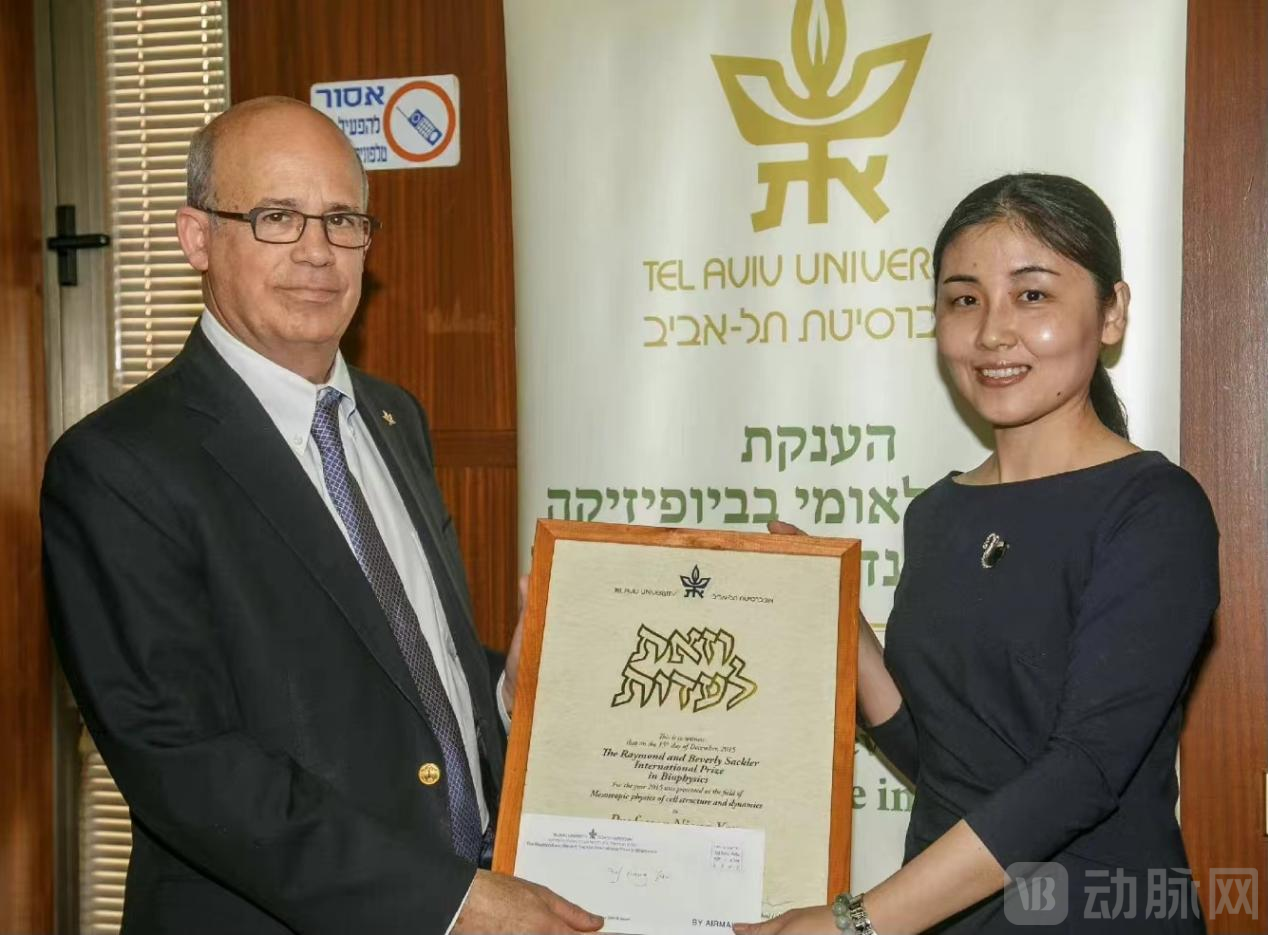
Image source: Yan Ning's personal Weibo
In 2007, Yan Ning, under the age of 30, becameYoungest Professor, School of Life Sciences, Tsinghua University; In 2014, Yan Ning, at the age of 37, led a team with an average age of under 30 to solve a scientific problem in membrane protein research that had remained unresolved for 50 years, accomplishing this feat in just six months; in 2016, Yan Ning, then 39, was selected by Nature magazine for her outstanding contributions to protein structure"Star of Chinese Science"; in 2017, 40-year-old Yan Ning becameShirley M. Tilghman Professor of Molecular Biology, Princeton University; In 2019, 42-year-old Yan Ning was electedForeign Associate of the National Academy of Sciences; In 2021, 43-year-old Yan Ning was electedMember of the American Academy of Arts and Sciences。
On November 1, 2022, 44-year-old Yan Ning stood in Shenzhen,Announced plans to resign from Princeton University and return to China to establish the Shenzhen Medical Academy of Research and Translation.
Where does it all begin?
Becoming Tsinghua University's Youngest Professor
In 2019, Yan Ning, then 42, stated in a media interview that there had been two unforgettable moments in her life thus far, one of which was her admission to Tsinghua University.
What remains memorable, however, is merely her admission to Tsinghua University, as Yan Ning had originally intended to major in Chinese Language and Literature rather than the Department of Biological Science and Technology, where she ultimately studied. The reason for this“Abandoning the Humanities for the Sciences”, Yan Ning also has many frustrations.
When it came time to choose between the humanities and sciences track in her second year of high school, Yan Ning initially opted for the humanities. However, her homeroom teacher quickly intervened and persuaded her to switch to the sciences, arguing that “a strong foundation in mathematics, physics, and chemistry will open doors anywhere; with your excellent academic performance, you should pursue science rather than humanities.” Yan Ning’s father shared this view and even suggested a specific direction for her: the Department of Biology. This recommendation was influenced by the prevailing belief at the time that the 21st century would be the era of life sciences.
Although Yan Ning was reluctant, she followed her father’s advice. She did not dislike biology, partly because her biology teacher at the time was a cool and engaging female instructor who made the subject fascinating. Another reason was her fondness for the “Monkey King,” a character she greatly admired during her school years. What captivated her most was the Monkey King’s 72 transformations, which often led her to ponder,“If the ‘Monkey King’ could shrink infinitely, down to the size of a molecule, and enter our cells, what kind of world would he see?”, it was with such questions that Yan Ning began to develop an interest in biology.
Upon entering university, Yan Ning did not cast herself as a Tsinghua top student who burned the midnight oil, but instead used"Having a blast"“Four Words” Summarized Her Four-Year Undergraduate Journey. During these four years, Yan Ning attended numerous lectures, took many courses that piqued her interest, participated in a variety of quirky club activities, met countless people, and somehow found herself elected as chair of the departmental student association.
Later, Yan Ning went toNovo NordiskDuring her internship, disliking the rigid hierarchical structure and relatively static work environment at the biopharmaceutical company, she—who valued freedom—nevertheless decided to resign. Like most people at the time, she chose to study abroad.ThisSeven Whole Years Gone。
But her connection with Tsinghua University was far from over. In 2007, Yan Ning, then under the age of 30, returned to China and was appointed asProfessor, School of Life Sciences, Tsinghua University, of course, this rank should be preceded by an attributive modifier—“Youngest.” Yet it was these four characters that placed immense pressure on Yan Ning. She candidly admitted, “At that time, I had only been independently leading my laboratory for two years,“In truth, I still deeply craved recognition from others, especially since I was often under the pressure of being known as Tsinghua University’s youngest professor.”
But Yan Ning effectively transformed this pressure into motivation.
Since 2009, Yan Ning has published, as a corresponding author, in the three world-leading academic journals Nature, Science, and Cell19 Research Papers, and its research findings were cited among *Nature*’s Top 10 Advances of the Year in 2009 and 2012. Moreover, the number of papers published annually by its team in the world’s leading scientific journals was the highest among all universities in China at that time.
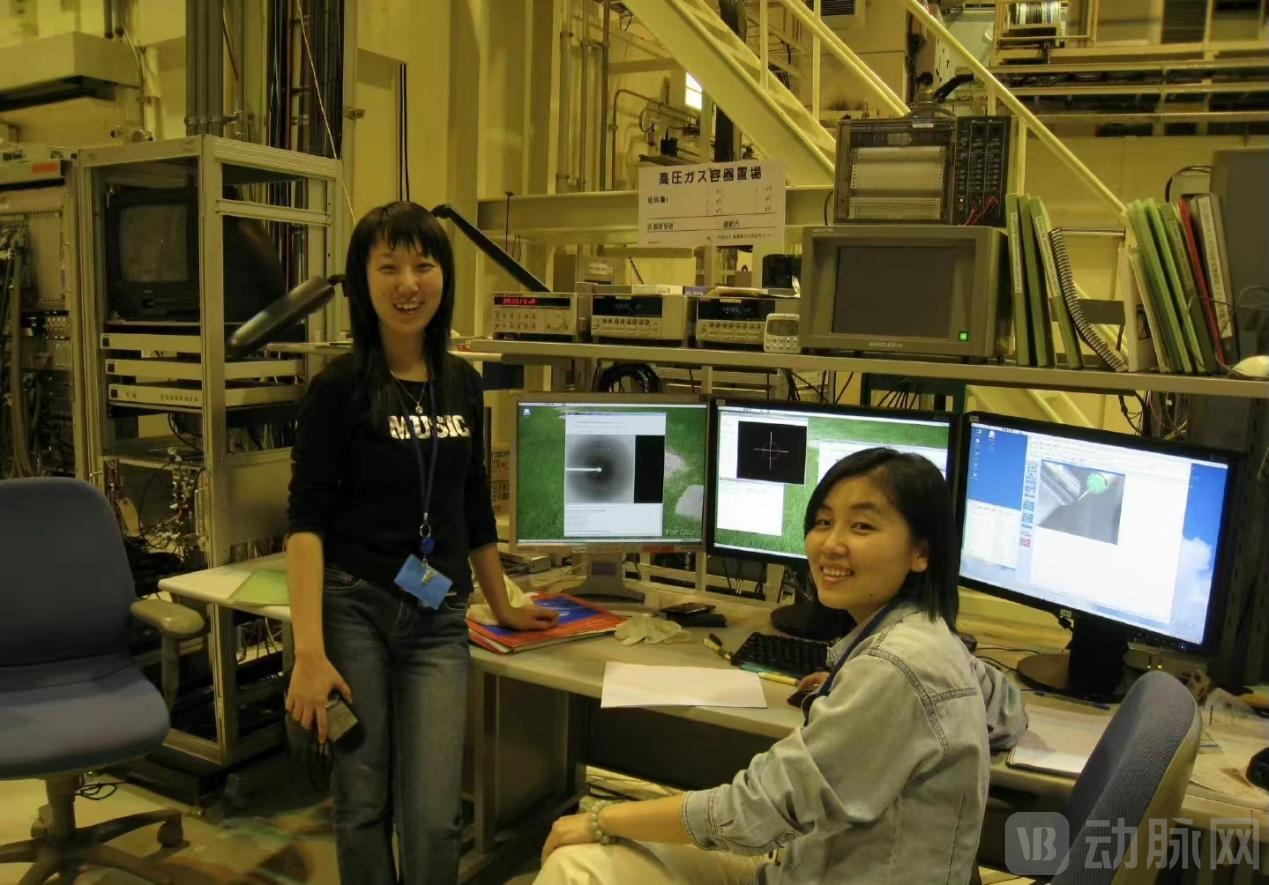
Image source: Yan Ning's personal Weibo
In 2014, Yan Ning led a team with an average age of under 30 to conquer a scientific problem in the field of membrane protein research that had remained unsolved for 50 years, accomplishing this feat within six months. On June 5 of the same year, their research findings were officially published and cited by Nature. In 2015, in recognition of her significant contributions to the field of membrane protein structure research, Yan Ning simultaneously received the International Society for the Advancement of Protein Science’s “Young Scientist Award" and "Sackler International Prize in Biophysics”。
In fact, in this [context] led by the Professor of Molecular and Cellular Physiology at Stanford University School of Medicine, the 2012 Nobel Laureate in ChemistryBrian KobilkaHailed as a landmark achievement, this research centers on elucidating the structure of GLUT1, aiming to reveal the precise architecture and functional mechanisms of this critical glucose transporter (GLUTs) in the human body.
Recalling the moment she first saw the structure of GLUT1 on her computer screen, Yan Ning remains exhilarated to this day; she described her joy with these words:“This was something previously unknown to the world, yet you were the first to catch a glimpse of it. Imagine what kind of reward that would be.”
Subsequently, Yan Ning’s team further obtained ultra-high-resolution structures of GLUT3 bound to substrates and inhibitors, capturing multiple conformations, thereby clearly elucidating the molecular basis of glucose transmembrane transport, a fundamental cellular process. In addition, she has made significant contributions to the field of ion channel structural biology by resolving the crystal structure of voltage-gated sodium channels and obtaining the high-resolution structure of the largest calcium channel, RyR1, using state-of-the-art cryo-electron microscopy technology. Based on these achievements, Yan Ning was selected in 2016 for Nature magazine’s “China's Rising Star in Science”。
In May 2017, Yan Ning, then approaching her 40th birthday, stepped down from her position as Professor at the School of Medicine, Tsinghua University, and accepted an offer from Princeton University to become the Shirley M. Tilghman Professor in Molecular Biology.
What was originally a simple personal career choice sparked considerable controversy at the time, as Yan Ning failed to be elected as an academician of the Chinese Academy of Sciences three consecutive times between 2015 and 2017, and soon thereafter resigned from her position to take up a post abroad.
As the incident unfolded, a wave of public opinion emerged. Some voices claimed that Yan Ning had left in a fit of pique, while others criticized flaws in the industry’s evaluation mechanisms, arguing that these issues had driven senior R&D talent overseas. As rumors grew increasingly exaggerated, Yan Ning felt compelled to issue a clarification on her personal Weibo account to debunk the misinformation.
Regarding her departure from Tsinghua University, Yan Ning explained her reasons: “Over the past decade, I have received tremendous support at Tsinghua University, and my scientific research achievements have even exceeded my initial expectations when I first returned to Tsinghua.”“People often say that one should remain vigilant in times of peace. I hope to impose new pressures on myself, spark fresh inspiration in a new environment, and achieve new breakthroughs in science.”
Returning to Princeton
As previously mentioned, Yan Ning stated in a media interview at the age of 42 that there have been two unforgettable moments in her life so far: one was being admitted to Tsinghua University, and the other was her first visit to Princeton University, where she saw a castle-like gate with two large cedar trees inside. Beneath the trees, someone was playing the guitar, and fireflies were hovering around, creating a scene reminiscent of a fairy tale world.
In fact, Yan Ning’s ability to enter this “fairytale world” and pursue advanced studies within it would not have been possible without the guidance of her mentor, Shi Yigong.
In 2000, as Yan Ning approached graduation from university, she began to consider studying abroad. While she was struggling with the choice of which institution to apply to, Shi Yigong, then an Assistant Professor in the Department of Molecular Biology at Princeton University in the United States, came to Tsinghua University to deliver a lecture. Deeply inspired by Shi’s presentation, Yan Ning decided immediately after the talk to apply to Princeton University.This is one of the world’s most prestigious universities. Princeton University boasts 41 Nobel laureates, 10 Turing Award winners, and 14 Fields Medalists.
However, at that time, Yan Ning did not pay much attention to the reputation and strength of this university; she only wanted to work with Yi Gong. Therefore, after this, Yan Ning took the initiative to write a letter of recommendation to Shi Yigong, in which she wrote:“I excel in every aspect and wish to devote my time to more worthwhile pursuits. Applying to study abroad is a waste of time; if Princeton University admits me, I will not expend further effort applying to other institutions...”
After reading this letter, Shi Yigong was impressed by Yan Ning’s confidence and immediately arranged a telephone interview for admission. During the call, he recognized that Yan Ning’s abilities were truly exceptional; as soon as the call ended, he made an immediate decision to admit her.
In 2001, Yan Ning officially joined Professor Shi Yigong’s laboratory to begin her doctoral studies. In her view, this marked the true beginning of her scientific research career. It was this very start that led Yan Ning to genuinely fall in love with scientific research.
On January 11, 2003, Yan Ning successfully conducted a highly complex experiment for the first time. At that moment, Dr. Shi Yigong remarked, “Yan Ning, you have finally mastered experimental techniques.” It was in that instant that Yan Ning suddenly discovered the joy of scientific research.“Starting with a hypothesis, you search the literature and find that the evidence increasingly supports it. This necessitates experimental validation. Although the experiment is highly complex, by deconstructing it into manageable components and executing them step by step, you ultimately achieve robust results—a truly remarkable process.”
In 2004, Yan Ning earned her Ph.D. from the Department of Molecular Biology at Princeton University. From 2005 to 2007, she continued her postdoctoral research in the same department at Princeton. She subsequently returned to China to join the faculty at Tsinghua University. In the second year after Yan Ning’s return, Shi Yigong also joined Tsinghua University as a full-time professor.
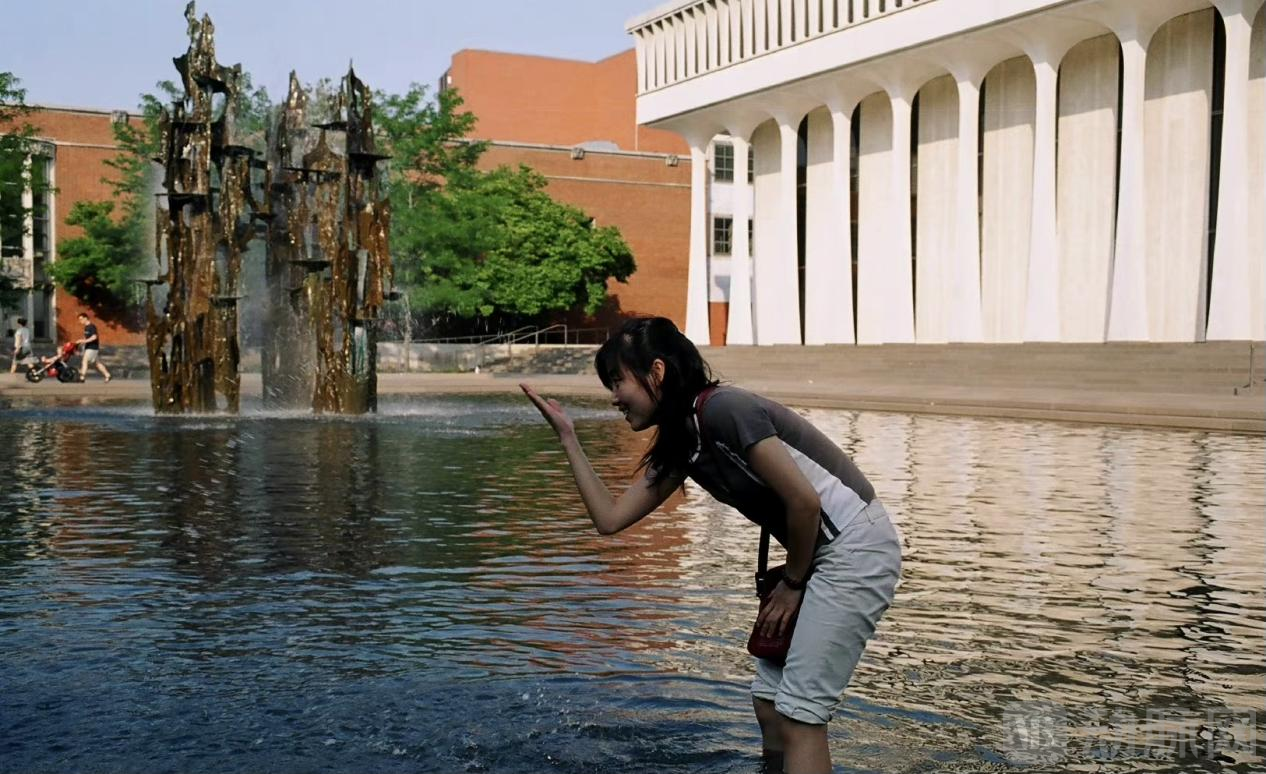
Image source: Yan Ning's personal Weibo
Regarding her mentor, Shi Yigong, Yan Ning considers him the person who truly introduced her to the world of scientific research. “First, my interest in scientific research was sparked by Yigong, and I also drew much inspiration from him on how to conduct research. The most significant lesson was,“Aim high, set ambitious goals, and don’t get bogged down by trivialities. At the same time, maintain rigorous attention to every detail.”
These insights did not stem from routine teaching, but rather from valuable lessons learned through repeated disagreements. During her doctoral studies at Princeton University, Yan Ning had numerous disputes with Shi Yigong, but later,Yan Ning found that no matter how much she argued with him, after exhausting every possible line of reasoning, she would ultimately realize that he was right.It was also amid these disputes that Yan Ning realized,Scientific research has never relied on luck; rather, it yields experimental results through rigorous, step-by-step logical deduction, not through “screening.”
However, Yan Ning believes that she differs from Shi Yigong: “He has always been someone with the world at heart and filled with love for humanity, whereas I have always felt somewhat detached, more of an observer.”
Therefore, in pursuit of freedom and to impose new pressures upon herself, aiming to spark fresh innovative inspiration through a new environment, Yan Ning concluded her decade-long teaching career at Tsinghua University in 2017 and chose to return to Princeton University, where she became the Shirley M. Tilghman Professor of Molecular Biology.
Returning to Princeton with a brand-new identity, Yan Ning embraced a life entirely different from that of university professors in China.
Particularly notable is her unique daily routine. Unlike many professors who rise early to rush to the university for experiments, Yan Ning typically sleeps until noon. She does not engage in much conventional “work” during the afternoon hours either; instead, she mostly handles interpersonal matters, such as discussing research topics with her students.
And at night, more specifically from after dinner until 3 or 4 a.m., is Yan Ning’s true working time. She has long since become accustomed to this lifestyle,“Only during these hours do I have time that is truly my own, allowing me to devote myself fully and without interruption to my scientific research. Therefore, I believe this reflects my proactive choice to reserve some time for myself.”
As it turns out, Yan Ning was right to reserve time for herself. During her tenure at Princeton University, she was elected as a Foreign Associate of the U.S. National Academy of Sciences and as a Member of the American Academy of Arts and Sciences, in recognition of her achievements in scientific research.
Shenzhen, Return and Come Back
On November 1, 2022, Yan Ning revealed in her speech titled “Return” at the Shenzhen Global Innovation Talent Forum,I have already submitted my resignation to Princeton University and will soon return to China full-time to participate in the establishment of the Shenzhen Medical Academy.
Making such a decision was not a whim, but rather a matter of timing. In Yan Ning’s view, life consists of three stages,The first stage is absorption, which involves diligent learning to enrich oneself.Yan Ning studied at Tsinghua University and Princeton University for a total of 11 years;The second stage is validation,As of now, according to Google Scholar statistics, Yan Ning has published a total of 39 research papers in the three top-tier academic journals and led her team to solve scientific problems in the field of membrane protein research that had remained unresolved for 50 years.
The third stage is output, that is, to convey what one has learned and felt to more people, helping more people.Yan Ning stated in her speech, “After decades of accumulation, I finally have the confidence to proactively enter the third stage: building a platform to support more outstanding scholars in addressing the various health threats faced by the public.“At that time, Shenzhen extended an olive branch, so Yan Ning came here.”
But timing was not the only reason for Yan Ning’s return to China.
The institution where Yan Ning has returned to serve isShenzhen Academy of Medical SciencesAs early as March last year, the Shenzhen Municipal People’s Government released the “Plan for the Establishment of the Shenzhen Academy of Medical Sciences,” pointing out thatOne of the key priorities in the establishment of the Shenzhen Academy of Medical Sciences is to focus on the prevention and treatment of major diseases, cutting-edge international medical technologies, and health research areas related to sustainable development., with the goal of becoming a globally renowned medical research institution by the mid-21st century.
Unlike traditional medical academies, the Shenzhen Academy of Medical Sciences (SAMS) is not merely a research institution; its core function is to undertake public management and service responsibilities in medical science and technology research as mandated by the government. According to previous documents issued by the Shenzhen Municipal Health Commission, although SAMS is a public institution directly under the municipal government, it is essentially a statutory body. Leveraging Shenzhen’s special legislative authority as a Special Economic Zone and in accordance with the “Administrative Measures for the Shenzhen Academy of Medical Sciences” issued by the government, SAMS can operate autonomously in accordance with the law, free from the constraints typical of the traditional public institution system.
In simpler terms, it isAny operational model worldwide that proves most efficient and most conducive to achieving results in industry-academia-research collaboration may be promptly adopted by the Shenzhen Medical Academy of Research and Translation for its own use.。
In addition to flexibility, the second characteristic of the Shenzhen Medical Academy is openness, specifically manifested inNo fixed staffing quotas or hierarchical ranks; positions are established autonomously. Adhering to the principles of council-based governance and academic self-governance, a market-oriented compensation system and a socially driven employment mechanism are implemented for research talent, including the dean.This kind of “freedom” deeply resonates with Yan Ning.
However, “freedom” cannot put food on the table. Where will the most critical research funding come from? This is a thorny and realistic question. It is reported that future funding for the Shenzhen Academy of Medical Sciences will primarily come from three sources:First, government special subsidies, referring to direct financial grants from the government; second, social capital, including the establishment of joint funds, acceptance of charitable donations, and introduction of venture capital; third, revenue from commercialization, whereby proceeds generated from in-house technology transfer are directly reinvested into the institution.
Looking ahead, in addition to pooling resources and building a collaborative innovation platform for medical science and technology, the most critical task for the Shenzhen Academy of Medical Sciences is to maximize the translation of scientific research achievements into practical applications, as specifically demonstrated byResearchers are permitted to hold equity in commercialization projects through "technology-for-equity" arrangements, thereby directly participating in the technology transfer process. Furthermore, by acquiring equity stakes in spin-off enterprises through mechanisms such as angel investment, they are gradually transitioning from pure scientific R&D to a hybrid model integrating research and industry.
Yan Ning has candidly stated that, as a scientist, she has always regarded the continuous pushing of boundaries as something remarkable and cool. However, the future ultimately depends on the younger generation, and she hopes they will have greater courage to constantly break through boundaries and drive human civilization forward.
So where does this research-based “courage” come from? It comes from Yan Ning, and also from the future Shenzhen and the Shenzhen Medical Academy of Research and Translation.