Riding the Wave: Emerging Opportunities in Bio-Regenerative Materials Commercialization

West China Hospital
National Grade A Tertiary General Hospital
From Emperor Qin Shi Huang’s dispatch of envoys to seek the Penglai Immortal Island, to the “Golden Apples” and “Elixir of Life” in Greek mythology... perhaps driven by an instinct for health and longevity, humans have long harbored imaginations and pursuits of “immortality” and “tissue regeneration.”
However, breakthroughs in natural science research have gradually shattered the illusion of “immortality.” On the other hand, advances in biotechnology and medicine have revealed that while “immortality” remains unattainable, “regeneration” appears to be on the horizon. The repair and regeneration of organs and tissues, once equally coveted, now seem poised to become possible with the support of regenerative medicine technologies.
Research in regenerative medicine encompasses the development of bioengineered tissues and organs, organoids, replacement of damaged tissues via transplantation of cell suspensions or aggregates, and pharmacological induction of tissue regeneration. The two primary technical pathways include stem cell-based regenerative research and regenerative medicine research based on biomaterials for tissue regeneration. Due to factors such as regulatory frameworks and the accumulation of technological advancements, regenerative medicine utilizing biomaterials has taken the lead in industrialization. Currently, several Chinese companies specializing in tissue regeneration materials, including China Regenerative Medicine, Zhenghai Biotechnology, Aojing Medical, Guanhao Biotech, and MicroPort MedBot, are publicly listed.
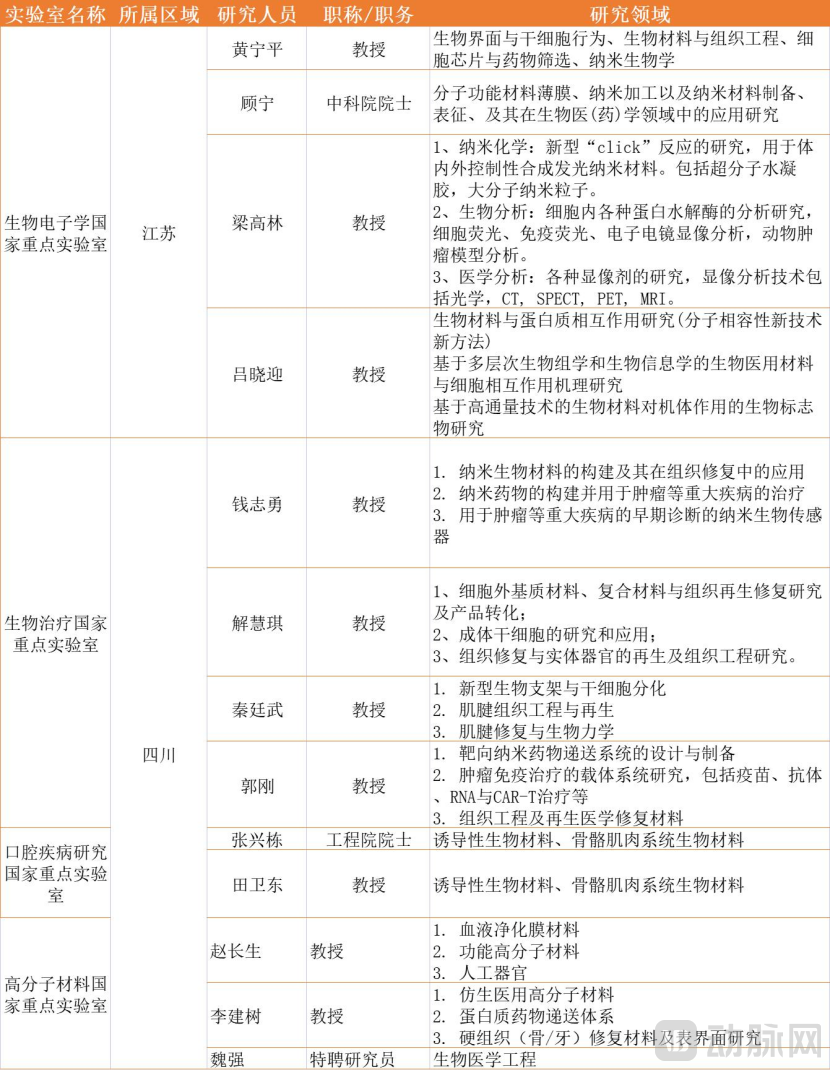
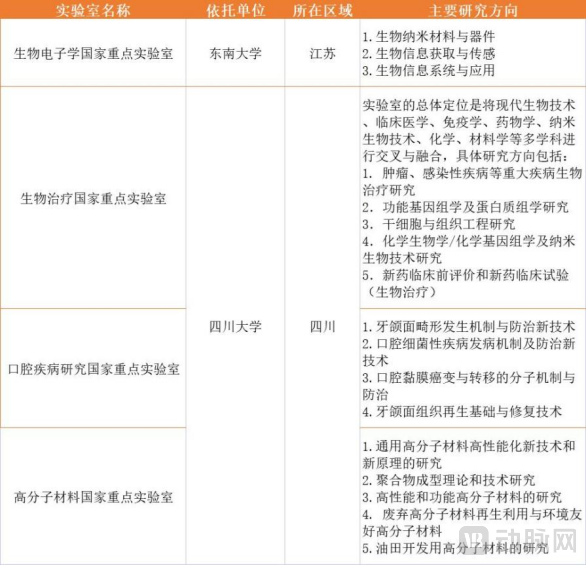
Generally, the emergence of a publicly listed company in a niche sector signals that the market landscape is beginning to take shape. In the field of regenerative medicine, does the niche segment of bio-regenerative materials still offer opportunities for the commercialization of research achievements, and what are the future possibilities? Based on its previous statistics on the research areas of national key laboratories, VBInsight has identified four laboratories engaged in bio-regenerative materials research. By analyzing the research directions of each laboratory’s teams and the industrial landscape, this report aims to project the trends and potential for the translation of bio-regenerative material innovations into commercial applications.
Biomedical materials are a class of materials primarily used in the medical field to diagnose, treat, repair, or replace damaged tissues and organs, or to enhance their functions. Among these, biomaterials for regeneration refer to those processed through tissue engineering techniques—either via mild treatments such as fixation, sterilization, and antigenicity removal to maintain the original tissue architecture, or through specialized processing that dismantles the original structure and reconstructs a new physical form—for the purpose of treating, repairing, or replacing human tissues and organs, or enhancing their functions. Further development of these materials can yield products capable of achieving clinical tissue regeneration and wound repair.
Initially, so-called bio-regenerative materials primarily served as substitutes for defective tissues. Most of these substitutions operated at the physical level, such as traditional orthopedic implants and maxillofacial fillers. After addressing physical filling requirements, research on bio-regenerative materials began to focus on biological aspects, such as cultivating regenerated tissues with biological functions and developing scaffolds and patches that can promote tissue growth.
In the 1980s, Professor Robert Langer and Joseph P. Vacanti of MIT formally proposed the concept of tissue engineering:
Tissue engineering is an emerging discipline that applies the principles and methods of life sciences and engineering. Based on a correct understanding of the relationship between tissue structure and function in mammals under both normal and pathological conditions, it focuses on researching and developing biological substitutes to restore, maintain, or promote the function and morphology of various human tissues or organs after injury.
Unlike traditional biomedical materials, bio-regenerative materials typically possess the ability to induce tissue regeneration. When implanted into the human body, these materials can induce or accelerate the growth of defective tissues or organs. Such materials are required to exhibit regenerative induction properties, good biocompatibility, and biodegradability. Among the researchers included in this survey, the majority focused on two categories: polymeric materials and extracellular matrix materials.
In the field of polymer materials, research focuses not only on natural polymers such as gelatin and chitosan but also on biodegradable synthetic polymers including PLA, PGA, PLGA, and PCL. Extracellular matrix (ECM) materials can be categorized into animal-derived ECM materials and human-derived ECM materials.
From a research perspective, these studies primarily focus on material design, synthesis, and raw material production, developing materials into intermediates such as microspheres, hydrogels, and scaffolds. These activities are situated at the upstream end of the industry chain. Due to challenges in mass production and regulatory approval, polymer materials account for a larger proportion of research efforts.
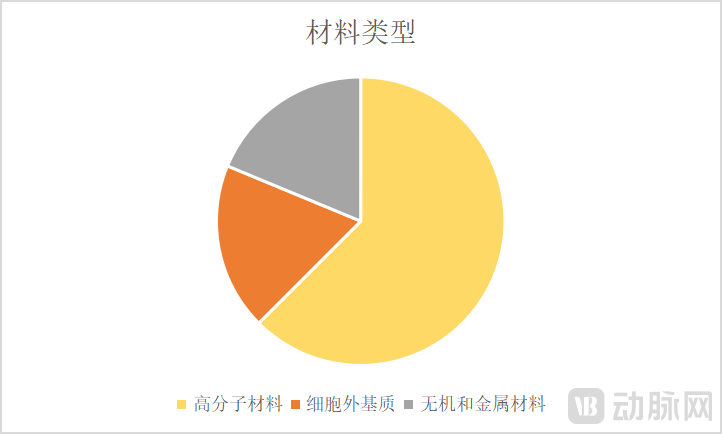
From a manufacturing perspective, animal-derived extracellular matrix (ECM) materials are easier to produce, as their raw materials are more readily accessible. In contrast, human-derived ECM materials must be sourced from human tissues, typically obtained through donated human tissues or via cell expansion, making large-scale production challenging. By comparison, both natural and synthetic polymers are easier to obtain and manufacture. In terms of processing technology, since Professor Xu Xi established this specialty in 1953, China’s polymer molding and processing techniques and equipment have reached a mature level.
On the other hand, from a regulatory perspective, the chemical structures and compositions of polymer materials are more clearly defined, and they are easier to process into finished products. In the transition from raw material to final product, polymer materials require consideration only of issues such as toxicity, biocompatibility, and manufacturing processes, making them simpler to handle compared to extracellular matrix materials.
Nevertheless, from the perspective of regenerative medicine itself, the extracellular matrix (ECM) serves as the soil for cell growth. This class of materials contains bioactive substances that are absent in synthetic polymers. Furthermore, since ECM materials have had cellular components and immunogenic factors removed from the tissue, they are easier to store and more likely to gain regulatory approval compared to cell-containing products. Consequently, attention to ECM materials is increasingly growing in both academic and industrial circles.
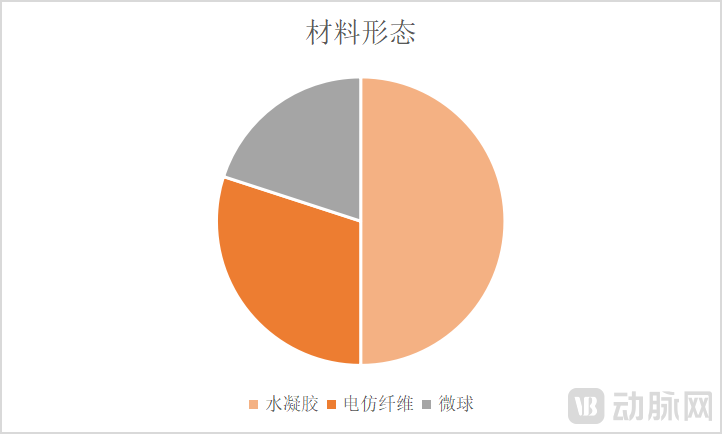
Among these studies, in addition to the creation of new materials, a portion focuses on applied research in the regeneration and repair of specific tissue types through material processing. Examples include processing materials into hydrogels, electrospinning them into nanofibers, or fabricating them into microspheres. Different material morphologies exhibit distinct predispositions for tissue repair or specific indications.
Hydrogels are a class of highly hydrophilic three-dimensional network gels that rapidly swell in water and can retain a large volume of water in this swollen state without dissolving. Although they lack robust mechanical properties, hydrogel materials facilitate cell aggregation, thereby supporting cell survival and fusion. Consequently, hydrogels are a widely used material form in regenerative medicine, serving as dressings or fillers to target tissues requiring repair and regeneration with relative precision.
Statistical analysis reveals that the majority of these researchers are engaged in the study of hydrogel-based materials. Their research extends beyond the repair of soft tissues, such as skin and gastric tissue, to include materials for the regeneration of organs, neural tissue, and even hard tissues like bone and oral structures.
“Hydrogel materials are primarily used as injectable fillers and are particularly suitable for scenarios involving skin defect repair and joint repair. Furthermore, when combined with cells, hydrogels can help enhance cell retention at the injection site, improve cell viability, and maintain certain tissue morphological structures,” stated Professor Fu Wei from the National Children's Medical Center (Shanghai) and Shanghai Children's Medical Center affiliated with Shanghai Jiao Tong University School of Medicine.
Certainly, in scenarios requiring three-dimensional structures, hydrogel-based materials are less suitable due to the need for higher mechanical support. Tissues that require plasticity, such as cartilage, cannot be repaired through injectable fillers; instead, they require fiber molding or the use of scaffolds to provide a three-dimensional surface for cell growth. In such cases, electrospun fiber-based materials, patches, and scaffolds are more appropriate.
Under the influence of an electric field, polymer solutions or melts are electrospun into polymer filaments with nanoscale diameters. These fibrous materials can be further processed into desired physical configurations, featuring aligned fiber orientation, enhanced selective permeability and conformability, and inherent multifunctionality even in single-layer fibrous dressings.
In this statistical analysis, numerous studies on the repair of injuries to skin, bone, cartilage, cardiovascular tissues, cornea, and retina are based on electrospun fibrous scaffolds.
Furthermore, there is no shortage of research on microsphere materials. Biodegradable microspheres can release encapsulated functional modifying agents through the degradation process, thereby improving drug solubility, half-life, and other properties.
“Typically, microsphere materials are widely used for injection and filling applications, such as polyglycolic acid (PGA) in medical aesthetics or skin boosters. ‘At the microscopic level, microspheres are spherical and independent of one another; therefore, even if individual microspheres degrade or degrade unevenly, the overall impact remains minimal,’ explained Professor Fu Wei.”
This class of products is also used for the repair of hard tissues, such as the regeneration and restoration of periodontal and bone tissues.
From the perspective of application directions, the current applications of bio-regenerative materials are mainly focused on the repair and regeneration of damaged tissues, such as bone tissue, oral cavity, skin tissue, gastrointestinal tissue, and organs.
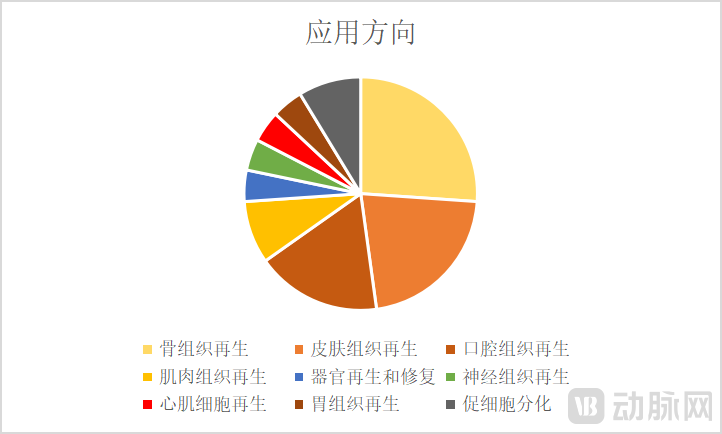
For human tissues with regenerative capacity, the research approach for bio-regenerative materials is to accelerate or enhance their intrinsic regenerative ability by inducing cell differentiation, thereby achieving repair and regeneration. In contrast, for tissues that lack inherent regenerative capacity, such as organs and lost tissues, the research strategy involves combining bio-regenerative materials with stem cells and culturing them in vitro to achieve tissue regeneration.
Among the data collected in this analysis, the vast majority of researchers are engaged in Type I research. This trend may be linked to the challenges associated with regulatory approval. Type I products are primarily approved as medical devices, whereas Type II products involve stem cells and biomaterials, which are subject to stringent regulation and approval processes, high costs, and significant barriers to industrialization.
“It remains somewhat ambiguous whether biomaterials combined with stem cells should be classified as drugs, drug-device combination products, or standalone medical devices. To date, no mature product has reached the market, and the field is still in a phase of exploration and experimentation,” stated Professor Fu Wei.
Nevertheless, it is certain that regenerative medicine research based on material-stacked stem cells may be becoming a future trend.
Professor Molly Stevens of Imperial College London, a specialist in biomaterials science, mentioned in an interview that she has conducted numerous stem cell experiments worldwide using various types of cells. However, the results have consistently been the same: these cells typically die after transplantation. But if they can be combined with materials to form an in vivo bioreactor, their survival rate will undoubtedly increase significantly.
“Stem Cells + Materials”-Based Tissue Engineering Research Can Be Roughly Divided into the Following Steps:
1. Obtain stem cells and perform culture expansion.
2. Mix the expanded cells with the biological scaffold at a specific ratio to allow the cells to adhere to the scaffold, forming a cell-material composite;
3. Implant the composite into the injured site; as the bioscaffold is degraded and absorbed in vivo, the implanted cells continuously proliferate and secrete extracellular matrix, ultimately forming the corresponding tissue or organ, thereby achieving wound repair and functional reconstruction.
This approach is highly similar to a surgical treatment known as iliac crest bone grafting; however, tissue engineering research involving “stem cells + biomaterials” differs in that it can replace living tissue with more readily accessible stem cell sources, such as urine-derived stem cells and induced pluripotent stem cells (iPSCs). Although current regulatory approval pathways remain unclear, some researchers continue to pursue this line of inquiry and remain optimistic about its prospects.
Taking Professor Huiqi Xie of Sichuan University as an example, her research group has investigated mesenchymal stem cells (MSCs) from various sources. Building on urine-derived stem cells, the team has conducted extensive research on the repair of the kidney, urethra, bladder, myocardium, and esophagus, as well as on stem cell-based therapies and key cartilage repair strategies.
Certainly, the allure of bio-regenerative materials extends beyond the research community; it has already stirred significant changes in the industry. Across the demand side, corporate sector, and R&D front, attention is shifting from inert materials used for physical filling to regenerative materials.
According to statistics from the Alliance for Regenerative Medicine (ARM), financing in the regenerative medicine sector reached $23.1 billion in 2021, with 1,308 companies worldwide actively engaged in development within this field. Furthermore, according to Statista, the global regenerative medicine market size was approximately $16.9 billion in 2021 and is projected to reach $95.5 billion by 2030, representing a compound annual growth rate (CAGR) of 21.22%.
In China, the benefits of import substitution are beginning to materialize. According to Frost & Sullivan research, supported by both funding and policy initiatives, China’s independent innovation capabilities in bio-regenerative materials have significantly strengthened, with successful R&D outcomes achieved for bio-regenerative products such as dural patches, spinal dura mater patches, and oral repair membranes. In the dural patch segment, the market share of domestic brands has exceeded 50%.
In terms of financing, according to statistics from VCBeat, although large-scale funding and investments from prominent institutions in regenerative medicine companies that received financing in 2022 were still largely concentrated in the field of cell technology, the number of financings for tissue regeneration materials was not inferior, potentially ushering in a new peak of development.
In addition to inorganic materials, organic materials, and polymer materials, extracellular matrix materials derived from animal or human sources are also beginning to enter the industrial stage.
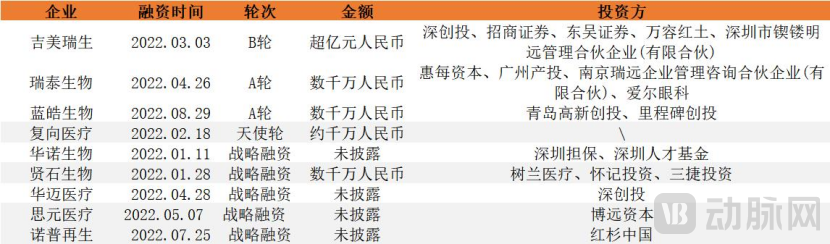
In the secondary market, several tissue regeneration material companies, including China Regenerative Medicine International, Zhenghai Biotech, Aojing Medical, Guan Hao Biotechnology, and Medprin Regenerative Medical Technologies, are already listed. However, this does not imply that the market space for bio-regenerative materials is constrained. Taking orthopedics as an example, with population aging, the demand for clinical orthopedic surgeries continues to rise, driving growth in the market for orthopedic implant materials, which is gradually becoming the second-largest market globally. As the incidence of orthopedic conditions continues to increase and the concept of regenerative medicine gains deeper traction, the application and demand for regenerative medicine products in this market will become increasingly broad.
Previously, the product portfolios of current industrialized companies were relatively concentrated, primarily focusing on markets such as dural repair, orthopedics, medical aesthetics, dentistry, and ophthalmology. Beyond these areas, regenerative medicine offers vast opportunities.
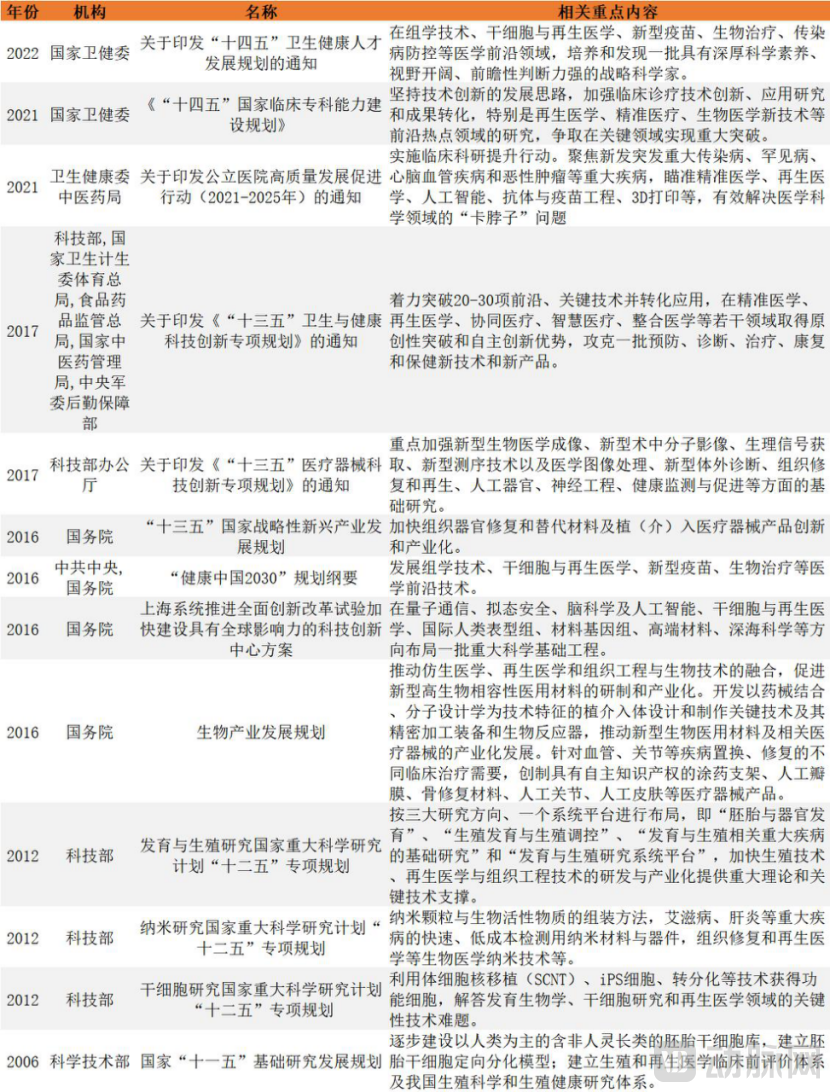
Policy Perspective. The accelerating pace of global population aging has exposed numerous shortcomings of traditional therapeutic models. Regenerative medicine, which aims to repair or replace tissues, organs, or functions impaired by aging, disease, or injury through the creation of functional living cells, tissues, or organs, holds significant strategic importance and represents a key direction for long-term policy support.
Undeniably, China’s bio-regenerative materials industry has achieved certain milestones. Yet it is equally undeniable that the sector remains in its early stages. Commercial applications—whether for established polymer materials or emerging extracellular matrix (ECM) materials—are concentrated in relatively easier-to-commercialize areas such as bone repair, dental restoration, and medical aesthetics. In contrast, high-barrier fields like organ regeneration and tissue regeneration remain largely unexplored.
It is reported that no regenerative kidney or regenerative heart products have entered clinical trials globally. In the field of artificial pancreas, two laboratories have advanced to Phase II clinical trials, while five to six others are in Phase I clinical trials. From the perspective of translational medicine, these areas may represent more promising directions for researchers to achieve breakthroughs and facilitate technology transfer, potentially offering significant opportunities. Of course, turning these opportunities into reality requires not only the generation and translation of high-quality scientific achievements but also support from policies, regulatory frameworks, and capital investment.
Special Acknowledgments: We extend our sincere gratitude to Professor Fu Wei from the National Children’s Medical Center (Shanghai) and Shanghai Children’s Medical Center affiliated with Shanghai Jiao Tong University School of Medicine, as well as Dr. Xiao E, Co-founder of Maple Biomedicine, for their invaluable support of this article.