

15 Biopharma Startups Compete at Shanghai Semi-Final of the Second Life Science Entrepreneurship Competition
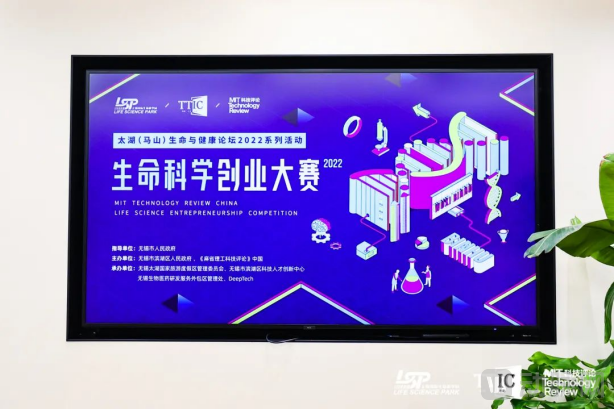
On November 1, the Shanghai Semifinals of the MIT Technology Review China · Second Life Sciences Entrepreneurship Competition were successfully held at Phase III of the Tech Oasis in Minhang District, Shanghai.
As part of the 2022 Taihu (Mashan) Life and Health Forum series, this competition was guided by the Wuxi Municipal People’s Government and jointly organized by the Binhu District People’s Government of Wuxi and MIT Technology Review China. It was co-organized by the Administrative Committee of Wuxi Taihu National Tourism Resort, the Wuxi Binhu District Science and Technology Talent Innovation Center, the Management Office of Wuxi Bio-pharmaceutical R&D Service Outsourcing Zone, and DeepTech.
The competition also received support from the “Illumina Global Startup Program” and “Amazon Web Services.” Illumina will provide sequencing advisory support to the winning enterprises, while Amazon Web Services will offer cloud services to the winners.
The judges present at the Shanghai semi-final were: (*listed in alphabetical order by surname) Ding Wei, Executive Director of Xingze Capital; Jin Jiaqi, Vice President of Lilly Asia Ventures; Le Beilin, Executive Director of Gaorong Capital; Li Jian, Chief Medical Industry Director for Greater China at Amazon Web Services (AWS); Liang Yanyan, Partner at Yingdi Capital; Liang Yun, Investment Director at Yuanhe Origin; Lin Ziyao, Head of Greater China, Illumina Global Startup Program; Song Xiaoting, Vice President of Legend Capital; Sun Lulu, Vice President of ZhenFund; Wang Yani, Associate Investment Director of the AstraZeneca-CICC Healthcare Industry Fund; and Wang Yanan, Executive President of K2VC.
From the launch of recruitment to the completion of the preliminary selection, the competition lasted nearly two months, with more than 50 companies emerging as semifinalists. A total of 15 biopharmaceutical companies competed in the Shanghai round of the semifinals.
Abotta Pharmaceuticals is dedicated to integrating biopharmaceuticals with artificial intelligence, leveraging AI to drive biopharmaceutical innovation. The company has already established a comprehensive AI-driven drug discovery platform characterized by high throughput, high precision, short development cycles, and low costs.
To achieve AI-driven innovation, data is indispensable. Abata Pharma possesses a robust data foundation comprising 15 billion small molecules, 26,000 protein biological targets, and extensive PPL networks linking numerous genes and targets. Building on this foundation, the company has integrated clear-cut solutions for predicting massive-scale target-drug docking and adverse effects into its new industrial chain.
The AI-driven drug design platform encompasses a specialized module for peptide drug design, enabling users to directly engineer amino acid sequences on the platform. This facilitates real-time prediction of structural conformations and target binding profiles, as well as assessment of potential autoimmunity risks. The company’s proprietary protein prediction platform supports comparative analysis between proteins. Additionally, the suite includes platforms for dosage optimization, toxicity and side effect prediction, vaccine design optimization, and innovation in traditional Chinese medicine (TCM), thereby aiding in the combinatorial analysis of TCM formulations.
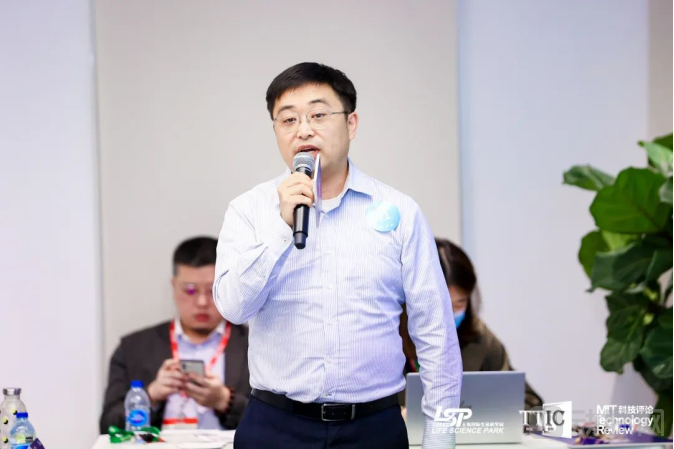
Figure | Li Zhanqing, CEO of Abbot Pharmaceutical
In terms of software products, the company offers enterprise cloud services and public cloud services. It also provides pharmaceutical services and engages in proprietary drug development. While delivering feasibility solutions to corporate clients, the team simultaneously implements internal transformation strategies.
Anlixirong, founded in 2017, is an innovative drug R&D company dedicated to developing first-in-class (FIC) and best-in-class (BIC) therapeutics for various indications based on immune mechanisms. The company currently operates two laboratories in Taipei and Lausanne, Switzerland, and has established a Global Clinical Operations Innovation Center in Zhangjiang, Shanghai.
The core founding team has been deeply engaged in the field of immunology for many years, consistently publishing their research findings in top-tier journals annually. Currently, Anli Xirong has two drug candidates advancing into clinical development, with one small-molecule project having submitted an Investigational New Drug (IND) application for Phase II clinical trials, demonstrating the company’s exceptional management capabilities and execution efficiency.
Anlixirong has established its own translational medicine R&D platform, single B-cell cloning technology, and artificial intelligence development platform to develop therapies for multiple indications, including Alzheimer’s disease, vitiligo, hemophagocytic syndrome, and cancer.
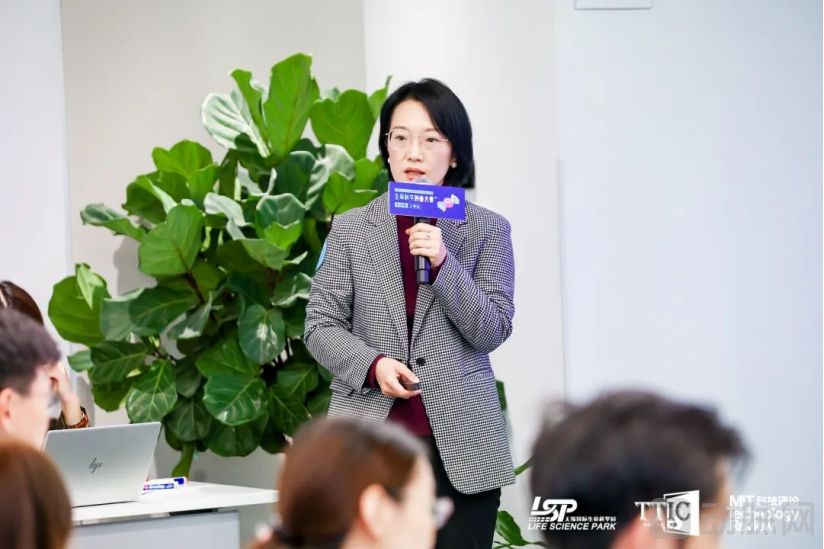 Figure | Carrie Duan, General Manager of Anli Xirong Biopharmaceuticals China
As an emerging biopharmaceutical technology developer, Anlicirong is advancing multiple pipelines and indications simultaneously. Its development strategy is to initiate with rare disease indications to rapidly achieve clinical validation, followed by the swift advancement of larger, more commercially viable indications.
Anlixirong expects to launch its first product in 2026 and plans to complete an initial public offering (IPO) in 2025. The company has already secured support from multiple renowned domestic and international investment institutions and is currently opening its Series A+ financing round.
Dage Biotech is a biotechnology company focused on the research and development of innovative drugs based on molecular glue-targeted protein degradation. Starting with a novel chemical scaffold, the company has established a unique compound library distinct from the lenalidomide and pomalidomide derivatives commonly used by other molecular glue companies. Through continuous exploration and data accumulation, Dage Biotech has expanded the size of its compound library and the diversity of its core scaffolds, securing patent protection for these innovations.
Since commencing operations in April last year, Dage Biotechnology has completed its seed and Series A financing rounds, with investors including WuXi AppTec, Kaifeng Ventures, and Mifang Health Fund. The company plans to conduct its Series A+ financing round in January 2023.
Zou Lihui, CEO of Dage Biologics, stated, “Our team has developed a fully proprietary, patent-protected platform for the screening and optimization of molecular glues, along with an in-house designed and synthesized library of molecular glue compounds. This library features chemical structures distinct from those of competitors, enabling the identification of novel undruggable targets and establishing a unique competitive niche.”
Looking ahead, Dage Biotech aims to serve the global market by developing novel therapeutics in China, the United States, and Europe that address unmet clinical needs. Meanwhile, Dage Biotech will seek partners worldwide to leverage its proprietary technology platform, collaborating with international pharmaceutical companies on the discovery and research of early-stage drug candidates and undruggable targets, as well as co-developing and advancing its pipeline into clinical stages.
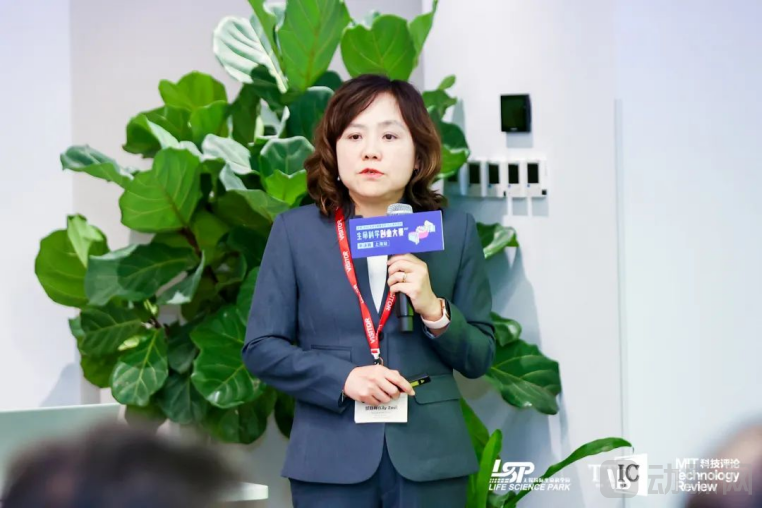 Figure | Zou Lihui, CEO of Dage Biotech
Dedicated to material innovation-based delivery systems and in situ regenerative therapies, Fudong Biology’s independently developed Z-LNP delivery system overcomes critical foreign LNP patent barriers. Compared with traditional LNPs, Z-LNP exhibits no immunogenicity and accelerated blood clearance, enabling repeated dosing. Preliminary collaboration agreements have been reached with multiple pharmaceutical companies to leverage the Z-LNP platform for developing product pipelines such as in vivo in situ CAR-T therapies and mRNA vaccines.
Cao Yongbin, CEO of Fudong Biotech, stated that this technological approach is ushering in a massive market. Meanwhile, over the past year, the team has filed 11 invention patents, breaking through foreign patent bottlenecks.
In terms of the team, Dr. Cao Yongbin graduated from the Department of Macromolecular Science at Fudan University. Over the past decade, he has been engaged in translational research on biomaterials and medicine, and currently serves as a part-time Young Associate Researcher at Zhongshan Hospital, Fudan University. The other co-founder currently holds the position of Joint Vice President at a leading publicly listed company and possesses extensive professional experience in LNP regulatory filings.
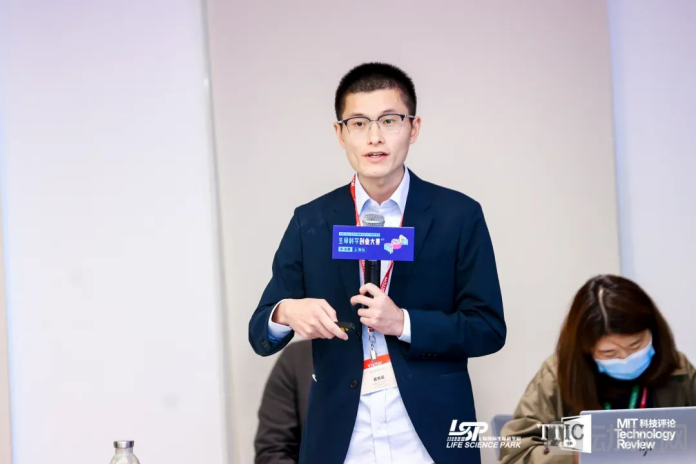 Figure | Cao Yongbin, CEO of Fudong Biology
According to Cao Yongbin, Fudong Biotech currently focuses primarily on technical services and development, with plans to gradually shift toward independent R&D in the later stages. Its future vision is to develop innovative drugs that are urgently needed by the general public.
Huanma Bio positions itself as a pioneer in the field of circular RNA therapeutics.
Why are nucleic acid-based therapeutics so intriguing? For years, the pharmaceutical industry—whether developing large-molecule or small-molecule drugs—has targeted proteins, as they are the ultimate executors of biological functions. Since proteins are translated from mRNA, RNA-based therapeutics can theoretically accomplish many tasks that were previously unattainable.
RingCode Biologics believes that RNA-based therapeutics have a very high ceiling, capable of giving rise to outstanding companies and a vast market, sufficient to support enterprises valued at hundreds of billions of U.S. dollars.
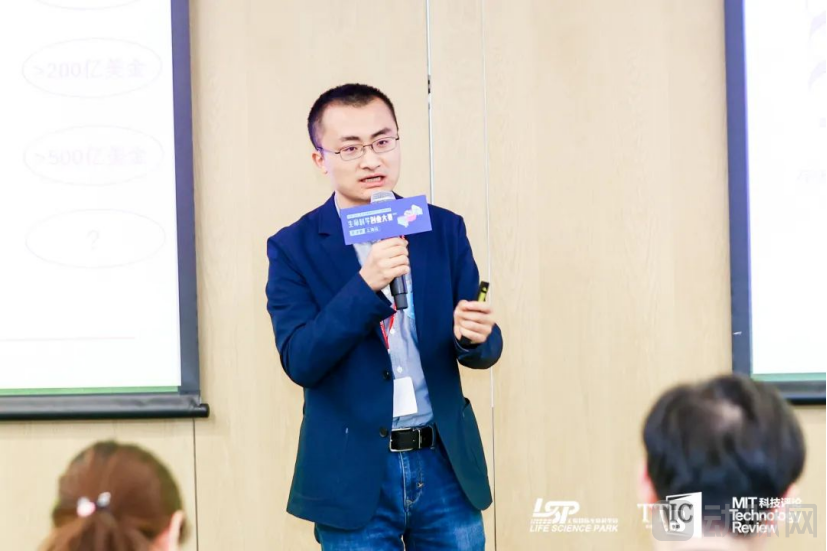 Figure | Tang Chenxiang, Chief Operating Officer of Huanma Bio
So why has mRNA technology, despite years of development, achieved its greatest success to date primarily in the form of a vaccine leveraged during the COVID-19 pandemic? The core limitations remain its poor stability and high immunogenicity. Circular RNA, lacking free ends, exhibits greater stability, enables highly efficient expression, and features low immunogenicity, thereby facilitating cell-specific expression.
Huanma Biotech has fully leveraged the advantages of circular RNA to enhance drug efficacy and reduce side effects, thereby widening the therapeutic window—a critical concept in the pharmaceutical industry—and creating room for drug development. The company believes that circular RNA will become the next generation of mRNA therapies, rather than merely serving as a supplement.
The field of circular RNA is still in its very early stages. This marks the first time that Chinese researchers have stood at the forefront of global innovation, with no generational gap compared to the world’s most advanced levels. Huanma Bio aims to foster an open approach while driving technological advancement, establishing collaborations with partners across various dimensions to build a global ecosystem for circular RNA therapeutics, and meeting patient needs with high-quality innovative medicines.
Jiajin Bio was founded in January 2022 and completed a RMB 45 million seed funding round in May 2022. It is a biopharmaceutical company focused on nucleic acid-conjugated drugs. As the first Biotech company in this field in China, Dr. Wang believes that the company will establish its industry-leading position through scientific innovation, clinical development, and commercial value in the future.
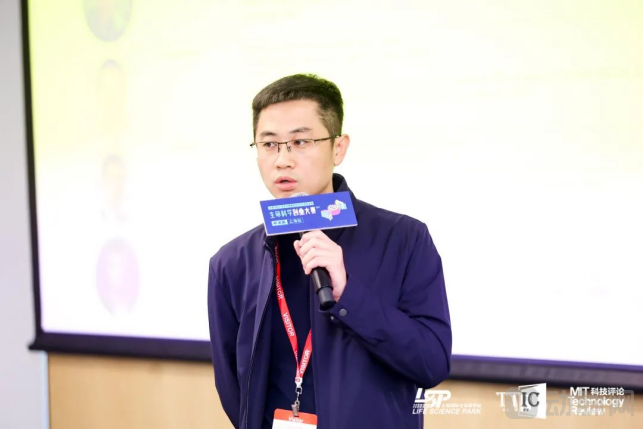 Figure | Wang Hongbin, Business Director at Jiajin Biotech
Currently, Jiajin Biopharma is developing nucleic acid-conjugated drugs for hereditary rare muscle diseases, heart failure, cancer, and central nervous system disorders. In terms of the market, there are currently no approved drugs in China specifically targeting muscle-related rare diseases. Although the patient population for hereditary rare muscle diseases is small, the market size is substantial. Based on sales figures of approved drugs in the United States, combined with Chinese epidemiological data and medical insurance reimbursement scenarios, the future market size in China is projected to reach as high as $4 billion.
Jiajin Bio plans to establish its core pipeline and conjugation technology platform through independent R&D this year. In 2023, the company will gradually file multiple invention patents, while advancing preclinical studies and IND applications for its core pipeline and promoting the R&D of other pipelines. The company’s first product is scheduled to enter clinical trials in early 2024.
Cancer is one of the most significant diseases affecting humanity, with 17 million new cases diagnosed worldwide each year, including 5 million in China, while over 3 million people die from cancer annually.
In this context, targeted precision therapy plays a more significant role. Currently, there are hundreds of precision medicine drugs available; however, their efficacy in clinical trials has been unsatisfactory, with an overall response rate of only approximately 20%.
Jilu Biologics believes that the key point is that targets do not function in isolation; rather, they interact with other signaling components to form a signaling pathway. Theoretically, any signaling component involved in signal transduction could serve as a potential target. However, in practical applications, nearly all currently available targeted therapies are directed against specific receptors and genes within these signaling pathways.
Therefore, whether a targeted therapy can exert its effect depends not only on the presence of the target but also on the status of other signaling components. However, current development, clinical use, and monitoring of all targeted drugs consider only the presence of the target, resulting in suboptimal clinical performance for the vast majority of these agents, with an efficacy rate of only approximately 30%.
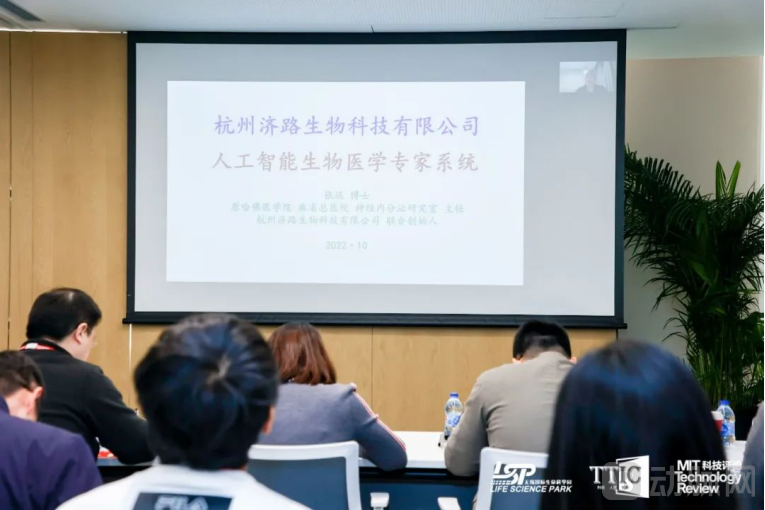
Figure | Jilu Biotech
Zhang Xun, President and Co-founder of Jilu Bio, stated that the company is the only one in the world to conduct in-depth analysis of cancer patients’ whole genomes using artificial intelligence. This approach not only accurately predicts the sufficient and necessary conditions for a targeted drug’s efficacy but also determines whether a patient meets these criteria. Jilu Bio can help pharmaceutical companies identify suitable patients, thereby increasing the current treatment response rate from 30% to 80–90% and achieving personalized precision medicine.
As a novel drug innovation company driven by translational medicine research, JieSiYingDa focuses on next-generation precision oncology therapies and is currently in its Series B+ financing round.
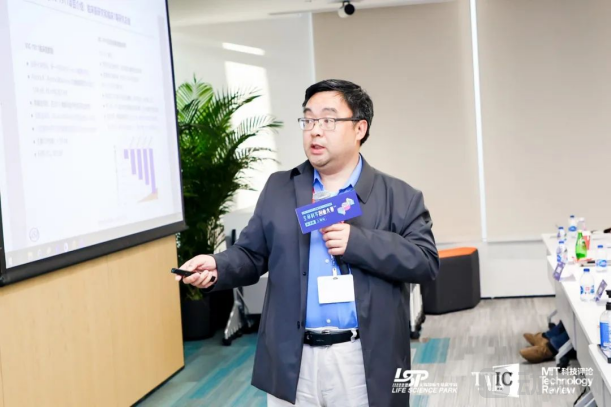 Figure | Zhang Jintao, CEO of JS Medical
In the realm of precision medicine, Dr. Zhang Jintao, CEO of JSIDA, stated that the company’s senior executives all hail from major pharmaceutical companies. Having successfully developed 27 innovative drugs in both China and the United States, the team possesses deep familiarity with both markets and the capability to identify the most promising clinical candidate compounds, as well as engage top-tier clinicians and mechanism researchers, thereby maximizing the success rate of new drug development.
He stated that in both the small-molecule and large-molecule fields, there are two key elements to developing innovative drugs: first, the source, which requires a good target; second, translational medicine, along with effective clinical development.
RuoTai Pharmaceuticals focuses on building multi-target tumor vaccine and cell therapy technology platforms to advance innovative drug research and development. Established in late 2016, the company was directly incubated by the Suzhou Institute of Systems Medicine and is dedicated to developing innovative products in tumor immunology and cellular technologies.
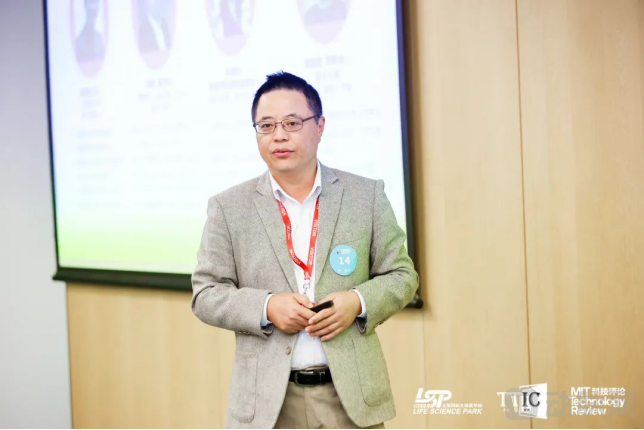 Figure | Hu Longsheng, Deputy General Manager of Ruotai Pharmaceutical
Hu Longsheng, Deputy General Manager of Ruotai Pharmaceutical, stated that over the three years since its establishment, Ruotai Pharmaceutical has devoted substantial efforts to building its platform technologies, primarily focusing on mRNA and Listeria platforms. Both platforms serve as vectors to deliver tumor antigens via antigen-presenting cells (APCs). Upon administration in humans, they activate specific T cells to mediate tumor cell killing.
Meanwhile, this technology can be extended to the field of cell therapy, which constitutes Ruotai Pharmaceutical’s third technology platform. All three of the company’s technological approaches can be combined with monoclonal antibodies or other immunosuppressants to achieve superior therapeutic outcomes.
In a nutshell, what Shize Bio does is develop new drugs to treat patients. For over 12 years, it has been dedicated to the research and development of novel cell-based therapies, with its core approach centered on cell replacement strategies.
The human body is composed of cells. The essence of pathological changes in the human body lies in apoptosis, degeneration, and death of cells, which is an irreversible process. However, in vitro, we can produce large quantities of healthy cells for therapeutic interventions to overcome certain clinical diseases.
Shize Bio utilizes the well-established induced pluripotent stem (iPS) cell technology, which was awarded the Nobel Prize in Physiology or Medicine in 2012. After just five years of development, this technology—characterized by its potential for unlimited proliferation and self-renewal, as well as its capacity for multi-lineage differentiation into more than 200 types of human cells—has seen significant promotion and application within the industry over the past decade.
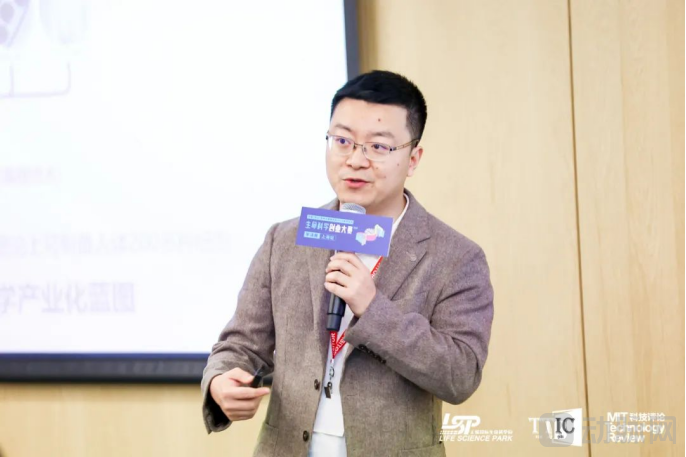 Figure | Xiao Xiong, Chief Operating Officer of Shize Bio
In the area of Parkinson’s disease treatment, which is a key focus for the company, Shize Biologics has conducted in vivo validation of its cell therapy in mice and large animal models, yielding credible data. One of the company’s core technologies is the ability to efficiently and stably generate dopaminergic subtype cells in vitro, a system that has been effectively validated as reproducible and stable.
The project has received the “Disruptive Technology” certification from China’s Ministry of Science and Technology in 2021. Among the 2,724 companies listed, Shize Biotechnology is the only one specializing in the field of induced pluripotent stem (iPS) cells. Xiao Xiong, Chief Operating Officer of Shize Biotechnology, believes that it is highly likely for a Chinese company to emerge in the future that can benchmark against international top-tier standards and address practical challenges in the field of Parkinson’s disease.
Suzhou Viskang is primarily engaged in the research and development of exosome delivery systems and innovative drugs.
In modern medicine, drug delivery has become a critical bottleneck. The most common drug delivery methods include viral vectors, which are primarily advantageous for their effective delivery of nucleic acid-based therapeutics and some degree of targeting capability. However, they have limitations such as high immunogenicity, making repeated dosing challenging. The second type is synthetic carriers, with the most well-known being lipid nanoparticles (LNP), lipid-polymer particles (LPP), and other polymeric materials. Their advantages lie in high loading capacity, but they suffer from poor targeting specificity and potential hepatotoxicity and nephrotoxicity.
As natural delivery vectors, exosomes offer the most significant advantage of enabling multi-molecular drug delivery. They possess substantial targeting potential and are highly amenable to engineering modifications, while exhibiting very low immunogenicity. However, current limitations lie in the need to enhance production capacity to ensure sufficient drug supply for clinical applications.
As an exosome-focused company, Viscon’s core objective is to evolve from a biology-centric foundation into a comprehensive platform, thereby addressing previously unmet clinical needs. Co-founded by four individuals, the company currently employs 20 full-time staff members. Its mid-term development strategy involves advancing from platform development to building a robust product pipeline, while strategically expanding into broader fields in alignment with technological advancements.
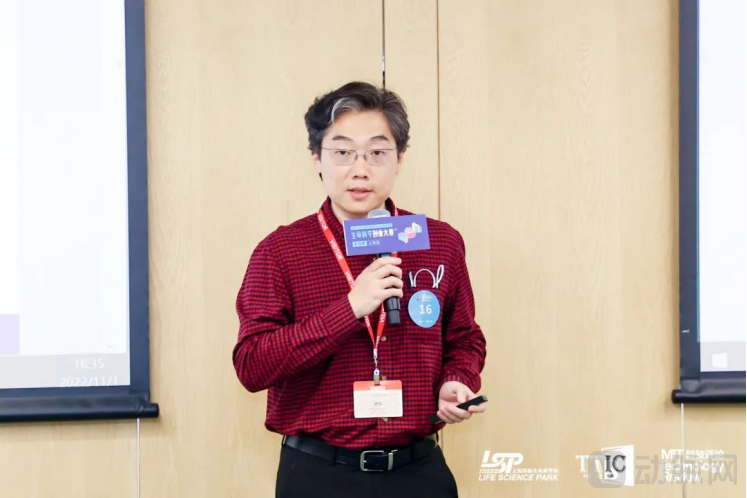 Figure | Xu Ke, CEO of Viscure
Within one year of its establishment, Viscon has largely completed the industrial-scale development of large-volume exosomes through a series of process developments. Progressing from Process Stages 1 to 5, the team advanced from having no detectable exosomes to gradually observing vesicle-like structures, and ultimately to enhancing exosome quality. Li Xu stated that the team has fully achieved industrial-grade development, ensuring that experiments in the next phase—the clinical stage—can move beyond centrifugation-based methods, thereby laying a solid foundation for the production of working-grade products.
Westlake Cloud Valley Intelligent Pharma, established in February 2021, is a high-tech innovative company spun off from Westlake University. It has completed two rounds of financing, with investors including Gaorong Capital, Sequoia Capital, Hankang Capital, and Bohe Capital. The company currently operates over 2,500 square meters of early-stage research laboratories and 1,000 square meters of high-specification GMP-compliant facilities. It is a gene-editing platform company driven by the dual engines of its technology platform and proprietary pipeline.
Over the past 20 months, the team has built a gene-editing therapeutic development platform powered by deep integration of biotech and artificial intelligence across the entire value chain.
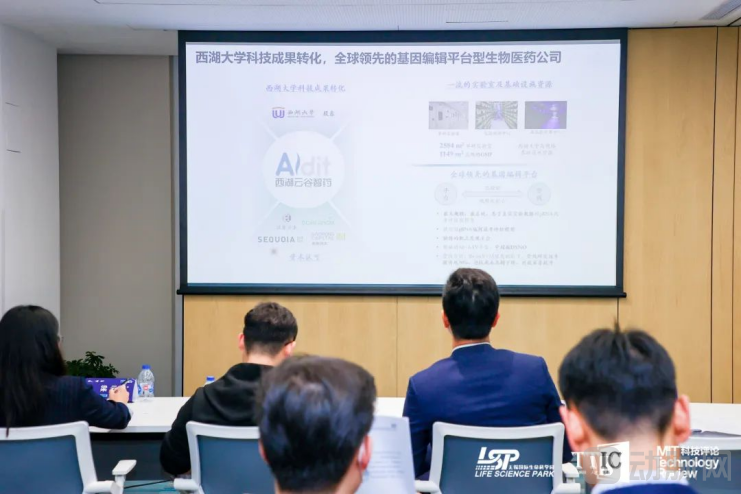 Figure | Yungu Zhiyao
Ma Lijia, founder of West Lake Cloud Valley Intelligent Drug Science, stated that the team has currently established three major platforms: the CAPSID-AIdit platform, which leverages biological experiments and algorithmic R&D to build deep learning prediction and generative models, enabling the discovery of efficient and safe vectors for gene therapy workflows; the TARGET-AIdit platform, which identifies tumor immunotherapy targets through proprietary high-throughput CRISPR screening and conducts target discovery by integrating unique biotech data with deep learning modeling; and the CRISPR-AIdit platform, which has constructed the largest and most systematic gRNA efficiency evaluation dataset based on real experimental data, providing a comprehensive assessment of gRNA editing efficiency and specificity.
West Lake Cloud Valley Intelligent Medicine has remained dedicated to the comprehensive optimization and improvement of CRISPR gene-editing technology, establishing an integrated technological platform that spans target discovery, development of novel editing tools, formulation of new gene therapy strategies for emerging targets, and final drug commercialization. By successfully implementing the entire workflow for the application of artificial intelligence in the field of gene-editing therapies, the company rapidly translates its R&D achievements into clinical disease treatments.
Yitu Life Sciences is committed to providing pharmaceutical companies and partners with AI-driven solutions for early-stage drug development.
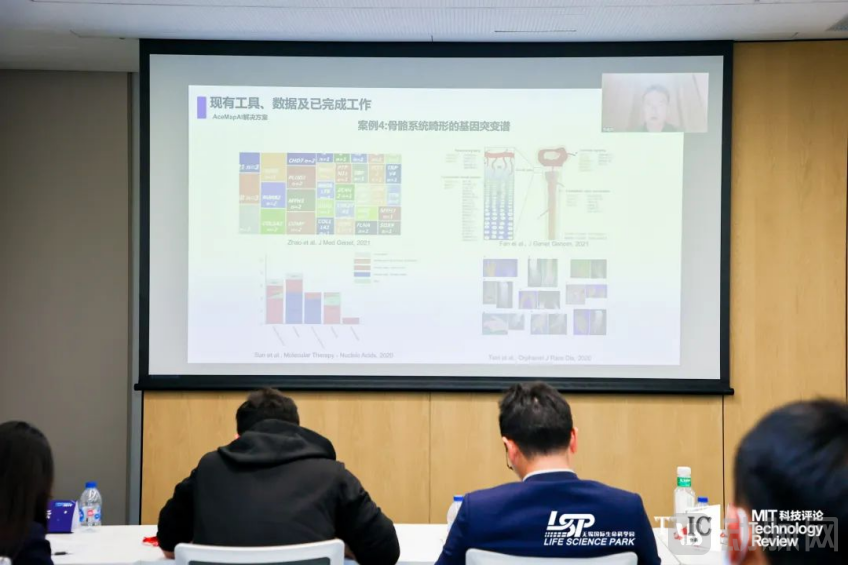 Figure | MedImage Bio
Li Xiaoran, CEO of MedGraph BioSciences, stated that the company integrated drug design and R&D teams from its inception, transforming drug candidates from conceptual designs into tangible products. After a year of refinement, the team has established both its business model and R&D platform.
Its business model can be summarized as collaboration, patent licensing, and franchising. Yitu Shengke has built three design platforms that cover the three most critical steps in the early stages of drug development: 1) Genomics Validation Platform, also known as the Target Validation Platform; 2) Molecular Design Platform; and 3) Drug Research Platform. This enables the entire process from discovering potential targets and drug candidates to developing tangible products.
Li Xiaoran believes that the team’s strengths lie in having access to optimal clinical resources, transforming these resources into academic achievements, and then converting those academic achievements into practical, highly profitable products. These three elements constitute a team that can be regarded as top-tier nationwide.
The prevalence of hepatitis B is a serious social issue. China has 20 million patients with chronic hepatitis B, accounting for one-third of the global total. Hepatitis B is incurable and can easily progress to liver cancer and cirrhosis. Currently, there are 500,000 liver cancer patients in China, representing half of the global caseload, a significant proportion of which is caused by hepatitis B.
Curing hepatitis B has become a global challenge, with the market size projected to reach RMB 600 billion, four times larger than that of hepatitis C.
In its pursuit of a cure for hepatitis B, Yaoyuan Biopharma’s strategy is to develop a novel immune agonist drug. DF-006 is a safe, single-target immune agonist developed against a novel immune target, simultaneously addressing the druggability and manufacturability challenges associated with target agonists.
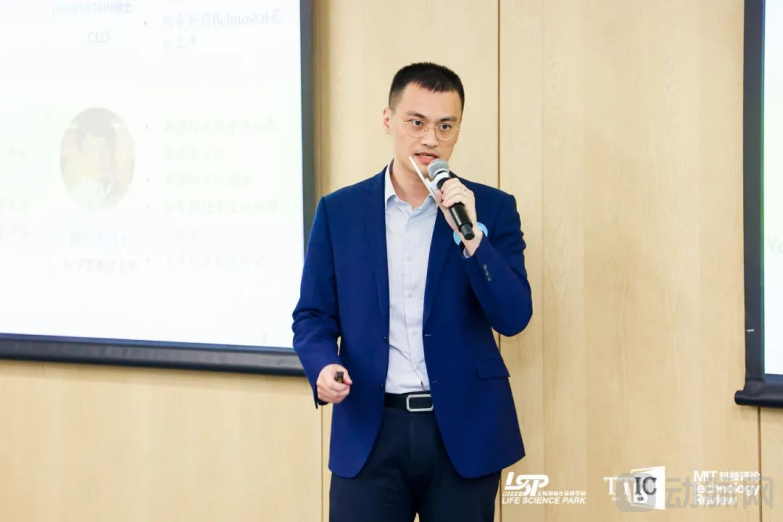 Figure | Xu Cong, Chief Operating Officer of Yaoyuan Biologics
Xu Cong, Chief Operating Officer of Yaoyuan Biotech, stated that DF-006 demonstrated remarkable efficacy in preclinical pharmacodynamic studies for hepatitis B, exhibiting excellent liver targeting and safety.
In addition, DF-006 has demonstrated excellent efficacy in multiple liver diseases. Xu Cong anticipates that DF-006 will have very promising market prospects for its various potential indications.
Artificial intelligence and synthetic biology share two commonalities: one is cost reduction and efficiency improvement for known entities, and the other is the exploration of unknown frontiers. Sheng Liming, Operations Director at Zhiyu Bio, stated that Zhiyu Bio is one of the few companies in China to deeply integrate AI and synthetic biology from the ground up.
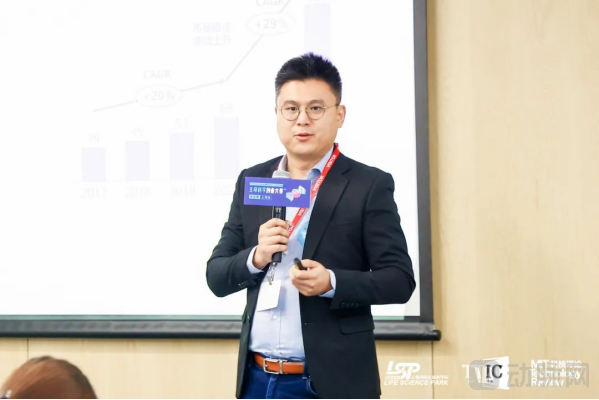 Figure | Sheng Liming, Operations Director at Zhiyu Biotech
The synthetic biology market is characterized by its large size and rapid growth. In recent years, the surge in popularity of synthetic biology has attracted an influx of companies, leading to severe product homogenization and leaving most firms struggling with product selection.
Zhiyu Biotech leverages its proprietary AI-driven methods to mine biological parts, identifying novel components with unknown functions from tens of millions or even hundreds of millions of known natural sequences. Furthermore, the company employs its in-house computational approaches to design synthetic parts that do not exist in nature, thereby significantly expanding the product scope of synthetic biology. “It is akin to creating new building blocks from existing ones to construct a house. If we have 1,000 blocks instead of just ten, the resulting structures will be superior in terms of variety, quality, methodology, and construction speed,” said Sheng Liming.
Zhiyu Biotech’s AI-empowered synthetic biology platform integrates artificial intelligence into every stage of the DBTL (Design-Build-Test-Learn) cycle and scale-up processes. In the design phase, AI plays a decisive role, representing a disruptive new paradigm. By leveraging AI-driven component mining and design, the company creates novel products, thereby addressing the current industry challenge of difficult product selection.
Furthermore, Zhiyu Biotech leverages various intelligent modules to empower the DBTL cycle and scale-up processes, enabling the development of enzyme, peptide, and protein binder components at the part level, as well as small molecules and nucleic acids, thereby expanding its corresponding product portfolio.
Currently, Zhiyu Biosciences’ technology platform serves two application areas in synthetic biology. The first is providing support for drug R&D in the pharmaceutical sector, where commercialization can be achieved without scaling up to kilogram or ton levels. In this area, the company has already established collaborations with more than 40 academic institutions and pharmaceutical enterprises.
In other areas of synthetic biology, scaling up to kilogram or ton levels is required, which demands that teams possess scalable manufacturing processes to achieve commercialization. Currently, Zhiyu Biotech has assembled a research and production team with over a decade of industrial experience, integrating synthetic biology with artificial intelligence. By adopting a short-cycle, low-cost R&D model and deploying a multi-product pipeline, the company aims to rapidly capture market share.
The Shanghai regional round of this competition has concluded. Next, DeepTech will hold the semifinals in Shenzhen on November 9. The finals, as an integral part of the Taihu (Mashan) Life and Health Forum, will be held concurrently from December 3 to 4. We welcome judges and guests to continue following the event and encourage active participation.
Shenzhen Station Registration Channel
Event Time: November 9, 2022 (Wednesday) 14:00-18:00

(Scan the QR code to register for the conference)
For inquiries about the competition, please feel free to contact us:
liyuhan@deeptechchina.com