

FUJIFILM Expands Biopharmaceutical Footprint in China: Interview with Suzuki Minehiko, Head of Life Sciences, FUJIFILM China
The life sciences sector has witnessed continuous breakthrough discoveries in recent decades, accompanied by rapid industry growth. Guided by its vision to contribute to human health, Fujifilm has invested substantial capital in its life sciences business and provides products and services on a global scale.
Fujifilm’s life sciences business, centered on cell biology, provides support spanning from R&D to clinical applications. In this interview, Mr. Minehiko Suzuki, Head of Fujifilm’s Life Sciences Business in China, discusses in detail the company’s strategic layout and future plans in the life sciences sector.
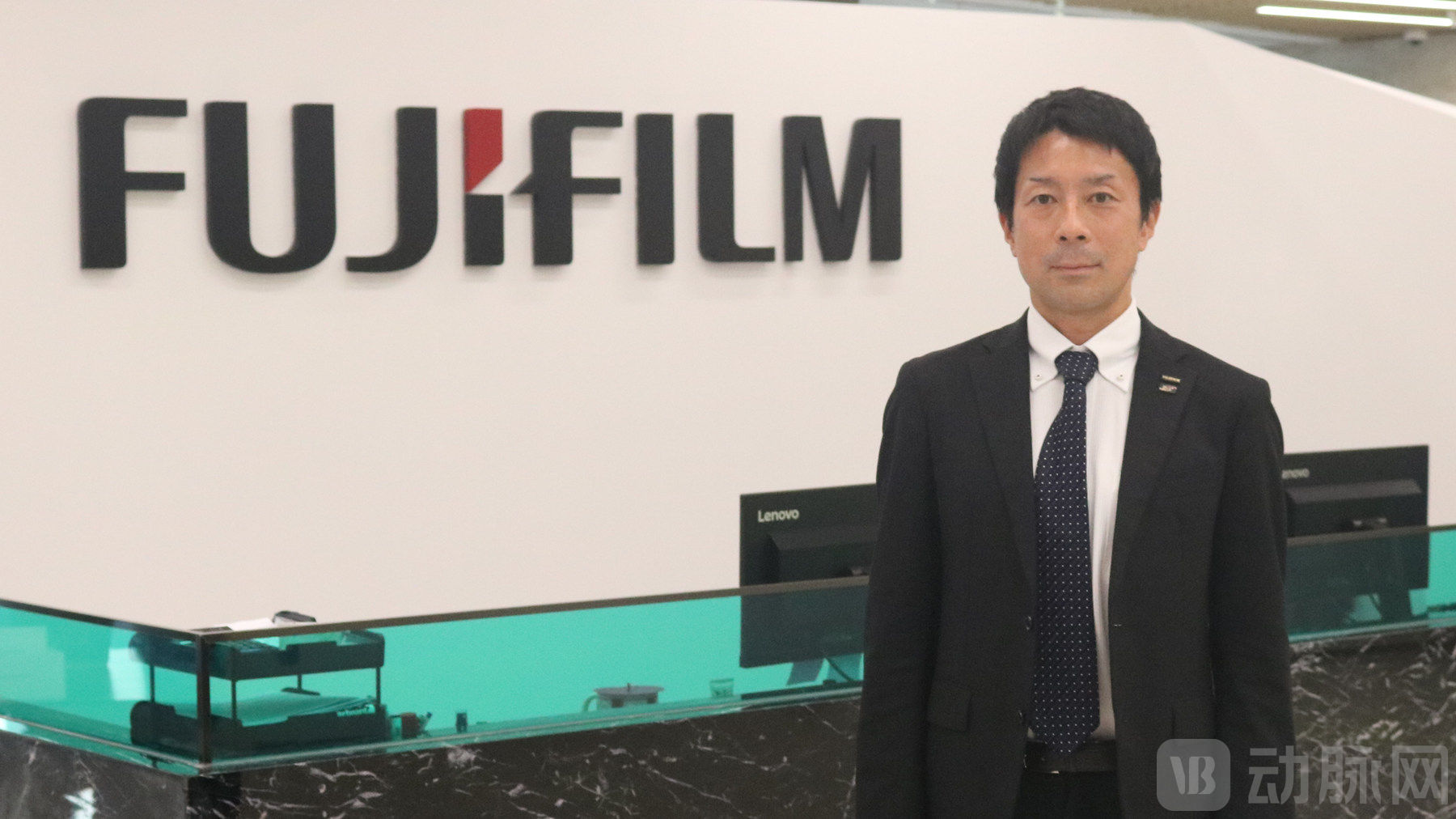 Mr. Minehiko Suzuki, Head of Life Sciences Business, Fujifilm China Region
In 2000, Fujifilm’s core film business reached its peak. Subsequently, global demand for film products declined at an annual rate of 20%, causing Fujifilm to lose its foundational business. To navigate this crisis, Fujifilm embarked on a second entrepreneurial journey and implemented a series of major reform initiatives. Mr. Minehiko Suzuki stated, “We took stock of all our resources at the time, particularly our technological assets, to identify new business areas where they could be applied.” To compensate for deficiencies in its existing assets, Fujifilm also actively pursued mergers and acquisitions.
Mr. Minehiko Suzuki stated, “Life sciences is one of the new business areas we are focusing on. Over the past 15 years, we have been actively pursuing mergers and acquisitions in the life sciences industry. The acquisition of Diosynth in 2011 was a significant milestone, marking Fujifilm’s entry into the biological CDMO sector. The addition of Irvine Scientific’s media business and Wako Pure Chemical Industries has further enhanced our capabilities, enabling us to leverage our strengths in high-tech manufacturing together with contract manufacturing organizations (CMOs).” He emphasized, “We have taken measures to ensure double-digit growth over the medium to long term, such as the acquisition of Shenandoah Biotechnology, Inc., a manufacturer of recombinant proteins and cytokines.”
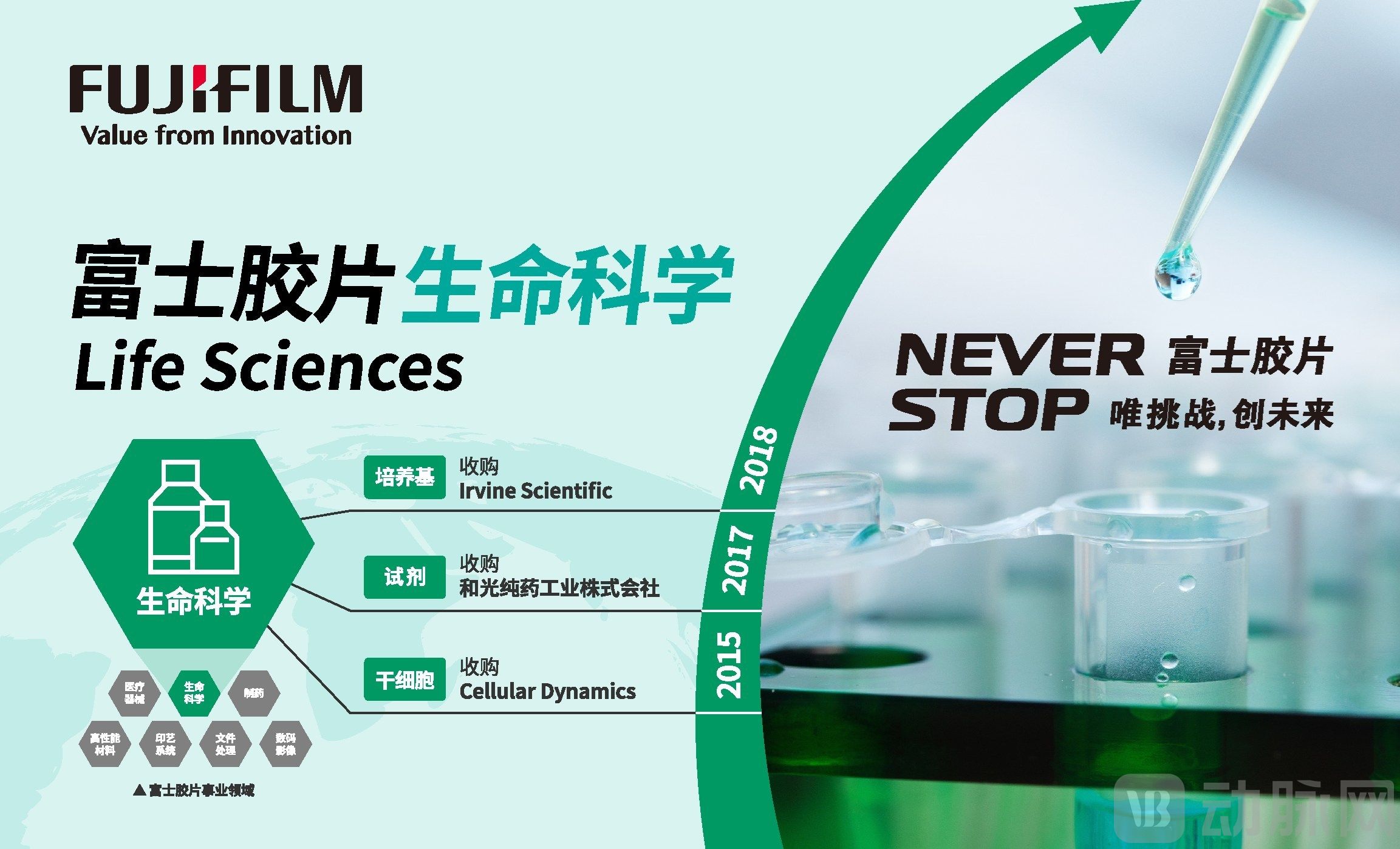
Since 1990, growing demand for antibody drugs and biologics has gradually displaced small-molecule compounds, making them the primary approach to addressing unmet medical needs in areas such as cancer. In line with this trend, Fujifilm is focusing its efforts on serum-free media for biopharmaceutical production (Bioproduction, BP), a market whose total demand is projected to grow at a compound annual growth rate (CAGR) of 12% from fiscal year 2020 to fiscal year 2030.
Mr. Minehiko Suzuki stated, “Our goal is to become one of the top suppliers of cell culture media by 2030, capturing over 30% market share in the basal medium (BP) market. Importantly, the quality and functionality of most antibody drugs and biopharmaceuticals depend on the culture medium, which must be properly matched to customers’ cell lines. This is why there is an urgent market need for customized culture media solutions.”
On December 8, 2021, FUJIFILM Irvine Scientific officially launched its first European facility—the new plant in Tilburg—which will produce cell culture media required for biopharmaceutical manufacturing, further strengthening Irvine Scientific’s global supply chain and production capabilities.
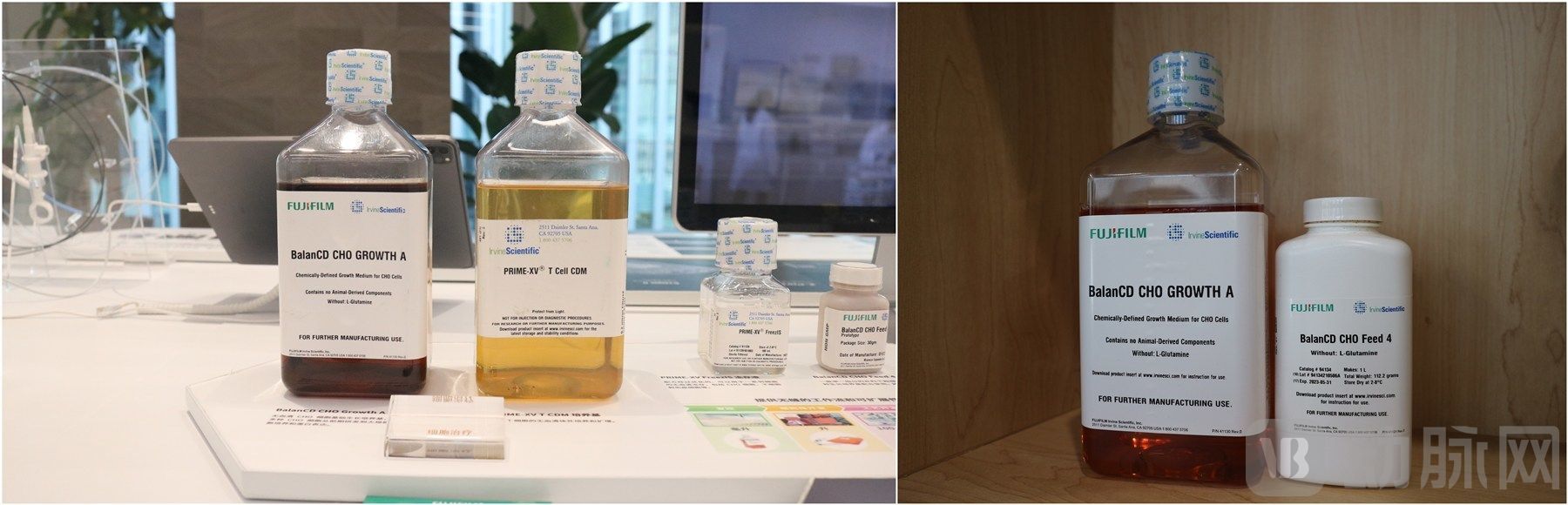 BalanCD Growth A Growth Medium + Feed 4
Fujifilm believes that the Chinese market is a vital component of the life sciences industry and remains committed to its “In China, For China” strategy, providing local customers with supply chain support as well as localized technical and application assistance. In April this year, Fujifilm Irvine Scientific (Suzhou) Co., Ltd. established an Innovation Collaboration Center (ICC) in the Suzhou New District. Equipped with automated cell culture systems and analyzers capable of assessing cell count and quality, the center enables high-precision optimization of cell culture processes.
According to Mr. Minehiko Suzuki, “The quantity and quality of cells are key factors for our customers in developing new and effective drugs. Fujifilm offers customized cell culture media services, enabling customers to optimize their cell culture media and processes at the Suzhou Innovation Collaboration Center.” Looking ahead, Fujifilm will continue to increase its investment to provide better services to local customers.
Mr. Minehiko Suzuki further added that, through the “Center of Excellence for Cell Culture R&D” officially opening in California, USA, this July, and the Innovation Collaboration Center (ICC) recently established in Suzhou High-Tech District, China, FUJIFILM Irvine Scientific will provide technical collaboration opportunities for R&D experts worldwide, supporting the development of personalized solutions and fostering collaborative partnerships.
Regarding Fujifilm Irvine Scientific’s next steps in strategic planning, Mr. Minehiko Suzuki introduced:
First, strengthen the global production structure and localization of the BP business. The Fujifilm Group will continue to maintain strategic investments and expand its bioproduction cell culture media business in key markets (China, the United States, and Europe).
According to data from January 2022, since the acquisition of Irvine Scientific, Fujifilm Group’s cumulative capital expenditure has reached JPY 10 billion, with production capacity increasing fivefold. These investments will strengthen Fujifilm’s global supply chain system and localization in key markets, with additional investments continuing through fiscal year 2022 and beyond. The future development of Fujifilm’s Life Sciences business will require further localized supply chains and marketing activities.
Secondly, expand the cell therapy business. The cell therapy market holds significant future growth potential not only in the United States but also in Asian markets such as China. Fujifilm maintains “close partner” relationships with its customers, providing a wide range of products and services for the commercial manufacturing of their cell therapies, including GMP-grade products and CDMO services.
In the future, Fujifilm’s Life Sciences division will provide end-to-end process support—from drug discovery to commercial-scale biopharmaceutical manufacturing—to empower customers in China.
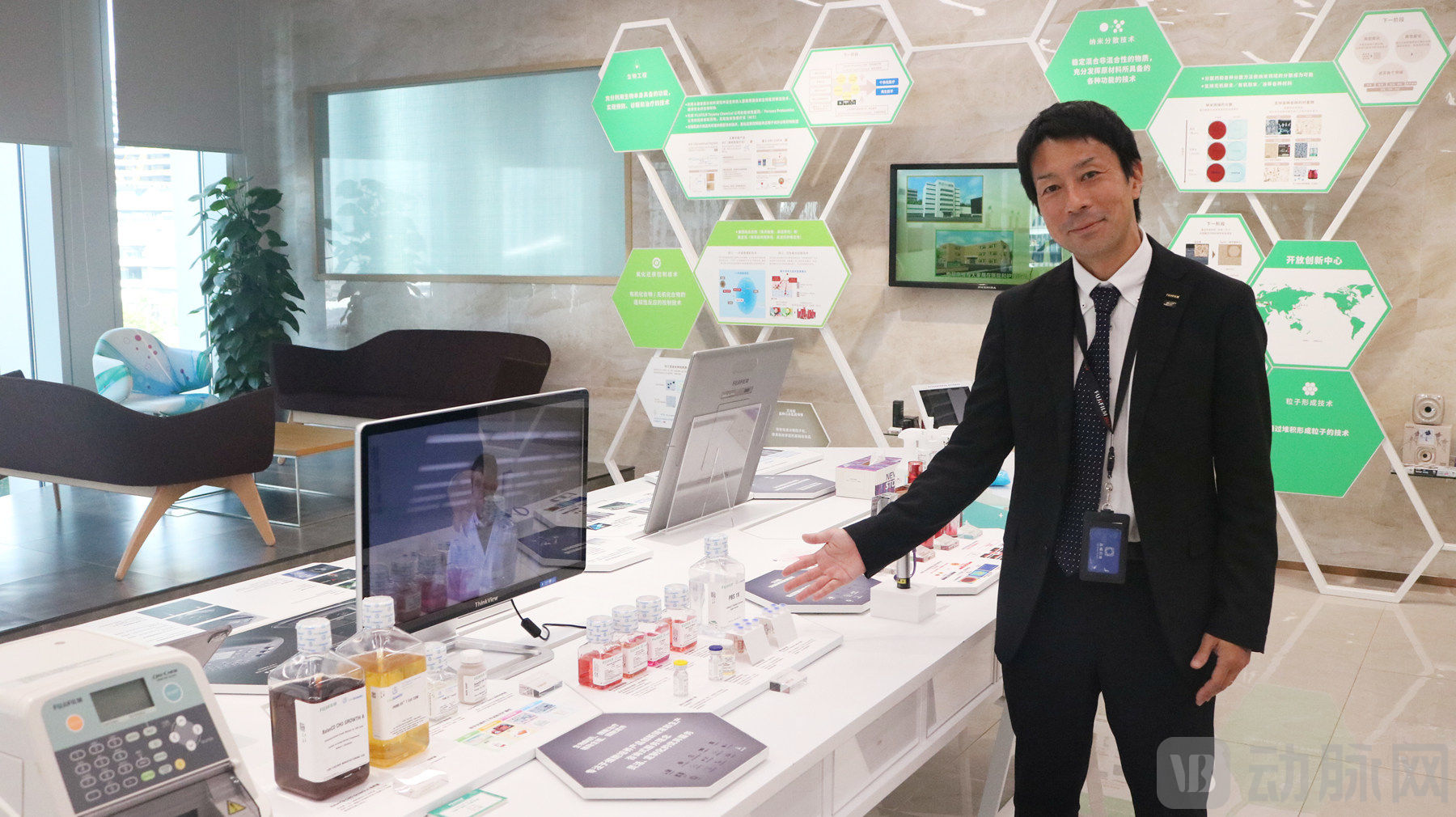 Mr. Minehiko Suzuki at the Fujifilm Open Innovation Center, Shanghai Branch, China
About Fujifilm Group
Composed of two core companies, FUJIFILM Corporation and FUJIFILM Business Innovation Corp., the Group connects 280 subsidiaries worldwide and employs more than 75,000 people. In fiscal year 2021, it recorded total sales of JPY 2,525.8 billion and operating profit of JPY 229.7 billion. (As of March 2022)
About FUJIFILM Irvine Scientific
FUJIFILM Irvine Scientific, a member of the FUJIFILM Group, is a high-tech company dedicated to the research and development and production of cell culture products. With over 50 years of expertise in industrial cell culture, assisted reproductive technology, cell therapy, and cytogenetics, it consistently provides high-quality products along with flexible, customized services to researchers, industrial clients, and healthcare professionals worldwide.
About FUJIFILM Wako
FUJIFILM Wako Pure Chemical (Guangzhou) Trading Co., Ltd. is a subsidiary in China of FUJIFILM Wako Pure Chemical Corporation (hereinafter referred to as “FUJIFILM Wako”). The company primarily deals in reagent products under the FUJIFILM Wako brand, serving various fields including academic research, analysis, new drug development, production processes, and quality management. Established in 1922, FUJIFILM Wako has been dedicated to the production and development of high-quality reagents and has obtained multiple international certifications, such as ISO 9001. The company offers more than 50,000 products, covering three major areas: life sciences, chemistry, and analytical chemistry.