

Xiangyu Medical and The Third Affiliated Hospital of Qiqihar Medical University Launch Brain-Computer Interface Clinical Research and Translation Center

Sunnyou
Intelligent Rehabilitation Equipment R&D and Manufacturer
(Source:Sunnyou Medical)
On April 24th at 9:30 AM, the signing and unveiling ceremony of the "Brain-Computer Interface Neuromodulation Rehabilitation Treatment and Clinical Research Transformation Center" co-established by Sunnyou Medical and the Third Affiliated Hospital of Qiqihar Medical UniversityHeld in the First Conference Room on the Third Floor of the Comprehensive Inpatient Building in the hospital。
This marks the official launch of the first standardized rehabilitation platform in western Heilongjiang Province that integrates non-invasive brain-computer interfaces, neuromodulation, and intelligent rehabilitation. It fills the gap in high-end neurorehabilitation technology in the region, meaning that residents of Heshi City can now access cutting-edge "mind-controlled rehabilitation" intelligent medical services right in their hometown. Zhang Keyong, Deputy Secretary of the College Party Committee, Li Feng, Deputy Director of the Municipal Health Commission, Su Jian, Director of the Medical Administration Department of the Municipal Health Commission, Liang Yongqiang, Director of the Marketing Center of Sunnyou, along with his team, and members of the hospital’s leadership attended the meeting. Relevant personnel from the departments of neurology, neurosurgery, and rehabilitation also participated in the ceremony. The event was hosted by Vice President Liu Zhongjin.
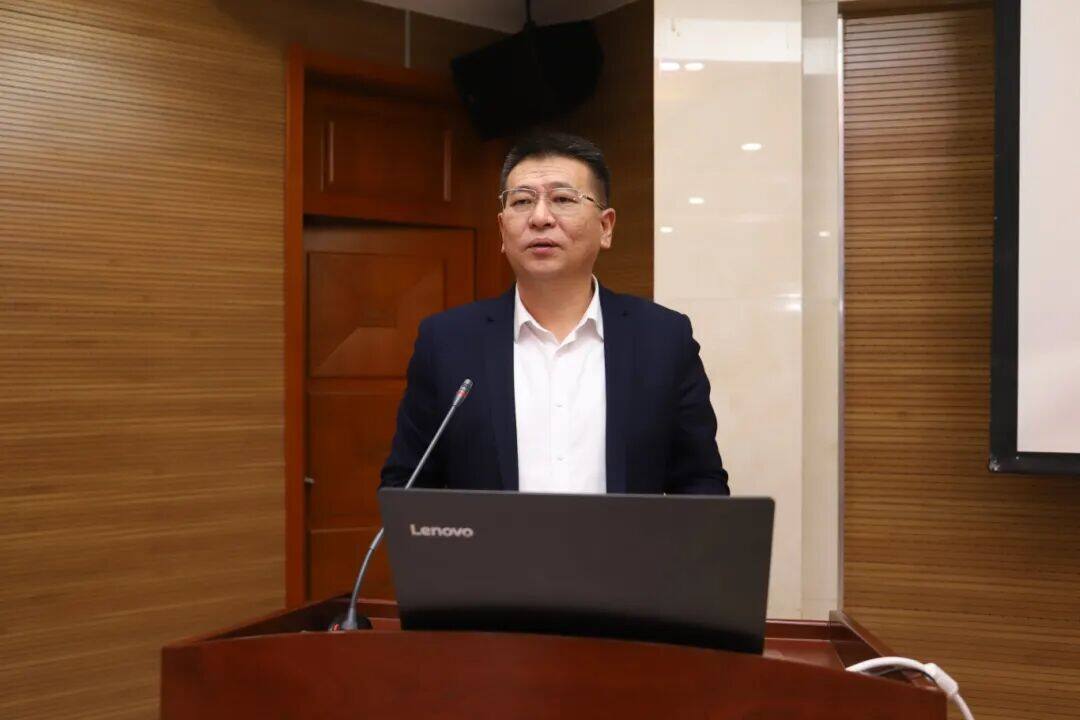
Zhang Keyong, Deputy Secretary of the College Party Committee, gave a speech.
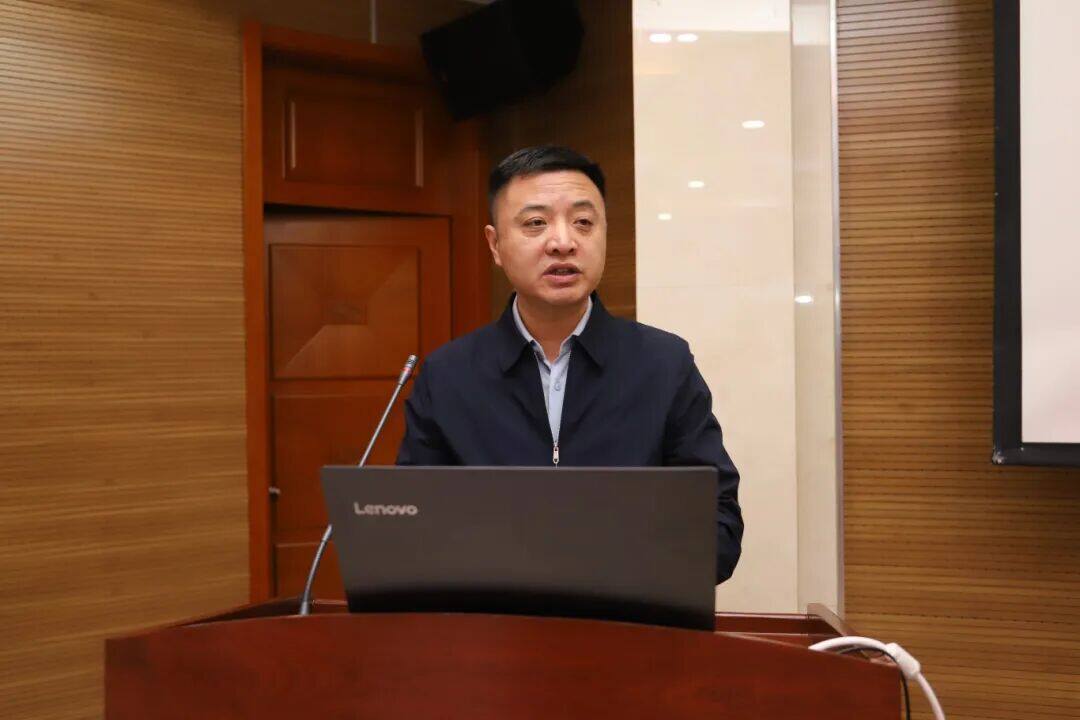
Speech by Li Feng, Deputy Director of the Municipal Health Commission
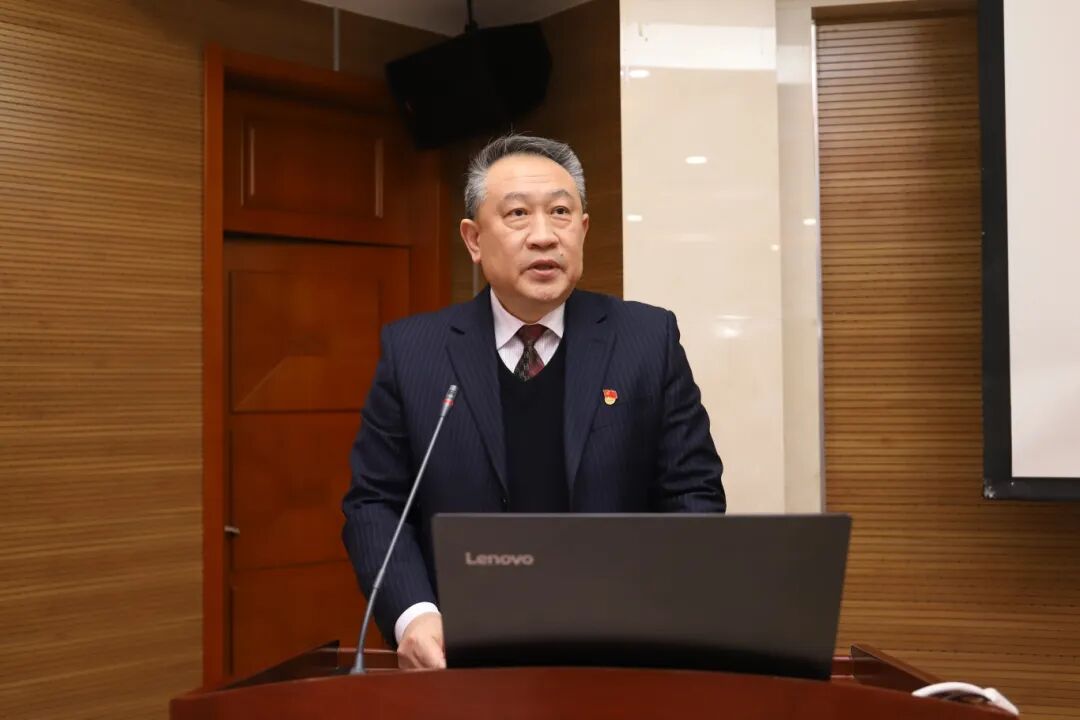
Address by Sun Maolin, Party Secretary of the Hospital
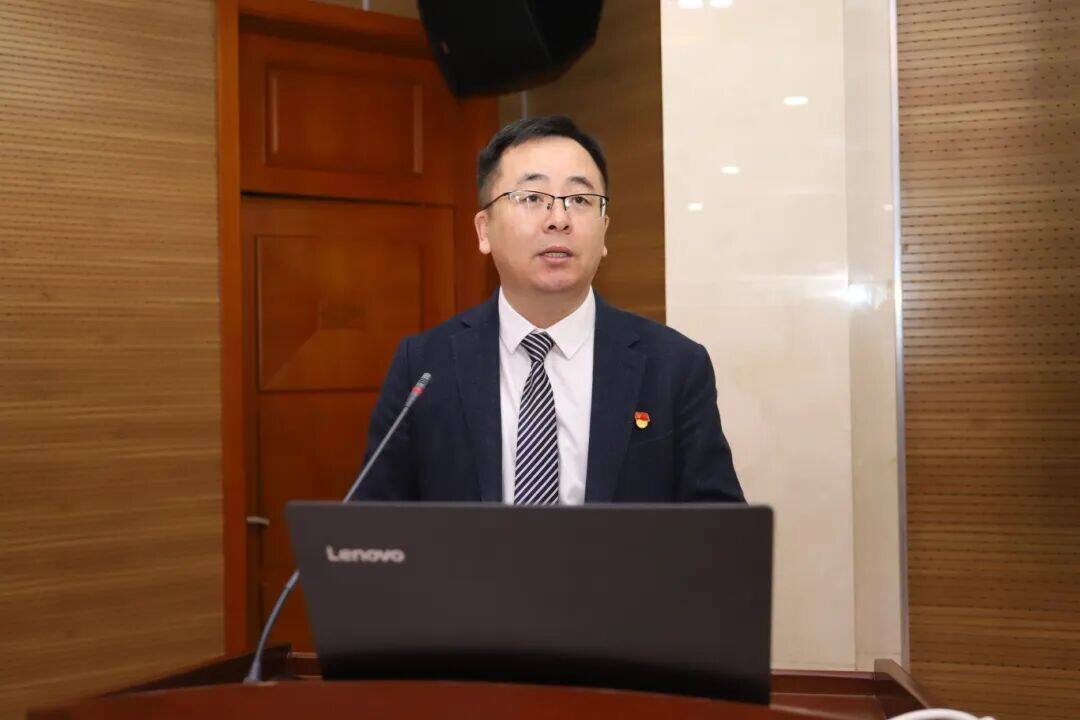
Vice President of the hospital, Liu Zhongjin, presided over the ceremony.
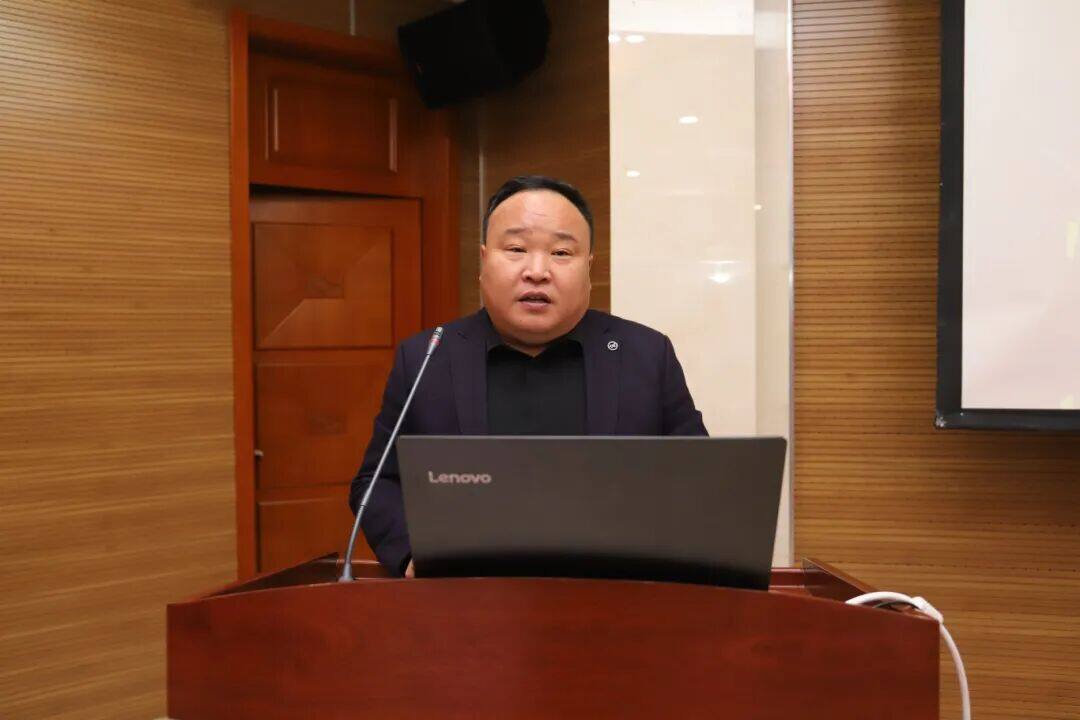
Speech by Liang Yongqiang, Director of the Marketing Center of Sunnyou Medical
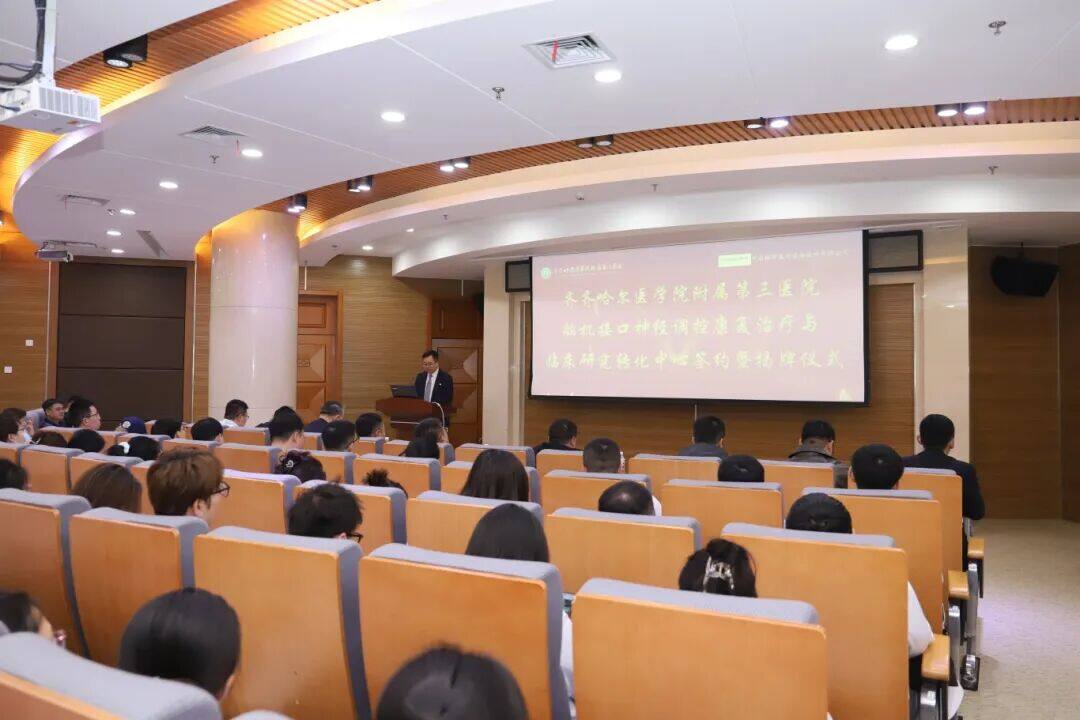
Ceremony Site
At the conference, Sun Maolin, Party Secretary of the Third Affiliated Hospital of Qiqihar Medical University, delivered a speech. He reviewed the over four-decade development and accumulation of the hospital's neurology discipline, from its establishment in 1978 to becoming a provincial key clinical specialty and a national advanced stroke center, marking a leapfrog growth. He stated that the establishment of the Brain-Computer Interface Transformation Center is a crucial step for the hospital to promote the transformation from "traditional diagnosis and treatment" to "intelligent precision." Relying on multidisciplinary integration and collaboration, the hospital will fulfill its commitment to "enable the residents of Hecheng to enjoy high-end medical services at their doorstep," contributing the wisdom of the Third Affiliated Hospital to "Healthy Longjiang" and "Healthy China."
Li Feng, Deputy Director of the Municipal Health Commission, gave a speech. He pointed out that brain-computer interface technology breaks through the limitations of traditional rehabilitation "passive training" and achieves active neuroplasticity under "mind control." The establishment of the center marks an important breakthrough in healthcare science and technology innovation and discipline construction in Qiqihar City. He expressed three hopes: to deepen clinical services for the people, to achieve innovative breakthroughs through medical and research collaboration, and to lead by example in open cooperation, truly transforming cutting-edge technology into tangible outcomes for safeguarding public health.
Sunnyou's Marketing Center Director Liang Yongqiang Speaks. He Stated That Brain-Computer Interface Has Moved From Laboratories to Clinical Settings, Becoming a Core Direction in China’s Science and Technology Strategy. Sunnyou Will Continue to Deepen Technical Collaboration with Hospitals, Promote the Construction of a Full-Chain System for “Clinical-Research-Transformation,” and Assist Hospitals in Establishing Regional Neuro-Rehabilitation Technology Hubs.
Zhang Keyong, Deputy Secretary of the College Party Committee, delivered a speech. He emphasized that brain-computer interface has been included in the forward-looking layout of future industries in China's "15th Five-Year Plan." He required the center to adhere to the original intention of medicine, abide by research ethics, and maintain a balance between technological breakthroughs and humanistic care. The Medical College will fully support the center’s construction in terms of talent, resources, and scientific research, promote the integration of medicine and engineering, and contribute to Healthy China with the strength of the college.
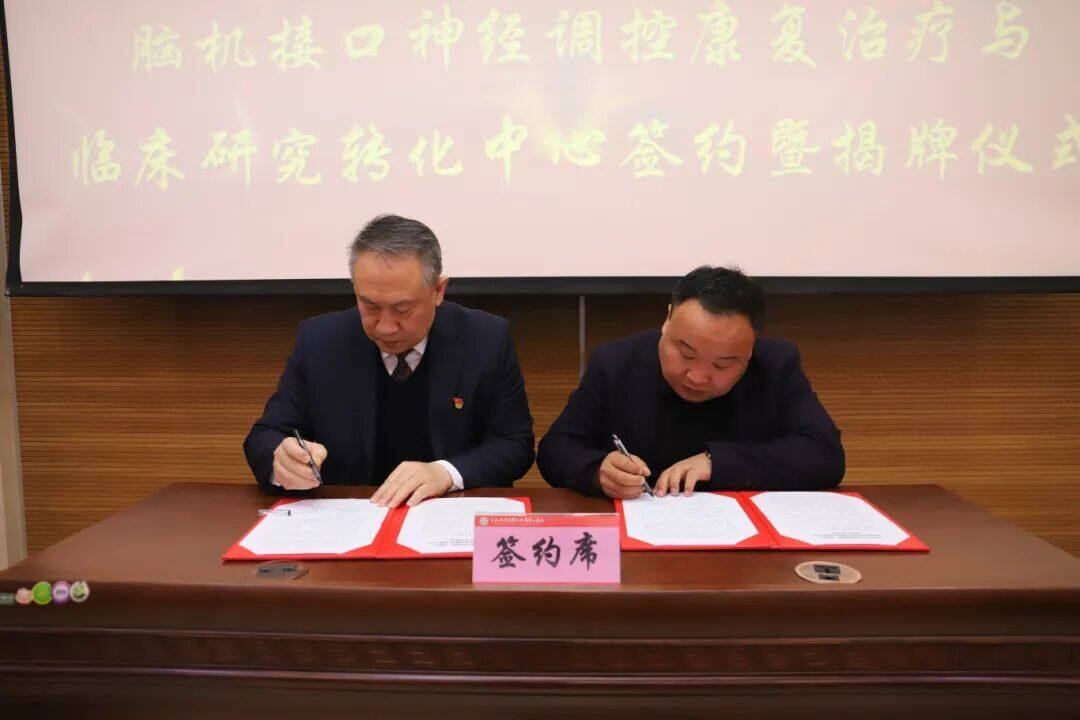
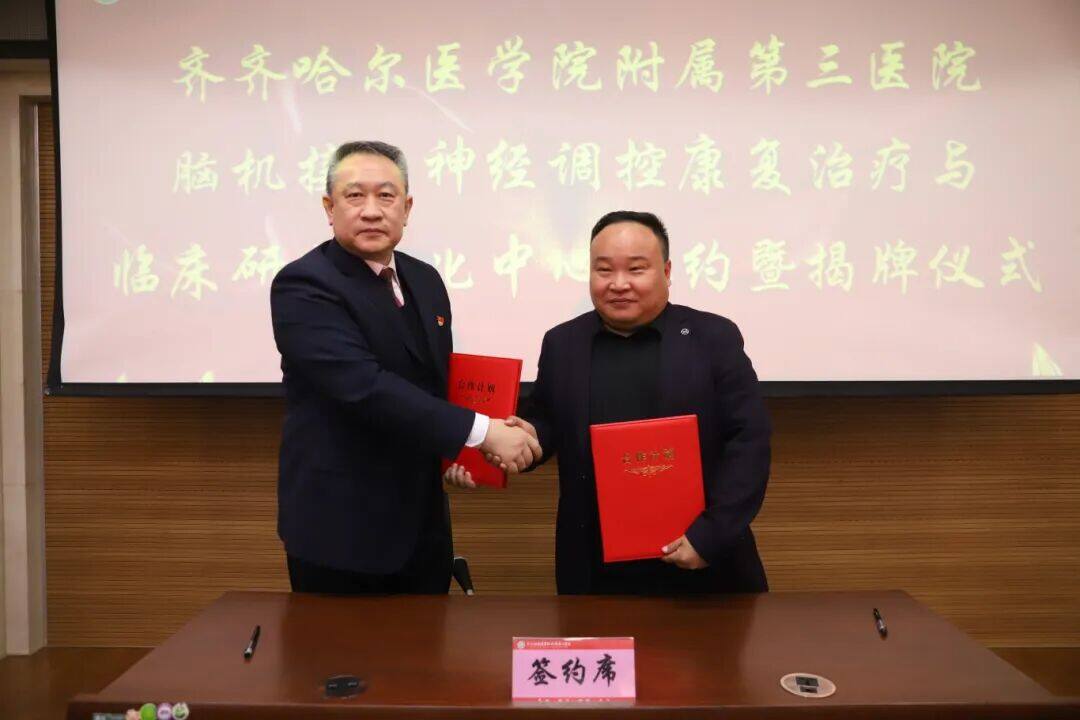
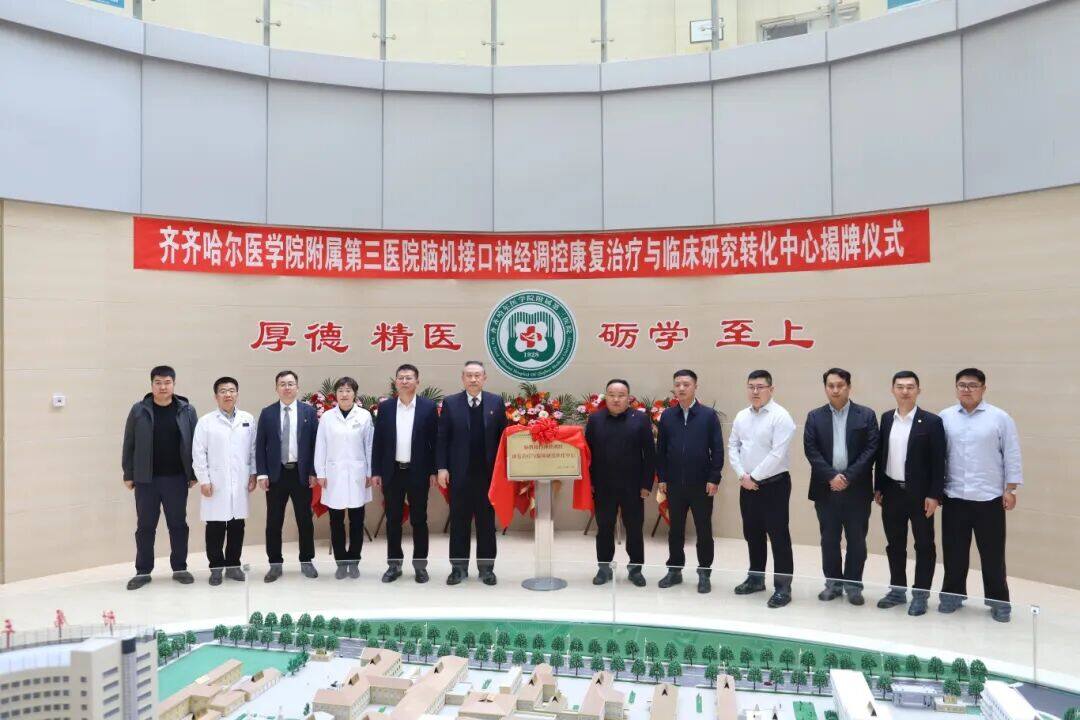
Group Photo
At the ceremony, Sun Maolin, Party Secretary of the hospital, and Liang Yongqiang, Director of the Marketing Center of Sunnyou, jointly signed the strategic cooperation agreement. Subsequently, the "Brain-Computer Interface Neuromodulation Rehabilitation Treatment and Clinical Research Transformation Center" was officially inaugurated.
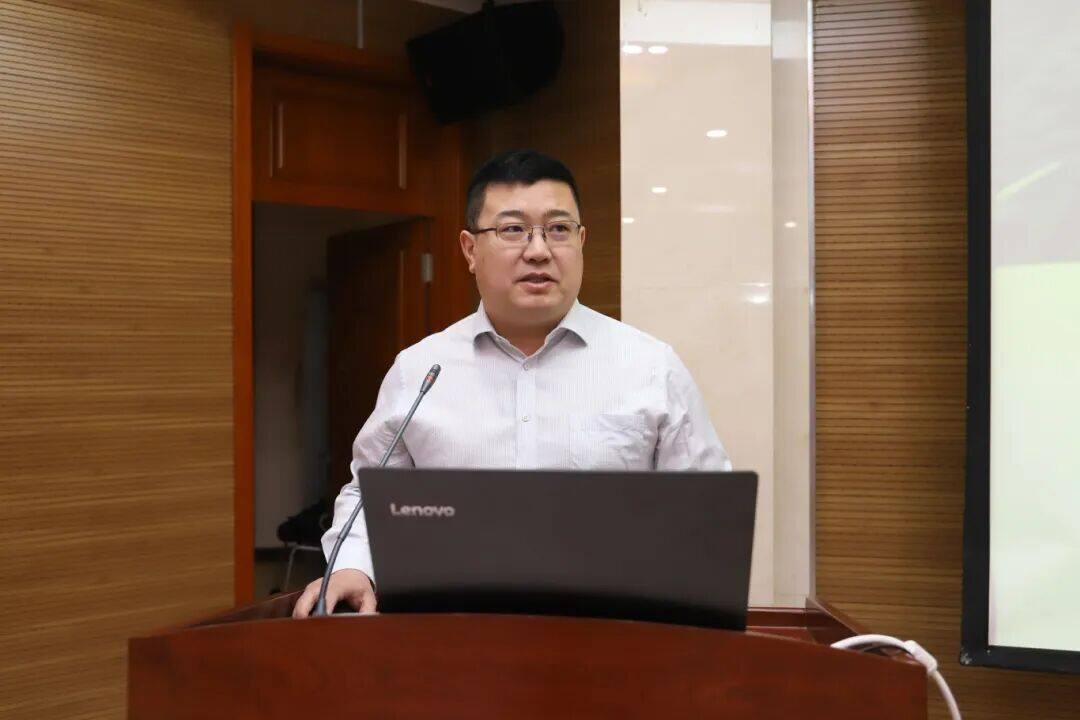
Shen Tao, Heilongjiang Regional Manager of Sunnyou Medical, Gives Academic Presentation
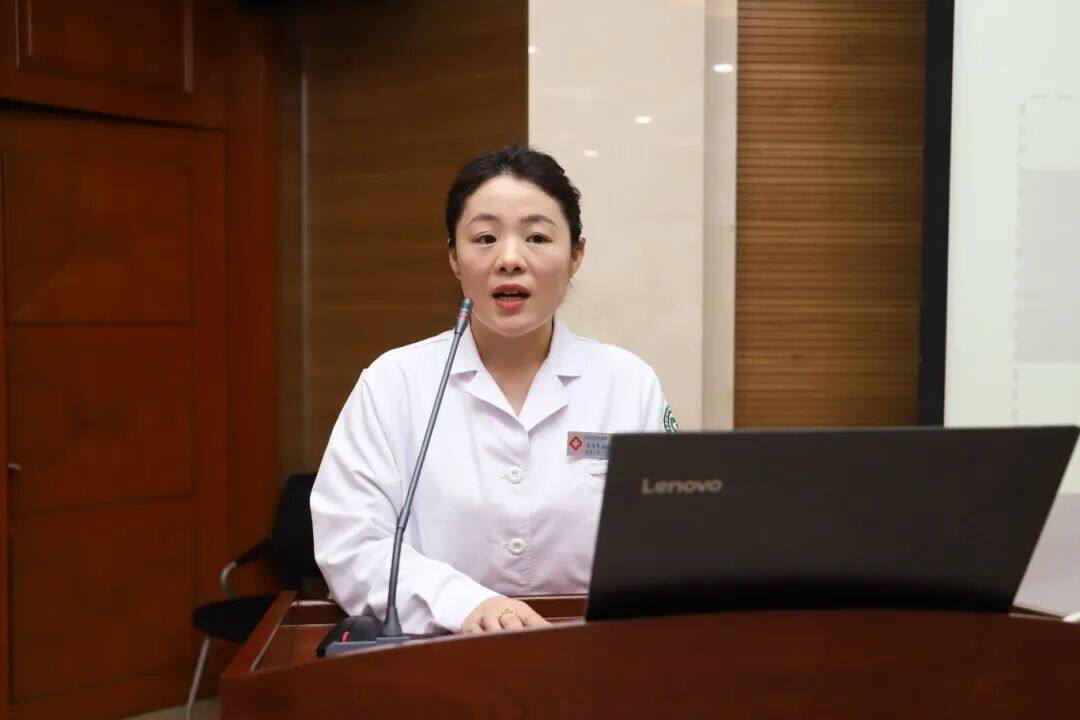
Academic Sharing by Ma Haixiu from the Department of Rehabilitation Medicine, Hospital
During the academic exchange session, Shen Tao, Manager of Heilongjiang Region of Sunnyou Medical, and Ma Haixiu from the Department of Rehabilitation Medicine respectively gave special presentations on the integration of brain-computer interface in hospital-wide rehabilitation and its clinical applications.
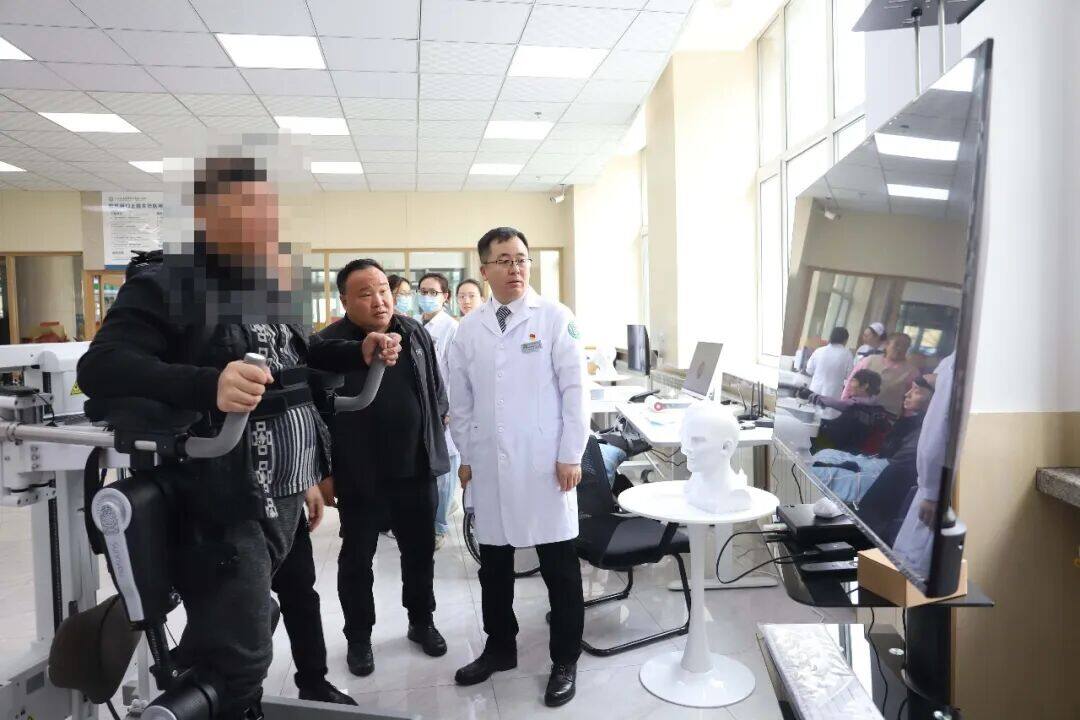
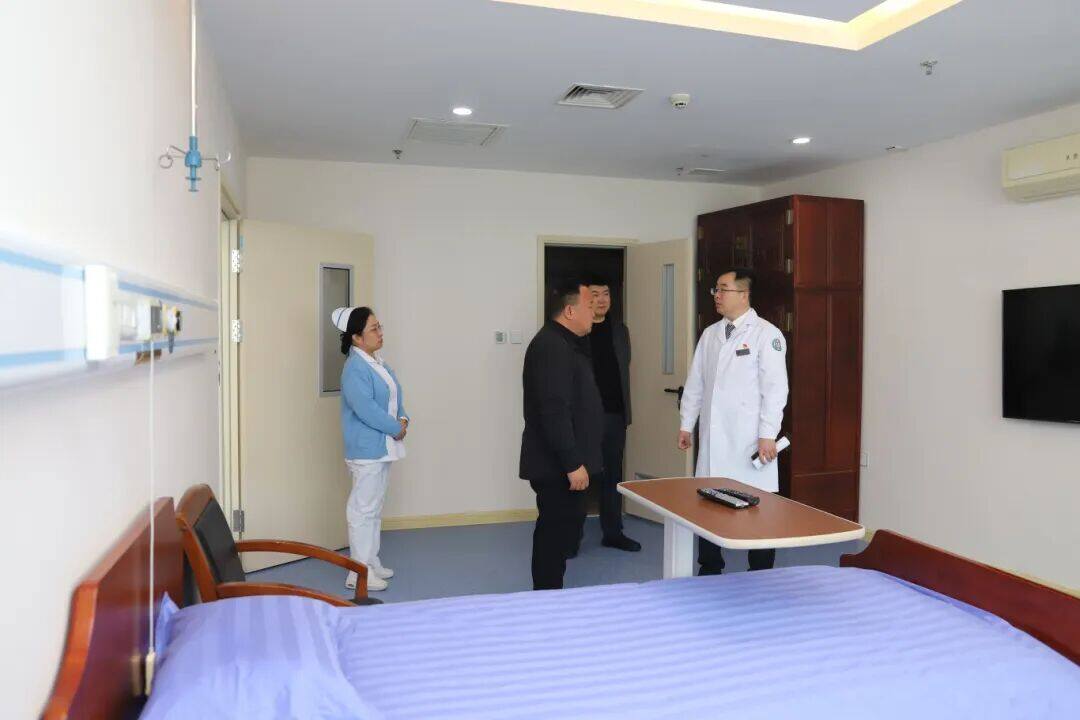
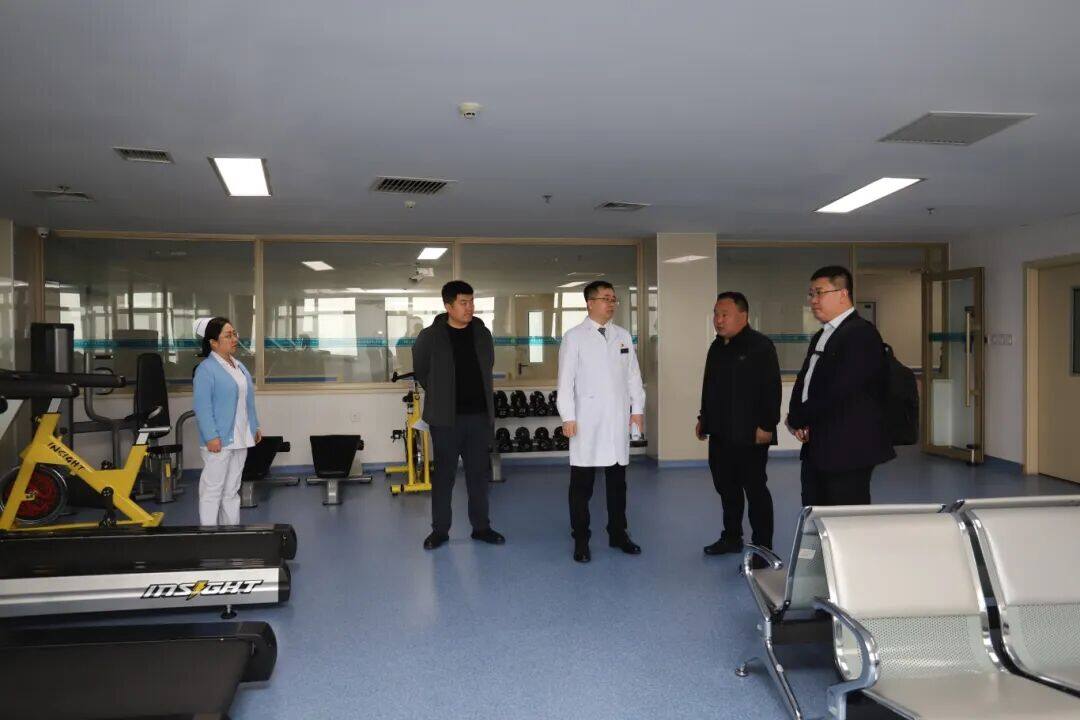
Vice President Liu Zhongjin led Sunnyou's Marketing Center Director Liang Yongqiang and his team on a site visit.
After the academic lecture, Liu Zhongjin, vice president of the hospital, led Liang Yongqiang, director of the Sunnyou Medical Marketing Center, and his team to visit the Brain-Computer Interface Laboratory and watch the technical demonstration. As the core technical support of the center, the hospital has simultaneously introduced the first non-invasive brain-computer interface lower limb exoskeleton in the province.RobotThe device captures the patient's motor intention through brain-computer interaction technology, assisting individuals with lower limb dysfunction in conducting active rehabilitation training, effectively promoting nerve repair and functional recovery. The center will address the medical needs of this region, empower regional rehabilitation construction with advanced equipment, and provide precise and high-quality rehabilitation and diagnostic services for the population in the western part of Heilongjiang Province.
Subsequently, the group visited the VIP wards on the 25th floor of the Inpatient Comprehensive Building to conduct an on-site inspection and discussion regarding the future plan to establish a "Brain-Computer Interface Rehabilitation Center." Both parties exchanged opinions on ward environment adaptation, high-end rehabilitation service models, and multidisciplinary collaborative management, laying a solid foundation for further deepening cooperation and jointly building a regionally leading brain-computer interface rehabilitation center.
According to Vice President Liu Zhongjin, the center is positioned as a regional highland for neurorehabilitation technology, a hub for clinical transformation, and a talent training base. It integrates non-invasive brain-computer interfaces, neuromodulation, intelligent rehabilitation, and the fusion of traditional Chinese medicine techniques, achieving a fundamental shift from passive training to mind-driven active rehabilitation. Ren Zhanjun, Director of the Neurology Department 6, vividly explained: "The brain-computer interface acts like a 'neural bridge' between the brain and limbs. Patients can simply use their intention of movement to drive their limbs to perform rehabilitation exercises, greatly enhancing the efficiency of neural function remodeling and turning rehabilitation from agony into hope." This means that patients with stroke, spinal cord injury, Parkinson's disease, and disorders of consciousness no longer need to travel elsewhere, as they can receive leading precision rehabilitation treatment in China right in Qiqihar, significantly reducing medical costs and restoring confidence in life.