

From Math PhD to Biotech Founder: Dr. Zhu Mingfu's Journey with 20n Bio
If not inPh.D. at Clemson UniversityAt that time, Zhu Ming went to his doctoral supervisor,Professor Gao Xuhong, a renowned cryptographerTell him, “All things are numbers; you can try your hand at any field where mathematics applies.” The world may gain a mathematician, but it will certainly lose an explorer in the field of biomedicine.
If not inPostdoctoral Fellow, Duke University School of MedicineDuring this period, Zhu Ming went to the doctoral supervisor of Dr.Professor David Goldstein, a renowned geneticistHe said, “For people like you and me, the wealth we can create in our lifetime will far exceed our consumption. Therefore, we should not aim merely to make a living, but instead harbor greater ambitions.” As a result, the biomedical field may gain one more diligent scholar, but it will inevitably lose an entrepreneur who could have driven new drug development.
Dr. Zhu Mingfu has always been regarded by others as the “ideal child,” having gained admission to [institution] with outstanding academic achievementsDepartment of Mathematics, University of Science and Technology of China, later successfully obtained a full scholarship to Clemson University in the United States, and receivedPh.D. in Mathematics. Although he has always been immersed in the field of mathematics, he has maintained a curiosity about the field of biology:“There are still many unknown realms in the world. From the vast macrocosm of the universe to the minute microcosm of life, humanity’s understanding remains limited.”
Driven by his own curiosity and encouraged by his doctoral supervisor, he decided to venture into the field of biology, leveraging his expertise in mathematical modeling as a vessel to carve out his own niche.
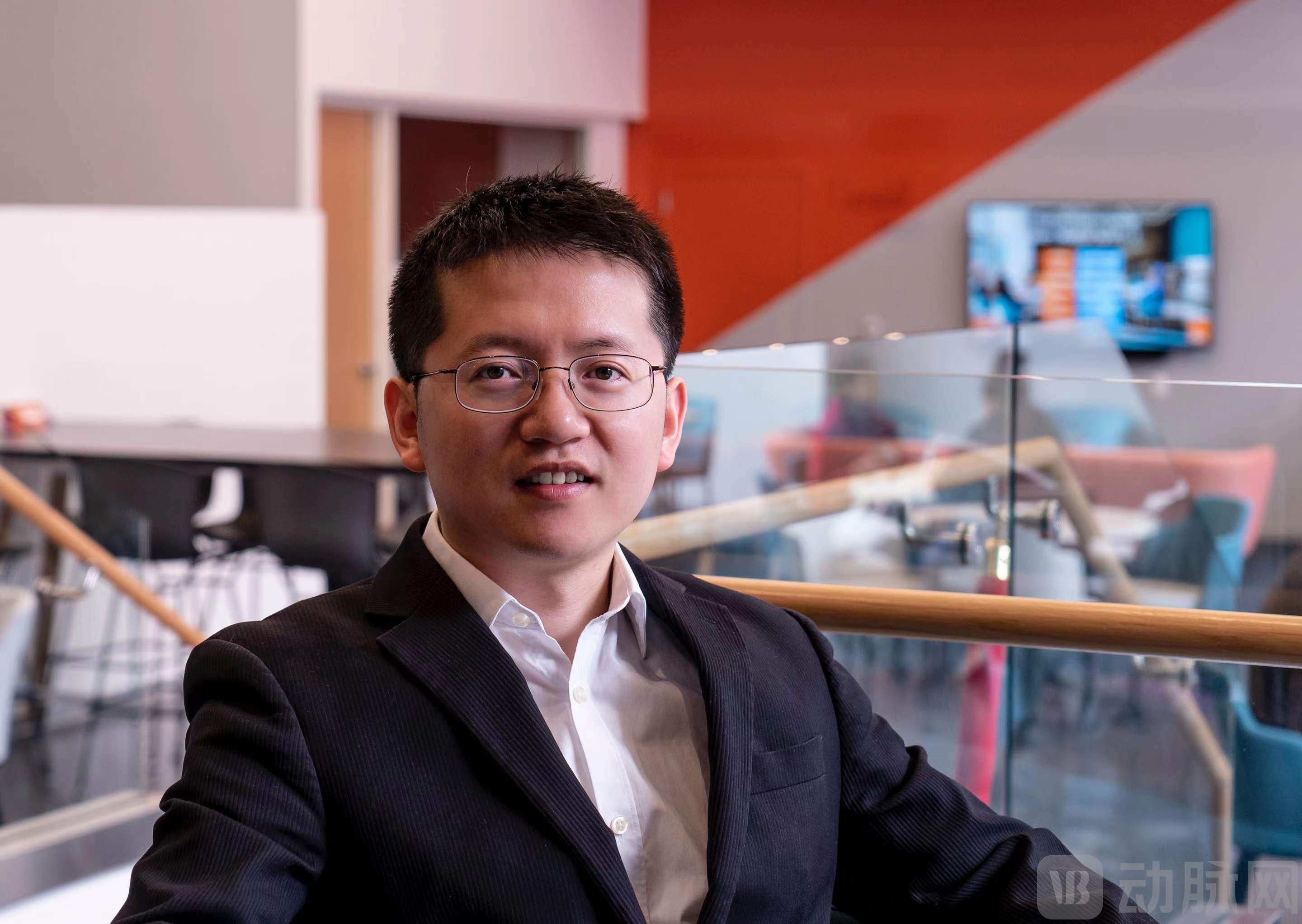 Founder of 20n BioDr. Mingfu Zhu
Finally, he joined Duke University School of Medicine during his postdoctoral fellowship. He was fortunate to enter the field at a time marked by an explosion in biological data, exemplified by genomics, and inGenomic Data Mining, Disease Target Discovery, Pharmacogenomicshave achieved remarkable results in fields such as these. Subsequently, he was appointed asAssistant Professor of Bioinformatics, leaping into the industry and embarking on this remarkable adventure from mathematics to genomics and then to new drug development.
New Beginnings: Working for a Startup Is the Top Choice During the Pre-Entrepreneurship Phase
When Dr. Zhu Mingfu first entered the industry, he did not intend to start a business right away. As a newcomer, he decided to first take root before considering sprouting. Joining a company was the fastest way for someone like Dr. Zhu, a “novice” who had transitioned into the field later in his career, to gain an understanding of the biopharmaceutical industry.
But what kind of company should one actually join? Dr. Zhu Mingfu was presented with two options:One is a large pharmaceutical company with a market capitalization of tens of billions of U.S. dollars; the other is a startup that was founded just one month ago.
Perhaps most people would choose the former. After all, joining a mature company offers relatively stable income and a lighter workload—one simply needs to follow established procedures to complete corporate tasks, moving forward while standing on the shoulders of “giants.” In contrast, working for a startup means sharing the risks of growth with the company and navigating an uncharted path. Nevertheless, Dr. Zhu Mingfu still choseJoining a Startup。
To this day, he remains grateful to his younger self for choosing to join a startup. He said, “In a large corporation, I might have been merely a cog in the machine, permanently fixed in place. While it would have offered a comfort zone, it would also have firmly capped my career ceiling. In contrast, a startup provides more opportunities, requiring me not only to manage my own area of responsibility but also to consider the company’s overall development and gain exposure to information across the entire industry value chain.”
He subsequently joined the biotech startup Tute Genomics as Director of Bioinformatics, where he built and led a bioinformatics team to develop clinical-grade genomic variant interpretation products, laying a solid foundation for the company’s eventual acquisition. He later went on to join two other prominent biotech startups based in Silicon Valley.
Just as everything seemed to be on the right track, Dr. Zhu Mingfu’s restless heart, unwilling to “lie flat,” began to stir again—he decidedReturn to China for a Visit。
With the booming development of China’s biopharmaceutical industry, many new opportunities have emerged. Several leading domestic companies extended olive branches to him, offering positions such as Chief Technology Officer and Chief Information Officer—thereby providing Dr. Zhu Mingfu with the opportunity to join the company’s management and even its decision-making echelon.
“Joining the C-suite elevated my professional network. I gained greater access to high-quality investors, entrepreneurs, and corporate executives; meanwhile, my experience working at companies in China provided me with extensive corporate management expertise, which has been indispensable for my subsequent entrepreneurial ventures,” said Dr. Zhu Mingfu.
A Modest Start: Research Aligned with Industry Needs Is the Only Research with True Translational Value
Years of experience at a startup enabled Dr. Zhu Mingfu, initially a novice in this “cross-disciplinary” field, to successfully transform into a seasoned expert. He gained valuable insights and knowledge in areas such as industry understanding and corporate management. On the technical front, his early research covered genomics data mining, disease target identification, genetic disease analysis, and cancer companion diagnostics, laying a solid biological foundation for his subsequent entry into the field of early-stage drug discovery.
These experiences served as successive sparks, continuously fueling Dr. Zhu Mingfu’s entrepreneurial aspirations. Thus, in his fifth year in the industry, he embarked on the path of founding his own venture.
Although Dr. Zhu Mingfu frankly stated, “I am not afraid of challenges,” he still underwent a complex psychological struggle when considering whether to start a business. Ultimately, two major factors prompted him to take the entrepreneurial leap:Belief and risk-taking ability.
In his view, entrepreneurs must possess a strong sense of conviction. The entrepreneurial journey is often accompanied by loneliness and helplessness, and only a robust sense of conviction can sustain founders as they move forward. Dr. Zhu Mingfu believes that this conviction can stem from the realization of self-worth, and there is no need to disguise one’s pursuit of wealth. In summary, conviction is driven by life values; it is when these values fuel belief that entrepreneurs are sufficiently empowered to uphold their ambitions and overcome obstacles on their entrepreneurial path.
Furthermore, entrepreneurs must possess a strong capacity for risk tolerance. We have heard countless stories of failure in the startup world; if founders cannot bear the “stakes” they have wagered, they will naturally lack the boldness required to launch a venture. As the saying goes, “Those who fail to plan ahead will soon face trouble.” A robust psychological resilience is an essential attribute of successful entrepreneurs, though prudent caution at appropriate times is equally indispensable.
Beyond the Idea of Starting a Business: How to Make the Right ChoiceEntrepreneurial DirectionIt is also crucial. Should one choose the currently most popular field or the area in which one excels? Dr. Zhu Mingfu believes that the answer to this question varies for individuals at different career stages, although achieving a balance between the two is undoubtedly ideal.
For example,Individuals Lacking Entrepreneurial Experience, prioritize areas where you have expertise. Due to lack of experience, your sensitivity to market trends will be relatively low, and the probability of catching the right opportunity window will also be smaller. Additionally, blindly chasing after opportunity windows without having the capability to capitalize on them will not lead to success in building a career.
Conversely, if it isSenior EntrepreneurIn this case, one can “assemble a team” by aligning with industry trends, leveraging their own strengths to attract talented individuals in the field to seize emerging opportunities. Moreover, as seasoned entrepreneurs, they can proactively identify industry pain points, shape market trends, enhance their initiative, and capitalize on research directions and prevailing currents.
However, whether you are a novice or a seasoned professional, the primary factor in choosing a direction must be to address unmet needs within the industry, rather than pursuing technological superiority. When making life choices, it is better to have a vaguely correct direction than a precisely wrong one.
Dr. Zhu Mingfu said, “Every researcher treasures their research findings as if they were their own children, but we must clearly recognize that the value of translating these findings into practical applications is ultimately determined by the market.”“Only research aligned with market demand holds translational value.”
Like a Tiger with Wings: Partners and Investors Are Equally Important
Although Dr. Zhu Mingfu did not hesitate much when making the decision to start a business, he still spoke as an “experienced veteran”: “I do not encourage scientists to embark on entrepreneurship blindly, because the risks are extremely high, and everyone must be fully prepared psychologically.”
At the outset of their entrepreneurial ventures, researchers cannot do without financial support. In this regard, Dr. Zhu Mingfu is strongly opposed to researchers"Out-of-Pocket", investing excessive capital. Overcommitting personal funds can easily lead to distorted decision-making, deviating from the original entrepreneurial intent, and even undermining family stability.
Therefore, securing venture capital is crucial for startups. In addition to providing financial support, venture capital firms typically offer valuable insights and advice on commercialization strategies.
How to / What aboutGetting to Know Reliable Investors? First, establishing trust with investors is the foundation of cooperation; business discussions should follow gradually. Dr. Zhu Mingfu suggests that investors can be contacts made through work or introduced by friends, but in any case, there must be a basis of trust.
He felt this deeply. During his time working in Silicon Valley, he attended numerous offline events, through which he connected with many investors and entrepreneurs. Benefiting from the fact that several startups he had previously worked for were star companies at the time, many investors were also willing to engage with him. As a result, when he started his own venture, he quickly established contact with venture capital firms and received substantial support.
In addition to external funding from venture capital firms, companies also need to make early strategic arrangements internally. The most important aspect is to identifyComplementary Partners。
Based on current market feedback, venture capital firms tend to favor startups with multiple co-founders. The reasons for this preference are evident: first-time entrepreneurs rarely possess the comprehensive range of experience required for launching a business, encompassing both technical and commercial expertise. Furthermore, entrepreneurship is fraught with challenges; solo founders are significantly more likely to act impulsively or abandon their ventures when facing setbacks compared to founding teams, thereby exposing venture capital firms to greater risk.
Therefore, partners are crucial to startups, both professionally and personally.
Moreover, only when founders can complement each other in their business operations can they be considered “perfect partners.” This is because first-time entrepreneurs often have relatively limited social circles; while it is easy to find friends from the same professional background, expanding one’s network to include individuals from other fields may take time.
If the founders operate in the same business sector, it not only hinders the expansion of their professional networks across various fields but may also result in a team with a homogeneous background that lacks diversity and depth. This similarity in background significantly increases the risk of inadequate responses to complex future challenges due to a lack of diverse experience.
Currently, Dr. Zhu Mingfu’s establishedTengdi Bio (20n Bio)It is precisely such a company that boasts a comprehensive, multi-dimensional management team and targets key market pain points.
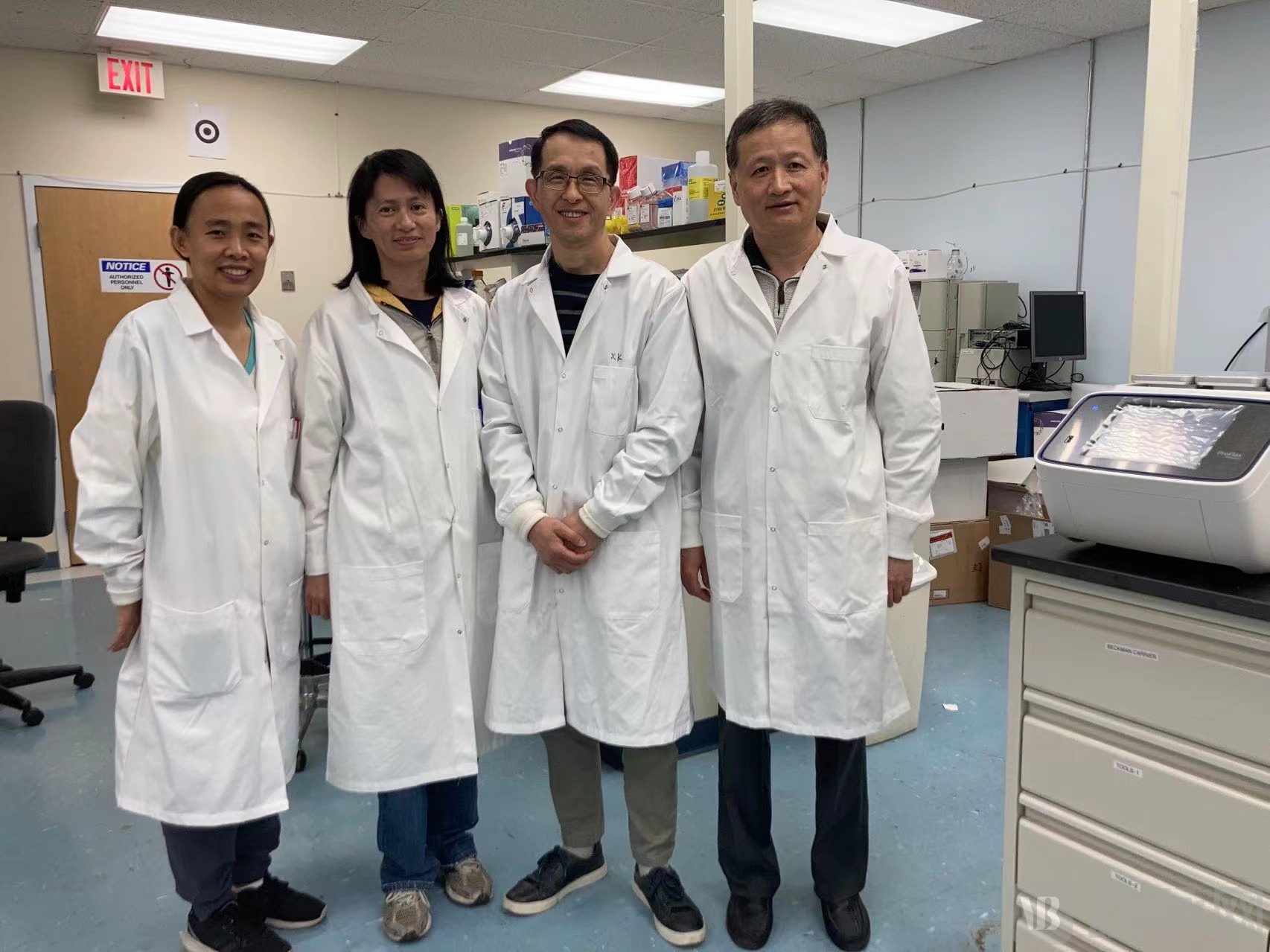 Tengdi BiotechColleague Group Photo
Tengdi Biopharma has set its sights onRational Design of Protein TherapeuticsDesignTo address this longstanding challenge, advanced computational design methods are combined with high-throughput screening technologies to develop mini-protein therapeutics, achieving what neither peptide nor antibody drugs can accomplish. Mini-protein drugs exhibit greater stability and higher affinity than peptide drugs, while their size is only 1/20th that of monoclonal antibodies, thereby enabling superior tissue penetration into solid tumors.
At Tengdi Bio, the management team is largely composed of seasoned entrepreneurs with combined expertise in technology and business. In addition to Dr. Zhu Mingfu, who brings extensive entrepreneurial experience, there are also professionals with rich experience in antibody drug development, such as the former Deputy Director of Biology at NovaRock, the U.S. subsidiary of CSPC Pharmaceutical Group.Dr. Chen Xiaole, and a senior computational biologist specializing in protein structures, who was previously responsible for computational antibody design at Bio-Thera Solutions.Dr. Liang Shide, as well as senior researchers who have held doctoral degrees for over 20 years. They collaborate by leveraging their respective expertise to jointly build Tengdi Biotechnology.
As a result, Tengdi Biotech has also garnered significant favor from venture capital firms, inCreated less than 3 months agowithin the time frame, completed the transition fromA $3.3 million seed funding round led by BlueRun Ventures.
Final Thoughts
Looking back on Dr. Zhu Mingfu’s journey into the biopharmaceutical industry, he has served a total of five startups after leaving school, founded three companies himself, led four rounds of financing, and raised a cumulative total of over $12 million.
Looking back, Dr. Zhu Mingfu’s frequent job changes might not have made him the “steady” employee most company bosses prefer. But now, sitting in the CEO’s chair, he openly tells his employees:“Let’s collaborate effectively while we work together; however, if you have better opportunities, the company will also be pleased to have cultivated a marketable employee.”
On the other hand, he will make efforts to improve employees' job satisfaction and ensure they stay with the company steadily. He often boasts of beingEmpowering CEO: “I am not a leader; I am merely a behind-the-scenes supporter providing resources.”
Nevertheless, it is undeniable that his extensive “work experience” sets him apart from typical scientists—not confined to the paradigm of “knowing everything about a little” (mastering every detail within a narrow field), but rather embracing the approach of “knowing a little about everything” (possessing a broad, albeit superficial, understanding across diverse fields).
He believes that scientists aspiring to start businesses should focus onLateral Skillscultivation. Whether transitioning from mathematics to bioinformatics during his academic years or later joining the corporate sector, Dr. Zhu Mingfu has never been reluctant to venture into new fields. These experiences have deepened his understanding of the industry and broadened his knowledge base, enabling him to develop unique insights from technical, managerial, and even market perspectives.
In recent years, entrepreneurship was extremely popular, leading many to believe that “securing funding” was easy—that with strong scientific research outcomes, investment could be readily obtained. However, “securing funding” is merely the first step in a long and arduous journey. Only when you truly embark on this “lonely journey” of entrepreneurship can you peel back its “sugar-coated” exterior and gain insight into the hidden hardships and bitterness.
Particularly over the past year, the overall market has remained in a relatively sluggish state, with many startups “perishing” in the capital winter. The more arduous the times, the more they test entrepreneurs’ resilience: although we all recognize that entrepreneurship is highly challenging, we must remain steadfast in our commitment. Markets experience peaks and troughs, yet health remains humanity’s eternal pursuit. As Dr. Zhu Mingfu stated:“Twenty million new cancer cases are diagnosed worldwide each year. Only by working harder can those of us in the pharmaceutical industry help improve their quality of life.”