

Genecast Showcases Cutting-Edge Technologies for Comprehensive Cancer Precision Management at 2022 CSCO
On November 6, 2022, during the 2022 CSCO Annual Meeting, Huirui Gene held a specialized satellite symposium titled “Comprehensive Precision Across Early and Late Stages.” The meeting was chaired by Academician Yu Jinming from Shandong Cancer Hospital and Professor Lu Shun from Shanghai Chest Hospital, Shanghai Jiao Tong University. Together with Professor Hu Yi from the Chinese PLA General Hospital, Professor Lu You from West China Hospital of Sichuan University, Professor Yang Fan from Peking University People’s Hospital, Professor Liao Yongde from Union Hospital, Tongji Medical College, Huazhong University of Science and Technology, Professor Zhu Bo from Chongqing Xinqiao Hospital, Professor Dong Xiaorong from Union Hospital, Tongji Medical College, Huazhong University of Science and Technology, Professor Zhang Kai from the National Cancer Center/Cancer Hospital, Chinese Academy of Medical Sciences, Professor Chen Kezhong from Peking University People’s Hospital, and Professor Ji Yuan from Zhongshan Hospital, Fudan University, they jointly elucidated how cutting-edge technology facilitates precise management across the entire cancer care continuum, including early screening, companion diagnostics, and recurrence monitoring.
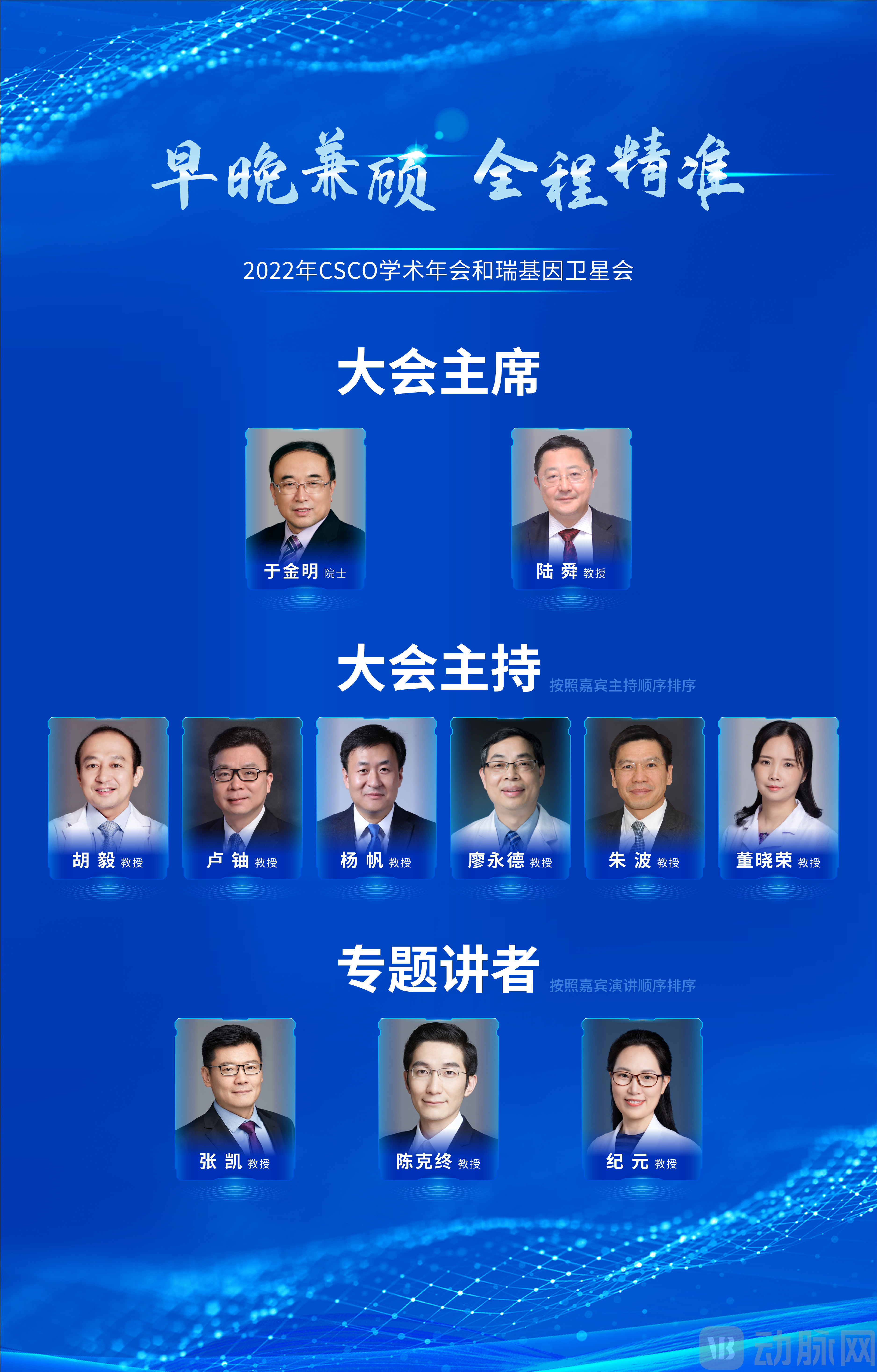
Cancer has become a major global health issue, posing a serious threat to human life and health. Regarding the diagnosis and treatment of cancer,Academician Yu Jinming stated:“Precision diagnosis and treatment, testing first. It is gratifying to see that an increasing number of domestic testing companies are making substantial investments in technological innovation and efficiently advancing related clinical translation.”Professor Lu Shun stated:“Consistent with the three major themes of this conference, scientific cancer care requires implementing whole-course disease management for patients. At every stage of this continuum, an increasing array of advanced technologies will be extensively applied in clinical practice to benefit patients.”
As stated by the Conference Chair, technological innovation is crucial to the precision management of the entire cancer care continuum. This session will focus on three major themes: early cancer screening technologies, minimal residual disease (MRD) detection technologies, and dual DNA+RNA fusion detection technologies.
The World Health Organization has explicitly stated that cancer screening, along with early diagnosis and treatment, is widely recognized as the most effective approach to cancer prevention and control. Early detection of cancer and active intervention not only enable patients to achieve longer survival rates or even cure but also significantly reduce the medical and economic burden on both patients and society. However, existing cancer screening methods often suffer from limitations such as insufficient sensitivity, poor accessibility, and lack of convenience.
Thus, as an emerging technology in recent years, liquid biopsy is poised to usher in a new era of early cancer screening.
Professor Zhang Kai stated:“Capturing liquid biopsy signals for early-stage carcinogenesis can be approached from three aspects: base sequence variations (mutations), base chemical modifications (epigenome), and fragmentomics features (whole-genome). Among these, early screening tests based on mutations or the epigenome exhibit relatively low sensitivity,”In contrast, fragmentomics technologies based on whole-genome cfDNA, represented by HIFI technology, have been validated to demonstrate higher sensitivity and specificity.”
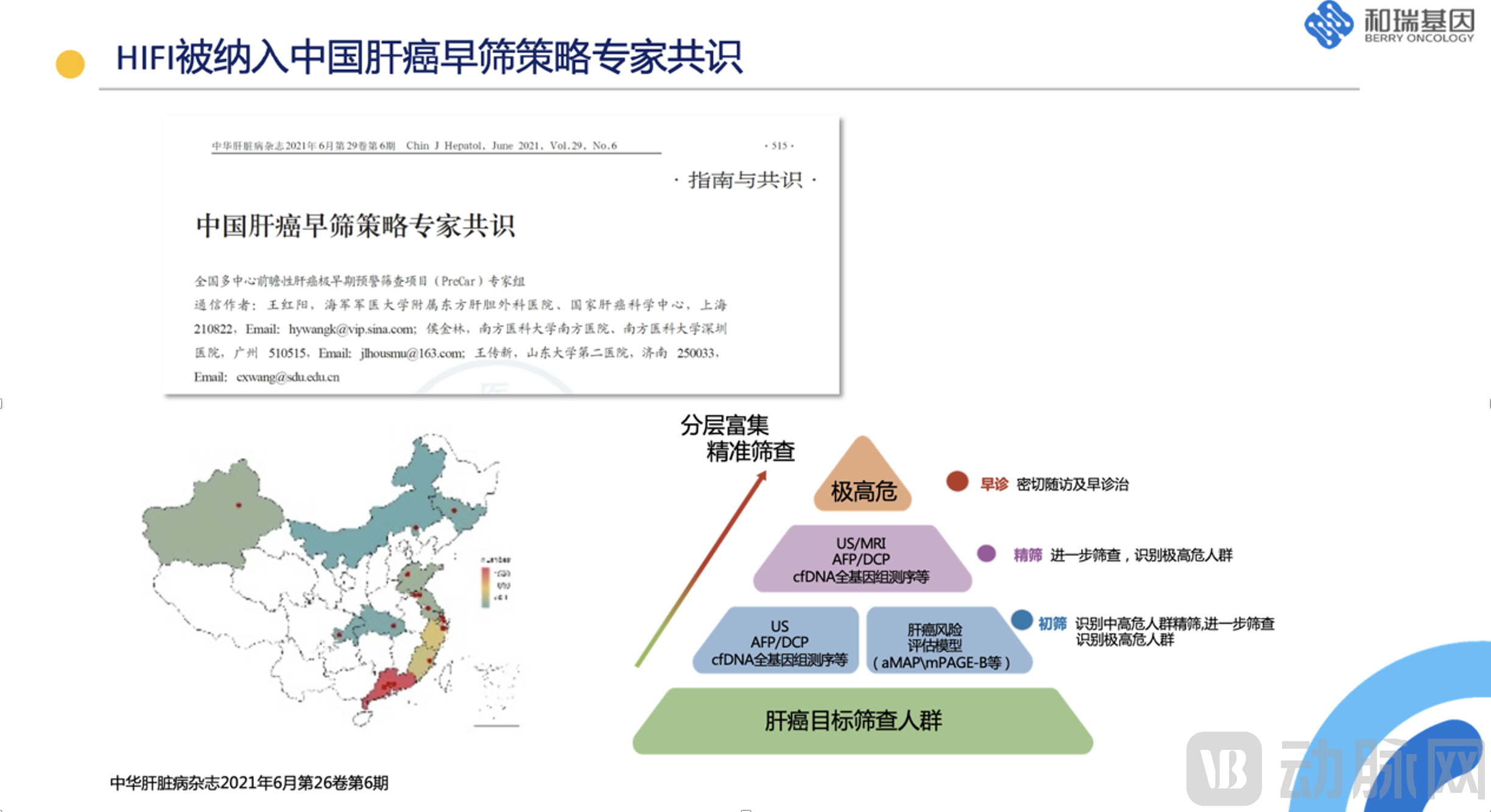
HIFI is a proprietary, self-iterating foundational general-purpose technology platform for early cancer screening, independently developed by Huirui Gene. It currently enables the detection of multi-omics biomarkers, including copy number variations, nucleosome footprints, fragment size distributions, and end motifs. Leveraging this proprietary HIFI technology platform, Huirui Gene, in collaboration with the National Center for Liver Cancer, Nanfang Hospital of Southern Medical University, and 18 other Grade A tertiary hospitals across China, jointly launched the “National Multicenter, Prospective Project for Ultra-Early Warning and Screening of Liver Cancer” (PreCar). The project is led by Academician Wang Hongyang, Director of the National Center for Liver Cancer, and Professor Hou Jinlin from Nanfang Hospital of Southern Medical University.
Based on this project,Herui Gene first launched "Lesining," the world's first clinical-grade early screening product for liver cancer, validated by a prospective cohort study with follow-up of over 10,000 individuals.®”, with a sensitivity of up to 95.42% and a specificity of up to 97.91%, it has been included in the first "Expert Consensus on Early Screening Strategies for Liver Cancer in China" and is recommended as an important technical approach within the "pyramid" model for early liver cancer screening.
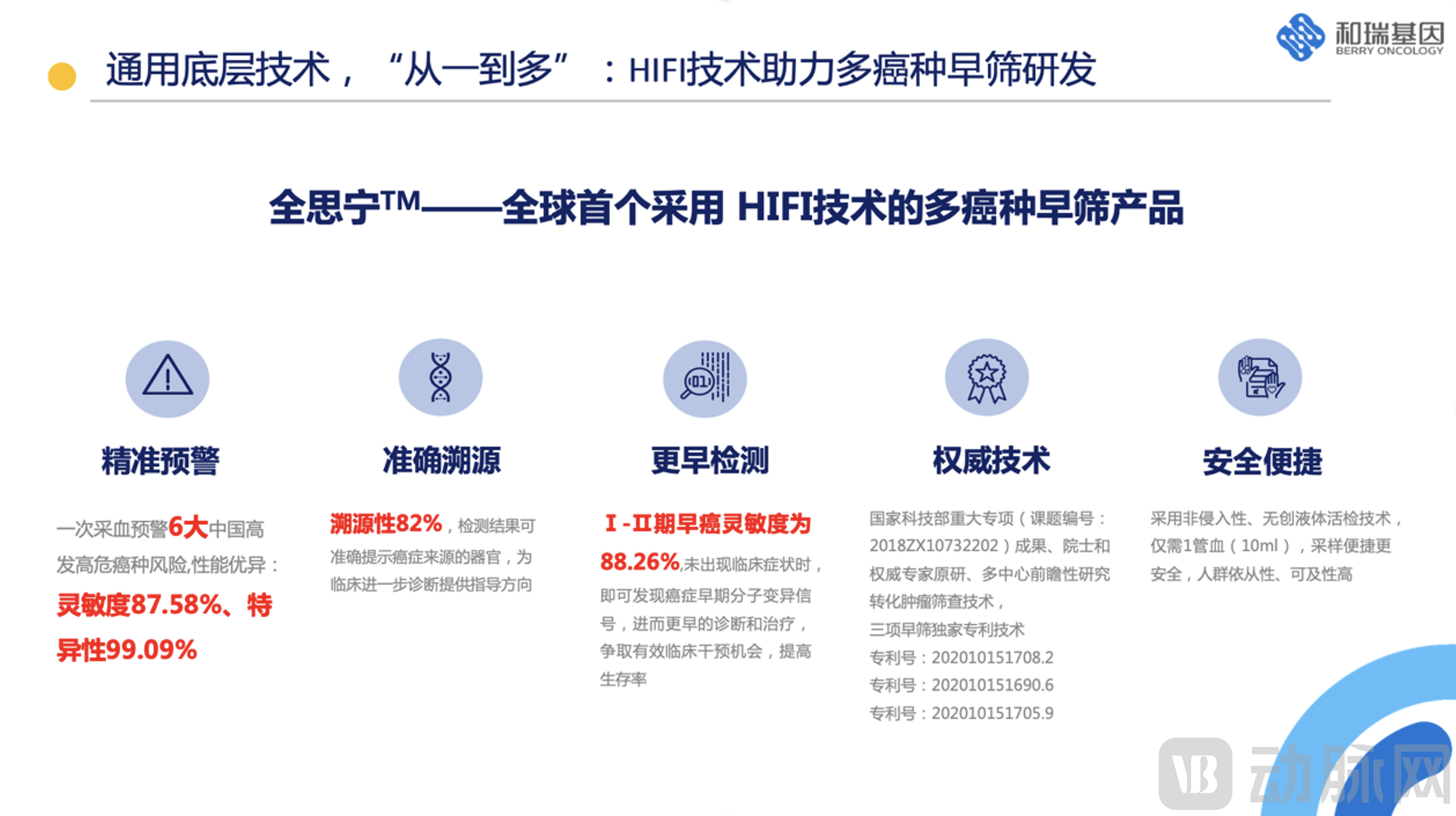
Subsequently, Huirui Genomics launched a one-time screening test capable of detecting six major high-risk, high-incidence cancers in China (lung cancer, esophageal cancer, gastric cancer, liver cancer, pancreatic cancer, and colorectal cancer).QuanSiNing™, a multi-cancer early screening product, is currently the world’s first multi-cancer early screening solution utilizing cell-free DNA (cfDNA) multi-dimensional whole-genome sequencing (WGS) technology., with internationally leading performance featuring a sensitivity of 87.58%, specificity of 99.09%, and source tracing accuracy of 82%.
“Compared with traditional techniques, liquid biopsy technology is not only more sensitive and capable of earlier detection, but also less invasive, more convenient, and easier to popularize. With the concurrent development of China’s cancer prevention and control policies and technologies, we have good reason to believe that domestic biotech forces, represented by Genetron Health, will create a distinctive Chinese solution for early cancer screening.”Professor Lu You stated。
Beyond technological innovation,Professor Hu Yi also stated:“Early screening, diagnosis, and treatment of tumors require not only ‘early’ technological breakthroughs but also the ‘early’ popularization of concepts and applications. We hope that through the joint efforts of outstanding enterprises like Herui Genomics and healthcare professionals, we can achieve greater progress and outputs in this field, enabling more products to serve the Chinese population at an earlier stage.”
MRD refers to minimal/molecular residual disease that cannot be detected by conventional imaging or laboratory methods after curative treatment. Its role in monitoring tumor recurrence is significant. MRD detection based on ctDNA can timely monitor tumor recurrence and prognosis, enabling early further intervention for patients. However, as an emerging biomarker, MRD detection still faces many challenges, such as low ctDNA release into the bloodstream (low ctDNA abundance), inability to detect ctDNA in some patients, and interference from clonal hematopoiesis mutations.
“To overcome the above limitations, Huirui Gene enhances the precision of MRD testing through multiple dimensions, including parameter optimization, capacity expansion, performance enhancement, noise reduction, and frequency elevation.”Professor Chen Kezhong shared that,“Currently, tumor-informed personalized panels and fixed-panel assays are the mainstream approaches for MRD detection in China. Both methods have their respective advantages and limitations. Leveraging precise detection technologies, Genetron Health has collaborated with multiple hospitals to actively conduct research on MRD in lung cancer based on these two approaches, thereby providing further reference for the advancement of MRD technology.”
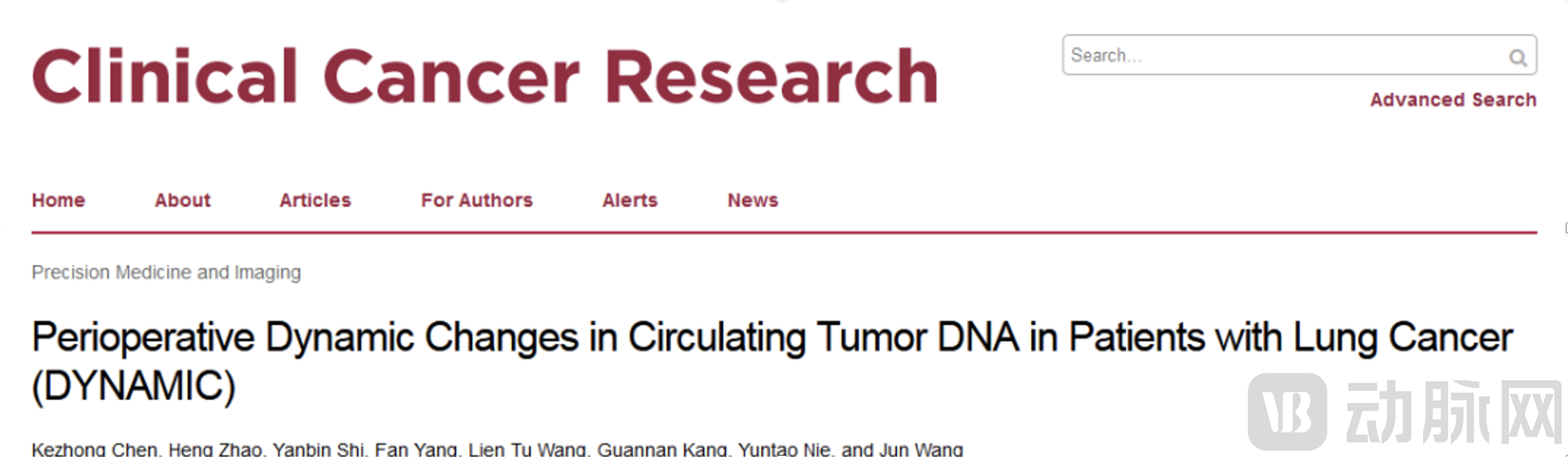
Among these studies, the most notable is the Dynamic study published in 2019 by Burning Rock Biotech in collaboration with the team of Academician Jun Wang from Peking University People’s Hospital.Published in *Clinical Cancer Research*, this work was immediately highlighted as a featured study by *Nature Reviews Clinical Oncology*. It represents the first prospective study worldwide to precisely assess perioperative dynamic changes in ctDNA, and the first study in China to apply ctDNA monitoring for postoperative minimal residual disease (MRD) in lung cancer.“The Dynamic study also fully demonstrates our capability to lead globally in establishing international standards.”Professor Yang Fan stated.
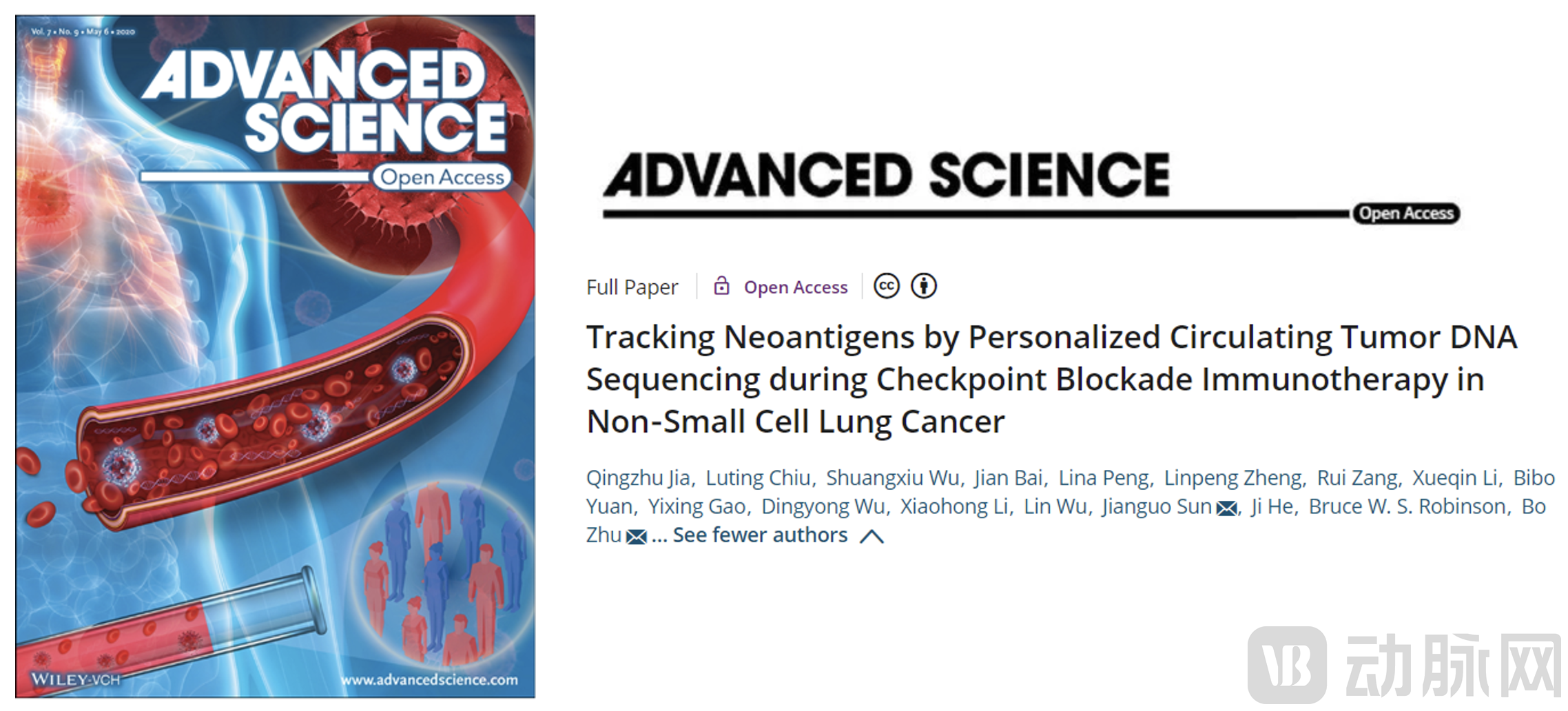
Furthermore, to address the challenge of dynamic tracking of neoantigens, Huirui Gene collaborated with Professor Zhu Bo from Chongqing Xinqiao Hospital to employ a WES plus personalized panel approach for dynamic monitoring of ctDNA. The results were published as a cover article in *Advanced Science* in 2020.It is the first study in China to conduct dynamic ctDNA monitoring based on a personalized panel.
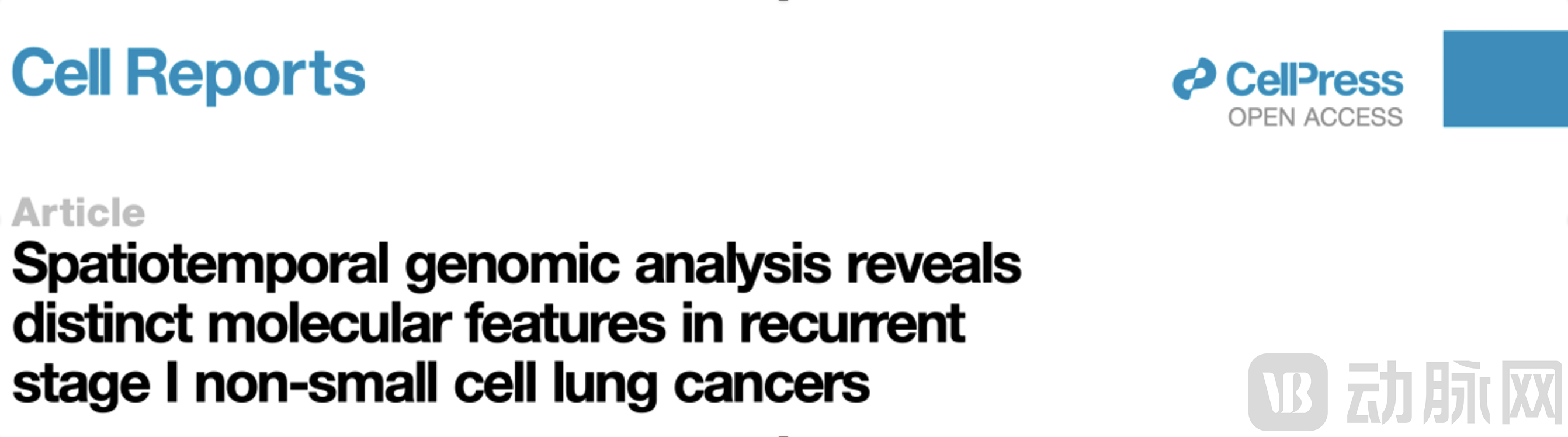
This year, Huirui Gene once again collaborated with the team of Academician Wang Jun at Peking University People’s Hospital to conduct further research on the genetic variation characteristics and postoperative recurrence molecular mechanisms in Chinese patients with stage I non-small cell lung cancer (NSCLC). The findings were published in Cell Reports, providing additional reference information for patients at risk of early postoperative recurrence and reaffirming the clinical reliability of tumor-informed detection strategies.
Currently, Huirui Gene launched a Tumor-informed fixed-panel solution last year. This product utilizes the Hequan An-654 large panel assay, covering a 3M detection region with a sequencing depth of 15,000× to comprehensively characterize genomic features. For blood-based monitoring, it optimally includes 218 genes, giving full consideration to targeted therapy genes and high-frequency mutations in solid tumors, thereby providing a precise MRD detection strategy for cancer patients. In the future, Huirui Gene will further develop and launch personalized custom MRD solutions. Personalized custom MRD will use whole-exome sequencing (WES) as baseline data, covering the entire genomic exonic regions, common fusion gene breakpoints, and non-coding regions of hotspot genes. It will involve the customized design of blood monitoring panels with supplementary modules incorporating common hotspot driver mutations, combined with ultra-deep sequencing at 100,000×. This approach aims to further overcome tumor heterogeneity while accurately monitoring minimal residual disease, creating an optimal personalized custom MRD solution. Meanwhile,As Professor Liao Yongde also stated:“HuiRui Genomics is also continuously exploring optimization strategies for MRD testing, leveraging multi-technology approaches to overcome the challenges in MRD detection and facilitate precise MRD testing.”
Gene fusions occur in a variety of solid tumors, and multi-gene fusion testing has been included as a routine recommendation in clinical guidelines and consensus statements. With an increasing number of fusion-targeted drugs approved for clinical use and favorable prognoses observed in patients with positive results who receive targeted therapy, clinical attention to fusion detection is growing.
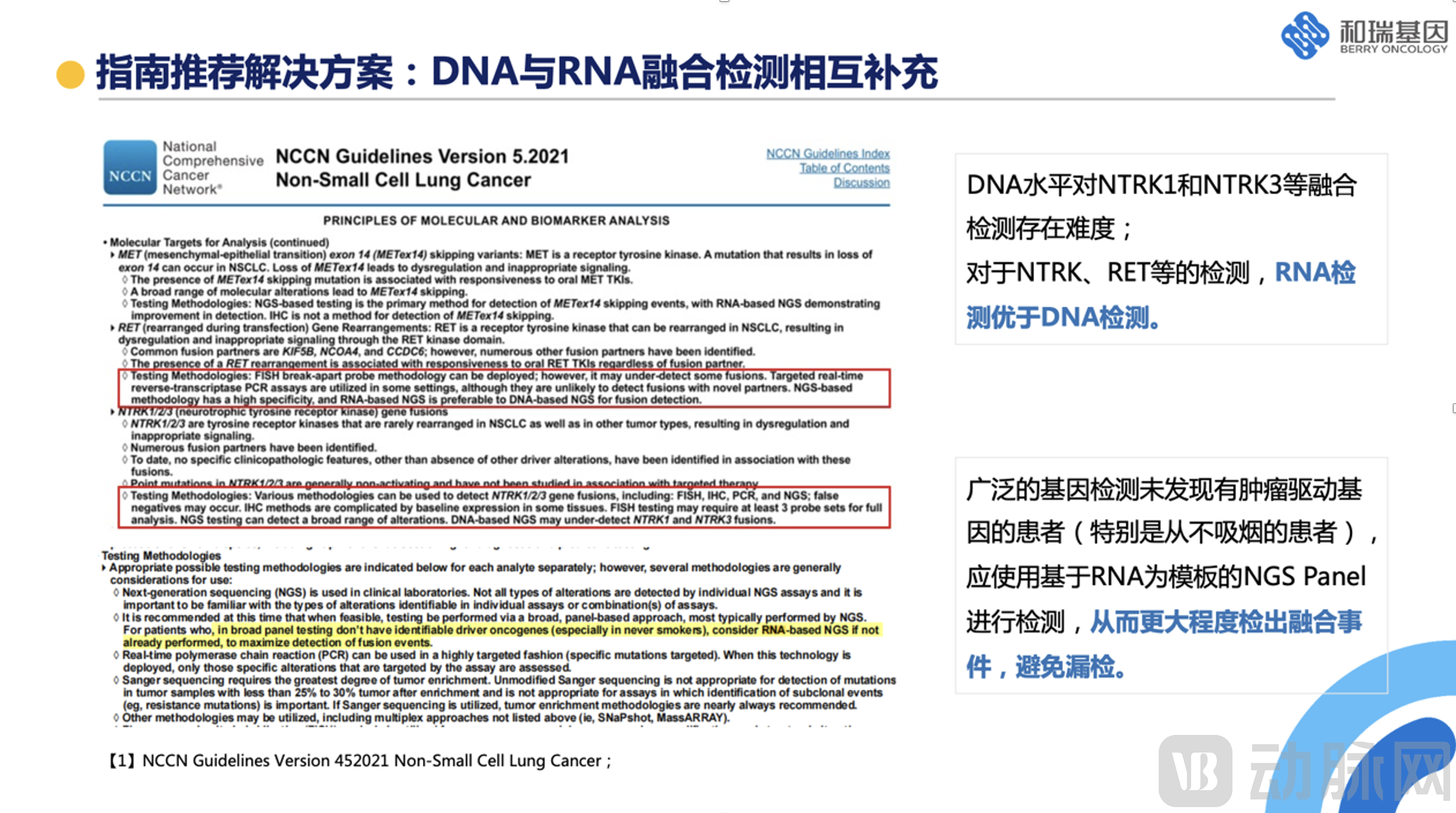
“Although a variety of fusion detection methods and platforms are currently available, traditional fusion detection methods have limitations such as low throughput and the ability to detect only one gene at a time; in this regard, NGS testing technology offers greater advantages.”Professor Ji Yuan stated,“DNA-based and RNA-based assays are two methods for detecting gene fusions via next-generation sequencing (NGS), with DNA-based approaches currently predominating in the market. Although NGS offers unparalleled advantages for fusion detection, it is undeniable that DNA-based fusion testing still faces certain challenges, such as excessively large target regions, DNA fragmentation, difficulties in achieving adequate coverage of target regions, and complex genomic variations that complicate result interpretation. These factors pose significant obstacles to DNA-based fusion detection.”Therefore, the NCCN guidelines also recommend combined DNA and RNA testing to provide complementary information, thereby maximizing fusion detection and avoiding missed diagnoses.
“Among the various technical approaches, dual DNA- and RNA-based testing enables more effective detection of fusion genes, while also imposing higher requirements on the assay.”Professor Zhu Bo stated,“Huirui Gene has undertaken extensive efforts to significantly improve the detection rate and accuracy of structural variants.”
To achieve true dual detection, HelixGene employs a triple optimization strategy at the DNA level,Expand probe coverage and density to improve detection rates; optimize capture strategies to enhance coverage of repetitive regions; develop proprietary algorithms compatible with dual detection to ensure accurate identification of structural variants at the DNA level. Meanwhile,At the RNA level, Genetron Health employs its patented capSmart technology, which is specifically designed for highly degraded FFPE RNA., by optimizing the RNA library construction workflow and utilizing specially designed probe pools, we overcame the challenges of RNA detection, achieving a success rate of 94.7%.Furthermore, Huirui Genomics employs a “single-tube dual-testing” approach for DNA and RNA, enabling simultaneous co-extraction from a single sample. This method saves both specimen volume and time more effectively than the conventional two-tube, separate-testing model. Leveraging its dual DNA+RNA detection technology, Huirui Genomics has collaborated with multiple hospitals to identify various novel gene fusions, helping patients benefit from more effective treatment regimens. Related scientific findings have also been published in several prestigious international journals.
In this regard, Professor Dong Xiaorong also stated:“Detecting structural variants solely at the DNA or RNA level presents inherent limitations and challenges. To address this, Genetron Health has adopted a multi-modal detection strategy to establish a truly dual-detection approach, which holds significant clinical value.”
At the conclusion of the conference, Academician Yu Jinming expressed high recognition for Genetron Health’s extensive innovative explorations in areas such as early cancer screening, minimal residual disease (MRD) detection, and dual DNA+RNA fusion testing. He also voiced his expectation that an increasing number of high-tech products will better serve the Healthy China initiative and contribute to the health of all humanity. Professor Lu Shun stated that the conference provided him with a deeper understanding of Genetron Health’s efforts and contributions to precision oncology. He looks forward to Genetron Health leveraging its forward-looking product design and relentless pursuit of performance excellence to bring more scientific strategies and tools to China’s fight against cancer.