

Merck Showcases Bioconvergence Leadership at the 5th China International Import Expo
Shanghai, China, November 7, 2022 – Merck, a leading global science and technology company, made a significant appearance at the 5th China International Import Expo (hereinafter referred to as the “CIIE”). Upholding its theme and philosophy of “Making Life More Enjoyable,” Merck comprehensively showcased cutting-edge technologies, innovative products, advanced solutions, and innovations from its three business sectors—Life Science, Healthcare, and Electronics—as well as its innovation centers. The company also announced multiple local collaboration initiatives, further underscoring its steadfast commitment to being “Rooted in China, Serving China.”
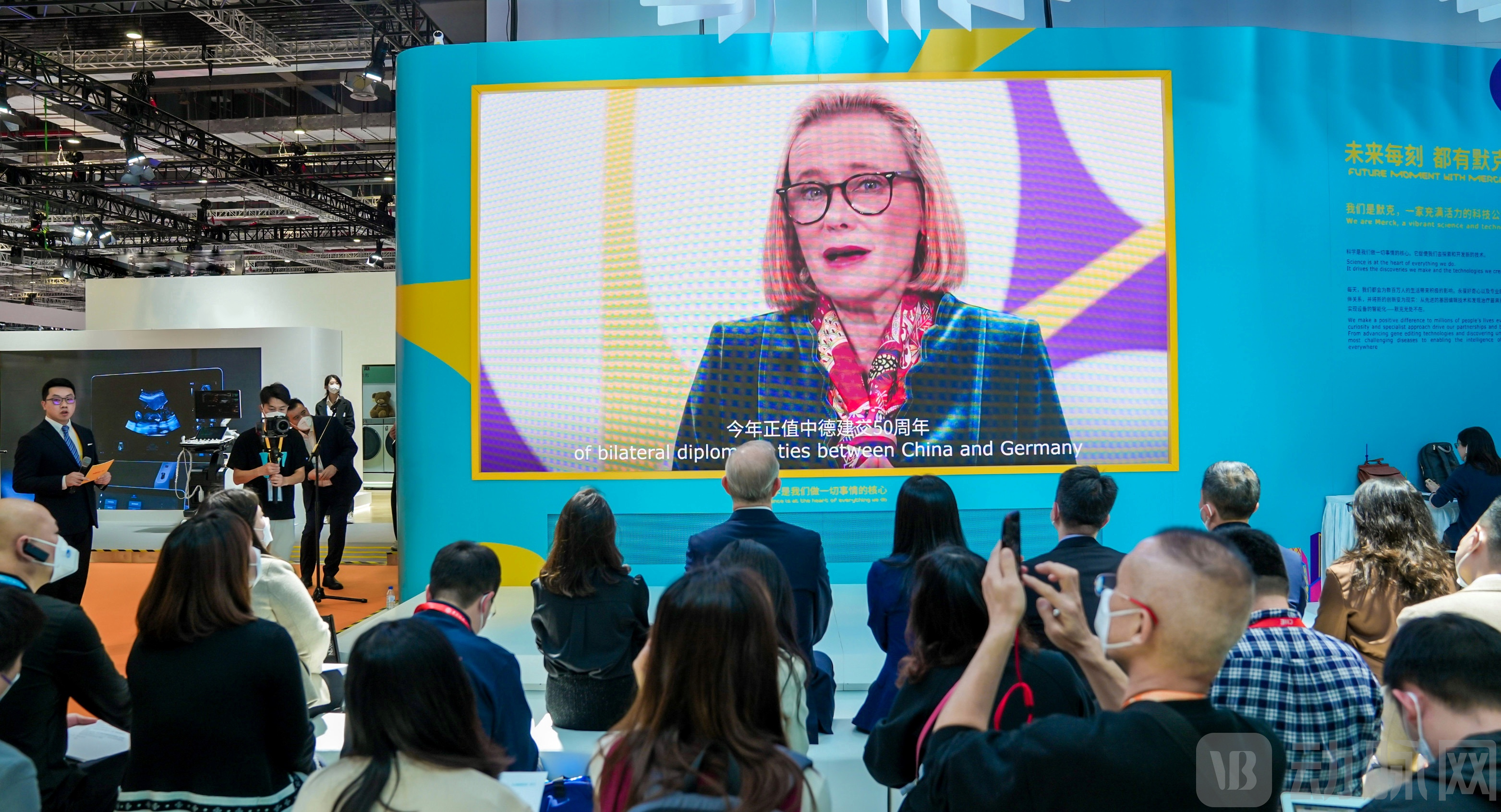
As a member of the German Chancellor’s business delegation to China,Belén Garijo, Chair of the Executive Board and CEO of Merck
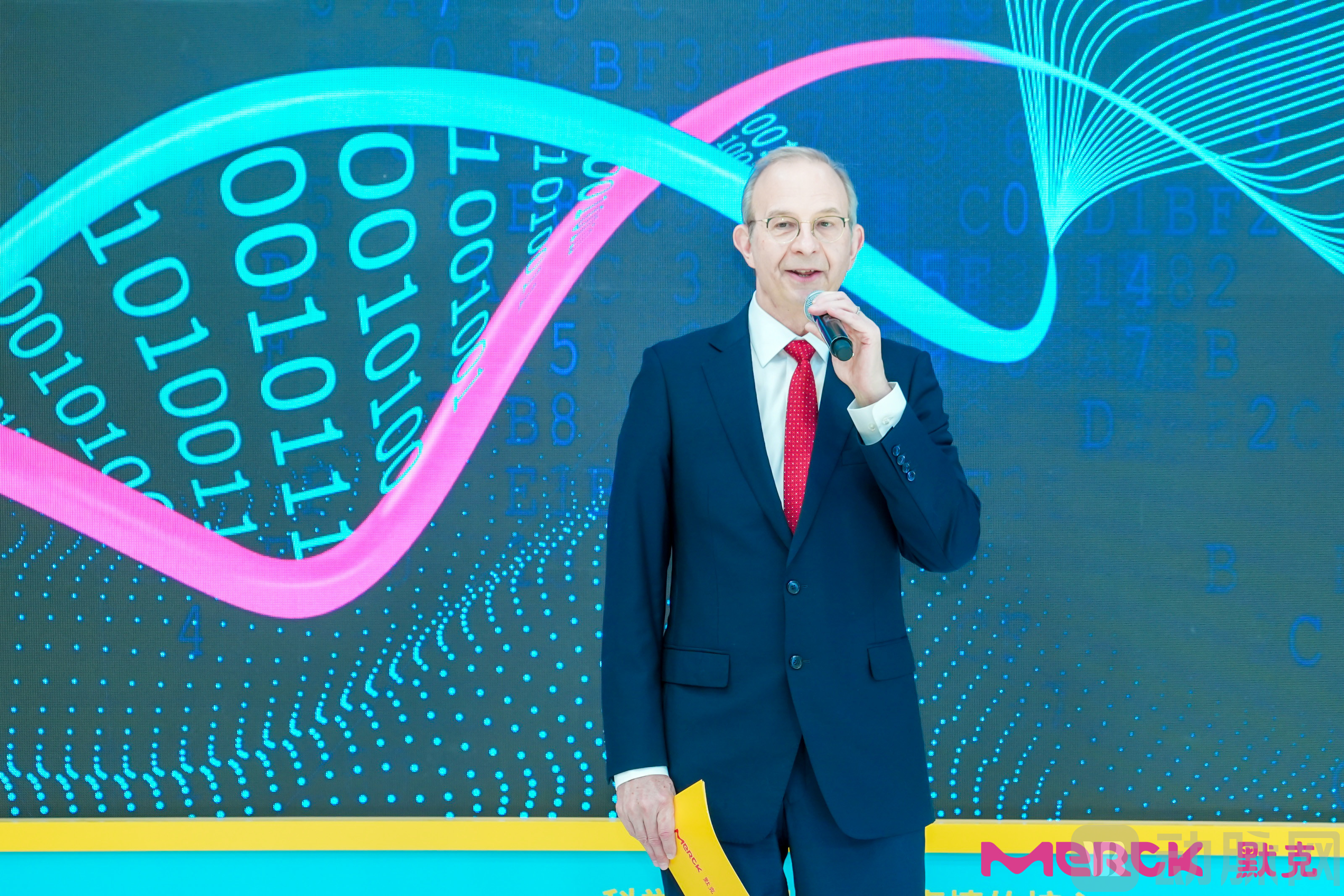
“Leveraging the ‘spillover effect’ of the China International Import Expo (CIIE), Merck has focused this year on the emerging trend of ‘bioconvergence,’ sharing revolutionary benefits and insights that align closely with the key development tasks outlined in China’s 14th Five-Year Plan for Bioeconomy Development.”Allan Gabor, President of Merck China“Merck will fully leverage its unique advantages, expertise, and global resources in bioconvergence across its three business sectors, continue to work closely with China’s local innovation ecosystem, jointly promote cross-disciplinary innovation in bioconvergence, enhance public well-being, and contribute to the realization of the ‘Healthy China’ goal.”
Bioconvergence integrates cross-disciplinary fields such as biotechnology, digital technology, and materials science. It not only enhances the efficiency of scientific research but also drives product innovation and upgrades in manufacturing capabilities within related industries. Supported by robust policy frameworks and strong market demand, bioconvergence is experiencing vigorous growth and boasts broad prospects both globally and in China.
Merck leverages its strengths to explore greater market opportunities in three key bio-convergence application areas: bioelectronics, digital twins, and translational medicine. In the field of bioelectronics, Merck is collaborating with partners to develop bioelectronic therapeutic systems capable of neural recording and stimulation, providing more targeted treatment options for patients with chronic diseases. Merck applies digital twin technology to intelligent manufacturing to enhance production capacity, while also accelerating clinical trials and reducing costs. In translational medicine, Merck integrates multiple biomedical databases to gain critical insights into drug development—from drug discovery and early-stage testing to clinical trials—enabling more precise identification of therapeutic targets and patient populations, thereby advancing the patient-centric paradigm of personalized medicine. Additionally, in 2021, the Merck Innovation Center established a research funding program focused on organoids. The Shenzhen International Graduate School of Tsinghua University successfully secured this funding and is collaborating with Merck to develop novel bioprinted organoids for high-throughput drug discovery.
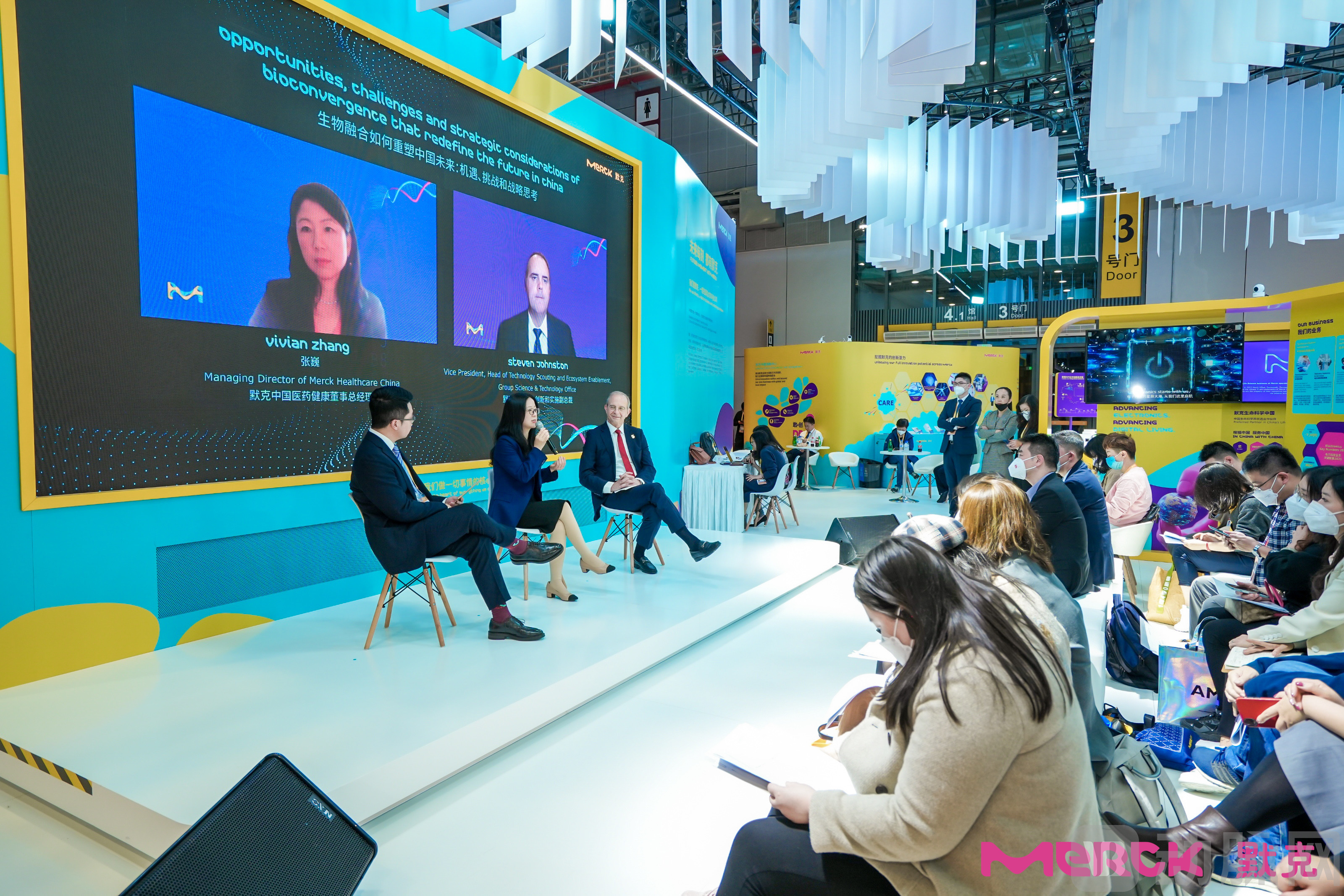
Merck China President Gao Bo An, Managing Director of Merck China Healthcare Zhang Wei, Vice President of Technology Innovation and Implementation at Merck Group Steven Johnston, and Head of Biosafety Operations for Biopharma Testing Services in China at Merck Life Science Tao Juhong were present atAt the Merck Technology Day held on November 7, and engaged in lively discussions on the potential opportunities and challenges that bio-integration brings to industries such as life sciences, healthcare, and electronics, as well as on topics including empowering China’s economic development and enhancing public health and well-being.
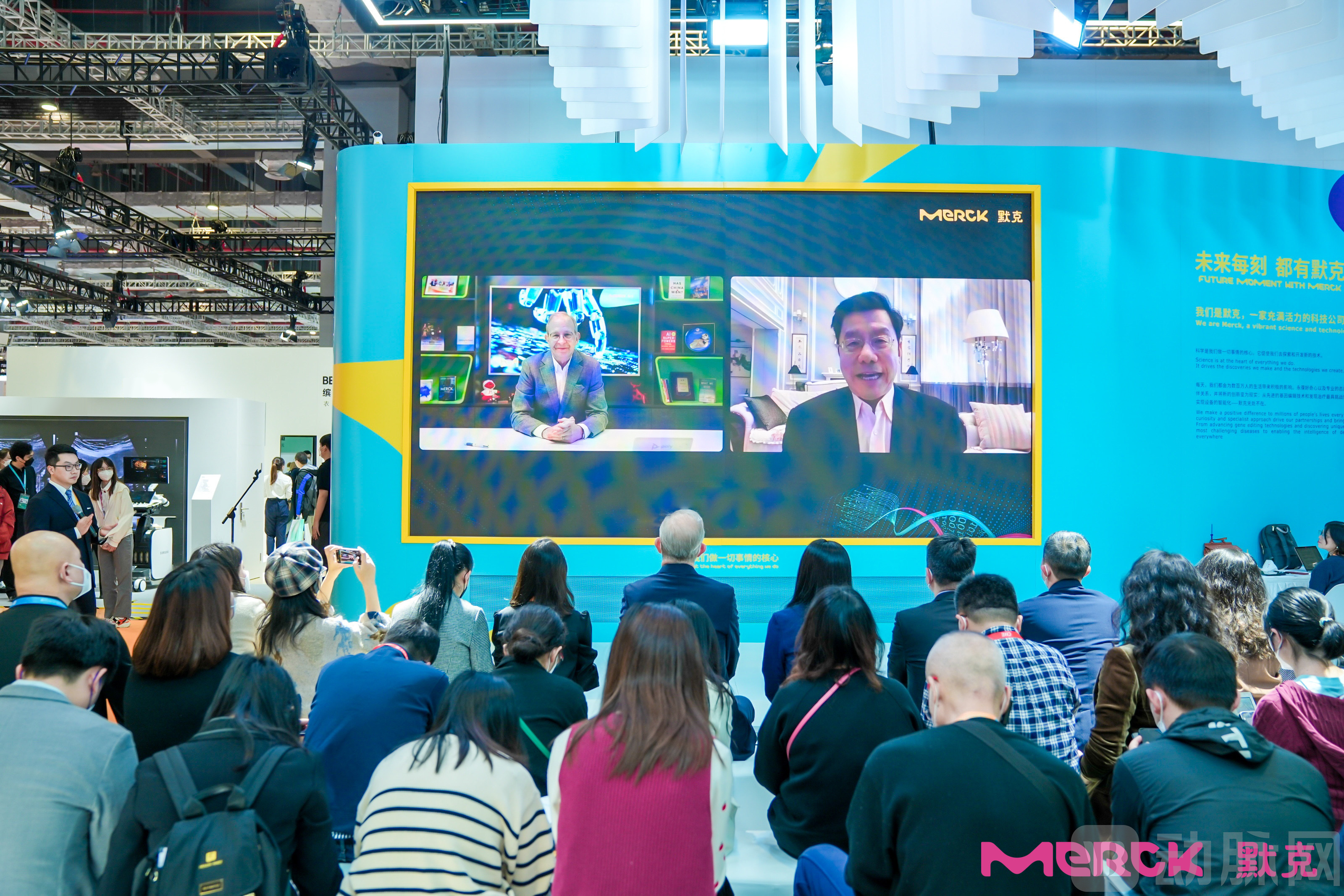
Dr. Kai-Fu Lee, Chairman and Chief Executive Officer of Sinovation VenturesIn a video interview with An Gaobo as a special guest, it was stated that in recent years, the Chinese government has continuously intensified its strategic investments in areas related to medical innovation, providing robust policy support for the maturation of disruptive technologies such as artificial intelligence (AI). The deep integration of AI into medical diagnostics and drug development is driving the digital and intelligent transformation of the healthcare sector. It is foreseeable that over the next two decades, the trend of AI plus life sciences will present significant opportunities for technology companies—including Merck—as well as academic institutions and researchers.
As a pioneer exploring the future trends of bio-convergence, Merck will leverage cutting-edge technologies as its foundation, collaborate with partners to actively engage in and integrate into the local innovation ecosystem, and continue to contribute to higher-quality, sustainable economic development in China with its world-class scientific and technological capabilities.
About Merck
Merck is a leading science and technology company focused on three key areas: Healthcare, Life Science, and Electronics. More than 60,000 employees worldwide work at Merck to make a positive difference in millions of people’s lives by creating more enjoyable and sustainable ways of living. From advanced gene-editing technologies and unique approaches to treating challenging diseases, to enabling smarter devices—Merck is everywhere. In 2021, Merck generated total sales of €19.7 billion across more than 66 countries.
Scientific exploration and a responsible corporate spirit have always been the driving forces behind Merck’s technological advancements, as well as the secret to its enduring vitality since 1668. As the founders of the company, the Merck family still holds the majority of shares. The company operates globally under the name “Merck,” with the exception of the United States and Canada. In these two countries, Merck’s three business sectors—Healthcare, Life Science, and Electronics—are known respectively as “EMD Serono,” “MilliporeSigma,” and “EMD Electronics.” Merck has been present in China for 89 years, currently employing over 4,500 people and operating 21 registered companies in Beijing, Shanghai, Hong Kong, Wuxi, Suzhou, and Nantong.