

Cutting-Edge Medical Technologies Debut at CIIE: Radiotherapy Metaverse and 15T MRI Research Solutions Lead Innovation

Philips Healthcare
Integrated service provider in healthcare, quality living, and lighting fields

GE Hangwei
Medical Device R&D and Manufacturer

Siemens Healthineers
Integrated Healthcare Service Provider
At the end of last year, an internal document titled “Guidance Standards for Reviewing Government Procurement of Imported Products” (2021 Edition) circulated online, listing monitors, imaging equipment, in vitro diagnostics, and high-value consumables among others, and calling for certain restrictions on the procurement of imported medical devices, thereby adding further pressure to foreign companies operating in China.
However, on October 25 this year, the National Development and Reform Commission (NDRC) and five other ministries jointly issued the “Several Policy Measures on Promoting Foreign Investment to Expand Volume, Stabilize Stock, and Improve Quality with a Focus on Manufacturing,” which explicitly states that foreign-invested enterprises shall be guaranteed equal access, in accordance with laws and regulations, to national industrial development and regional development support policies. It further ensures that foreign-invested enterprises receive equal treatment in areas such as access to factors of production, qualification licensing, business operations, intellectual property protection, standard-setting, bidding and tendering, and government procurement.
In short, medical device products manufactured in China by foreign-invested enterprises will enjoy equal treatment in government procurement.
The renewed enthusiasm for investment and business operations, spurred by policy-level initiatives, was reflected to some extent at this year’s China International Import Expo (CIIE), where more than 100 multinational medical device manufacturers gathered at the National Exhibition and Convention Center in Shanghai to showcase their most cutting-edge products and technologies.
The medical devices showcased by industry giants encompass a vast array of products, making it difficult to generalize unified development trends across the diverse sectors of the medical device industry. However, if one were to distill the core essence of the entire conference, it would undoubtedly be “domestic production” and “cutting-edge innovation.”
GE Healthcare, Philips Healthcare, and Siemens Healthineers have always held the China International Import Expo (CIIE) in high regard, particularly this year amid the absence of industry events such as the China Medical Equipment Fair (CMEF). At the expo, these three absolute leaders in medical imaging equipment not only showcased their competition in cutting-edge technology, going head-to-head in the CT sector, but also conveyed their differentiated understanding of the Chinese market, leveraging their respective strengths to empower healthcare in China.
At this year’s China International Import Expo, GE Healthcare unveiled the Revolution CT Power, its ultra-high-end 256-slice CT scanner, marking its China debut. This launch brings to China a standard ultra-high-end CT system equipped with both a wide-area detector and dual-instant spectral imaging capabilities.
The Revolution CT Power stands out for its wide-body detector and precise spectral imaging. According to GE Healthcare, this CT system features GE’s most advanced 16-cm wide-body Gemstone HD detector, enabling 360-degree rotational scanning to achieve comprehensive coverage of individual human organs.
The new generation of high-energy quantum X-ray tubes, synchronized with dual-instant switching in high-voltage generators, delivers novel spectral imaging capabilities that enable physicians to explore deeper relationships between diseases and chemical elements. In clinical diagnosis and treatment, more precise and quantitative imaging data help detect earlier and smaller lesions, facilitating early and precise diagnosis and management of major diseases.
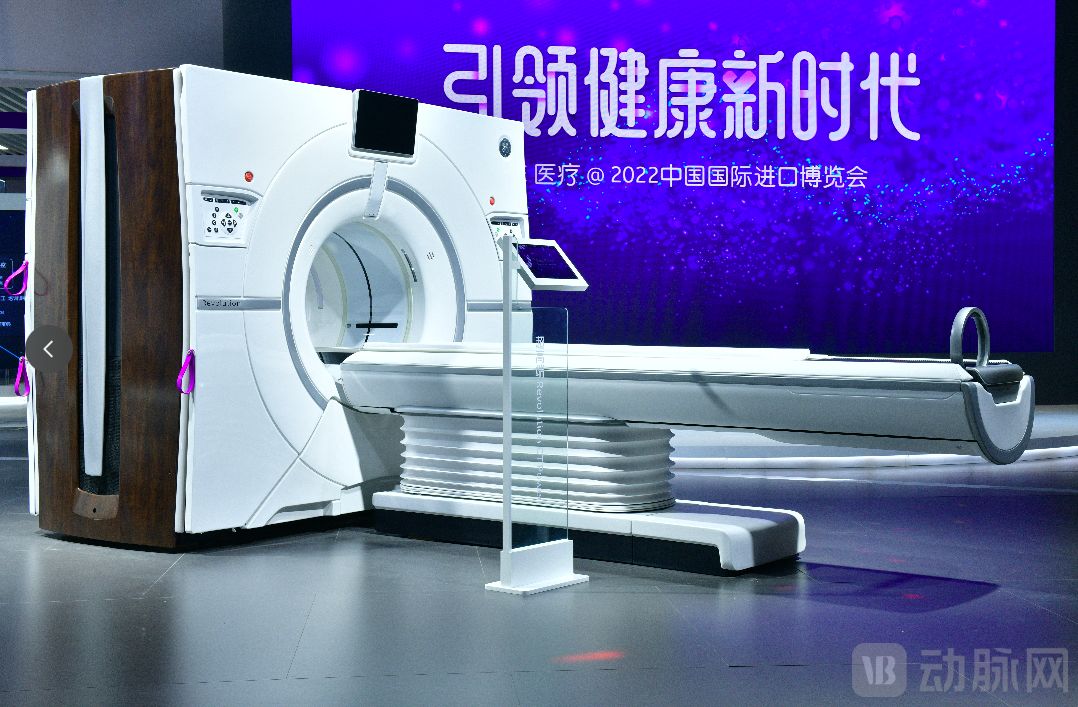
Ultra-Premium 256-Slice CT Revolution CT Power
Siemens Healthineers presents the Asian premiere of the world’s first photon-counting CT scanner, NAEOTOM Alpha. Conventional CT scanners detect energy-integrating X-ray signals, relying on “computational estimation.” In contrast, photon-counting CT revolutionizes this imaging principle by generating diagnostic images through direct counting of individual incident X-ray photons.
With this technological support, images acquired by photon-counting CT are no longer affected by electronic noise or energy mixing, enabling an improvement in image resolution by one to two orders of magnitude, reaching 110 micrometers. This enhancement in resolution provides physicians with deeper diagnostic insights. According to Siemens Healthineers, photon-counting CT can differentiate clinical changes in tiny tumor lesions at their early stages, accurately assess complex coronary artery disease, and diagnose rare conditions such as spinal arteriovenous fistulas, thereby further extending the capabilities of CT equipment.
Notably, the technological barriers established by Siemens Healthineers in photon-counting CT extend beyond the manufacturing of CT equipment to include the preparation of cadmium telluride, a critical semiconductor detector material. Cadmium telluride is the key medium that enables photon-counting CT to directly convert X-rays into electrical signals; however, its natural crystal formation takes approximately 3 million years. Currently, Siemens Healthineers has reduced this formation time to just three months in laboratory settings, achieving mass production. It will be difficult for other companies to overcome this barrier in the short term.
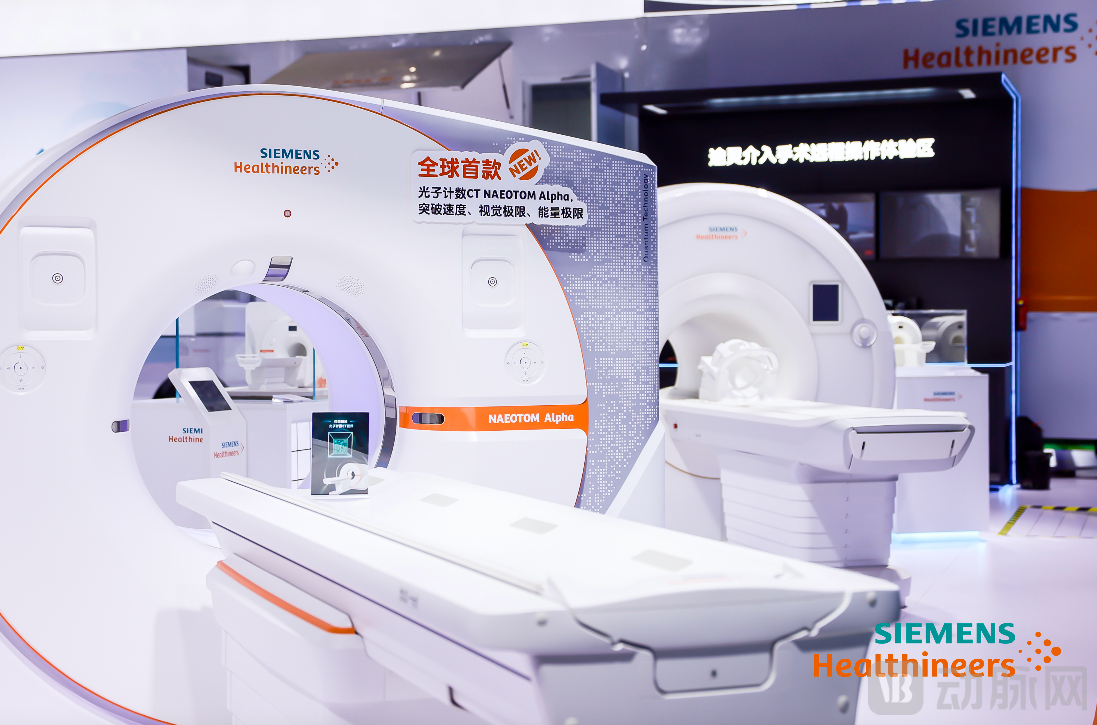 The World's First Photon-Counting CT: NAEOTOM Alpha
Philips Healthcare did not showcase many high-end devices at this conference, but it did present its cutting-edge next-generation spectral CT—the Haoke Spectral CT. By leveraging spectral data and effective atomic number information, the Haoke Spectral CT can detect subtle changes in tissue composition at an earlier stage, enabling early identification and diagnosis of occult early-stage tumor lesions. Utilizing multi-parametric analysis techniques such as spectral curves and iodine quantification, this CT system can also accurately assess tumor benignity versus malignancy and determine the common origin of multiple lesions, thereby supporting applications in identifying tumor origins, differentiating between benign and malignant tumors, and grading malignant tumors.
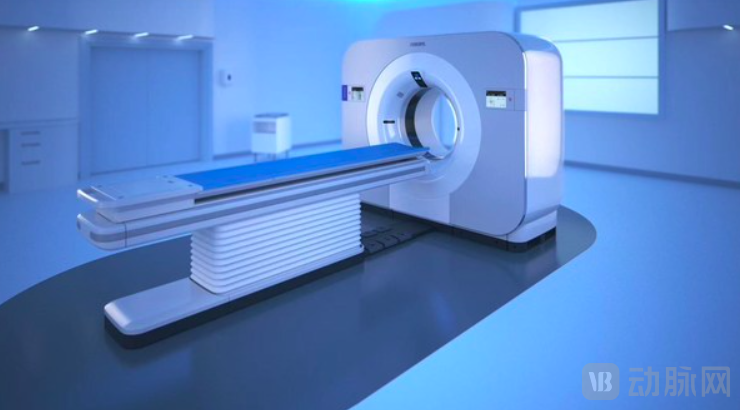 Philips' New Generation Spectral Multi-Parameter Functional CT
Relevant studies have demonstrated that spectral CT can improve the accuracy of proton beam range calculations in radiotherapy and significantly enhance the precision of target volume delineation. Specifically, this technology increases lesion detection rates by 23%, improves lesion visibility by 80%, reduces misdiagnosis rates by 13%–24%, and decreases the need for further examinations by 56%. Furthermore, its proprietary 100 kVp low-dose spectral imaging capability reduces contrast agent usage by 40%–80% and radiation dose by 25%–60%, thereby benefiting both patients and physicians.
In addition to the intense competition in the CT sector, GE HealthCare and Siemens Healthineers are also making differentiated attempts based on their respective understandings of the development of China’s healthcare system. In simple terms, GE HealthCare focuses on “research support” and “integrated diagnosis and treatment,” while Siemens Healthineers emphasizes “telemedicine” and “integrated diagnosis and treatment.”
The SIGNA 1.5T MRI research solution, which drives the development of precision personalized medicine, is also making its debut in China. This research solution, developed by GE HealthCare for the fields of brain research and in vivo metabolic research, includes the ultra-high-field SIGNA 7.0T MRI and the Extreme-T Metabolic MRI (comprising the SPINLAB 5T hyperpolarizer, which enhances 13C MRI signal sensitivity by 100,000-fold, and the 3T research MR SIGNA Premier). The areas of research cover everything from molecular imaging and metabolic imaging to microstructural and functional imaging.
Ultra-high-field magnetic resonance imaging (MRI) has long been constrained by gradient performance, to the extent that 7T MRI systems have continued to rely on 3T gradient systems, failing to fully realize their potential in studying neural activity. The ultra-high-field SIGNA 7.0T MRI showcased at this exhibition is equipped with a dedicated gradient platform (the Ultra G Gradient System), delivering industry-leading gradient performance of 113 mT/m and 260 T/m/s, thereby elevating MRI precision to new heights.
This translational medicine platform has already been deployed at multiple leading research institutions worldwide. With a single system, GE Healthcare maximizes imaging resolution (sub-millimeter whole-body) and sensitivity (molecular imaging at the metabolic level) to investigate the dynamic processes of disease onset and progression.
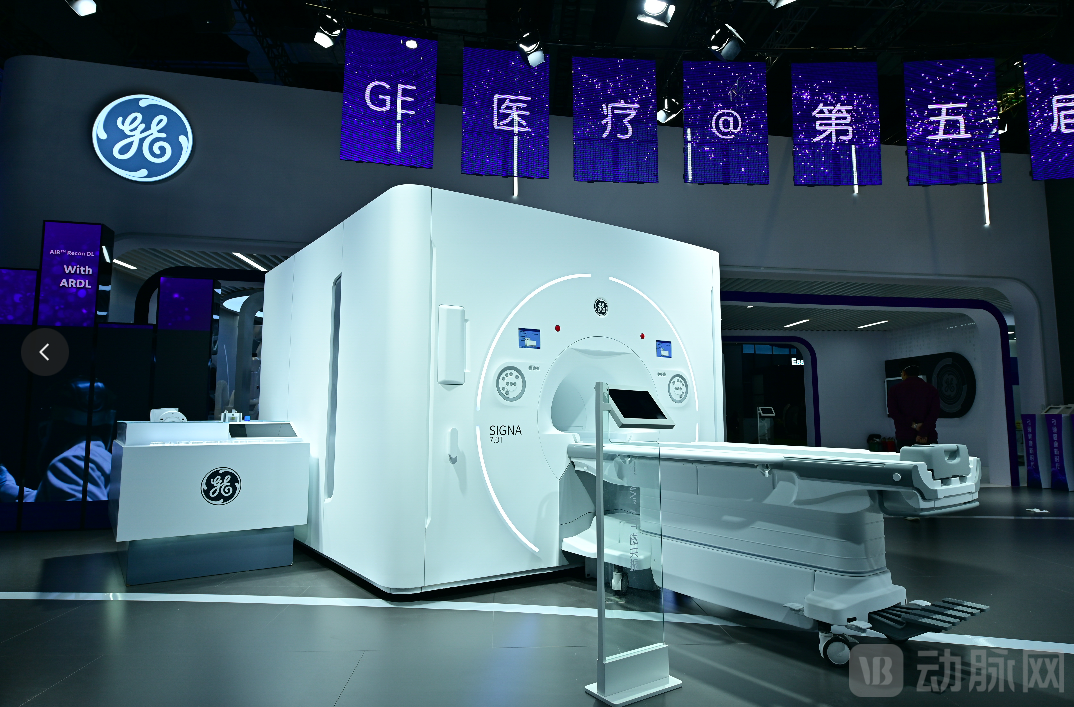 Ultra-High-Field MRI: SIGNA 7.0T MRI
GE Healthcare’s integrated diagnosis and treatment innovations are manifested in many aspects. Zhang Yihao told VCBeat, “For this exhibition, the radiopharmaceuticals and equipment in nuclear medicine, hybrid operating room robots integrating multiple technologies, and visualized ultrasound are all direct results of our exploration of integrated diagnosis and treatment.”
Taking ultrasound as an example. Approximately one year after acquiring BK Medical, a global leader in intraoperative imaging and surgical guidance, GE Healthcare integrated its business into the ultrasound visualization-guided surgical therapy solutions within GE Healthcare’s ultrasound product portfolio, significantly expanding the application scenarios of GE ultrasound.
For instance, by integrating with a laparoscopic probe, the “BK Visualization-Guided Surgical Solution” addresses the loss of tactile feedback in laparoscopic surgery, serving as a “third eye” during procedures. It enables clear visualization of subtle or deep-seated lesions within the abdominal cavity that are difficult to detect, leveraging its unique omnidirectional flexible probe technology to achieve visualization of deep tissue structures in abdominal surgery. This solution allows for reconfirmation and precise localization of preoperatively diagnosed tumors, delineates tumor boundaries with high accuracy, minimizes damage to functional areas, and thereby enhances the precision and radicality of surgical resection, ultimately improving postoperative recovery and prognosis for patients.
For deep-seated lesions, such as intracranial tumors with complex structures and dense neurovascular networks, this surgical approach can significantly improve surgical quality by enabling real-time, precise scanning of the lesion site, thereby shortening operative time and minimizing iatrogenic injury to patients.
Revisiting Siemens Healthineers’ “Integrated Diagnosis and Therapy” and “Telemedicine.” Unlike GE’s integration of diagnosis and therapy in ultrasound, Siemens Healthineers’ approach is manifested in respiratory interventional procedures.
Siemens Healthineers made its China debut at the China International Import Expo (CIIE) with the Cios Spin mobile 3D C-arm CT system, the world’s first mobile C-arm CT designed for all platforms and all procedural approaches in respiratory interventions, integrating both diagnosis and therapy. It meets intraoperative imaging requirements for a full range of procedures, including minimally invasive biopsy of small pulmonary nodules, resection of small pulmonary nodules, and ablation therapy for small pulmonary nodules, thereby providing a multifunctional intraoperative imaging platform that enables “one-stop respiratory diagnosis and treatment” across diverse procedural workflows.
Its emergence has revolutionized the traditional diagnostic and therapeutic workflow for minimally invasive biopsy and ablation of pulmonary nodules. By providing real-time, fully automated 3D imaging during procedures, it enables precise, real-time determination of the location and extent of transbronchial biopsy and ablation. In robotic lung biopsy applications, it delivers fully automated 3D images with real-time updates on the target lesion’s position, thereby increasing the diagnostic yield of transbronchial lung biopsy from 50% to over 90%. This advancement will further promote the widespread adoption of transbronchial biopsy as a minimally invasive technique.
“Telemedicine” is a key solution by Siemens Healthineers to support tiered diagnosis and treatment and the development of medical consortia, and it also serves as an important manifestation of Siemens Healthineers’ “localization” strategy. At this year’s China International Import Expo (CIIE), Siemens Healthineers held the global premiere of its mobile emergency and critical care interventional treatment unit, “Expedition.”
“Expedition” is the industry’s first mobile interventional operating room on wheels. The vehicle is equipped not only with the Artis one compact robotic angiography system, but also features Siemens Healthineers’ Remote Interventional Master Solution and support from the Tulin interventional surgical robot, enabling intelligent remote interventional therapy.
Furthermore, the operating room’s expandable container design breaks through spatial limitations and provides comprehensive support in radiation protection, power supply assurance, viral disinfection, and medical water purification and wastewater treatment. It can be deployed for emergency rescue across various scenarios. For instance, in county-level healthcare settings, during epidemics, or in disaster response efforts, this operating room enables timely treatment for critically ill patients with conditions such as acute chest pain and stroke.
When GPS first participated in the China International Import Expo (CIIE) five years ago, nearly all the cutting-edge technologies on display were imported. However, as companies have deepened their investments in China, advanced equipment that was once available only through imports is now being independently developed and manufactured locally. In other words, China has evolved from merely a market into an R&D hub that concentrates top-tier talent, innovation, and supply chain resources.
The trends of “localization” and “domestication” are also evident at the product level. At this year’s China International Import Expo, it was clear that GE Healthcare’s handheld ultrasound devices, Siemens Healthineers’ “Metaverse Healthcare,” and Philips’ “Shenfei Cloud” are all designed to bring cutting-edge technology down to grassroots settings, addressing the shortages of medical personnel and outdated equipment in primary care. While promoting the implementation of tiered diagnosis and treatment, these companies have made tangible contributions to the development of China’s healthcare system in their own ways.
The gathering of numerous radiotherapy companies was another highlight of this year’s China International Import Expo (CIIE). As usual, Elekta, Varian, and Fosun Pharma set up large booths at the CIIE, while Masep, under the YinKang Life Sciences umbrella, brought its Gamma Knife equipment to the event, emerging as a representative of China’s new forces in radiotherapy.
Elekta previously unveiled its next-generation intelligent, interactive, integrated radiotherapy platform, Elekta Harmony, at the 4th China International Import Expo (CIIE). This year, Elekta Harmony Pro further defines the efficiency, precision, and intelligence of Elekta’s radiotherapy platforms.
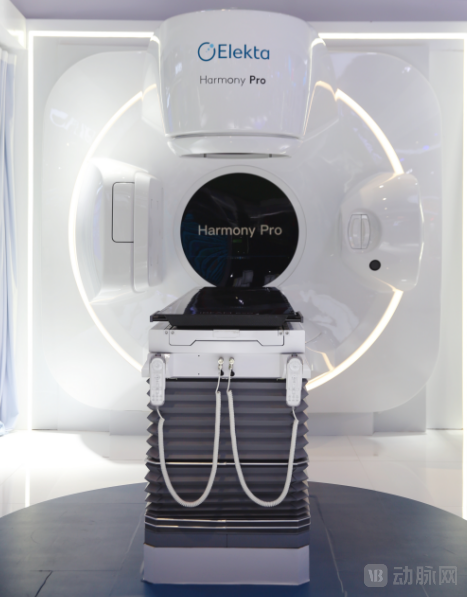
Elekta Harmony: The New Generation of Intelligent, Interactive, Integrated Radiotherapy Platform
Elekta Harmony Pro accelerates efficiency across the entire spectrum, from manufacturing to clinical diagnosis and treatment, through upgrades in three key dimensions: “end-to-end processes, all personnel, and all disease types.” Leveraging deep insights gained from 40 years of commitment to the local market, Elekta seamlessly integrates cutting-edge international technology with local needs. The equipment delivery cycle for Elekta Harmony Pro has been reduced from the traditional eight weeks to just two weeks, effectively lowering time costs for healthcare institutions and enabling patients to benefit from advanced medical devices more rapidly.
Powered by artificial intelligence, Elekta Harmony Pro integrates a rich suite of automation capabilities with precise and comprehensive treatment technologies. This not only enhances the efficiency of clinical collaboration but also makes the patient treatment experience more comfortable and convenient. The solution covers a wide range of tumor types throughout the body, meeting the personalized clinical treatment needs of diverse patients. Its AI-powered target delineation technology significantly reduces the time required for contouring from tens of minutes to just a few seconds, delivering both high efficiency and superior accuracy. Combined with intelligent positioning, automated planning, and automated quality control functions, it comprehensively improves the operational efficiency of medical staff, shortening the personalized adaptive treatment workflow to under 10 minutes.
Furthermore, Elekta Harmony Pro is equipped with the Remote Tele-Viewer (RT Viewer) function, which supports real-time connectivity with multiple physicians for evaluating and confirming treatment plans, thereby ensuring that high-quality radiotherapy diagnosis and treatment are no longer constrained by geographical and resource limitations.
This year, Varian introduced three tumor radiotherapy products—HyperArc, Edge, and CryoCare—as well as products such as adjustable cryoablation needles and comprehensive radiotherapy workflow management solutions. Among these, HyperArc made its global debut, leveraging “single-isocenter multi-target” technology to simultaneously and precisely lock onto dozens of metastatic lesions, enabling their precise elimination with a “one-click” operation within 15 minutes.
CryoCare V-Probe, launched for the first time in China, is currently the world’s only adjustable cryoablation probe. It employs the industry’s first argon-helium conformal cryoablation technology, capable of cooling to temperatures between -140°C and -170°C within 30 seconds. This cytotoxic temperature is delivered to the tissue within seconds, destroying tumor cells through freezing. Notably, the CryoCare V-Probe can generate ice balls of five different sizes via a sliding mechanism on a single probe, effectively covering the tumor while sparing adjacent healthy tissue, thereby achieving true conformal ablation.
Beyond the equipment, Varian has also established a “Radiotherapy Metaverse” on-site. Within this metaverse, physicians from tertiary hospitals can transcend temporal and spatial barriers to communicate face-to-face with doctors and patients at primary care facilities, guide clinicians in operating the equipment, and provide care and advice to patients. This solution is particularly well-suited for China’s Medical Consortiums and Medical Communities.
Fosun Pharma has also unveiled new surprises in the field of radiotherapy. The MRIdian Linac MRI-guided radiation therapy system, which has been exhibited as a “display item” at the China International Import Expo (CIIE) for several consecutive years, will officially make its debut as a “commercial product” at this year’s CIIE. Approved for market launch by the National Medical Products Administration (NMPA) in August 2022, the system has been deployed in 55 installations worldwide and has treated more than 27,000 patients, promising to bring significant benefits to cancer patients in China in the future.
Haier Group’s Yingkang Yisheng showcased China’s radiotherapy capabilities at the China International Import Expo (CIIE). Focusing on precision, intelligence, remote operation, and minimally invasive approaches in medical devices, Masep, a subsidiary of Yingkang Yisheng, has independently developed high-end radiotherapy equipment. Its flagship Gamma Knife system achieves a level of precision that exceeds international standards by threefold. Additionally, for refractory brain disorders such as Parkinson’s disease and Alzheimer’s disease, Yingkang Yisheng is actively exploring technological pathways including tumor treating fields and ultrasound therapy, thereby launching a long-term strategic initiative in the field of brain science.
This year’s CIIE endoscopy sector saw a convergence of established players and newcomers. Traditional endoscopy giants such as Olympus, Stryker, and Karl Storz continued to showcase their proprietary hardware and software solutions on-site, while German companies like XION Medical sought to deepen their presence in the Chinese market with laparoscopes and cervicoscopes.
Stryker and XION Medical continue to prioritize cutting-edge endoscopic technologies, such as 4K ultra-high-definition imaging and fluorescence. Olympus, however, has made slight adjustments to this approach by focusing its marketing on the new OER-Smart endoscope reprocessing system, thereby pursuing a differentiation strategy.
Compared with Olympus’s previous endoscope reprocessing systems, the OER-Smart distinguishes itself through its intelligent features. For instance, the device’s touchscreen clearly displays operating instructions and procedures, enabling users to quickly master the correct usage of the equipment, thereby improving operational efficiency and reducing errors. Additionally, the system can automatically identify faults and intelligently provide solutions for rapid troubleshooting, while also sending automatic reminders to users for timely replacement of consumables.
Meanwhile, Olympus also launched EndoRapid alkaline detergent and Axidol peracetic acid disinfectant, tailored for reprocessing equipment, to further explore scenarios accessible to its business.
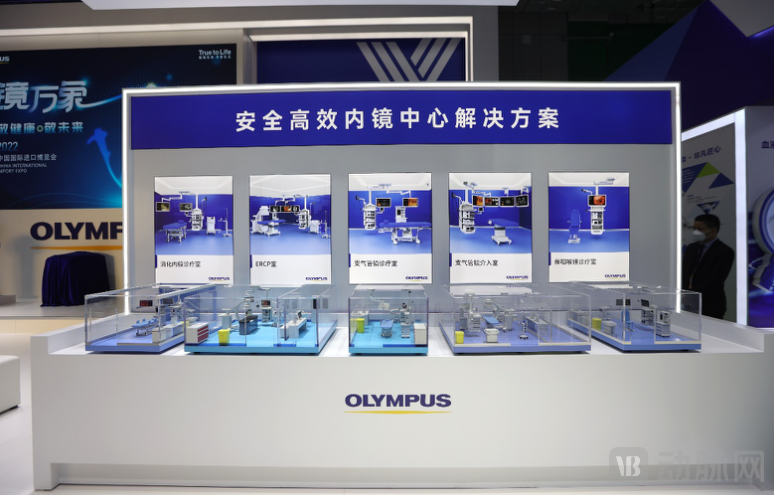
Olympus Safe and Efficient Endoscopy Center Solution
The fierce competition in the surgical robotics industry has also extended to the China International Import Expo (CIIE). At previous CIIEs, the da Vinci Surgical System consistently stood out, attracting significant media attention. This year, Medtronic has made a strong push to catch up, bringing its Hugo RAS System robotic-assisted surgery platform to the event for the first time.
Compared with the mainstream surgical robots currently on the market, the Hugo RAS System offers surgeons greater operational flexibility. The device features an open surgeon console and foot pedal design, ensuring seamless real-time collaboration between the lead surgeon and the surgical team. Its Touch Surgery™ AI solution provides an integrated platform for surgical video storage, management, and analysis, effectively helping to reduce patient complications, shorten hospital stays, and minimize scarring.
The entry of emerging players may further accelerate the transformation in the surgical robotics sector, and we may see more new forces in surgical robotics at next year’s conference.
From the first to the fifth China International Import Expo (CIIE), the most immediate impression for exhibitors is that the cutting-edge pharmaceuticals and medical devices, which once had to be imported, are now largely manufactured and developed domestically in China, accompanied by increasingly frequent and large-scale signings and collaborations.
This shift stems from changing attitudes among foreign enterprises toward investing in China. In the past, the substantial capital deployed by foreign companies in the domestic market was predominantly allocated to building sales channels. By contrast, today’s new investments are more evenly distributed across various segments, including production facilities, supply chains, sales channels, and R&D talent, ultimately becoming a significant force driving the development of Made-in-China manufacturing.
This is precisely the significance of the China International Import Expo (CIIE).
China’s development is inseparable from the world, and the world’s prosperity also needs China. In the face of medical advancement—a shared pursuit of humanity—the China International Import Expo (CIIE) showcases not only the vast potential of China’s healthcare market but also the determination of Chinese healthcare enterprises to explore and develop together with the international community. This determination, driven by collaborative efforts among multiple stakeholders, will ultimately translate into a force that reshapes the trajectory of life sciences development.