

Breaking Boundaries in Diagnostics, Empowering Unlimited Growth: Smart Ecosystem Drives High-Quality Development of Medical Laboratory Medicine

Mindray
Medical Device R&D Manufacturer
On November 4, 2022, the 8th Shenzhen-Hong Kong-Macao Laboratory Physicians Summit, Symposium on Complex and Refractory Cases, and the Annual Academic Conference of the Laboratory Physicians Branch of the Shenzhen Medical Doctor Association were held in Shenzhen. The conference invited numerous renowned experts, directors of laboratory departments, and representatives from IVD companies across China, including Shang Hong, President of the Laboratory Medicine Branch of the Chinese Medical Doctor Association; Wang Qian, Party Secretary of Southern Medical University; Liao Sizhao, President of Shenzhen Hospital of Southern Medical University; Gu Jianqin, President of Shenzhen Hospital of Southern University of Science and Technology; Ou Qishui, Vice President of the First Affiliated Hospital of Fujian Medical University; and Deng Wei, Marketing Director for In Vitro Diagnostics in China at Mindray.
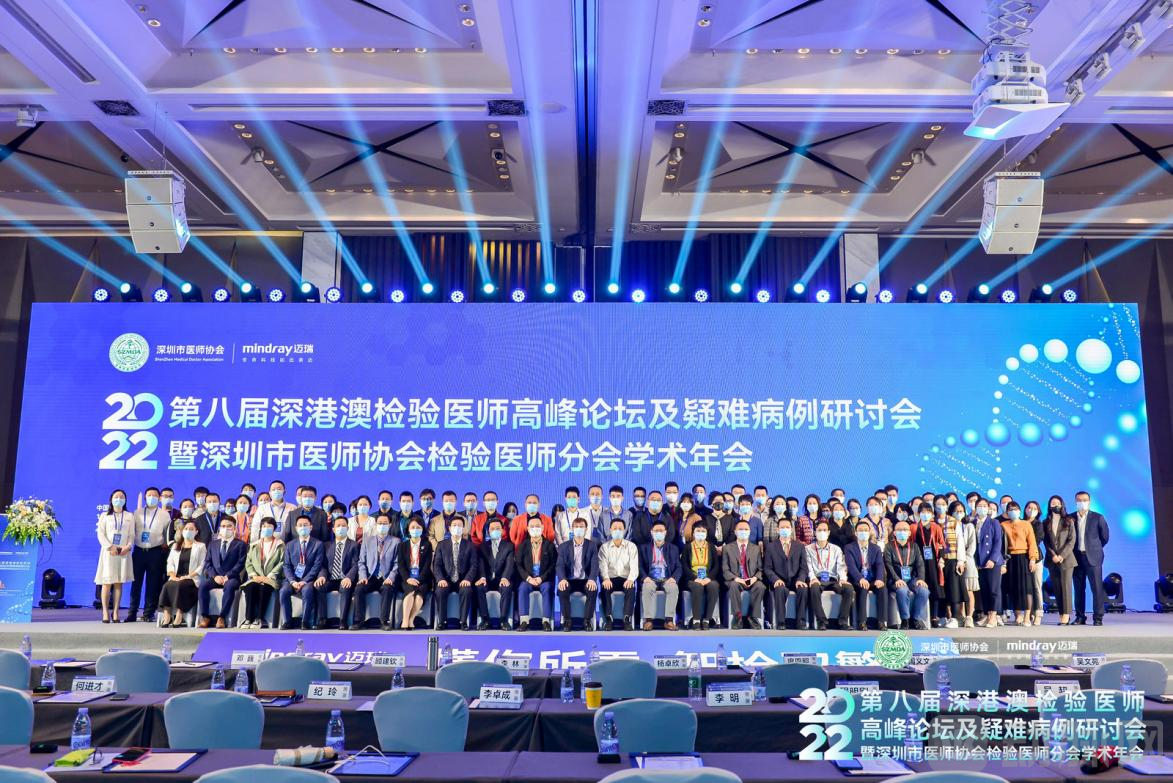
Academician Shang Hong delivered a report on “Progress and Challenges in Precision Testing for HIV/AIDS,” Professor Wang Qian presented on “Development Strategies for Laboratory Medicine Disciplines in High-Level Hospitals,” Director Liao Sizhao reported on “Development Strategies for Newly Built Hospitals,” Director Gu Jianqin addressed “What Kind of Laboratory Department Is Required for the Construction of High-Level Hospitals,” and Deputy Director Ou Qishui discussed “The Impact of New Healthcare Reform and Medical Insurance Payment Policies on the Development of Laboratory Medicine.” Experts provided vivid insights into the development of laboratory science from various perspectives. Attendees gained a deeper understanding of precision disease testing, the future development of laboratory medicine, and the diagnosis and treatment of complex and refractory diseases, making the conference highly engaging. The event attracted 18,600 online participants throughout the day.
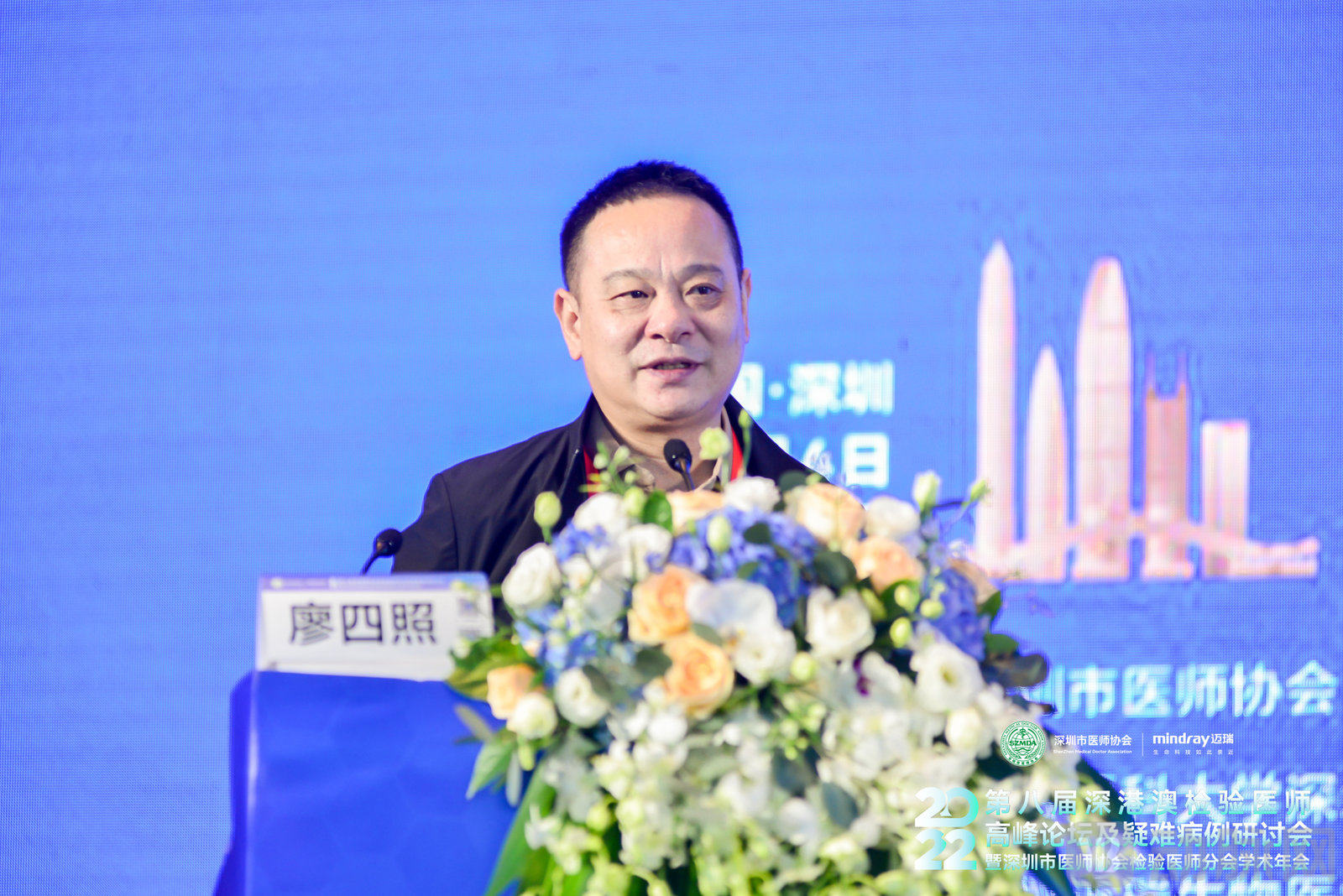
Liao Sizhao, President of Shenzhen Hospital of Southern Medical University
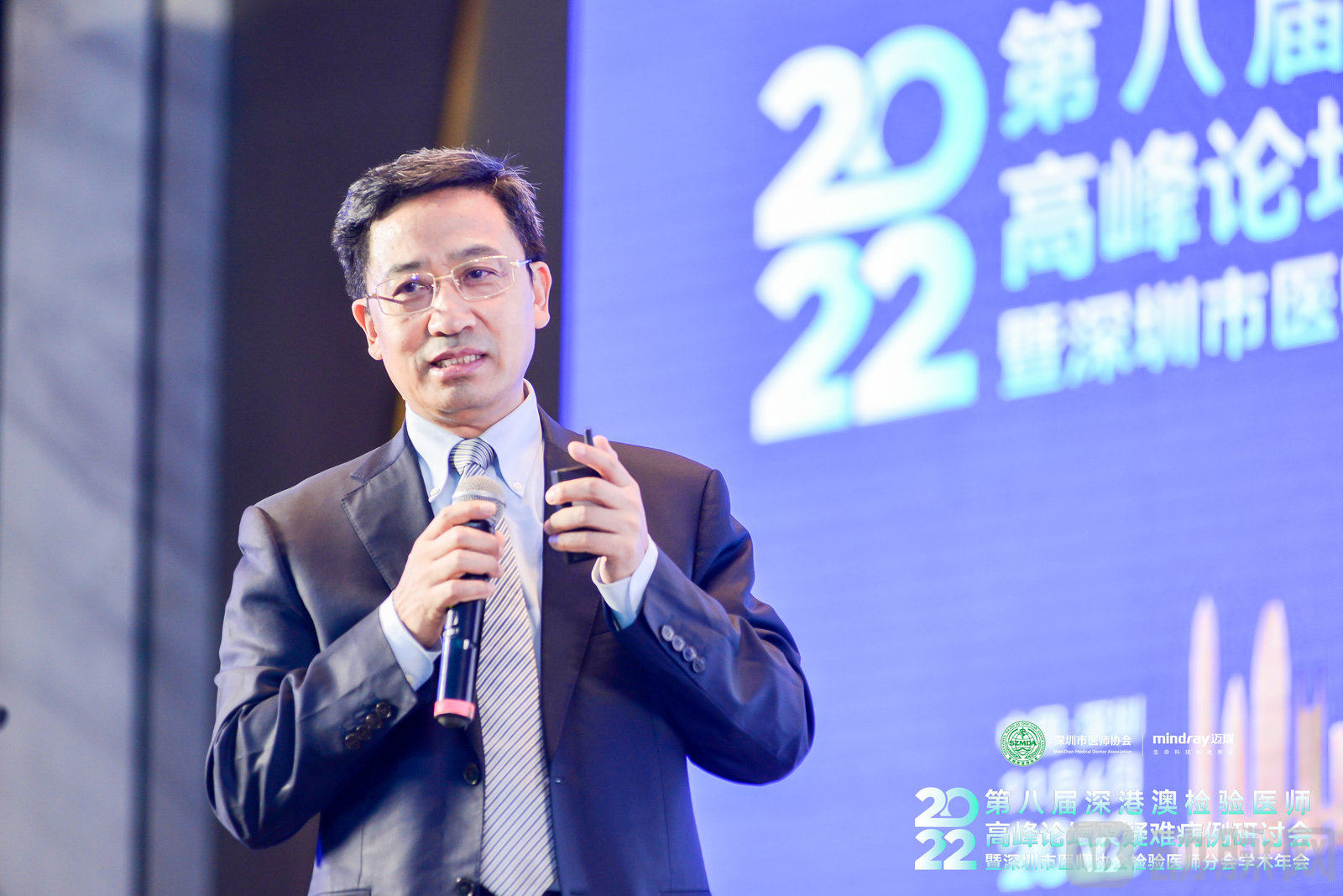
Gu Jianqin, President of Southern University of Science and Technology Shenzhen Hospital
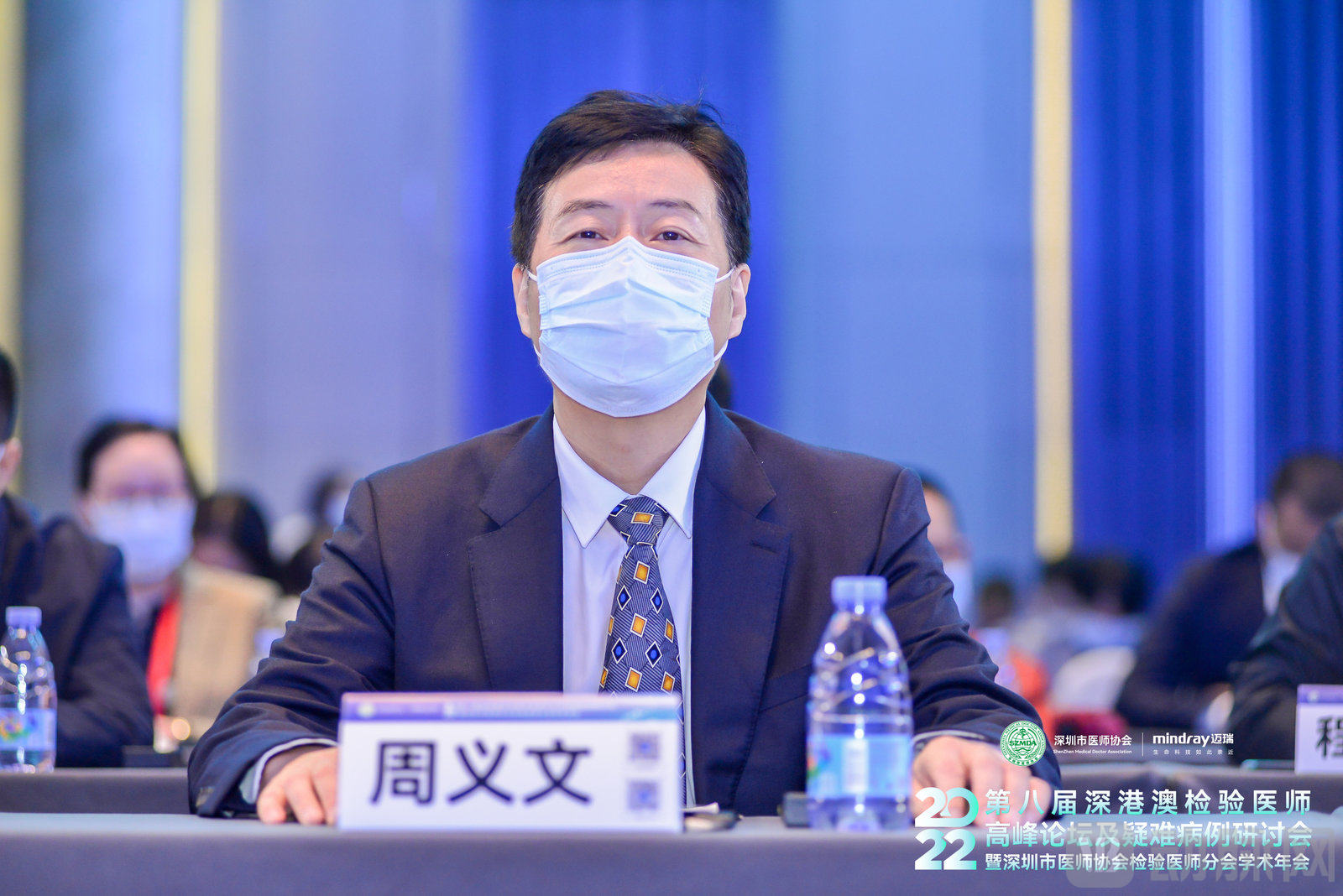
Zhou Yiwen, Director of the Department of Clinical Laboratory, Shenzhen Hospital of Southern Medical University
At the same time, Mindray unveiled its new Mindray Smart Laboratory Intelligent Ecosystem Solution at the conference. This enhanced smart solution attracted significant attention from numerous laboratory medicine experts and received high praise from many of them.
With the widespread adoption of digital technologies in hospitals, the development of smart hospitals has become a focal point. Smart hospitals impose requirements for intelligent management, intelligent medical care, and intelligent services, thereby driving in vitro diagnostic (IVD) manufacturers to rethink and reposition the value of laboratory testing. The key challenges lie in advancing laboratory operations from automation to intelligence and ultimately to wisdom, while optimizing management, strengthening disciplinary development, and delivering high-quality services to clinical practitioners and patients.
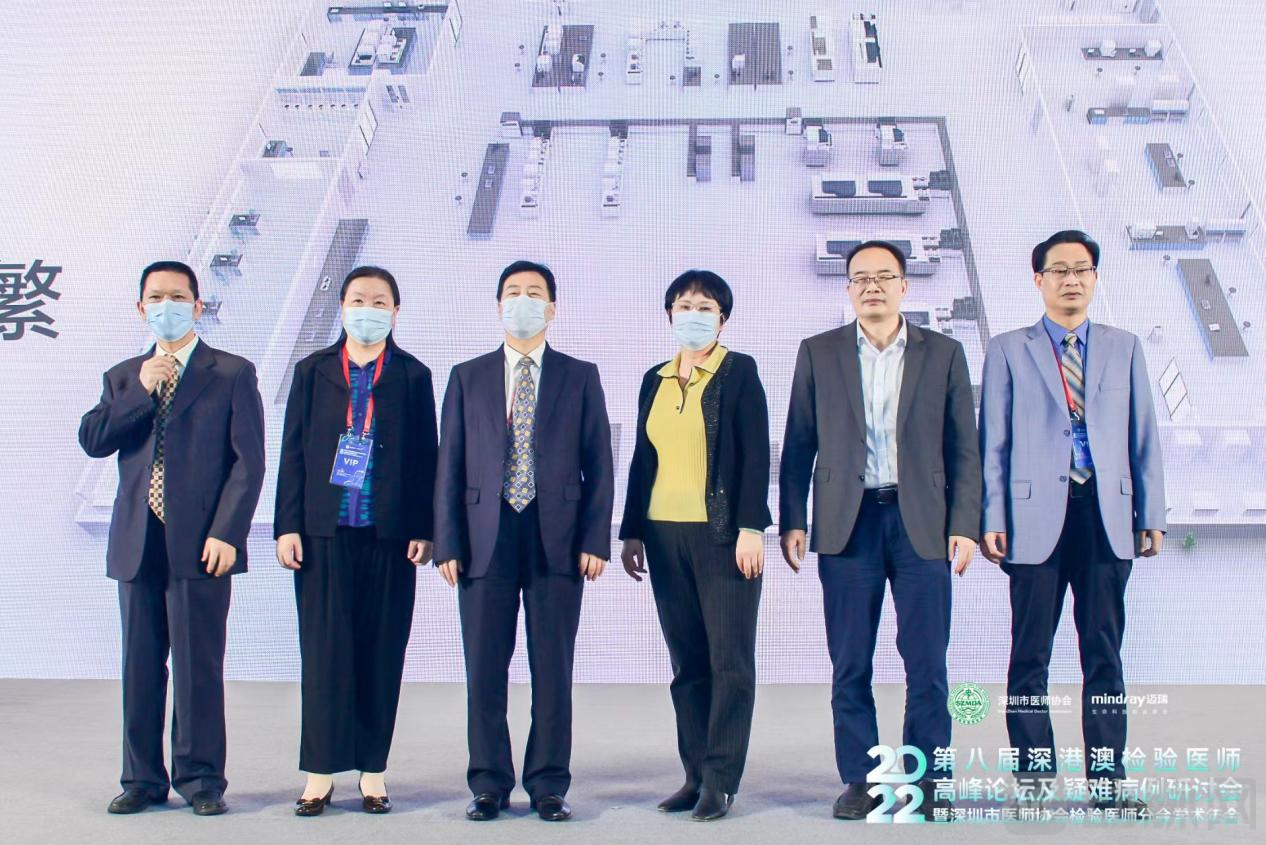
Multiple Laboratory Medicine Experts Witness the Launch of Mindray’s Smart Laboratory Innovative Solutions
As a global enterprise rooted in China, Mindray has been building standardized, demonstrative, and compliant laboratories since 2017. Based on a shared platform and unified standards, while advancing laboratory automation, Mindray has further explored smart laboratory solutions, launching the Mindray Smart Lab in 2021.Mindray’s newly launched Mindray SmartLab Intelligent Ecosystem Solution represents a continuous optimization and upgrade of its comprehensive laboratory solutions, grounded in the company’s deep understanding of industry trends and customer needs, as well as its ongoing exploration in technological R&D.
Mindray provides comprehensive solutions for medical laboratory testing through more intelligent detection systems and a smarter development ecosystem, offering effective technical support for redefining healthcare institutions in the context of smart hospitals. As the construction of smart hospitals accelerates, how can smart laboratories develop rapidly? What expectations do laboratory experts have for smart laboratories? At the conference, VCBeat engaged in dialogue with leading domestic laboratory medicine experts and Mindray.
Laboratory Medicine Expert: Anticipating That Smart Laboratories Will Make Disease Testing More Precise and Efficient
Q:Amid the accelerated development of smart hospitals, what is the necessity of building smart laboratories? How do smart laboratories facilitate the construction of smart hospitals?
President Gu Jianqin of Southern University of Science and Technology Shenzhen Hospital:The construction of smart hospitals plays a significant role in promoting and enhancing high-quality hospital development, with the smart laboratory serving as a crucial component of this initiative. Smart laboratories aim to achieve several key objectives: first, leveraging intelligent technologies to enhance the precision of disease diagnostics; second, accelerating testing speed and improving operational efficiency; third, facilitating greater convenience and optimizing workflows; fourth, enhancing the experience for both physicians and patients; and finally, substantially boosting the diagnostic capabilities of clinical laboratory departments to overcome more bottlenecks in disease detection.
Q:In your opinion, what characteristics should a smart laboratory possess to meet clinical needs?
Director Ji Ling, Peking University Shenzhen Hospital:To build a smart laboratory, it is essential to understand the genuine needs of the clinical laboratory. A smart laboratory requires not only equipment but also a clear understanding of the entire workflow. Manufacturers should focus on the end-to-end testing process, continuously familiarize themselves with laboratory operations and management, recruit relevant professional talent, and provide innovative solutions. The ultimate landscape of smart laboratories will undoubtedly be characterized by comprehensive intelligence. This intelligence should permeate every aspect of laboratory operations, including personnel management, inventory management, equipment management, environmental management, quality control management, and clinical decision support.
Q:What are your expectations for the future application of smart laboratories in more scenarios within clinical laboratory departments, as well as the emergence of more new products?
Director Ji Ling, Peking University Shenzhen Hospital:Delegating simple, repetitive tasks to machines allows laboratory personnel to focus on higher-value work, thereby increasing per-capita productivity—a key trend for the future. Consequently, “unmanned” laboratories represent a direction worthy of attention. Under this trend, the future will see the emergence of more interdisciplinary talents skilled in biotechnology, artificial intelligence, and data statistics.
Director Zhou Yiwen, Shenzhen Hospital of Southern Medical University:Future laboratories must align with the trajectory of high-tech development and meet the requirements for smart hospital construction, continuously improving medical quality and efficiency—a necessity driven by the times. As professionals in laboratory medicine, we are closely monitoring these developments and actively creating conditions to accelerate the intelligent transformation of laboratories, thereby enabling smart laboratories to better serve clinical practice.
Dai Weiwei, Director of IT Connectivity Business at Mindray, and Chen Jin, Senior Marketing Manager for IVD Solutions Marketing in China: Leveraging the Advantages of Integrated Software and Hardware to Meet the Urgent Needs of Homogenized Development and Regional Quality Control Management
Q:What was the original intention behind the creation of Mindray’s Smart Lab? What new changes will the technological innovations and unique advantages of the new products launched by the company at this conference bring to laboratory testing work?
Dai Weiwei:The inception of Mindray’s Smart Laboratory stems from the company’s persistent commitment to R&D investment and its deep engagement with the practical operational needs of clinical laboratories, driving continuous innovation. Over the past five years, Mindray has participated in the development of 26 demonstration laboratories, 300 standardized laboratories, and 300 regulated laboratories. Leveraging its integrated advantages in both hardware and software, the company has launched solution-oriented products that better align with the developmental requirements of smart hospitals.
On this occasion, we presented a “2+1” solution focused on the homogeneous development of hospitals and regional quality control management, leveraging the advantages of Mindray’s integrated hardware-and-software solutions. Through this comprehensive hardware-plus-software approach, we assist departments in controlling costs and reducing expenses in the management of reagents and consumables across the entire department. We provide technical support for cloud-based slide reading and cloud-enabled intelligent learning of cell morphology images from challenging specimens in multi-campus hospitals or diverse scenarios, thereby facilitating standardization of departmental reporting. In terms of regional quality control management, we have introduced a quality-centric model that uses pilot initiatives to drive broader adoption, aiming to enhance the quality capabilities of healthcare institutions within the region.
Chen Jin:For its new smart laboratory product line, Mindray has engaged in careful deliberation. Merely providing hardware products would lead to significant homogenization and make it difficult to deliver incremental value to hospitals. By gaining deep insights into customer needs, Mindray recognized that hospitals in different regions vary in their development stages and, consequently, in their requirements for smart laboratories. In response, we have not only developed a standardized system tailored to the practical needs of hospitals but also introduced customized services to address their differentiated demands.
Q:Innovative technologies must be aligned with customer needs, particularly the unique characteristics of healthcare delivery in China. How can Mindray translate customer requirements and cutting-edge technologies into product competitiveness?
Dai Weiwei:Chinese clinical laboratories are characterized by high sample volumes and stringent turnaround time (TAT) requirements, while also needing to balance cost, efficiency, and intelligence. Consequently, Chinese customers have high expectations for the degree of automation and smart capabilities of solutions, as well as their practical effectiveness.
Mindray’s first product launch was a reagent and consumables management solution. After gaining an in-depth understanding of laboratory reagent management workflows, we introduced a fully digitalized, dynamic reagent and consumables management system that effectively assists departments in achieving paperless transformation.
Q:What is Mindray's product roadmap for smart laboratories in the future?
Dai Weiwei:We will align more closely with the objective needs of clinical and laboratory departments, adopting a customer-centric, scenario-based approach to demonstrate the value of automation, intelligence, and smart solutions. Meanwhile, we will further strengthen collaboration with associations and industry experts. In addition, Mindray Lab Intelligence will remain committed to R&D investment, delving deeper into the practical workflow requirements of laboratory departments. By leveraging Mindray’s strengths in both hardware and software, we will unlock the value of data applications and launch solution-oriented products that better meet the development needs of smart hospitals.
Liu Jingyun, Marketing Manager for In Vitro Diagnostic Solutions at Mindray China: Mindray’s Smart Laboratory solutions have been implemented in nearly 100 facilities across China and are actively expanding into international markets.
Q:How has Mindray's Smart Laboratory been implemented across China, and how do our customers evaluate it?
Liu Jingyun:Smart hospital construction centers on “smart management, smart healthcare, and smart services.” Against this backdrop, Mindray has comprehensively upgraded its standardized, demonstration, and regulated laboratory solutions to launch the Smart Laboratory. As an intelligent upgrade product for comprehensive medical laboratory solutions, the Smart Laboratory has been installed in nearly 100 hospitals across China within a year and a half of its market launch, with 75% being tertiary hospitals, enabling capabilities such as smart management, smart quality control, and smart slide reading.
Q:Will Mindray's Smart Laboratory Go Global? What Are the Plans?
Liu Jingyun:Mindray’s solutions have been consistently praised by customers. We aim to share these effective Chinese solutions with the global community. We also provide comprehensive solutions and robust service concepts in countries such as India and Uzbekistan, and we are confident in our ability to serve more nations worldwide in the future.