

Regen Therapeutics Advances iPSC-Derived Dopaminergic Progenitor Cell Therapy for Parkinson’s Disease, Filing IPO Prospectus

Regenverse Therapeutics
Developer of Stem Cell Clinical Therapeutics
According to data from the National Health Commission, by the end of 2021, China’s population aged 60 and above reached 267 million, accounting for 18.9% of the total population; those aged 65 and above exceeded 200 million, representing 14.2% of the total population. It is projected that around 2035, the number of people aged 60 and above will surpass 400 million, with their share of the total population exceeding 30%, marking the entry into a stage of severe aging.
Amid the rapidly accelerating aging process, the replacement and regeneration of aged tissues and organs have become a critical topic, leading to a swift rise in the strategic importance of the regenerative medicine market, particularly technologies represented by induced pluripotent stem cells (iPSCs).
iPSC Technology Offers Ample Room for Imagination in Regenerative MedicineThe human body’s intrinsic capacity for repair and regeneration is limited. Induced pluripotent stem cells (iPSCs) possess the potential for unlimited self-renewal and differentiation into all cell types, enabling the replacement of failing organs, promoting the regeneration of missing tissues and organs, and eliminating pathological abnormalities in the body. As such, iPSC technology has emerged as a highly prominent frontier in recent years.
In 2006, Professor Shinya Yamanaka of Kyoto University in Japan successfully induced iPSCs by introducing four viruses into mouse skin cells; in 2012, Professor Yamanaka was awarded the Nobel Prize in Physiology or Medicine. The founder of Ruizhen Regenerative Medicine has ten years of research experience in iPSCs, cell therapy, and neurological diseases, and was among the first scientists to dedicate themselves to iPS research. A series of landmark events in the iPSC field strengthened the founder’s resolve to join the wave of iPSC industrialization. Consequently, Ruizhen Regenerative Medicine was established in 2019.
Ruizhen Regenerative Medicine is an innovative drug R&D company founded by leading scientists from multiple disciplines. Its core team hails from prestigious universities and institutions both in China and abroad, including Johns Hopkins School of Medicine, the School of Basic Medical Sciences at Peking University, Tsinghua University, and South China University of Technology. The founding team comprises professors and experts specializing in gene editing, immune and nervous system development and function of iPSCs, and the mechanisms of various diseases, each overseeing R&D efforts in their respective vertical domains. Leveraging cutting-edge stem cell therapy and translational technologies, the team is dedicated to developing innovative iPSC-derived cell therapies.
In 2019, the company established an 800-square-meter R&D center with ISO Class 7 (Class C) and ISO Class 5 (Class A) cleanroom standards. In 2022, it completed a GMP-compliant production and quality control center spanning over 1,600 square meters, featuring ISO Class 7 (Class C), ISO Class 6 (Class B), and ISO Class 5 (Class A) cleanroom classifications. Leveraging induced pluripotent stem cells (iPSCs), the company has developed multiple off-the-shelf cell therapy pipelines targeting neurodegenerative diseases and solid tumors. Notably, its iPSC-derived dopaminergic precursor cell product for Parkinson’s disease has completed preclinical efficacy studies in non-human primates.
iPSC technology is an emerging star. According to incomplete statistics, the global iPSC market size was approximately USD 80.52 million in 2019 and is projected to reach USD 160.91 million by 2025, representing a compound annual growth rate (CAGR) of 12.26%.
Dr. Lu Binyan, Deputy General Manager of Ruizhen Regenerative Medicine, used the phrase “endless supply” to summarize the advantages of iPSC technology.
“Theoretically, iPSCs are pluripotent. With continuous technological advancements, it is believed that appropriate differentiation methods will eventually be established for all human cell types and organs. This will enable the sustained production of all cells, tissues, and organs from iPSCs, thereby addressing the limitation of donor availability associated with human donors.”
Another major advantage of iPSCs lies in their cost. Current cell therapies, which rely on autologous or allogeneic donors from healthy individuals, are prohibitively expensive. The widely publicized “$1.2 million per dose” anti-cancer therapy exemplifies the high costs associated with cell-based medicines. In contrast, iPSC-derived cell therapies can be manufactured at scale in a cost-effective manner, thereby effectively addressing the issue of affordability.
Currently, the development of iPSC-derived cell therapies is in its early stages globally, with only a handful of pipelines having entered clinical trials. Companies are all starting from the same baseline, presenting significant opportunities.
Dr. Lu Yuyan stated, “At a time when the gap in corporate R&D progress is relatively narrow, companies need to accelerate their R&D efforts while also prioritizing the accumulation of technical expertise. This is particularly true in China, where CDMO services for iPSC-derived cell therapies are less mature than those overseas, placing greater demands on a company’s own ability to maintain technical control over the entire drug development process.”
RuiZhen Regenerative Medicine has established a professional and comprehensive R&D team that covers the entire workflow of iPSC-derived cell therapy development, including reprogramming to generate iPSCs, genetic editing for iPSC modification and engineering, and iPSC differentiation. The company has achieved leading advantages in stem cell storage, directed differentiation, disease modeling, and gene editing technologies.
A key technical challenge for iPSCs lies in the ability to achieve stable differentiation. As an emerging technology, the domestic talent training system for iPSCs remains immature. Even among experienced practitioners, experimental stability during iPSC differentiation and reprogramming remains suboptimal. Ruizhen Regenerative Medicine has prioritized addressing this stability issue, developing internationally leading technologies for iPS cell generation and differentiation, with an induction success rate of 99%.
These solid technical advancements have equipped Ruizhen Regenerative Medicine with the capability to rapidly advance in the global iPSC technology market.
RuiZhen Regenerative Medicine focuses on two major areas: neurodegenerative diseases and solid tumors, and has established core technologies centered around the differentiation and preparation of various neural functional cells, as well as immune-related iPSC engineering.
The company has given careful consideration to its selection of disease areas. “Both neurodegenerative diseases and solid tumors still present substantial unmet clinical needs, and they also represent the two largest markets with the greatest commercialization potential for iPSC technology,” said Dr. Lu Binyan.
Among these, the development of drugs for neurodegenerative diseases, particularly Parkinson’s disease, represents the “crown jewel” of the stem cell field. Abnormalities in dopaminergic neuron function are closely linked to the onset and progression of Parkinson’s disease. As early as the 1990s, scientists were already differentiating embryonic stem cells into dopaminergic precursor cells. The disease mechanisms of Parkinson’s disease and its druggability are now well understood, and induced pluripotent stem cell (iPSC) technology is poised to yield rapid breakthroughs in this area.
For Parkinson’s disease, Ruizhen Regenerative Medicine has developed RZ001-iDA, an iPSC-derived dopaminergic precursor cell product. This therapy involves reprogramming peripheral blood mononuclear cells (PBMCs) into induced pluripotent stem cells (iPSCs), which are then differentiated into dopaminergic neuron precursor cells for transplantation into the patient’s striatum.
Currently, the company has established a manufacturing process for differentiating iPSCs into high-purity dopaminergic neuron precursor cells, and has conducted preclinical studies in primates, completing the establishment of a cynomolgus monkey primate model and the preparation of dopaminergic neuron precursor cells.(Figure 1)Transplantation: Significant Improvement in Parkinson's Disease-Related Symptoms in Cynomolgus Monkeys One Month Post-Transplantation(Figure 2)。
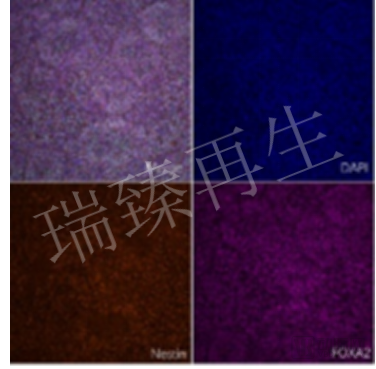
Figure 1. Dopamine precursor cells (Nestin/FOXA2/DAPI)
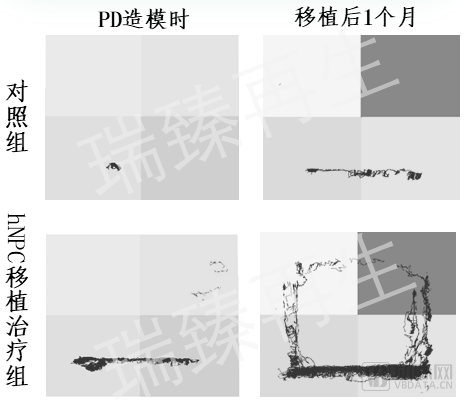
Figure 2. Therapeutic efficacy of dopaminergic neuron precursor cell transplantation in a cynomolgus monkey model of Parkinson’s disease
In the field of oncology, given the strong performance of CAR-T and antibody-based therapies in hematologic malignancies, Rayzen Regenerative Medicine has chosen to target the more challenging and currently underserved market of solid tumors by developing iPSC-derived CAR-NK therapies. Adopting a modular development strategy for its iPSC-NK products, the company has established an enhanced iPSC cell line platform featuring genetic edits that confer advantages in NK cell differentiation and augmented antibody-dependent cellular cytotoxicity (ADCC). Leveraging this platform, it is developing CAR-iPSC-NK products targeting various indication-specific antigens.
Going forward, as technology advances and more cell therapy drugs reach the market, attention to and capital interest in iPSC technology will continue to rise.
Dr. Lu Yanyan stated, “Moreover, due to the extremely high technical barriers and substantial capital investment required, the iPSC field will not experience hyper-competitive or involutionary dynamics. The number of companies in the industry will remain at a reasonable level, making it a sector worthy of long-term corporate commitment. In the future, diabetes, heart failure, and organoids are all niche markets where iPSC technology can be further explored.”
Amid the surge of interest in iPSC technology, Ruizhen Regenerative Medicine is fully committed to scientific research and deep clinical translation of regenerative medicine technologies centered on induced pluripotent stem cells (iPSCs). “We will expedite the completion of manufacturing and pharmacological and safety evaluations for our Parkinson’s disease pipeline products, as well as establish differentiation and production processes for our solid tumor immunotherapy pipeline. We plan to submit an Investigational New Drug (IND) application for the Parkinson’s disease pipeline within two years.”