

Shirun Medical Advances in BCI Rehabilitation with Full-Stack Technology and Clinical Implementation Following New Funding Round

Sirrem
Intelligent Rehabilitation Robot Technology R&D Provider
Brain-Computer Interface Community News: Recently, the brain-computer interface rehabilitation sector has once again seen a resonance between industry and capital. Sirrem, a company in China, has completed a new round of financing while simultaneously commissioning its headquarters base project. Combined with clinical and product advancements, it forms a typical example of the current brain-computer interface's "technology implementation—clinical validation—industry amplification."
1. Financing Progress and Capital Trends
Sirrem Medical Announces Completion of Tens of Millions in Financing; This Round was Exclusively Invested by Wuxi Liangxi Science and Innovation Industry Fund. The Funds Will Mainly be Used for Product Line Enhancement, Clinical Registration Progress, Scale Production Line Construction, and Expansion into Overseas and Domestic Markets. From the Perspective of Fund Utilization, the Company Has Moved from the Early Technical Validation Stage to the Industrial Acceleration Phase, with Capital Focus Shifting from Concept Validation to Clinical Transformation Efficiency and Commercialization Capability.
From the perspective of capital-side statements, investors emphasize a project selection logic "guided by clinical needs," which aligns with the overall trend in the brain-computer interface field—shifting gradually from research-driven to medical value-driven. The participation of local industrial funds also reflects regional intentions for forward-looking layouts in brain-computer interfaces as a "future industry."
2. Technology System and Product Solutions
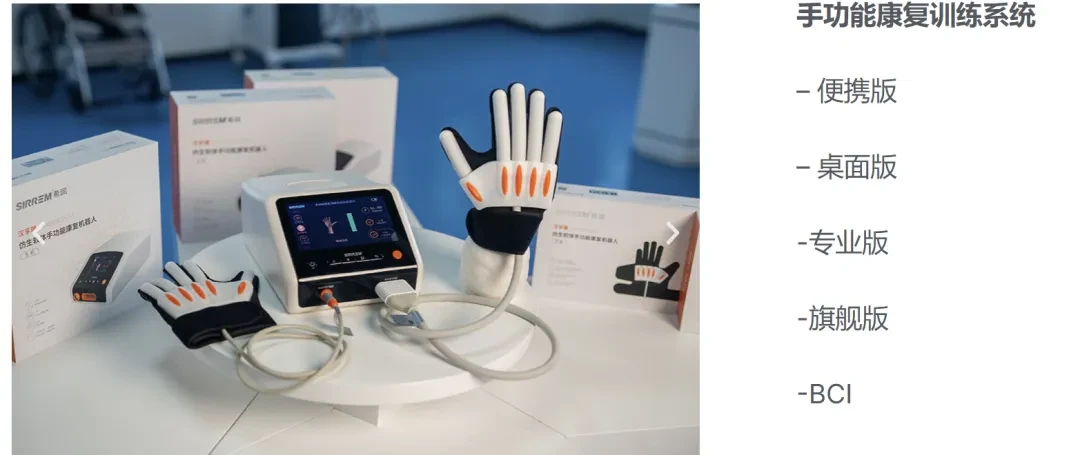
In terms of technical architecture, Sirrem has built a full-stack system covering invasive, non-invasive, and closed-loop brain-computer interfaces. The core path focuses on "signal acquisition—intention recognition—rehabilitation intervention" and achieves multi-protocol and multi-device compatibility through an open platform, forming standardized interface capabilities.
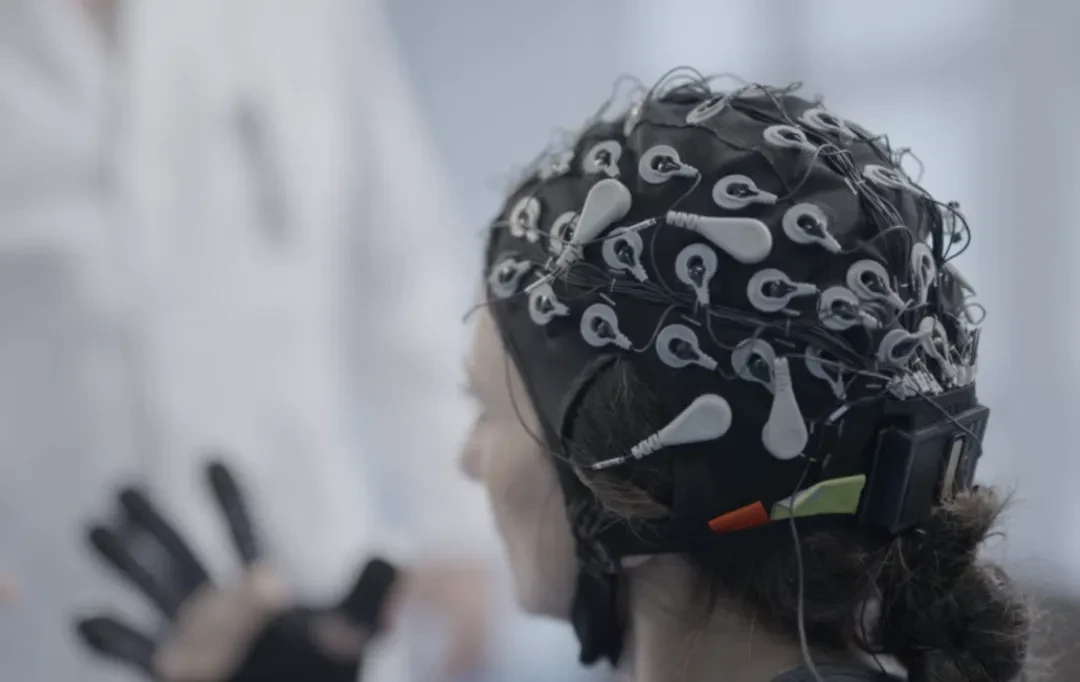
In the invasive direction, the company collaborates with domestic teams in China to drive rehabilitation devices directly through brain signals, enabling patients to control hand movements with their thoughts. Relevant products have completed dozens of clinical trials at institutions such as Huashan Hospital in Shanghai. In the non-invasive direction, a tiered product system covering research, clinical, and home scenarios has been established, including high-density EEG equipment and portable terminals, creating continuous application capabilities from the laboratory to the home.
In terms of closed-loop treatment, its system combines EEG acquisition with transcranial direct current stimulation to achieve integrated neuromodulation and feedback, aligning with the current trend in brain-computer interface technology evolving from "reading the brain" to "integrated reading and writing of the brain."
At the hardware level, the company focuses on flexible rehabilitation robots as the core platform, forming a product matrix for the hand, upper limb, and lower limb. Represented by the hand function rehabilitation robot, it utilizes precise force control and a bidirectional active training mechanism, combined with an AI evaluation system to generate personalized rehabilitation plans, enabling brain signals to be transformed into executable motion outputs, completing the closed-loop mapping of "perception-decision-execution."
3. Clinical Progress and Application Landing
At the clinical level, Sirrem's invasive brain-computer interface rehabilitation products have completed dozens of trials in multiple Class III hospitals and obtained the world's first Class III medical device registration certificate for brain-computer interfaces, marking that its safety and effectiveness have met regulatory standards.
In terms of application and promotion, its devices have been deployed in hundreds of hospitals and communities in Jiangsu, Shanghai, and other regions, and have entered the local rehabilitation assistive device rental catalog, indicating that the product has expanded from hospital use to community and home scenarios.
At the same time, the company launched a brain-computer interface cloud rehabilitation platform, building a three-level network of "hospital-community-home." The platform supports remote assessment, online guidance, and continuous follow-up, extending the hospital's rehabilitation capabilities to home scenarios, solving the problem of patients lacking continuous intervention after discharge, and significantly reducing rehabilitation costs to about one-tenth of traditional inpatient models.
4. Industrialization and Ecological Layout
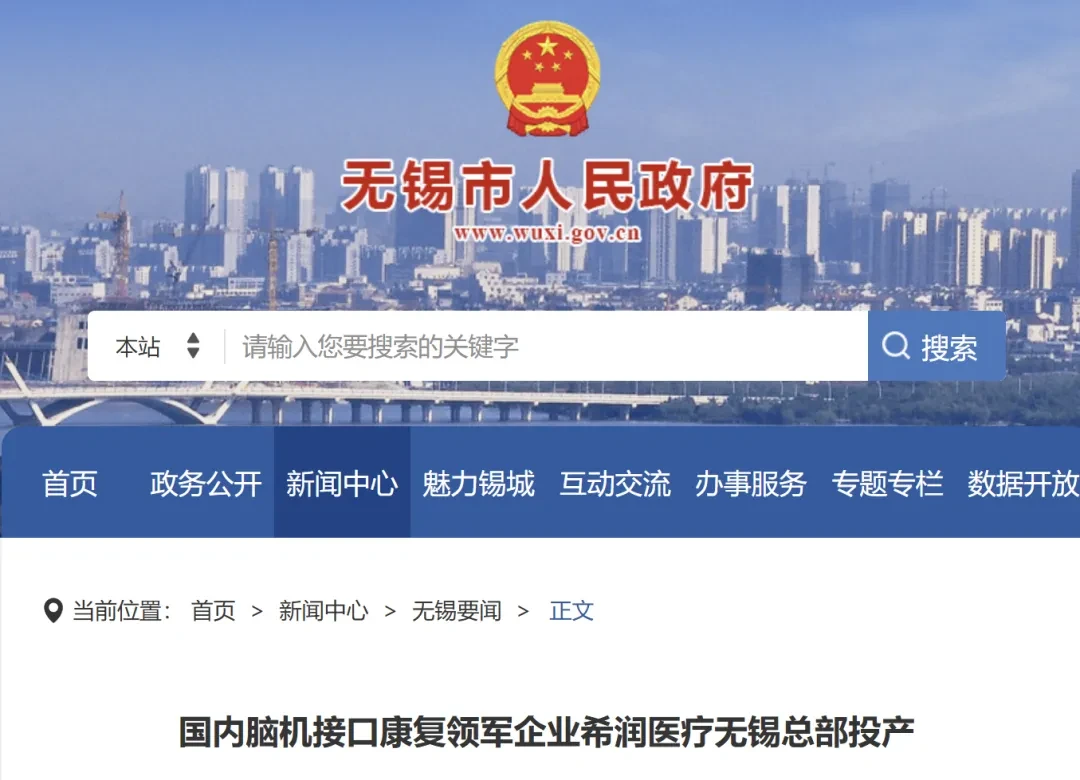
With the headquarters base in Liangxi District, Wuxi, now in operation, Sirrem has completed the integration of a "research and development - manufacturing - service" system. At the regional level, the brain-computer interface industry cluster is also being promoted simultaneously. By introducing upstream and downstream enterprises such as neural electrodes and dedicated chips, the local area is driving the collaborative development of brain-computer interfaces with artificial intelligence, smart sensors, and embodied robots, forming a composite industrial ecosystem.
From the application side, brain-computer interfaces are expanding from单一医疗场景(singular medical scenarios) to multi-scenarios such as "brain-computer + rehabilitation" and "brain-computer + health care." The core driving force lies in the improvement of technical maturity and optimization of cost structure, enabling high-end rehabilitation capabilities originally concentrated in hospitals to gradually become accessible to a broader population.

Brain-computer interface community is in ChinaThe First Brain-Computer Interface (BCI) Industry Service Platform。Mainly provide the following services for enterprises, research teams, investment institutions, and practitioners:
Publicity Report:Report on corporate dynamics, technology interpretation, and product introductions in the form of images, short videos, and live broadcasts to increase exposure and industry influence.。
Resource Docking:Match resources such as capital, supply chain, clinical institutions, and channel partners based on demand, complete real对接s, and promote cooperation.
Achievement Transformation:Assist the technical team in finding industry partners, investors, and implementation scenarios to promote the transformation from technology to product.
Event Planning and Execution:Undertake the planning and execution of online and offline roadshows, salons, forums, and other events.
Other customization requirements:Including personalized services such as report customization, market research, and talent recruitment support.
Business Cooperation Discussion,Please contact WeChat: ZuoLeiLeiya
(Note: Name-Organization-Cooperation)
Submission | Become a Creator,Please contact WeChat: RoseBCI
?Starred Top?
Don't Miss Any Frontier Progress in Brain-Computer Interface

One-click triple action: "Share," "Like," and "Read"
Welcome to chat in the comment section