

Akso Biotechnology Files for IPO: Pioneering High-Throughput Microfluidic Chips to Unlock New Applications in Life Sciences
Every major technological advancement in human society has often stemmed from a deeper understanding and mastery of the microscopic world.
Microspheres, measured in micrometers or nanometers, are indispensable core foundational materials in fields such as biopharmaceuticals and in vitro diagnostics. Their preparation and application pose significant challenges. Once listed by Science and Technology Daily as one of the 35 key core technologies “bottlenecking” China’s development, they are garnering increasing attention in the biological and pharmaceutical sectors.
Traditional microsphere preparation primarily relies on batch reactor systems, where raw materials and reagents are charged into a reaction vessel. Target microspheres are obtained by controlling agitation speed, temperature, and reaction time, with the entire process conducted within a macroscopic reaction environment. This manufacturing approach is relatively simple and, after years of development, has reached a mature stage of commercial application. However, microsphere formation is inherently a microscopic process. When examined in detail, the particle formation process often involves complex physical shear forces and chemical synthesis. Macroscopic batch reactors are unable to precisely regulate such microscopic processes.
In recent years, with the development of the industry, microspheres have entered an increasing number of niche fields and tracks. The demand side has put forward higher requirements for microsphere performance and preparation processes. As a result, batch reactor technology, as the 1.0 version of microsphere preparation technology, is increasingly unable to meet industrial needs, giving rise to new preparation technologies.
Membrane emulsification technology, represented by the team of Academician Ma Guanghui from Zhongke Senhui, has garnered the most attention. This method forms microspheres by extruding raw materials through membrane pores under pressure, thereby improving particle size distribution to some extent. However, limitations in membrane performance and production capacity have hindered its industrialization. Globally, companies such as Japan’s SPG Technology and the UK’s Micropore Technologies firmly control the upstream supply of membrane materials. This approach is also known as Microsphere Preparation Technology 2.0.
Meanwhile, a new microsphere preparation technology has gained widespread popularity in the academic community, with itsUnrivaled in the preparation and manipulation of complex-structured, highly uniform microspheres. This technology has a catchy name—Microfluidics, which we refer to as Microsphere Preparation Technology 3.0.
The early concepts of microfluidics can be traced back to the 1970s, when gas chromatographs were fabricated on silicon wafers using photolithography techniques. This technology subsequently evolved into microfluidic capillary electrophoresis instruments and microreactors. One of the key characteristics of microfluidics is the unique fluid behavior exhibited at the microscale, such as laminar flow and droplet formation. Leveraging these distinctive fluidic phenomena,Microfluidics enables microfabrication and micromanipulation that are difficult to achieve with conventional methods., thus gaining the favor of countless scientists.
Despite the significant advantages of microfluidics as a technology for microsphere preparation, it has received little attention in the industry. The primary challenge lies in production capacity. A single-channel microfluidic chip generates no more than 500 μL of microspheres per hour—a throughput sufficient for research purposes but inadequate for industrial-scale applications that often require thousands to tens of thousands of liters.Solving this challenge requires efforts to enhance throughput. This is precisely what Acasobio has been dedicated to.
The World’s First Microfluidic Chip with Thousands of Channels: Breaking Through High-Integration Bottlenecks to Create a Platform-Level Production Tool for Microfluidics
Acaso Bio was established in May 2021. The founding team consists of three young individuals who share the same labels: [Tsinghua University] and [Class of 2018].
Prior to founding Acaso, the team came across microsphere products by chance and recognized the commercial value of monodisperse microspheres. With sound professional judgment, they keenly realized that a platform-based preparation technology capable of simultaneously addressing the contradiction between microscopic control and macroscopic mass production in the microsphere manufacturing process would undoubtedly hold substantial commercial value.
They soon turned their attention to microfluidics technology and partnered with Professor Zhang Li from East China University of Science and Technology, who had many years of experience in microfluidic scale-up research, to jointly develop ultra-high-throughput microfluidic chips. At that time, Professor Zhang Li had already successfully developed a high-throughput microfluidic chip with eighty channels.How to Advance Toward Higher-Throughput, Higher-Integration Chips, numerous engineering and technical challenges lay before the team.
First, to achieve the high-density integration of massive microsphere generators on a single chip, it is necessary to establish a mathematical model so that the flow resistance distribution within the channels can ensure consistent flow rate and velocity across all microsphere generators.
Secondly, it is necessary to develop specialized tubing and a microsphere generator, including flow channel distribution, tubing dimensions and structure, microsphere generator design, and coating strategies.
Furthermore, when used as a microsphere fabrication platform rather than for microfluidic detection, the chip imposes more stringent requirements on material selection and processing. Conventional PDMS materials were ruled out due to their inability to withstand high temperatures and organic solvents, leading the team to select glass, which offers superior mechanical strength. However, this choice inevitably introduced significant challenges in chip etching and bonding.
This endeavor involves specialized knowledge across multiple disciplines, including physics, materials science, chemistry, and structural engineering, constituting a complex interdisciplinary engineering practice. Ultimately, through relentless efforts, Acasso Bio overcame numerous challenges and successfully achievedChina's first industrial-grade high-performance microfluidics production platform, with full-spectrum engineering capabilities spanning from chip design to fabrication., successfully launched the world’s first microfluidic chip with thousands of channels in August this year, and based on this, achieved mass production of highly uniform microspheres, truly realizing a single solution that simultaneouslyBalancing "Monodispersity" and "Industrial-Scale Production Capacity"。
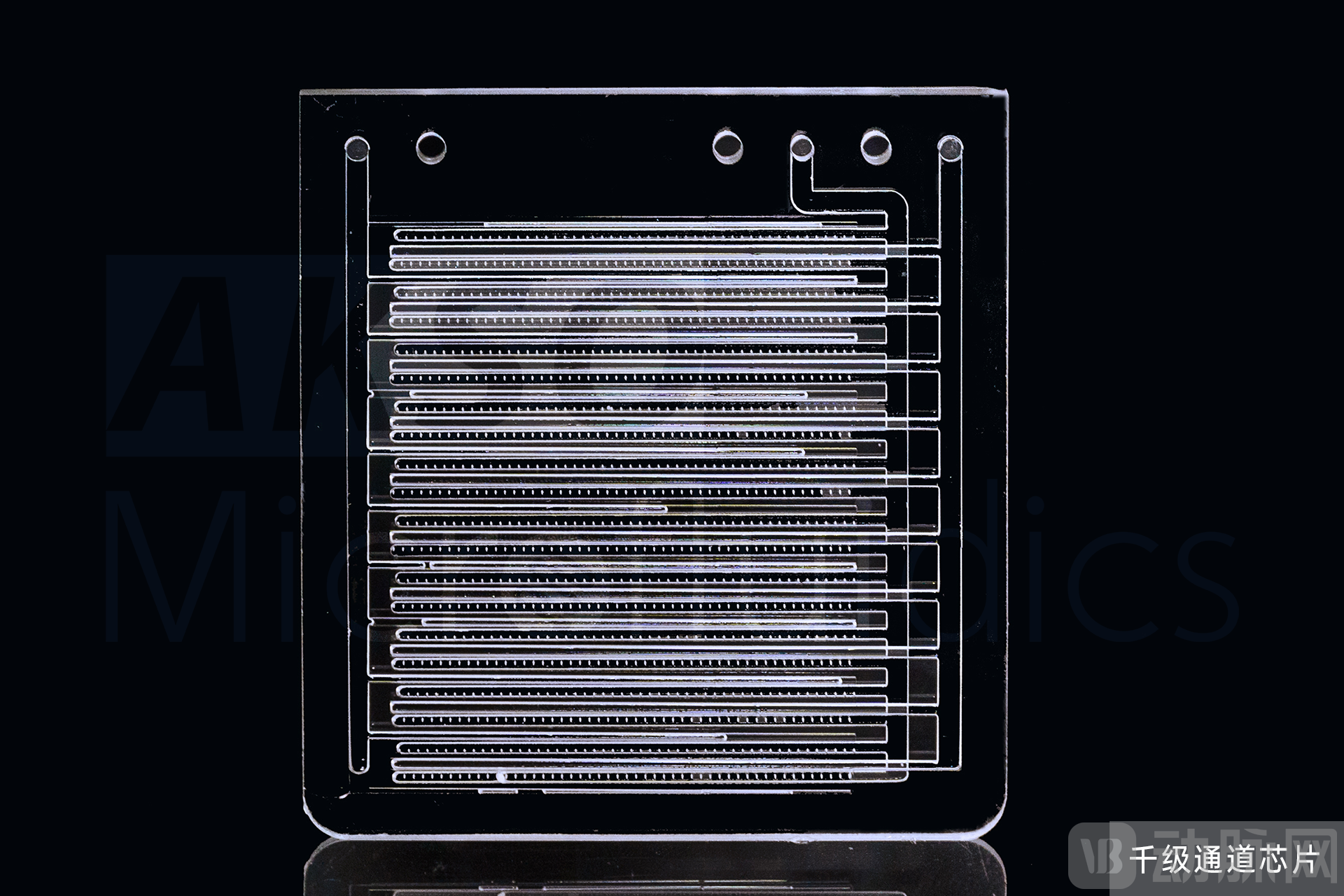
General Manager of the Company, Jiang TaoIt stated: “The realization of Acasobio’s ultra-high-throughput microfluidic chip technology holds significant historical importance, as it truly addresses the technical bottlenecks hindering the industrial application of microfluidics and builds a bridge from academia to industry. Furthermore, this technology is a platform-based solution capable of adapting to various microsphere systems, thereby unlocking diverse application scenarios for microspheres.”
Regarding the company’s vision, Jiang Tao stated, “We hope to leverage our breakthroughs and accumulated expertise in ultra-high-throughput microfluidics technology to develop a new tool for life sciences, thereby driving impact and transformation across the entire industry.”
Focus on High Uniformity and Monodispersity, Targeting Three High-Potential Niche Markets
Based on its capability for the large-scale production of high-performance microspheres, Acasobio has alreadyPurification Resins, Sustained-Release Drug Delivery, Medical Aesthetic Microspheresand other niche categories, establishing continuous-phase production capabilities based on flow chemistry to achieve scalable capacity expansion.
Chromatography Media
In the biopharmaceutical sector, separation and purification, as a core production step, directly determine the purity and quality of pharmaceutical products and constitute a major portion of production costs. In monoclonal antibody manufacturing, downstream separation and purification account for more than 65% of the total production cost.
Chromatography is virtually the sole means for the separation and purification of biopharmaceuticals, and the manufacture of high-purity, high-activity biological products relies heavily on chromatographic separation technologies. Based on this,Chromatography resins are a key factor determining the efficiency of drug separation and purification, as well as product quality.
Currently, China’s core materials for the separation and purification of biologic macromolecule drugs or small organic molecule drugs—such as chromatography resins/media microspheres—are largely dependent on imports. High-performance domestically produced microsphere materials that can substitute imported products hold significant market potential. According to market estimates, the size of China’s chromatography resin market in 2020 was USD 700–1000 million (RMB 5–7 billion), and it is expected to continue growing in the future.
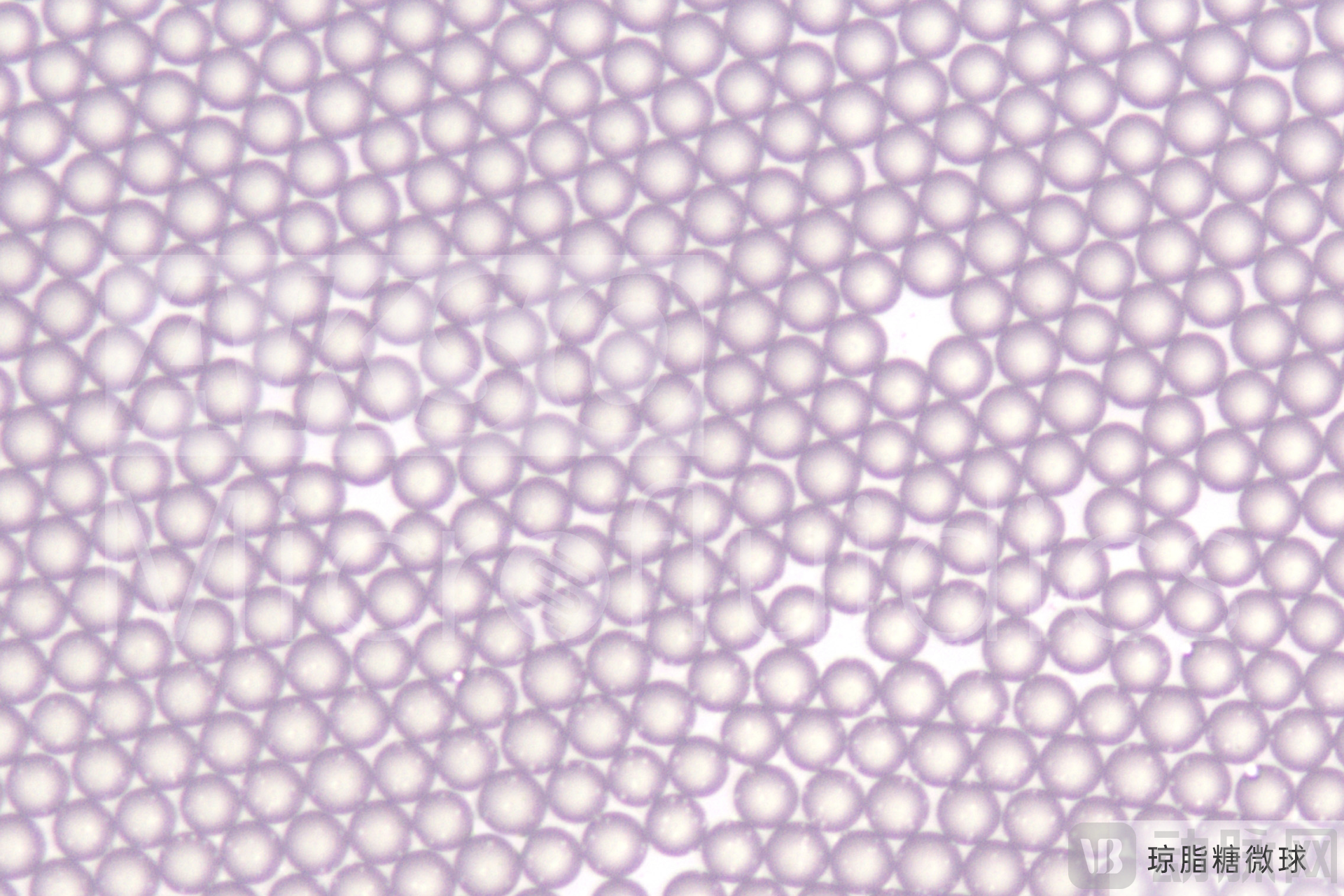
In the field of chromatography media, Arcus Biosciences is committed to providingMonodisperse Filler Solutions“The company willFeaturing agarose soft gel media, throughHigh Uniformity and Monodispersity: Establishing a Differentiated Competitive Advantage“At the same time, by leveraging the technological advantages of microfluidic platforms, we are simultaneously developing both soft and hard catheter product lines, focusing on a limited number of SKUs to build brand recognition,” said Jiang Tao.
Drug Sustained Release
Microsphere sustained-release formulations are currently the long-acting injectables with the broadest range of indications and the longest duration of action. Microspheres embed or adsorb drugs onto the surface of polymer molecules. After administration via subcutaneous or intramuscular injection, they achieve slow drug release through mechanisms such as rapid release from the carrier surface, drug diffusion, and polymer erosion/degradation, thereby significantly prolonging the drug’s half-life.
According to data from LeadLeo Research Institute, the market size of China’s microsphere sustained-release formulation industry grew from RMB 4.7 billion in 2019 to RMB 6.5 billion in 2021. In the future, as patents for multiple originator drugs expire, domestic companies will accelerate their layout in the field of microsphere sustained-release formulations, and the market size of China’s microsphere sustained-release formulation industry is expected to show a trend of rapid growth. It is projected that the market size of China’s microsphere sustained-release formulation industry will reach RMB 11.6 billion by 2024.
The primary advantage of Acaso Bio’s microsphere sustained-release formulation is first and foremostUniform particle size: Precise control of microsphere diameter is achieved by adjusting the flow rates of the continuous and dispersed phases, yielding a coefficient of variation (CV) <5% and excellent monodispersity.Secondly,High encapsulation efficiency, low drug loss, independent spheroid formation, with an encapsulation efficiency >98%.
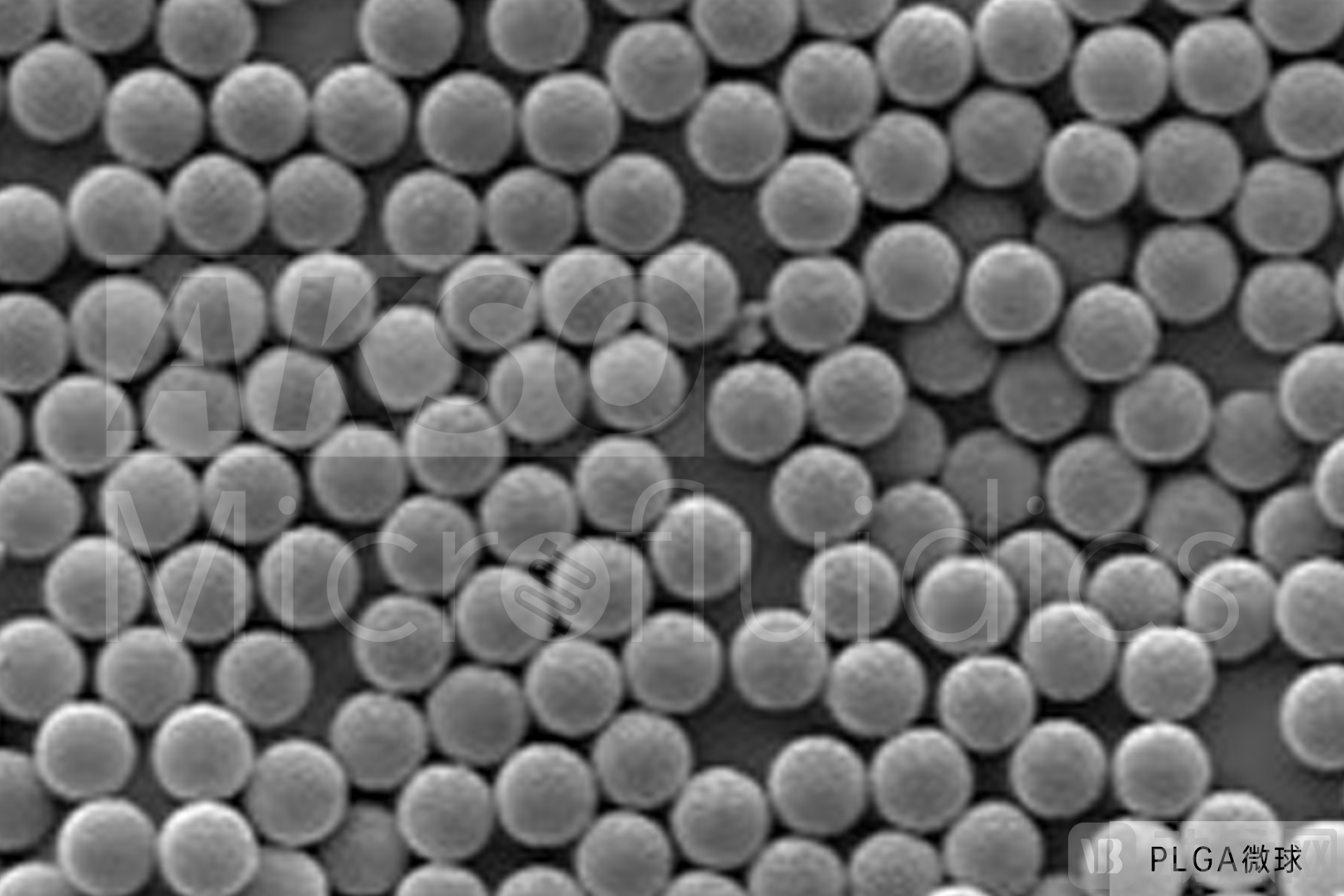
Developing microsphere sustained-release formulations with uniform particle size, high encapsulation efficiency, and consistent release profiles is a core objective for major pharmaceutical R&D companies. Acasso Biosciences seeks to collaborate with leading developers of such formulations to provide CDMO services, facilitating the market launch of more microsphere-based sustained-release products.
Medical Aesthetic Microspheres
In the field of medical aesthetics, the core component of Sculptra (commonly known as "Baby Face Needle") is poly-L-lactic acid (PLLA) microspheres. After injection into the human body, it integrates with bodily tissues and is gradually degraded and absorbed. The lactic acid released during degradation stimulates the synthesis of collagen fibers, thereby increasing tissue volume, improving skin texture, and achieving anti-aging and skin-tightening effects.
Compared with hyaluronic acid, the filling effect of Sculptra relies on the body’s own cells, resulting in a more natural and long-lasting outcome. The optimal particle size of PLLA microspheres should be controlled within the range of 20–50 µm, ensuring uniformity and stability in size.
According to data from Industrial Securities, compliant sales of poly-L-lactic acid (PLLA) fillers (“Tongyan Zhen”) only began in the second half of 2021. The market is projected to double over the next two years, reaching approximately RMB 2 billion by 2025 and exceeding RMB 10 billion by 2040, with a compound annual growth rate (CAGR) of nearly 30%.
Currently, there are technical barriers to the preparation of uniform, high-safety PLLA microspheres. Acasso Biotech has the opportunity to collaborate with manufacturers possessing downstream capabilities through raw material supply or other forms of cooperation.
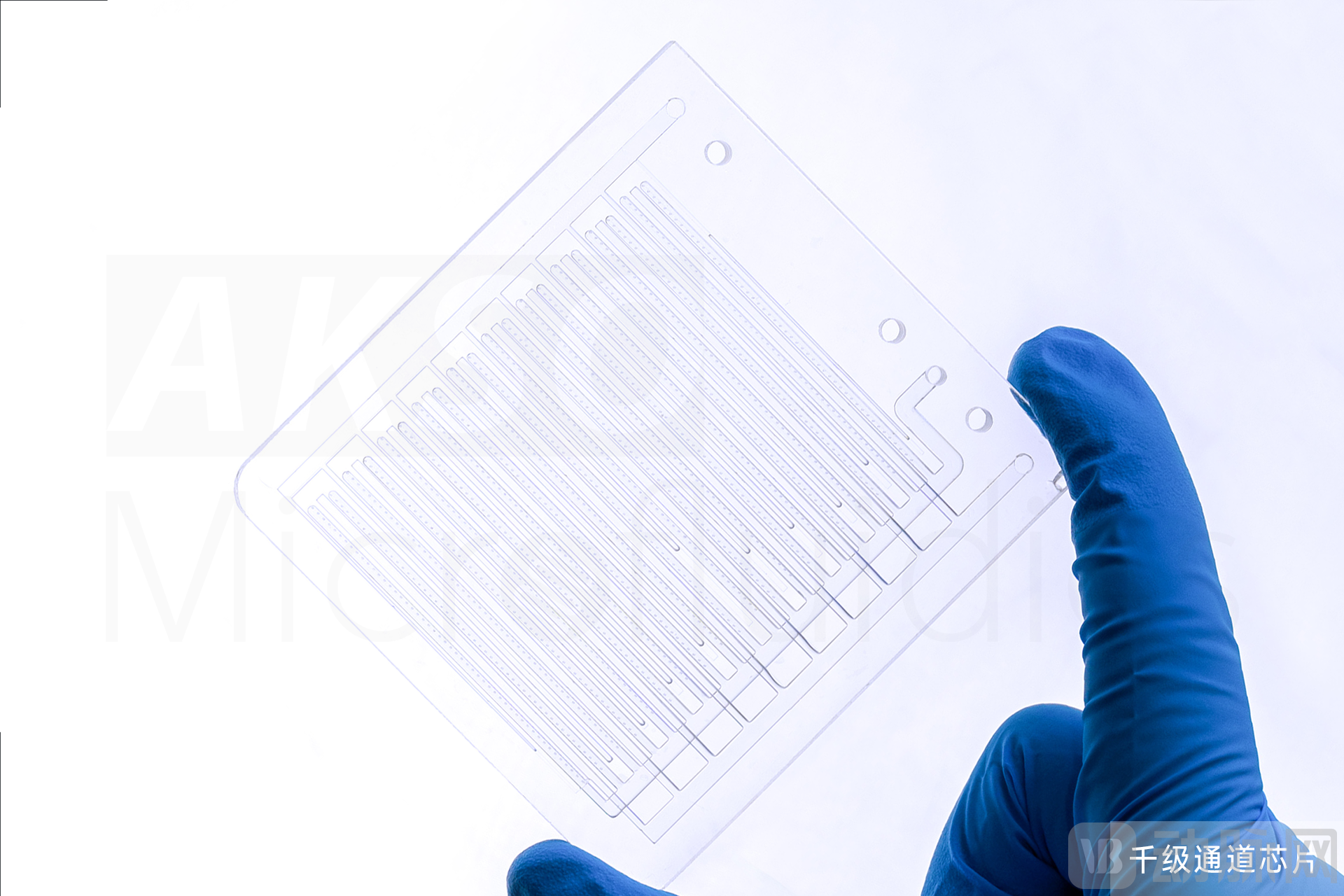
Acasobio aims to unlock a broader range of application scenarios and achieve true industrial-scale production by leveraging its independently developed ultra-high-throughput microfluidic chip technology. The company seeks to strengthen external collaborations, utilizing innovative high-performance microsphere manufacturing processes to further extend product offerings in the pharmaceutical and medical aesthetics microsphere sectors, working alongside CDMO companies and partners interested in high-performance microspheres.
Looking to the future, Acasor Bio will further expand its ultra-high-throughput microfluidic chips, first by expanding in the dimensional scale to achieveFull-Scale Coverage from Micro to Meso. Second, the expansion of chip depth,Committed to Higher Integration, to unlock more industrialized scenarios. Third is research and developmentMore biological and chemical preparation, fermentation, and synthesis systems to unlock more application scenarios。
“At present, microfluidics is widely used for detection in China, but no leading enterprise has yet emerged that applies it to intelligent manufacturing. In the future, we hope to become a leader in applying microfluidics to intelligent manufacturing, both domestically and internationally,” said Jiang Tao.