

WeDoctor Named as '2021 Yangtze River Delta Business Innovation Sample' for Digitally Transforming China's Healthcare System
Twenty Years After China’s WTO Accession, New-Economy Companies in the Yangtze River Delta Have Become a Key Engine of China’s Innovation-Driven Development. On November 10, the 4th Yangtze River Delta Business Innovation Conference and the Launch Event for “2021 Yangtze River Delta Business Innovation Case Studies,” themed “Pioneering Progress to Lead the World Forward,” was held in Shanghai.
Reportedly, the “Yangtze River Delta Business Innovation Model” project, launched in 2016, aims to uncover the secrets and spiritual drive behind corporate innovation, identifying core exemplars that represent China and serve as benchmarks of our times. As China’s largest digital healthcare platform, WeDoctor has been recognized as one of the 2021 Model Enterprises, alongside nine other innovative companies including Hengrui Medicine, Johnson & Johnson China, and Trina Solar, thanks to its continuous leadership and breakthroughs in the digital healthcare sector in recent years.
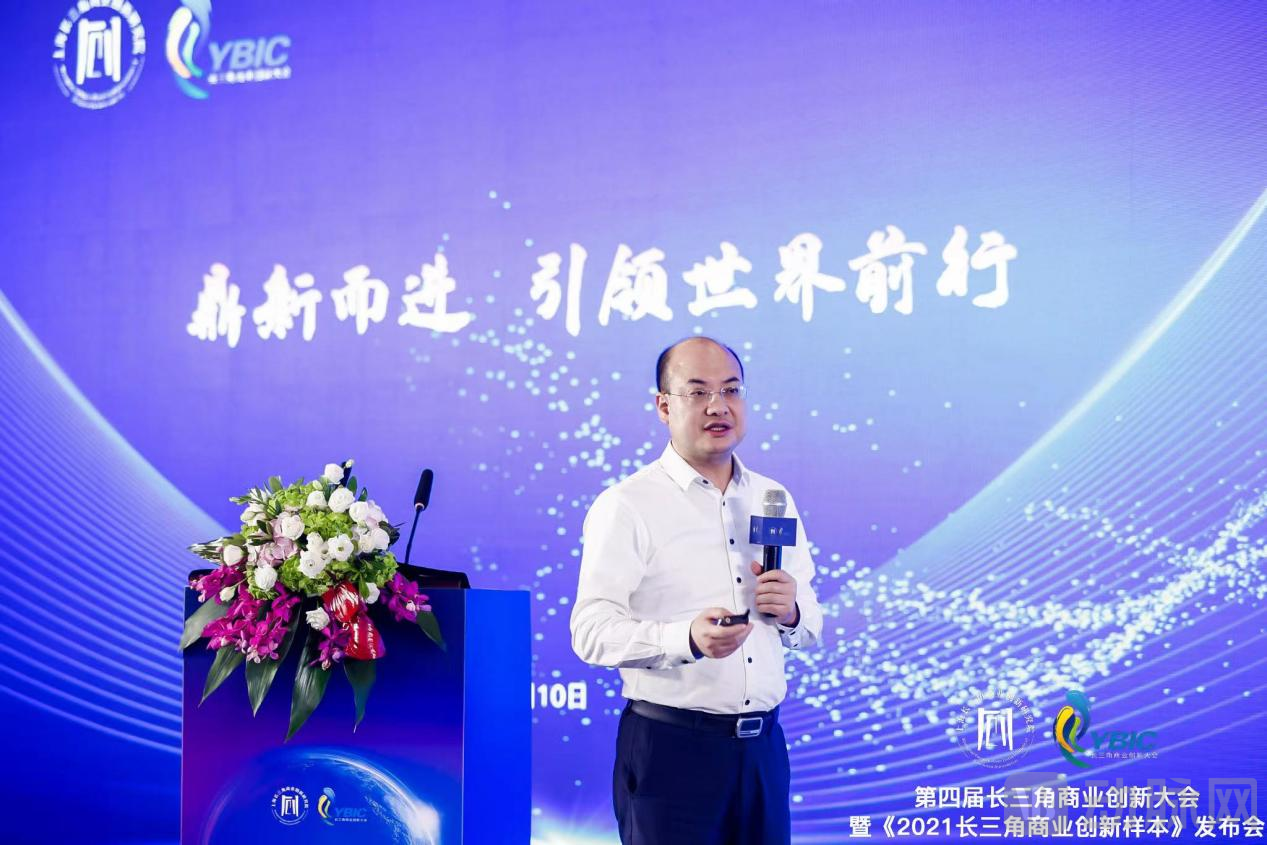 Liao Jieyuan, Chairman and CEO of WeDoctor Group
At the conference, nearly 100 distinguished experts and scholars, outstanding entrepreneurs, corporate representatives, and representatives of sci-tech innovation “unicorns” from industry, academia, research, government, and business sectors across the Yangtze River Delta gathered together. Among them were Ren Xiaowen, Full-time Vice Chairman of the Shanghai Federation of Social Science Circles, and Professor Zhang Wenhong, Director of the National Center for Infectious Diseases and Director of the Department of Infectious Diseases at Huashan Hospital Affiliated to Fudan University. They jointly explored the path of innovation for Chinese enterprises in the new era. As a representative of the 2021 Yangtze River Delta Business Innovation Model Enterprises, Mr. Liao Jieyuan, Chairman and CEO of WeDoctor Group, was invited to deliver a keynote speech, sharing WeDoctor’s innovative explorations and practices in promoting the upgrading of healthcare services through digitalization and intelligence.
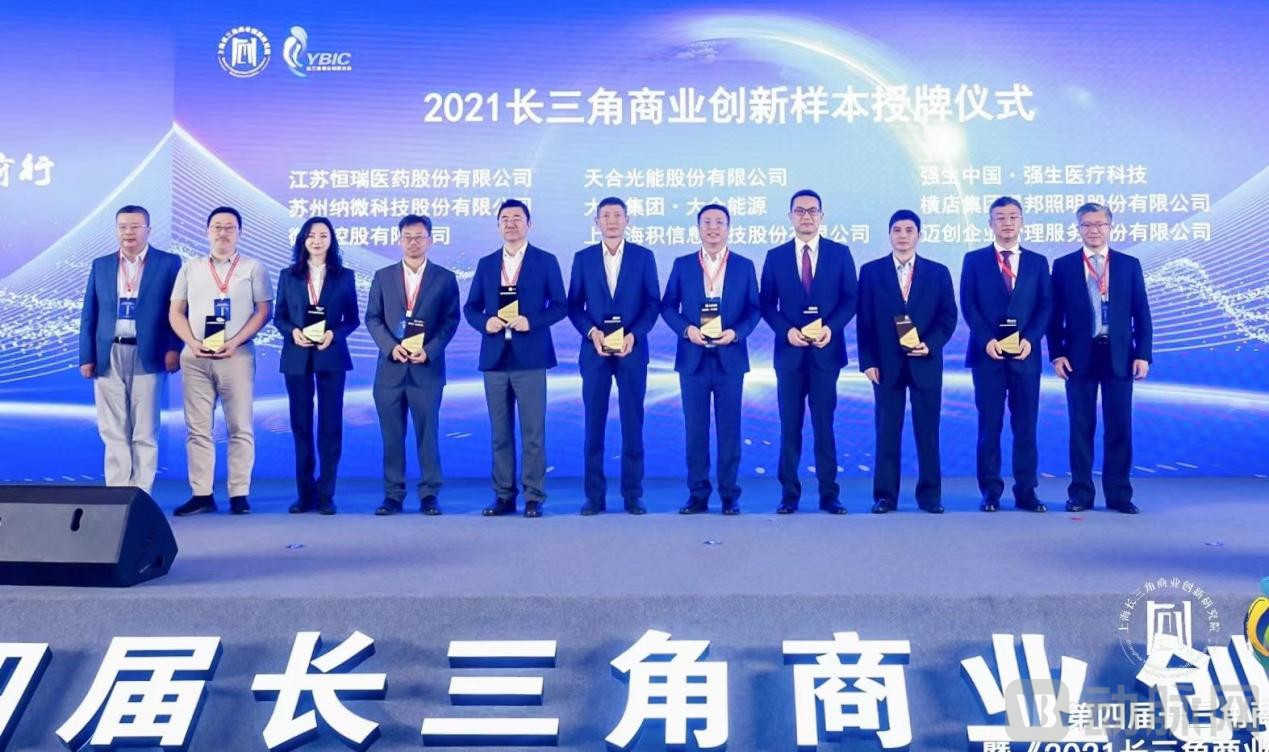 2021 Yangtze River Delta Business Innovation Sample Awarding Ceremony
At the conference, Liao Jieyuan pointed out that China’s healthcare sector has long grappled with numerous pain points, including “uneven” distribution of medical resources, “irrational” medication use among the general public, and “ineffective” health insurance payment methods. These issues have contributed to difficulties and high costs in accessing medical care for patients. In response, China’s decade-long “Three-Medical Linkage” new healthcare reform initiative has been specifically designed to address these three persistent challenges.
On June 30, 2020, the 14th meeting of the Central Committee for Comprehensive Deepening Reform proposed that great importance should be attached to the application of next-generation information technology in the healthcare and pharmaceutical sectors, so as to reshape management and service models, optimize resource allocation, and enhance service efficiency.
This has charted the course for the integrated development of digitalization and healthcare in China. Over the past decade, digital health practitioners such as WeDoctor have continuously explored pathways for the digital upgrading of healthcare service systems across medical care, pharmaceuticals, and insurance sectors.
Particularly in the field of digital medicine. In late 2015, WeDoctor established China’s first internet hospital—the Wuzhen Internet Hospital—pioneering online prescriptions, online follow-up consultations, and remote consultations. Today, there are more than 1,700 internet hospitals across China. To extend internet-based medical services to the grassroots level, in 2017, leveraging its internet hospital platform, WeDoctor helped regions such as Jia County in Henan Province build a three-tiered intelligent tiered diagnosis and treatment system encompassing county, township, and village-level medical institutions, empowering primary care facilities through a novel “vehicle, kit, and station” model.
Through multi-party exploration, the digital healthcare ecosystem continues to upgrade.
In 2019, the Tai’an Municipal Government in Shandong Province entered into a strategic partnership with WeDoctor to jointly establish the Tai’an Digital Health Community and China’s first internet hospital dedicated to chronic disease management. This collaboration pioneered innovative “Internet + Medical Insurance + Healthcare + Pharmaceuticals” services for chronic disease management. Subsequently, the “Tai’an Model” was gradually replicated and implemented across all 16 prefecture-level cities in Shandong Province. In 2020, in Tianjin, the Tianjin WeDoctor Internet Hospital took the lead in coordinating with 266 primary healthcare institutions across the city to form the Primary Care Digital Health Community. By leveraging the “Four Clouds” platform—comprising Cloud Management, Cloud Services, Cloud Pharmacy, and Cloud Diagnostics—alongside standardized offline chronic disease management centers, they established a Health Maintenance Organization (HMO) system that provides comprehensive health coverage throughout residents’ entire life cycles and all stages of health.
In fact, digital healthcare has not only facilitated the reshaping of the medical service system but also pioneered new models for public health and medical emergency response, actively fulfilling corporate social responsibility and driving industrial value creation. Tao Hong, Senior Vice President of WeDoctor Group and Executive Deputy Dean of the Zhejiang University International Innovation Research Institute, introduced that at the onset of the COVID-19 outbreak, WeDoctor launched the “Real-Time Assistance Platform for COVID-19,” opening up an “aerial battlefield” in the fight against the pandemic. Following the outbreak in Shanghai this March, WeDoctor joined forces with multiple stakeholders to create the “Shanghai Emergency Platform for Medical Care and Medication,” rapidly addressing bottlenecks and barriers residents faced in accessing medical services and medications during the epidemic. Currently, it has taken the lead in piloting a “peace-and-epidemic combined” healthy community solution in Zhejiang Province. Tao Hong stated, “We hope to collaborate with industry peers to consolidate digital capabilities, innovate community health service scenarios, and build an open, integrated, innovatively interactive, and sustainably developing community-based HMO innovation model.”
Digital innovation in the pharmaceutical sector has also made significant progress over the past period.
According to Liao Jieyuan, WeDoctor has provided full-process digital platform support for healthcare reforms, from Sanming to the nationwide level. Notably, Haixi Pharmaceutical Trading Center, a subsidiary of WeDoctor, constructed the National Healthcare Security Administration’s national platform for drug and medical consumable procurement in 2017. It was also exclusively commissioned by the Sanming Procurement Alliance to conduct cross-regional joint procurement of drugs and medical consumables, accumulating a transaction volume exceeding RMB 330 billion, making it one of China’s largest pharmaceutical trading platforms. In the field of Traditional Chinese Medicine (TCM), WeDoctor established the Shandong Bianque TCM Health Industry Group, a digital innovation consortium for the TCM industry. This initiative integrates upstream planting bases and production resources to enable direct supply of authentic herbal materials and refined decoction pieces. Downstream, leveraging TCM medical consortia, it promotes the large-scale industrialization of TCM product series and hospital preparations, achieving a closed-loop layout of the TCM industry chain through its “one body, two wings” strategy.
In October 2021, the Leading Group for Deepening Healthcare Reform under the State Council issued the “Implementation Opinions on Further Promoting the Experience of Sanming City, Fujian Province, and Deepening the Reform of the Pharmaceutical and Healthcare System” (Guo Yi Gai Fa [2021] No. 2). The document mentioned “advancing the development of medical consortia” 16 times, emphasizing the need to strengthen performance evaluations of medical consortia centered on “people’s health” and to explore global budgeting for medical insurance funds.
The healthcare service system, once “treatment-centered,” now stands at a crossroads of transformation, with the establishment of “health-centered” Health Maintenance Organizations (HMOs) and the achievement of efficient health management for the entire population becoming the direction guided by national policy.
Liao Jieyuan believes that the WeDoctor Digital Health Community will help China overcome the challenges of its vast territory and uneven distribution of medical resources, thereby promoting the reform of medical consortia toward a “health-centric” model. This approach aligns closely with international accountable care models, while the “Digital Health Community,” exemplified by Tianjin, is propelling medical consortia into the 3.0 era. As the world’s largest unified market and most populous nation, China is poised to demonstrate a trend of lower investment and faster development compared to UnitedHealth Group or other countries’ healthcare systems, driven by digitalization. This may represent a significant opportunity for China to achieve leapfrog growth in the healthcare industry under the new economic development paradigm of the “dual circulation” strategy.
In April 2022, the Cyberspace Administration of China, the Ministry of Agriculture and Rural Affairs, the National Development and Reform Commission, the Ministry of Industry and Information Technology, and the National Administration for Rural Revitalization jointly issued the “Key Points for Digital Village Development in 2022.” With regard to the key tasks for developing “Internet + Medical Health,” the document explicitly stated, “Guide localities to explore the construction of grassroots digital health communities.” This marks the first time that the term “grassroots digital health community” has appeared in an official document issued by national ministries and commissions.
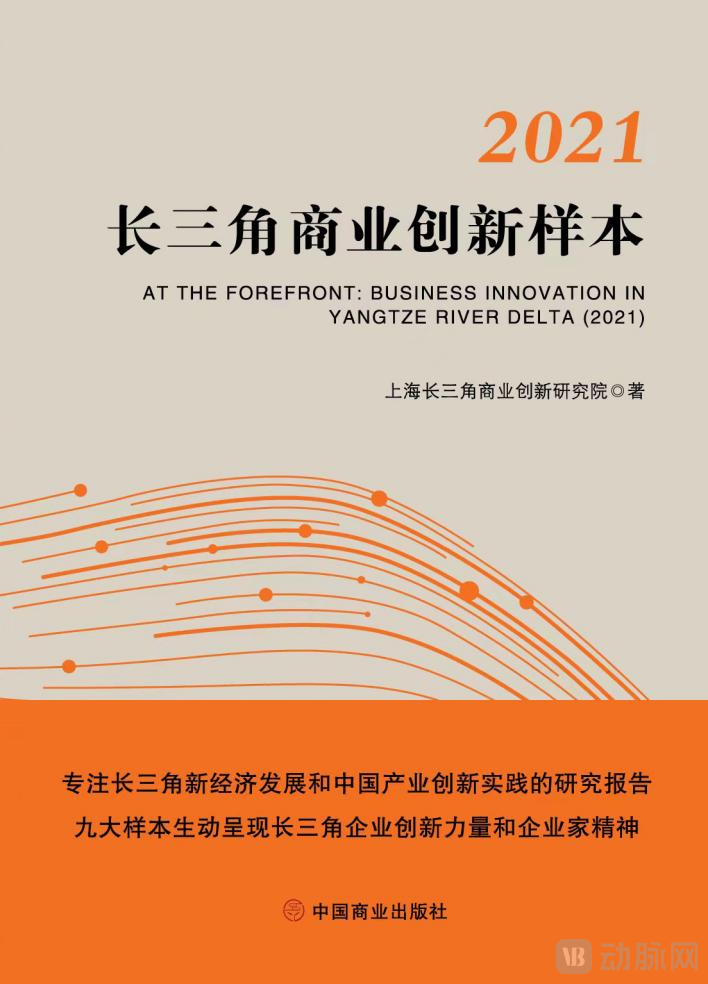
2021 Yangtze River Delta Business Innovation Case Studies
As can be seen, WeDoctor’s practices exemplify the characteristics of a “Model Case.” The Executive Committee of *Model Case*, published by the Shanghai Yangtze River Delta Business Innovation Research Institute, stated that these model enterprises nearly all compete collaboratively with the global market in an open marketplace. They have achieved innovations and breakthroughs unique to Chinese companies on Chinese soil, demonstrating innovative qualities and developmental advantages. Their practices reflect organizational and cultural advancement, as well as forward-looking strategic layouts informed by keen insights into the times and industry trends, thereby validating value-driven philosophies and operational wisdom that transcend the present moment.
Director Zhang Wenhong stated that while the success of sample enterprises may be coincidental, the traits they exhibit are inevitable and shared—namely, continuous innovation, collaboration, and integration. This process entails significant uncertainty but also holds the potential to unleash a future more promising than can be imagined.
Without the drive of technological innovation, it is difficult for business model innovation to iterate and achieve long-term success. Lu Xiongwen, Dean of the School of Management at Fudan University and President of the Shanghai Yangtze River Delta Business Innovation Institute, stated that as the most important base for scientific and technological innovation in China, the Yangtze River Delta region possesses strong vitality. Therefore, it is even more critical to advance technological innovation and business innovation in tandem, driven by both technology and management. This dual-engine approach serves as the foundation and a key driver of the Yangtze River Delta’s integration process, and represents the core strategy for achieving genuine regional integration.
Wu Xiaobo, Director of the Faculty of Social Sciences at Zhejiang University, remarked in *Yangben* (The Sample) that the path entrepreneurs must take should be closely aligned with the nation’s destiny, the fate of humanity, and the trends of technological development. This is a key factor enabling Chinese enterprises to fully leverage China’s advantages, rapidly take the lead, and sustain their development momentum and long-term viability.
Wu Xiaobo further stated that as a pioneer in digital healthcare, WeDoctor’s innovative “Internet+ Healthcare” model stands at the forefront of China’s digital health industry. Whether evolving from standalone internet hospitals to internet-based medical consortia, and further to tightly integrated internet medical consortia—known as Digital Health Communities—that are people-centric, leverage medical insurance payments, utilize digitalization as a tool, and are driven by health accountability systems; or through digitally reconstructing the primary care service ecosystem to promote the equitable optimization of medical resources and empower the realization of “benefits for the government,” “benefits for healthcare providers,” and “benefits for the public,” WeDoctor has closely aligned its mission of innovative development with the national and global health missions. By organically integrating the innovation chain with the industrial chain, it has formed an ecological “Innovation Community,” thereby establishing sustained competitiveness and high growth potential.