

Invisible Orthodontics Amid Industry Rationalization: Breaking Through for Sustainable Growth
Since the outbreak of the COVID-19 pandemic in early 2020, the oral care industry has undergone successive waves of fluctuations, with long-term scale growth shifting into a slower gear.
Market-wise, with the end of the demographic dividend and the recurring impact of the pandemic, economic growth has slowed down, consumer willingness among residents is generally lacking, and the prosperity of the upstream, midstream, and downstream sectors has declined across the board.
The stock prices of leading dental companies, including Topchoice Medical, Arrail Group, and Angelalign, have continued to fall. As the hype subsides, investors are beginning to reevaluate the industry. The sectoral bubble generated by the market’s explosive growth will inevitably be largely deflated and eliminated.
In terms of policy, as the volume-based procurement (VBP) model becomes increasingly mature and is implemented on an institutionalized and regularized basis, calls for including upstream dental medical consumables in centralized procurement have grown louder, with initial implementation underway under the promotion of the National Healthcare Security Administration. Following the finalization of VBP for dental implants, non-insurance-covered centralized procurement has now directly targeted orthodontics.
Amid the dual challenges of policy and market forces, the entire industry appears to have fallen quiet, with current anxieties and future uncertainties permeating the silence. Nevertheless, it is undeniable that the dental industry, particularly in the field of clear aligner orthodontics, still boasts substantial overall scale and potential.
The key question at this juncture is: Who can provide a much-needed boost to the market? What essential conditions should “this boost” meet?
Around 2010, China’s clear aligner market rapidly emerged as a new subsegment of the Chinese orthodontics market. The market size grew from USD 200 million in 2015 to USD 1.5 billion in 2020, representing a compound annual growth rate (CAGR) of 44.4%, and propelling China to become the second-largest clear aligner market globally.
Due to the high competitive barriers, low market penetration, and significant growth potential in the clear aligner orthodontics sector, a substantial amount of capital and entrepreneurs have flocked into this space.
Research by Zhongtai Securities shows that as of January 2021, there were 125 valid registration certificates for clear aligner orthodontic products in China, held by 104 companies. This means that more than 100 companies have obtained registration certificates for clear aligner orthodontic products.
However, since the beginning of 2022, the clear aligner industry has undergone subtle changes.
First, the recurring outbreaks have had a significant impact on the operation of dental clinics.. The expansion of large dental chain institutions has slowed, and a large number of small and medium-sized dental clinics have already closed or are on the verge of shutting down.
Second, the centralized procurement of orthodontic products has, to some extent, impacted clear aligner therapy.This has been confirmed in the primary market. Angelalign, the “first stock of invisible orthodontics,” has experienced a precipitous decline from its IPO debut last year, with its share price plunging more than 80% from a high of RMB 485.149 per share.
Third, the fundamental determinant of economic activity, “consumer sentiment,” has been dampened.. To a certain extent, this has affected the operations and profits of the current leading brands in clear aligner orthodontics as well as high-end clinics. It is evident that product prices from companies such as Invisalign and Angelalign have been declining year by year. However, whether this trend stems from passive adjustments or proactive strategic choices warrants careful consideration.
Currently, the challenges facing the two companies are immense. Only by lowering prices while simultaneously penetrating lower-tier markets can they expand their user base.
However, the challenges brought by price reductions are highly complex, often exerting negative impacts on teams, management, distribution channels, and user experience. Whether expectations of scaled expansion and profit growth can be met remains to be seen through sustained market attention and validation over the long term.
Perhaps the once-enviable invisible orthodontics market is still struggling to find the powerful force to support its continued development beneath its prosperous appearance. In other words, while pursuing long-term high-speed growth and meeting the needs of the capital market, has sufficient attention been paid to the company's own "fundamentals"?
Someone has to do the dirty and grueling work.
Amid the pandemic’s impact, a cautious mindset toward spending has spread under economic pressure, making ultimate cost-effectiveness an inevitable choice in the era of consumption downgrading.
Kaiyuan Securities pointed out that, due to the ratchet effect during a consumption downgrading cycle, the pursuit of quality formed by long-term consumption upgrading will not decline sharply. Some consumers are more willing to pay a premium for design and functionality rather than for pure brand value.
At this critical juncture, clear aligner companies have a significant opportunity to capture the new market space created by price reductions from industry leaders such as Invisalign and Angelalign, and even disrupt the market landscape, by developing higher-quality products and establishing novel, differentiated competitive advantages.
However, having the opportunity to achieve something does not equate to having the capability to do so. Emerging brands are also facing significant challenges:
1. Solid foundational capabilities and stable, mature products.First, consider the timeframe. The clear aligner industry is a classic example of “slow work yields fine results”; it is difficult to demonstrate product efficacy without at least five years of data.
Furthermore, volume is a critical metric; surpassing 10,000 cases serves as a threshold and a key factor in evaluating the long-term viability of products and services. In this regard, Meilike, the clear aligner brand under Beijing Tiejia Medical Devices Co., Ltd., has served over 100,000 orthodontic patients since its establishment ten years ago.
Digitalization is also a fundamental competency in clear aligner therapy. In recent years, digital orthodontics in China has advanced rapidly, primarily reflected in improvements in design efficiency, clinical feasibility, and management efficiency.
From 2015 to 2022, the United States made substantial investments in research and development, achieving comprehensive, high-level digitalization, informatization, and intelligentization.
2. Technological Breakthroughs in Raw Materials. Membrane material is a "chokepoint" technology in the clear aligner industry, which has long been constrained by Germany and the United States.
To truly establish itself as China’s leading brand, Meilike must prioritize breakthroughs in core technologies. Meilike has already taken the lead by achieving significant advancements in diaphragm technology, launching ten types of diaphragm materials with varying performance characteristics, and collaborating with nearly ten top domestic and international experts in materials science and orthodontics on dozens of research projects. These efforts will ultimately translate into enhanced product offerings and greater value for Meilike’s users in the future.
Third, in-house production across the entire industry chain, particularly the research and development and application of automated systems.. The new smart factory put into production this year by Meili is already approaching the “lights-out factory” model. It not only enables fully automated and standardized production, including data analysis input, automated film pressing, robotic cutting, and robotic sorting and packaging, but also ensures that product consistency and quality have reached international standards.
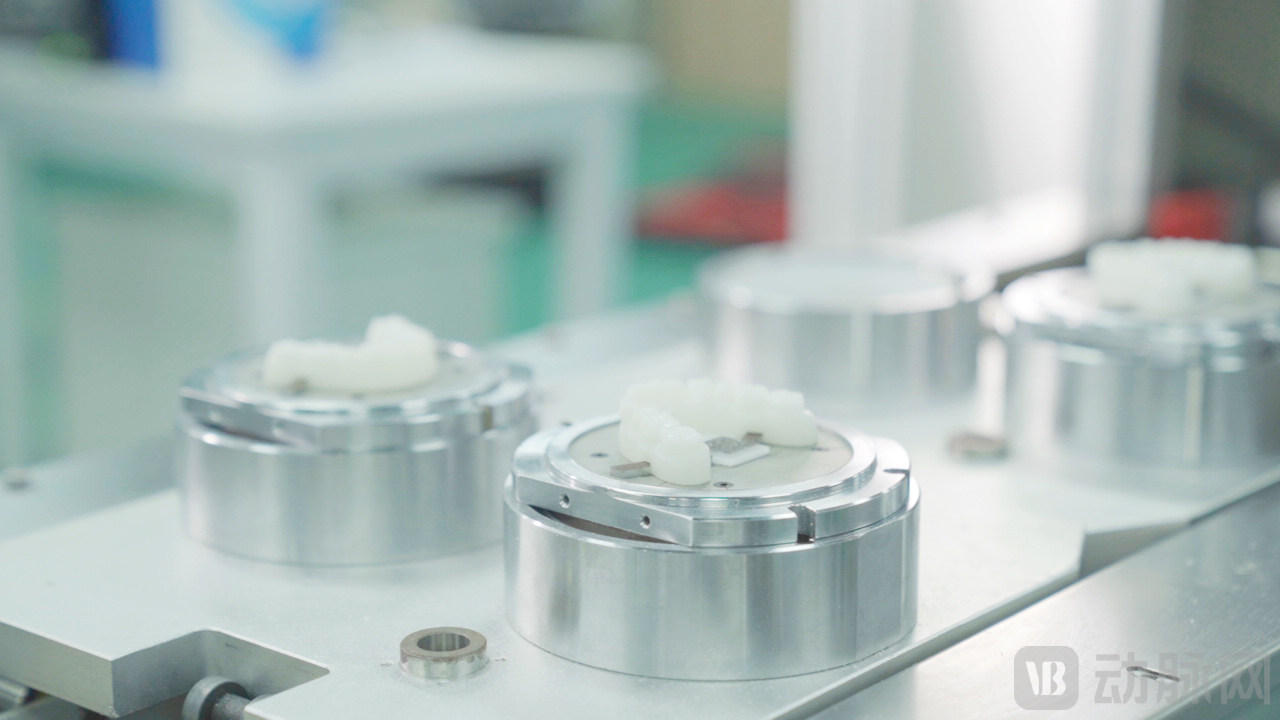
Meili Automated Production Center
Fourth, a professional design teamThe Likelai Medical Design Team is led by experts from Peking University School of Stomatology and comprises professional dentists with extensive clinical experience. Among them, attending physicians and master’s degree holders account for 28%, while bachelor’s degree holders in stomatology make up 56%, thereby maximizing the assurance of the highest quality in medical treatment plans.
Meanwhile, Meilikai has collaborated with numerous renowned experts to embed their design philosophies into AI systems, enabling general practitioners to rapidly master and apply these expert insights, thereby benefiting a broader patient population.
5. Channel Capabilities. Meilike has immediately established a sales network covering more than 2,000 cities across China, making it the enterprise with the most extensive coverage in the industry and better suited to the vast geographical market conditions of China. With nearly 2,000 sales personnel nationwide, Meilike can provide physicians with more personalized and efficient services.
6. Physician Training. China has approximately 200,000 dentists, and Meilike has provided offline training to over 80,000 of them. The “Meilike China Tour” orthodontic academic exchange program has visited 30 provinces across China, covering 466 regions nationwide, with more than 3,000 events held to date.
This has laid the foundation of a user base for the future development of the industry, and Meilike will accompany this group as they rapidly grow into core physicians specializing in clear aligner therapy.
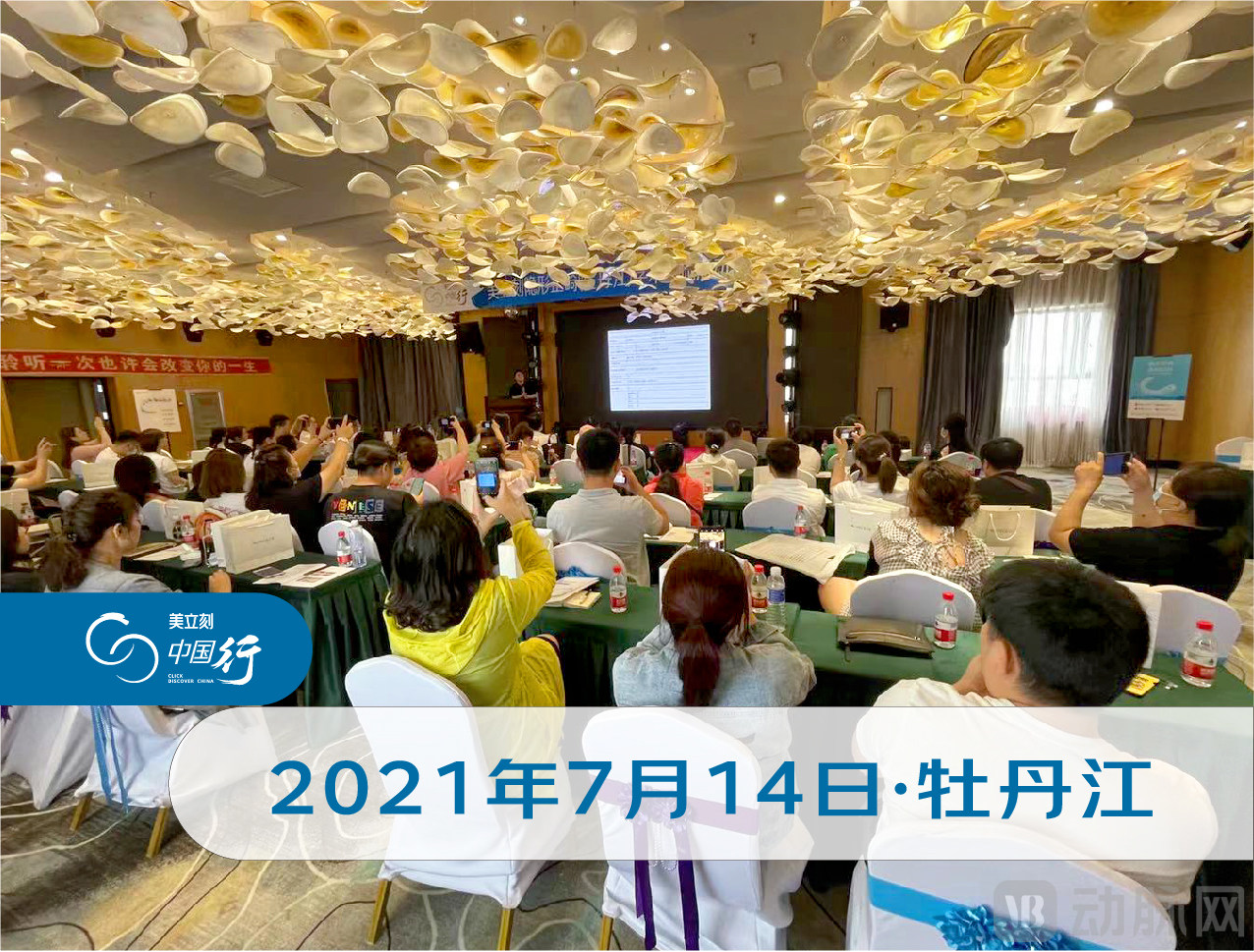
“AlignTech China Tour” Orthodontic Academic Exchange Event
Invisible orthodontics is a typical R&D-driven sector, but while overcoming technical challenges, Meilike has also devoted significant effort to differentiating its products and services.
Product Aspects, Meilike has promptly designed and developed a diverse range of aligner products to meet varying orthodontic needs, gradually establishing a comprehensive product portfolio that includes Meilike Classic, Meilike Alpha, Meilike Master, and Meilike Teen. The aligner trays have transcended single-material limitations, offering high versatility.
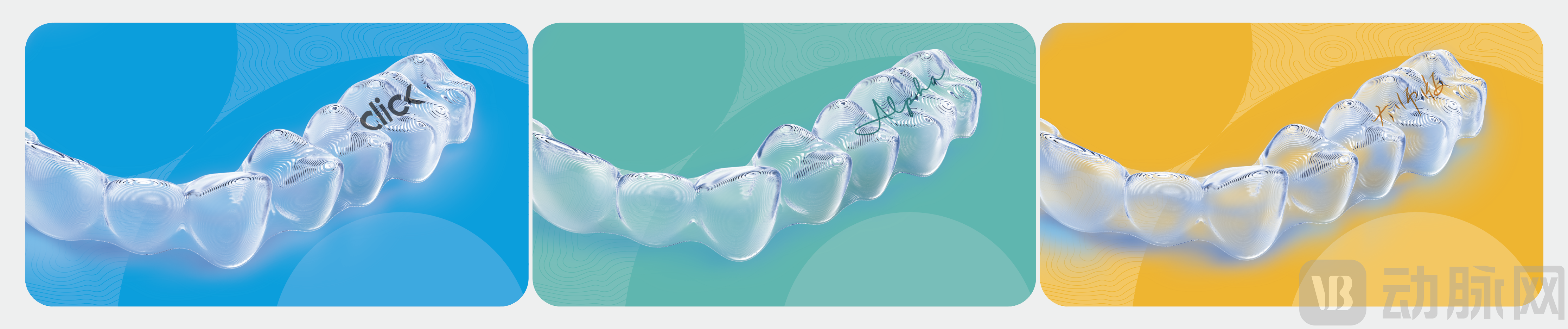
Mei Li Ke Partial Orthodontic Appliance Products
Service Aspect, Mei immediately engages top-tier medical teams in product R&D and design services, with all designs completed by full-time dentists. Each dentist has a dedicated offline and online service team to address all clinical needs at any time, which is one of the most needed services for Chinese dentists.
Following the logic that “volume growth is more difficult than price growth” amid weak consumption, companies with pricing power are more likely to achieve growth, driving expansion through brand upgrading and price-led strategies.
We observe that Meili Ke has completed its brand strategy upgrade early this year, achieving full coverage of products and brands across high-, mid-, and low-end segments, while ensuring optimal therapeutic efficacy for each specialized product.
In the future, Meilike will steadfastly uphold its service philosophy of “Quality First, Customer First” and continue to expand its market by focusing on three key strategic directions: first, collaborating with specialized dental institutions and orthodontic experts in research, clinical practice, and brand building; second, deepening its expertise in medical-grade polymer raw materials, intelligent manufacturing, and medical intelligence; and third, developing differentiated product brands and services to ensure the highest cost-performance ratio.
Tian Lei, founder of Tiejia Medical & Meilike, told VCBeat: “In our industry, it’s a case of advance or retreat. This is especially true when technological advancements and revolutions are occurring constantly and user demands are undergoing significant changes; those who are more agile and adaptable will grow faster. Overall, the penetration rate of the clear aligner market remains very low, and the competitive landscape is still unsettled. More dark horses are likely to emerge, bringing both new vitality and challenges to the industry.”
Tian Lei also shared in an article that the scale and potential of the oral care market are objective realities that will not change. However, only those who can press forward against the headwinds will be able to uphold the future of this industry. “No construction without destruction” is a fundamental principle for governance optimization and represents new reflections for the sector in the post-pandemic era. Only by recalibrating one’s own position can companies avoid reckless growth and face the future without fear.
Let’s encourage each other!