

Tsing Innovation Capital Files IPO Prospectus After a Decade of Pioneering Early-Stage Hard Tech Investments

Tsinghua Innovation Ventures
Professional Investment Institutions for Industrialization of Scientific and Technological Achievements
In 2022, Tsinghua Innovation Ventures marked its tenth year of commitment to technology transfer and investment in hard-tech.
Since its establishment in 2012 and the strategic focus on investing in hard-tech achievements from scientific research, Tsinghua Innovation Ventures has spent a decade witnessing the emergence and development of technology transfer and hard-tech investment in China. Starting from scratch, the firm has invested in nearly 100 hard-tech projects, more than 30% of which were founded by scientists.
Over the past decade, domestic technology investment trends have undergone a seismic shift. It is precisely through the perseverance of firms like Tsinghua Innovation Ventures that early-stage hard-tech investment has moved from the sidelines to the spotlight.
Looking back, it was perhaps Wu Yong’s genuine faith in and passion for technological innovation that drove him to establish Tsinghua Innovation Ventures. It is worth noting that hard-tech innovation was not the mainstream investment focus at the time.
Those years seemed to belong to the internet. Internet startups of all sizes sprang up across China, and the rapid rise of Meituan and Ele.me revealed lucrative opportunities, prompting investment firms of all scales to rush in.
In an era marked by the frenzy of industry-wide internetization and mass entrepreneurship, the establishment of Tsinghua Innovation Ventures by the Industrial Technology Research Institute of Tsinghua University appeared somewhat “out of step” at the time. The fund seemed to run counter to the prevailing investment trends, as it focused exclusively on early-stage, hard-tech projects with high technical barriers originating within universities.
“Our original intention was simple: Tsinghua University boasts China’s top talent in science and engineering, and we aimed to select the best of the best from its achievements,” said Yan Yi, Managing Director at Tsinghua Innovation Ventures. He joined Tsinghua Innovation Ventures in 2015. With a background in computer software from Tsinghua University, he transitioned into early-stage hard-tech investment, focusing on healthcare investments. He led investments in multiple projects, including Tupai Medical, Saiqiao Biology, Qingyuan Kaiwu, Aoda Zhisheng, Chaomu Technology, Huawei Hengyuan, and Keluosi Biology.
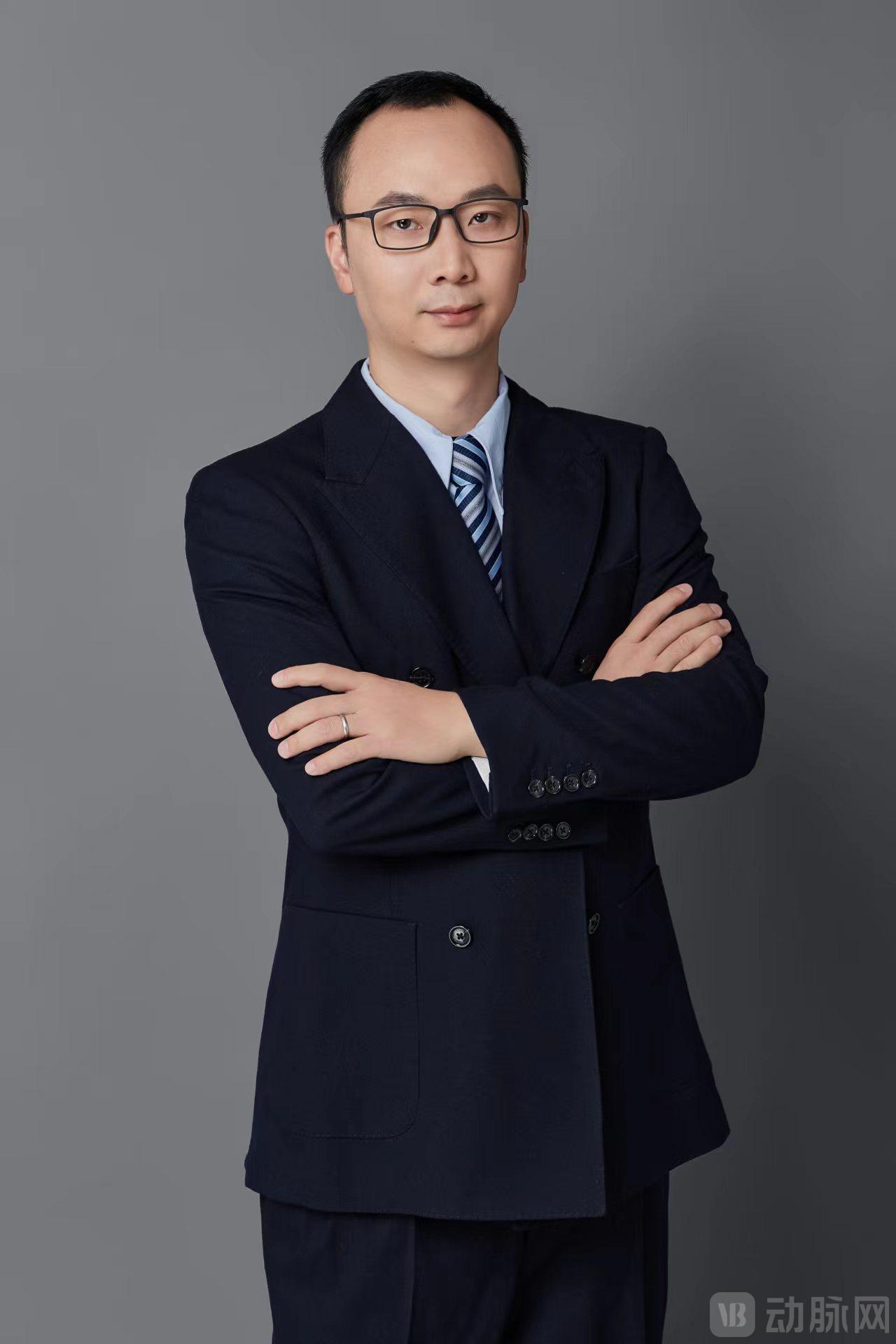
Yan Yi, Managing Director of Tsinghua Innovation Ventures
From the perspective of 2022, early-stage investment in hard technology is both a frontier and a trend. However, this occurred in 2012, nearly a decade ahead of its time. At that point, no one had validated the incubation cycle for early-stage hard-tech projects; it was only known that the cycle was exceedingly long—so long that there were no benchmarks to reference.
But when it came to the difficulties of the early stage, Yan Yi simply summarized them with the four words “not easy.”
Despite its affiliation with the Industrial Technology Research Institute of Tsinghua University, Tsinghua Innovation Ventures remained a market-oriented fund that needed to raise capital from the market. However, limited partners (LPs) were largely unfamiliar with early-stage technological concepts, and most preferred to invest in sectors such as the internet, which offered shorter cycles and quicker returns. Furthermore, at that time, the “Law on Promoting the Transformation of Scientific and Technological Achievements” had not yet been enacted, and Tsinghua University’s internal mechanisms for technology transfer were still imperfect. The first fund of Tsinghua Innovation Ventures was raised under these adverse conditions.
“We ultimately identified a group of LPs who have considerable trust in Tsinghua, possess a solid understanding of technology, and come from backgrounds in hard tech. Throughout this process, we received substantial support from our affiliated entities,” added Yan Yi.
Clearly, Tsinghua Innovation Ventures has not disappointed its limited partners (LPs). Companies such as Sinohytec, PINS Medical, Langshi Instruments, Jetson Voice, Huazhuo Jingke, and Daqing Biology, which were invested in during 2012, have now become industry leaders. Once-overlooked sectors such as hydrogen energy, neuromodulation, and semiconductors are now highly sought after.
Behind this lies Tsinghua Innovation Ventures’ decade-long strategic layout and steadfast companionship.
“Focus on the cultivation, not the harvest.” This is Yan Yi’s reflection after years of investing in early-stage hard tech: “No one knows what the future holds; we simply believe the endeavor is worth pursuing.”
If one must identify replicable lessons from their success, Yan Yi attributes it to sufficient patience and effort. They studied extensive overseas experience in translational investment, sought strategies to localize these international practices by researching the differences between China and the United States.
On the other hand, with the assistance of the Tsinghua Industrial Research Institute, the team at Tsinghua Innovation Ventures has been refining and discussing methodologies and logic for project screening, while engaging in extensive communications with professors at Tsinghua University to identify scientific achievements worthy of commercialization. Through these interactions, they have also established long-term trust-based relationships with scientists. With a sufficient understanding of technology and industry dynamics, value investment has been redefined:
1Technological Foresight Judgment
Change is the eternal law of the times. To maintain forward-looking judgment on technology amidst change, one must not only sustain long-term attention to cutting-edge technologies but also accurately capture policy directions both domestically and internationally.
As one of the pioneering groups of investors, Tsinghua Innovation Ventures sometimes finds itself in a solitary position, needing to identify market opportunities ahead of others. In this process, there may be no precedents for understanding policies, making forward-looking technological judgments, or predicting industry trends. Accurate predictions are often the result of diligent effort behind the scenes.
2Are the Core Highlights Prominent?
Investors may share a common understanding that perfect projects are rare. As an early-stage investor, Tsinghua Innovation Ventures often encounters projects with various issues or even flaws in their early stages. In Yan Yi’s view, rather than fixating on these shortcomings, it is more productive to identify the project’s core strengths and assess whether they are sufficiently prominent.
“For instance, we place greater emphasis on the technical aspects, focusing on whether a company’s core technologies possess a monopolistic advantage.” Yan Yi stated that he prefers to use one term to accurately describe this advantage: “dimensionality reduction attack.”
Of course, beyond technological advancement, the commercial value of the technology itself is equally important. Some technologies have high barriers to entry but remain some distance from commercial application. “The upstream and downstream ecosystems have not yet matured, making commercialization difficult,” he stated. For such projects, Tsinghua Innovation Ventures adopts a strategy of long-term monitoring.
3Unwavering Determination
“From our perspective, the focus lies on the scientists themselves.” He stated, “Whether they have sufficient determination to pursue translation is crucial.”
Researchers have a variety of career paths to choose from, ranging from academia and administrative management to technology commercialization. The choice of career path also influences the approach to commercializing research outcomes—whether to see the process through personally or to find partners to lead the company. Although most investors in the industry are skeptical about scientist-led projects, numerous successful cases have shown Yan Yi that many researchers are highly willing to learn the ropes of commercialization; perhaps what they need is time to digest and understand it.
“In the early stages, everyone had different perspectives. Researchers placed greater emphasis on innovation, while commercialization was a realm they had not previously encountered,” said Yan Yi. Throughout this process, Yan Yi believes that investors should provide more guidance and patience, allowing researchers time to digest and understand, so they can find an approach that truly suits them.
Compared with foreign countries, China’s professional manager system is not well-established, and it is slow and time-consuming for researchers to identify core business and operational leaders. In contrast, researchers in China face greater challenges when starting businesses. For this reason, the ultimate test of technology transfer lies in the determination of the researchers themselves.
4Focus on Long-Term Social Value
“At the fund level, we place greater emphasis on the long-term social value of projects and their alignment with national development needs,” stated Yan Yi. He noted that amid market volatility and uncertainty, a focus on social value and national needs serves as a cornerstone for risk resilience.
Between 2012 and 2018, driven by policy and market forces, Tsinghua Innovation Ventures identified opportunities for domestic substitution in the healthcare sector and invested in representative projects such as PINS Medical, Langshi Instruments, and Topcon Medical. Since 2020, recognizing the significant industry shifts in the post-pandemic era, the firm has adjusted its strategy to focus on global innovation and original R&D, aligning its investment direction with societal needs.
“In the past, everyone was quite conservative, and we focused on investing in domestic alternatives; now, against the backdrop of centralized procurement, we have increased our investment in original innovation,” he stated. “Centralized procurement” and the “pandemic” have intensified competition within niche medical sectors, where a dozen companies can rapidly emerge in a single subfield—placing immense pressure on investors.
As some investment firms are forced into intense “involution,” Tsinghua Innovation Ventures has chosen to focus on innovations with higher barriers to entry. They have observed the gaps in upstream foundational materials and life science instruments following the development of the midstream application market, and have also noted the rising demand for CDMO services and processing technologies. As the midstream and downstream markets continue to rise, the value and demand of the upstream market will become increasingly prominent.
“This has been a key area of focus for us over the past two years. Particularly in the field of medical instruments, Tsinghua University holds significant advantages, and we have made strategic investments in instrument segments with rigid demand.” He revealed, “In summary, our strategy centers on high-tech innovation and high-barrier ‘substitution.’”
This investment logic inevitably leads Tsinghua Innovation Ventures to invest earlier and in more cutting-edge ventures than others. While large capital firms tend to flock to renowned scientists, Tsinghua Innovation Ventures focuses more on the intrinsic investment value of the technology itself, thereby backing many projects that were initially viewed with skepticism.
Take Saiqiao Biology as an example. Co-founder Shang Yuanfang graduated from Tsinghua University and was among the first batch of PhDs in microfluidics experimentation in China. His prior work experience did not include any background in the biopharmaceutical industry. Consequently, the company was initially viewed with skepticism at its inception.
What impressed Yan Yi was Dr. Shang Yuanfang’s enduring passion for and commitment to life sciences since her university years. This passion enabled Dr. Shang to transform herself from a layperson into an expert in an exceptionally short period of time.
“He would engage with shareholders and core technical personnel from downstream companies, sometimes scheduling meetings with six or seven different groups in a single day, which allowed him to rapidly build an understanding of the industry,” recalled Yan Yi.
At that time, through Professor Guo Xiaoliang, another co-founder of the company, Yan Yi gained a more concrete understanding of the commercialization prospects of the team’s core technology. One afternoon, after walking around Beijing University of Chemical Technology for more than three hours with Professor Guo, Yan Yi was once again moved by the team’s determination and confidence.
Meanwhile, a large number of downstream companies have also informed Yan Yi that the foundational manufacturing equipment for cell and gene therapy (CGT) has long been monopolized by imported brands, making domestic substitution seemingly inevitable.
Over the two years since investing in Saiqiao Biologics, the company has reported a string of successes: it secured multiple rounds of financing in succession, and its products are now on the verge of commercialization. With the support and impetus of Tsinghua Innovation Ventures, the localization of upstream equipment for cell and gene therapy (CGT) has taken its first step.
The moment Tsinghua Innovation Ventures committed to early-stage investments in hard technology, it meant that the firm would need to devote more energy to its portfolio companies. “We act almost like co-founding partners, but we are happy to do so,” Yan Yi described the post-investment work.
Taking Tupai Medical as an example, OCT technology has broad applications. At the time, the team was deliberating between focusing on dermatology and ophthalmology. During the investment in Tupai Medical, Tsinghua Innovation Ventures accompanied the team in conducting extensive research and interviewing numerous physicians. Ultimately, the company chose to target the ophthalmology sector—a market characterized by rigid demand, stronger clinical intervention, and significant potential for domestic substitution.
In the first year after obtaining product certification, Tupai Medical devoted substantial time and effort to building high-quality distribution channels and carefully selecting and cultivating distributors. As a healthcare partner at Tsinghua Innovation Ventures, who previously served as the head of China operations for a foreign medical device company, he brings extensive experience and resources in marketing and sales. Tsinghua Innovation Ventures has provided unwavering support across all aspects, ranging from product definition, commercialization strategy, and sales system establishment to distributor selection, as well as more granular matters such as regional manager recruitment and distributor management.
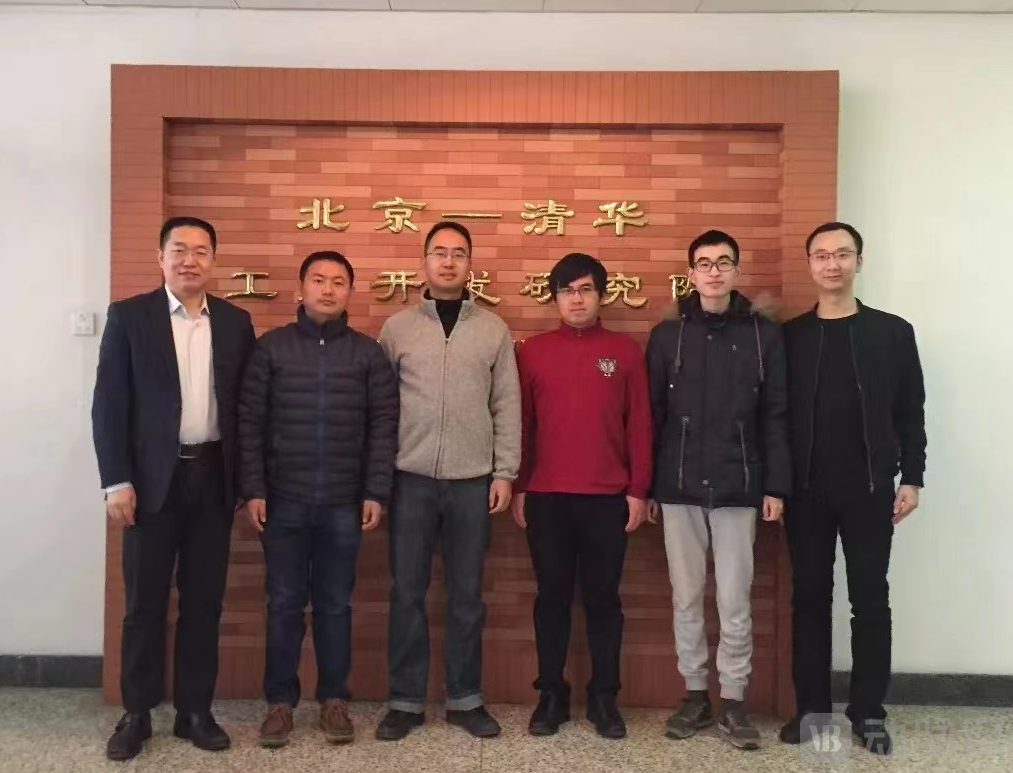
Yan Yi and Topray Medical
“I have an emotional attachment to the projects I’ve invested in,” said Yan Yi. To some extent, these technology-driven projects and Tsinghua Innovation Ventures have come together through a shared belief. Their discussions go beyond a company’s upstream and downstream operations, products, and industrial chain; they also explore the pathways and ideals by which Chinese innovation influences the world on the global innovation map.
Following the release of the newly revised national "Law on Promoting the Transformation of Scientific and Technological Achievements" in 2015, investment in hard technology began to gradually improve. With the opening of the Hong Kong Stock Exchange and the Beijing Stock Exchange, exit channels have become more diverse. Domestic investment trends have started to shift toward technology-focused investments, drawing unprecedented attention to the transformation of scientific achievements and hard technology investment.
The opening of capital markets has drawn increasing attention from investment institutions to the hard-tech investment sector. For early-stage projects, this means more choices and greater opportunities; the listing cycle has been shortened from the original 8–10 years to as little as 3–4 years. This serves as a significant encouragement to entrepreneurs and researchers, empowering them with greater courage to innovate.
However, embracing opportunities in the secondary market also means embracing risks. Compared with the primary market, the secondary market exhibits more pronounced volatility and higher frequency of fluctuations. Currently, such volatility in the secondary market is being transmitted to the primary market more significantly and rapidly.
“Many investment institutions adopt an integrated approach to monitoring both the primary and secondary markets, making them more sensitive to shifts in the dynamics of the secondary market,” said Yan Yi. These changes may directly influence their decision-making.
For early-stage investing, rising hype also means that project evaluation becomes more difficult. “Everyone knows that valuations for sought-after deals will inevitably be high, with a crowd rushing to snap them up,” he continued. If project evaluation in the earlier years was akin to discovering exposed ore deposits, then in the wake of the surge, it has become more like sifting sand for gold.
In the face of change, Yan Yi maintains an optimistic outlook. The essence of this shift lies in the favorable development of the landscape for hard-tech innovation. In response to the corresponding challenges, he believes in adhering to fundamental principles to navigate all uncertainties.
“From our perspective, the overarching strategy remains unchanged: we remain committed to investing in technological innovation, particularly technologies that create social value, and to maintaining a system of deep investment and services,” said Yan Yi. “While market conditions may shift and tactics may adapt, the long-term investment value remains constant.”
In addition to frontier technologies, Tsinghua Innovation Ventures has also begun focusing on the upstream and downstream segments of the industry chain in recent years, seeking untapped areas with rigid demand. From scientific research to industrial application, and then back from industry to research, a symbiotic cycle is formed. Perhaps this is the very essence of investment in the commercialization of scientific and technological achievements.