

Nalong Health Secures Industry's First 'Triple-Mode' AI ECG Class III Certification, Pioneering the Era of Intelligent ECG Interpretation

Nalong
Supplier of ECG and Electrophysiology Solutions
Recently, Nalong Health’s independently developed artificial intelligence product, the “Cardio AI ECG Analysis Software,” obtained a Class III medical device registration certificate from the National Medical Products Administration (NMPA). Reportedly, Cardio AI is the industry’s first “all-in-one” (resting, ambulatory, and real-time monitoring) AI-powered ECG analysis software.

The approval of Nalong Health’s Cardio AI signifies that the National Medical Products Administration (NMPA) has recognized the product’s safety, efficacy, and innovativeness. Functionally distinct from traditional single-category solutions, Cardio AI is a truly comprehensive artificial intelligence software for electrocardiogram (ECG) analysis.
Electrocardiogram (ECG) is a technique that uses an electrocardiograph to record the electrical activity changes generated by the heart during each cardiac cycle from the body surface. It is currently widely used for cardiovascular disease screening and assessment, as well as for health check-ups in healthy populations. Typically, cardiologists require at least 6–12 years of education and training. However, with over 300 million ECG examinations performed globally each year, many individuals at high risk for cardiovascular diseases in low- and middle-income regions are not effectively screened due to a shortage of experienced cardiologists, leading to delayed diagnosis and treatment. In China, there are nearly 330 million patients with cardiovascular and cerebrovascular diseases, yet fewer than 30,000 physicians specialize in ECG interpretation. This significant clinical need remains unmet.
Since its establishment in 2002, Nalong Health has been dedicated to providing comprehensive solutions in the field of electrocardiography (ECG), ranging from basic hardware devices and hospital-wide informatized ECG networks to regional ECG information platforms and remote ECG diagnostic services. Leveraging two decades of accumulation and expertise, the company is capable of delivering personalized ECG solutions tailored to medical institutions at all levels and across diverse clinical scenarios. The recent approval of its Class III medical device certificate for ECG artificial intelligence signifies a significant advancement in the company’s clinical support and diagnostic services, positioning it at the forefront of industry development trends.
According to statistics,80% of cardiovascular disease patient deaths occur outside the hospital.Strengthening the ECG diagnostic and treatment capabilities and interconnected collaboration of primary care hospitals, as well as the out-of-hospital follow-up management of high-risk patients, remains a key focus in the prevention and control of cardiovascular and cerebrovascular diseases in China.
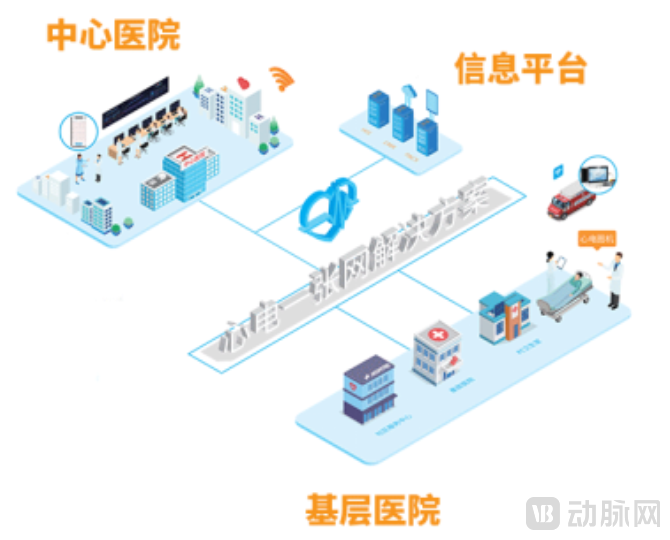
As the national government vigorously advances the “Thousand County Project,” the establishment of five major medical diagnostic centers in county-level hospitals—particularly remote ECG diagnostic centers—has shifted from an optional initiative to a mandatory requirement. The development of remote ECG diagnostic centers inevitably imposes higher standards on hardware infrastructure, ECG network systems, and staffing configurations.
However, in ChinaThe shortage of specialized electrocardiogram (ECG) professionals and the insufficient ECG interpretation capabilities at the primary care level,This represents the most significant pain point in the establishment of remote ECG diagnostic centers. It is often manifested by a lack of awareness and diagnostic capability for ECG examinations at the primary care level, leading to a predicament where these facilities are hesitant or unable to perform such tests. Meanwhile, tertiary hospitals face a shortage of specialized professionals, creating a dilemma where low patient volumes make it financially unviable to retain talent, while high patient volumes exceed their capacity to handle the workload.
Only by implementing services such as resting electrocardiography, ambulatory electrocardiography, and even real-time dynamic monitoring can primary care hospitals screen for and identify high-risk patients with cardiovascular disease at an early stage, thereby truly reducing out-of-hospital mortality from cardiovascular diseases.
The forthcoming "Guidelines and Standards for the Construction and Management of ECG Diagnostic Centers under the Thousand-County Project" explicitly states that remote ECG diagnostic centers should aim to provide healthcare institutions with uninterrupted 24/7 remote diagnostic services. Those temporarily unable to meet this requirement may refer cases to higher-level medical institutions orPurchase diagnostic services via third-party platforms.
Nalong Health has been deeply engaged in the ECG industry for over a decade, gaining profound insights into its pain points. As early as 2020, it proactively established the Xiamen Xinyue Medical Imaging Diagnostic Center, making it one of the few qualified third-party medical service platforms in China. This also marks Nalong Health’s gradual transformation from a traditional ECG solutions provider into a remote healthcare big data service enterprise.
The operation of the Xinyue ECG Diagnostic Center leverages an "Internet + Healthcare" platform to capitalize on corporate advantages in intelligent information connectivity. By relying on ECG diagnostic centers at public tertiary hospitals across China and integrating high-quality ECG physician resources nationwide, it has established an ECG Physician Group. Powered by a robust artificial intelligence system (Cardio AI), the platform provides backend functionalities such as lead error correction, critical alert warnings, real-time monitoring, and triage scheduling, thereby ensuring the stability and reliability of daily operations.
Qualified electrocardiogram (ECG) physicians can accept online diagnostic requests within the scope of relevant regulations, free from temporal and spatial constraints. This platform-based economic model aggregates a vast network of ECG specialists to unlock deeper value in medical services. Meanwhile, it provides healthcare institutions at all levels with an integrated, one-stop remote ECG diagnostic solution encompassing hardware, software, artificial intelligence, and diagnostic services. This approach minimizes the operational barriers for primary care institutions and supports the integrated prevention and control of cardiovascular diseases.

In 2018, the U.S. FDA granted its first approval for an AI system, IDx-DR (an artificial intelligence software designed to detect diabetic retinopathy in adult patients with diabetes), marking the official entry of the healthcare sector into the era of artificial intelligence.
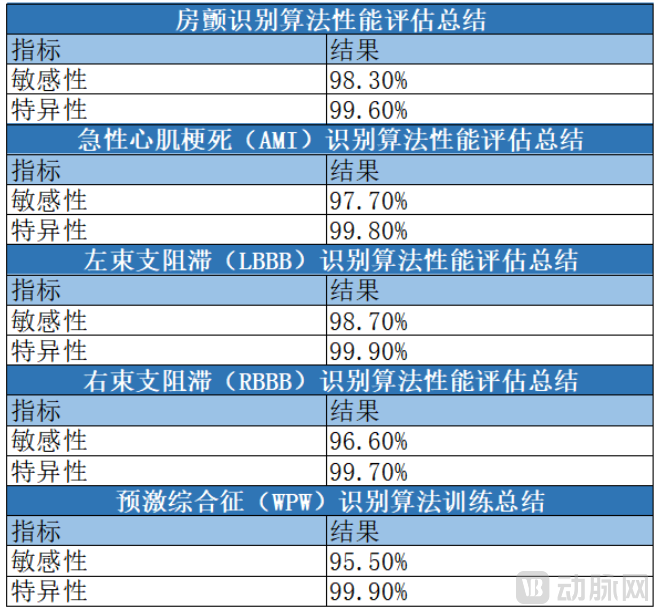
Currently, there are two companies in China holding approved AI-based ECG software (NMPA Class III Medical Device Registration Certificates). Among them, Nalong Health possesses the first all-in-one (resting, ambulatory, and real-time ambulatory) AI-based ECG software. Its robust deep learning capabilities and algorithms ensure high sensitivity and specificity in interpreting various critical cardiac events, making it a rigorously validated and reliable assistant.
The eight extended clinical functions meet the work needs of clinical cardiologists in multiple aspects.
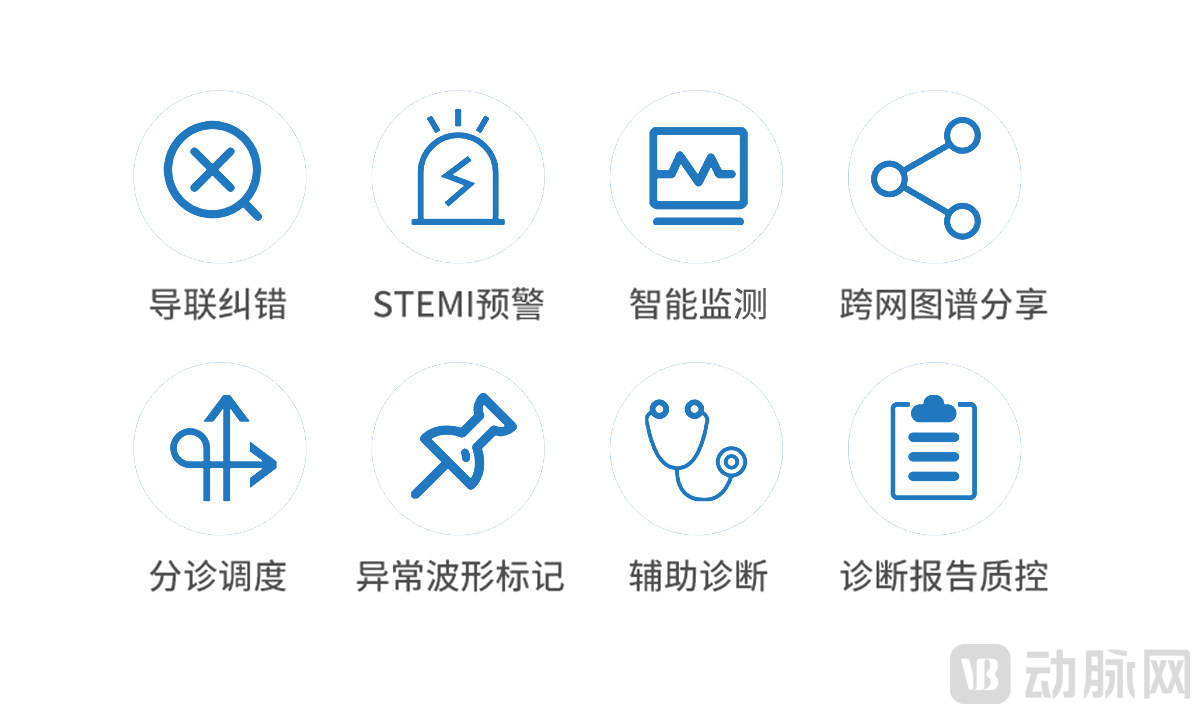
In the construction of the smart chest pain ECG network, Cardio AI'sSTEMI AlertandTriage and Dispatch FunctionIt plays a crucial role. In resting ECG screening and real-time ECG monitoring services, whether at primary care facilities or tertiary hospitals, artificial intelligence immediately issues an alert and elevates the report’s priority level when patients exhibit changes such as ST-segment waveform alterations. The on-duty physician in the background then confirms the findings and proceeds with further management. This approach maximizes the conservation of resources for STEMI patients.Onset-to-Treatment Time.
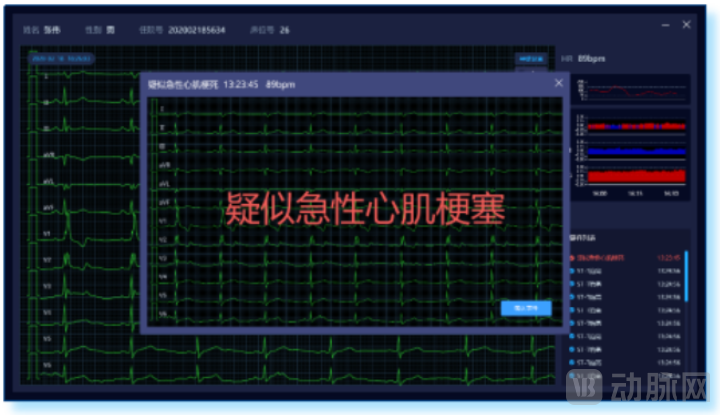
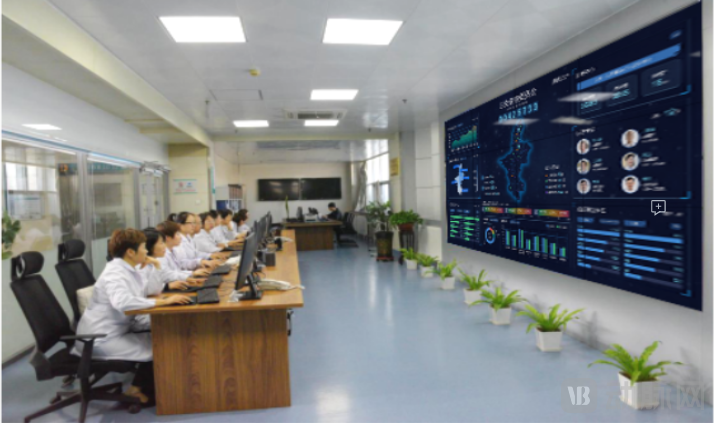
Intelligent Monitoring and Assisted Diagnosis Features, maximizing the operational efficiency of remote diagnostic monitoring centers. Cardio AI operates 24/7 without interruption, simultaneously conducting real-time monitoring on multiple devices—a task beyond human capability. Meanwhile, it performs AI-based preliminary interpretation for each report (resting, ambulatory, and real-time ambulatory), categorizing and flagging abnormal waveforms. With AI, the backend monitoring center only needs to staff essential on-duty physicians, significantly reducing labor costs for remote diagnostic services and achieving twice the results with half the effort.
As one of the three frontier disciplines of the 21st century, artificial intelligence (AI) continues to demonstrate its value in the healthcare sector. The “Development Report on Deep Learning Platforms (2022)” posits that, with the maturation of technological, industrial, and policy environments, AI has moved beyond the preparatory phase characterized by theoretical accumulation and tool-platform construction, and has entered a golden decade of industry empowerment, aimed at large-scale application and value realization.
Nalong Health, upholding its corporate mission to safeguard human heart health, is confident that, driven by the continuous innovation and deep learning capabilities of Cardio AI, it will become an indispensable and reliable partner for cardiovascular clinical healthcare professionals in the future!
What sparks will fly from the convergence of smart chest pain center development and AI-powered ECG technology, and what value will emerge? Let us wait and see!