

Digital Empowerment for Healthcare: 2022 Shanghai International Biomedical Industry Week’s Digital Healthcare Innovation Forum Successfully Concludes
As part of the “2022 Shanghai International Biopharmaceutical Industry Week” series of events, the “Digital Healthcare Innovation Forum,” co-hosted by Roche Pharmaceuticals China, the Shanghai Medical Quality Research Center, and Yuanmo Health Institute, under the guidance of the Shanghai Municipal Leading Group for Biopharmaceutical Industry Development and the Shanghai Association for Science and Technology, was successfully held yesterday at the Shanghai Science Hall. Focusing on current hot topics in digitalization, the forum aimed to build a platform for academic exchange, scientific innovation, and industrial collaboration in digital healthcare. With “innovation” as the breakthrough point, participants shared the most cutting-edge trends and clinical application explorations in China’s digital healthcare sector, working together to accelerate Shanghai’s development into a world-class hub for digital and intelligent advancement in biopharmaceuticals.
Fan Jia, Academician of the Chinese Academy of Sciences and President of Zhongshan Hospital Affiliated to Fudan University; Rong Zhiqin, Deputy Director and First-Level Inspector of the Shanghai Municipal Commission of Economy and Informatization; Wu Jinglei, Director of the Culture, Health, and Sports Committee of the Shanghai Municipal Committee of the Chinese People’s Political Consultative Conference; Huang Xinghua, Party Group Member and Second-Level Inspector of the Shanghai Association for Science and Technology; Huang Gang, Director of the Shanghai Medical Quality Research Center; Wang Bo, Secretary-General of the Shanghai Medical Innovation Development Foundation; and Bian Xin, President of Roche Pharmaceuticals China, among other distinguished guests from the fields of government, industry, research, academia, and healthcare, attended the forum to jointly map out the comprehensive blueprint for healthcare applications in the digital era.
At the forum, experts, scholars, and industry innovators gathered to share frontier trends and applications in the context of digital healthcare transformation, drawing on their respective practices in the field. Their insights spanned multiple disciplines and research perspectives, covering smart healthcare, medical big data, AI technologies, and pharmaceutical innovation funds. Attendees highly commended the forum’s efforts in implementing the spirit of the 20th National Congress of the Communist Party of China and fostering the convergence of global cutting-edge ideas on digital healthcare in Shanghai. They expressed earnest hopes that the forum would serve as a strategic lever to accelerate Shanghai’s urban digital transformation and help establish the city as a world-class hub for the digital and intelligent development of the biopharmaceutical industry.
“As times evolve, public demand for healthcare is changing, and the medical industry will inevitably integrate more digital technologies such as 5G and artificial intelligence, enabling healthcare services to become truly intelligent and personalized.”Academician Fan Jia stated“Currently, China’s digital healthcare infrastructure is experiencing robust growth, yet a gap remains between the current state and the public’s demand for high-quality medical care. We hope that the insights shared at this forum will foster the deep integration of digital technologies into the healthcare sector, accelerate Shanghai’s digital transformation in medicine, and ultimately benefit public health.”
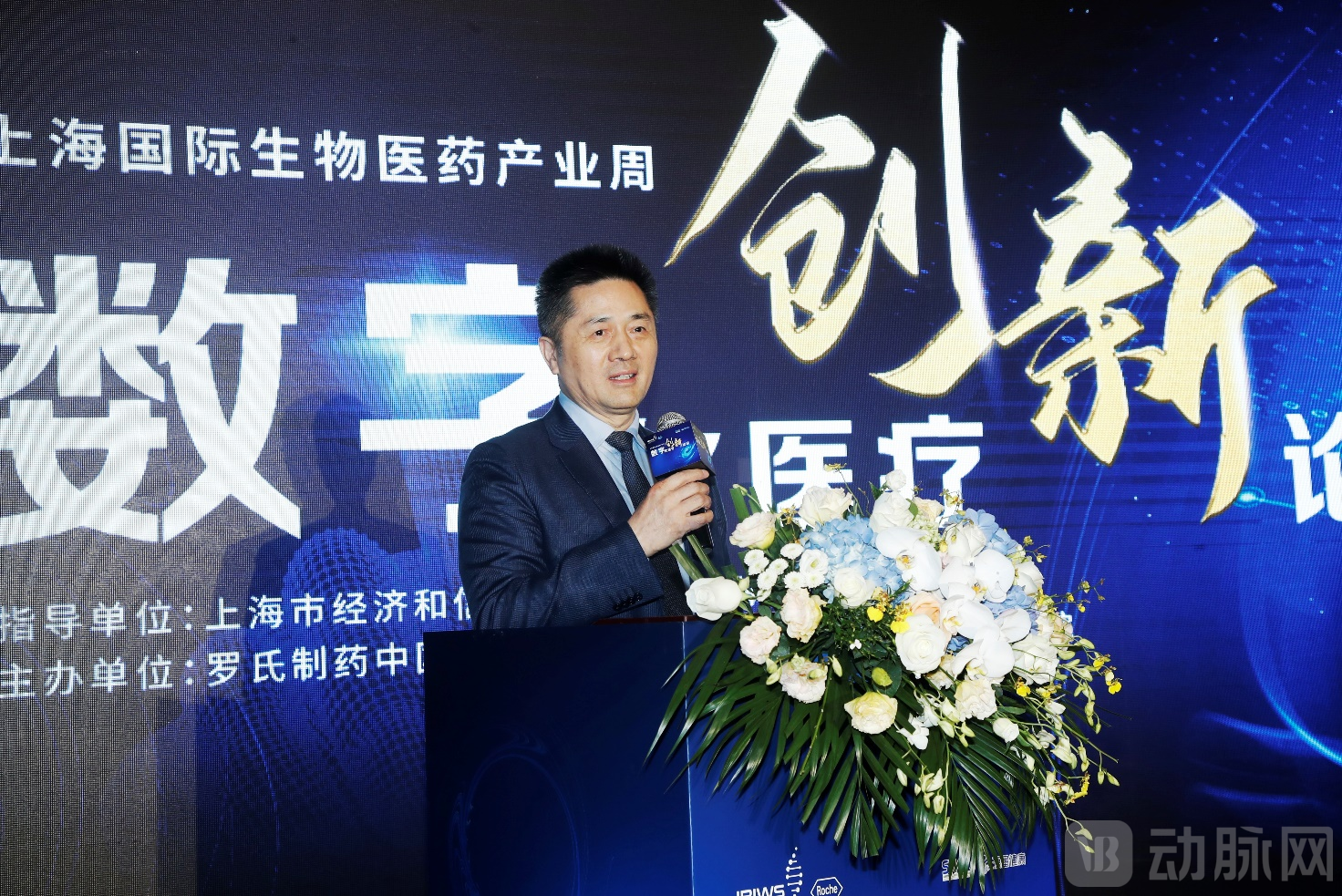
Fan Jia, Academician of the Chinese Academy of Sciences and President of Zhongshan Hospital Affiliated to Fudan University
The Report to the 20th National Congress of the Communist Party of China called for accelerating the development of a Digital China, fostering the digital economy, and promoting the deep integration of the digital and real economies. With the application of digital technologies such as 5G communications, artificial intelligence, big data, and cloud computing in the healthcare sector, these technologies are creating substantial value in medical and health services, public health, clinical research, and hospital management. Leveraging its advantages in the scale of medical services, strength in basic scientific research, and accumulation of medical data, Shanghai is undoubtedly becoming a national benchmark for digital transformation in the healthcare sector.
In recent years, Shanghai has actively implemented the new development philosophy and vigorously promoted the deep integration of industry and medicine, as well as digital transformation in the biomedical sector. Recently, the “Personalized Medicine Incubation Project” under the “Precision Medicine Research and Industrial Innovation Development Fund” announced the shortlist of key incubation projects for 2022, which aims to fund clinical research projects with translational potential in the fields of oncology, Alzheimer’s disease, and ophthalmology. Ten projects were selected, including Professor Gu Yajia from Fudan University Shanghai Cancer Center’s “Study on Efficacy Evaluation and Prognostic Prediction of Immunotherapy for Advanced Non-Small Cell Lung Cancer Based on Joint Analysis of Multi-Lesion Heterogeneity in Time-Series CT Images”; Professor Sun Huichuan from Zhongshan Hospital, Fudan University’s “Prediction of Treatment Efficacy in Hepatocellular Carcinoma Patients Receiving Anti-Angiogenic Drugs Combined with Immune Checkpoint Inhibitors Using Radiomics Technology”; Professor Zhou Qianjun from Shanghai Chest Hospital’s “Construction of a Cloud Service Platform for Assisted Diagnosis and Treatment of Pulmonary Ground-Glass Nodules Based on Big Data of 3D CT Images”; and Professor Li Yunxia from Shanghai Tongji Hospital’s “Research and Application of Intelligent Monitoring Technology for Early Screening of Alzheimer’s Disease and Progression of Cognitive Impairment.” Amidst fierce competition, Shanghai secured four spots, serving as a testament to the leading position of Shanghai hospitals in exploring innovative integration of digital technology and healthcare across China.
At the forum,Professor Gu Yajia, Director of the Department of Radiological Diagnosis, Fudan University Shanghai Cancer CenterCase Studies of AI Applications in Imaging at Oncology HospitalsThis section provides a detailed overview of the research progress and translation of achievements in tumor imaging AI across breast, lung, colorectal, and gynecologic oncology. Regarding the personalized medicine project that has recently been shortlisted, she stated, “We aim to promote the application of predictive models across various immunotherapy regimens through large-scale clinical validation and testing. By continuously iterating our algorithms and developing software products, we seek to achieve clinical translation and application, thereby assisting clinicians in formulating personalized treatment plans.”
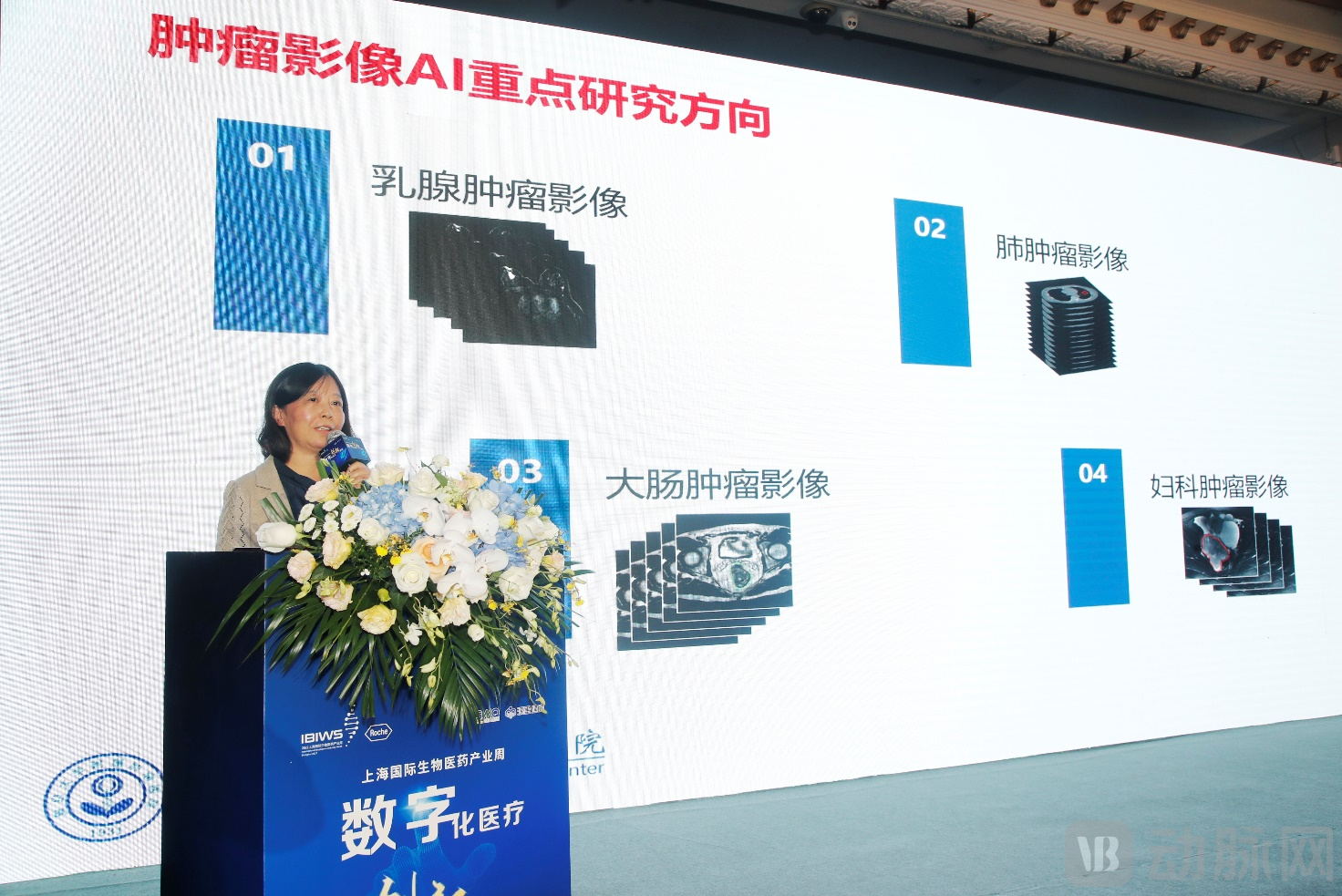
Professor Gu Yajia, Director of the Department of Radiology, Fudan University Shanghai Cancer Center
Professor Sun Huichuan, Deputy Director of the Department of Liver Surgery, Zhongshan Hospital Affiliated to Fudan University“Case Study on AI-Driven Innovations in Personalized Medicine at Zhongshan Hospital”Addressing the current challenges in the diagnosis and treatment of liver cancer in China, this presentation shared Zhongshan Hospital’s explorations and practices in molecular subtyping and personalized therapy for liver cancer, leveraging digital tools to promote the development of a standardized, whole-process care system. He stated, “Zhongshan Hospital closely aligns with national strategic policies, striving to foster deep integration among medical care, research, and industry. Moving forward, we will continue to strengthen hospital-enterprise collaborations, build a collaborative ecosystem for innovative development, and jointly advance the ‘Healthy China’ initiative.”
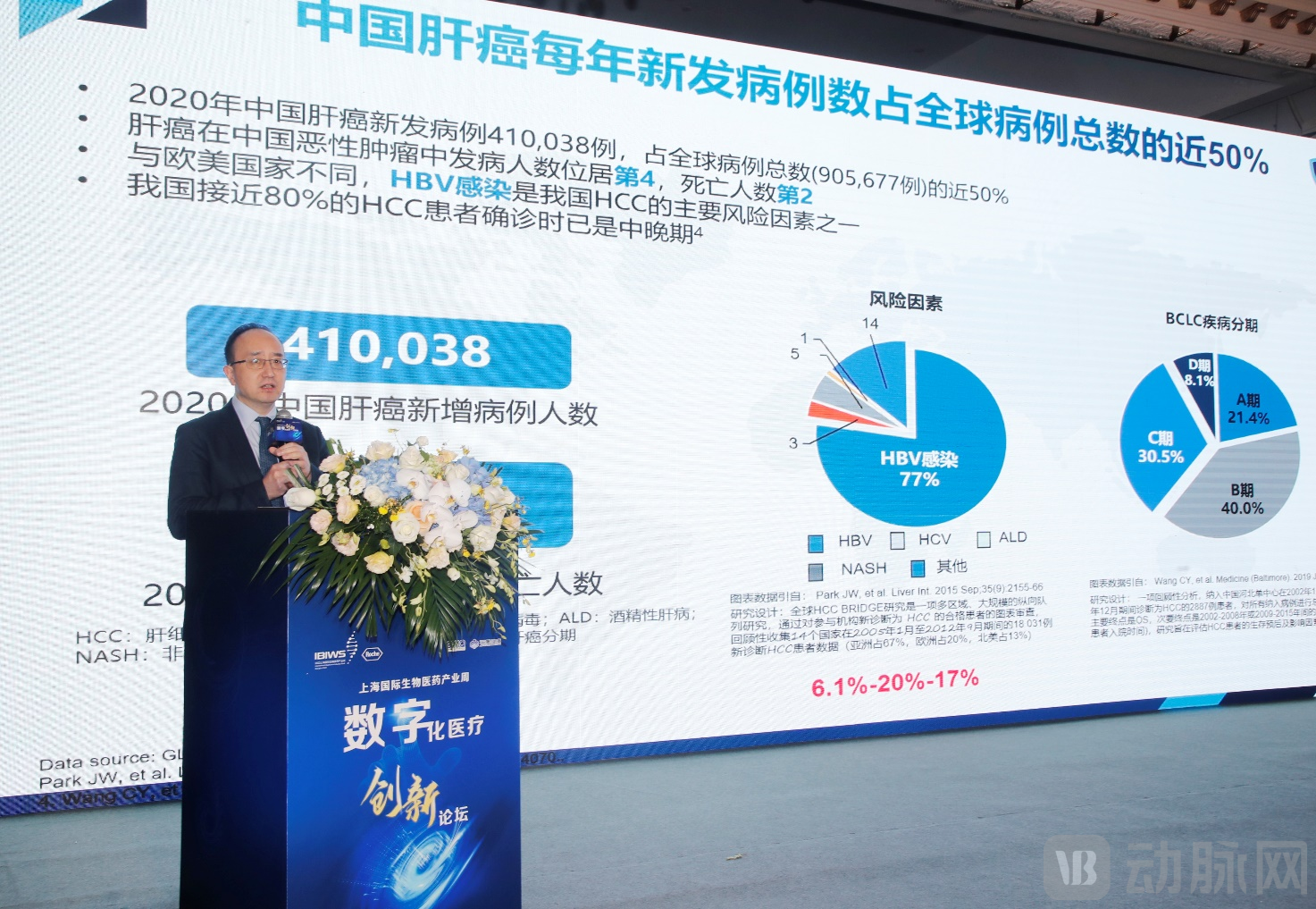 Professor Sun Huichuan, Deputy Director of the Department of Liver Surgery, Zhongshan Hospital Affiliated to Fudan University
It is reported that the “Precision Medicine Research and Industrial Innovation Development Fund—Personalized Medicine Incubation Project” was jointly launched in July 2022 with support from the Shanghai Medical Innovation Development Foundation and Roche Pharmaceuticals China. Managed by the Shanghai Medical Quality Research Center and Yuanmo Health Research Institute, the project aims to build an ecosystem for precision medicine encompassing “research, incubation, and training,” thereby enriching the development of digital products in the healthcare sector and promoting medical innovation and the translation of scientific research achievements.
The biopharmaceutical industry plays an increasingly important role in the national economy and is one of Shanghai’s three leading industries, where “concentrated elite forces are devoted to accelerating development and achieving breakthroughs.” Currently, Shanghai is making every effort to build a world-class biopharmaceutical industry cluster. To promote interaction among industry, academia, and research institutions, foster domestic and international exchanges and cooperation, encourage technological innovation and efficient integration of industry with capital, and support the high-end, intelligent, and international development of Shanghai’s biopharmaceutical industry, the “2022 Shanghai International Biopharmaceutical Industry Week” was held from November 14 to 18, 2022.
As the first multinational biopharmaceutical company to establish its presence in Shanghai, Roche Pharmaceuticals China has been deeply involved in and witnessed the development of Shanghai’s biomedical industry. As one of the key forums under the “Digital and Intelligent Development” theme of the Industry Week, the “Digital Healthcare Innovation Forum” featured guests from Roche Pharmaceuticals China who focused on how personalized medicine can empower China’s digital transformation, offering insights and recommendations to support Shanghai’s ambition to become a globally influential hub for biomedical innovation.
As one of the first companies globally to advance personalized healthcare, Roche has long been committed to supporting the transformation and upgrading of China’s healthcare sector through the implementation of personalized medicine. Roche’s 2030 vision for personalized healthcare is to deliver three to five times greater patient benefits at half the societal cost. This aligns closely with China’s healthcare reform objectives, which emphasize value-based care, leverage digitalization as a key enabler, and aim to maximize the impact of limited health resources. “Digital empowerment is central to realizing this vision, harnessing the value of vast medical big data and China’s leading AI and internet technologies to support high-quality clinical decision-making.”Li Bin, Vice President of Medical Affairs and Personalized Healthcare, Roche Pharmaceuticals ChinaIntroductionShao stated, “Roche is committed to providing a rich array of digital solutions that go beyond ‘diagnosis’ and ‘treatment’ through its extensive portfolio of personalized healthcare products, thereby benefiting patients.”
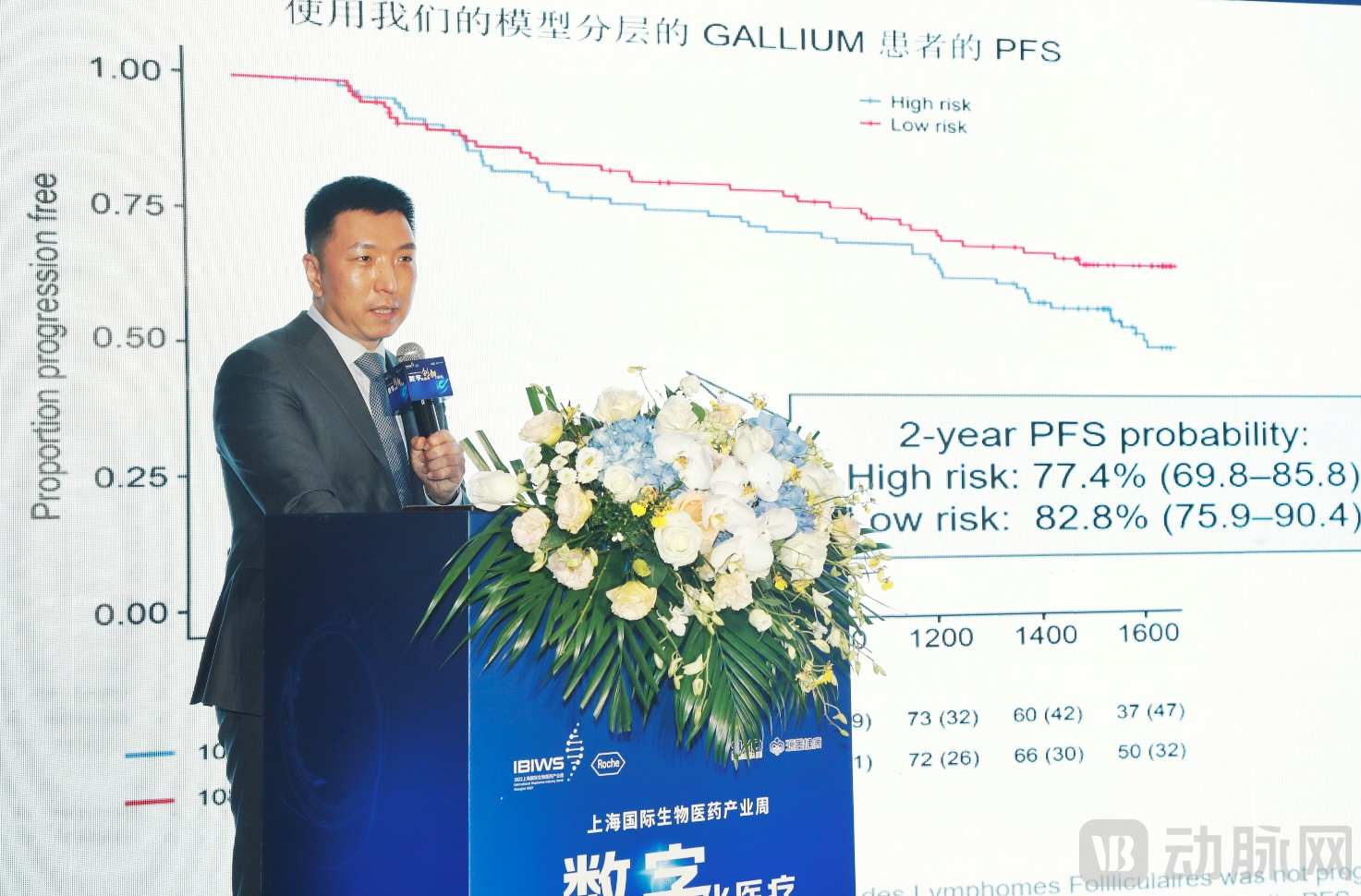
Li Bin, Vice President of Medical Affairs and Personalized Healthcare, Roche Pharmaceuticals China
Bian Xin, President of Roche China, stated:“Shanghai’s focus on empowering industrial development through digitalization aligns perfectly with Roche’s global strategy of personalized healthcare. Building a world-class biomedical industry cluster requires Shanghai to continue leveraging its advantages as a highland of high-level openness and innovation, achieving further policy breakthroughs, developing more empowered medical infrastructure, and fostering a fairer competitive environment. As a global leader in biotechnology, we look forward to actively sharing our practical experience in global digital applications, working hand in hand with all stakeholders to deeply participate in and strongly support Shanghai’s development into a world-class biomedical industry cluster, enabling more patients to benefit from the innovations in digital healthcare.”
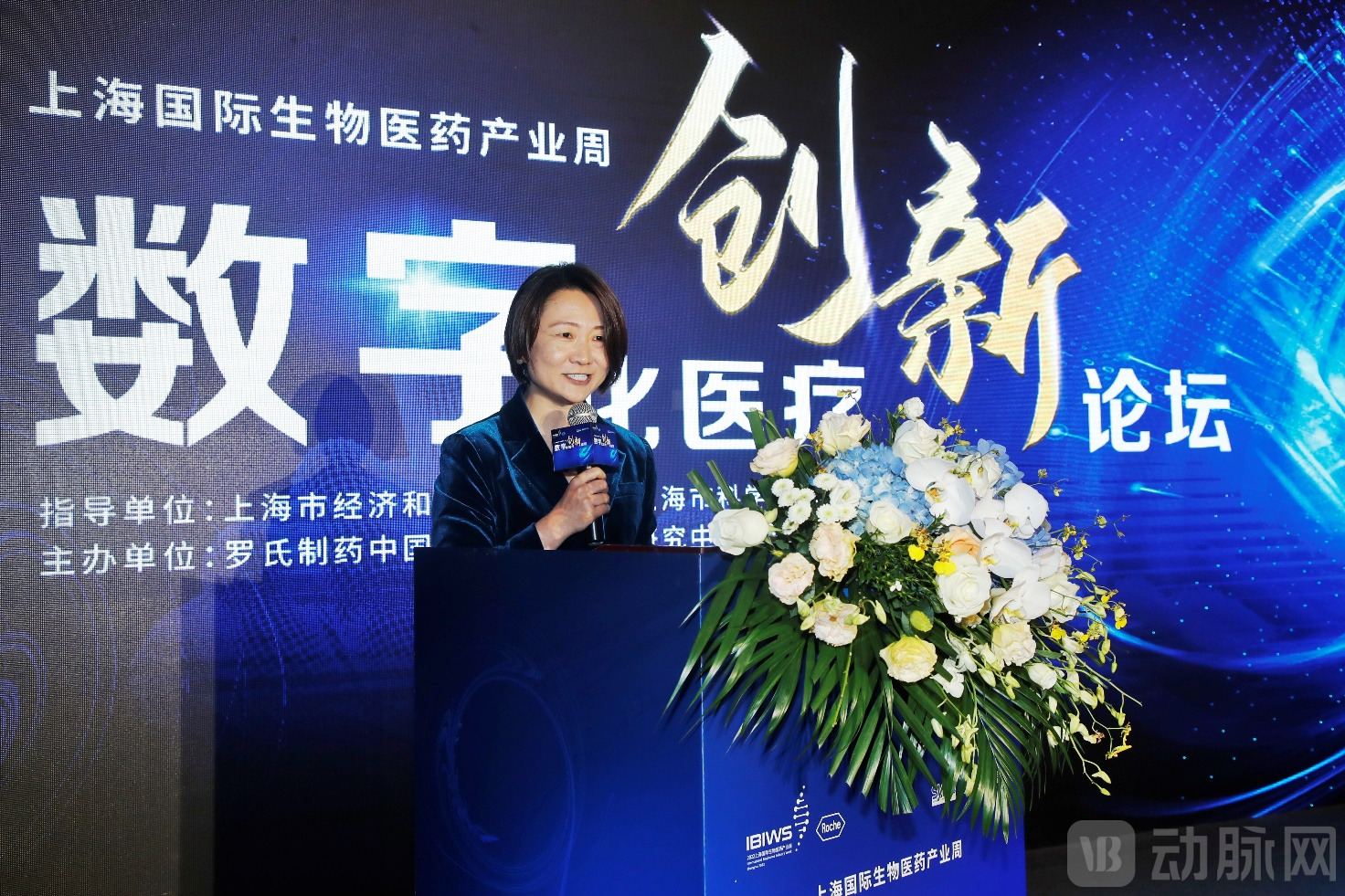
Bian Xin, President of Roche Pharmaceuticals China