

Phantpep Biotech: Focused on Clinical Physicians with Proprietary Mitochondrial Quality Assessment Technology for Immune Cells
With the rapid advancement of life sciences, the deepening and refinement of molecular biology techniques such as genetic engineering, molecular cloning, and gene chips, as well as the application of new achievements and technologies in materials science, information science, and computer technology, the modern medical paradigm has undergone a fundamental transformation.
The standards for laboratory medicine no longer focus solely on the research and application of methodologies with the aim of providing accurate data to clinical practice, but ratherThrough standardized, regulated, and networked laboratory management, we provide timely and accurate reports while integrating more closely with clinical practice. By maintaining continuous academic exchange and information communication with clinical teams, we participate more extensively and directly in the diagnosis and treatment of clinical diseases, thereby transforming limited laboratory data into high-efficiency diagnostic information.
“In China, flow cytometry has entered a stage of widespread adoption. What is most needed now is to truly meet the needs of clinicians by providing accurate results and easy-to-understand reports..” said Li Guoping, one of the founders of Fantai Biology. Among detection technologies characterized by high throughput and multidimensionality, flow cytometry is a typical representative.
Graduated fromDepartment of Biological and Chemical Engineering, Zhejiang UniversityLi Guoping, who devoted himself to during his undergraduate and master's studiesIn Vitro Diagnostic Reagent Development. In 2013, Li Guoping joined ACEA Biosciences, one of the earliest domestic companies to enter the flow cytometry industry, where he was responsible for the research and development of reagents in China.Led and developed lymphocyte subset, HLA-B27More than 10 Class III flow cytometry in vitro diagnostic kits, including monoclonal antibodies related to hematologic disorders.
In 2018, driven by confidence in the localization of flow cytometry products and sharing an optimistic outlook on the clinical research demand for flow cytometry with Professor Guo Peng from Westlake University, we quickly reached a consensus. By chance, we also met another co-founder, He Miao.
He Miao has been operating two third-party clinical laboratories since 2015. Based on market research into testing menus, instruments, equipment, and software for third-party laboratories, He Miao identified significant clinical market opportunities in the field of flow cytometry. Although flow cytometry is not a novel technology in China,Its market size exceeds RMB 4 billion, yet prior to 2020, more than 90% of the equipment relied on imports.
In addition, since 2013, the National Medical Products Administration (NMPA) has introduced a series of regulatory measures for the use of flow cytometry reagents in clinical testing. In 2017, the NMPA adjusted the product registration classification for flow cytometers. Against the backdrop of policy support and market opportunities, Li Guoping believes that this may present an ideal opportunity for domestic products to replace imports.
“The biggest challenge in performing flow cytometry is innovation.”Due to its late start, China’s flow cytometry technology has largely been limited to following existing product lines abroad, resulting in severe product homogenization and a narrowing market space. Leveraging third-party laboratories as a testing ground, the Pantaibio team has engaged in rapid trial-and-error and iterative development, while continuously conducting market research on its products.
In addition, the Fantai Biology team also visited various clinicians, laboratory medicine experts, and personnel from the Market Supervision Administration to identify the real pain points of flow cytometry in clinical practice.
Li Guoping has vivid memories of his visit to Professor Li Taisheng, Director of the Department of Infectious Diseases at Peking Union Medical College Hospital.“Director Li Taisheng told us that, from the perspective of clinicians, the ideal diagnostic test yields clear-cut results—either negative or positive.”There has long been a barrier in understanding between clinicians and laboratory professionals, compared to merely presenting results,Clinicians preferTest Results in the Reportand ConclusionsCapable of supporting clinical diagnosis and medication recommendations。
Based on extensive prior research, PanTai Bio has positioned its target users as clinicians. By leveraging the differentiated features of its products and complementing them with training services covering the entire user chain from laboratory departments to clinicians, the company has built an integrated solution for immunodetection on flow cytometry platforms.
In 2022, PantaBio launched a precision immune assessment solution based on mitochondrial metabolic markers.
In traditional flow cytometry, the primary focus is on cell population gating and cell counting. On this basis,Pantai Biotech has added two indicators based on mitochondrial metabolic markers: mitochondrial mass and mitochondrial membrane potential, which are used to assess the functional status of immune cells.
Mitochondria are a vital energy source for eukaryotic cells, present in all cell types, organs, and systems throughout the body. For cells, mitochondria function like the engine of a car; in addition to providing energy, they participate in cellular differentiation, signal transduction, and apoptosis, and possess the capacity to regulate cell growth and the cell cycle.
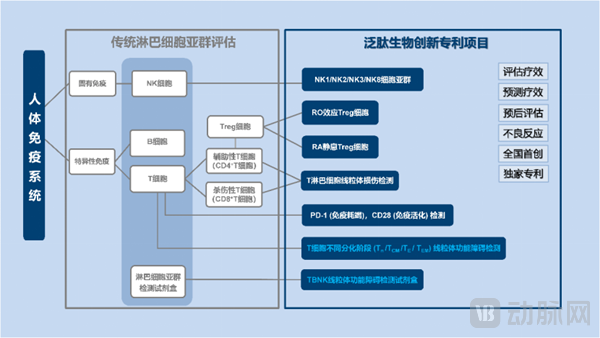 Image source: PanTide Bio
Relying solely on cell population detection cannot timely and accurately determine the functional status of immune cells.By incorporating mitochondrial metabolic indicators, the functional status of specific immune cell subsets can be assessed in real time, highlighting potential metabolic disturbances to enable timely clinical attention and intervention.
Currently, this solution has been applied to the detection of immune cell-related diseases such as HIV, early sepsis, and hepatitis B virus (HBV), as well as to the evaluation of PD-1 inhibitor efficacy, auxiliary diagnosis, and prognostic assessment in tumor therapy.
Quality Control Is the Key to Improving the Quality of Clinical Laboratory Testing, comprehensive quality control of analytical samples must be implemented during the pre-analytical, analytical, and post-analytical phases to avoid specimen variability, which may affect test results and lead to misinterpretation, thereby failing to accurately reflect the patient's condition.
Samples used for quality control are referred to as quality control materials, which require good stability and concentration range, and can be used forValidation of analytical system performance, internal quality control, and external quality assessment.Flow cytometry has a relatively short history of development in China. Currently, there are limited types of flow cytometry quality control products available on the market, and their shelf lives are short (typically less than six months).
Pantai Bio LaunchesThe First in China to Develop Using Cell Lyophilization Technologyfor the use ofClinical Flow Cytometry FieldofQuality Control Material,Compared with existing quality control materials,It can provide a longer shelf life (more than one year), higher stability, and greater scalability.
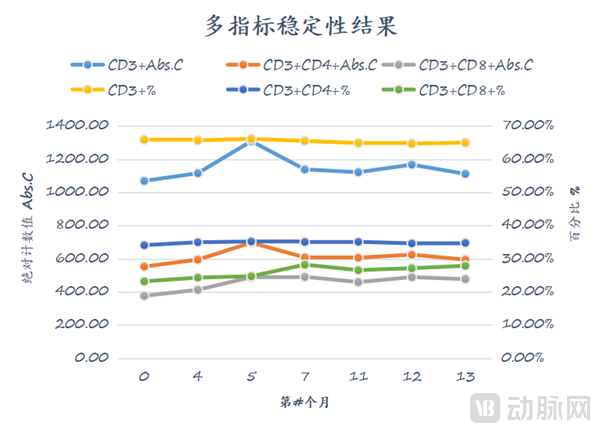 Image source: PanPeptide Biology
Selecting quality control materials with stable performance can ensure the accuracy and validity of test results. Currently, FanTai Bio’s cellular quality control materials are recognized and adopted by the National Institutes for Food and Drug Control (NIFDC).
Significant barriers to understanding often exist between laboratory medicine and clinical practice, while regulatory authorities also struggle to promptly comprehend the application of new technologies. In light of these challenges, PanTai Bio is committed to genuinely helping clinicians solve problems by focusing on clinical services and addressing issues across two key areas.
First, establish an integrated service R&D platform. ThroughStandardization and SystematizationRefine the product by establishing standards across three key areas: R&D, quality, and production systems; clinical trials and regulatory submissions; and commercial positioning and promotion, ensuring rigorous quality control throughout the entire process.Enhance product stability and reduce iteration rate。
Second, invest in market education. In addition to conducting equipment explanation and training in the clinical laboratory department, morePay attention to clinicians' feedback on reports, provide diagnostic and treatment decision-making results centered on databases and intelligent analysis, and assist physicians in clinical decision-making.. Secondly, actively engage in communication with drug regulatory authorities to jointly explore the development of flow cytometry technology and secure industrial support.
Currently, Fantai Biotech’s business is primarily focused on the clinical laboratory department. In the future, the company will also launch intelligent clinical flow cytometry analysis software to expand into immunological analysis of hematologic diseases in the pathology department. This software is expected to lower the threshold for data analysis, helping pathologists obtain more direct and clear diagnostic indicators.
Although PanTide Biosciences is still in its developmental stage, Li Guoping expressed strong confidence in becoming a benchmark enterprise in the field of flow cytometry. “Our team is expanding rapidly, with new technical talent joining every day, as we strive to accelerate development around our core product lines. After several years of accumulation, we aim to establish a multidisciplinary platform focused on subcellular organelles such as immune cell mitochondria, to facilitate the translation of clinical application research.””