

Xellar Biosystems Leverages Organ-on-a-Chip and High-Content Imaging to Shape FDA’s New Drug Approval Standards

Legend Capital
Early-stage venture capital and growth-stage private equity investment institutions

Xellar Biosystems
AI Drug Developer
The FDA has long been committed to promoting the development and adoption of new technologies in drug research and development. As one of the most promising complementary and alternative approaches to in vivo models, organ-on-a-chip technology has undergone rapid growth over the past decade, benefiting from extensive scientific and clinical validation that has demonstrated its unique advantages and accuracy in drug testing.
However, given the throughput and automation limitations of traditional organ-on-a-chip platforms, as well as the vast amounts of data and information they generate, integrating additional technologies will help unlock greater value in the fields of food safety, drug safety, and drug development.
Xellar Biosystems, founded in Boston, USA, at the end of 2021, is the world’s first “3D-Wet-AI” biotech startup leveraging organ-on-a-chip technology combined with high-content 3D cellular imaging and artificial intelligence (AI) for drug discovery.
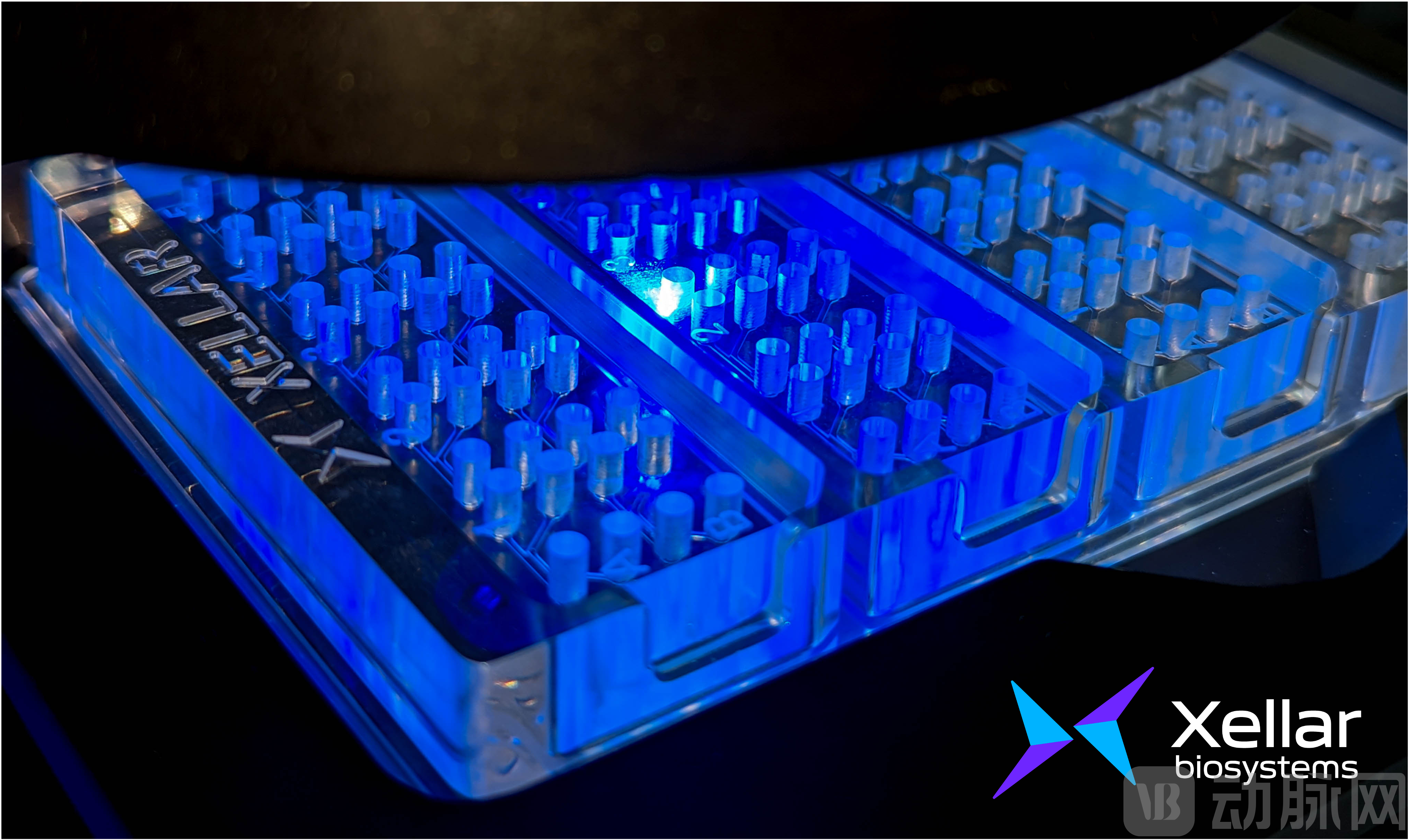
Yaosu Technology integrates high-throughput organ-on-a-chip platforms, cell morphological analysis, and multi-omics approaches—including spatial transcriptomics—with computer vision technologies. By leveraging large-scale, high-throughput automated organ-on-a-chip systems to generate three-dimensional high-content biological images of cells, Yaosu aims to develop more accurate models for disease assessment and drug efficacy evaluation. This approach enables the construction of complex interaction networks linking cellular morphology, gene clusters, and compound structures, thereby facilitating drug repurposing as well as the prediction and development of novel therapeutics. In this process, Yaosu applies nebula image analysis techniques—originally developed for deep-space exploration—to meticulously observe cellular states and structures at the microscopic scale, thereby advancing the understanding, exploration, and diagnosis of diseases.
Recently, ArteryMed interviewed Dr. Xie Xin, Co-founder and CEO of the company, who provided a detailed introduction to how this interdisciplinary, international, and multidisciplinary team is advancing the integrated application of organ-on-a-chip and computer vision (CV) technologies, enabling data to drive innovation in pharmaceutical development models.
Organ-on-a-Chip Startups Navigating the “Optimal Path”
The organ-on-a-chip sector is knowledge-intensive and highly innovative, with companies spun out from top-tier international universities and research institutes serving as the primary drivers. However, as a new technological paradigm, it also needs to demonstrate tangible results in industrial translation to the market; consequently, some organ-on-a-chip companies have begun bringing in external executives during their mid-stage growth.
In the development and application of organ-on-a-chip technology, it is crucial to observe and even influence FDA decision-making. The FDA has long been collaborating with pharmaceutical R&D companies to promote the use of organ-on-a-chip technology to improve the regulatory review process for predicting the safety and efficacy of new drugs in humans, as well as to establish and optimize relevant standards for organ-on-a-chip systems.
It is exceedingly rare to find a team that embodies both the scientific and entrepreneurial spirit, while balancing cutting-edge interdisciplinary technologies, regulatory compliance, and customer needs. Yaosu Technology is precisely such an innovative company with a composite background.
Dr. Xin Xie, Co-Founder and CEO of the Company, previously served as the Head of Biomedical and Systems Engineering at TransMedics, a global leader in innovative medical device development for organ transplantation. In this role, he led teams in the R&D of FDA Class III medical devices for organ transplantation, including ex vivo treatment and regeneration of human organs. Prior to that, Dr. Xie conducted postdoctoral research at the Wyss Institute for Biologically Inspired Engineering at Harvard University, one of the most prestigious laboratories in the field of organ-on-a-chip technology. His research primarily focused on organ-on-a-chip systems, the construction of microscale in vitro physiologically relevant environments, and the development of biosensors.
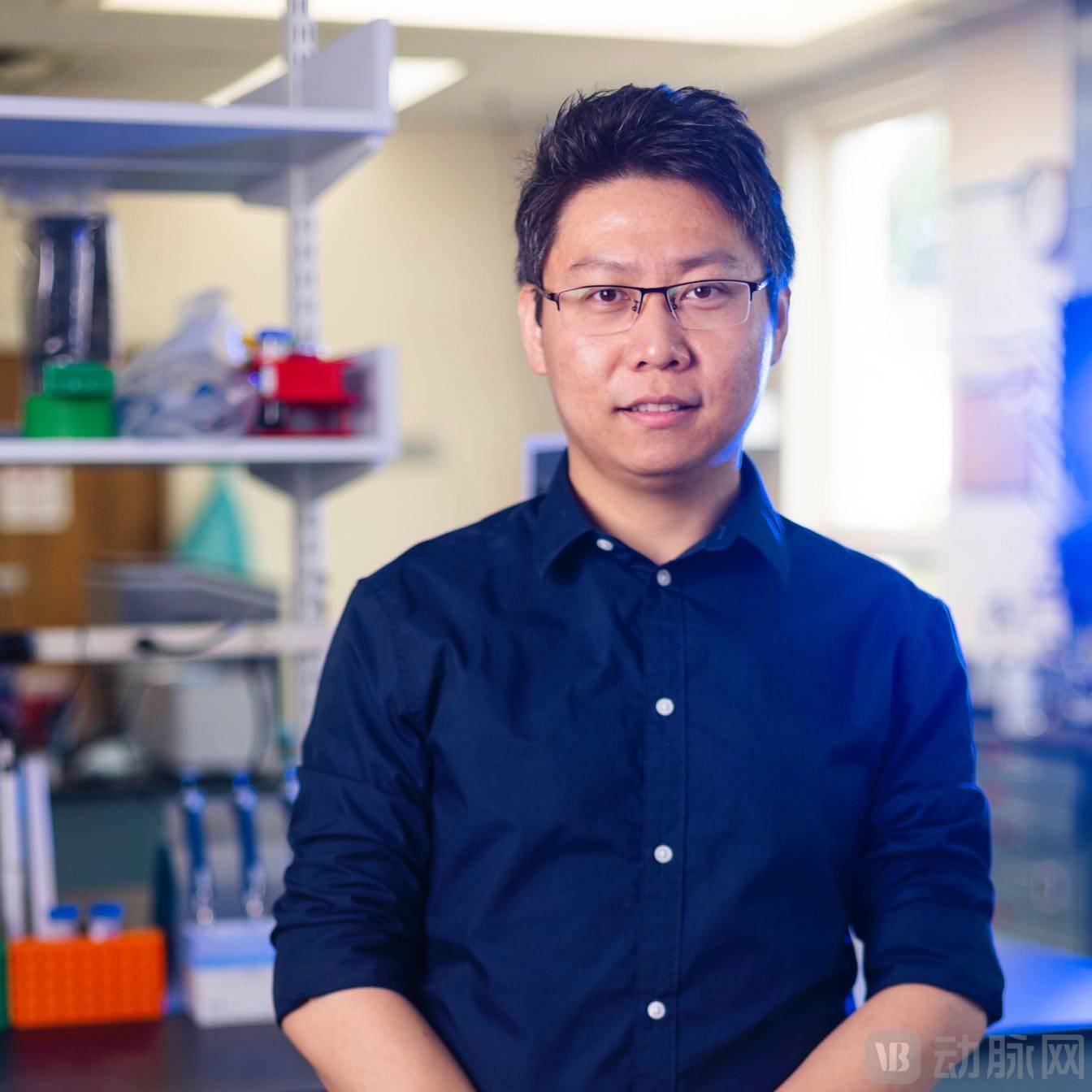
Dr. Xin Xie, Co-founder and CEO of Yaosu Technology
Dr. Bai Haiqing, Head of Biological Systems at Yaosu Technology, leads the company’s biological team in biotechnology and preclinical model development. Dr. Bai previously worked at Harvard University’s Wyss Institute under the mentorship of Professor Donald Ingber, a pioneer in the field of organ-on-a-chip technology. In February this year, Professor Ingber’s laboratory utilized lung-on-a-chip technology to rapidly screen and identify an approved drug with specific therapeutic efficacy for treating diseases such as COVID-19 and chronic obstructive pulmonary disease (COPD). The relevant patents were licensed to Cantex Pharmaceuticals, enabling the company to apply for Phase II clinical trial approval from the U.S. Food and Drug Administration (FDA). This marked the first time that data derived from organ-on-a-chip technology was used to support an Investigational New Drug (IND) application to the FDA, with Dr. Bai serving as the key contributor to this work. Coincidentally, Dr. Bai’s study and another research project on lung-on-a-chip technology by Xie Xin were published on the same day last year in Nature Biomedical Engineering and Proceedings of the National Academy of Sciences (PNAS), respectively.
Furthermore, Professor Polina Golland of the MIT Computer Science and Artificial Intelligence Laboratory (CSAIL), a pioneer in the application of computer vision to cellular morphology analysis, and Professor Y. Shrike Zhang of Harvard Medical School, who conducts research in organ-on-a-chip and regenerative engineering, both serve as scientific and technical advisors to the company. The team also maintains close collaboration with Professor Donald Ingber at Harvard University’s Wyss Institute.
Although Yaosu Technology has been in operation for only one year, its founding team members have each accumulated nearly a decade of deep expertise in the organ-on-a-chip industry. Leveraging dual perspectives from both academia and industry on organ-on-a-chip technology, along with extensive experience in regulatory engagements with the U.S. Food and Drug Administration (FDA), Yaosu Technology has been on an optimal development path since its inception.
Dr. Xin Xie stated, “The FDA is continuously evolving its requirements for new models, including organoids and organs-on-chips, as well as AI and computational models. If new models can provide more accurate data in drug development, the FDA is very open to adopting them.”
This October, the U.S. Senate unanimously passed the FDA Modernization Act 2.0, whose most significant objective is to eliminate the mandatory animal testing requirement in drug development. Yaosu Technology, together with Professor Donald Ingber, jointly participated in advocating for the passage of this bill in Congress.
“Years of in-depth engagement by the Yaosu team in this industry have given us a clear understanding of what constitutes genuine needs and the right entry point,” summarized Dr. Xie Xin.
Yaosu’s Pioneer: Constructing 3D High-Content Cellular Landscapes on Organ Chips Using Subcellular Structure Staining Technology
The integration of organ-on-a-chip technology with machine learning is an undeniable trend, but Yaosu Technology is the first to specifically combine it with computer vision (CV) technology.
According to reports, Yaosu Technology combines high-throughput organ-on-a-chip platforms with computer vision technology based on cell morphology, aiming to provide more accurate models for disease and drug efficacy assessment while leveraging large-scale automated organ-on-a-chip systems to generate three-dimensional cellular bioimages.
When asked why he chose this direction, Dr. Xie Xin made a comparison between the macro and micro perspectives.
“Humanity’s most cutting-edge technologies are typically deployed to advance aerospace endeavors, including satellite and astronomical telescope technologies. Over the past 40 years, there has been more than a hundredfold improvement in both the resolution of astronomical images and the informational content they capture. Humans are also leveraging state-of-the-art machine learning algorithms to analyze these nebulae. Upon close examination of cellular images, one discovers a striking similarity between cells and nebulae.”
“Biology is rich in information, such as color, size, texture, shape, and spatial location. Just as astronomical images are analyzed, various hidden biological information within cells can be explored. Computer vision (CV) technology can help observe the extremely subtle differences between healthy and diseased cells.”
To capture more detailed and richer cellular morphology, Yaosu Technology employs a novel cell staining technique invented by its scientific mentor at MIT. By utilizing six fluorescent dyes to characterize up to seven subcellular structures, the technology enables high-throughput extraction of rich, quantitative organelle morphological data. This approach not only allows for the observation of cellular morphology but also penetrates cells akin to X-ray imaging, revealing structural abnormalities within the cell.
“We generate a quantitative descriptive matrix with over 1,500 feature points for each cell. When we have data on hundreds of millions or even trillions of cellular layers and images, AI and machine learning algorithms can truly shine,” said Xie Xin.
The growth of data fuels advancements in machine vision algorithms, creating a flywheel effect that is expected to accelerate subsequent output and may yield novel biological insights into indications, pathways, and targets.
In summary, image-derived data offer higher density and lower costs compared to high-dimensional datasets generated by other omics technologies. Furthermore, they can more objectively reflect disease states without prior assumptions or human interference, thereby facilitating the identification of the most promising drug candidates.
Another Path for Organ-on-a-Chip Companies: The Pharma Tech Model
Based on this technological roadmap, Yaosu Tech does not position itself as a supplier of organ-on-a-chip consumables, nor as a contract research organization (CRO) providing testing services to pharmaceutical companies, but rather as a new type of pharma tech company.
On its development path, Yaosu Technology is often compared to a 3D version of Recursion. Recursion, a clinical-stage biotechnology company headquartered in Utah, USA, went public in 2021 and was founded in 2013. It employs computer vision technology to process cellular images. By conducting extraordinarily detailed examinations of cells and integrating machine automation with AI, Recursion measures thousands of cellular features—such as nuclear size, shape, and distances between different intracellular regions—to evaluate the post-treatment responses of diseased cells. Recursion’s laboratories can perform 1.5 million experiments per week and have identified 15 candidate drugs for treating rare diseases. Because cells in organ-on-a-chip systems can convey more comprehensive and accurate information on real drug efficacy within a 3D context, the Yaosu model is regarded as a higher-dimensional new pathway for drug development.
Yaosu Technology has strategically laid out its business model across six key directions, including drug-induced liver toxicity testing, the development of liver and respiratory disease models for which robust preclinical models are currently lacking, and more cutting-edge areas such as gene therapy applications involving adeno-associated viruses (AAV).
In addition, Yaosu Technology is collaborating with Harvard University on a project focused on the vascularization of organ-on-a-chip systems. Furthermore, as the sole organ-on-a-chip system company, Yaosu has been invited to join a collaborative initiative launched by dozens of leading pharmaceutical companies and tech giants, with joint participation from the U.S. FDA and EPA. This initiative aims to develop and validate next-generation, image-based tools for assessing the toxic side effects of compounds or drugs on the human body, leveraging diverse preclinical models. High-throughput drug testing using organ-on-a-chip technology will be conducted on Yaosu Technology’s liver-on-a-chip system, generating substantial cellular imaging data and facilitating the joint establishment of relevant industry standards.
The dataset will constitute a valuable asset and competitive advantage for Yaosu Technology, enabling it to build a virtuous cycle of construction, learning, and iteration based on data—much like Amazon and Netflix—and thereby become the most influential company in the industry.
This August, Yaosu Technology announced the completion of a multi-million-dollar angel financing round led by Legend Capital. The company is building an interdisciplinary, composite international R&D talent team. Currently, more than 60% of Yaosu Technology’s employees hold doctoral degrees, and team members possess an average of over five years of frontline industry experience to ensure a product-development-oriented approach. The size of the company’s U.S.-based R&D team will double next year as it continues to explore and develop organ-on-a-chip technologies, computer vision, and artificial intelligence for industrial applications and cutting-edge innovations in drug discovery.It is reported that Yaosu Technology is currently undergoing a new round of financing to expand its talent pool, increase production capacity and testing throughput, and establish its Asia-Pacific headquarters.
If the emergence and proliferation of new paradigms such as organ-on-a-chip technology are an inevitable outcome of technological advancement, then the integration of organ-on-a-chip systems with machine learning algorithms is equally inevitable. This convergence will enhance human understanding, exploration, and diagnosis of diseases, while making pharmaceutical development more precise and efficient—truly embodying the value and allure of technological progress.