

Multi-Channel Patient Follow-Up: Solving the Ineffectiveness of Traditional Long-Term Cancer Survivorship Management
Disease follow-up and treatment should be accorded equal importance.
Particularly for cancer patients, successful tumor resection does not equate to a complete cure. Due to the rapid growth and high metastatic potential of cancer cells, recurrence remains a significant risk. Statistics indicate that 70%–80% of cancer-related deaths are attributable to recurrence and metastasis, with approximately 80% of these cases occurring within three years after curative surgery and about 10% within five years. This underscores the critical importance of establishing long-term follow-up mechanisms.
With the continuous advancement of innovative therapeutic approaches such as targeted therapy and immunotherapy, the 5-year survival rate for cancer patients has been steadily increasing. A study published in the NEJM showed that the 5-year survival rate for patients with advanced melanoma after immunotherapy reached as high as 52%, whereas before the advent of immunotherapy, the 5-year survival rate for advanced melanoma was less than 10%.
Evidently, with a growing number of long-term cancer survivors, there is an increasingly urgent need for standardized, large-scale, long-term, and systematic follow-up.
However, tumor follow-up is characterized by long durations and complex procedures. Taking non-small cell lung cancer (NSCLC) as an example, the recommended follow-up regimen for patients who have undergone curative surgery is as follows: during the first two years post-surgery, follow-up visits should occur every six months, including routine medical history taking, physical examinations, and chest CT scans; from three to five years post-surgery, follow-up should occur every 12 months with low-dose non-contrast chest CT scans; beyond five years post-surgery, patients are encouraged to maintain annual follow-up visits with continued non-contrast chest CT scans. Therefore, follow-up care for cancer patients is a long-term and complex endeavor that warrants greater attention and increased investment in innovative approaches.
How Can Tumor Follow-Up Programs Take the Next Step? Multi-Channel Follow-Up Approaches Covering WeChat Communities, Mini Programs, Telephone Calls, and Online Surveys Are Exploring Greater Possibilities.
On Tuesday, November 29, 2022, at 19:30, VCBeat and Jingli Technology jointly hosted an online roundtable titled “Breaking the Dilemma of Follow-up Care for Cancer Patients,” inviting you to join the discussion.
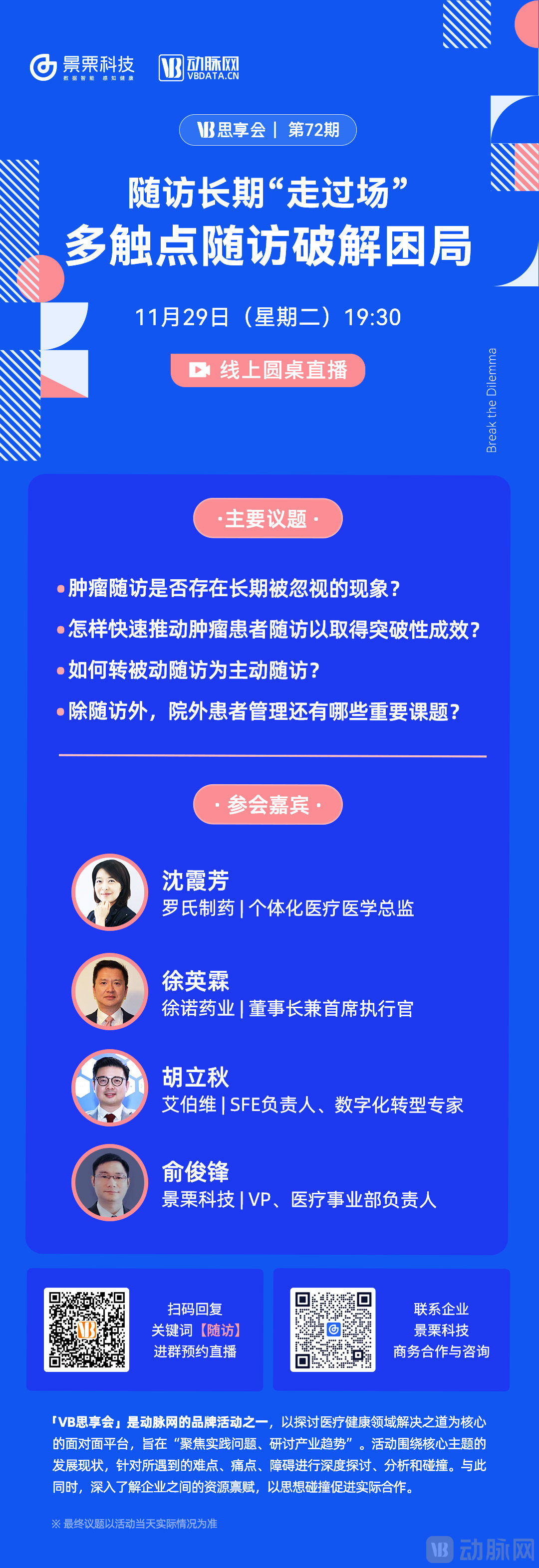
[Scan the QR code to join the group and reserve a spot for the live stream]

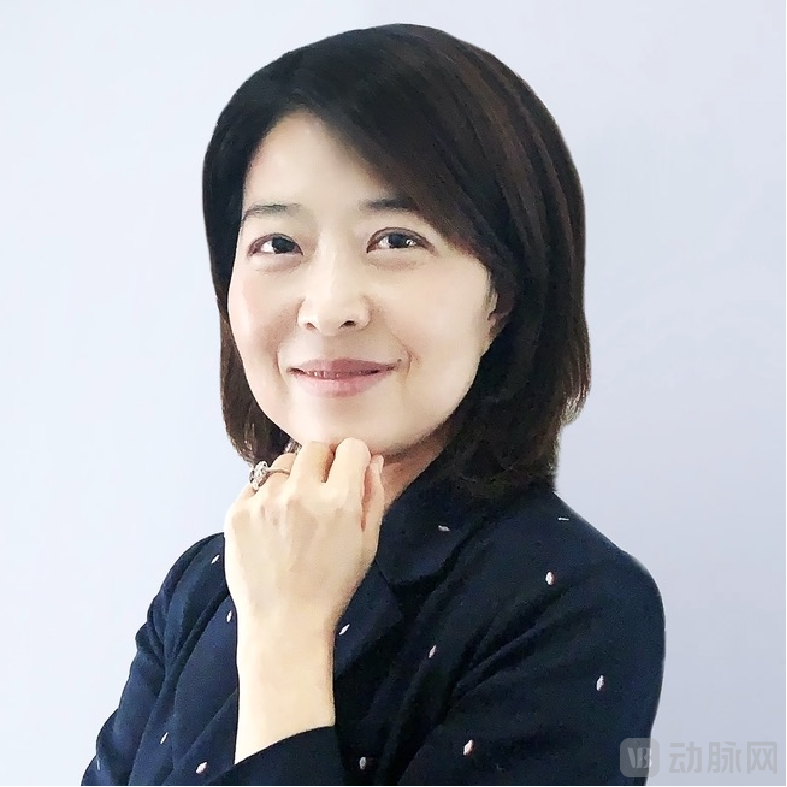
Shen Xiafang
Roche | Medical Director, Personalized Healthcare
Nine years of clinical experience at Shanghai Ruijin Hospital, followed by roles in medical and marketing departments at multinational pharmaceutical companies including Pfizer, Eli Lilly, and Roche. Served as head of medical teams specializing in anti-infectives, rheumatology and immunology, biomarker testing, FMI testing, and personalized medicine.
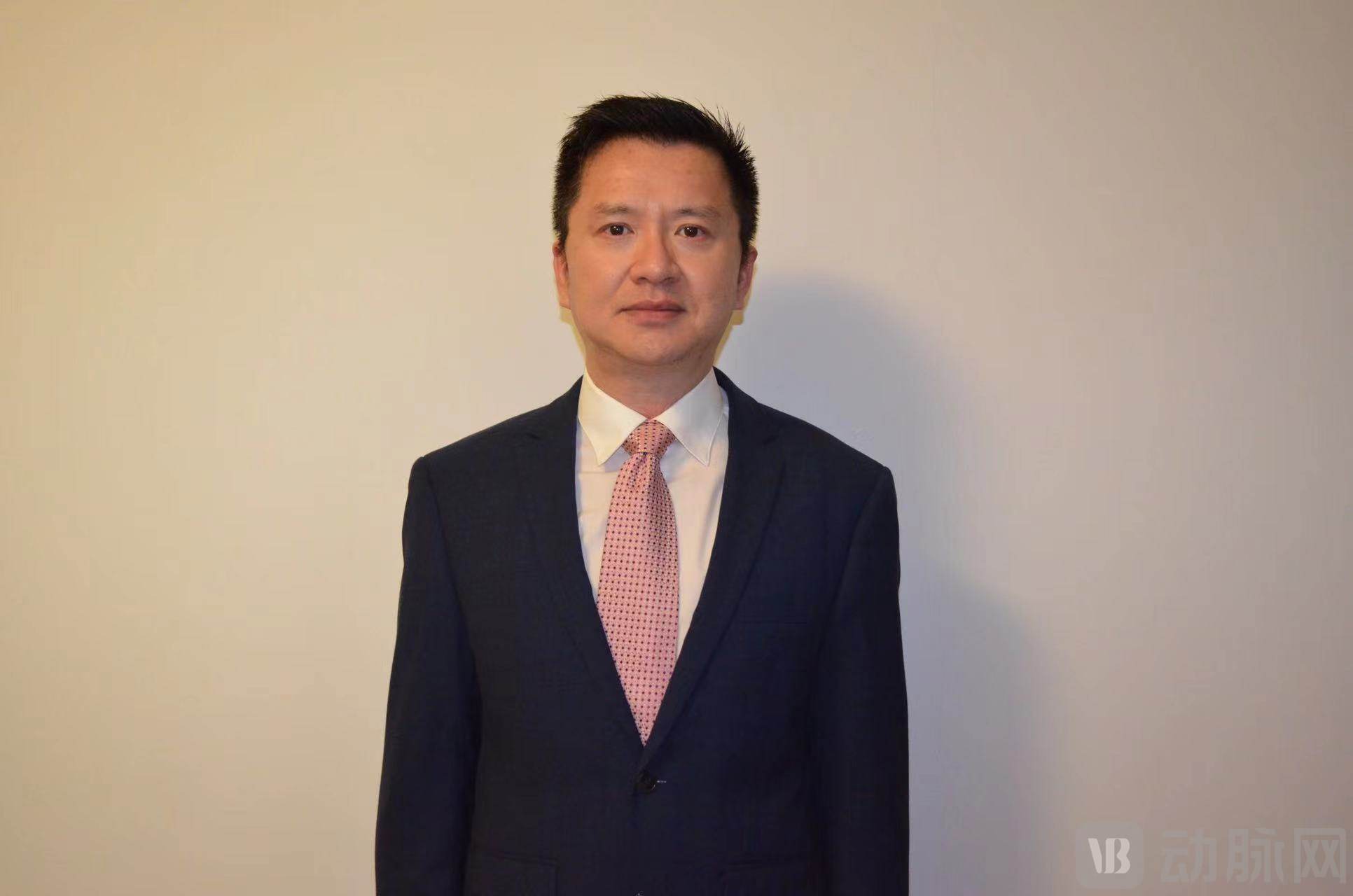
Xu Yinglin
Xunuo Pharmaceutical | Chairman and Chief Executive Officer
Mr. Xu Yinglin co-founded Xunuo Pharmaceutical (Nanjing) Co., Ltd. in 2017. Prior to establishing Xunuo Pharmaceutical, Mr. Xu served as the General Manager for Greater China at Trout Group, a renowned boutique investment bank specializing in the life sciences sector, from 2009 to 2016.
From 2005 to 2007, Mr. Xu co-founded Boji Pharmaceutical R&D Co., Ltd., which was later acquired by Pharmaron.
From 2007 to 2009, Mr. Xu co-founded Pacific Biopharmaceutical Group Co., Ltd., which merged with Pharmacyclics, a subsidiary of AbbVie, in 2009. Through these two successful entrepreneurial ventures, Mr. Xu generated approximately RMB 2.5 billion in returns for founders and investors.
Prior to 2005, Mr. Xu worked in the United States, where he accumulated extensive experience at multinational corporations, including Berlex Laboratories (a subsidiary of Schering AG), McKesson Corporation (the largest pharmaceutical logistics company in the U.S.), SRI International, BAS, and Underwriters Laboratories (UL).
Mr. Xu holds an MBA from Stanford University, a Master’s degree in Chemistry from Purdue University, and a Bachelor’s degree in Chemistry, graduated with highest honors, from Hanover College.
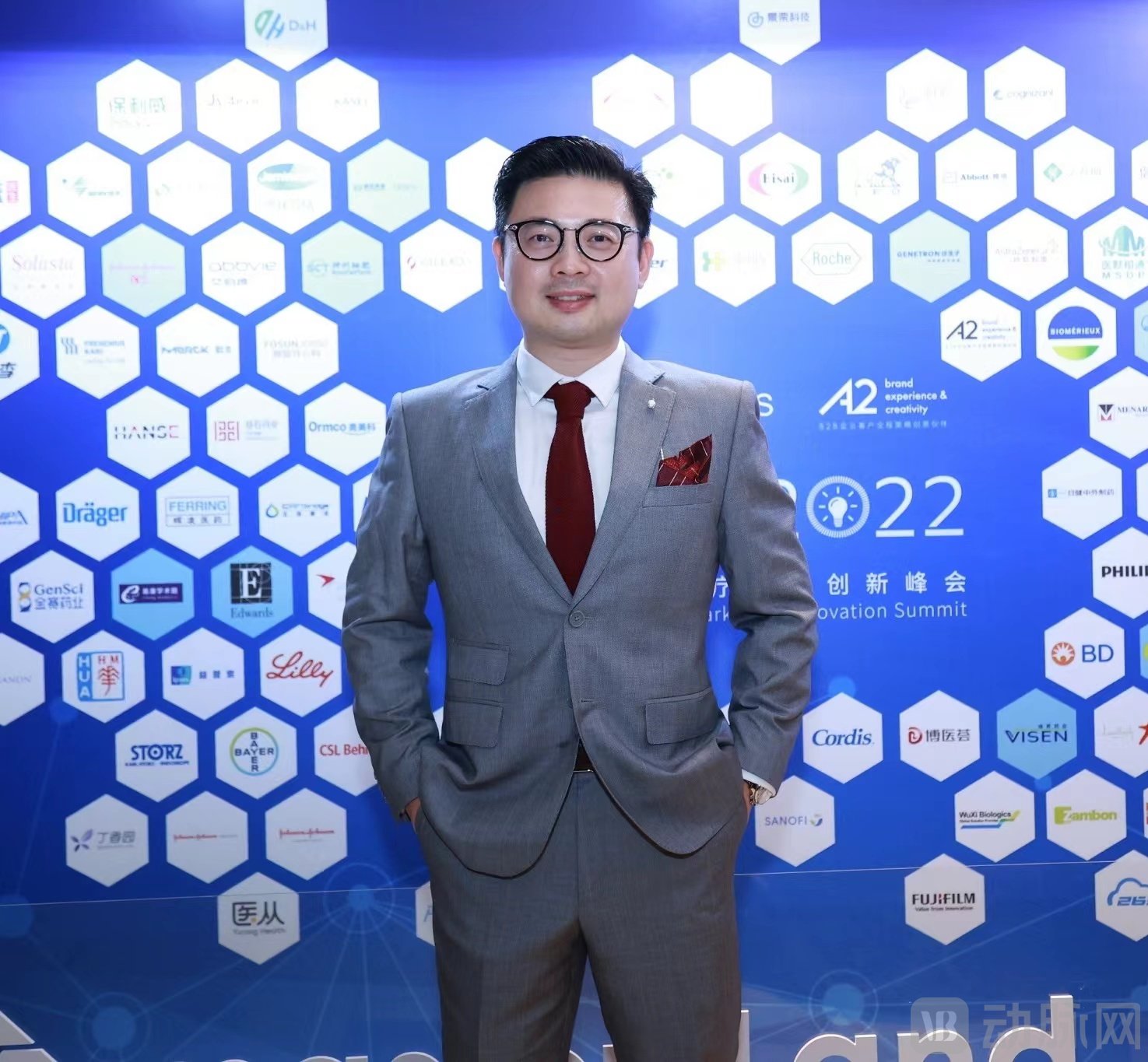
Hu Liqiu
AbbVie | Head of SFE, Digital Transformation Expert
Hu Liqiu graduated from Shanghai University with a major in Computer Applications and Science, and later earned an EMBA degree from IPAG Business School in France. With 18 years of experience in the pharmaceutical industry, he has focused on Sales Force Effectiveness (SFE) and digital transformation for over 15 years. His career spans multiple fields, including software, consulting, pharmaceuticals, digital transformation, and digital marketing.
In the field of digital transformation in healthcare, Mr. Hu Liqiu has contributed extensive knowledge and experience to the industry.
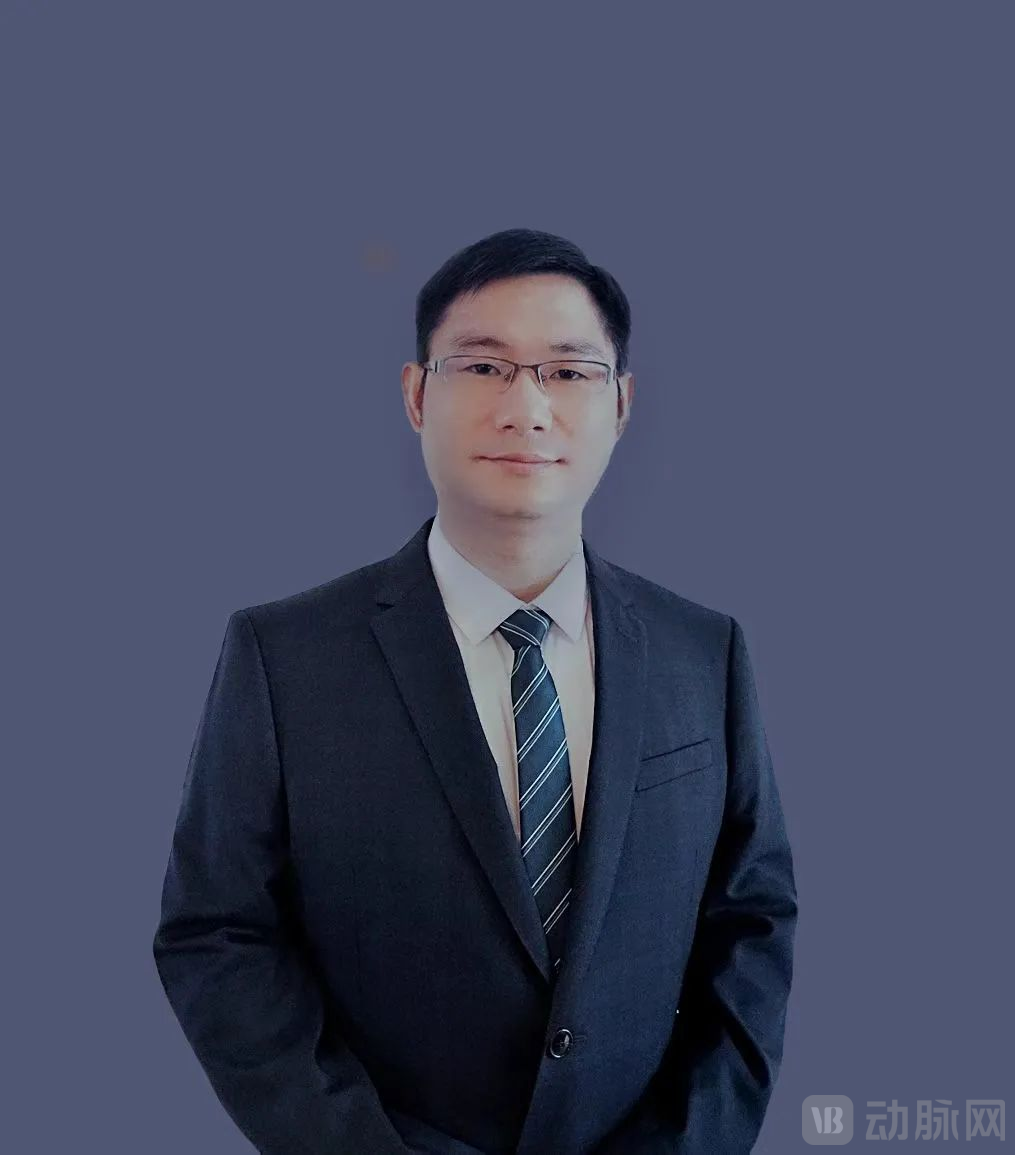
Yu Junfeng
Jingli Technology | VP, Head of Medical Business Unit
Graduated from the College of Chemistry and Molecular Engineering at Peking University. With over 15 years of experience in consulting, healthcare, and the internet industry, has provided services to numerous renowned pharmaceutical companies both domestically and internationally. Possesses profound insights into the integration of healthcare and the internet, particularly in patient management through the WeChat ecosystem. Led the Jingli Medical team in implementing a multi-party collaborative, proactive patient management service model across various disease areas, including chronic diseases and oncology.
[About Roche Pharmaceuticals]
Over its 28 years of deep-rooted presence in China, Roche has consistently upheld its long-term commitment to the country. Among large multinational pharmaceutical companies, Roche was the first to establish and continuously upgrade and refine a complete pharmaceutical value chain encompassing research, development, manufacturing, and marketing, thereby addressing the unmet needs of patients in China.
As a leader in the healthcare sector, Roche has long collaborated with governments, medical institutions, non-governmental organizations, and other stakeholders to explore innovative partnership models. Through a series of impactful and sustainable initiatives, Roche is improving patient access and affordability. Currently, nine of Roche’s innovative medicines have been included in the National Reimbursement Drug List through price negotiations. Furthermore, Roche continues to support specialty pharmacies in enhancing their professional service capabilities and promotes the establishment of infusion centers, enabling integrated whole-course care for patients and benefiting more people in China.
[About Xunuo Pharmaceutical]
Xunuo Pharmaceuticals (Nanjing) Co., Ltd. is a global biopharmaceutical company dedicated to the development of anti-tumor drugs, guided by patient needs and aiming to provide more effective treatment options for patients worldwide. The company’s global headquarters is located in Nanjing, with offices in Shanghai and California, USA. Its current product pipeline primarily consists of three innovative drugs in clinical stages: Abeostat, XP-105, and XP-102. The company holds exclusive global rights for the research and development, manufacturing, and commercialization of these drugs. Xunuo Pharmaceuticals is steadily advancing the Class 1 new drug application for Abeostat.
Xunuo Pharmaceutical operates two internationally advanced R&D centers in the Nanjing Jiangbei New Area Bio-Medicine Valley and Shanghai’s Minhang District, having established a research team primarily composed of individuals with doctoral and master’s degrees. The R&D centers are dedicated to developing novel targeted anti-tumor drugs with independent intellectual property rights. Centered on co-crystal engineering and compound-oriented design, and leveraging proprietary key technology platforms including CADD, AI, and PROTAC, the company independently develops anti-tumor therapeutics by modulating tumor cell apoptosis and necrosis, regulating the tumor microenvironment, and employing small-molecule or macromolecule-mediated immunotherapy.
Xunuo Pharmaceutical has completed multiple rounds of financing and plans to file for an initial public offering (IPO) by the end of 2023.
[About AbbVie]
AbbVie is a research-based global biopharmaceutical company dedicated to developing innovative, advanced therapies for some of the world’s most complex and critical conditions. Originally a subsidiary of Abbott Laboratories, AbbVie was spun off from Abbott in 2013. In early 2019, it acquired Allergan, a manufacturer of botulinum toxin products, for approximately $64 billion. The company’s key therapeutic areas include immunology, oncology, neuroscience, virology, and general medicine. Nearly 30,000 AbbVie employees worldwide are fully committed to delivering revolutionary medicines and treatment solutions to patients, with the aim of significantly improving their lives.
[About Jingli Technology]
Founded in 2016, Jingli Technology is the service provider with the most extensive experience in the medical and consumer health sectors within the private domain ecosystem. It has pioneered the first out-of-hospital patient management solution based on the WeChat ecosystem. Leveraging a digital service system grounded in evidence-based medicine, intelligent product tools, and an excellent service and quality control framework, Jingli Technology has created GemCare, the “proactive” out-of-hospital digital health platform that best understands patients. By placing patients at the center, GemCare optimizes overall societal medical resources and continuously improves patient health outcomes.
[About VCBeat]
VCBeat, founded in 2014, is a novel industry service provider that leverages data as its foundation, research as its core, and brand media as its connector to facilitate the precise aggregation of industrial resources and accelerate the growth of industry innovators. It offers services such as brand communication, research consulting, data monitoring, and resource/project matchmaking to enterprises, government industrial parks, investment institutions, and other stakeholders across the industry chain.
[About[VB Think Tank]
“VB ThinkShare” is one of VCBeat’s flagship events, serving as a face-to-face platform centered on exploring solutions in the healthcare and medical sectors, with the mission to “focus on practical challenges and discuss industry trends.” The event conducts in-depth discussions, analyses, and exchanges around the current development status of core themes, addressing key difficulties, pain points, and obstacles. Meanwhile, it delves into the resource endowments of participating enterprises, fostering tangible collaborations through intellectual exchange.