

Dentafilm: Building an Integrated Digital Ecosystem as a Leading Smart Oral Healthcare Solutions Provider

Dentafilm
Dental Medical Device Developer
For Dentafilm, change is quietly taking place.
In 2019, Dentafilm, having completed a tens-of-millions-yuan angel financing round, came into the public eye. At that time, Dentafilm was still playing the role of promoting digitalization in the oral healthcare industry.
With the financing in place, Dentafilm has accelerated its development. After being selected for the first batch of supported projects under Anhui Province’s Bio-pharmaceutical and High-end Medical Device Industrial Base in 2020, Dentafilm was included in the “China’s Hidden Unicorn 500” list in November 2021.
Three years after its angel round, in 2022, Dentafilm completed a new Pre-A financing round. It is clearly no longer content with merely “digitalizing the dental industry”; it now positions itself as “committed to becoming China’s leading provider of intelligent dental equipment and full-industry-chain platforms (FICP).”
Today, while deeply expanding its layout in "digital dentistry," Dentafilm is continuously broadening its business scope by leveraging its own advantages and integrating industry-academia-research capabilities. Digitalization of healthcare from a more macroscopic perspective has become their new exploration goal.
Targeting the Digitalization of Dental Care: Meeting the Needs of Clinics, Dentists, and Patients
Digital technology is demonstrating its immense value to the industry, with various stakeholders actively promoting the application of digital solutions. The dental sector within the healthcare industry is no exception. However, certain challenges have emerged during the industry’s exploration and development.
“For end-user medical institutions, previous dental digitalization solutions were more akin to single-point, isolated approaches,” mentioned Huang Kaixian, founder of Dentafilm, in an interview. He noted that the earlier stages of dental digitalization were often driven by traditional equipment manufacturers serving dental medical institutions. While their efforts advanced dental digitalization, they also introduced a new problem: system fragmentation. Dental clinics typically employ multiple disparate digital systems. Although originally intended to enhance the operational efficiency of clinics and their dentists, this approach ultimately resulted in decreased efficiency. Clinics are therefore seeking a more comprehensive system that breaks down silos among individual platforms, helping them address practical challenges encountered in both management and clinical processes.

Huang Kaixian, with over a decade of experience in the dental industry, is undoubtedly aware of this. In 2019, he founded Hefei Dentafilm Medical Equipment Co., Ltd. Through Dentafilm, he aims to build a digital ecosystem for dentistry based on independently developed dental medical equipment and supporting systems, thereby providing truly integrated digital solutions for dental healthcare institutions.
In his view, achieving true digitalization in dentistry requires meeting the needs of different user groups—
First, it meets the management and operational needs of administrators at dental clinics and dental hospitals.In the past, operational management data in dental institutions was often delayed, making it difficult to obtain real-time insights into clinic performance. However, by leveraging digital system integration, clinics can now achieve real-time tracking of their operations. This effectively equips managers with a personal assistant that provides continuous updates on the latest developments. Ultimately, this leads to improved management processes and further enhancements in both managerial and operational efficiency.
Second, it meets physicians’ needs for improved accuracy in clinical diagnosis and treatment, as well as for enhancing their professional skills.Traditionally, it could take three to five years or even longer to become a qualified dentist. However, with the adoption of digital dental equipment and related digital systems, less experienced dentists can now accurately assess patients’ conditions and devise the most appropriate treatment plans. Furthermore, by providing dentists with comprehensive clinical solutions, these technologies not only facilitate better patient care but also help dentists enhance their clinical skills, shorten the learning curve, and rapidly gain extensive experience.
Third, it meets the need to enhance patient comfort during diagnosis and treatment.As economic levels and residents’ purchasing power rise, patients are placing greater emphasis on the diagnosis and treatment experience, with growing demand for non-invasive and minimally painful procedures. In this context, there is a dual need: intelligent equipment to enhance patient comfort during diagnosis and treatment, and digital technologies to enable more precise diagnosis and targeted therapy.
Dentafilm, having gained a thorough understanding of the needs of these three parties, has made a strong entry into the market for digitalization in dental healthcare.
Bullish on the trend of domestic substitution, expanding into other medical pipelines based on technological reserves
Bullish on the development trends of digital dentistry, Dentafilm has strategically focused its layout on two major product pipelines: digital dental equipment and cloud-based system applications.
In terms of dental equipment, Dentafilm has developed a range of surgical microscope products, including 3D dental microscopes and EMOVE microscopes, to facilitate enhanced diagnostic and treatment observation; dental imaging scanners capable of rapidly acquiring dental radiographs; oral CBCT systems employing advanced intelligent panoramic technology to achieve optimal clarity for each tooth position; electronic periodontal probes; and chairside digital solutions integrating intraoral scanners with 3D printing.
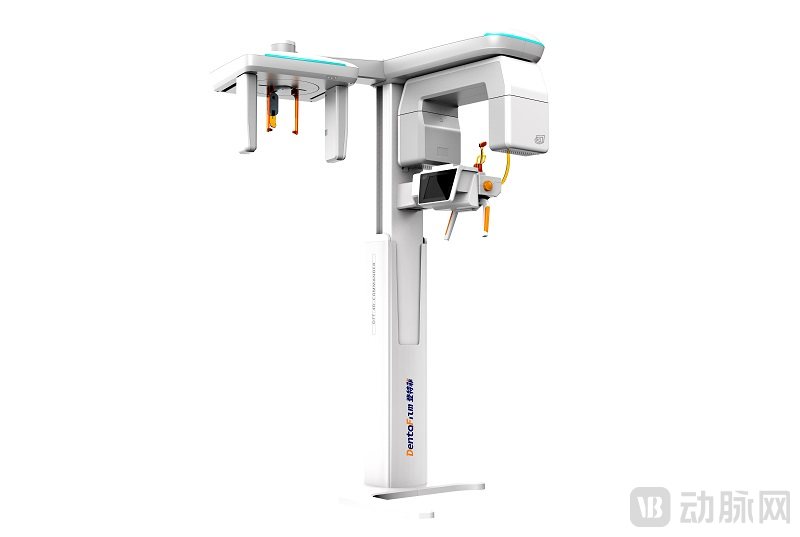
Dentafilm CBCT Products
In the realm of cloud software, Dentafilm leverages DentaCloud as its central intelligence hub and the Feelin system as its connecting link. Through comprehensive solutions, it has built a digital dental ecosystem platform that facilitates seamless information interoperability and closed-loop business processes for doctors, patients, and devices. By utilizing data such as dental imaging, the platform empowers clinics and third-party vendors with commercial enablement.
To better ensure the supply of high-end dental equipment, Dentafilm is also breaking through core technical patents via in-house R&D and leveraging scaled production capabilities to further reduce manufacturing costs, thereby helping dental healthcare institutions acquire relevant equipment.
On one hand, Dentafilm has established three major R&D centers in Hefei, Shenzhen, and Suzhou, boasting a research team of nearly 100 members and accumulating substantial R&D capabilities. Furthermore, the company is engaging in industry-academia-research collaborations with leading universities; for instance, Dentafilm has currently partnered with the Hefei Institutes of Physical Science of the Chinese Academy of Sciences, Hefei University of Technology, and Anhui Medical University. By achieving breakthroughs in the independent development of core components, it has significantly reduced the costs of high-end digital dental equipment.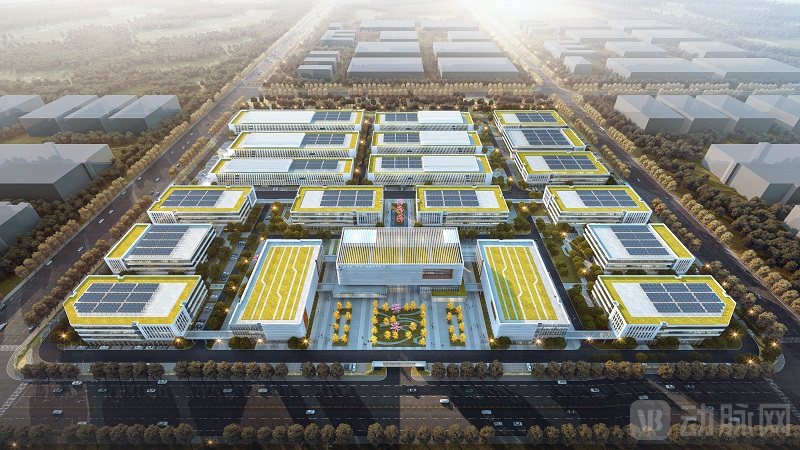
On the other hand, Dentafilm is leveraging the production capacity of its three self-established manufacturing bases to achieve economies of scale and reduce costs. Furthermore, through collaborations with major banks and financial institutions, Dentafilm is helping its clients access relevant equipment and platforms at more affordable costs.
In fact, to further enhance its R&D capabilities, Dentafilm established the High-End Medical Equipment Research Center and the X Laboratory in the second half of last year to conduct research and development on cutting-edge technologies and equipment. As its R&D capabilities have gradually improved, Dentafilm has also begun to expand from its previous focus on dental digitalization into the broader field of medical digitalization.
Currently, its incubated projects include a line of animal imaging products (ranging from laboratory animal imaging systems and veterinary clinic imaging solutions to a comprehensive suite of animal imaging products for livestock farming), ultra-widefield laser fundus scanning cameras, surgical navigation robots, and 3D laparoscopic endoscopes, among others.
Huang Kaixian noted that the decision to develop the aforementioned products was driven primarily by the company’s existing technological reserves and market demand. On one hand, Dentafilm boasts a technical team of over 100 members who have long been dedicated to the development of digital dental equipment, thereby accumulating substantial experience and expertise. On the other hand, against the backdrop of domestic substitution for imported products, significant growth opportunities are emerging in this field.
From the perspective of animal imaging products, as social atomization intensifies, pet ownership is becoming increasingly common among households. The booming pet market will further drive growth in the veterinary healthcare sector, where animal imaging plays a critical role in diagnosis. The strategic expansion into ophthalmic products reflects recognition of the large patient population with eye diseases and the substantial unmet demand. Currently, the high-end digital ophthalmic equipment market remains dominated by imported brands. Supported by national policies, this sector presents significant opportunities. Meanwhile, investments in surgical robots and endoscopy align with future technological trends, proactively positioning for advanced areas such as minimally invasive and precision therapies.
Enrich the platform ecosystem to achieve deeper connections
Huang Kaixian also has his own reflections on digitalization itself. For any single vendor, building a systematic solution is undoubtedly time-consuming and labor-intensive. Dentafilm is attempting to provide digital solutions by opening its cloud platform ecosystem to various stakeholders within the medical ecosystem and enabling more devices to connect to the cloud.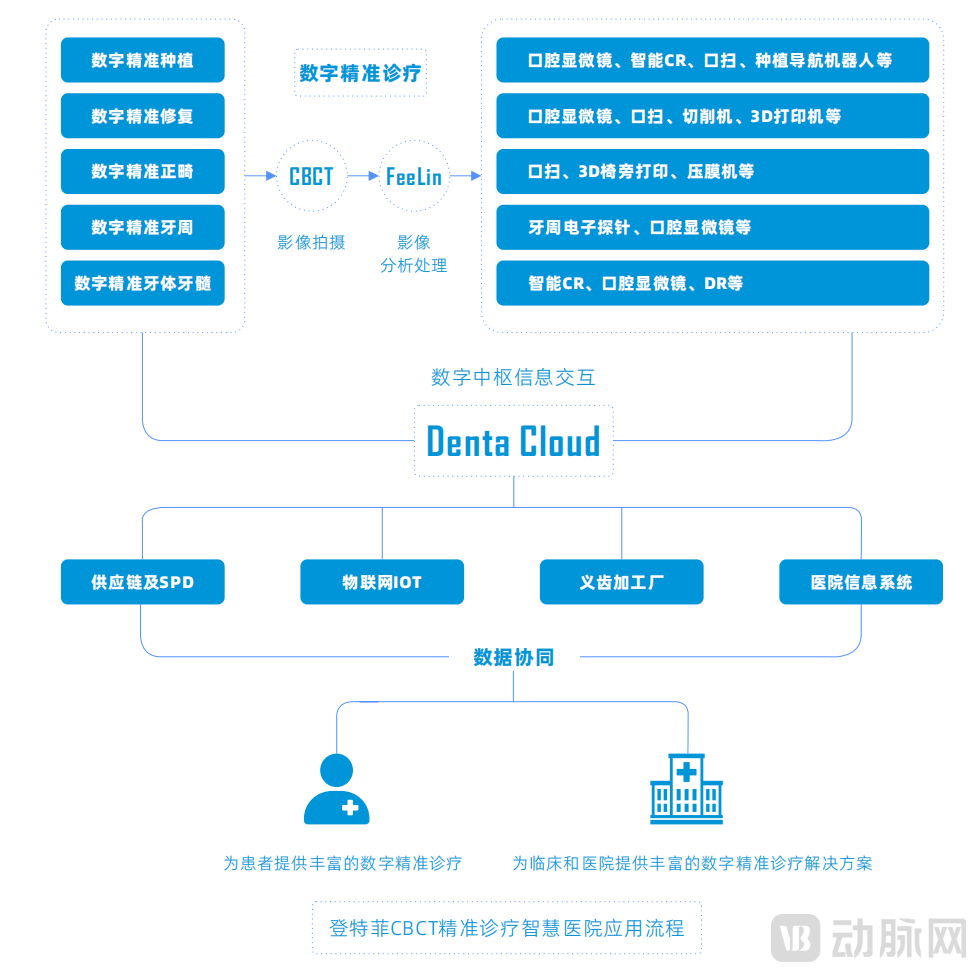
For example, Dentafilm began building and expanding its denture service platform in the second half of this year. As clinics utilize digital dental equipment to serve patients, they can more effectively collect intraoral data. Leveraging the data captured by these digital devices, end-user laboratories can better manufacture dental prosthetics, implants, and orthodontic products tailored to the specific needs of clinic-based dentists. According to Dentafilm’s plans, this denture service platform will be rolled out nationwide in the fourth quarter of this year.
Furthermore, clinic management may involve processes such as equipment procurement and write-offs. In response to these needs, Dentafilm is actively promoting its SPD (Supply, Processing, and Distribution) supply chain system services for dental clinics. By introducing high-quality, compliant consumable manufacturers, Dentafilm helps dental clinics achieve full lifecycle management of medical consumables, thereby delivering more comprehensive services.
In fact, for Dentafilm, there are still many urgent issues to be addressed in the industry.
“The entire industry is shifting toward digital dentistry. However, cost remains a major challenge for healthcare institutions. Currently, the price of high-end digital dental equipment is still prohibitively expensive. Reducing the cost of digital dental devices is a key consideration for Dentafilm. In this process, we will draw inspiration from Tesla by building an extensive R&D ecosystem. For instance, Tesla’s R&D spans battery materials science, control systems, autonomous driving, and more—covering everything from materials to complete hardware units, and from control software to cloud platforms. This sufficiently long R&D chain helps establish technological barriers. Breakthroughs in core technologies, in turn, further drive down product costs. As production scale expands, it also enables Tesla to transform its offerings from niche products into affordable options for the mass market. Dentafilm is committed to following this path, leveraging R&D reserves and breakthroughs alongside scaled-up production to ultimately achieve broader accessibility of high-end medical equipment,” said Huang Kaixian.