

China's Smallest Class III Ophthalmic Implant, MicroCOGO® Trabecular Micro-Bypass Stent, Completes First-in-Human Clinical Implantation in Shanghai
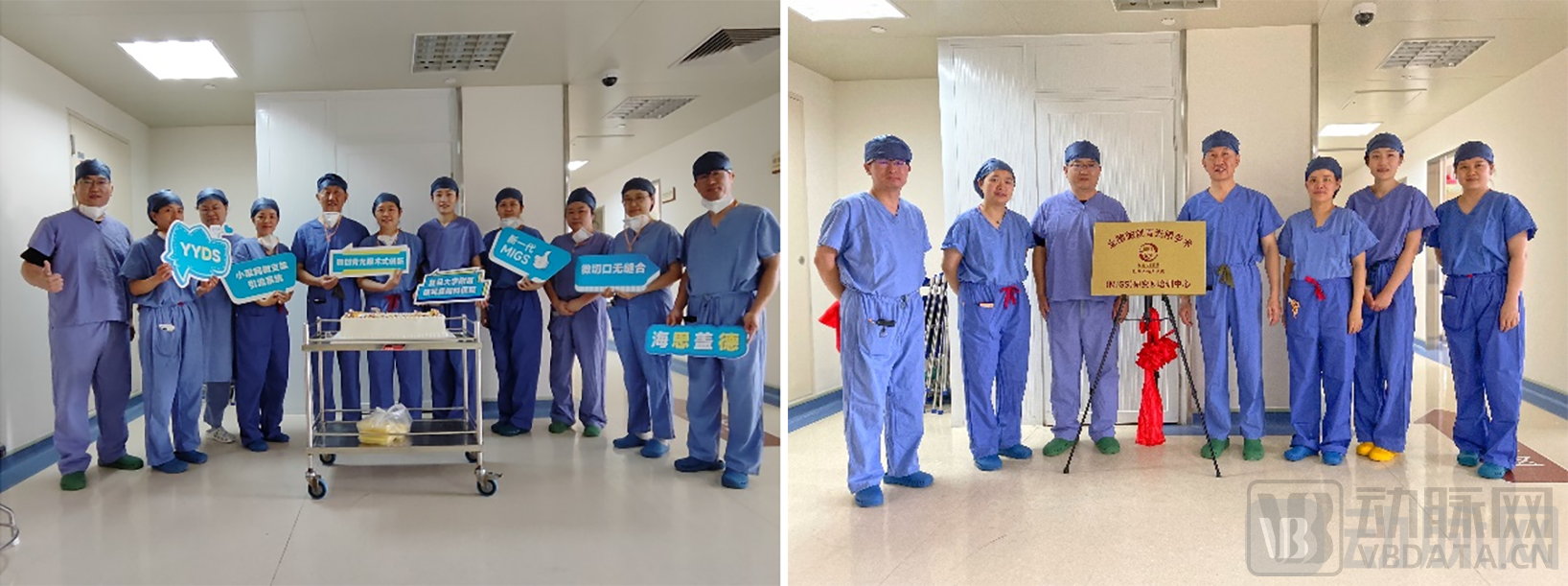
Recently, Professor Sun Xinghuai’s team at the “National Minimally Invasive Glaucoma Surgery Research & Training Center” of the Eye and ENT Hospital of Fudan University completed the procedure using “MicroCOGO,” independently developed by Hysight (Suzhou) Biomedical Technology Co., Ltd. (hereinafter referred to as “Hysight”).®"MicroCOGO" Trabecular Meshwork Micro-stent: First Clinical Implantation. It is reported that "MicroCOGO®The “Trabecular Meshwork Micro-Stent Drainage System” is designed for patients with early-to-mid stage open-angle glaucoma. It is currently the smallest Class III ophthalmic implant in China, with a peripheral dimension of less than 300 micrometers. The successful completion of this first-ever implantation marks a breakthrough from “zero to one” for the new generation of domestically produced Minimally Invasive Glaucoma Surgery (MIGS) products, filling a gap in this field in China.
Glaucoma is the leading cause of irreversible blindness worldwide. According to data from the Chinese Glaucoma Guidelines (2020), the global number of individuals with primary glaucoma exceeded 76 million in 2020, with over 21 million cases in China, making it the country with the largest glaucoma patient population. Since the 13th Five-Year Plan in 2016, eye health has been elevated to a national strategic priority. The 14th Five-Year Plan, issued in 2022, further emphasized for the first time the prevention and control of key eye diseases among high-risk populations, explicitly calling for enhanced capabilities in the early diagnosis and treatment of glaucoma.
To date, lowering intraocular pressure (IOP) remains the only proven effective method for controlling glaucoma progression. Currently, IOP management in China primarily relies on medications and surgery. In recent years, minimally invasive glaucoma surgery (MIGS) has gained global traction, with over one million procedures performed worldwide. Its adoption is driven by a short learning curve for surgeons, minimal tissue trauma, rapid postoperative recovery, fewer associated complications, and the preservation of future options for traditional filtering surgeries. Consequently, MIGS is emerging as one of the mainstream approaches to glaucoma treatment internationally. Actively promoting the domestic development and manufacturing of MIGS devices to make these procedures accessible to the broad population of glaucoma patients in China serves as both the starting point and the ultimate goal.
The successful implementation of this clinical surgery marks a new chapter for Shanghai in taking the lead in the research and application of next-generation MIGS procedures and products. Meanwhile, relying on the “National Minimally Invasive Glaucoma Surgery Research & Training Center” at the Eye & ENT Hospital of Fudan University will effectively promote the demonstrative, standardized, and regulated operation of MIGS procedures and products across China. This lays the foundation for establishing industry standards and holds significant importance for further accumulating clinical evidence, regulating clinical research, promoting evidence-based practice, comprehensively improving the level of glaucoma treatment in China, and narrowing the gap with Europe and the United States.
Professor Sun Xinghuai introduced that the first patient enrolled in this clinical trial was a 73-year-old male with mild-to-moderate open-angle glaucoma complicated by cataracts. The patient was diagnosed with glaucoma and cataracts in October 2021 and received tafluprost for intraocular pressure reduction. The surgical procedure was performed by Dr. Fang Yuan from the team. Due to MicroCOGO®The convenient, user-friendly, and ingenious design of the trabecular meshwork micro-stent drainage system significantly reduces surgical complexity. The procedure does not require additional large-scale equipment and can be performed under a standard ophthalmic optical surgical microscope in the hospital, with the assistance of a gonioscope. The implantation process is highly efficient, with micro-stent placement completed within three minutes. The incision is minimally invasive and requires no sutures, ensuring a smooth and successful surgical outcome. At the postoperative follow-up on the next day, the patient’s intraocular pressure decreased from 26 mmHg preoperatively to 16 mmHg. The expert team evaluated MicroCOGO®The trabecular micro-bypass stent drainage system is highly regarded for its design concepts and features, including a suture-free approach, ergonomic design, button-activated mechanism, and mechanical ejection implantation, with satisfaction expressed regarding the ease of surgical operation.
MicroCOGO®The successful completion of the first clinical implantation of a trabecular meshwork micro-stent, marking a significant milestone, signifies that China has reached new heights in the field of glaucoma treatment. Haisigade has also become the first innovative medical device company in the field of domestically produced next-generation MIGS (Minimally Invasive Glaucoma Surgery) products to reach clinical patients, achieving a breakthrough from “zero to one.” The Haisigade team accomplished this in just two years.
Introduction to the Expert Team
MD, Chief Physician, Professor, Doctoral Supervisor. Currently serves as President-Elect of the Ophthalmology Branch of the Chinese Medical Association, Director of the NHC/CAMS Key Laboratory of Myopia, Director of the Department of Glaucoma and Optic Nerve Diseases at Eye & ENT Hospital of Fudan University, Chair of the Department of Ophthalmology and Visual Science at Shanghai Medical College of Fudan University, Chair of the Ophthalmology and Visual Science Committee of the Chinese Research Hospital Association, Fellow of the Asia-Pacific Academy of Ophthalmology, and Executive Council Member of the World Glaucoma Association. Recipient of numerous honors and awards, including the Shanghai Science and Technology Elite, the Outstanding Achievement Award in Ophthalmology of the Chinese Ophthalmological Society, the Golden Apple Award of the Sino-US Ophthalmology Society, the Distinguished Service Award of the Asia-Pacific Academy of Ophthalmology (APAO), and the Second Prize of the National Science and Technology Progress Award.
M.D., Chief Physician, Doctoral Supervisor; currently serves as a member of the Young Committee of the Ophthalmology Branch of the Chinese Medical Association, Deputy Head of the National Glaucoma Group, member of the Glaucoma Professional Committee of the Chinese Medical Doctor Association, member of the Ophthalmology Branch of the Chinese Research Hospital Association, member of the Ophthalmology Branch of the Shanghai Medical Association and Head of its Glaucoma Group, Deputy Director of the Department of Ophthalmology at Eye & ENT Hospital of Fudan University, and Executive Deputy Director of the Discipline of Glaucoma and Optic Nerve Diseases.
Ph.D. in Ophthalmology from Fudan University; Postdoctoral Fellow in Ophthalmology at the University of California, San Diego; Chief Physician; Associate Professor; Master’s Supervisor. Recipient of the Shanghai Youth Science and Technology Star Award and the Pujiang Talent Program. Currently serves as Deputy Director of the Glaucoma and Optic Nerve Diseases Department at the Eye, Ear, Nose, and Throat Hospital.
Ph.D. in Ophthalmology, Associate Chief Physician, Visiting Scholar at Harvard University (USA). Selected for the Shanghai Young Physician Training Program. Recipient of the “Outstanding Resident” award from the Shanghai Standardized Residency Training Program and the “Outstanding Young Physician” title from the Eye & ENT Hospital. Secretary of the Glaucoma and Optic Nerve Diseases Division at the Eye & ENT Hospital of Fudan University.