

Roundtable Symposium on DNA-Based Imaging and Spatial Omics: Frontiers, Applications, and Challenges
Imaging technologies with higher resolution, greater convenience, and richer information dimensions have always been a significant driving force in advancing life sciences research.Professor Peng Yin, Harvard UniversityThe team has developed multipleDNA Nanoscopy, among which the one published in Nature Biotechnology in 2019DNA-PAINT(DNA-Based Point Accumulation for Imaging in Nanoscale Topography) technology primarily relies on the transient binding of two complementary oligonucleotide strands: one DNA strand binds to the target molecule to be imaged, while the other binds to a fluorescent dye. This enables the visualization and quantification of DNA-associated molecules at nanometer-scale resolution, providing a new strategy for further elucidating intracellular structures. As a molecular localization-based super-resolution microscopy technique, it allows for three-dimensional super-resolution imaging of biological samples and offers the advantages of high throughput, rapid speed, and low cost. Since its inception, it has been widely applied in large-scale protein mapping studies and biomarker discovery across various tissues and diseases. Over the past three years, the team has integrated DNA nanoimaging with sequencing based on DNA-PAINT, developing novel technologies such as Proximity-PAINT and Light-seq, which have demonstrated prominent applications in liquid biopsy, spatial imaging, and protein analysis.
What are the cutting-edge achievements of DNA nanotechnology in the fields of molecular imaging and spatial omics? What are the limitations and challenges regarding performance enhancement? What application potentials remain to be explored? In this roundtable seminar, we are honored to invite Professor Peng Yin from Harvard University, along with scientists selected for China’s “Hundred Talents Program” and distinguished Young Scholars from Zhejiang University and Peking University, to share the latest advancements in the field, their perspectives on these issues, and their interpretations of macro-level development trends.
Speaker | Professor Peng Yin, Harvard University
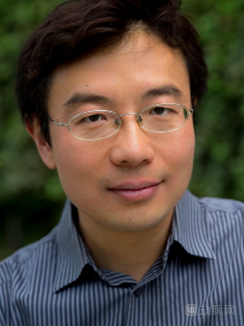
Department of Systems Biology, Harvard Medical School
● Ph.D.in Computer Science, Duke Univ., 2005
● M.S. in Molecular Cancer Biology, Duke Univ., 2000
● B.S. in Biochemistry and Molecular Biology, Peking Univ., 1998
● B.S. in Economics, Peking Univ., 1998
Professor Yin’s research interests lie in programmable molecular systems and technologies, particularly the self-assembly and applications of programmable molecular systems, structures, and devices composed of informational molecules such as DNA and RNA. Professor Yin’s team has developed a general framework for programming DNA/RNA strands into specific geometric structures or dynamic features, and has realized their applications by conjugating these nanostructures with functional entities such as fluorophores, proteins, inorganic materials, and living cells. Examples include the fabrication of specific inorganic nanoparticles, DNA/RNA probes, RNA-based synthetic regulators, and highly multiplexed, precise quantitative (accuracy >90%), super-resolution (5 nm) imaging based on DNA-PAINT.
Based on the team’s advances in DNA nanotechnology-driven barcoding and signal amplification techniques, Professor Yin was selected as an awardee of the Human BioMolecular Atlas Program (HuBMAP) and the Human Cell Atlas Project, and also serves as Co-Lead of the Molecular Robotics Initiative at the Wyss Institute.
Professor Yin has also demonstrated outstanding achievements in the commercialization of scientific research outcomes. As a co-founder, he established multiple biotechnology companies, including NuProbe, an early-stage molecular diagnostics company, and Ultivue, which leverages tissue marker identification and bio-quantitative analysis to aid in disease diagnosis and treatment. These ventures have secured investment and support from numerous leading domestic and international investors, such as Sequoia China and Arch Capital.
Research Achievements of Yin Lab:
DNA- PAINT for super resolution imaging (1), DNA-Exchange for rapid high multiplexing (1, 2), SABER for high-plex in situ signal amplification and scalable tissue imaging (3, 4), LightSeq for spatially prescribed sequencing (5), and DNA nanoscope for imaging by sequencing (5, 6)
(1) Multiplexed 3D cellular super-resolution imaging with DNA-PAINT and Exchange-PAINT
(2) Rapid sequential in situ multiplexing with DNA-Exchange-Imaging in Neuronal Cells and Tissues
(3) SABER amplifies FISH: enhanced multiplexed imaging of RNA and DNA in cells and tissues
(4) Immuno-SABER enables highly multiplexed and amplified protein imaging in tissues
(5) Light-Seq: Light-directed in situ barcoding of biomolecules in fixed cells and tissues for spatially indexed sequencing
(6) A DNA nanoscope via auto-cycling proximity recording
(7) A DNA nanoscope that identifies and precisely localizes over a hundred unique molecular features with nanometer accuracy
For more achievements, see: yin.hms.harvard.edu/publications.html
Roundtable Moderator | Professor Ruhong Zhou, Zhejiang University

Dean, School of Life Sciences, Zhejiang University; Shanghai Institute for Advanced Study, Zhejiang University
Professor Zhou serves as a member of the expert panel for the Ministry of Science and Technology’s 14th Five-Year Plan key project on “Biomacromolecules and Microorganisms,” is a National Distinguished Expert in the Overseas High-Level Talent Program, and is an expert under Zhejiang Province’s Kunpeng Action Plan. Professor Zhou earned his degree from the Department of Chemistry at Columbia University and has long been engaged in interdisciplinary research spanning computational biology, biophysics, biochemistry, and AI+. His research focuses include protein design, nanomedicine design, and tumor immune mechanisms. In recent years, Professor Zhou’s research interests have centered on tumor immunotherapeutics, immune mechanisms and vaccine development, and molecular dynamics software development.
Roundtable Guest | Feng Jiandong, Zhejiang University
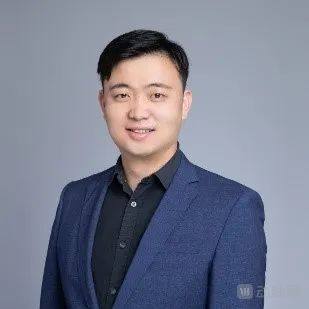
Laboratory of Physical Biology and Precision Measurement, Department of Chemistry, Zhejiang University
Researcher, PI
Dr. Feng earned his Ph.D. from the École Polytechnique Fédérale de Lausanne (EPFL) in Switzerland. In 2018, he was selected for the Young Scholars Program of the National High-Level Talent Support Plan and joined Zhejiang University.
Dr. Feng’s research focuses on the development and application of single-molecule measurement methods and scientific instrumentation. He is dedicated to advancing multidimensional measurement techniques to enable the observation, phenomenological study, and practical application of single-molecule physical and chemical processes in solution systems. His work has sequentially encompassed research on single-molecule measurement, manipulation, and imaging.
Roundtable Guest | Sun Wei, Peking University
Institute of Physical Electronics, School of Electronics, Peking University
Distinguished Researcher, PI
Dr. Sun is a recipient of the National Science Fund for Distinguished Young Scholars. He graduated from the College of Chemistry and Molecular Engineering at Peking University and subsequently conducted postdoctoral research at Harvard University. He joined Peking University in 2017. Dr. Sun has long been engaged in research on small-scale self-assembled electronic devices, bioelectronic devices, and related fields. He has developed precision self-assembly methods, represented by nucleic acid-mediated assembly, enabling large-area, programmable fabrication of small-scale electronic devices.
I. Event Schedule
Eastern Time, December 3, 9:00–10:30 PM
US West Coast Time, December 3, 6:00–7:30 PM
Beijing Time, December 4, 10:00–11:30 AM
II. Event Agenda
DNA-Based Imaging and Spatial Omics Academic Lecture (25 min)
Professor Yin Peng: Engineer DNA Probes to Advance Bioimaging
Roundtable Discussion: Frontiers in DNA Imaging (45 min)
● What are the advantages and limitations of DNA-based imaging technologies compared to other optical imaging techniques, and what are the most suitable application areas in biological research?
● What performance metrics of current microscopy imaging technologies can be further enhanced? What is the level of commercial maturity and what are the application scenarios for such technologies?
● How can one extensively explore multidisciplinary knowledge during the PhD and postdoctoral stages, and how to engage in interdisciplinary collaboration as an independent PI? Additionally, what are the key experiences or lessons learned from scientists’ entrepreneurial ventures?
Q&A (20min)
The highly anticipated closed-door discussion session is here—come engage in open dialogue with leading academic experts! ~
III. Participation Methods
The meeting will be held online via Zoom, with the meeting link embedded in the questionnaire.

Scan the QR code to register
About the Lecture Series by Distinguished Scholars in Life Sciences
The World’s Leading Biologists Series is byBioCosmoCombinationThe University of Tokyo, Caltech, Karolinska Institute, Princeton University, ETH Zurich, Yale University, Johns Hopkins University Student UnionA jointly initiated online public welfare lecture series. We aim to invite distinguished bioscientists from diverse fields, renowned for their academic achievements, to deliver reports on academic advancements and share insights into their scholarly journeys. This initiative seeks to help scholars transcend geographical barriers, gain insight into the frontiers of biological development in the new century, and foster the exchange and professional growth of young biological scholars from top overseas universities worldwide by listening to the stories of leading biologists across the globe.