

Zhenbaodao's Breakthrough in the Billion-Dollar TCM Market: Leveraging Full Industrial Chain for Growth Amid Adversity
ZBD Pharmaceutical
Traditional Chinese Medicine (TCM) Product Developer
In late October 2022, following expert review, the Bozhou Chinese Herbal Medicine Commodity Trading Center was designated as a “2022 Anhui Provincial Service Industry Agglomeration Demonstration Zone.” This marks the second time the project has received this honor, having previously been awarded the title of “Provincial Service Industry Agglomeration Zone” in 2020, and signifies the continued recognition by the Anhui Provincial Government of the industrial advantages and agglomeration effects of the Bozhou Chinese Herbal Medicine Commodity Trading Center.
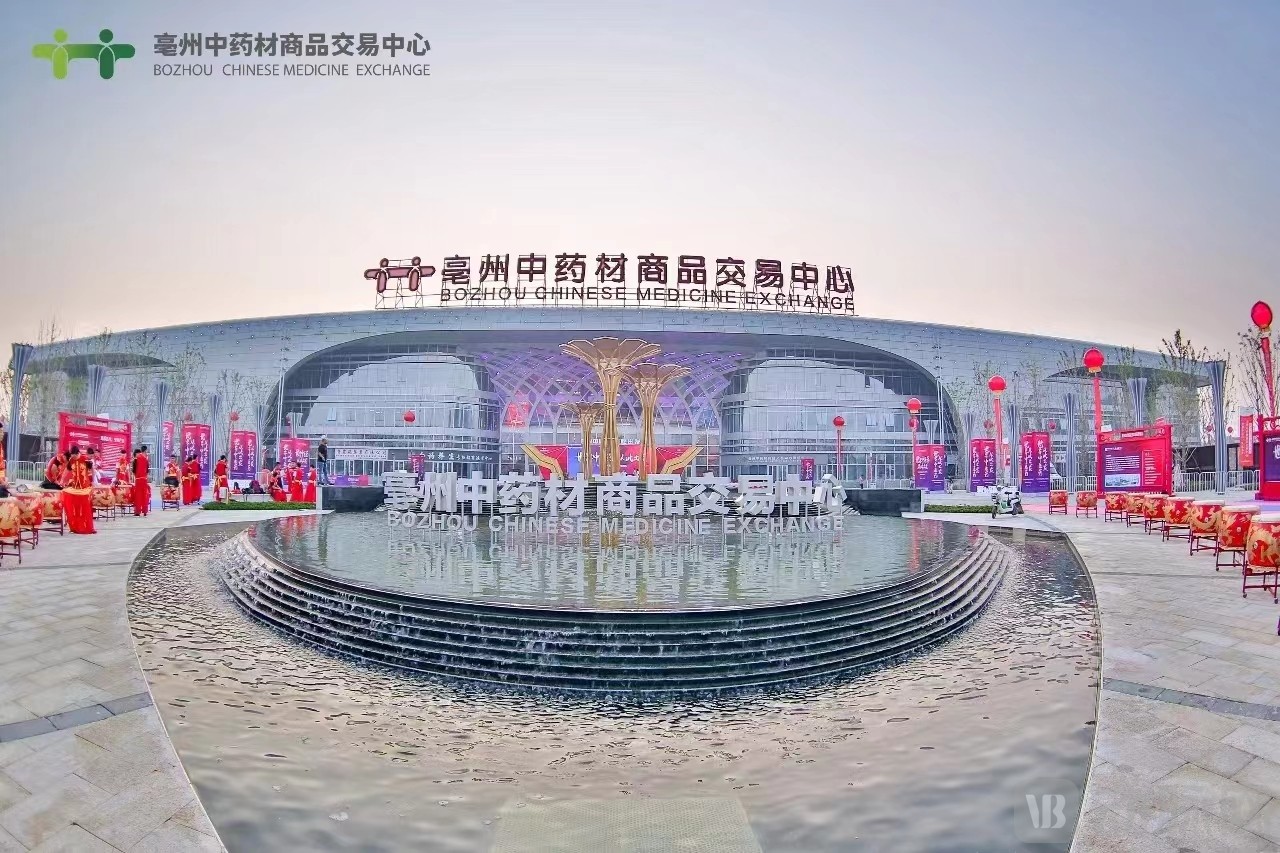
Bozhou Chinese Herbal Medicine Commodity Trading Center
The entity building and operating this trading center is ZBD Pharmaceutical, which has established a presence across the entire industrial chain of traditional Chinese medicinal materials.
Bozhou’s historical ties to traditional Chinese medicine (TCM) date back to the Eastern Han Dynasty. Located in the Central Plains, Bozhou has long been known as the “Gateway to the Central Plains” and the “Strategic Chokepoint of Xu and Yan.” Benefiting from convenient water transport and abundant medicinal herb production, Bozhou emerged as a nationally renowned distribution hub for TCM materials as early as the Ming Dynasty. A common saying in the market goes, “Herbs are not aromatic unless they reach Bozhou; herbs are not complete unless they reach Bozhou; herbs are not efficacious unless they reach Bozhou.” In addition to its thriving trade in medicinal herbs, Bozhou is also famous for their cultivation. The city boasts over 1.1 million mu of planted area for TCM materials, encompassing more than 470 species across 141 families, with over 130 species being locally produced.
Faced with such unparalleled resources of traditional Chinese medicine (TCM), how can Bozhou be built into a renowned capital of TCM both domestically and internationally? To this end, the Anhui Provincial Government formulated and issued the Three-Year Action Plan for Building a “World Capital of Traditional Chinese Medicine” (2017–2020). Meanwhile, Fang Tonghua, Chairman of ZBD Pharmaceutical and a native of Bozhou, is also committed to helping his hometown become the world’s capital of TCM while leading the transformation and upgrading of China’s TCM material industry.
The Bozhou Chinese Herbal Medicine Commodity Trading Center, invested in and constructed by ZBD Pharmaceutical with a total land area of 220 mu and a building area of 120,000 square meters, has been successfully completed. Comprising six independent building complexes, it houses over 5,000 retail units, providing an all-weather trading venue for thousands of pharmaceutical enterprises and tens of thousands of herbal medicine merchants, featuring standard sample displays and interactive experiences.
Relying solely on large scale and high concentration merely results in market aggregation, offering limited impetus for industry development. As early as the design phase of its trading center, ZBD Pharmaceutical targeted the critical pain points hindering the development of the traditional Chinese medicine (TCM) materials sector.
As an industry leader, ZBD Pharmaceutical has a thorough understanding of the many issues in the Chinese herbal medicine market. For example, although the scale of China’s Chinese herbal medicine industry continues to expand year by year, there has been no fundamental change in the traditional circulation methods for Chinese herbal medicines, and the traditional trading model fails to meet the demands of modern industrial production.The “Small, Fragmented, and Disordered” State of the Chinese Herbal Medicine IndustryThis has not only increased the pressure on government regulation but also affected the efficiency and effectiveness of the circulation of medicinal materials.
Furthermore,Quality Issues with Chinese Herbal MedicinesThis also warrants special attention. Before entering the production phase, Chinese herbal medicines are classified as agricultural products, and this very attribute results in a low barrier to entry for their trade. With the explosive growth in market demand for Chinese herbal medicines, while supply is generally secured, the “forced” rapid development has led to neglect and insufficient improvement of planting technical standards, resulting in inconsistent quality of Chinese herbal medicines. These factors will have a significant impact on the production and operations of traditional Chinese medicine enterprises.
Furthermore,Significant Price Volatility in Bulk Medicinal Herbs. Medicinal herbs generally undergo multiple rounds of trading and distribution before reaching midstream manufacturers or downstream end consumers, resulting in lengthy supply chains, high transaction costs, and price volatility. Factors such as supply-demand imbalances, the discovery of new applications, natural disasters, and favorable policies can all lead to fluctuations in herb prices, thereby affecting pharmaceutical companies’ production volumes and profit margins. Pharmaceutical companies with a high dependence on traditional Chinese medicinal materials face significant cost pressures due to rising herb prices.
Finally, it isNo Uniform Standardconstraining the internationalization of traditional Chinese medicine (TCM). In the annual special sampling inspections of TCM decoction pieces conducted by the National Medical Products Administration (NMPA), the following major issues have been consistently identified over the years: first, the substitution with counterfeit or adulterated products and adulteration; second, excessive residues of exogenous harmful substances; and third, non-compliant practices in harvesting, primary processing, and standardized processing (Paozhi). The root cause of these problems lies in the historical lack of unified quality standards for many TCM medicinal materials, and such discrepancies in standards have also hindered TCM decoction pieces from accessing broader international markets.
Having competed in the traditional Chinese medicine industry for over two decades, ZBD Pharmaceutical has gained a clear understanding of the challenges hindering the sector’s development and has introduced targeted solutions.
ZBD Pharmaceutical recognized early on that the future “Internet + Industry” model would lead traditional industries toward renewal. Therefore, ZBD Pharmaceutical aims to empower the entire field of traditional Chinese medicine (TCM) material trading through an industrial internet model.
Offline transaction space is the foundation, while online trading platforms are an extension.
Merely consolidating Chinese herbal medicine vendors changes only the location of transactions, not the form of trading. Vendors’ businesses remain constrained by factors such as physical space. To address this, ZBD Pharmaceutical invested in and developed the Shennong Cai Platform, a professional online trading platform for Chinese herbal medicines, which is developed and operated by the Bozhou Chinese Herbal Medicine Commodity Trading Center.
Merchants can access six major service systems on this platform, including information services, purchase and sales services, tendering and procurement services, traceability services, logistics services, and financial services. The platform is even accessible via mini-programs, making it extremely easy for merchants to get started. Furthermore, catering to different customer segments for various medicinal materials, ZBD Pharmaceutical has built multiple e-commerce platforms, including Shennong Cai, on the foundation of the Bozhou Chinese Herbal Medicine Commodity Trading Center, thereby establishing a comprehensive online internet-based TCM service platform.
Notably, ZBD Pharmaceutical has established an electronic trading platform for bulk spot commodities for the Bozhou Chinese Herbal Medicine Commodity Trading Center.
In addition to traditional offline transactions and spot trading on online e-commerce platforms, the Bozhou Chinese Herbal Medicine Commodity Trading Center has launched a spot warehouse receipt trading model for Chinese herbal medicines that bridges the gap between spot and futures markets, and has established an electronic trading platform. This platform primarily serves industry clients, such as large-scale planting cooperatives and Chinese herbal medicine trading companies, and is not open to non-industry clients, including individual investors.
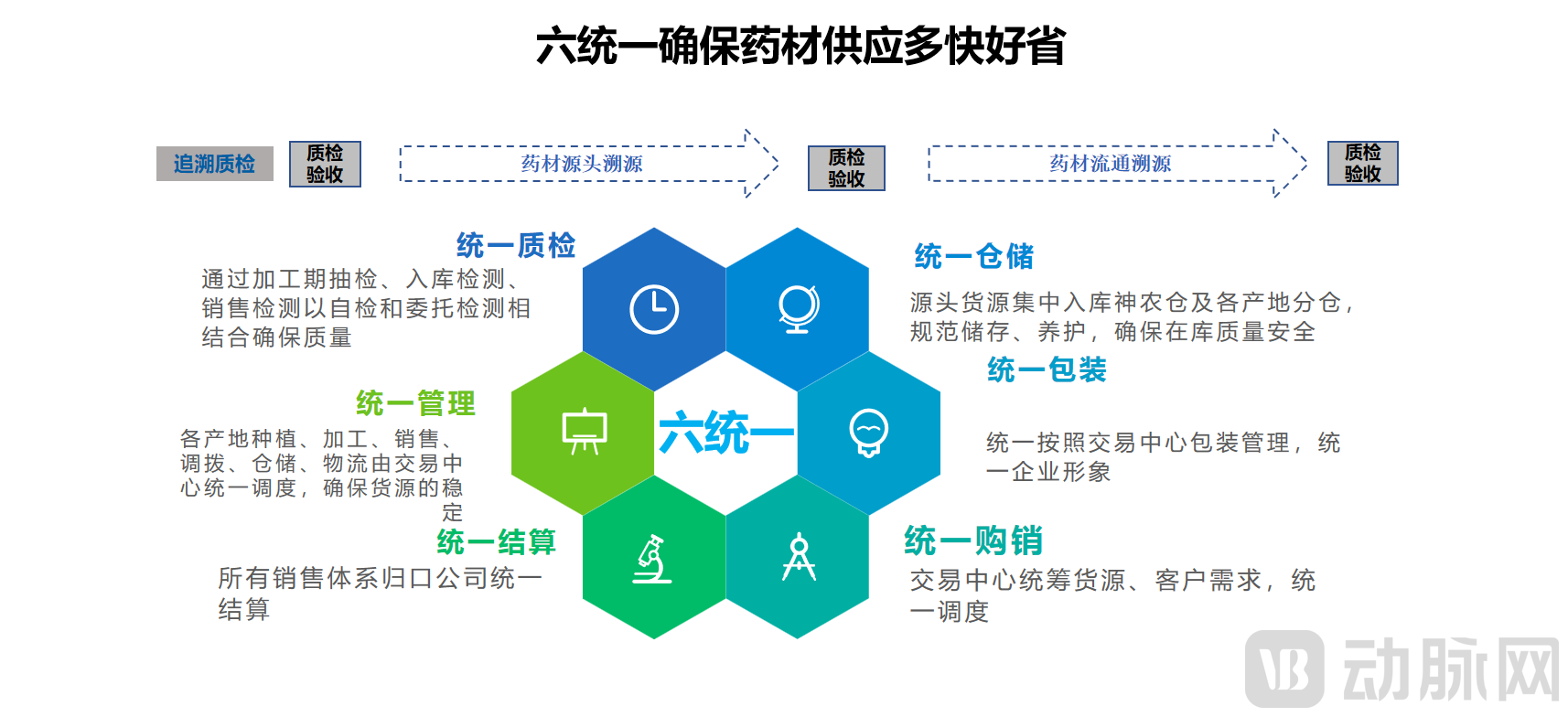
The “Six Unifications” Model Ensures Consistent Quality of Traditional Chinese Medicinal Materials
Furthermore, by implementing the “Six Unifications”—unified grading, unified quality inspection, unified storage, unified financing, unified settlement, and unified trading—the Bozhou Trading Center has addressed longstanding issues in traditional Chinese herbal medicine trade, such as inconsistent quality, difficulties in securing loans, high interest rates, non-standardized storage, excessive procurement steps, and high costs. Compared with traditional offline trade, online electronic trading platforms can significantly reduce costs across the entire circulation chain of Chinese herbal medicines, offering new solutions for the bulk distribution of these products.
The establishment and smooth development of the Bozhou Chinese Herbal Medicine Commodity Trading Center signify that ZBD Pharmaceutical has identified an innovative development path for the Chinese herbal medicine industry that resonates with the future of Bozhou, the “Capital of Traditional Chinese Medicine.” Meanwhile, with government support, the Bozhou Chinese Herbal Medicine Commodity Trading Center is also making efforts to advance market access mechanisms and other areas, establishing standards that cover all stages including production, circulation, and quality control.
The standardization of traditional Chinese medicine (TCM) serves as the foundation and prerequisite for its modernization and internationalization. Within this framework, the standardization of TCM raw materials is the most fundamental element; without it, the standardization of TCM decoction pieces and proprietary Chinese medicines would be unattainable. The standardized mechanism established by ZBD Pharmaceutical at the trading center has ensured quality control at the source, thereby laying a solid groundwork for the subsequent high-quality development of the TCM industry.
In the future, the Bozhou Chinese Herbal Medicine Commodity Trading Center will complete its “N+50” nationwide origin layout, establishing a supply network that covers 50 major production areas of Chinese herbal medicines and includes more than 1,000 bulk varieties. Currently, the trading center has set up 14 origin-based offices; meanwhile, through co-construction with local origins, it has completed the development of three authentic herb cultivation bases and nine authentic herb processing bases. In addition, the Bozhou Shennong Valley (International) Spice Market, a key project of the trading center, further strengthens the industrial chain for Chinese herbal medicines, fills the gap in Bozhou’s lack of a specialized spice market, and aims to become an international professional spice trading hub through import and export trade.
Through this series of coordinated measures, the Bozhou Traditional Chinese Medicine (TCM) Commodity Trading Center will consolidate China’s leading TCM industry resources. It has become the core platform for building ZBD Pharmaceutical’s TCM industry segment, serving as one of ZBD’s core pillar industries and a new growth engine for its future business expansion.
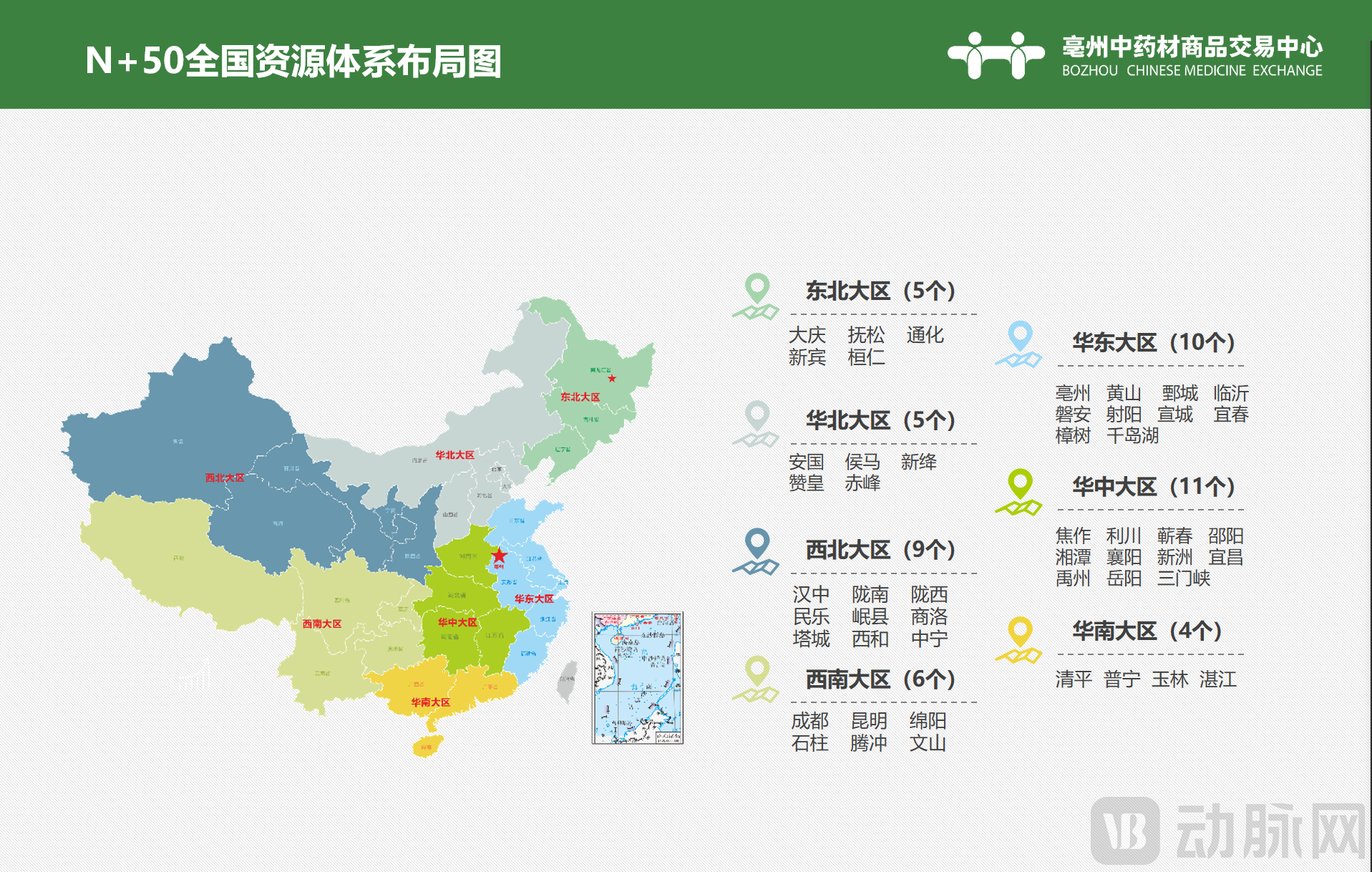
“N+50” National Resource System Layout
For ZBD Pharmaceutical, the successful development of the trading center is reflected not only in revenue growth, but more importantly, it has enabled the company to establish advantages across the entire industrial chain of traditional Chinese medicinal materials, strengthen its control over source-region resources, effectively balance costs, and mitigate market risks while ensuring a stable supply.
For the industry, ZBD Pharmaceutical’s success in building a modern market circulation system for Chinese herbal medicines through its “Internet + Chinese Herbal Medicines” model has further improved the efficiency of resource allocation within the sector. It has also demonstrated to the industry the pivotal role that digital transformation plays in leading the transition of traditional Chinese herbal medicine trading, facilitating quality standardization of herbal medicines, and advancing the modernization of the Traditional Chinese Medicine (TCM) industry, thereby driving industry-wide progress.
It is precisely thanks to the layout of the entire industrial chain of Chinese herbal medicines that ZBD Pharmaceutical has a sufficiently complete layout in traditional Chinese medicine preparation products.
According to the company’s semi-annual report, ZBD Pharmaceutical achieved revenue of approximately RMB 2.5 billion in the first half of 2022, a year-on-year increase of 52%. However, this figure does not yet fully reflect ZBD Pharmaceutical’s true “strength,” as its strategic R&D initiatives are poised to yield continued future growth.
Currently, ZBD Pharmaceutical has established its “One Center, Four Institutes” R&D system. The “One Center” refers to the Beijing R&D Management Center, while the “Four Institutes” refer to the Beijing Institute of Pharmaceutical Research, Harbin Institute of Pharmaceutical Research, Bozhou Institute of Pharmaceutical Research, and Hangzhou Institute of Pharmaceutical Research. With the “One Center” serving as the hub and link, and the “Four Institutes” as bases, ZBD Pharmaceutical has implemented a strategic layout of “developing one generation while planning for the next,” fostering in-depth collaborations with renowned universities, research institutions, and CRO companies.
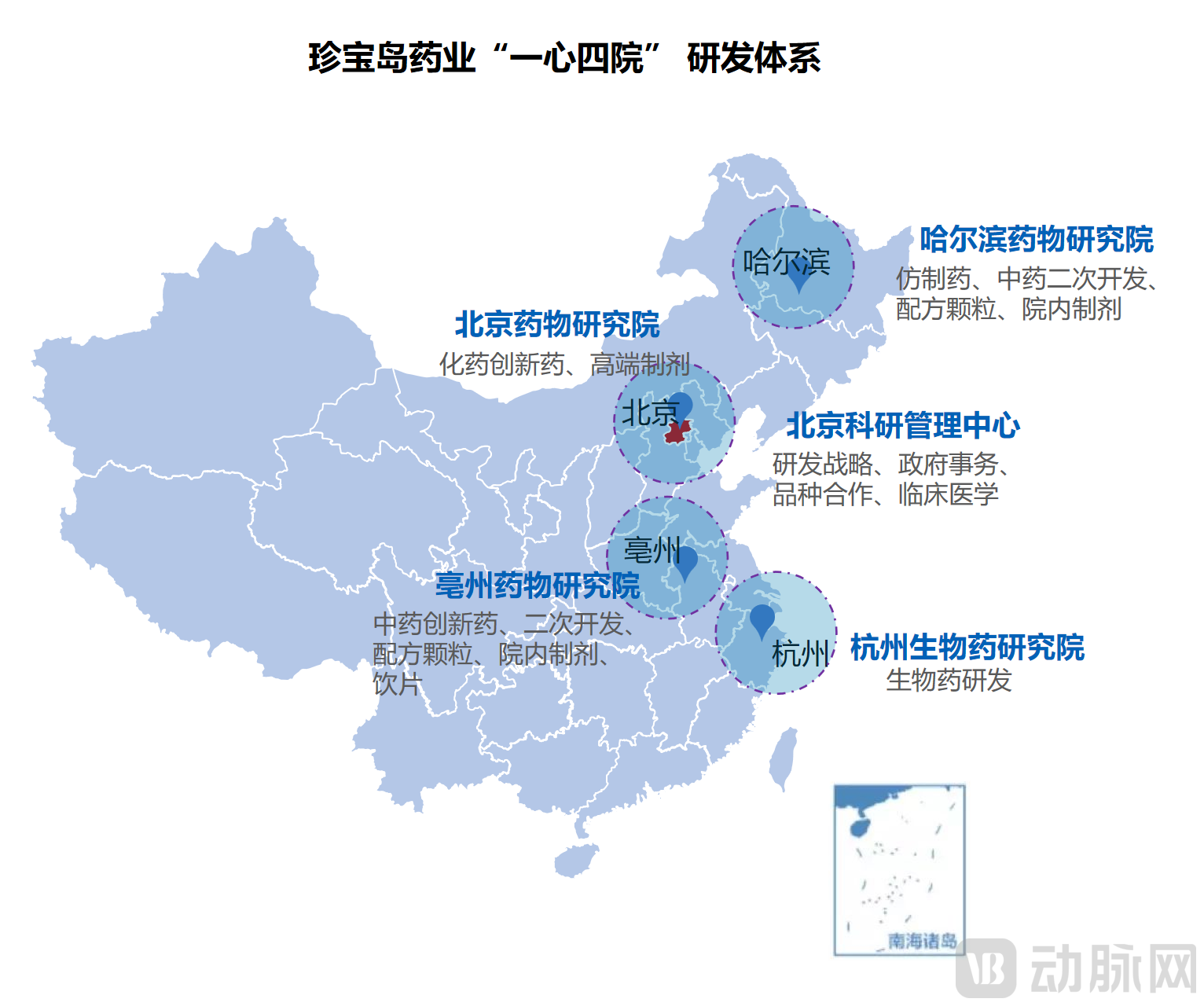
“One Center, Four Institutes” R&D System Layout
ZBD Pharmaceutical’s product pipeline comprises 80 drug varieties covering cardiovascular, cerebrovascular, respiratory, pediatric, and orthopedic indications, with 99 approved production licenses. Among these, 52 varieties are included in the National Reimbursement Drug List, and 23 are listed in the National Essential Medicines List. Of the 80 varieties, 50 are prescription drugs for clinical use and 30 are over-the-counter (OTC) products; four varieties are exclusive original research drugs.
Among the 80 product varieties, 59 are traditional Chinese medicine (TCM) products. In the future, ZBD Pharmaceutical will continue to enrich its product pipeline. In addition to conducting secondary development of existing key and potential TCM varieties, the company is also focusing on new types of TCM products, such as formula granules and in-house hospital preparations. It is promoting the filing and registration of in-house hospital preparation products and continuously advancing the development of innovative TCM drug projects, including the Qingjiang Hewei Formula.
Such a comprehensive layout relies on the continuous expansion of China’s traditional Chinese medicine (TCM) manufacturing industry. According to data from China Research Network, China’s TCM manufacturing market grew from RMB 63.7 billion in 2016 to RMB 73.7 billion in 2020, with a compound annual growth rate (CAGR) of 3.7%. Based on this projection, the market size of China’s TCM pharmaceutical industry is expected to reach RMB 77.1 billion in 2022.
Meanwhile, in recognition of the unique contributions made by Traditional Chinese Medicine (TCM) during the pandemic, the *Provisions for the Classification of Traditional Chinese Medicine Registrations and Requirements for Submission Materials* underwent significant updates in September 2020. Innovative TCM drugs were established as a distinct first category; a new registration category for “TCM compound preparations derived from ancient classic prescriptions” was introduced, with further clarification of their scope. Secondary development was encouraged by reclassifying applications for “additional indications and functions” under the new drug application framework, thereby enhancing the quality of marketed TCM products.
By 2021, policies supporting Traditional Chinese Medicine (TCM) entered a period of robust implementation. National support for TCM has gradually transitioned from top-level design to practical execution, featuring key measures such as the relaxation of usage restrictions on certain TCM products and the full-scale implementation of pilot programs for TCM formula granules.
Guided by policy, ZBD Pharmaceutical has made corresponding strategic arrangements.
In terms of secondary development of existing products, ZBD Pharmaceutical has focused primarily on two core products: Xuesaitong for Injection (Lyophilized) and Shuxuening Injection. Both are traditional Chinese medicine injections for cardiovascular and cerebrovascular diseases and have been successively designated as Key Projects under the National Torch Program and Projects under the National Torch Program. In recent years, ZBD Pharmaceutical has enhanced formulation processes, strengthened evidence-based medical data, improved clinical product quality, introduced innovations, and diversified its product portfolio.
In the field of innovative traditional Chinese medicine (TCM) drugs, leveraging “prestigious hospitals, renowned physicians, and classic formulas” as the source of innovation, ZBD Pharmaceutical actively advances the R&D of innovative TCM drugs and hospital preparations, as well as the development of classic formulas. The company collaborates with Tianjin University of Traditional Chinese Medicine on research into classic formulas; partners with multiple research institutes to conduct in-depth evidence-based medical studies and introduce exclusive product varieties; and has integrated and improved its original R&D system by recruiting numerous master’s and doctoral talents, thereby establishing a comprehensive R&D system for innovative TCM drugs and continuously advancing project development. Currently, the company has three innovative TCM drug projects and 49 hospital preparation projects under development.
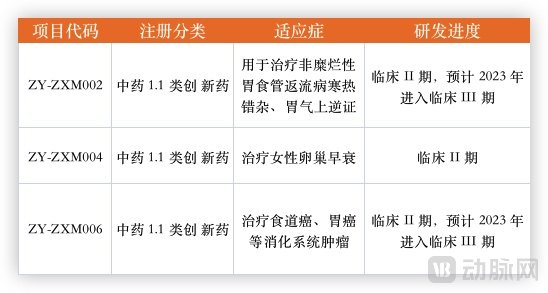
ZBD Pharmaceutical's Pipeline of Innovative Traditional Chinese Medicine (TCM) Drug Projects
In the sector of traditional Chinese medicine (TCM) formula granules, statistics from the China Pharmaceutical Industry Information Center show that the market size reached RMB 25.245 billion in 2021, representing a year-on-year increase of 32.87%. Benefiting from policy changes that have lifted pilot restrictions on TCM formula granules, the market is expected to achieve multifold growth in the future.
Leveraging this favorable momentum, ZBD Pharmaceutical has accelerated the filing process for TCM formula granules, with approximately 600 varieties already filed through its subsidiary, Jiuzhou Fangyuan. Meanwhile, the company is actively pursuing mergers and acquisitions of TCM preparations to convert non-exclusive products with favorable competitive landscapes, such as Shuanghuanglian Oral Lyophilized Powder for Injection, into exclusive offerings. Through these M&A activities, ZBD Pharmaceutical has further expanded its portfolio of oral products, acquiring items such as Angong Niuhuang Wan and Wuji Baifeng Wan.
Supported by its comprehensive R&D layout and upstream medicinal herb resources, ZBD Pharmaceutical currently boasts a portfolio of flagship oral traditional Chinese medicine (TCM) products, including Compound Qinlan Oral Liquid, Xueshuantong Capsules, Pediatric Resuqing Syrup, and Snake Bile and Fritillaria Bulb Liquid, which are regarded as future growth drivers for its performance.
The focus is on traditional Chinese medicine (TCM) oral preparations because they represent the fastest-growing subsector within the TCM industry. According to data from Zhongyan Puhua Industry Research Institute, the market size of TCM oral preparations will exceed RMB 100 billion by 2024.
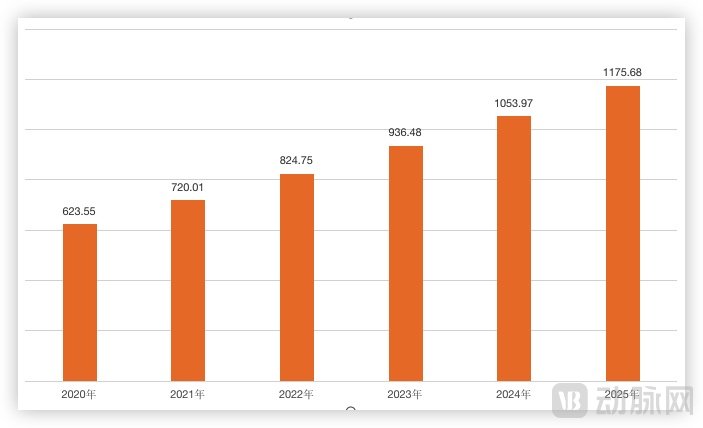
Market Size Forecast for the Traditional Chinese Medicine Oral Liquid Industry in the Coming Years (Unit: 100 Million Yuan), Data Source: Zhongyan Puhua Industrial Research Institute
ZBD Pharmaceutical’s Xueshuantong Capsules are a major oral formulation product and were included in the 2021 Chinese Expert Consensus on the Application of Panax Notoginseng Saponin Preparations. Meanwhile, ZBD Pharmaceutical is actively conducting pharmacoeconomic evaluations of Xueshuantong Capsules, continuously enriching the evidence-based medical data for the product, and gradually transforming its academic advantages into market advantages. With the removal in the 2021 National Reimbursement Drug List of the restriction that limited insurance coverage for Xueshuantong Capsules to outpatient visits and designated pharmacies only, the future market is expected to expand further.
Furthermore, in response to the current situation, ZBD Pharmaceutical is actively conducting real-world evaluations of Compound Qinlan Oral Liquid. This product is indicated for the treatment of fever, cough, and sore throat caused by exogenous wind-heat. It is an exclusive variety in China, listed as a Class B product under the National Reimbursement Drug List, classified as an OTC Class B drug, and recognized as a Nationally Protected Traditional Chinese Medicine Product. The product holds two national invention patents, is recommended in the medication interpretations for two clinical pathways, and was designated by the Heilongjiang Provincial Government as a reserve product for the prevention and control of Influenza A (H1N1).
A positive-controlled, randomized, double-blind, multicenter clinical trial led by the First Teaching Hospital of Tianjin University of Traditional Chinese Medicine, in collaboration with Jinzhou Central Hospital, Gansu Provincial Hospital of Traditional Chinese Medicine, and the Second Affiliated Hospital of Shaanxi University of Chinese Medicine, among others, to evaluate the efficacy and safety of Compound Qinlan Oral Liquid in treating common cold (acute upper respiratory tract infection) with exterior wind-heat syndrome, using Shuanghuanglian Oral Liquid as the control.
In the "Multicenter Clinical Evaluation of Compound Qinlan Oral Liquid in the Treatment of Acute Upper Respiratory Infection with Exogenous Wind-Heat Syndrome," the overall disease efficacy cure-and-marked improvement rates for the experimental and control groups were 83.14% and 73.04%, respectively (FAS analysis), while the TCM syndrome efficacy cure-and-marked improvement rates were 84.59% and 70.43%, respectively (FAS analysis). The experimental group demonstrated significantly higher rates than the control group (P < 0.05), indicating favorable safety and promising prospects for clinical application.
In the multicenter, randomized, controlled clinical trial titled "Efficacy of Compound Qinlan Oral Liquid in the Treatment of Acute Upper Respiratory Tract Infection (Wind-Heat Cold Syndrome) in Children," the effectiveness of Compound Qinlan Oral Liquid was evaluated in children aged ≥6 to ≤12 years. In the analysis of the cure rate at 3 days, the cure rate was 80.56% in the low-dose group and 91.67% in the high-dose group. In the analysis of the time to antipyretic onset, the times for the high-dose and low-dose groups were (10.68 ± 6.42) hours and (13.87 ± 11.04) hours, respectively. The efficacy on individual TCM symptoms was analyzed based on the distribution of cured and non-cured cases, with comparisons made using cure rates; the total effective rates were 100% in both the low-dose and high-dose groups. Significant effects were observed in alleviating fever, nasal congestion, rhinorrhea, red and swollen sore throat, and cough.
Supported by such clinical data, Compound Qinlan Oral Liquid has been recommended in the Expert Consensus on Integrated Traditional Chinese and Western Medicine for the Prevention and Treatment of COVID-19 in Heilongjiang Province and is recommended for the syndrome of phlegm-heat obstructing the lungs in the Third Edition of the Traditional Chinese Medicine Prevention and Treatment Plan for Novel Coronavirus Pneumonia in Heilongjiang Province.
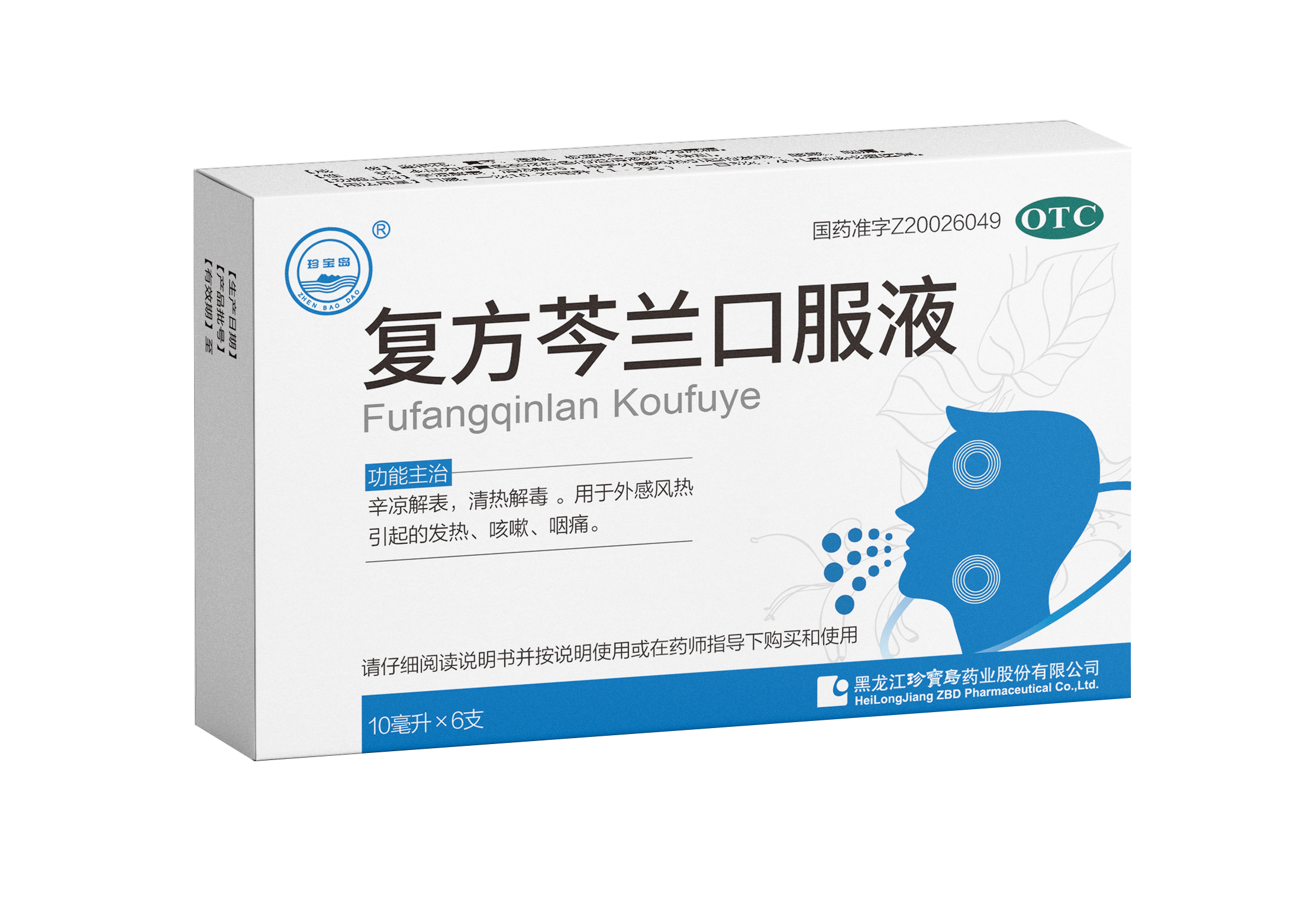
ZBD Pharmaceutical Breaks Through in the OTC Market, with Compound Qinlan Oral Liquid as Its Representative
Subsequently, in addition to conducting specialized academic marketing centered on tiered hospitals and deepening its layout within tiered medical institutions, ZBD Pharmaceutical will leverage Compound Qinlan Oral Liquid as its flagship product to lead more than 30 OTC varieties into the grassroots medical market, accelerating the expansion of medical terminals and channel penetration. In the retail sector, the company will target chain pharmacies as key customers to develop out-of-hospital sales channels.
The strategic decision to use Compound Qinlan Oral Liquid as a flagship product to drive the expansion of a broad OTC portfolio is primarily driven by the steady growth in sales of proprietary Chinese medicines (PCMs) in China’s retail pharmacy sector. According to data from Menet, sales of PCMs in physical pharmacies rose from RMB 99.4 billion in 2013 to RMB 153.6 billion in 2019. Among these, medications for respiratory diseases occupied the central position.
According to data from Menet, between 2017 and 2019, sales of traditional Chinese medicine (TCM) proprietary medicines for the respiratory system in physical pharmacies in prefecture-level cities and above increased from RMB 26.8 billion to RMB 30.082 billion, representing a compound annual growth rate (CAGR) of 5.95%. Among these, cold remedies exhibited the fastest growth, approaching 9%. In this expansive market landscape, Compound Qinlan Oral Liquid, which boasts favorable real-world evidence, is poised to thrive.
On the other hand, since January 2022, the price index for traditional Chinese medicinal materials has reached a ten-year high. Coupled with rising prices of commodities and energy, market participants have formed expectations of price increases for proprietary Chinese medicines. In this context, ZBD Pharmaceutical, with its layout across the entire industry chain, enjoys distinct advantages in cost management, which positively impacts both product gross margin improvement and market share expansion.
In the future, as time progresses, the value of ZBD Pharmaceutical’s full traditional Chinese medicine (TCM) industrial chain will become increasingly prominent. Bolstered by national policies encouraging the TCM industry, ZBD, with its comprehensive product portfolio, will further expand its market and unlock profit margins through a series of innovative achievements, thereby inheriting TCM culture and standing at the forefront of innovation.