

China's First Joint Cartilage Repair Health Insurance Launched, Offering Efficacy-Based Coverage for Cartilage Injury Patients
China’s First Innovative Medical Service Assurance Program for Sports Injury Rehabilitation Officially Launched!
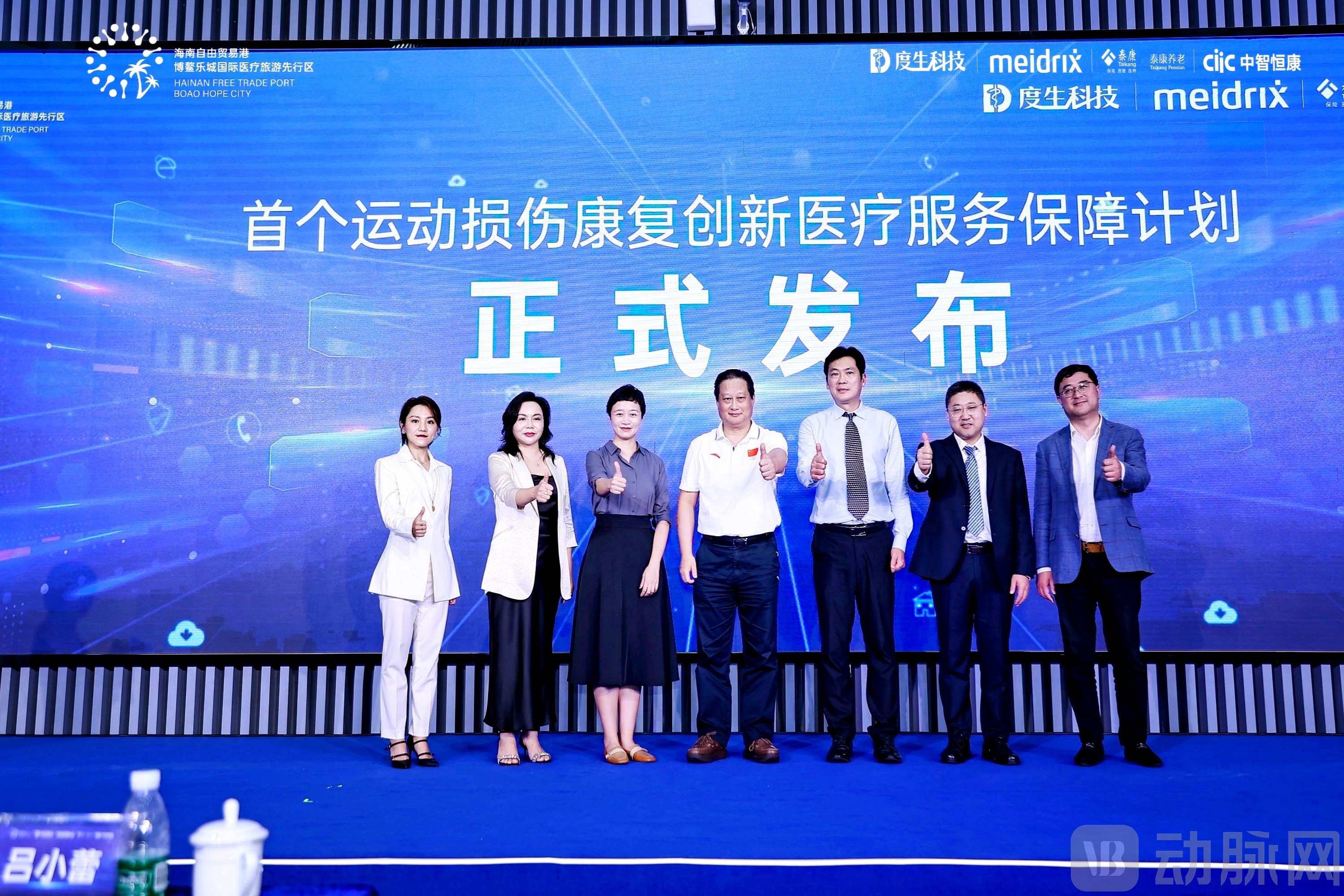
November 27,China’s First Innovative Medical Service Assurance Plan for Sports Injury Rehabilitation — The Joint Cartilage Regeneration Welfare Assurance Plan ProductThe launch event was successfully held in the Boao Lecheng International Medical Tourism Pilot Zone in Hainan. This welfare protection plan productJointly launched by Dusheng Information Technology (Shanghai) Co., Ltd., Taikang Pension Insurance Co., Ltd., Jiangsu Medes Medical Technology Co., Ltd., and Zhongzhi Hengkang Medical Devices Co., Ltd. (hereinafter referred to as “Dusheng Technology,” “Taikang Pension,” “Medes,” and “Zhongzhi Hengkang”), this initiative provides patients with cartilage injuries with cutting-edge surgical treatment plans, disease course management programs, and welfare benefits.
Lu Xiaolei, Member of the Party Committee and Executive Deputy Director of the Hainan Boao Lecheng International Medical Tourism Pilot Zone Administration, attended the meeting and delivered opening remarks. Professor Chen Shiyi, Director of the Institute of Sports Medicine at Fudan University and Chairman of the Sports Medicine Branch of the Chinese Medical Association; Professor Wang Guangji, Chief Physician of the Department of Sports Medicine at Hainan Provincial People’s Hospital; and Yang Jianchun, Founder of Dusheng Technology, each delivered keynote speeches.
Lv Xiaolei, Member of the Party Committee and Executive Deputy Director of the Hainan Boao Lecheng International Medical Tourism Pilot Zone Administration, stated that the development of the Hainan Boao Lecheng International Medical Tourism Pilot Zone has advanced from the Policy 1.0 stage to the 3.0 stage. The number of approved drugs and medical devices has increased from 19 in 2019 to 270, while the time required for patients to access these medications has been reduced from an initial six months to approximately three days. Moving forward, Lecheng will continue to collaborate with enterprises, hospitals, and experts, leveraging its advantages as an industrial and resource platform to support expert teams and businesses, and jointly benefit patients through commercial insurance and other initiatives.
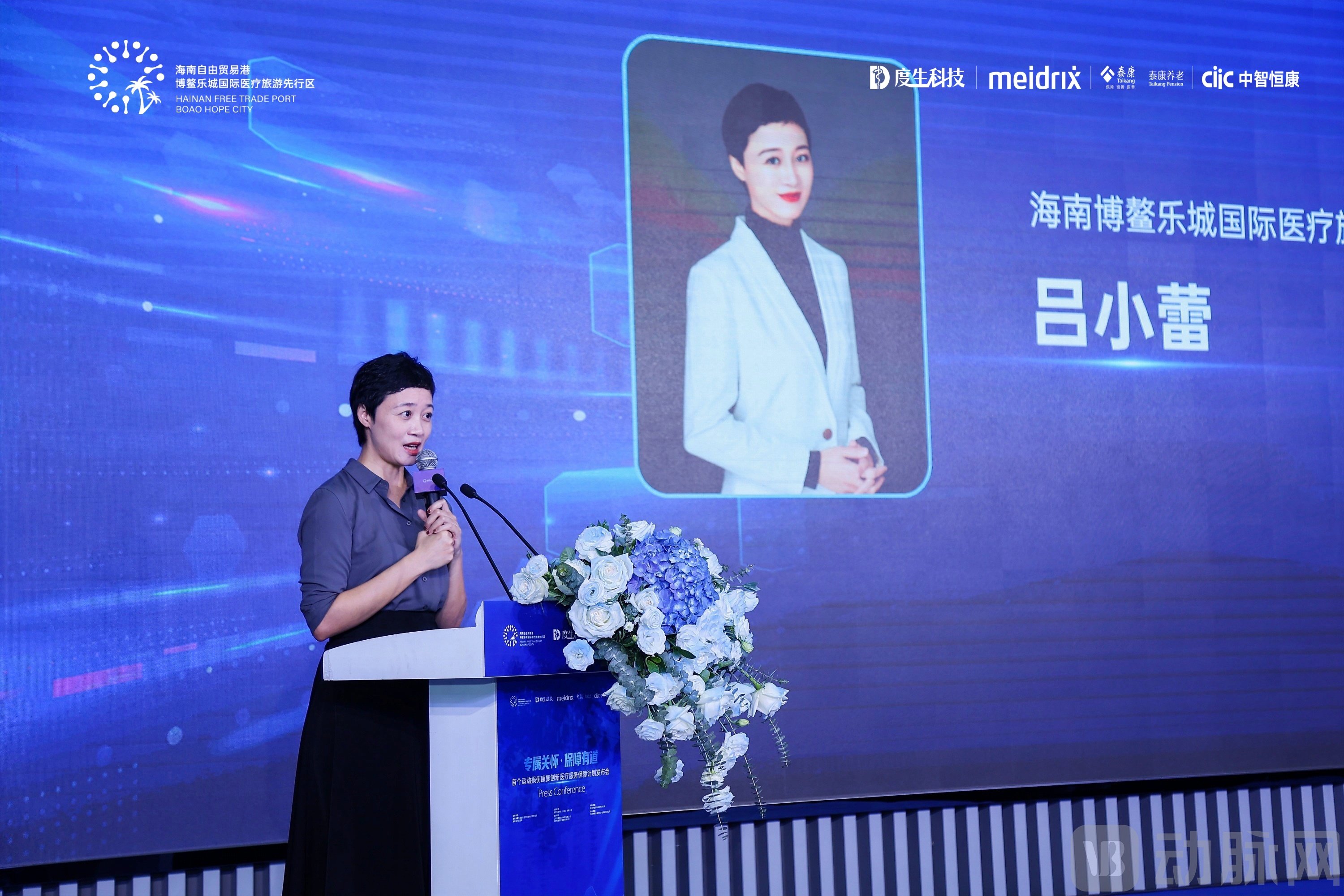
Lv Xiaolei, Member of the Party Committee and Executive Deputy Director of the Administration Bureau of Boao Lecheng International Medical Tourism Pilot Zone in Hainan, Delivered a Speech
According to Guo Huitian, Deputy General Manager of Dusheng Technology and Head of Disease-Specific Insurance Products, the newly launched welfare plan integrates medical services with insurance coverage. By paying RMB 60,000, users can access cartilage-regenerating collagen materials required during treatment, receive a subsidy of up to RMB 6,000 for out-of-pocket surgical expenses not covered by basic medical insurance, and obtain coverage for reasonable and necessary general medical costs incurred from secondary treatments if the initial therapeutic outcomes fail to meet expectations, with a maximum indemnity of RMB 120,000.
“At present, most domestic health insurance products are designed for healthy individuals. However, the newly launched Joint Cartilage Regeneration Benefit Plan not only covers individuals with pre-existing conditions but also closely integrates insurance with healthcare by providing cutting-edge cartilage injury repair materials, high-quality medical solutions, and comprehensive rehabilitation plans. This represents an innovation in the current insurance industry,” said Yang Jianchun, founder of Dusheng Technology.
Undoubtedly, the injectable cartilage collagen filler ChondroFiller liquid (hereinafter referred to as CF) from Jiangsu Medreal is the biggest highlight of this insurance plan.
It is reported that the material originated from Medres Biomedical GmbH in Germany; however, in 2018, Jiangsu Medres Medical Technology Co., Ltd. acquired all of Medres Germany’s products, technologies, and patents through a wholly-owned acquisition, with the aim of benefiting patients in China.
Specifically,This material is an absorbable collagen implant that serves as a protective layer for the defect area and facilitates chondrocyte migration, thereby enabling cartilage regeneration in the knee, shoulder, or ankle joints.
This product is currently the world’s first innovative injectable collagen for cartilage regeneration. It has obtained CE certification as a Class III medical device in the European Union and accumulated over 10,000 overseas clinical cases. As there are no comparable alternatives available in China for cartilage injury treatment, it offers both high safety and a certain degree of scarcity.
At the press conference, Professor Chen Shiyi and Professor Wang Guangji respectively introduced the properties of CF materials and the status of real-world studies conducted in Hainan.
Professor Chen Shiyi stated that there are currently five paradigms for the treatment of cartilage injury repair: microfracture, autologous cell transplantation, cell-seeded scaffolds (transplantation of scaffold proteins or fibers seeded with cells into the defect), acellular scaffolds (transplantation of acellular scaffolds into the defect, with chondrocytes undergoing clonal growth within the scaffold), and CF (injection of cell-free collagen liquid into the defect to form a solid gel, with chondrocytes undergoing clonal growth within the solid matrix).
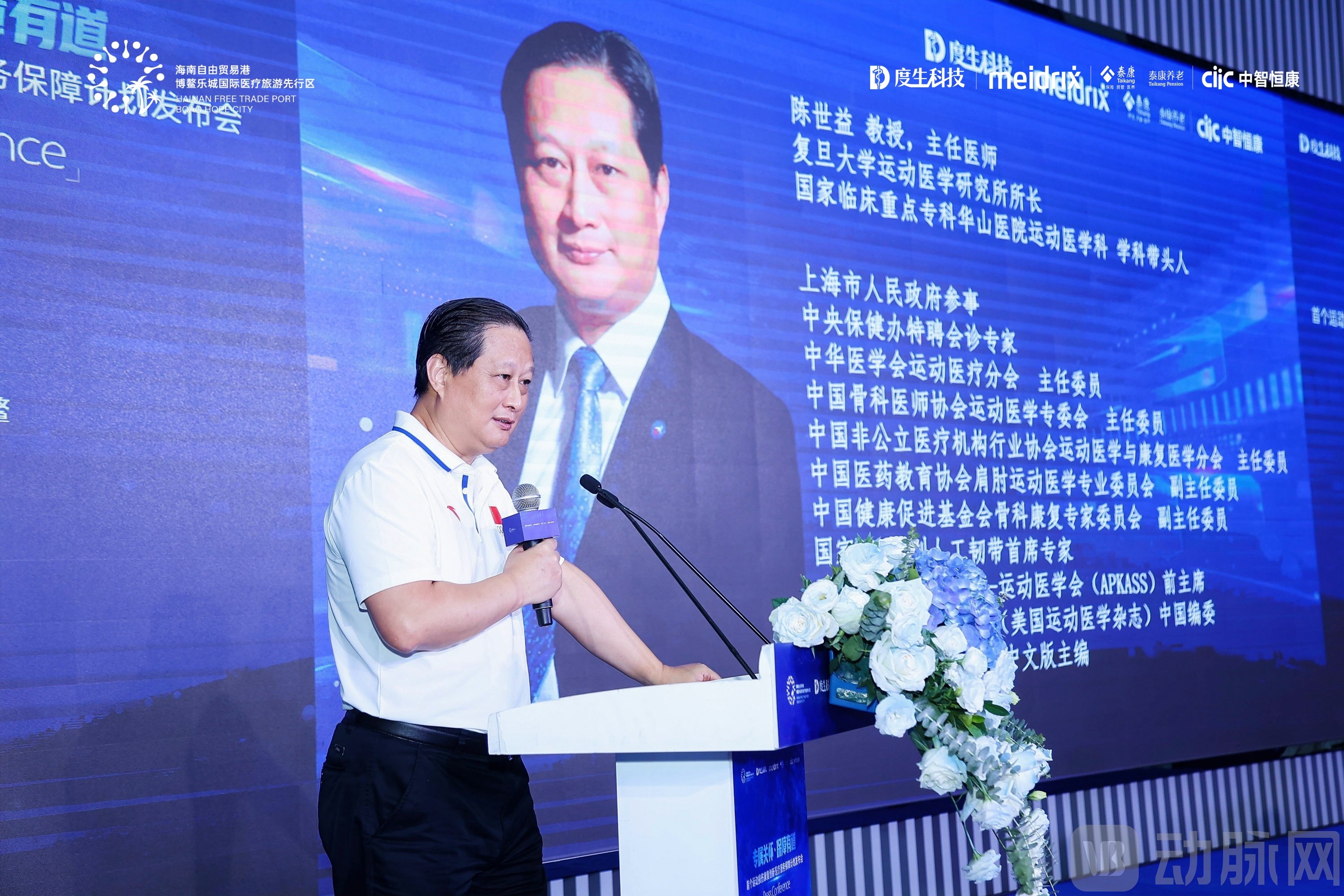
Professor Chen Shiyi Delivers a Speech
“The first four paradigms are currently the most widely used in clinical practice in China, but they have poor clinical outcomes and disadvantages such as significant invasiveness and the risk of requiring secondary surgery (for some surgical paradigms), while”The surgical paradigm utilizing CF materials requires only a single arthroscopic procedure, offering both operational simplicity and rapid in situ forming capabilities, making it suitable for the surgical treatment of minor cartilage defects. Therefore, in terms of surgical invasiveness, procedural convenience, and efficacy, CF materials represent the optimal choice, enjoying the highest acceptance among both patients and clinicians compared to all other cartilage repair materials.“Professor Chen Shiyi added after the conference.”
Professor Wang Guangji provided a detailed overview of the current real-world evidence on CF materials: to date, 52 CF procedures have been completed (as of the press conference), and comparisons of patient outcomes before surgery and at six months postoperatively have demonstrated that the clinical efficacy of CF materials has been unanimously recognized by both the project team and patients.
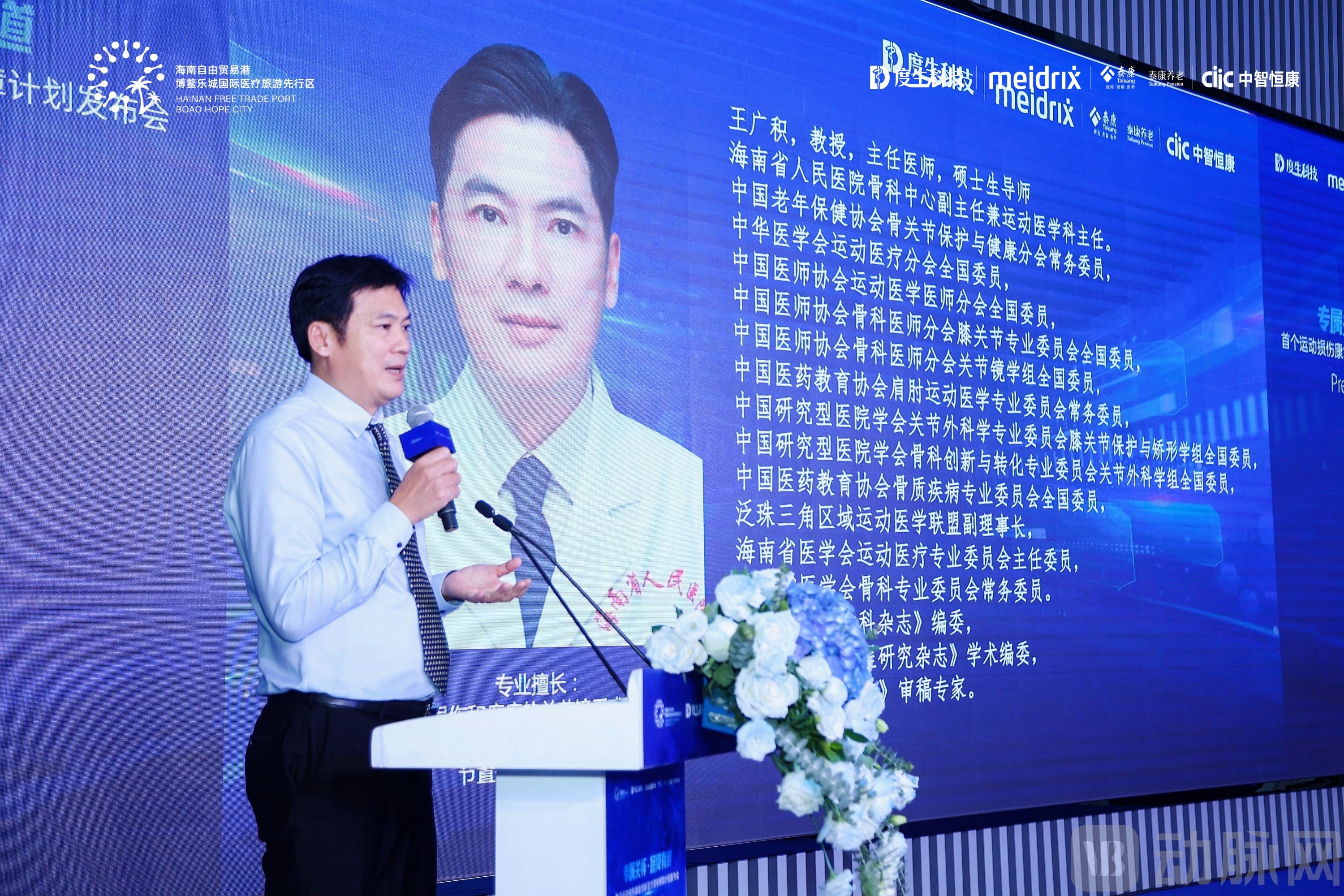
Professor Wang Guangji Shares the Status of Real-World Data Studies on CF Materials in Boao Lecheng
However, it is worth noting thatAlthough the newly launched articular cartilage repair coverage product is marketed to patients across China, patients must undergo cartilage repair surgery at designated hospitals in Hainan Lecheng, as CF materials are currently only approved for use in Boao Lecheng, Hainan.
To ensure a stable supply of materials, the articular cartilage repair product has welcomed Zhongzhi Hengkang, a pharmaceutical supply chain enterprise, as a partner. Reportedly, Zhongzhi Hengkang is a medical device platform company primarily providing distribution services for medical devices. It has received Medtronic’s “FY22 Outstanding Distributor Partner Award” and the “FY2022 Best Partner Award for RI (Respiratory Intervention).”
In addition to providing CF materials to insured users, the product also prioritizes the scheduling of surgical procedures and specialist consultations in Hainan, enabling them to experience expedited medical care.
More importantly,For the patient’s current surgical trip to Hainan, this product not only provides RMB 6,000 in compensation for inpatient medical expenses but also promptly follows up on the customer’s postoperative recovery and provides efficacy assessments. If the treatment outcomes fall short of expectations, it will compensate for the reasonable and necessary costs incurred from secondary treatment.
Therefore,To ensure therapeutic efficacy, this product not only provides patients with the most innovative surgical materials and premium medical resources but also collaborates with physicians to develop personalized rehabilitation training plans. Leveraging Dusheng Technology’s rehabilitation management platform and team, it offers guidance and tracking on the implementation of these plans, encourages patients to log their rehabilitation progress regularly, and ensures optimal recovery outcomes.
Furthermore, Yang Jianchun emphasized: “Neither the rehabilitation training plans for clients nor the criteria for evaluating therapeutic efficacy are solely determined by Dusheng Technology; rather, they are developed collaboratively by Dusheng Technology and professional physicians based on evidence-based medicine, ensuring a high degree of scientific rigor and credibility.”
“We aim to manage patients’ entire care journey by launching disease-specific insurance services. In this process, we provide insurers with optimal clinical pathways for value-based payment to address cost containment, while simultaneously offering public hospitals a secondary payment channel outside of basic medical insurance,” said Guo Huitian.
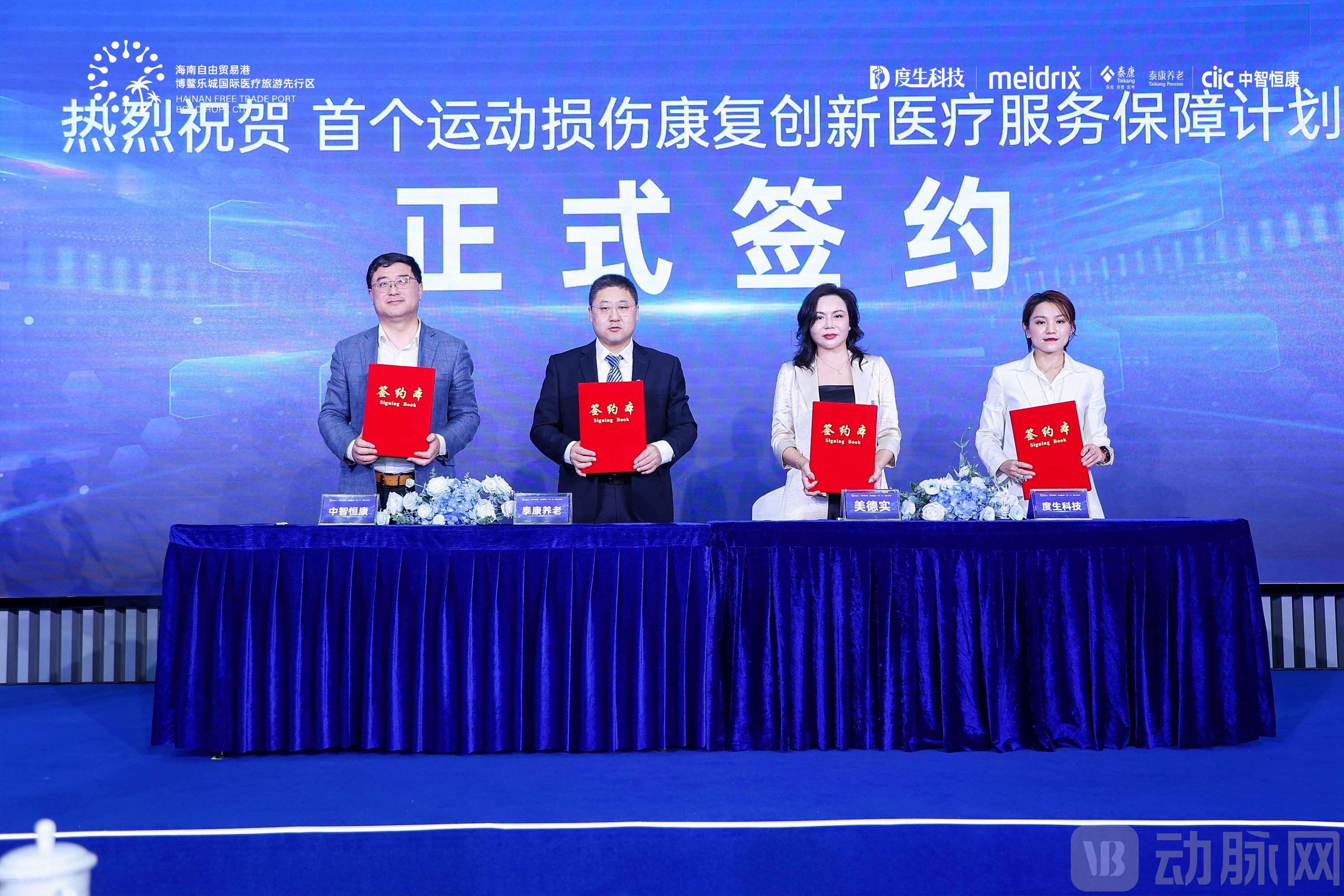
Signing Ceremony for the First Innovative Medical Service Assurance Plan for Sports Injury Rehabilitation, Involving Dusheng Technology, Medishare, Taikang Pension, and CIIC Hengkang
Looking beyond the product itself, we may glimpse a blue-ocean market that is gaining increasing visibility—the market for health insurance covering non-standard risks. Just as the integration of health insurance and health management has become an industry consensus, the expansion of commercial health insurance from covering only healthy individuals to including those with non-standard health profiles is widely regarded by industry professionals as an inevitable trend.
The underlying reasons are not difficult to surmise. From the perspective of medical insurance, it has long been a commonplace observation that the national basic medical insurance fund is under significant pressure in terms of revenue and expenditure. Between 2009 and 2020, while both income and expenditures of the resident basic medical insurance fund increased year by year, the surplus ratio exhibited an overall downward trend, even hitting a historical low of 4.5% in 2019.
As the potential dilemmas of “deficits” and “expenditures exceeding revenues” loomed over the basic medical insurance fund, the state began to vigorously support the development of commercial health insurance. For instance, from the “Several Opinions of the State Council on Promoting the Development of the Health Service Industry” issued in September 2013, to the “Outline of the ‘Healthy China 2030’ Plan” and the “13th Five-Year Plan for the Development of Causes for the Elderly and the Construction of the Elderly Care System” released in 2016, and further to the “Notice on Extending the Pilot Policy of Individual Income Tax Preferences for Health Insurance to the National Level” and the “Measures for the Administration of Health Insurance (Draft for Comments)” issued in 2017, these policies have all encouraged, supported, guided, and regulated the development of commercial health insurance.
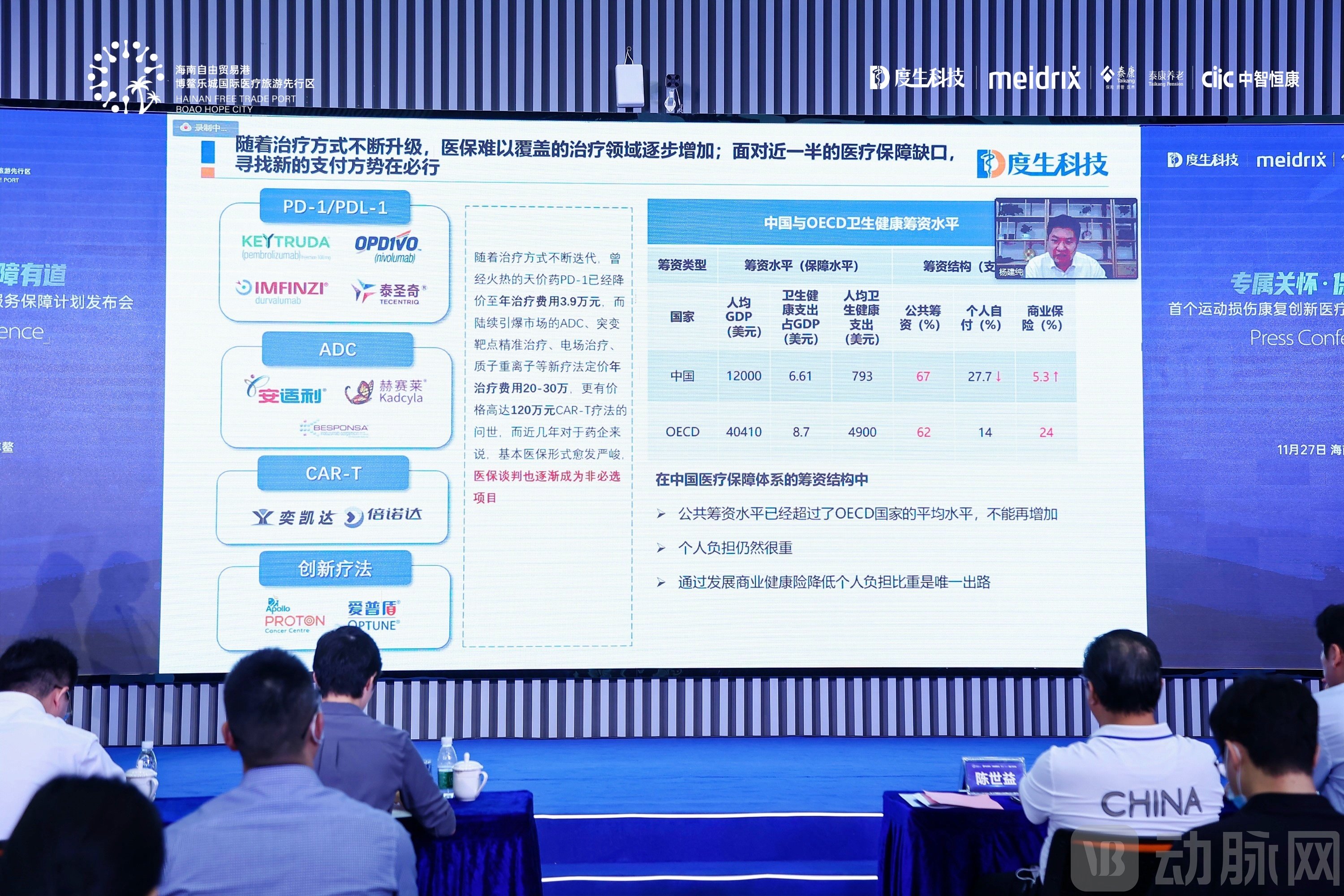
Duosheng Technology Founder Yang Jianchun Delivers Keynote Address
Driven and promoted by policy initiatives, commercial health insurance has indeed ushered in a wave of development. According to data from the China Banking and Insurance Regulatory Commission (CBIRC), as of December 2021, health insurance premiums across China reached RMB 844.7 billion, accounting for 18.8% of total original insurance premium income. Over the past five years, the share of health insurance premiums within the entire insurance industry has increased significantly.
However, the rapid growth of health insurance in China soon hit a bottleneck. This can be attributed to two main factors: first, after years of development, critical illness insurance—a key contributor to insurers’ new business value—has seen waning momentum for future growth; second, severe product homogenization and a lack of valuable medical service offerings have reduced their appeal to consumers. Consequently, insurers are urgently seeking a second growth curve.
Beyond the traditional health market, emerging concepts in disease diagnosis and treatment are also evolving. Thanks to technological advancements, many diseases are no longer untreatable conditions that inspire fear; instead, they have become conditions that can be detected early, treated promptly, and effectively controlled or cured. The paradigm of diagnosis and treatment has shifted from short-term interventions to a value-based healthcare model focused on long-term outcomes. For patients with mild symptoms of existing conditions, as well as non-standard populations suffering from certain severe diseases, traditional health insurance fails to provide adequate coverage. These groups urgently require scientifically grounded management strategies to mitigate the risk of disease progression or enable early intervention against recurrence, thereby preventing repeated severe health complications and excessive financial burdens. Consequently, whether viewed from the perspective of market potential or social responsibility, the health insurance market imbued with managed care principles holds significant promise and imaginative appeal.
But to be frank, this market, which boasts both a halo effect and vast growth potential, is fraught with “thorns.” The first “thorn” is: what are the demands of non-standard insured individuals with pre-existing conditions for commercial health insurance? Alleviating the financial burden caused by medical treatment is certainly one of them, but“In Yang Jianchun’s view, what they need more is an opportunity to access higher-quality, more professional, and cutting-edge treatment and management plans. This is precisely why Dusheng Technology is committed to seeking out frontier therapies on a global scale. ‘Unlike commercial health insurance for standard-risk individuals, health insurance for non-standard risks should provide policyholders with a greater sense of value and deliver tangible benefits in terms of disease treatment and health improvement,’ said Yang Jianchun.”
Although risk control has always been one of the high barriers preventing insurance companies from entering the non-standard risk market, some insurers have attempted to establish data-driven risk control models, going further and further down the path of patient gaming. However, Dusheng Technology has taken a less conventional route—striving to provide patients with the best treatment plans, comprehensive management pathways, professional rehabilitation programs, and adherence support services through the power of technology and service. By minimizing all risk factors that could affect long-term outcomes as much as possible, it aims to reduce the probability of claims occurring.
Yang Jianchun believes that if the treatment and management protocol for a specific disease demonstrates high reliability in disease control, and enables the relatively scientific development of quantitative and standardized models, it holds the potential to become a managed care health insurance product. In this regard, Dusheng Technology has divided the medical field into four quadrants: prevention, diagnosis, treatment, and rehabilitation. It identifies insurable disease conditions based on distinct criteria within each quadrant to develop specialized insurance solutions for specific diseases, aiming to benefit a broader population. The future healthcare industry will undoubtedly be an era of value-based care, and even more so, an era of managed care.