

Gene 'Pore' Translation: A New Play in the Trillion-Yuan Biomolecular Sequencing Market
In this highly “geneticized” era, the keys to unraveling many diseases that were once unexplainable and untreatable have been gradually found within our genes.Gene sequencers are the most critical component of the upstream segment in the gene sequencing industry chain, and also represent the part with the highest barriers to entry across the entire value chain.
However, China’s gene sequencer industry started relatively late, and the domestic sequencer market was once dominated by overseas companies.
Gene sequencing is closely linked to the national health and safety of citizens. If China cannot develop its own sequencers and relies entirely on overseas imports, the health and safety of its population will not be guaranteed against the backdrop of shifting international relations. Furthermore, if foreign companies choke off China’s access to gene sequencers, it will also constrain the development of life sciences research in the country.This will have adverse effects on fields in our country such as molecular biology, genetics, biomedicine, and even advanced agriculture.
In recent years, MGI Tech, the leading domestic manufacturer of gene sequencers, has launched multiple models of sequencing instruments by acquiring U.S. technology, thereby alleviating China’s demand for short-read sequencing. However, in the field of long-read sequencing, which represents the future direction of gene sequencing development, China still urgently needs to achieve breakthroughs.In light of this, it is imperative to accelerate the development of commercially viable, domestically produced biological nanopore sequencers.
Gene sequencing technology has undergone more than half a century of development, resulting in four generations of sequencing technologies based on distinct principles. The latest fourth-generation nanopore sequencing technology differs fundamentally from previous generations and demonstrates significant advantages in read length, portability, and the detection of genetic modifications, making it widely regarded as a transformative sequencing technology.The core of nanopore sequencing lies in nanopores that meet specific criteria, among which biological nanopores formed by membrane proteins are particularly critical.Since the proposal of nanopore sequencing technology in 1989, identifying suitable nanopores for gene sequencing has been a primary objective for scientists in this field.

▲ Dr. Huang Yihua
Dr. Huang Yihua has dedicated many years to the field of membrane proteins and is an outstanding structural biologist specializing in membrane proteins. FromMaster’s Degree in Biology, Peking UniversityAfter graduation, Dr. Huang Yihua went toWeill Cornell MedicinePursuing a doctoral degree. He studied under his supervisorProfessor Hao Wu, Member of the U.S. National Academy of Sciences and Member of the American Academy of Arts and Sciences, has conducted structural biology research for many years.
After completing his Ph.D., Huang Yihua went toUniversity of Texas Southwestern Medical CenterHe joined to conduct postdoctoral research.Professor Johann Deisenhofer, Nobel Laureateresearch team embarked on the study of membrane protein structure and function, with a particular focus on identifying membrane protein nanopores suitable for sequencing. In collaborative research with Professor Johann Deisenhofer, Dr. Huang Yihua achieved significant accomplishments in the field of membrane protein structural biology.
At the end of 2010, Dr. Huang Yihua returned to China and joinedInstitute of Biophysics, Chinese Academy of Sciencesand established his own research team. Leveraging the extensive knowledge and practical experience in membrane proteins accumulated at the Southwestern Medical Center, he designated the continued exploration of membrane protein nanopores as a key research direction for his group, aiming to explore new possibilities for achieving nanopore sequencing in China.
A Silver Lining: Regrettable Loss of CsgG Nanopore Patent, Yet Unremitting Efforts Yield New Breakthroughs
Within just over two years of returning to China, Huang Yihua’s research group identified a completely novelMembrane Protein Nanopore CsgG, which is a β-barrel membrane protein expressed on the outer membrane of Gram-negative bacteria. Its biological function is to secrete unfolded polypeptide chains to the bacterial surface. Three-dimensional structural analysis reveals that the center of the protein oligomer forms a pore structure with a diameter of approximately 1.2 nanometers and a thickness of approximately 2.5 nanometers, meeting the basic requirements for nanopore sequencing.
The new discovery thrilled Dr. Huang Yihua. As a scientist, his first instinct was to compile the findings into a manuscript for publication, sharing the joy with his peers. However, the publication process did not go smoothly; due to cumbersome procedures, the submission of Dr. Huang’s paper was delayed, and it was not released at the earliest opportunity.
Moreover, after the publication of the paper, Dr. Huang Yihua discovered that he had competitors in this field, and these competitors had already secured patent protection for the application of the CsgG membrane protein in nanopore sequencing with Oxford Nanopore Technologies (ONT), which was then focused on the research and development of nanopore sequencing technology.Consequently, he regrettably missed out on this important patent right.Based on research into the CsgG membrane protein, Oxford Nanopore Technologies (ONT) rapidly refined its nanopore sequencing technology and launched commercial nanopore sequencers.
For researchers, losing access to the scientific achievements they have poured their hearts and souls into is undoubtedly heartbreaking and disheartening. Although Dr. Huang Yihua was reluctant to accept this outcome, he recognized that what had happened was irreversible. He therefore decided to regroup and start anew.
At the outset of deciding to undertake this study, Dr. Huang Yihua identified several nanopore proteins, including CsgG.After missing the opportunity to file a patent application for CsgG, Dr. Huang Yihua shifted his research focus to several other proteins, accelerating the structural elucidation and experimental studies related to them.
It has been proven that hard work pays off. In 2016, his team identified a novel nanopore protein, which, like CsgG, was also shown to possess the capability for nanopore sequencing.
Previous experiences strengthened Dr. Huang Yihua’s awareness of intellectual property protection. For the second type of nanopore protein identified, he decided not to disclose it publicly but instead to utilize it as a trade secret in the subsequent development of sequencing technologies. At this time, his colleague and close friend at the Institute of BiophysicsDr. Lou JizhongThe addition further strengthened his resolve to comprehensively advance the research and development of nanopore sequencers.

▲ Dr. Lou Jizhong
Dr. Lou Jizhong focuses on single-molecule biophysical detection research, and nanopore sequencing is, in principle, also a single-molecule detection technology.Following research and evaluation, he and Dr. Huang Yihua decided to join forces and establish a nanopore sequencing R&D team at the Institute of Biophysics, Chinese Academy of Sciences, to advance the development of China’s independently owned nanopore sequencers.Following collaborative efforts, the R&D team completed the proof-of-concept for nanopore sequencing based on novel nanopores in June 2018.
The research achievements of the two Ph.D. scholars have drawn significant attention from the Ministry of Science and Technology (MOST) and the Chinese Academy of Sciences (CAS), initially securing support from the National Key R&D Program of MOST.“Transformative Technology”Funding for the Key Scientific Issues Priority Program—also the Ministry of Science and Technology’s first special project on nanopore sequencing technology.Subsequently, the team secured funding from the Chinese Academy of Sciences’ “Major Instrument and Equipment Development Project” and its “0–1 Project,” as well as tens of millions of yuan in funding from the Guangzhou International Bio Island Laboratory.
With the support of these national and local projects, the joint team has completedADevelopment of a 16-Channel Nanopore Sequencing Prototype and Its Small-Scale ProductionDriven by the objectives of subsequent research and aligned with the prevailing trend of translating scientific achievements into practical applications, the two PhDs decided to establish Puyi Bio. This move aims to accelerate the commercialization of technological innovations through the support of venture capital, launch nanopore sequencing devices with independent intellectual property rights in China, and break through the technological blockade imposed by overseas enterprises.
After the company was established, the project team secured a second special project on nanopore sequencing from the Ministry of Science and Technology—Supported by the National Key R&D Program’s Key Special Project on “Basic Scientific Research Conditions and Development of Major Scientific Instruments and Equipment.”
In response, Dr. Lou Jizhong stated, “National support affirms our technology and efforts, bolstering our confidence in continued R&D. It also serves as an impetus for us to remain determined to further improve domestically produced commercial biological nanopore sequencers, thereby securing a voice in the field of gene sequencing both in China and worldwide.”
Catch-Up: Patiently Refine Techniques to Enhance Performance Metrics
When the Ministry of Science and Technology assigned the first task under the “National Key R&D Program” to the Puyi Bio research and development team, Oxford Nanopore Technologies (ONT), a nanopore gene sequencing company, had already launched multiple commercial nanopore gene sequencers and was striving to enhance product performance to strengthen its competitiveness against other sequencing platforms. The market deployment of commercial nanopore gene sequencers had already begun, prompting Puyi Bio to make concerted efforts to catch up by refining its technology and securing a foothold in this market.
Puyi Biology has over a decade of research experience in the field of nanopore sequencing,Has already mastered multiple nanopore proteins with commercialization potential.This has bolstered Puyi Bio’s confidence in its commercially available biological nanopore sequencer, which is nearing completion of research and development, and positions the company to gain advantages in sequencing accuracy and cost.
How to increase the adoption of Puyi Bio’s products is also a key consideration for the team. Currently, mainstream next-generation sequencing (NGS) platforms on the market are generally bulky and inconvenient to move and operate. Moreover, the analysis of sequencing results requires highly specialized personnel, making it difficult for these systems to be directly deployed in healthcare institutions and research laboratories at various levels. As a result, sequencing services are primarily delivered to end users through third-party service providers, a model that increases both the time and labor costs associated with sequencing.
For example, patients with genetic diseases often do not receive diagnostic results in a timely manner after hospital visits, which not only delays their treatment but also hinders the research and development of genetic diseases in China.
Meanwhile, Putong Bio is striving to develop its nanopore sequencer.Their exceptional portability and ease of use enable direct deployment in various healthcare institutions and research laboratories.It is the vision of Puyi Bio to promote its products directly to end users, making gene sequencing truly accessible and affordable for the general public.
Direct promotion to end users will undoubtedly greatly expand the application scenarios of gene sequencing, while also enabling the collection of richer genetic data, thereby creating a virtuous cycle. In-depth analysis of this foundational data will not only assist China in achieving precision medicine but also drive transformative changes in disease diagnosis and treatment models, thereby supporting the development of healthcare in China.
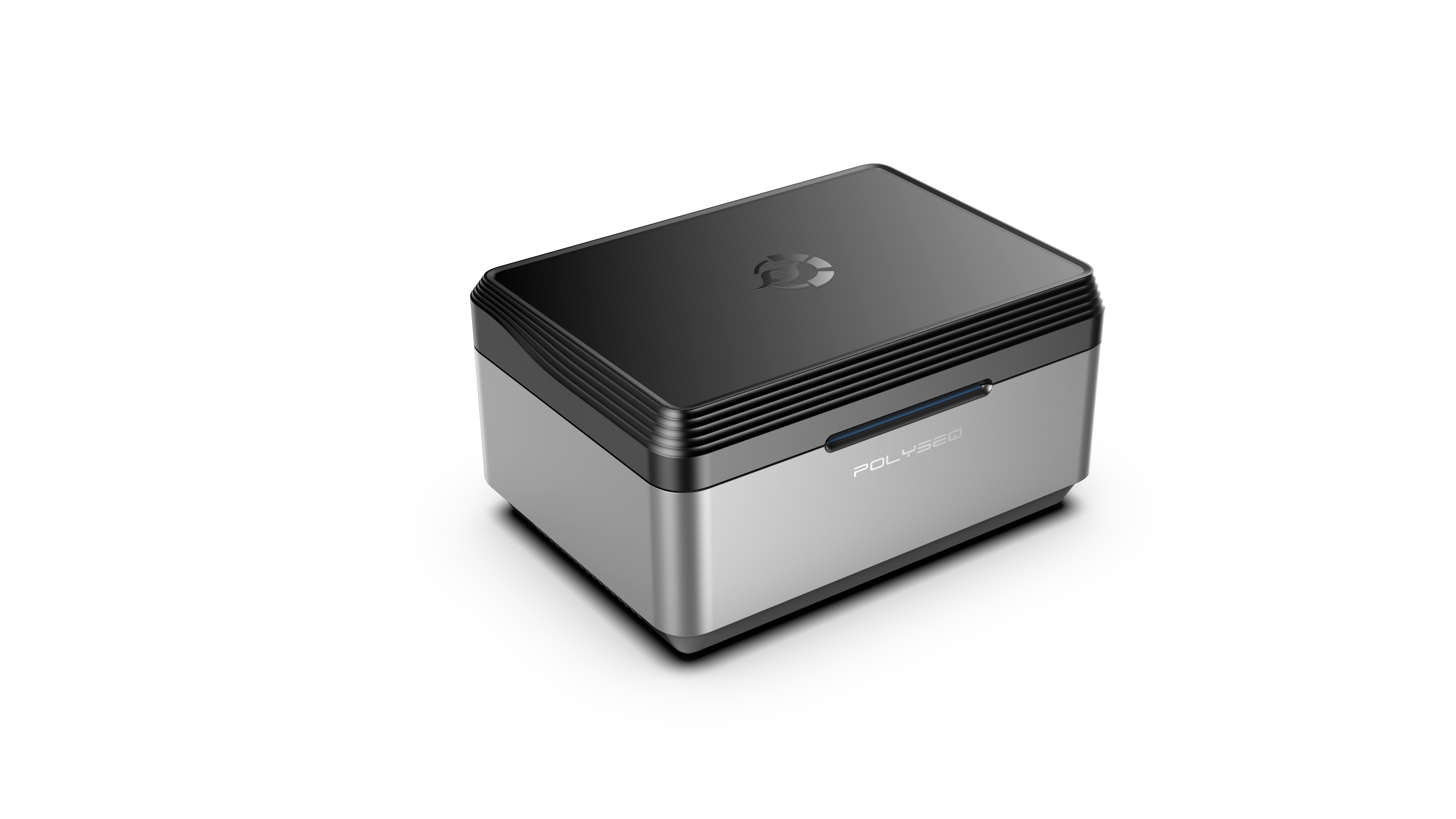
▲Puyi Bio Commercial Biological Nanopore Sequencer (Prototype)
Accuracy, Convenience, and Low CostThese features will highlight the distinctive characteristics of Puyi Bio’s future nanopore sequencing products, while Puyi Bio continues to advance its nanopore sequencingLong-read, high-throughputcharacteristics. Currently, the best-performing second-generation sequencers on the market typically produce read lengths of several hundred bases, whereas nanopore sequencers have achieved read lengths ranging from 200 to 2 million bases. These ultra-long reads can easily resolve the challenges associated with assembling repetitive sequences, significantly reducing the complexity of data analysis and improving sequencing efficiency.
Huang Yihua stated, “As a next-generation direct-reading solution for DNA, RNA, and proteins, nanopore sequencing technology is poised to address the limitations of next-generation sequencing (NGS) in areas such as epigenetic modifications, direct RNA sequencing, and proteomics. Therefore, Puyi Bio will continue to deepen its expertise in the field of nanopore sequencers, develop more high-performance products, and help drive the advancement of the biomacromolecule sequencing industry.”
Like-Minded: Investment Director Devotes Self to Sequencing Technology R&D
Puyi Biotech has garnered significant favor from investment institutions, thanks to its robust technological capabilities and strong national support. Shortly after its establishment, Puyi Biotech completed a financing round led byShuimu Ventures, IDG CapitalA tens-of-millions-yuan angel financing round co-led by the lead investors.
After engaging with the team at Puyi Bio, Dr. Wang Daqian, Investment Director at Shuimu Ventures, was deeply impressed by their ongoing research and development of sequencing technologies as well as the team’s compelling appeal. Dr. Wang earned his degree from the Department of Precision Instruments at Tsinghua University, previously conducted R&D on high-end scientific instruments at an institute under the Chinese Academy of Sciences, and co-founded an analytical instrumentation company. As a true “instrument specialist” through and through, he is passionate about the R&D of high-end life science instruments.
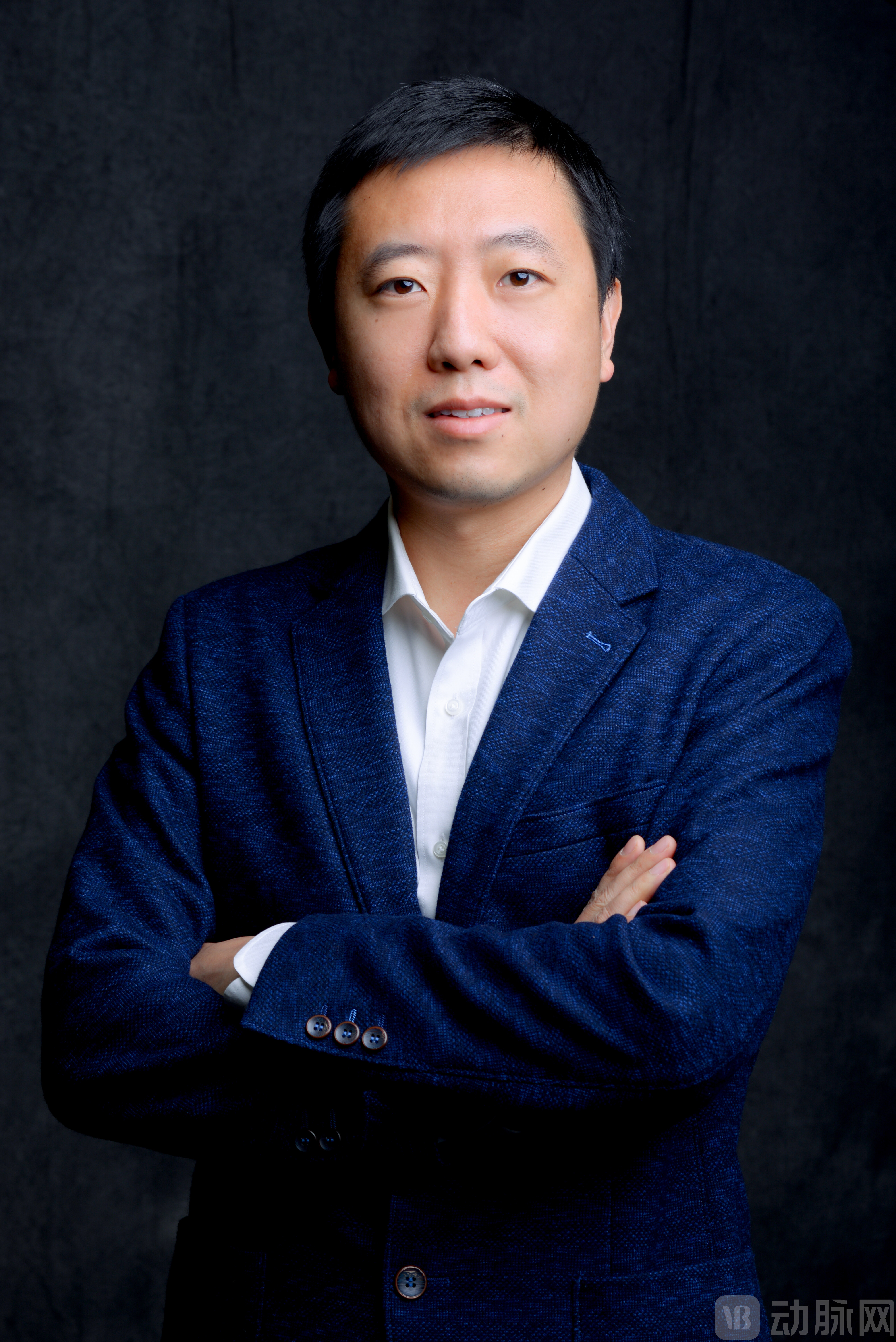
▲ Dr. Wang Daqian
After discussions with Dr. Huang Yihua and Dr. Lou Jizhong, he found that the research direction of Puyi Bio aligned perfectly with his interests. Furthermore, his tenure as Investment Director at ShuiMu Ventures allowed him to accumulate extensive market experience; this rich background informed him that the market prospects for nanopore sequencing instruments were vast. Driven by transformations in the biomedical market and the impetus of the COVID-19 pandemic, China’s gene sequencing industry is poised for explosive growth. As a critical upstream segment of the industry chain, gene sequencers are undoubtedly highly sought-after star products.
Meanwhile, the scientific research capabilities of Dr. Huang Yihua and Dr. Lou Jizhong, coupled with support from the Chinese Academy of Sciences and the Ministry of Science and Technology, have instilled confidence in the development of Puyi Bio. Therefore, whether as an investor or as a professional in the instrument industry, Dr. Wang Daqian is highly enthusiastic about joining Puyi Bio. Dr. Wang is precisely the talent Puyi Bio has been seeking, significantly strengthening its capabilities in the research and development of both hardware and software for instruments.
Finally,Dr. Wang Daqian, Investment Director at Shuimu Ventures, has also “invested” himself in Puyi Biotech.Appointed as Chief Technology Officer of Puyi Biotech, leveraging extensive experience in precision instruments, R&D, corporate management, and investment and financing.
As of now, one year has passed since Puyi Bio’s previous round of financing. Supported by that funding, Puyi Bio has made significant progress in the research and development of sequencing chips.After evaluation and discussion, the team decided to initiate the next round of financing.This funding round will initiate large-scale production based on the R&D of sequencing chips, further driving the commercialization of bio-nanopore sequencers.
Dr. Huang Yihua told VCBeat’s Orange Fruit Bureau: “As a leading force in the development of commercial nanopore gene sequencers in China, Puyi Bio is capable of providing more convenient equipment and services to research institutions, enterprises, public institutions, medical facilities, and social health organizations by leveraging its next-generation direct nucleic acid sequencing technology, which offers greater efficiency and precision. In the future, Puyi Bio will remain committed to providing robust support for precision medicine, harnessing genetic technologies to benefit humanity and contribute to the Healthy China initiative.”