

Navigating Industry Cycles to Unlock Long-Term Value: Zhangjiang Leading the Biopharma Innovation Wave
Over the past two years, driven by the advancement of pharmaceutical regulatory reforms, increasingly robust government support, and gradual capital market liberalization, China’s biopharmaceutical industry has experienced rapid growth. With continuously enhanced innovation capabilities and the steady commercialization of innovative achievements, the sector has ushered in a wave of accelerated development.
However, since the second half of 2021, the once-booming biopharmaceutical industry has cooled down rapidly. This downturn is partly attributable to a confluence of factors, including a complex international landscape, the persistent pandemic outbreak, and global economic slowdown. On the other hand, issues such as intense domestic competition among innovative drugs, profit margin compression due to centralized procurement, and setbacks in overseas expansion have also emerged, thereby affecting capital market expectations.
The biopharmaceutical industry is gradually entering a “winter.” In the current environment, how to navigate industry cycles and find a true return to value amidst the involutionary “bubble” has become a question collectively pondered by the industry.
In this context, innovation and “going global” have become the industry’s outlets for seeking new growth drivers. So how can true source innovation be achieved? And what issues need to be addressed and resolved on the path to global expansion?
Recently, the “2022 Shanghai International Biopharmaceutical Industry Week – Zhangjiang Life Science International Innovation Summit” was successfully held. During the event, a series of global dialogue forums, comprising one main forum and 25 sub-forums, covered the entire industry spectrum, including innovative drugs, medical devices, gene and cell therapy, artificial intelligence, and innovation incubation, thereby driving further industrial transformation and strengthening the source of innovation.
This also provides a glimpse into the industry’s explorations and achievements in innovative technologies, as we jointly explore future industry trends and solutions in the new environment.
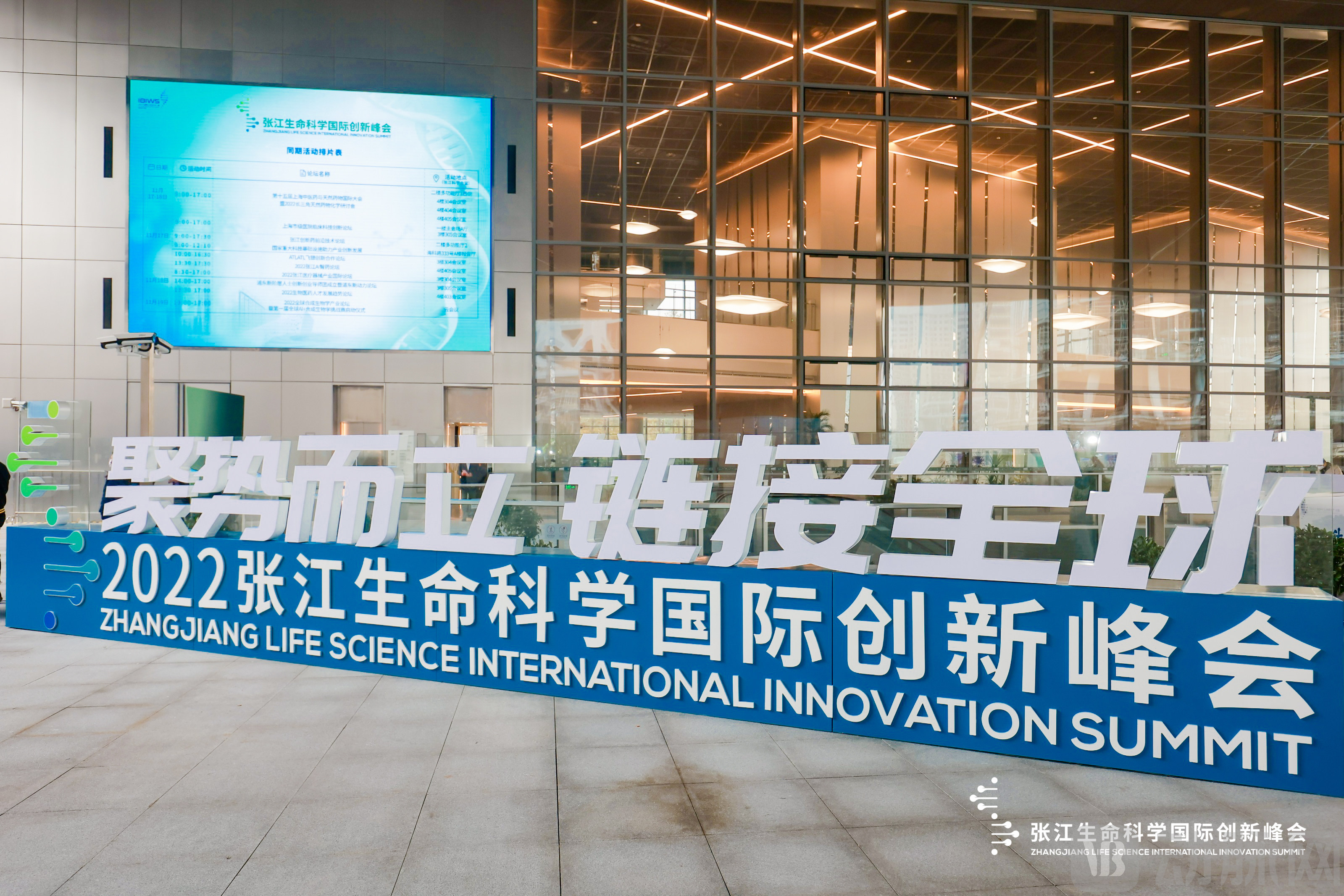
Summit Venue
Cutting-Edge Technologies Drive Innovation, Opening New Possibilities for Disease Treatment
As a key event in the Global Dialogue Series of Forums at this summit, the Zhangjiang Frontier Technologies in Innovative Drugs Forum featured three specialized sessions, which conducted in-depth discussions on technological advancements in conjugate drugs, innovations in critical delivery technologies and new opportunities for the nucleic acid industry, as well as international layout and overseas expansion strategies for innovative drugs.
The Dawn of the Pan-Conjugation Era: New Solutions for Cancer Treatment
Conjugated drugs, represented by antibody-drug conjugates (ADCs), are gradually becoming a cornerstone in the pharmaceutical field.
Antibody-drug conjugates (ADCs) are generated by covalently linking highly selective antibodies to potent cytotoxic agents via linkers. By combining the high specificity of antibodies with the strong antitumor activity of cytotoxins, and leveraging their targeted release mechanism, ADCs offer improved safety controllability, making them one of the key research focuses in current oncology therapeutics.
To date, 15 ADC drugs have been approved for marketing worldwide. Based on approved and pipeline candidates, the specificity and cytotoxicity of next-generation ADCs are continuously improving.
However, due to the inherent structural complexity of antibody-drug conjugates (ADCs), their development still faces numerous challenges, including complex pharmacokinetics, insufficient tumor targeting and payload release, and drug resistance.
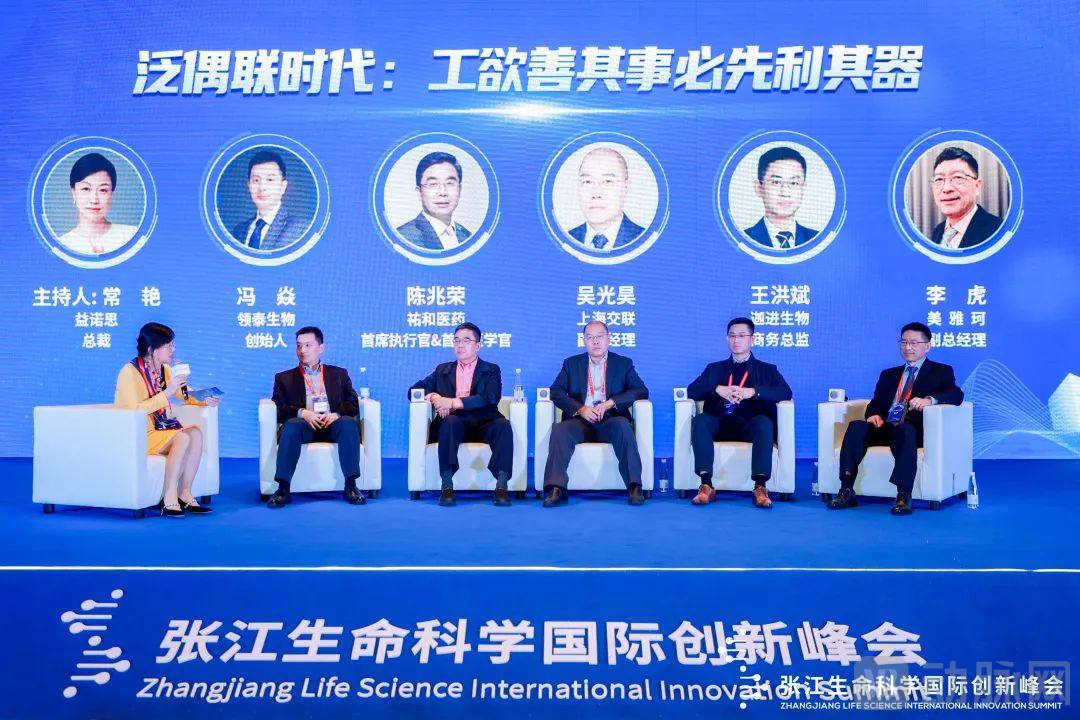
At the forum, Chen Zhaorong, Vice President of Biocytogen and CEO of Youhe Pharma, introduced that all three components of antibody-drug conjugates (ADCs) serve critical functions and are indispensable. First, the toxin is the ultimate active ingredient in ADC drugs, exerting potent pharmacodynamic effects. Since the amount of drug delivered to tumor cells by ADCs is low, the toxic moiety must exhibit high potency and possess specific characteristics. Second, the linker serves not merely as a connector; its chemical properties directly influence the toxicity, specificity, stability, and efficacy of ADC drugs.
Furthermore, antibodies play a pivotal role in exerting therapeutic effects, expanding into diverse indications, and treating various diseases. Previously, the development of monoclonal antibody-drug conjugates (mAb-ADCs) was sometimes associated with adverse events due to insufficient specificity. In contrast, bispecific antibody-drug conjugates (BsAb-ADCs) are gaining prominence and leading the trend, driven by their superior specificity and safety profiles.
Li Hu, Deputy General Manager of MeiYake, noted that ADC drugs have undergone three generations of technological evolution, with the primary advancements focusing on the linker. Since small-molecule payloads are hydrophobic while antibodies are hydrophilic, achieving stability in the bloodstream alongside rapid release within tumor cells imposes stringent requirements on pharmacokinetics (PK). This represents both a significant challenge and a key area for innovation.
Li Hu stated that the druggability of antibody-drug conjugate (ADC) drugs requires attention to several key aspects. First, molecular design: the selection of targets, corresponding antibodies, linkers, and indications must be comprehensively considered. Second, the payload should be chosen based on the abundance of target expression. Furthermore, a robust druggability platform is needed to comprehensively evaluate the in vitro and in vivo efficacy, as well as the toxicity, of ADC candidates, thereby selecting the most promising molecules for further development.
As the number of ADC drugs approved by the FDA has increased since 2017, blockbuster deals centered on ADCs have occurred frequently, driving heightened industry attention and attracting numerous participants to enter the field. This has given rise to the question, “Will the ADC market become as hyper-competitive as the PD-1 market?” which has become a key focus of industry concern.
In response, Dr. Chen Zhaorong, Vice President of Biocytogen and CEO of Youhe Pharma, noted in his keynote address titled “Breaking Free from Involution: Developing Antibody Drugs with Clinical Value” that the global ADC drug market is expanding rapidly, but this growth has also led to issues such as target homogenization, resulting in an involutionary trend reminiscent of the PD-1 sector.
A global overview of R&D pipelines in the antibody-drug conjugate (ADC) field reveals that indications are predominantly focused on oncology. Among the 15 ADCs currently marketed, the majority target solid tumors, while approximately 15% are indicated for hematologic malignancies. There is significant homogenization in therapeutic targets, with particularly intense competition surrounding HER2-targeted therapies and breast cancer indications. This trend risks rendering many products unable to successfully enter international markets, or lacking market potential even if they do. The situation is even more pronounced in China, where nearly 30 HER2-targeted candidates are currently under development, accounting for more than half of the global pipeline.
“True innovation is what’s needed to break free from cutthroat competition.” In light of this, Chen Zhaorong stated that BioCyto’s “Thousand Mice, Ten Thousand Antibodies” initiative is dedicated to systematically knocking out thousands of potential antibody drug targets in its fully human antibody mouse platform, RenMab, and generating antibodies using these knockout mice, thereby injecting innovative momentum into the development of more First-in-class and Best-in-class therapeutics.
Wu Guanghao, Deputy General Manager of Shanghai Jiaolian, proposed new directions for innovation from the perspective of molecular design. He stated that different ADC molecules require different linkers, and different indications necessitate different targets. Based on the 15 ADC drugs currently on the market, the underlying principles of linkers remain relatively consistent, primarily limited to cleavable and non-cleavable types, without fundamentally addressing core challenges such as site-specific conjugation. This represents a critical area requiring breakthroughs.
In addition to ADCs, a series of new technological pathways under the “XDC” umbrella are continuously emerging, such as PDCs (peptide-drug conjugates), RDCs (radionuclide-drug conjugates), LDCs (liposome-drug conjugates), SMDCs (small-molecule drug conjugates), and XOCs (oligonucleotide-drug conjugates). Attendees also shared their insights from their respective areas of expertise.
As one of the first biotechnology companies in China to engage in XOC (xeno-oligonucleotide conjugate) R&D, Jiajin Bio focuses on achieving extrahepatic delivery of small nucleic acids via conjugation, filling a gap in this niche sector within China. According to Wang Hongbin, Business Director at Jiajin Bio, innovations in conjugation technology platforms are closely intertwined with both ends of the conjugate. For instance, small molecules differ from small nucleic acids in terms of molecular size, charge properties, and reactions following antibody conjugation.
Furthermore, most modalities such as ADCs, RDCs, and PROTACs are ultimately designed to kill target cells, with their indications primarily focused on oncology. In contrast, XOC molecules aim to promote cell survival, with indications predominantly centered on monogenic diseases, which are mostly rare disorders.
Feng Yan, founder of Shanghai Lingtai Biotechnology, stated that the mantra for ADC drugs in the era of pan-conjugation is “everything can be conjugated,” while PROTACs have a corresponding slogan: “everything can be degraded.” Although these two approaches share similarities, they also have distinct differences and can be synergistically integrated. For instance, achieving a balance between clinical benefit and toxicity after target protein degradation is a critical challenge. This issue can be addressed by leveraging ADC technology to deliver molecular glues specifically into tumor cells.
Feng Yan also stated that whether it is an antibody-drug conjugate (ADC), a monoclonal antibody, or a bispecific antibody, all are therapeutic modalities for treating diseases and saving lives. Only by understanding the mechanisms of disease can appropriate interventions be identified; therefore, accurately pinpointing clinical needs is crucial.
Nucleic Acid and Delivery Technologies Continue to Evolve, Poised to Break the "Undruggable" Barrier
As is well known, traditional drug discovery typically targets proteins, requiring the identification of druggable pockets on disease-causing proteins. However, approximately 80% of pathogenic proteins associated with human diseases cannot be targeted by small-molecule drugs or biologics, rendering them “undruggable” targets.
RNA serves as a critical bridge between genes and proteins; therefore, nucleic acid-based therapeutics offer distinct advantages for targeting “undruggable” sites, as they are not constrained by structural limitations and can further expand the range of druggable targets, holding promise for overcoming “undruggability.”
The global COVID-19 pandemic in recent years has propelled nucleic acid therapies, represented by mRNA vaccines, to unprecedented heights. This has been followed by a series of therapeutic approaches, including siRNA, antisense oligonucleotides, and RNA activation (RNAa), which have opened up new possibilities for disease treatment. Among these, delivery systems, as a critical component enabling the efficacy of nucleic acid drugs, hold undeniable significance.
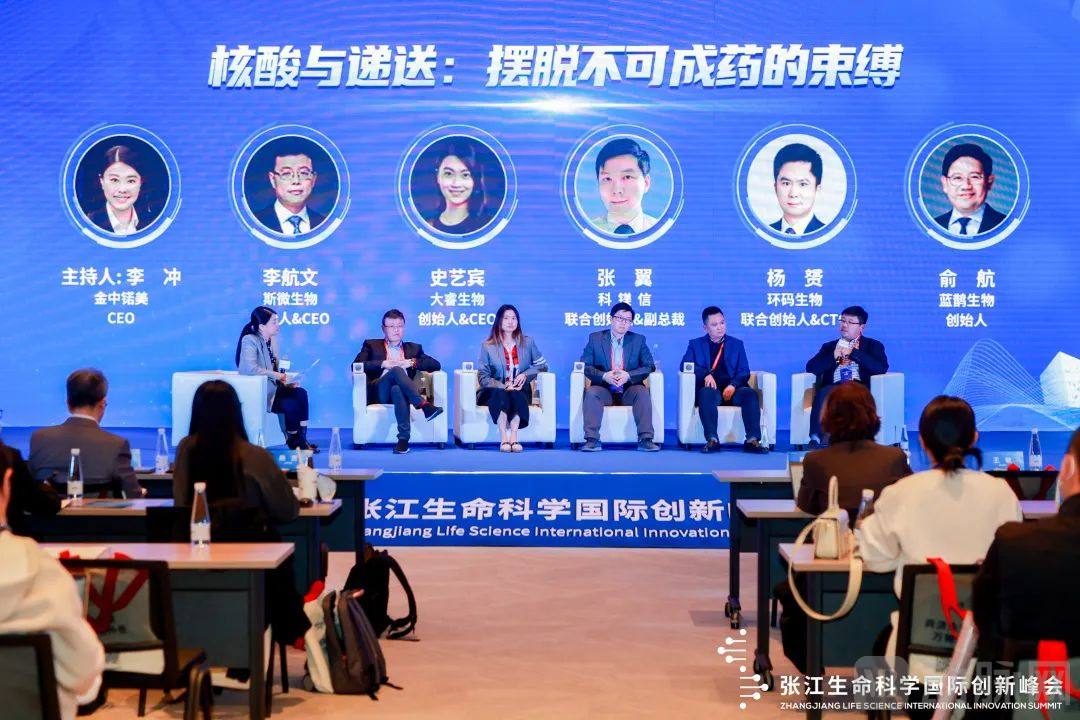
Dr. Li Longcheng, founder of Zhongmei Ruikang, stated that compared with traditional small-molecule and large-molecule drugs, oligonucleotide therapeutics achieve disease treatment by modulating the expression of target genes, offering advantages such as a broad range of candidate targets, straightforward design, high specificity, and durable efficacy. Furthermore, oligonucleotide therapeutics exhibit mild and controllable toxic side effects, and their costs are lower than those of cell therapy and gene therapy. Owing to these advantages, oligonucleotide therapeutics have been hailed as the third pharmaceutical revolution.
However, the efficacy of oligonucleotide therapeutics is limited by delivery challenges, particularly for drugs targeting the central nervous system (CNS). Among them, antisense oligonucleotides (ASOs) possess a certain degree of self-delivery capability. Of the nine approved ASO drugs to date, more than half target CNS and muscular disorders. Furthermore, among 50 projects in Phase II and III clinical trials, over one-third are directed at CNS and muscular diseases. In contrast, at the level of double-stranded RNA therapeutics, none of the five currently approved drugs or the 25 drugs in Phase III clinical trials target the CNS field.
“This also means that the CNS field is a golden island in a vast ocean; without a ship, we cannot reach it. Given the complexity of the nervous system and the challenges in drug development, there is a substantial unmet clinical need for medications in the CNS area. Whoever builds the ‘ship’ first will be the first to arrive at this ‘golden island,’” said Li Longcheng.
So, how do we “build the ship”? There are two key aspects of delivery technology: one is chemical modification technology, which enhances the stability of nucleic acid molecules and avoids recognition by the immune system; the other is the delivery vector, which protects nucleic acids from serum nuclease activity and immune components, and determines the drug’s biodistribution.
Lipid Nanoparticles (LNPs) are currently the most widely used delivery vectors, offering excellent biocompatibility and biodegradability, with no toxicity or immunogenicity. As a drug delivery system, LNPs can effectively encapsulate various hydrophilic macromolecules and small molecules with differing dissociation constants.
mRNA vaccine delivery is a prominent application scenario for lipid nanoparticles (LNPs). However, mRNA formulations using LNPs as carriers tend to accumulate in the liver and spleen, making it difficult to target other tissues; thus, there remains significant room for technological improvement. Consequently, the industry is exploring alternative delivery vectors such as lipid complexes and polymers. For instance, Stemirna’s LPP nano-delivery platform features a bilayer structure with a polymer-encapsulated mRNA core and a phospholipid shell, which can elicit a robust immune response from the body’s immune cells.
Regarding how to address the challenges of nucleic acid drug delivery, Zhang Yi, Founder and Vice President of Kemai Xin, stated that the primary goal of delivery is extrahepatic targeted delivery, and different types of nucleic acid drugs require different delivery vectors. For mRNA, the lipid nanoparticle (LNP) delivery system is the only validated platform and can be regarded as the backbone of mRNA industrialization. It is crucial to enhance mRNA delivery efficiency through chemical modification technologies, thereby achieving higher protein expression with lower LNP doses.
Shi Yibin, Founder and CEO of Darui Biotech, stated that the initial priority is to achieve extrahepatic delivery, thereby maximizing the potential of liver-targeted delivery. Secondly, the proprietary original chemical modification technology holds significant value. Furthermore, for companies deploying nucleic acid therapeutics overseas, strategic patent portfolio development is also crucial. “The druggability of oligonucleotide drugs has already been validated. In the future, beyond liver targeting, areas such as the central nervous system (CNS), ophthalmology, and musculoskeletal disorders represent true blue-ocean markets.”
Moreover, as an innovative interdisciplinary technology, nucleic acid-based drugs present difficulties and challenges in every aspect that require careful consideration. In response, Dr. Li Hangwen, Founder and CEO of Swabio, stated that cross-disciplinary collaboration is also a means to address these challenges and drive innovation.
More efficient and perfect delivery systems remain an enduring theme in the development of the pharmaceutical industry. We look forward to continuous technological innovation that will overcome “undruggable targets” and deliver better solutions for disease treatment.
It’s the Right Time for New Drugs to Go Global: How to Brave the Waves and Reach the Other Shore?
Amidst the rapid advancement of frontier technologies, intensifying global competition, fierce domestic competition in the innovative drug sector, evolving national medical insurance policies, and the compounded impact of the pandemic, China’s innovative pharmaceutical industry is entering a new era of globalization.
According to incomplete statistics, a total of 40 domestic drug projects were licensed out overseas in 2021, among which 16 deals exceeded $100 million in transaction value.
Frequent license-outs by domestic pharmaceutical companies signify that China’s new drug R&D capabilities are gradually gaining recognition in overseas markets. Underpinning these license-out deals is the establishment of an innovative drug ecosystem in China, which no longer relies solely on importing innovative drugs from foreign companies. Instead, it emphasizes accelerating the development of innovative technology platforms and differentiated products, improving new drug development efficiency, building overseas commercialization teams, and expanding into broader international markets.
Nevertheless, it is undeniable that expanding into overseas markets is more challenging than operating within the domestic market. As innovative pharmaceutical companies accelerate their global expansion efforts, they face numerous challenges. In the face of fierce competition in overseas markets, how should these companies make decisions regarding international expansion? What key issues require attention when going global? How can Chinese innovative pharmaceutical companies strengthen their independent R&D capabilities and promote commercialization in the global market to establish a firm foothold internationally?
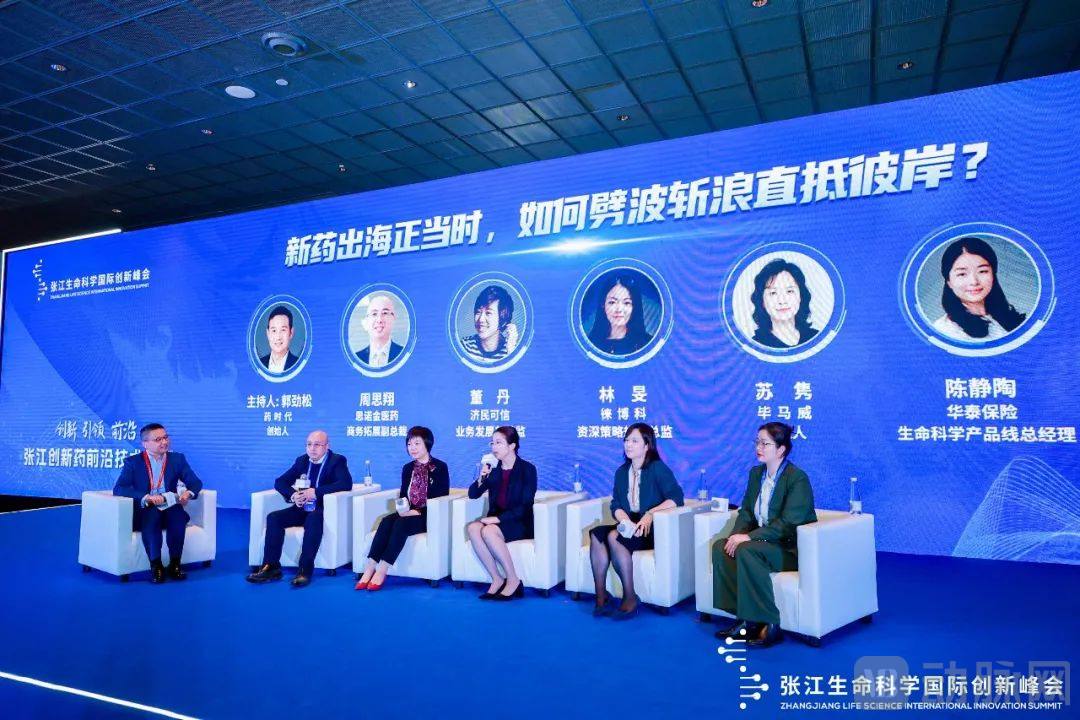
At the forum, when discussing which projects are more suitable for global expansion, Zhou Sixiang, Vice President of Business Development at Shanghai Sinogen Pharmaceutical Co., Ltd., shared his insights: First, evaluate the “hardware”—whether the project addresses unmet clinical needs, such as overcoming resistance to small-molecule drugs, enhancing the efficacy of large-molecule therapeutics, or improving the safety profile of antibody–drug conjugates (ADCs). Second, assess the “software”—how effectively one can craft a compelling “data package narrative” to attract business development (BD) interest, which involves showcasing the data’s value and the project’s key strengths, as well as selecting appropriate benchmarks.
Regarding the selection of overseas markets, Chen Jingtao, General Manager of the Life Sciences Product Line at Huatai Property Insurance Co., Ltd., stated that the United States is currently the preferred destination for Chinese innovative drugs going global, followed by popular regions such as Australia and Europe. While market selection varies according to each company’s specific objectives, common concerns remain, including risk identification and transfer, process-related risks, and the overseas legal environment.
Dong Dan, Director of the Business Development Department at Jiangxi Jiminkexin Group Co., Ltd., divides the process of going global into three stages: IP export, product export, and commercialization export, which correspond to Chinese IP, Chinese manufacturing, and Chinese brands, respectively. The benefits associated with each stage are accelerating international product development, reducing competitive risks in the domestic market, and gaining experience in global commercialization.
Regarding how to determine which indication should be prioritized for international expansion, Lin Min, Senior Director of Strategic Planning at Labocure Pharmaceutical R&D (Shanghai) Co., Ltd., believes that two key points deserve special attention. First, the design of global expansion strategies and the selection of indications must be more precise. For instance, companies should initiate strategic planning early based on product differentiation, including engaging in relevant communications with regulatory authorities and key opinion leaders (KOLs) in specific therapeutic areas, as well as building up talent reserves, to facilitate smooth project advancement. Second, regardless of whether a project is in its early stages or in Phase II/III clinical trials, protocols should be continuously adjusted as data accumulates. In particular, when expanding to additional countries or clinical trial sites, proactive planning should be implemented in advance.
Su Jun, a partner at KPMG Corporate Consulting (China) Co., Ltd., stated that expanding overseas is both a race against time and a battle of financial resources. According to KPMG data, under the premise of unchanged efficacy, the first company to launch a new drug typically captures around 65% of the market share, while the second-place company secures approximately 25%. For third-place entrants and those following, the market share is negligible.
In terms of funding, the average R&D investment required for regulatory approval of a single drug pipeline in China is approximately RMB 150–200 million; however, costs can be virtually uncapped if overseas market entry is considered. Typically, the ratio of preclinical to clinical R&D expenditure is 2:8. Based on this, Su Jun stated that, provided sufficient funding and adequate R&D maturity and precision are ensured, earlier planning is always preferable.
The journey of global expansion is long and arduous, with heavy responsibilities ahead. We look forward to the day when Chinese pharmaceutical companies take center stage on the world platform, becoming an indispensable force in the global pharmaceutical arena.
AI + Biopharma: Bidirectional Empowerment to Unlock the Code of Industrial Innovation
In recent years, the in-depth development and application of artificial intelligence technologies have provided novel solutions for improving efficiency and controlling costs in new drug development. “AI + Biopharmaceuticals” is emerging as a highly sought-after field garnering significant attention from both academia and industry.
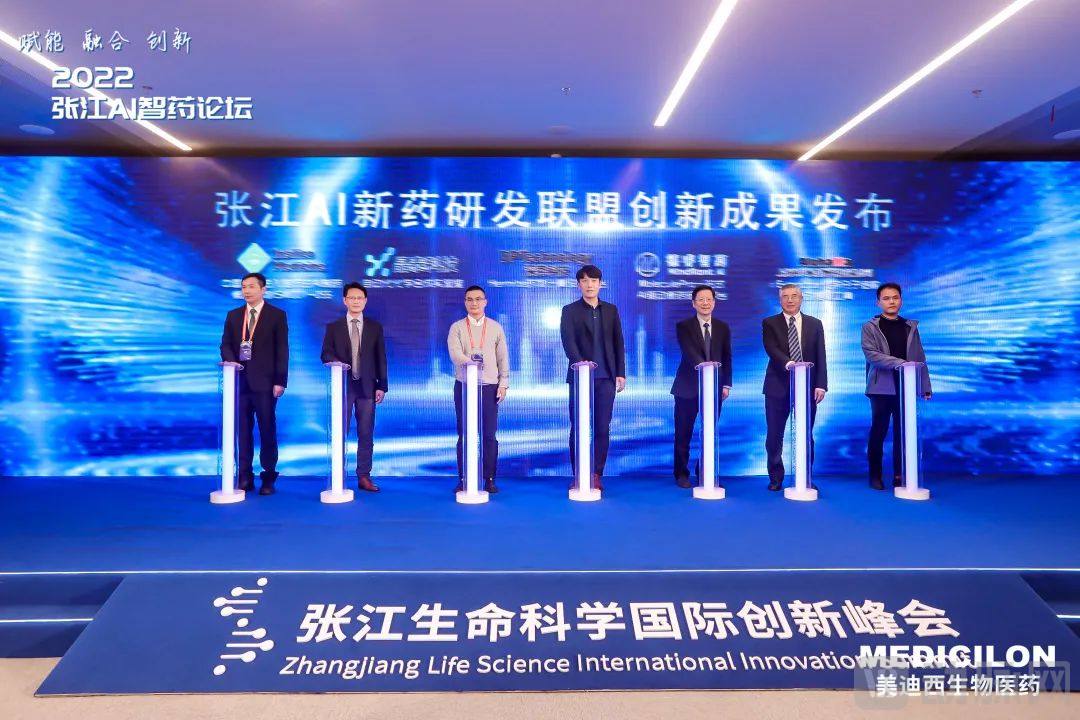
Release of Innovative Achievements by the AI Alliance
Currently, the application of AI technology in the field of new drug development has penetrated all key technical stages, from drug discovery and pilot-scale testing to manufacturing, bringing new momentum and expanding the horizons for innovation in new drug development.
He Jingzhou, Technical Director of the Natural Language Processing Department at Baidu’s Shenzhen R&D Center, stated that AI holds immense potential in drug development, enabling cost reduction and efficiency gains, shortening the drug development timeline, enhancing R&D productivity, and allowing for rapid replication across various stages of the drug development process.
However, as a highly interdisciplinary emerging field, AI-driven drug discovery faces significant challenges. First, the complexity of biology poses substantial hurdles to data acquisition and the design of AI algorithms. Second, the scarcity of high-quality pharmaceutical data in China constitutes a major obstacle constraining the development of AI-driven drug discovery. Furthermore, shortages of multidisciplinary talent and lagging policy frameworks are among the pressing issues currently faced by the industry.
At the forum, representatives from various companies drew on their respective strengths to discuss the solutions they could offer.
Dr. Lin Yi, Head of Artificial Intelligence and Digitalization at the Roche China Innovation Center, stated that while AI can accelerate key steps in drug development, it also faces certain challenges, such as a lack of high-quality data and data silos. There is an urgent need to address issues related to data standardization, data security, and data infrastructure. Roche collects multi-omics data across different dimensions and modalities, consolidating them into standardized databases to support the development of AI models and accelerate digital decision-making processes.
Dr. Li Xun, Director of the Molecular Informatics Department at Hengrui, shared that AI plays different roles and presents distinct technical challenges in small-molecule and large-molecule drug development. In light of this, Hengrui has established a dual-engine AI-driven drug design platform for both small and large molecules, integrating AI with conventional computational approaches in computational chemistry and bioinformatics into drug R&D projects. This integration aims to accelerate the drug discovery process, deepen understanding of experimental results, and guide experimental design based on comprehensive data analysis.
Ms. Jin Lian, Head of the Life Sciences and Healthcare Industry at Inspur Group’s AIHPC Product Division, stated that the life sciences and healthcare sector generates massive volumes of data. Inspur is committed to providing end-to-end solutions for AI-driven pharmaceutical companies. By building underlying AI-powered intelligent platforms and optimizing applications, Inspur helps customers establish foundational computing resources, enable analysis and interpretation of underlying data, unlock data value, and empower life and health initiatives.
Master the Rhythm of Differentiated Innovation to Build Momentum for Navigating Industry Cycles
In the field of medical devices, centralized procurement is an unavoidable issue.
On the one hand, the rapid advancement of volume-based procurement (VBP) will reduce product gross profit margins and increase industry concentration. In this new era, to mitigate the risks potentially posed by VBP, enterprises must seek breakthroughs across multiple fronts, including technological innovation, import substitution, production quality control, and even marketing strategies. On the other hand, VBP is also compelling companies to look outward for new growth opportunities and engage in global market competition.
Compounded by the impact of market cycle adjustments, 2022 can be described as a year of challenges.
How to Navigate Industry Cycles and Identify Long-Term Value? Amid a cooling capital market and challenging fundraising environment, maintaining healthy cash flow is critical for the sustainable development of startups. Furthermore, adhering to the principle that survival is the top priority, prudent planning of the product pipeline and careful selection of therapeutic areas are equally vital.
For mature enterprises, the trend of involution in China, coupled with the fierce competitive landscape and complex environment abroad, inevitably points to the same key term: differentiated innovation.
Thus, regarding the challenges and risks faced by enterprises in their development under the new environment, as well as strategies to cope with issues such as the capital winter and centralized procurement, the 2022 Zhangjiang Medical Device Industry International Forum may offer some valuable insights.
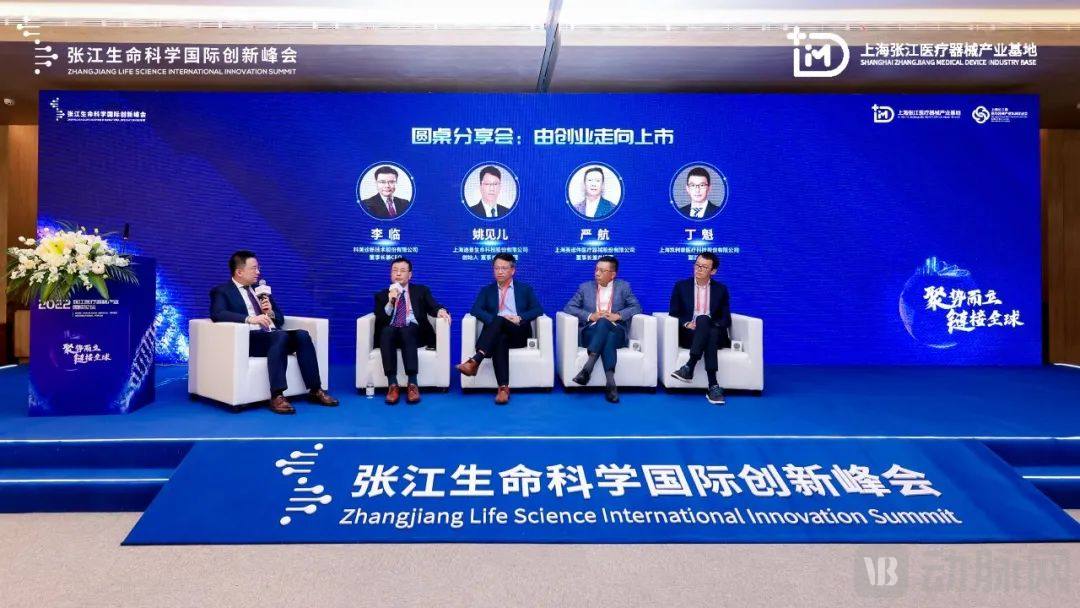
Zhangjiang Medical Device Industry International Forum: Roundtable Sharing Session
At the forum, Li Lin, Chairman and CEO of Kemei Diagnostics, shared his views on navigating the capital winter. He believes that a capital winter is essentially a process of deleveraging and can serve as an excellent opportunity for companies to recalibrate. Companies at different stages should adopt distinct adjustment strategies: startups should maintain focus and develop products closely aligned with market demands; growth-stage companies should target markets with sustained growth potential, bolster their technical talent pool, and scale up operations; while mature companies must rely solely on innovation to break through, carefully managing the pace of such innovation.
Yao Jian’er, Chairman and General Manager of Vision Medicals, put forward three suggestions. First, for startups, the top priority is to ensure survival, rather than being overly concerned with valuation. Second, adopt a contraction strategy and focus on core businesses. Finally, for listed companies, adjustments in the industry cycle may also hide rare development opportunities, such as laying out a more complete industrial chain at a lower cost and attracting better talent, thereby accumulating strength for another takeoff after the winter.
Regarding strategies to cope with volume-based procurement (VBP), Ding Kui, Deputy General Manager of Shanghai Kinetic Medical Technology Co., Ltd., stated that companies must shift their mindset before the inevitable outcomes of VBP fully materialize. For instance, they can leverage VBP as an opportunity to expand market share, focus on product innovation to mitigate the impact of VBP, or build international capabilities to achieve greater returns in overseas markets.
As the medical device industry continues to mature, traditional market segments are becoming increasingly crowded, making differentiated innovation a critical factor for successful commercialization.
Based on this, Mr. Yu Suhua, Director of Blue Sail Medical and General Manager of the Cardio-Cerebrovascular Business Unit, stated that in a market where general-purpose products are highly monopolized by overseas giants, the key to competition lies in differentiated positioning within specialized fields and indications, as well as precisely meeting patients’ clinical needs.
Furthermore, the innovation in medical polymer materials highlighted by Li Chunming, Dean of Weigao’s Shanghai Research Institute, serves as a key means to establish differentiated innovation.
In summary, in the face of a complex and volatile external environment, the key to navigating industry adjustment cycles and identifying enduring fundamentals lies in fostering corporate innovation and building core technological advantages.
At the 2022 Zhangjiang Medical Device Industry International Forum, Mr. Wang Kairong, Deputy General Manager of Zhangjiang Group, stated that after three decades of accumulation, Zhangjiang has achieved a development trajectory from global aggregation to innovation leadership, establishing a globally renowned innovation cluster for the biopharmaceutical and medical device industries.
Thirty years ago, the biopharmaceutical industry quietly emerged in Zhangjiang, making significant contributions to China’s biopharmaceutical sector. Three decades later, Zhangjiang’s biopharmaceutical industry is undergoing a transformative evolution amidst the wave of innovation. Moving forward, it will continue to advance global innovative collaboration and establish itself as a global source of innovation, leading the innovative development of China’s biopharmaceutical industry.