

Exploring Key Technologies and Product Innovations in Millimeter-Wave Radar: Growth Sectors, Technical Breakthroughs, and Startup Opportunities
This Thursday evening, we engaged in in-depth discussions on frontier technological innovations and application scenarios of millimeter-wave radar with Rong Jie, General Manager of Vayyar China; Gu Changzhan, Associate Professor at Shanghai Jiao Tong University and Chairman of Xikali Technology; and Xu Pan, CEO of Zhipu Technology.
Scan the QR code above to register.
Recently, several papers published by Professor Dina Katabi’s team at the Massachusetts Institute of Technology in Nature Medicine have attracted global attention. One study describes a home-deployed detection system based on millimeter-wave radar that tracks patients’ gait to precisely assess the severity of Parkinson’s disease, thereby enabling physicians to make accurate diagnoses and optimize medication dosing. Another study presents a system combining home-deployed millimeter-wave radar with artificial intelligence algorithms to monitor individuals’ breathing during sleep, thus facilitating the prediction of Parkinson’s disease. In North America,Cloud-based deployment of sensors, combined with AI algorithms and the capture and continuous monitoring of biomarkers, is emerging as a new trend for the application of millimeter-wave radar in the healthcare sector.And in the past few years,The application of millimeter-wave radar is gradually deepening in the four major sectors: automotive, smart home, security, and transportation.
Following the launch of Jiacheng Entrepreneurship's "Flowing Water Banquet""Biosensor Exploration," "OPPO Digital Health Sensor Special Session," and "MESE and Laser Sensors"Following these topics, we will continue to launch new content this Thursday evening.Advanced Sensor Series: Millimeter-Wave Radar—Key Technologies and Product Innovation! Focusing on Growth Industries, Technological Innovations, and Entrepreneurial Opportunities in Civilian Millimeter-Wave Radar.At this point,Jiacheng Investment Team presented to the industry a comprehensive series of discussions on advanced sensor trends.
Millimeter-wave radar refers to detection radar with wavelengths between those of microwaves and centimeter waves, combining some advantages of both microwave radar and optoelectronic radar, such as high spatial resolution and strong penetration capability.
The development and application of radar technology initially took place in the military sector. In the 1940s, the research, development, and deployment of millimeter-wave radar officially began. During its early stages, progress was constrained by technical challenges. It was not until the mid-1970s that breakthroughs in core component technologies accelerated the development of millimeter-wave radar, leading to continuous improvements in performance areas such as pulse power and low-noise mixers. Integrated with technologies like integrated circuits and high-gain antennas, millimeter-wave radar has played a significant role in numerous military and civilian applications. However, due to its high cost, its use remained predominantly military for an extended period.
According to observations by the Jiacheng Investment team, civilian millimeter-wave radar technology has been continuously improving in recent years, with costs gradually decreasing and application scenarios constantly expanding.Due to their wide bandwidth, compact size, low power consumption, and strong anti-interference capabilities, millimeter-wave radar systems hold significant application potential in emerging fields such as autonomous technologies.
Currently, the civilian market for millimeter-wave radar in China is primarily concentrated in four major sectors: automotive, smart home, security, and transportation, with the automotive and smart home markets being particularly prominent.In the field of automotive radar, millimeter-wave (mmWave) radar has primarily benefited from advancements in intelligent driving technologies. According to a research report by CICC, mmWave radar is a critical foundation for autonomous driving. Level 3 (L3) autonomous driving systems require five mmWave radars, while future Level 5 (L5) autonomous vehicles are expected to rely on eight to nine such sensors. Given the currently low overall penetration rate in the automotive market, there is substantial room for market expansion. In 2021, the market size of automotive mmWave radar in China was approximately RMB 6.4 billion. It is projected to reach RMB 11.4 billion by 2025, representing a compound annual growth rate (CAGR) of 19%. Furthermore, the market for in-cabin radar applied in smart cockpits—aimed at preventing issues such as driver fatigue and drunk driving—remains largely untapped and holds broad prospects.
From 2016 to 2021, China’s smart home market expanded rapidly, with a compound annual growth rate (CAGR) of approximately 20%. According to data from the National Bureau of Statistics, consumer acceptance of smart home products has been steadily increasing, leading to continuous growth in the number of devices installed and rapid expansion of market size. Millimeter-wave radar technology has also gained significant traction in the smart home industry, finding widespread application in scenarios such as smart air conditioners, video doorbells, and smart central control hubs. This technology has greatly enhanced the connectivity and integration among people, devices, and spaces, thereby facilitating seamless interoperability and system stability. We anticipate that as smart home scenarios become increasingly diversified, millimeter-wave radar sensors will see broader and more personalized applications, further unlocking market potential.
Furthermore, in the broader health and wellness sector, an increasing number of companies are exploring application opportunities for millimeter-wave radar centered on the detection and analysis of physiological health status, with strong momentum. Currently, many major industry players are establishing a presence in this field. Overseas automotive-grade millimeter-wave radar and chip manufacturers, such as Texas Instruments and Infineon, have launched millimeter-wave radar products for health monitoring, specifically for tracking the health status of the elderly. Meanwhile, a wave of domestic startups has also emerged in this area. For example,Mobizhi Intelligent TechnologyIntroducing the ISF-J10 Indoor Monitoring Millimeter-Wave Radar, which monitors fall status, heart rate, respiration, and other vital signs.Hicali TechnologyRevolutionizing detection methods with millimeter-wave radar technology, this approach captures detailed cardiopulmonary motion data contactlessly and non-invasively through millimeter-wave transmission and reception. It assesses the health status of cardiopulmonary activity, enabling the tracking and early detection of chronic cardiopulmonary diseases in the elderly, thereby facilitating earlier treatment and improving quality of life.
December 1, this Thursday at 8:00 PM,Jiacheng Entrepreneurship Open Forum, Session 161! We have invited the General Manager of Vayyar China.Rong Jie、Gu Changzhan, CEO of Zhipu TechnologyXu PanThree guests,Join us for an online discussion on key technologies, application scenarios, latest trends, and entrepreneurial opportunities in millimeter-wave radar!

We will discuss:
1. What are the current applications of millimeter-wave radar in smart homes?
2. Cloud-based millimeter-wave radar + artificial intelligence + emerging industry applications: what other innovative opportunities are emerging?
What is the progress in key technologies for millimeter-wave radar?
3. What new development trends are emerging in China's millimeter-wave radar industry?
4. What are the new expansions in application scenarios for millimeter-wave radar?
5. What is the market potential for civilian applications of millimeter-wave radar?
6. What are the new technological trends in millimeter-wave radar?
Re-invite to join!
Topic: Exploring Key Technologies and Product Innovations Based on Millimeter-Wave Radar! Technological Innovation / Incremental Industry / Entrepreneurial Opportunities
Time:Thursday, December 1, 2022 20:00-22:00
Format:Tencent Meeting
Quota:To ensure event privacy and discussion quality, limited to 100 participants!
This event is free to attend!

Jiacheng Venture Capital’s “Open-Table Series” is a high-end, private, and egalitarian social platform designed for entrepreneurs.Here, you can meet outstanding peers from various fields. Since the launch of the Jiacheng Entrepreneurship Roundtable service in the second half of 2018, we have been deeply grateful for the strong support from our community members. Through online communities, live streaming, and offline events and exchanges, we have consecutively hosted 159 entrepreneur roundtables in Beijing, Shanghai, Hangzhou, and Shenzhen. To date, we have served tens of thousands of entrepreneurs and industry professionals, with nearly a thousand entrepreneurs and industry experts sharing their insights at the Jiacheng Entrepreneurship Roundtable.
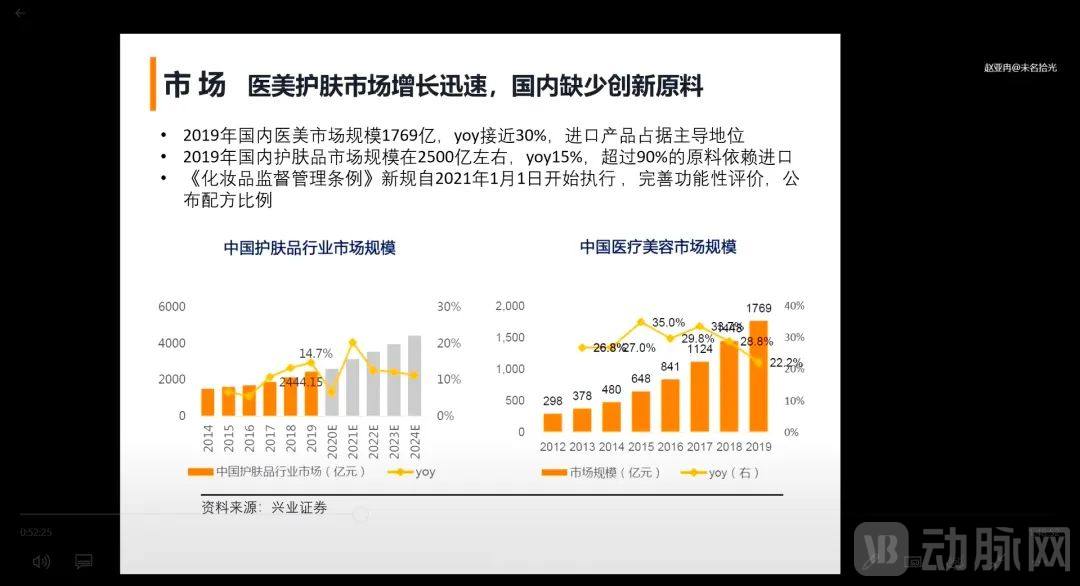
Past JiaCheng Entrepreneurship Open Forum Online Events
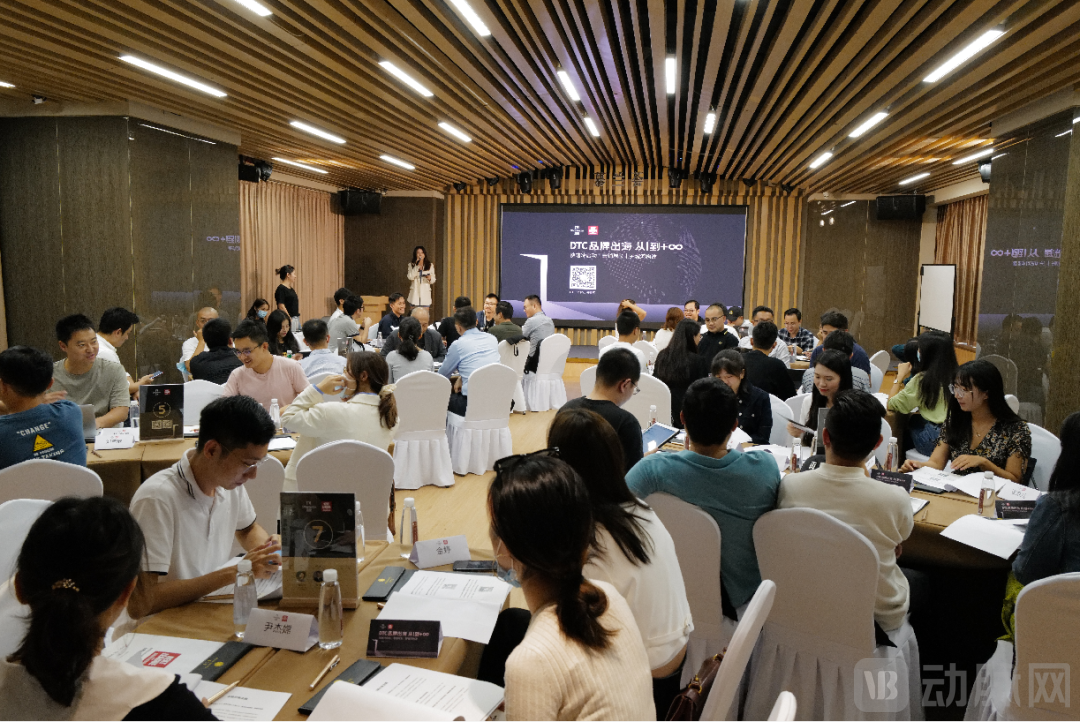
Previous Events of the Jiacheng Entrepreneurship Roundtable Offline Activities