

Bethel Health: Pioneering Digital Therapeutics for Child Language Development and Rehabilitation Over a Decade
In the field of child language development (language, social, and phonological) and disease rehabilitation, Bethel International Medical Center (hereinafter referred to as: Bethel) has been deeply engaged for more than ten years.
From its inception in the United States to its establishment in China, and through its deep engagement in clinical practice and academia within the country, Bethel has developed a comprehensive suite of solutions for promoting child language development and addressing language disorders. This integrated offering includes evidence-based clinical assessments aligned with international standards, personalized interventions, supporting parent guidance tools and services, as well as professional certification training.
Over the past decade, Bethel has refrained from extensive commercial advertising and large-scale fundraising, instead focusing on building a robust academic, research, and brand strategy framework. By assembling a team with extensive clinical, research, and operational expertise both domestically and internationally, Bethel has empowered hundreds of Grade 3A hospitals across China, trained thousands of professionals, and helped tens of thousands of children realize their dreams of communication.
Bethel has completed multiple research projects in the field of assessment and intervention for language disorders in Chinese children, published numerous clinically significant papers in international literature, and authored works for People's Medical Publishing House in the fields of developmental-behavioral pediatrics and hearing-speech rehabilitation science.Chapters such as “Child Language Assessment and Rehabilitation” and “Parental Guidance on Child Language Development” in the textbooks designated by the National Health Commission.
Bethel’s independently developed DREAM digital therapeutic system for child language assessment and intervention (hereinafter referred to as the “DREAM Digital Therapeutic System”) has been the first digital software tool for child language assessment to be included in the National Health Commission’s *Specifications for Diagnosis and Treatment of Mental Disorders*. Its preliminary efficacy in guiding personalized interventions was also the first to be published in the *Chinese Journal of Pediatrics*.
Compared with the mature markets in developed countries such as the United States, China’s market for children’s language development and disease rehabilitation is still in its infancy. However, driven by technological advancements and policy support, the Chinese market is gradually entering a phase of rapid growth. As both a builder and witness to this industry, what stories lie behind Bethel’s low-profile presence?
Integrating U.S. Clinical Research Experience
Creating a Chinese Model for Language Development and Disease Rehabilitation
To outsiders, venturing into the field of child language development may seem like a bold move. But for Professor Lucy Liu, founder and chief scientist of Bethel, it was precisely what she had in mind.
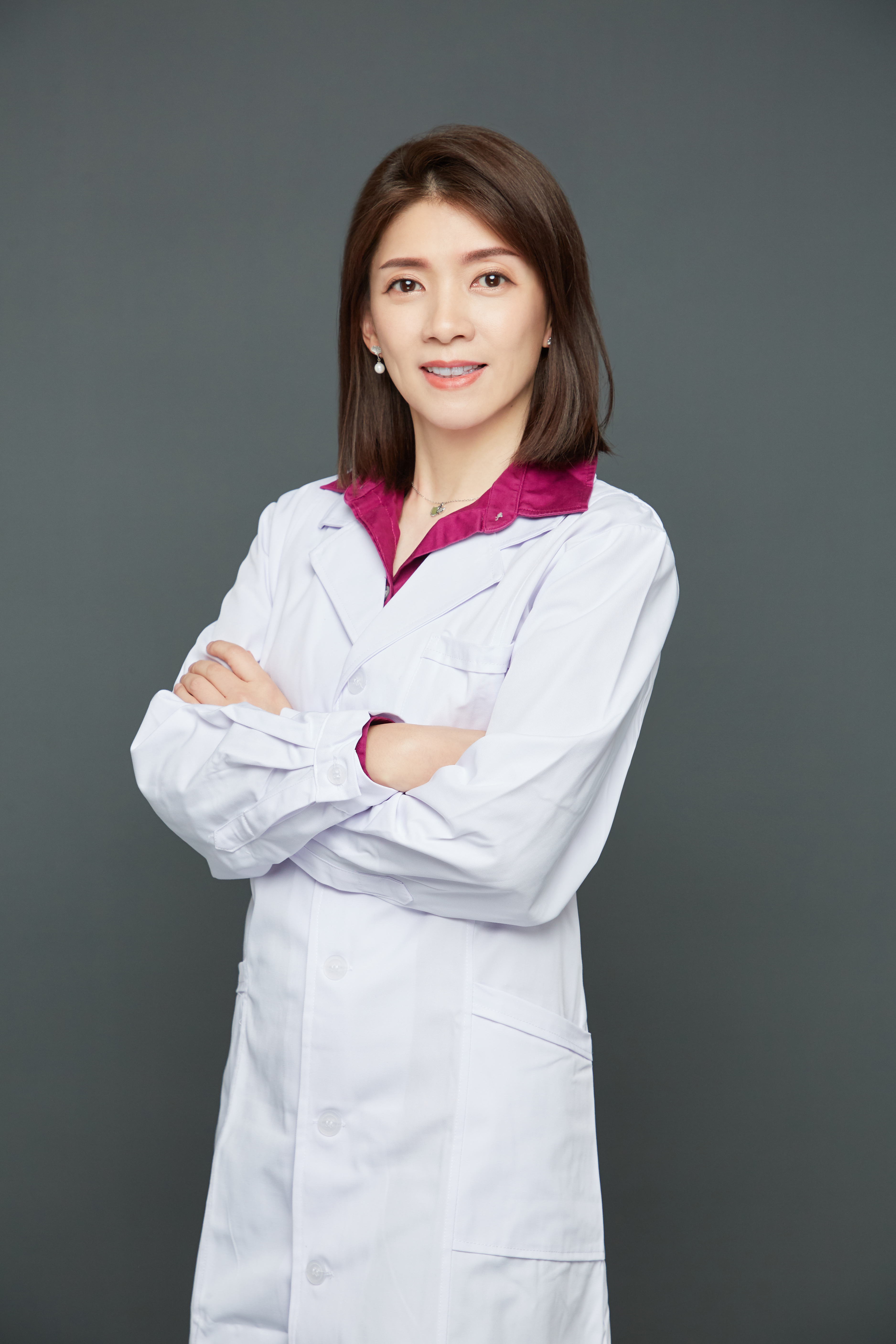
Bethel International Medical CenterProfessor Liu Xueman, Founder and Chief Scientist
Professor Liu Xueman told VCBeat that while pursuing her Ph.D. in Molecular Biology at the University of Texas at Dallas, she often heard her American friends, who were enrolled in master’s programs in Speech-Language Pathology, discuss how they helped children and adults with language communication disorders achieve scientific and effective rehabilitation during their clinical internships.
This repeatedly reminded her of children and adults in China with communication disorders, prompting her to resolutely abandon a research career centered on biological experiments and dedicate herself to the field of speech-language pathology (covering language, social communication, speech, etc.), with the aim of helping children and adults—particularly those in China—communicate more effectively and smoothly.
In the United States, speech-language pathology has undergone a century of development, with its disciplinary framework, clinical standards, and professional certification for clinicians approaching maturity.Currently, more than 200 universities in the United States offer master’s or doctoral degree programs in speech-language pathology. There are over 190,000 master’s- and doctoral-level speech-language pathologists (SLPs), along with more than one hundred evidence-based standardized assessment and rehabilitation tools targeting various domains across different age groups, languages, social communication, and speech sounds. Substantial evidence-based clinical research achievements have also been made.
After earning a Master’s degree in Speech-Language Pathology from the University of Texas at Dallas and a Doctorate in Audiology from the University of Florida, Professor Liu Xueman accumulated extensive clinical and research experience in the United States. Since 2007, she has been repeatedly invited back to China for consultations and teaching. However, upon her return, she discovered that pediatric speech-language pathology in China was still in its nascent stage, lacking scientifically authoritative professional resources and tools in clinical practice, research, and education.
“I am deeply eager to apply my professional expertise and clinical, research, and teaching experience, while introducing international professional resources back to China, thereby contributing my modest share to the development of my homeland! Since 2011, the seed of this dream has finally begun to sprout; together with Bethel’s scientific research and clinical expertsJoining forces to embark on the journey of developing DREAM, a localized evidence-based clinical solution for children’s language assessment and intervention in China, Bethel Hearing and Speech Training Center was established..” said Professor Liu Xueman.
The Language Development and Disease Rehabilitation Industry: A Field with Much to Be Accomplished
How Pioneers Move Forward
As an “emerging discipline” introduced to China, the challenges facing language development and disease rehabilitation can be summarized in two words: “gaps and chaos.”
Childhood language disorder is one of the most prevalent developmental disorders in children.. Among them, primary language disorder (i.e., children have no other developmental disorders or neurodevelopmental diseases, only significant delays in language development)In infants and young children under 3.5 years of age, the incidence rate approaches 20%., with an incidence rate of 7.4–9.4% in children aged over 4 years.Secondary language disorders encompass children who exhibit language impairments due to a range of developmental delays or disorders, including hearing impairment, autism spectrum disorder, cerebral palsy, and global developmental delay, with an estimated prevalence of approximately 3%. Given China’s large population base, the number of children with delayed language abilities is substantial.
Regarding system development, the undergraduate major in “Hearing and Speech Rehabilitation” was not officially established in China until 2013. To date, fewer than 20 medical universities offer this program, indicating that the integration of medical care and education still has a long and arduous journey ahead.In terms of staffing, based on North American ratios, China’s population is 4.5 times that of the United States, requiring nearly one million practicing speech-language pathologists (SLPs). However, there are currently only tens of thousands of SLPs in practice, creating an urgent need for a large number of qualified therapists with experience in diagnosing and treating childhood language disorders.As an integrated disciplinary system, China cannot simply replicate advanced foreign experiences; instead, it must take a holistic approach to planning the professional domains of pediatrics, rehabilitation, psychiatry and psychology, and special education, as well as the allocation of medical resources and the integration of medical and educational services.
In terms of the systematic allocation of medical resources, based on the preliminary exploration of the Chinese model for clinical intervention pathways in pediatric language disorders, Level 1 targets all children and requires providing parents with self-study materials and services on scientific child-rearing. Level 2 also targets all children; the first step is universal early language screening. Approximately 20% of children do not pass the screening and require preventive intervention, namely “parent training and guidance.”Level 3 consists of personalized group interventions or one-on-one individualized interventions following diagnostic assessment.However, speech rehabilitation institutions in China often overlook the importance of primary and secondary “preventive interventions,” directly targeting tertiary one-on-one interventions, which require the greatest manpower input. This has led to an already uneven distribution of therapeutic resources being heavily skewed toward the “tip of the intervention pyramid.”
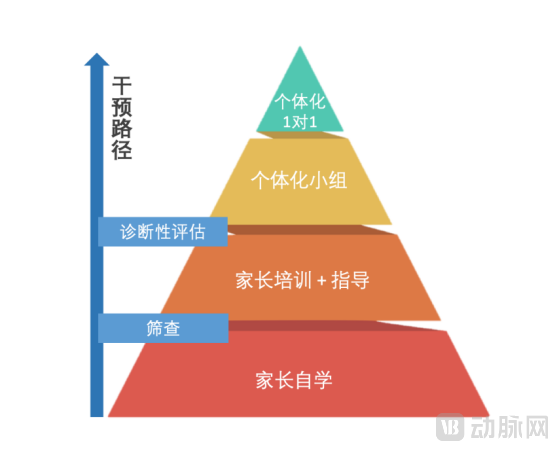
Early Exploration of the Chinese Model for Clinical Intervention Pathways in Language Developmental Delay and Language Disorders[1]
In terms of standardized diagnosis, prior to 2016, there were no standardized diagnostic assessment tools for language development based on normative data from Mandarin-speaking children in mainland China. Language assessments were predominantly informal, leading to frequent misdiagnoses and missed diagnoses.
In terms of standardized interventional treatment, although many institutions have introduced foreign technical concepts, these techniques may be effective for only 1% of the pediatric patient population. Due to the lack of a comprehensive knowledge system in China and relatively lagging regulation and standardization, certain commercial opportunities have led to these techniques, applicable to merely 1% of cases, being marketed as “comprehensive solutions” to address issues in all children. Such “off-label” interventions pose certain hidden risks.
In the face of a pediatric speech-language development and disease rehabilitation sector with myriad tasks awaiting initiation, how has Professor Liu Xueman’s Bethel team collaborated with hospitals at all levels, rehabilitation institutions, schools, and other stakeholders across China to forge a Chinese model for pediatric speech-language rehabilitation?
Evidence-Based Closed-Loop Digital Therapeutics Services
Driving the Integration of Pediatric Language Disorder Diagnosis and Treatment Systems with International Standards
To align the diagnosis and treatment of pediatric language disorders in China with international standards, we can summarize it in three words—“Standardization, Systematization, and Digitalization.
To transfer and adapt mature clinical and research experience from abroad, establish a standardized and systematic language rehabilitation diagnosis and treatment system suited to China’s national conditions, and alleviate the current shortages of qualified professionals and uneven distribution of medical resources, the most rapid and effective approach is undoubtedly to leverage digital products.
Comprehensive digital therapeutics are data-driven and grounded in evidence-based medicine, with attributes that align closely with systematic and standardized diagnosis and treatment. The DREAM Digital Therapeutics System (Diagnostic of Receptive and Expressive Assessment of Mandarin, DREAM), developed independently by the Bethel team, is a digital therapeutic diagnostic tool built upon Chinese normative data and evidence-based foundations characterized by high sensitivity and specificity.
The DREAM Digital Therapeutics System comprises a series of language screening and assessment tools for children aged 0–8, including the “DREAM-IT-S Infant and Toddler Language Communication Screening,” “DREAM-IT Infant and Toddler Language Communication Standardized Assessment,” “DREAM-S Mandarin-Speaking Children’s Language Ability Screening,” and “DREAM-C Mandarin-Speaking Children’s Language Standardized Assessment.” These tools enable clinical professionals to conduct standardized screening and assessments of children using an artificial intelligence system.,Improve clinical efficiency and the accuracy of screening and diagnosis.For children requiring early preventive intervention (approximately one in five infants and toddlers), the system provides evidence-based, preventive digital home-intervention guidance—namely, the “Watch Together, Play Together, Talk Together” Parent Coaching Program: Bethel Early Childhood Language Home Training Course—thereby enabling an advanced “family-centered” intervention model.For children requiring more in-depth and individualized interventions, the system can, upon assessmentPosteriorAutomatically generate assessment reports and intervention plans in one second to helpClinical professionals develop individualized plans for childrenintervention targets.Professionals can also use the “Peiban App” to push home training tutorials to parents, such as demonstration videos by therapists from Bethel’s domestic and international teams and articles on family interaction guidelines.The DREAM digital therapeutics system can provide universal screening for children, offer preventive interventions for those who do not pass the screening, and assist clinical professionals in conducting diagnostic assessments and delivering personalized interventions for children, thereby achievingA Digital Therapeutics Rehabilitation Closed Loop: From Screening and Preventive Intervention to Assessment and Diagnosis, and Then to Interventional Treatment。
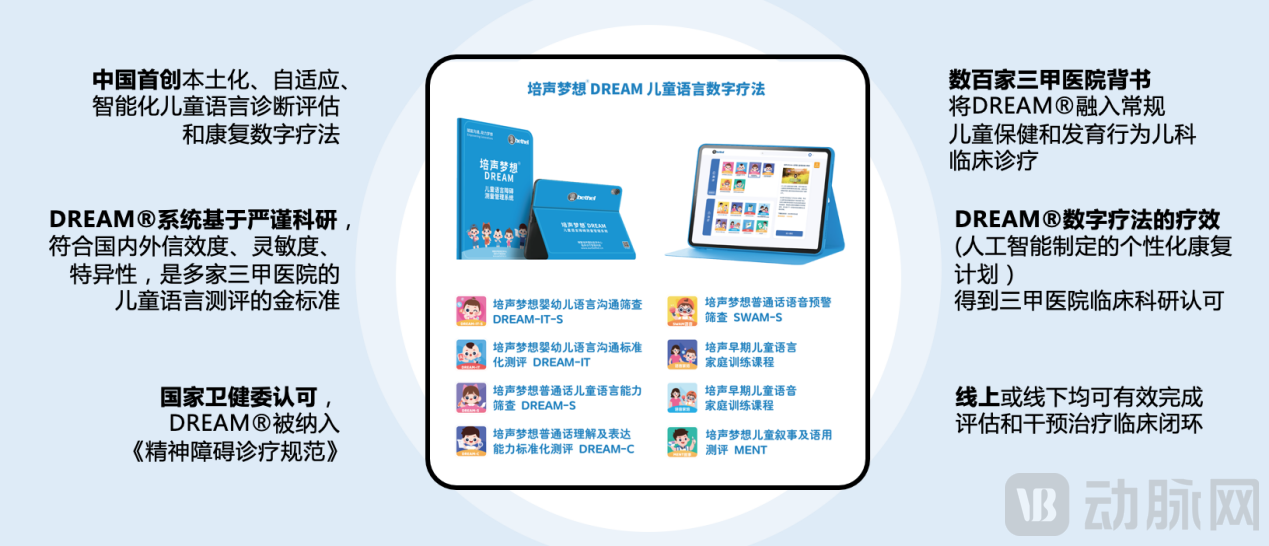
Six Key Features of the Bethel DREAM Digital Therapeutics System
Bethel's DREAM Digital Therapeutics,Fills the market gap overlooked in the Chinese model of clinical intervention pathways for children’s language disorders, especiallyPreventive Intervention Phase.Studies have found that, taking the U.S. market as an example, every $1 invested in early preventive interventions can actually avoid $17 in later treatment costs resulting from delayed care; while it appears to be an expenditure, it in fact represents substantial savings in healthcare spending.Therefore, Bethel’s digital early home-based intervention guidance not only saves substantial time and training costs for clinical staff but also significantly lowers the barrier to accessing medical care, yielding considerable benefits for children, families, and society at large.
Meanwhile, to meet the needs of personalized intervention and continuously validate the effectiveness of the DREAM tooland continuously update and iterate on it,Bethel has successively established the DREAM Digital Therapeutics Clinical Demonstration Center—Bethel Shanghai Pediatric Hearing and Speech Communication Center, as well as China’s first Medical Center for Communication Disorders—Hainan Boao Bethel International Medical Center.
The Industry Moves Toward Standardization
Bethel Has Achieved Standard Leadership
As a witness to and builder of the field of pediatric speech-language rehabilitation in China over the past decade, Professor Liu Xueman stated that significant progress has been made domestically. The emergence and development of the audiology and speech rehabilitation specialty represent a major advancement, and the field is poised to move toward greater standardization in the future.
During this process,Bethel has played a key role in supporting and participating in the development of standards and policies across the fields of education, healthcare, and scientific research, including assisting in the formulation of clinical practice guidelines and contributing to the writing of undergraduate textbooks.etc.
The early exploratory research on the Chinese model of clinical intervention pathways for children’s language disorders was also led by the Hainan Boao Bethel International Medical Center, under the guidance of the Developmental and Behavioral Pediatrics Group of the Pediatric Branch of the Chinese Medical Association, and jointly completed by more than forty general hospitals, pediatric hospitals, maternal and child health hospitals, and community health centers across provinces and cities in China.
Professor Liu Xueman believes that the application of digital therapeutics helps to advance the industry,The Hainan Boao Bethel International Medical Center will also leverage its geographic advantages to conduct more innovative R&D in digital therapeutics and real-world evidence studies.
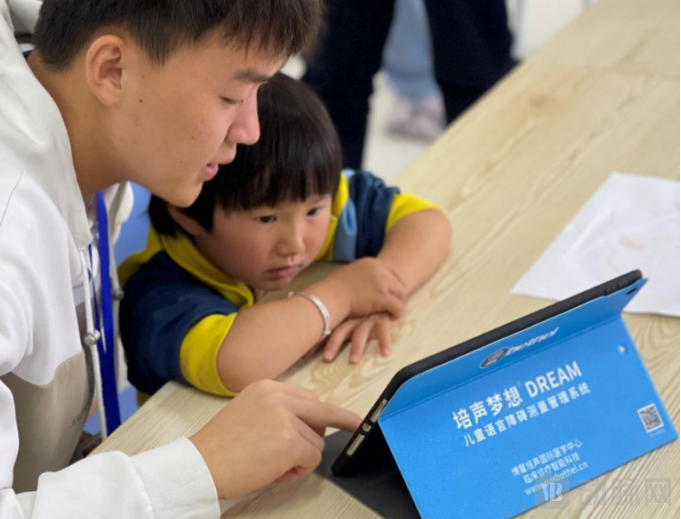
Regarding future plans, Professor Liu Xueman stated that in the short term, Bethel will collaborate with domestic hospitals, institutions, and colleagues in the clinical and educational fields to jointly promote the comprehensive coverage of a three-tiered clinical intervention holistic solution for secondary and primary childhood language disorders. Bethel’s long-term vision is to rapidly leverage the century of accumulated industry experience from abroad for application in China, empowering more Chinese children with hearing and language disorders and their families through systematic and sustainable solutions.
About Bethel
Bethel International Medical Center is a clinical, research, and training institution dedicated to the development and rehabilitation of children’s language (linguistic, phonological, and social) skills. Bethel has assembled an authoritative international team of experts from various relevant disciplines and, leveraging its independently developed DREAM digital therapeutic solution for child language assessment and intervention, is committed to advancing the diagnosis and treatment standards as well as public awareness of childhood language disorders in China.
· Develop internationally recognized screening, assessment, and intervention tools for Mandarin-speaking children's language development;
· Develop clinical professional qualification training for the diagnosis and treatment of childhood language disorders that is internationally recognized;
· Co-organize international conferences and academic exchange activities with national-level professional societies and leading tertiary (Grade A) hospitals;
· Collaborate with People's Medical Publishing House to publish a series of parental guidance books, provide educational counseling for parents, and promote advanced family-centered intervention models;
· Collaborate with clinical research institutions to conduct large-scale scientific research and participate in the formulation of industry standards;
· Implement clinical services for children’s language, speech, and social development aligned with international standards.
References:
[1] Liu Xueman. Clinical Intervention for Language Developmental Delay and Language Disorders[J]. Chinese Journal of Child Health Care, 2022,30(8):813-817, 821.