

Inkang Life Advances Brain Science: Innovating Diagnosis and Treatment of Neurological Disorders
The human brain, with nearly 100 billion neurons and 100 trillion connections, harbors the greatest enigma in science and medicine, presenting a profound challenge shared by scholars across disciplines.
During the second decade of the 21st century, the United States, Europe, and Japan successively launched large-scale brain science initiatives, and China included brain science as a key frontier technology project in its 13th Five-Year Plan. In 2021, the “China Brain Project” was officially launched, accelerating brain research aimed at uncovering the secrets of the brain and tackling brain disorders, as well as brain-inspired research focused on establishing and developing artificial intelligence technologies.
At the recently held 5th China International Import Expo (CIIE), domestic and international enterprises actively participated in the innovation and exploration of brain science. Focusing on brain diseases, particularly brain tumors, Masep, a subsidiary of INKON Life, hosted the “INKON Medical Radiosurgery Forum” at its exhibition booth. Multiple experts discussed and shared insights on diagnostic and therapeutic innovations for various types of tumors, primarily brain tumors, as well as clinical cases in radiosurgery. Meanwhile, INKON Life also set up a “Brain Science Leadership” exhibition zone, highlighting innovations in diagnosis and treatment such as radiotherapy, ultrasound therapy, and tumor treating fields.
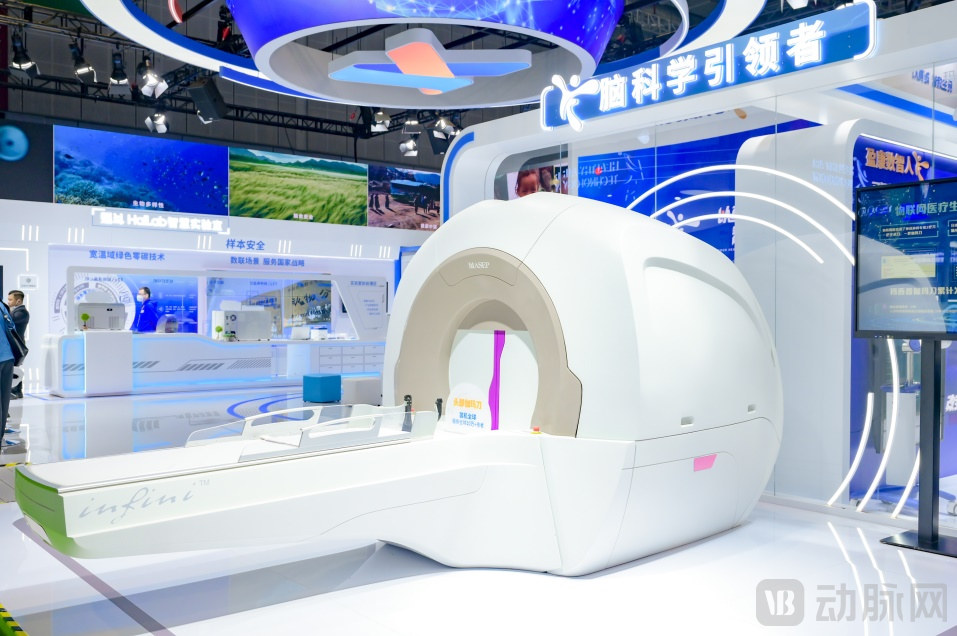
In response, a representative from Masep stated, “We are currently exploring advanced technologies and equipment, such as magnetic resonance-guided focused ultrasound (hereinafter referred to as ‘MRgFUS’) and tumor treating fields devices, to innovate therapies for refractory brain diseases, including brain metastases, gliomas, and Parkinson’s disease. In the future, within the company’s five major business groups, the Brain Science Business Group will become one of our most strategic priorities, focusing on advancing precision, non-invasiveness, digital intelligence, and remote capabilities in medical devices for brain science, thereby enhancing the diagnosis and treatment of a broader range of brain disorders.”
Brain diseases encompass a wide variety of conditions, including cerebrovascular diseases, infectious brain diseases, and neurodegenerative disorders of the central nervous system, each of which poses a serious threat to public health. An article published in The Lancet Neurology reported statistics on the number of patients with primary brain cancer and central nervous system cancers worldwide from 1990 to 2016; among the countries and regions covered, China ranked first in both incidence and mortality rates.
Despite the transformative advances in China’s medical capabilities over the past decade, a comprehensive system for the screening, prevention, and treatment of brain diseases has yet to be established domestically. There is a need for third-party enterprises to intervene from both the perspectives of medical technology and healthcare services, thereby comprehensively promoting the development and enhancement of capabilities for the prevention and treatment of brain tumors and other neurological disorders.
The astute have already entered the arena. According to CB Insights, the global market size for brain health was $6.2 billion in 2020 and is projected to surpass $10 billion by 2024, positioning it as the next industry poised to deliver disruptive impact on human society. Thousands of enterprises worldwide are conducting in-depth research centered on brain science.
A renowned investor once stated, “The brain and the universe are the two final frontiers for humanity to conquer.” Faced with such a profound challenge, what efforts are truly required of us?
It is not difficult to address the developmental needs of brain science from a macroscopic perspective. First, policy support is essential; the state must provide policies to encourage researchers to engage in related topics. Second, investment is crucial. As a highly integrated interdisciplinary field at the forefront of technology, brain science cannot achieve breakthroughs through isolated efforts. Even when considering only its medical applications, interdisciplinary collaborative research remains indispensable.
For startups, meeting the aforementioned demands requires substantial financial support and significant time investment. At this current stage, only enterprises that already possess a robust medical ecosystem and ample funding are more likely to succeed amidst uncharted exploration.
INKON Life undoubtedly possesses the potential to develop brain science.
As an ecosystem brand incubated by Haier Group in the big health sector, Yinkang Yisheng leverages core capabilities in technology-driven innovation, smart healthcare, big data, and integrated online-offline services. Centered on users’ health needs, it delivers comprehensive health services covering the entire lifecycle, encompassing prevention, diagnosis, treatment, rehabilitation, and elderly care.
Currently, INKON Life has established a network of nearly 20 hospitals across China, creating an ecosystem spanning multiple scenarios including critical care rehabilitation, comprehensive oncology treatment, elderly care, and home health management. Meanwhile, aligning with strategic development and evolving user needs, it has deployed operations in three major sectors—biotechnology, medical devices, and healthcare services—and proposed integrated digital healthcare solutions.
INKON Life’s comprehensive layout across pharmaceuticals, medical devices, services, and digitalization has enabled it to build robust R&D capabilities, allowing for holistic analysis of individual disease types. Therefore, when confronted with the diverse information flows in brain science, INKON Life’s interdisciplinary, multi-modal solutions are well-equipped to tackle various challenges.
For INKON Life, deepening its development in brain science is equally imperative. On one hand, the deeper integration of digital solutions into clinical workflows enables the company to incorporate both B-end and C-end users into its service ecosystem, thereby refining INKON Life’s “prevention, diagnosis, treatment, rehabilitation, and elderly care” ecological layout and enhancing its overall corporate value. On the other hand, there is a large population of patients with brain disorders, particularly neurodegenerative diseases of the central nervous system such as Alzheimer’s disease and Parkinson’s disease. The burden of these conditions on individual families is substantial; therefore, INKON Life’s commitment to addressing these diseases represents a necessary step in fulfilling its corporate social responsibility and delivering broad public benefit.
Although INKON Life has rarely disclosed its progress in brain science to the public in the past, it has in fact completed a substantial amount of research and development work in this field in recent years and achieved notable results.
The Gamma Knife, a large-scale radiotherapy device independently developed by Masep, is the “gold standard” for stereotactic radiosurgery. Due to its advantages—including non-invasiveness, minimal treatment-related injury, low complication rates, short treatment courses, and precise targeting—this technology demonstrates significant benefits in treating brain metastases, small-to-medium-sized benign intracranial tumors, cerebrovascular malformations (particularly cerebral arteriovenous malformations), and functional neurological disorders such as trigeminal neuralgia. It has become the preferred option for brain tumor resection or an essential adjunct and complementary approach to surgery.
However, in clinical practice, stereotactic radiosurgery is not only effective for brain tumors but also applicable to the treatment of “abnormal cell clearance” related to the “brain.” This implies that Gamma Knife can also physically intervene in certain common neurodegenerative diseases of the central nervous system.
Industry experts told VCBeat, “In patients with Parkinson’s disease, damage to certain neurons in the brain leads to the appearance of ‘glove waves’ on electroencephalograms (EEG), indicating abnormal electrical discharges that subsequently cause symptoms such as hypokinesia, tremor, and muscle rigidity. If we can identify the neuronal nuclei responsible for these abnormal discharges and selectively ablate them using Gamma Knife radiosurgery, we can eliminate the intracranial abnormal electrical activity. Furthermore, due to the presence of a ‘functional reserve area’ in the brain—a region not typically engaged in daily operations—this area can rapidly develop after radiotherapy is completed, eventually taking over the functions of the damaged brain regions. Theoretically, this entire ablation procedure would not impair overall brain function.”
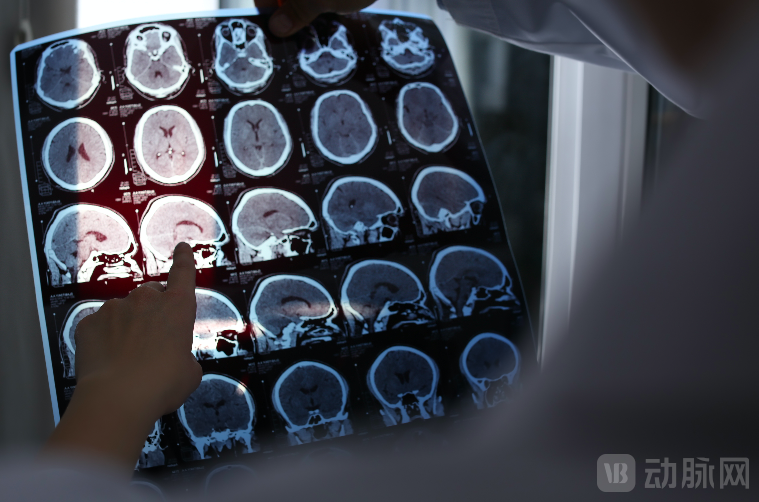
Building on the experience and achievements gained from Gamma Knife technology, Masep is focusing on two key technologies—“Magnetic Wave Knife” and Tumor Treating Fields (TTF)—in the treatment of central neurodegenerative diseases, marking a strategic expansion from brain tumors to central neurodegenerative disorders.
It is understood that the Magnetic Resonance-guided Focused Ultrasound (MRgFUS) system, commonly known as the "Magnetic Wave Knife," is a therapeutic technology that integrates focused ultrasound with magnetic resonance imaging (MRI). It first uses MRI to precisely locate the treatment target and then employs high-intensity focused ultrasound to ablate intracranial lesions. This procedure can be performed non-invasively without the need for anesthesia. Meanwhile, Tumor Treating Fields (TTFields) therapy can effectively extend the survival period of patients with brain tumors, such as glioblastoma.
Beyond the treatment of central neurodegenerative diseases, INKON Life is also exploring the connections between the brain and the breasts and intestines. After all, the gut microbiota is known as the “second brain,” and changes in its composition and metabolites can influence brain function and psychological status through the vagus nerve, the hypothalamic-pituitary-adrenal (HPA) axis, the neuroimmune system, and various metabolic processes, thereby contributing to the pathogenesis of various neuropsychiatric disorders. Currently, Masip’s independently developed external shortwave therapy device leverages the thermal and magnetic effects generated by the high-speed movement of polar molecules in the human body under a high-frequency electromagnetic field. It delivers heating to depths exceeding 25 centimeters at the targeted treatment area, promoting blood circulation, improving microcirculation, and activating the immune system.
For startups, the validation and commercialization of brain science products have long been a significant challenge. With a medical platform comprising nearly 20 hospitals, INKON Life is able to rapidly advance clinical trials of cutting-edge technologies and swiftly deploy validated innovative therapies, thereby effectively overcoming the difficulties in translating brain science research into practical applications and promoting technological adoption.
It is reported that Shanghai Yongci Rehabilitation Hospital, under the INKON Life umbrella, has jointly established the International Center for Diagnosis and Treatment of Disorders of Consciousness with Professor Steven Laureys, President of the World Federation of Neurological Coma and Disorders of Consciousness and Chair of the European Academy of Neurology’s Committee on Coma and Disorders of Consciousness. Specializing in neurological critical care rehabilitation, the center provides standardized 24-hour intensive care and comprehensive, systematic rehabilitation services for critically ill patients, particularly those in comas, vegetative states, or requiring tracheostomy care. In addition, Shanghai Yingkang Nursing Home, also part of INKON Life, offers differentiated and standardized nursing services tailored to patients with Alzheimer’s disease.
Meanwhile, Haier’s investment arm has placed significant emphasis on the brain science industry, focusing particularly on minimally invasive cerebrovascular surgical devices, diagnosis and treatment of cardiovascular and cerebrovascular diseases, human-computer information interaction, and commercial applications of brain-computer interfaces. Comprehensive connectivity supported by capital has also empowered INKON Life to leverage multidisciplinary expertise to address key challenges in the research and development of diagnostic and therapeutic technologies for brain science. For instance, as early as 2018, its industrial investment sector invested in Brain Doctor, which leverages advanced artificial intelligence (AI) technologies and big data analysis of population-based brain imaging to develop an AI-driven diagnostic and analytical platform for central nervous system (CNS) diseases. This platform can assess whole-brain structural changes and assist in the diagnosis and early screening of CNS disorders. It has already been implemented at hospitals under the INKON Life umbrella, such as Qingdao Yinghai Hospital and Yuncheng First Hospital, helping these institutions build differentiated capabilities in AI-assisted diagnosis and analysis for brain health.
In addition to service provision and capital support, Haier has collaborated with universities, research institutions, and innovation centers to build a technological innovation network, facilitating the sharing and circulation of advanced technologies and high-quality best practices within its ecosystem. These accumulated experiences will also enable INKON Life to effectively address potential pain points and challenges as it further deepens its exploration of brain science.
Leveraging the combined strengths of technology, ecosystem, and capital, INKON Life has secured a first-mover advantage in China’s brain science sector. Moving forward, INKON Life will further accelerate the research and development of therapeutic technologies for brain disorders, helping more patients regain their quality of life.