

Shukang Nutrition Science's Proprietary 'Black Tech' Reduces Food GI by Up to 50%, Empowering Diabetics with Dietary Freedom
Without altering the formulation, production process, texture, or taste, this “black technology” exclusively developed by the Shukang Nutrition Science team to lower the glycemic index (GI) of foods may help alleviate the dietary challenges faced by patients with diabetes.
In 2021, the global number of adults with diabetes reached 537 million, with approximately one in ten adults diagnosed. Between 2011 and 2021, the number of diabetes patients in China increased from 90 million to 140 million, representing a 56% increase. Among these, approximately 72.83 million patients remained undiagnosed, accounting for 51.7% of the total.
Chronic diseases, exemplified by diabetes, arise not only from familial genetics but are also closely linked to lifestyle habits such as diet and physical activity. In clinical management of diabetes, lifestyle intervention is a crucial component, with particular caution required in dietary choices. All foods have a Glycemic Index (GI), which reflects the magnitude of blood glucose elevation; typically, high-GI foods are more likely to cause a spike in blood glucose within two hours postprandially. Consequently, patients with diabetes often find themselves trapped in a “dietary dilemma” during their long-term battle with food management.
Data from the “2022 Consumer Insights on Nutritional Awareness in Diabetes” reveal that over 60% of hospitalized patients with diabetes suffer from malnutrition or are at related risk, while the prevalence of malnutrition among non-hospitalized patients reaches as high as 30%. The high incidence of malnutrition in the diabetic population serves as a constant reminder to healthcare professionals that patients with diabetes and those at risk urgently need a “dietary revolution.”
Dietary anxiety among patients with diabetes has driven the growth of the “low-GI food” market, yet issues such as poor taste, fraudulent GI labeling, and indiscriminate use of additives have left those who truly need dietary management at a loss. Recently, a “breakthrough technology” accidentally discovered by the Shukang Nutrition Science team may help alleviate the dietary challenges faced by patients with diabetes.
Typically, to ensure comprehensive nutrition for hospitalized patients, standard nutritional formulas are often high in glycemic index (GI), leading to significant fluctuations in blood glucose levels. However, in a collaboration this year between the Shukang Nutrition Science Team and West China Hospital of Sichuan University, it was discovered that a medically complete nutritional formula independently developed by the team specifically for cancer patients had a negligible impact on patients' blood glucose levels.
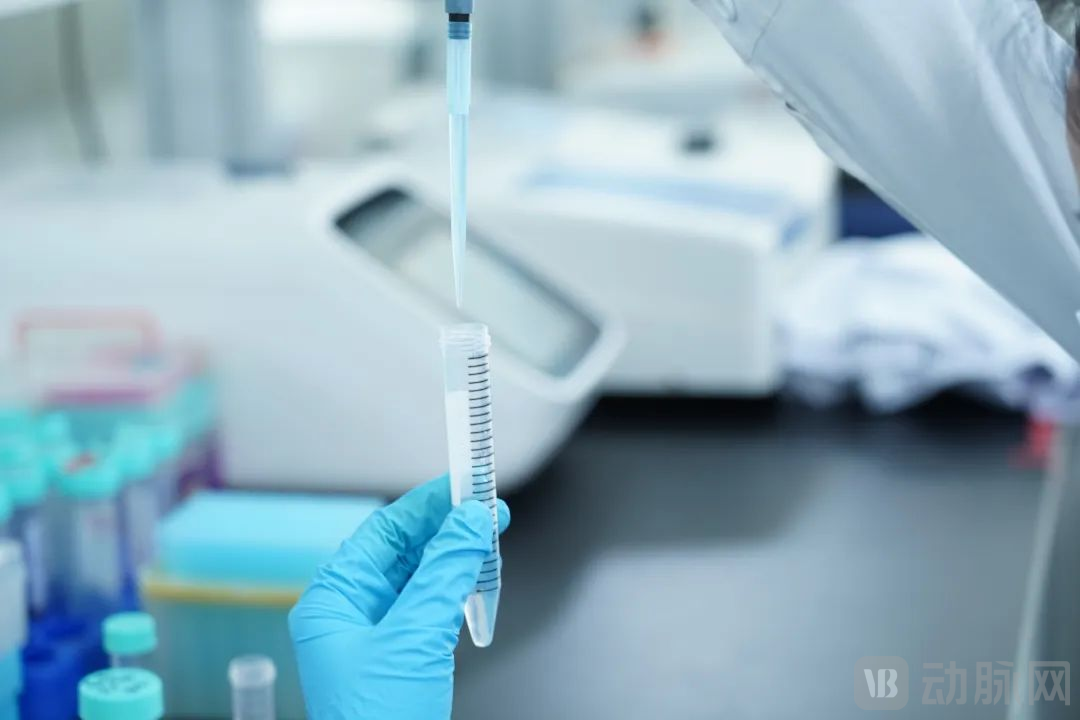
To elucidate the mechanism by which this formulation stabilizes blood glucose, the team designed a series of multi-factor controlled experiments. They identified that the core ingredient responsible for the hypoglycemic effect is specially modified dietary fiber, which inherently delays the postprandial rise in blood glucose. Furthermore, within the unique environment of the gastrointestinal tract, this core ingredient undergoes a series of physical reactions with other natural food components exclusive to this proprietary technology. These reactions increase cross-linking among gastric contents, creating a tighter matrix. As a result, the chyme is not readily broken down by gastric acid, significantly delaying gastric emptying and the rate of carbohydrate absorption into the bloodstream. This enhances satiety and attenuates the postprandial glycemic response, thereby achieving a synergistic glycemic index (GI)-lowering effect where the combined impact is far greater than the sum of its parts.
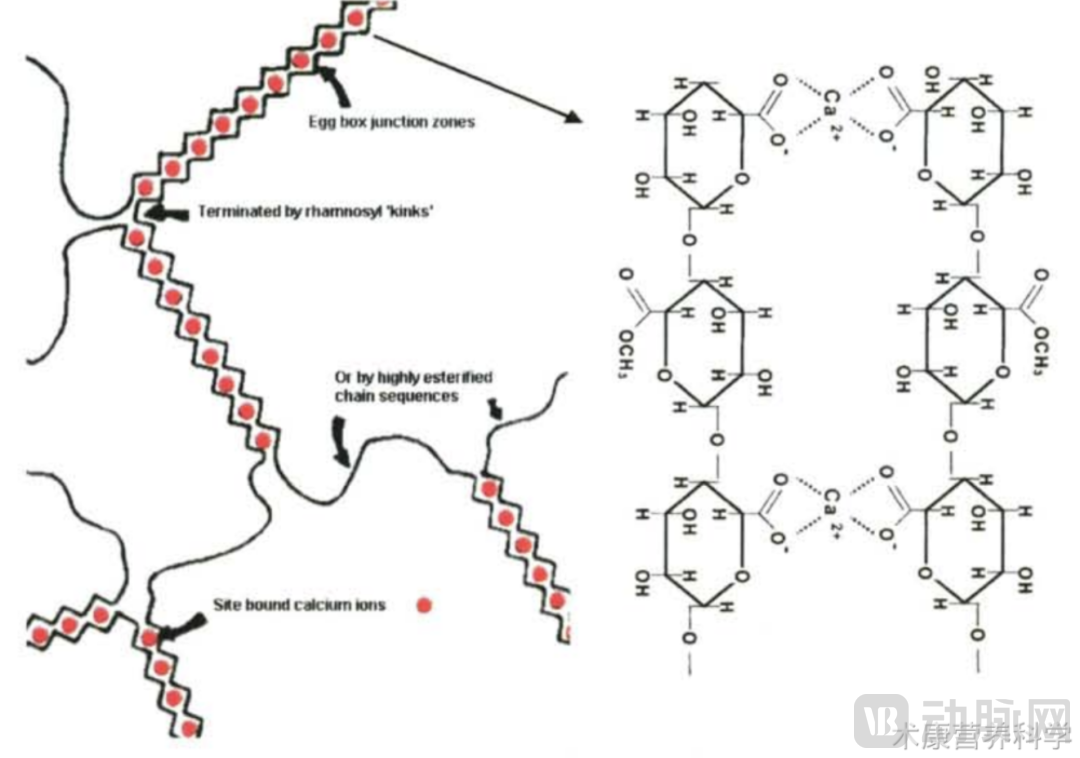
Technical Schematic Diagram
This unexpected discovery sparked great interest among the team members of Shukang Nutritional Science, who rapidly applied this GI-lowering “cutting-edge technology” to common foods such as bread and cakes, and conducted glycemic index (GI) testing.
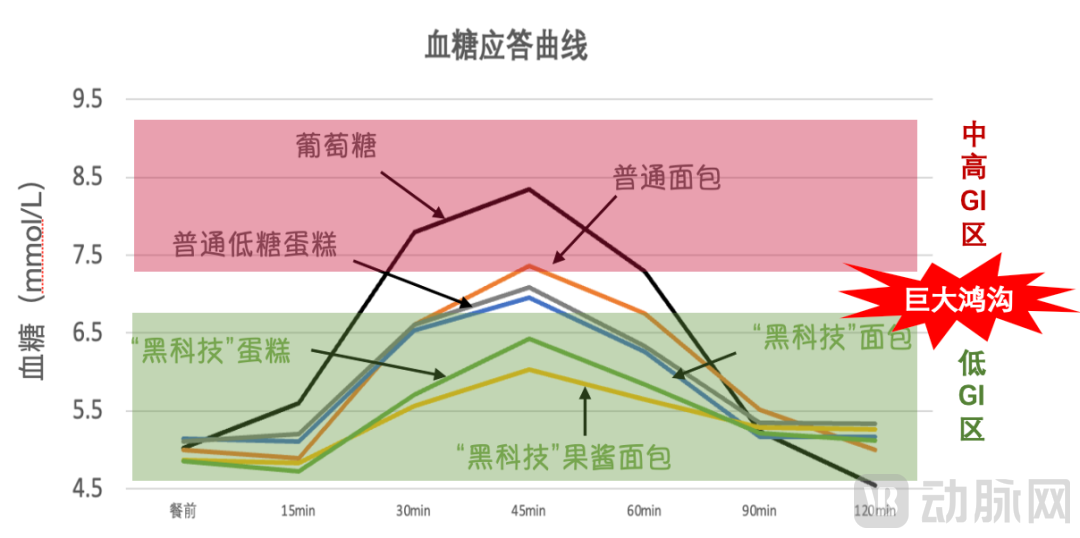
The experiment was conducted continuously for 14 days. Each morning, participants were required to consume one of the following items: glucose, regular bread, regular cake, “advanced-technology” bread, “advanced-technology” jam-filled bread, or “advanced-technology” cake. The average postprandial blood glucose levels at two hours after meal consumption were recorded daily for all participants.
* The formulations and preparation methods for regular bread, “black tech” bread, and “black tech” jam-filled bread are identical; those for regular cake and “black tech” cake are also identical.
Final results show: The GI value of bread and cakes enhanced with “cutting-edge technology” decreased by nearly 50%.
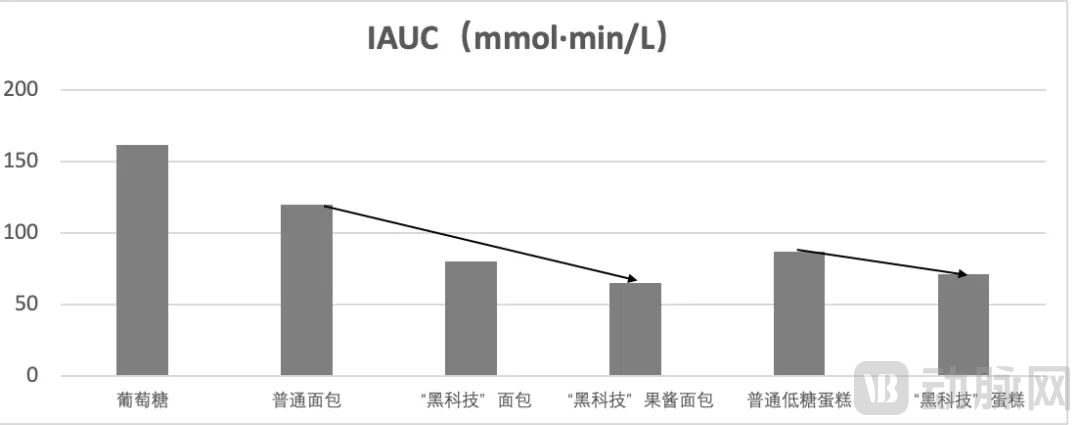
IAUC, i.e., the area under the curve of blood glucose values after subtracting fasting blood glucose (the smaller the IAUC, the more stable the blood glucose)
1. Subjects who consumed the “advanced-tech” bread exhibited a more stable postprandial 2-hour blood glucose response curve; the incremental area under the curve (iAUC) for blood glucose was reduced by 33.3% compared with ordinary bread, and the glycemic index (GI) decreased by 31.1%, successfully reclassifying the high-GI ordinary bread as low-GI.
2. Under the same conditions, subjects who consumed the "advanced-tech" cake exhibited a more stable postprandial 2-hour blood glucose response curve. The incremental area under the blood glucose response curve (iAUC) decreased by 14.7% compared with ordinary bread, and the glycemic index (GI) value decreased by 20.7%, successfully reclassifying the ordinary low-sugar cake from medium-GI to low-GI.
3. The “black-tech” jam bread demonstrated a 45.6% reduction in the incremental area under the blood glucose response curve compared with ordinary bread, while its glycemic index (GI) decreased by 45.9%, successfully transforming high-GI ordinary bread into low-GI jam bread.
The study results demonstrate that “cutting-edge technology” can significantly reduce the glycemic index (GI) of bread without altering its ingredients, production process, texture, or taste. Furthermore, no cases of gastrointestinal adverse reactions—such as abdominal distension, abdominal pain, diarrhea, nausea, or increased flatulence—were observed during the experimental period.
Technologies related to "lowering the glycemic index (GI) of food" are not uncommon both domestically and internationally. However, most are limited to simply increasing dietary fiber to delay gastric emptying and enhance satiety, thereby aiming to reduce postprandial blood glucose responses. In practice, however, the effects are often insignificant. Moreover, many products on the market lack relevant blood glucose testing studies, leaving their efficacy uncertain.
Another common approach to lowering postprandial blood glucose is the use of white kidney bean/mulberry leaf extracts. Their active ingredients can slow down the breakdown and digestion of starch in the stomach. However, since their activity is highly sensitive to temperature, more than 70% of the activity is lost when exposed to temperatures above 80°C, making them unsuitable for food ingredients subjected to high-temperature cooking. Furthermore, as they are effective only against starch, they lose efficacy against carbohydrates derived from mono- and disaccharides, which are prone to causing rapid spikes in blood glucose levels.
Shukang Nutritional Science’s “cutting-edge technology” circumvents these limitations. This technology requires only low addition levels in food products, does not interfere with the original food processing techniques, and offers high operability within food formulations. Furthermore, it is heat-stable, allowing for incorporation into baked goods. It can be applied in a variety of products, including steamed buns, cookies, solid beverages, protein bars, and meal-time supplements.

Homemade Low-GI Bread and Cakes
This technology regulates the rate of carbohydrate absorption, thereby lowering the glycemic index (GI) and enabling a sustained-release effect. By incorporating specialized formulation techniques, it reduces the GI value of foods. Widespread adoption of this technology would undoubtedly be a boon for patients with diabetes, offering greater dietary variety, more comprehensive nutritional intake, true dietary freedom, and a reduced incidence of malnutrition.
In addition to applying “cutting-edge technologies” to food additives, the Shukang Nutrition team will also explore pre-meal or with-meal formulations, as well as the feasibility and efficacy of incorporating these innovations into a broader range of food products. Currently, the Shukang Nutrition Science team is in discussions with several well-known food and pharmaceutical companies to expand their application scope and market reach. If these efforts prove successful, this could mark the beginning of a “dietary revolution” for patients with chronic diseases.
Add WeChat: xiaokangjun2