

Tencent Health Accelerates Digital Healthcare Growth with Enhanced Tech Investment and Expanded Openness

Tencent
Internet Comprehensive Service Provider
Electronic Health Cards have been linked to over 500 million WeChat accounts and integrated with more than 5,000 hospitals; the Electronic Medical Insurance Certificate covers 800,000 designated medical institutions and 20,000 hospitals via WeChat; the Tencent Health Mini Program connects users to 2,700 hospitals offering appointment registration, 7,500 vaccination service providers, and over 5,000 health checkup institutions; AI-assisted medical services have been deployed in nearly 1,000 hospitals across China...
On November 30, the Smart Healthcare Special Session of the Tencent Digital Ecosystem Conference was held, during which Tang Daosheng, Senior Executive Vice President of Tencent and CEO of the Cloud and Smart Industries Group, unveiled the achievements of Tencent Health’s ecosystem partnerships.
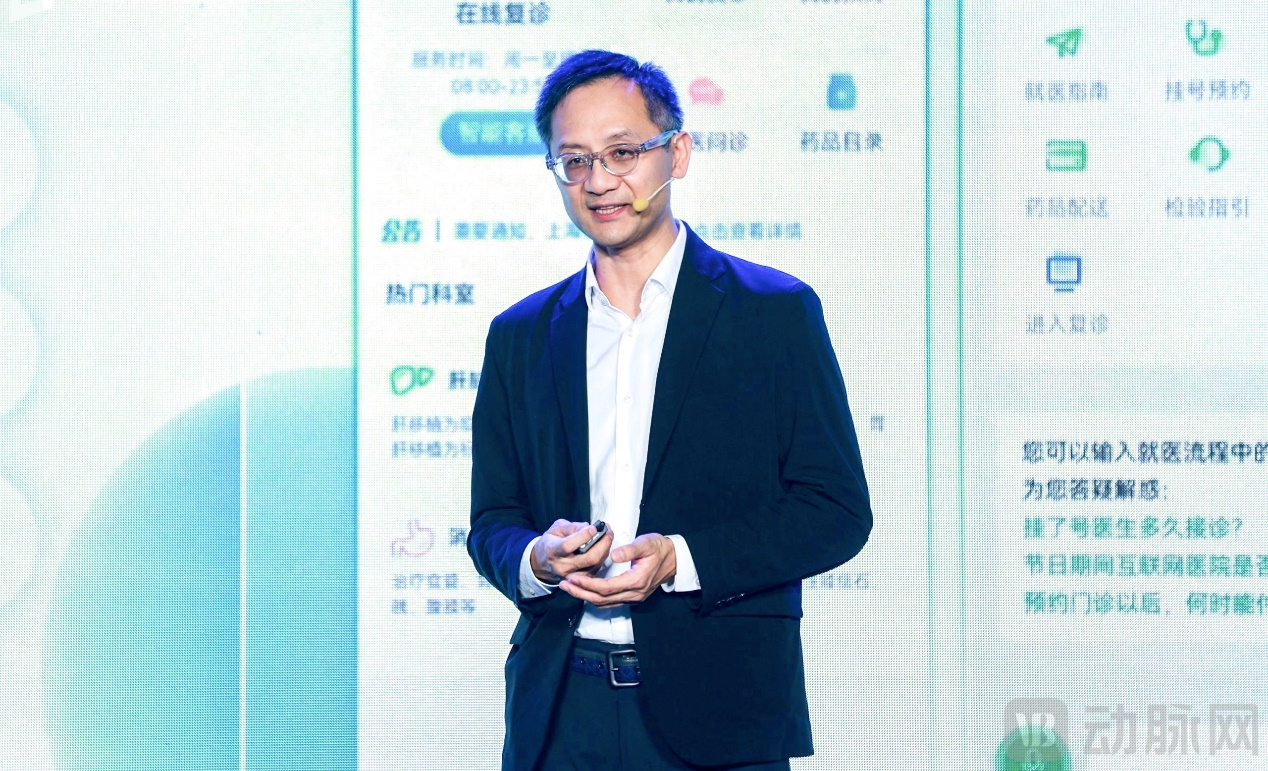
Li Lanjuan, an academician of the Chinese Academy of Engineering who attended the conference, pointed out that technologies such as mobile internet, wearable devices, and big data AI are transforming healthcare development, with China gradually entering a new phase of smart healthcare. During the COVID-19 pandemic prevention and control efforts, smart healthcare and data interoperability played a significant role, ushering in a period of rapid growth for digital health. Stakeholders across the healthcare ecosystem should collaborate closely to build a shared digital ecosystem community, leveraging digital innovation to support the Healthy China initiative.
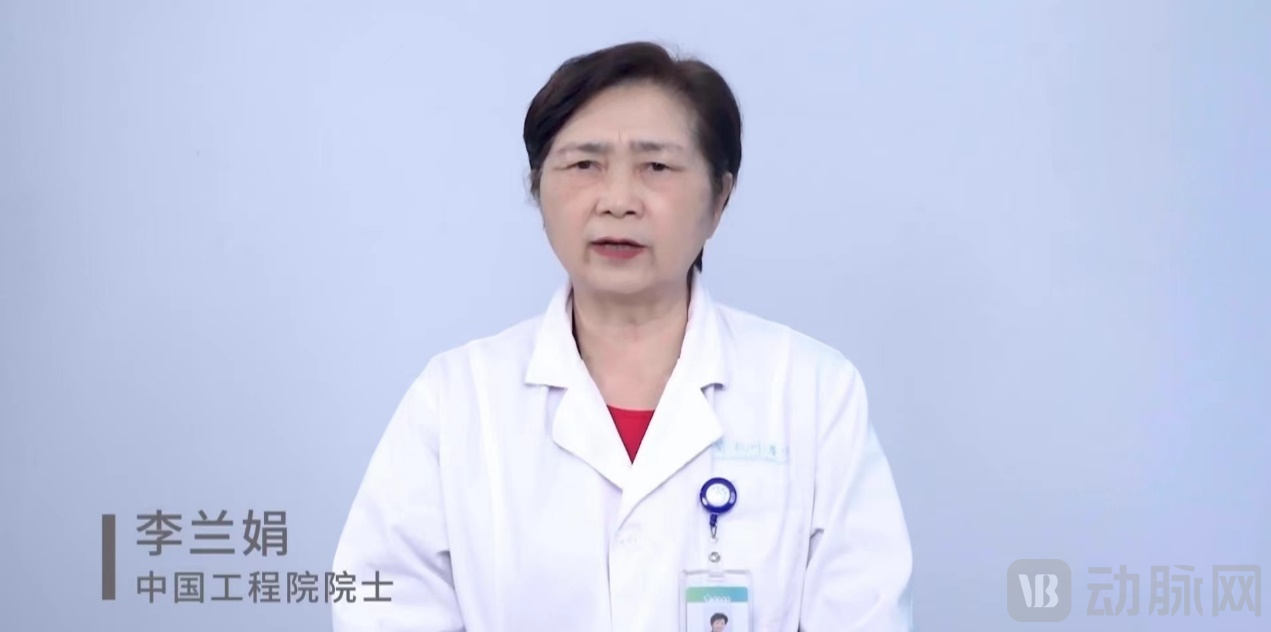
In the face of rapidly emerging opportunities in digital healthcare, Tang Daosheng revealed that Tencent has established an internal “Life Sciences Technology Committee,” which consolidates the technical capabilities of teams such as Tencent AI Lab, the AI Platform Department, the Quantum Laboratory, and the Tianyan Laboratory to explore innovative integration of digital technologies with life sciences.
At the conference, Tencent Health unveiled three innovative product portfolios: Smart Disease Control and Prevention, the Life Sciences Omics Platform, and AI-Driven Drug Discovery. Multiple ecosystem partners, including Nanshan District Medical Group, Hongxin Health, Zhuojian Technology, Shenzhen Zhongmai, Dasys Qiyun, and Shanghai Liankong, attended the event and shared benchmark cases in digital healthcare development, jointly promoting high-quality growth in the medical and health industry.
According to reports, Tencent has accumulated over 400 enterprise applications, with many industry-leading products across multiple domains, including cloud storage, databases, audio and video services, and office collaboration. Among the top 20 pharmaceutical companies, 13 are clients of Tencent Meeting. In internet hospital services, Tencent e-Signature and Qidian are widely adopted. Tencent Security has supported the epidemic prevention health codes in multiple provinces and municipalities across China. Additionally, the high-performance computing platform TEFS from Tencent Quantum Laboratory facilitates life sciences research by optimizing protein structure calculations.
Tang Daosheng pointed out that Tencent will continue to promote the standardization, ease of use, and openness of its leading products, including cloud services, audio and video solutions, databases, and security offerings. This initiative aims to make these advanced digital tools better suited for the healthcare industry and easier for ecosystem partners to integrate and deploy.
Meanwhile, Tencent Health will fully develop three open platforms: opening the interfaces and capabilities of the Electronic Health Card to empower ecosystem partners in developing various applications for vertical scenarios; opening the Tencent Health Mini Program local service platform to support healthcare institutions in rapid integration, thereby bridging the “last mile” of medical services; and opening the Tencent Miying Laboratory Platform to foster innovative collaboration in medical AI, helping partners build end-to-end capabilities ranging from imaging data de-identification, access, and annotation to model training, testing, and application.
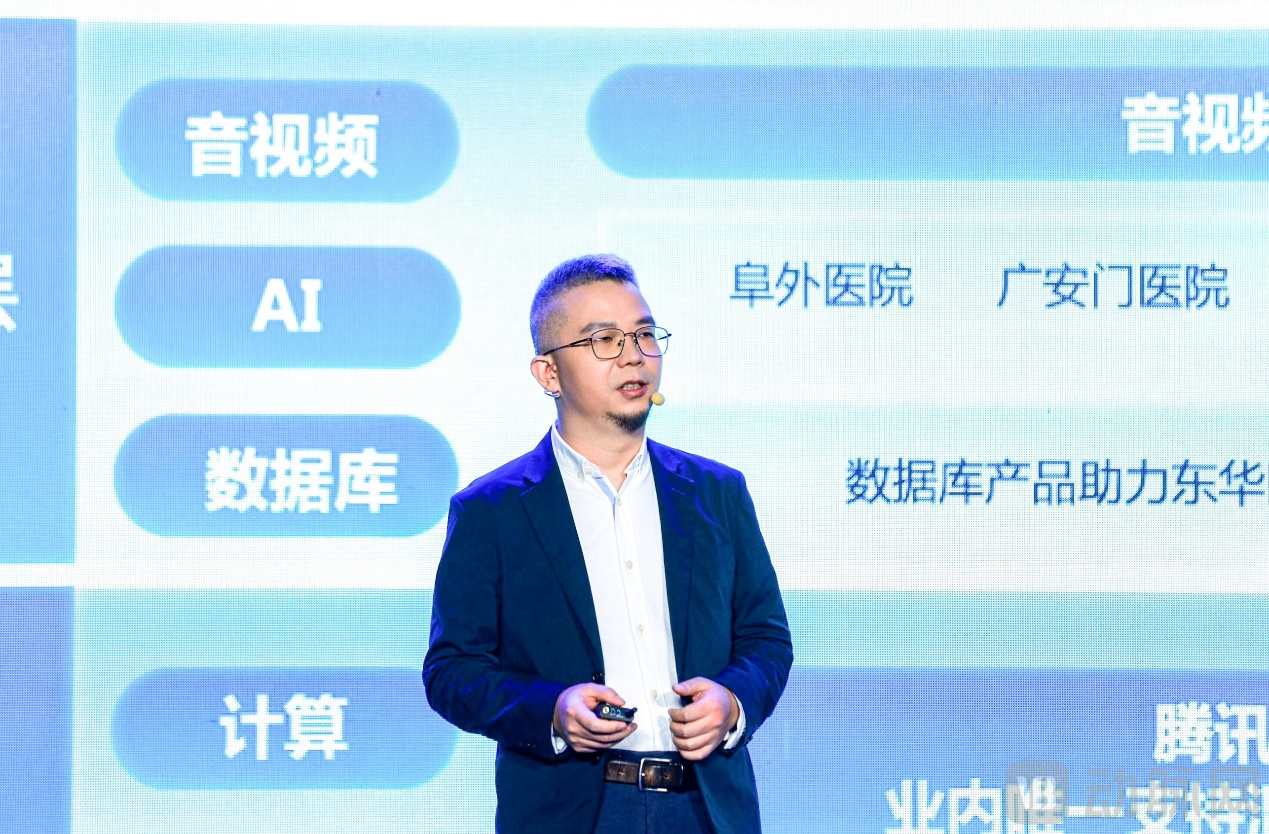
Zhang Guodong, General Manager of Tencent Health’s Smart Healthcare Division, stated that leveraging Tencent’s portfolio of over 400 enterprise-grade products and services, Tencent Health, as a vital component of the Industrial Internet, is accelerating the construction of an innovative bridge between “digital” and “healthcare,” while intensifying its exploratory efforts in industry-specific solutions.
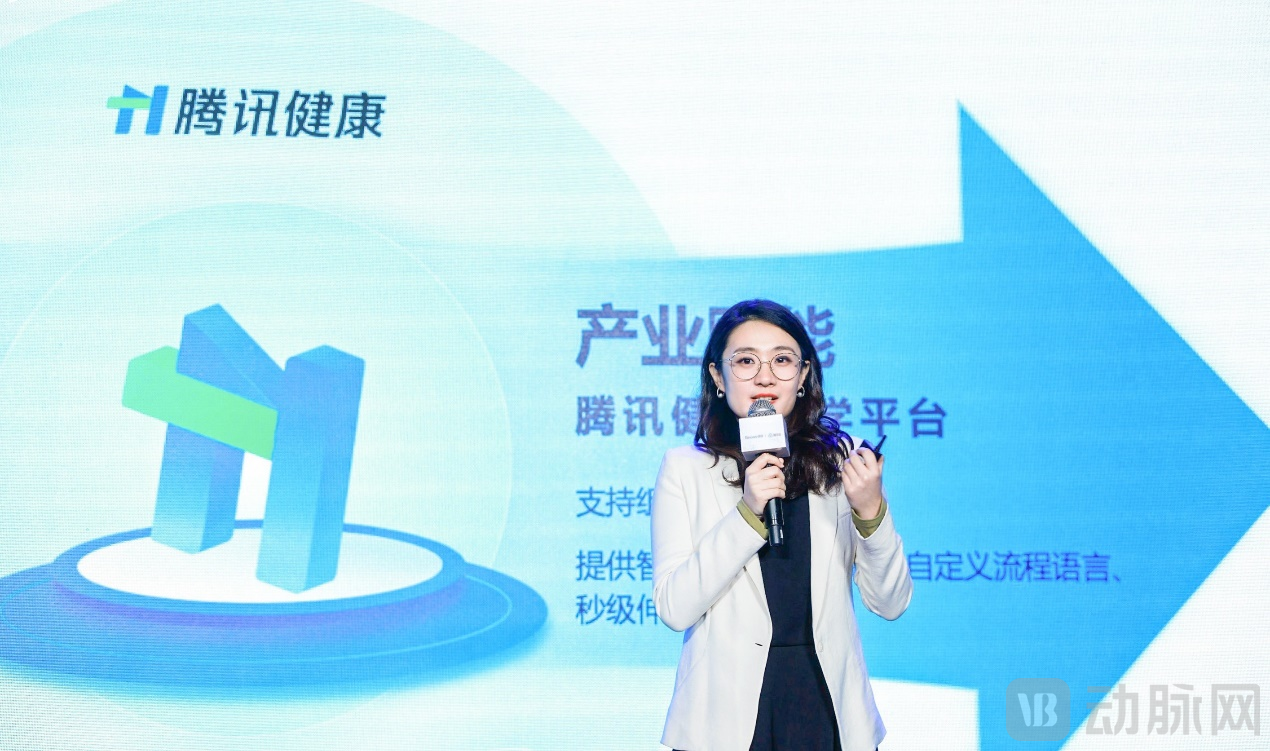
Wang Qianyi, General Manager of Tencent Health Strategy and Medical Products, officially unveiled two innovative solutions tailored for smart disease control and life sciences omics, facilitating precise epidemic prevention and control and empowering the life sciences and technology industry.
In the field of disease control and prevention, Tencent Health has established a “1+3” smart CDC product matrix. The “3” refers to the “Syndrome Surveillance and Early Warning System” that facilitates “early warning,” the “Fangyitong – Nucleic Acid and Antigen Testing Service Platform” that enables “early detection,” and the “Intelligent Epidemiological Investigation System” that supports “early response.” The “1” is the “digital foundation” that enhances the efficiency of early warning, detection, and response to outbreaks of emerging infectious diseases.
In the field of life sciences omics, the one-click cloud-based PaaS product—Tencent Health Omics Platform—has been officially launched. Leveraging Tencent Cloud’s superior computing power, the platform supports the entire workflow of gene sequencing, including production, analysis, application, and delivery, addressing the industry-wide challenge where computational capacity lags behind sequencing speed. It has been progressively implemented in gene sequencing analysis, facilitating a closed loop from research to industrial application by enabling tasks ranging from defining dynamic disease patterns to guiding precise pharmacological interventions.
Meanwhile, in the pharmaceutical sector, Tencent’s AI-driven drug discovery platform has achieved multiple breakthroughs in lead compound identification, small-molecule drug generation, and protein structure prediction. Through collaborations with numerous pharmaceutical companies, the predictive accuracy of its models has been validated in wet-lab experiments across various real-world R&D scenarios. Furthermore, leveraging its accumulated expertise in cloud technology and product capabilities, Tencent Health has launched a SaaS solution for the pharmaceutical industry—the NGES Physician Engagement Management Tool. This tool integrates applications for customer visits, meeting management, and content marketing, creating a next-generation digital workspace for interactions between pharmaceutical/medical device companies and physicians.
At the conference, Dr. Zheng Yefeng, Tencent Distinguished Scientist and Head of Tianyan Laboratory, also introduced Tencent Health’s cutting-edge technological explorations and breakthroughs: leveraging automated detection algorithms and image registration to facilitate the reconstruction of brain neurons; innovating EEG signal classification to achieve breakthroughs in motor imagery algorithms. In terms of novel infectious disease surveillance and early warning systems, Tianyan Laboratory’s early screening model covers 40 statutorily notifiable infectious diseases, with an early screening accuracy rate for COVID-19 exceeding 88%, and has accumulated 38 granted invention patents in related fields.
Zhang Guodong further stated that, through close collaboration with partners, Tencent Health is accelerating the implementation of benchmark cases in digital healthcare. Amidst the industry’s robust growth trend, Tencent Health will continue to expand its ecosystem openness. Leveraging platform products characterized by stable performance, user-friendliness, extensive connectivity, and open compatibility, it will work hand-in-hand with partners to integrate these capabilities into diverse medical application scenarios, thereby delivering reliable industry solutions and achieving symbiotic, win-win outcomes.
At the conference, representatives from ecosystem partners—including Nanshan District Medical Group, Hongxin Health, Zhuojian Technology, Shenzhen Zhongmai, Dashiqiyun, and Shanghai Liankong—shared case studies based on their collaborations with Tencent Health. Their presentations covered practical applications in areas such as achieving interconnectivity through regional imaging cloud platforms, leveraging full-scale cloud migration to reduce costs and improve efficiency, utilizing dedicated audio-video solutions to facilitate real-time doctor-patient interactions, enabling remote consultations via Tencent Meeting, supporting resident health management through medical data middle platforms, and enhancing patient healthcare experiences with intelligent triage systems. These insights provided valuable references and benchmarks for the industry.
Leveraging its leading self-developed product capabilities and a rich, user-friendly portfolio of industry solutions, Tencent Health will go all out to work closely with partners, seize the development opportunities in digital healthcare, create more exemplary industry practices, and jointly contribute to the realization of “Healthy China” through the robust growth of digital healthcare.