

Exclusive Interview with Sailan Pharma: Merck's Acquisition of Imago Signals the Dawn of a Breakthrough Era in Epigenetics
Recently, Merck & Co. announced that it would acquire Imago BioSciences, a single-pipeline epigenetics company, through its subsidiary in an all-cash transaction valued at approximately $1.35 billion. Imago is an innovative pharmaceutical company focused on research into hematologic and bone marrow malignancies. Headquartered in the San Francisco Bay Area of California, USA, the company went public on the Nasdaq in July 2021.
Imago’s core product, bomedemstat (IMG-7289), is an investigational oral inhibitor of lysine-specific demethylase 1 (LSD1). Its target, LSD1, is an epigenetic regulatory protein that modulates the maturation of bone marrow stem cells and plays a critical role in many hematologic malignancies, emerging in recent years as a novel therapeutic target for numerous high-mortality blood cancers.
Why Is Merck & Co. Betting on Epigenetics? What Is the Development Potential of This Field? VCBeat New Medicine spoke with Dr. Wu Haiping, CEO of Sailan Pharmaceuticals, a Chinese company focused on epigenetic R&D. Dr. Wu noted that, internationally, epigenetics is witnessing breakthrough progress. Looking back at 2022, two blockbuster new drugs in the epigenetics field—Ezharmia (valemetostat, Daiichi Sankyo) and Rezlidhia (olutasidenib, Rigel Therapeutics)—were approved for market launch. Multinational pharmaceutical companies, including BMS, GSK, Novartis, AstraZeneca, and Roche, are not only actively building their internal epigenetics-related pipelines but also accelerating the pace of mergers, acquisitions, and collaborations.
Over the past three years, the field of epigenetics has seen numerous representative collaborations and acquisitions:
In 2019, Celgene in-licensed Triphase’s preclinical asset targeting WDR5, with the deal comprising a $40 million upfront payment and $940 million in milestone payments;
2020, GSKin License IDEAYA’s preclinical asset targeting MAT2A, with transaction proceeds including a $120 million upfront payment, equity investment, and additional milestone payments;
In 2020, AstraZeneca entered into an agreement with Accent Therapeutics, a U.S.-based RNA epigenetics drug development company, which included a $55 million upfront payment and $1.1 billion in milestone payments; the latter was honored as one of the “FIERCE 15” Biotech Companies that year.
In June 2021, MorphoSys acquired Constellation Pharmaceuticals, a biotech company in the epigenetics space, for $1.7 billion;
In 2022, Merck & Co. acquired Imago BioSciences through a subsidiary in an all-cash transaction valued at approximately $1.35 billion.
Epigenetics research is one of the biggest trends in the post-genomic era, accumulating strength and achieving breakthroughs in new drug translation. Has years of accumulation in epigenetic drug development reached a time of harvest? Do the recent consecutive major industrial and commercial events indicate that epigenetics is the next hot track?
Dr. Wu Haiping believes that,A breakthrough inflection point in epigenetics is imminent. In the coming years, we will see an increasing number of mergers and acquisitions or collaborations within this sector, with the pace of M&A activity accelerating significantly.
In China, there are few new drug development companies focused on the field of epigenetics, and Sailan Pharmaceuticals is one of them. The company specializes in epigenetic therapy, utilizing innovative epigenetic techniques such as small-molecule drugs to regulate and reprogram gene expression in tumors and their microenvironment. By precisely targeting key genes or mechanisms on which tumors depend, it aims to achieve effective treatment for major diseases including cancer.
According to Dr. Wu Haiping, since its establishment two years ago, Sailan Pharmaceuticals has developed a pipeline of more than ten product candidates targeting malignant solid tumors and hematologic malignancies with urgent clinical needs, and has rapidly advanced several candidate therapeutic drugs into clinical trials in the near term. The company’s lead pipeline products feature first-in-class (FIC) targets and mechanisms of action, positioning them at the forefront internationally.
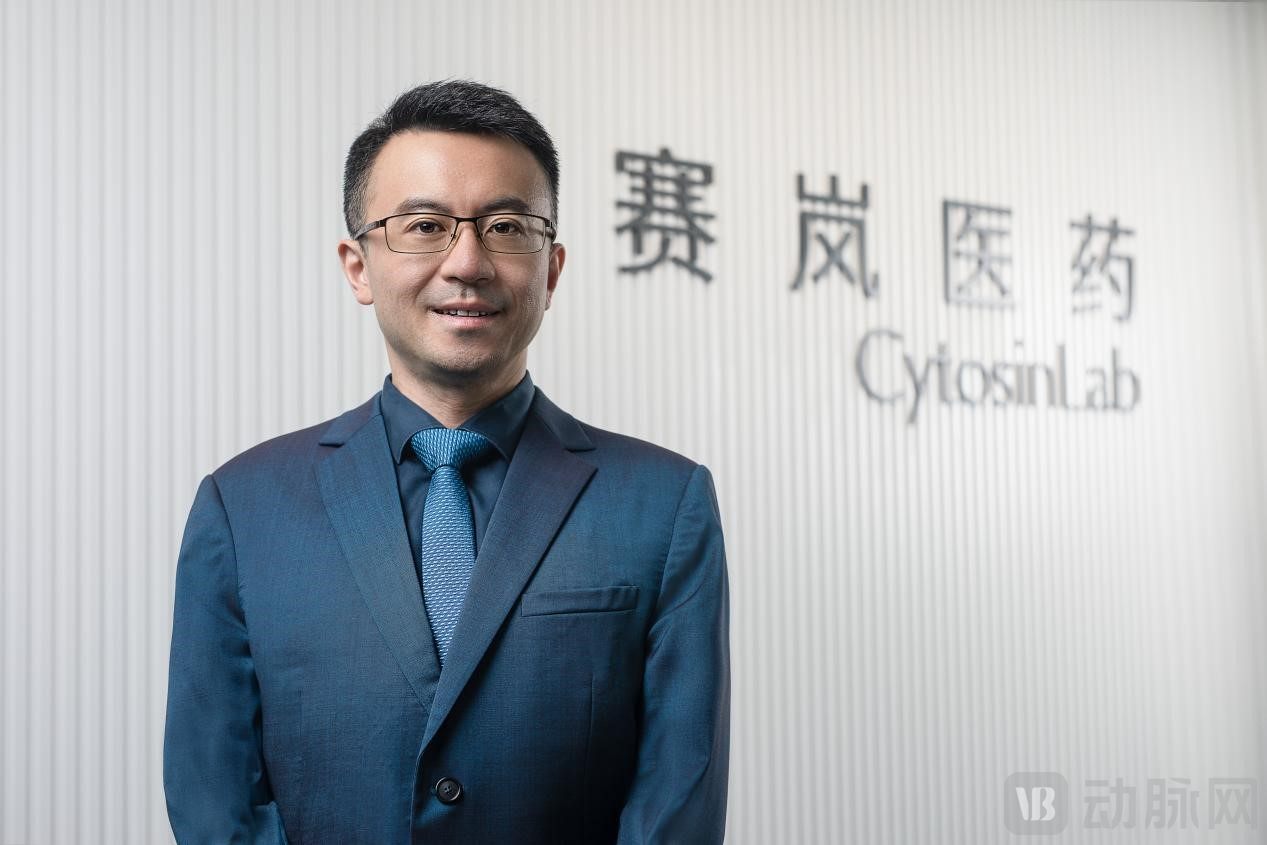
Figure | Dr. Wu Haiping, CEO of Sailan Pharma
Behind the Acquisition of Imago: Patent Cliffs Spawn Blockbuster Deals
Arterial New Medicine: How do you view Merck’s acquisition of Imago?
Wu Haiping:As part of an overarching strategy for long-term product line competitiveness and lifecycle management, well-capitalized multinational pharmaceutical companies are inevitably committed to actively laying out and expanding their product pipelines to capture the next blockbuster or high-growth therapeutic area, while also identifying products suitable for combination with their existing flagship drugs. Bomedemstat demonstrates significant potential in both respects. Furthermore, its outstanding efficacy as a monotherapy in Phase II clinical trials for myelofibrosis has validated its druggability, optimal dosing, and window for combination therapy.
VCBeat New Medicine: In your view, what are the reasons behind Merck & Co.’s decision to bet on the epigenetic drug sector this time?
Wu Haiping:Multinational corporations (MNCs) have long focused on and strategically positioned themselves in the field of epigenetic therapy, becauseEpigenetics holds the potential to uncover blockbuster new targets and mechanisms for addressing clinical needs in metastatic and drug-resistant hematologic malignancies, solid tumors, and other cancers.; In addition, epigenetic therapies have undergone significant development and validation in recent years, with mature development technologies and favorable druggability. As long as the technical rationale is well-substantiated and the direction is clearly defined, the risks associated with late-stage development are minimal.
More importantly,Epigenetic Therapies Are Poised to Deliver Significant Benefits in Combination Drug Regimens, thereby enhancing the commercial value of Merck & Co.’s existing portfolio. As a key application scenario in epigenetics, immune activation has been extensively validated and explored in academia and will become an indispensable component for expanding the immunotherapy landscape of blockbuster backbone therapies such as Keytruda.
Furthermore, a new trend is emerging. Previously, many biotech companies centered their pipeline strategies around one or two classic epigenetic therapeutic targets. For instance, Imago’s sole pipeline product is an LSD1 inhibitor, which has advanced to Phase II clinical trials for the treatment of hematologic diseases. Going forward, platform-based layouts across the epigenetics sector are expected to encompass a broader range of next-generation targeted therapy opportunities. In recent years, many multinational corporations (MNCs) have increasingly favored acquiring biotech companies that offer both “assets and platforms.”
VCBeat: Why Does the Combination of PD-1 and LSD1 Inhibitors Yield Better Efficacy?
Wu Haiping:Epigenetic regulation must target not only tumor cells but also immune cells to achieve optimal therapeutic efficacy. In tumor immunotherapies such as PD-1 blockade, resistance in refractory tumors arises from altered expression of critical genes in immune cells like T cells, necessitating precise “reprogramming” through epigenetic therapies. A major recent focus in the field of epigenetics has been the discovery that regulating or targeting epigenetic modifiers such as LSD1 and DNMT1 can induce an endogenous viral stress response, thereby precisely activating innate immunity. This converts immunologically “cold” tumors into “hot” tumors, significantly enhancing the efficacy of combination immunotherapies including PD-1 inhibitors and CAR-T cell therapy. As this represents a unique and important regulatory mechanism specific to epigenetics, it holds substantial promise for future clinical applications.
Currently, PD-1 therapy struggles to overcome tumor resistance driven by immunosuppressive mechanisms in many “cold” tumor types. It is as if warriors (immune cells), when facing the enemy (tumors), are hypnotized or seduced into changing their direction and timing, thereby failing to launch attacks at the right time and from the right angle. Epigenetic therapy works by reprogramming both the warriors and the enemy, ensuring not only that they meet at the appropriate time but also that they confront each other directly. This approach not only activates the warriors but even causes the tumors to present themselves directly to the warriors’ guns. In recent years, industry research has identified numerous epigenetic targets and mechanisms with even more potent mechanisms of action, such as LSD1. These avenues urgently require further development, representing a promising path forward for cancer treatment.
Artery New Medicine: With Keytruda, Merck has pulled far ahead in the field of oncology treatment. Does this acquisition of Imago signal a new direction for companies deeply committed to the oncology sector?
Wu Haiping:This deal is expected to become a bellwether for market valuations of comparable assets., Bomedemstat, as Imago’s sole asset, has secured a cash acquisition valued at $1.35 billion (nearly RMB 10 billion), which objectively reflects the market value of innovative product pipelines in the epigenetics sector.
By adopting a “platform + assets” model, establishing a robust drug R&D platform, leveraging innovative drug discovery systems such as AI, and capitalizing on China’s current “scientist dividend” in R&D, it is possible to ensure a continuous supply of high-quality drug candidates or therapeutic approaches. This strategy will not only enable faster, more stable, and more accurate capture of emerging opportunities, thereby enhancing portfolio returns, but also deliver substantial R&D rewards for next-generation biotech companies and multinational corporations (MNCs) in the field.
I believe that a breakthrough inflection point in epigenetics is imminent. In the coming years, we will certainly see an increasing number of mergers, acquisitions, and collaborative partnerships in this sector, as the market recognizes and reflects its promising prospects and substantial value.
The “Internal and External Cultivation” of Epigenetic Drugs
Currently, epigenetic drugs are undergoing their third round of iteration, with 14 epigenetic therapeutics already on the market, including two new agents approved this year. As basic research in epigenetics and epigenomics advances and achieves breakthroughs, the importance of epigenetic regulation in the mechanisms of carcinogenesis and targeted therapy is becoming increasingly clear, garnering growing attention in the field of novel drug development.
Although the prospects are promising, when will the field of epigenetic therapy see a blockbuster drug or therapeutic technology akin to PD-1 inhibitors? How can it meet expectations for broad coverage across diverse indications? What exact role does it play in the treatment of cancer and other major diseases? What challenges remain to be addressed?
VBInsight: How Does Epigenetics Play a Crucial Role in Cancer Treatment?
Wu Haiping:One of the advantages and distinctive mechanisms of epigenetics is the reprogramming of tumor cells and microenvironmental cells, thereby regulating the state of the epigenome. Scientists can modulate the spatiotemporal-specific expression of various genes in tumors and the microenvironment through epigenetic approaches, influencing diverse downstream cellular activities and pathways.
Conventional cancer treatments, including chemotherapy and targeted therapy, function by specifically inhibiting the malignant proliferative characteristics of tumor cells themselves. In contrast, the emerging field of cancer immunotherapy focuses on modulating immune cells within the tumor’s external microenvironment. However, due to the high heterogeneity of tumors, both current internal-targeting and external-attacking therapeutic strategies suffer from drawbacks such as susceptibility to drug resistance, recurrence, and metastasis, as well as low response rates. These limitations prevent patients from achieving long-term benefits and hinder the broader clinical application of these therapies.
Epigenetic mechanisms can not only target and reshape tumor gene expression but also reprogram the tumor microenvironment,For highly heterogeneous tumors, a combined approach targeting both intrinsic and extrinsic mechanisms can be employed to exert inhibitory effects. Therefore, in the future, epigenetic therapy is expected to emerge as a third distinct pathway, independent of conventional cancer treatments and tumor immunotherapy, for the management of refractory malignant tumors.
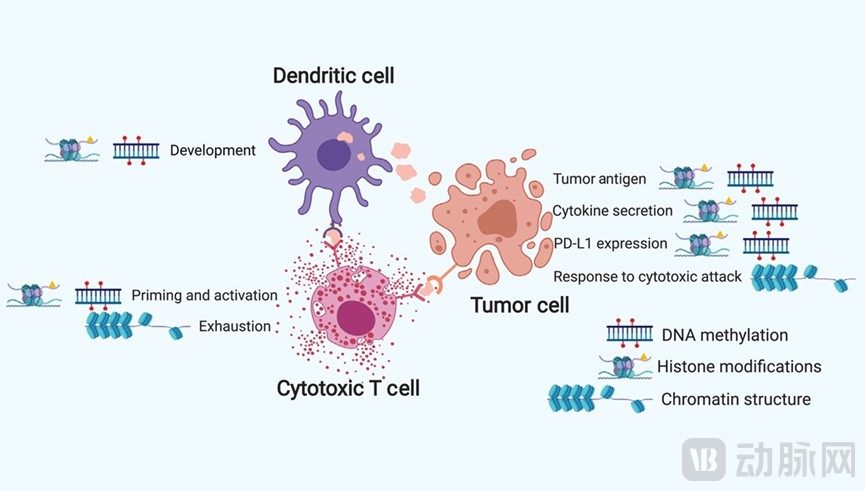
Figure | Tumor Epigenetics, Tumor Immunity, and Immunotherapy (Trends Cancer. 2020; 6(7): 580–592)
In addition, in recent years, as basic science has made significant breakthroughs in numerous novel epigenetic targets, new mechanisms of synthetic lethality, and epigenetic immune regulation, translational research in the field has advanced to the stage of next-generation drug development.
Furthermore, unlike kinase inhibitor targets and their associated pathways, epigenetic regulation typically operates at the level of the entire genome and transcriptome. These profound and complex regulatory layers have pushed oncology therapeutics into “uncharted waters,” presenting significant difficulties and challenges while also reflecting the true core direction of cancer treatment in the post-genomic era. This shift particularly necessitates support from basic research and the development of next-generation epigenetic drugs to usher in a new chapter. The selection of indications for epigenetic drugs is also evolving, moving beyond a primary focus on hematologic malignancies toward comprehensive development for solid tumors.
Artery New Medicine: We have seen the potential of epigenetic therapies in drug combinations. Does monotherapy hold as much promise as combination therapy?
Wu Haiping:Currently marketed epigenetic drugs, including Sailan’s in-house developed agents, demonstrate efficacy and safety profiles in appropriately indicated patients that are comparable to those of targeted therapies or immunotherapies when used as monotherapy.
Biotechnology companies typically adopt a drug development strategy that first requires demonstrating the efficacy of monotherapy and its ability to deliver genuine clinical benefits to patients. Building on this foundation, we then evaluate whether the drug can yield enhanced therapeutic effects and additional benefits when used in combination regimens. Evidence has shown that next-generation epigenetic drugs exhibit excellent synergy in combination therapies. They can be effectively combined with chemotherapy, targeted therapies, immunotherapies, and hormonal treatments. Compared with monotherapy, combination approaches have a broader scope of application, address a wider range of clinical challenges and unmet needs, and provide clinicians with more effective tools and valuable adjuncts.
Where Is the Next Big Trend?
VBInsight: Currently, which domestic innovative pharmaceutical companies are focused on epigenetics?
Wu Haiping:Over the past decade, research in epigenetics by Chinese scientists has reached a level comparable to, and even surpassing, international standards. A search using “epigenetics” as a keyword reveals that more than 20,000 articles were published in 2021 alone. At the technical level, analyses of epigenomics and their dynamic regulation have been achieved at the single-cell and even single-nucleus levels.
However, there are currently only a handful of biotechnology companies in China focusing on this field, and the entire sector remains in its early stages of development. Particularly in the development of innovative therapeutic technologies, Sailan Pharma is one of the few domestic biotech companies truly dedicated to original epigenetic therapies.
Artery New Medicine: What is Sailan's expertise in the field of epigenetics?
Wu Haiping:In terms of team composition, I personally bring over a decade of experience in epigenetics research, having led the R&D and clinical advancement of multiple innovative epigenetic therapies for oncology at Novartis. Dr. Mi Yuan, our co-founder and Chief Operating Officer, is a seasoned pharmaceutical industry professional with more than 20 years of experience across China and the United States. During his tenures at GNF and Novartis, he spearheaded the clinical development and commercial launch of several blockbuster breakthrough drugs. Having previously collaborated at Novartis to advance multiple epigenetics projects into clinical trials, we are now reuniting our forces, confident that this partnership will yield even greater achievements.
Academician Xu Guoliang, one of the pioneers of modern epigenetics research in China, is also a co-founder of Sailan Pharmaceuticals. Academician Xu has long been dedicated to studying the epigenetic regulation of animal growth and development, as well as exploring the pathogenic mechanisms of diseases such as cancer. He holds significant international influence in key areas of epigenetics, including DNA methylation regulation and histone modification. By occupying a leading position in basic scientific research and actively translating cutting-edge findings into applications, Academician Xu’s team serves as a crucial guarantee for the development of innovative therapies in this field.
In addition to the combination of academic leaders and industry pioneers, the team also boasts a large number of highly experienced drug R&D professionals. These experts cover all aspects of biology, chemistry, pharmaceuticals, translational medicine, and clinical development. Most come from multinational pharmaceutical companies, each possessing 10–30 years of drug development experience and having collaborated with the founding team for many years.
VCBeat New Medicine: What major challenges will the future development of epigenetic drugs face for Chinese pharmaceutical companies?
Wu Haiping:First,A clear mechanism of action is the foundation for successful drug development in the post-genomic era, which requires robust support from basic science; this also applies to epigenetic therapy technologies.Breakthroughs in elucidating the mechanisms of action of epigenetic targets will undoubtedly accelerate the translational application of this therapy.
Secondly,Barriers Exist in the Commercialization of Domestic Basic Science.Despite a steady stream of landmark research findings, there is a lack of translation pathways that meet industry standards. Through the accumulation of advances in three areas—basic scientific research outcomes, breakthroughs in technical capabilities, and translational medicine knowledge—the translation of epigenetic therapies will naturally come to fruition.
To address these challenges, Sailan Pharma has established the EpigenPLUS technology platform, a proprietary solution in China. This platform integrates multidisciplinary innovative drug R&D technologies, including epigenomics, biology, medicinal chemistry, toxicology and pharmacology, structural biology, and translational medicine. It enables efficient, integrated, and comprehensive systematic evaluation and translation of novel epigenetic mechanisms, targets, and technologies, facilitating the rapid discovery of innovative targets and candidate compounds. Furthermore, the platform is scalable and designed to collaborate with external academic, medical, and industrial partners, with the potential to evolve into a leading-edge technological platform hub in the future.
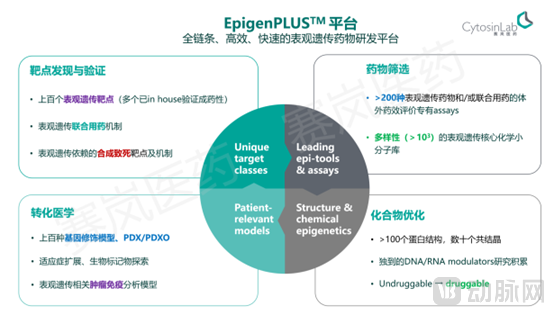
Figure | Introduction to Sailan Pharma’s EpigenPLUS Platform
Artery New Medicine: Beyond the treatment of oncological diseases, in what other areas can epigenetics be translated into clinical applications?
Wu Haiping:The success of epigenetics in cancer treatment has spurred research into its applications for other diseases beyond cancer. For instance, the immunomodulatory mechanisms of epigenetic factors in chronic nonbacterial osteomyelitis, psoriasis, and systemic lupus erythematosus are now becoming increasingly clear. Moreover, significant progress has been made in the study of BET family inhibitors and lysine demethylase family inhibitors for immune-mediated diseases.
Meanwhile,Numerous academic studies have pointed to the integration of epigenetics with new therapeutic paradigms, including small nucleic acid drugs, cell and gene therapy, PROTACs, PDCs, and radiopharmaceuticals.Sailan is also conducting related research and hopes to facilitate collaboration in the future.
In addition, epigenetic therapies hold significant promise for age-related diseases aimed at extending healthspan, including applications in longevity, neurological disorders, and regenerative medicine. They are also poised to foster cutting-edge interdisciplinary fields by integrating with diagnostic technologies, epigenomics big data, artificial intelligence (AI), novel applications of Traditional Chinese Medicine (TCM), next-generation nanorobots, and epigenetics-related synthetic biology.
Artery New Medicine: Where Will the Next Breakthrough in Epigenetics Occur?
Wu Haiping:Epigenetics holds greater development prospects in synthetic lethality therapy.Synthetic lethality driven by epigenetic dependencies can rapidly expand the therapeutic market for patients with tumors harboring mutations in tumor suppressor genes such as P53, PTEN, and BRCA. This is because, in synthetic lethal approaches to cancer treatment, epigenetic drugs not only specifically target dysregulated epigenetic factors in cancer but also leverage a second mutated biomarker to identify cancer subtypes that are highly sensitive to these epigenetic targets, thereby exposing the tumor’s most vulnerable Achilles’ heel for decisive therapeutic efficacy.
Furthermore, many companies are focusing on the field of synthetic lethality, a domain that represents the future market prospects for oncology therapeutics and will provide significant opportunities for the application of epigenetics. Synthetic lethality based on epigenetic regulation has been extensively studied in academia and has been well validated through the market approval and clinical practice of drugs such as EZH2 inhibitors, which have demonstrated excellent efficacy and safety profiles.
Finally, from a macro perspective, epigenetics represents the most promising direction for research and therapy in the post-genomic era, serving as an insightful annotation and application of the “book of life.” In 2018, epigenetics was honored with the Lasker Medical Research Award, widely regarded as a precursor to the Nobel Prize, making it highly likely to receive further Nobel recognition in the future. This field boasts profound theoretical accumulation, increasingly mature drug development, and burgeoning innovative targets and technologies. Epigenetics is currently at an optimal stage of rapid development, presenting a critical opportunity that should be seized.