

HaoXinQing: Building a Digital Mental Health Service System Oriented Toward Clinical Outcomes and Technological Innovation
The Internet healthcare industry is entering a pivotal turning point.
In December and January, the “Measures for the Supervision and Administration of Online Drug Sales” officially came into effect. The online sale of drugs has officially entered an era of stringent regulation—online sales of prescription drugs not only emphasize the strict “prescription first, dispensing later” process but also adhere to the offline pharmacy practice of “closed-cabinet display,” whereby package insert information for prescription drugs is no longer displayed on product pages. The online sale of drugs has truly entered an era governed by laws and regulations.
In the internet healthcare industry, “medical services” and “pharmaceuticals” are undoubtedly the two core pillars influencing service delivery. In 2022, in addition to the formal implementation of the Measures for the Supervision and Administration of Online Drug Sales targeting “pharmaceuticals,” the Detailed Rules for the Supervision and Administration of Internet-Based Diagnosis and Treatment (Trial) addressing “medical services” were also officially enacted. The more stringent regulatory details and the seamless integration of oversight from medical practice to pharmaceutical management have clearly charted the correct course for industry development—outcome-oriented medical services will be the main theme shaping the future of internet healthcare.
Gaining Insights into the Development Trends of Internet Healthcare Services: Fine Hin Proactively Establishes an Online Presence
Industry giants recognized the importance of “medical care” in internet healthcare at an earlier stage.
In December 2019, JD Health, recognizing that “precisely addressing users’ health needs and providing comprehensive, full-cycle medical and healthcare services is an inevitable requirement for internet-based healthcare,” officially launched the “JD Health Heart Center” in collaboration with Professor Hu Dayi, a renowned cardiovascular specialist and medical educator, along with his expert team. Over the following three years, JD Health sequentially launched dozens of specialty centers, covering multiple fields such as endocrinology, oncology, and mental health.
Alibaba Health has been strengthening its “medical” capabilities through strategic investments and integration. In March 2021, Alibaba Health made a strategic investment in LinkDoc Technology, beginning to explore innovative service models for online oncology-specific pharmaceuticals. By leveraging both online and offline oncology specialty medical service platforms, it provides cancer patients with high-quality healthcare services covering the entire disease journey, from medical consultation to medication. In August of the same year, Alibaba Health further integrated with Xiaolu TCM, vigorously expanding its presence in the internet-based traditional Chinese medicine (TCM) services sector.
Behind the accelerated integration of healthcare services by industry giants lies, on one hand, the outcome driven by patients’ diverse needs.—Merely selling drugs online can no longer meet patient needs. After building comprehensive pharmaceutical supply chains, a host of pharmaceutical e-commerce platforms are now focusing on healthcare services to create a closed-loop “medical care + pharmaceuticals” network.On the other hand, it is determined by policy orientation.From the early establishment of clear access standards for internet-based diagnosis and treatment in 2018, to the further regulation of service quality following the surge in online medical services after the pandemic, internet healthcare services are gradually entering a phase of deeper development.
Beijing Fine Hin Mobile Medical Technology Co., Ltd., having recognized the core challenges of internet healthcare at an early stage, strategically positioned itself in the sector well ahead of its peers.
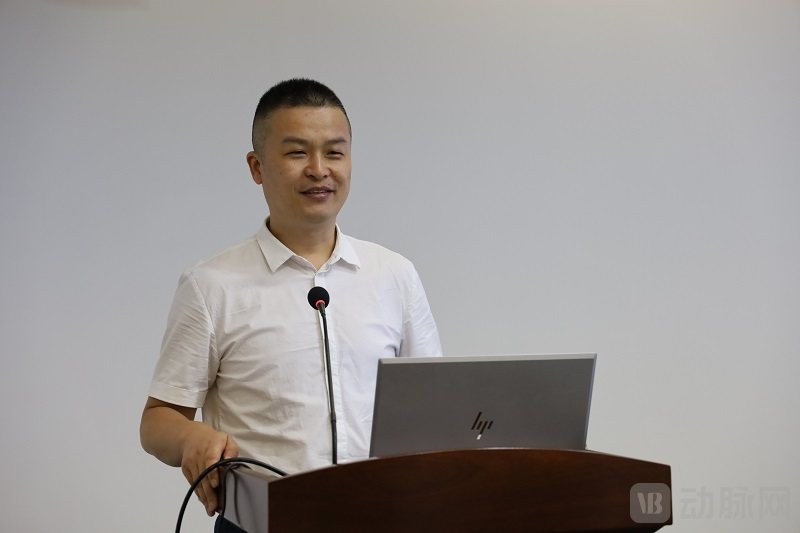
Xu Feng, COO of Beijing Fine Hin Mobile Medical Technology Co., Ltd.
Xu Feng, COO of Beijing Fine Hin Mobile Medical Technology Co., Ltd. (Fine Hin), noted that when the company was founded in 2015, its decision to focus on mental health services was largely driven by the large patient population in this field, coupled with the imbalance in offline medical resources that prevented many patients from receiving effective diagnosis and treatment. Compared with other diseases, mental disorders have a lower dependence on physical hospitals, and their treatment processes are more amenable to standardization and control, making them better suited for online service delivery. In December 2017, after obtaining the license for its internet hospital, Fine Hin began to delve deeper into the core aspects of medical services, extending beyond initial consultations to include diagnostic tools and service assurance. Following the completion of its Series C and C+ financing rounds in 2021, led by investors such as ByteDance and Oriental Pearl, Fine Hin adjusted its strategic layout while continuing to deepen its medical service offerings. The company placed greater emphasis on digital technologies, including AI and VR, and expanded its target audience—shifting from providing direct services to individual consumers (B2C) to also serving enterprise clients (B2B), and broadening its scope from disease treatment and management to prevention and healthcare.
Xu Feng pointed out, “Internet healthcare has actually gone through many stages, from the initial yellow-page websites for searching hospitals and doctors, to the subsequent provision of appointment registration services, and further to drug sales on pharmaceutical e-commerce platforms. However, the aforementioned broad provision of medical services has not entered the core link of treatment—offline, doctors often guide patients in adopting specific treatment plans and assist them in achieving disease management and rehabilitation throughout the entire course of illness. Although some online platforms have launched medical services, they still require patients to visit physical hospitals for consultations. Moreover, the services previously provided by pharmaceutical e-commerce platforms were mostly based on patients having a clear understanding of their own conditions, or merely supplying commonly used medications and health supplements.”
In fact, in response to the two inseparable components of internet healthcare—“medical services” and “pharmaceuticals”—and with the strengthening of drug supervision and administration under the Measures for the Supervision and Administration of Online Drug Sales, as well as the increasing emphasis on the regulation of diagnosis and treatment practices outlined in the Detailed Rules for the Supervision and Administration of Internet Diagnosis and Treatment (Trial), e-commerce platforms for pharmaceuticals are also paying greater attention toIn the provision of internet-based medical services, user stickiness can only be generated through comprehensive healthcare delivery; relying solely on pharmaceutical sales is insufficient to foster adequate user loyalty. Meanwhile, the intrinsic value of healthcare—encompassing diagnosis, treatment, rehabilitation, and disease management provided by physicians during the care process—will become increasingly prominent and amplified. Internet healthcare will further return to its fundamental essence: delivering genuine medical value.
Compared with comprehensive medical service platforms, Haoxinqing, which focuses more on mental health services, quickly ushered in rapid development.
By leveraging online consultation platforms and physical psychological clinics, we create a comprehensive omni-channel healthcare environment that integrates both online and offline services. Our offerings span the entire patient journey—pre-consultation, during consultation, and post-consultation—through counseling and diagnosis, intelligent scale screening, genetic testing, pharmacological treatment, and non-pharmacological interventions (such as music therapy and meditation). By harnessing big data and artificial intelligence technologies, we are deeply committed to researching and refining intelligent diagnostic and therapeutic products, while continuously establishing and improving a specialized operational system for mental and psychological healthcare services. As a result, Haoxinqing has evolved into China’s largest internet healthcare service platform focused on the central nervous system and mental health sectors.It is reported that as of the end of June 2021, the Haoxinqing platform had registered more than 50,000 psychiatrists, psychologists, and neurologists, boasting the largest physician community among platforms in this field. Among them, the total number of registered psychiatrists and psychologists exceeded 42,000, accounting for over 90% of the national total. The platform had accumulated more than 4.5 million registered users and provided online services to over 200,000 patient visits per month.
What may be more important for Beijing Fine Hin Mobile Medical Technology Co., Ltd. is not these operational data,Rather, it better assists psychiatrists in achieving improved patient management by providing innovative internet-based diagnostic and treatment tools, including the Fine Mood Prescription Intelligent Early Warning and Auxiliary Prescription Review System.
Patient Outcome-Oriented: Enriching Digital Health Application Scenarios
Why choose digital technologies, and how to select them, to enrich healthcare application scenarios? For most companies engaged in internet-based healthcare, this is a question they must earnestly ask themselves.
For Haoxinqing, there may be only one answer. “The essence of technological application innovation lies in addressing changes in ‘user’ needs, rather than simply adopting cutting-edge technologies for their own sake,” stated Xu Feng. Clinical needs form the foundation upon which technological innovation is built. In the healthcare sector, the application of digital technologies hinges on two core elements—
On one hand, it is to ensure the effectiveness of physicians’ diagnostic and therapeutic processes.
For example, Fine HinThe Launch of an Intelligent Prescription Warning and Assisted Prescription Review SystemDuring the diagnosis and treatment of specific patients, physicians often prescribe multiple medications. Interactions between different drugs may negatively affect therapeutic efficacy and even lead to adverse reactions. Beijing Fine Hin Mobile Medical Technology Co., Ltd. employs a knowledge graph-based structured representation method to describe drug interaction knowledge, thereby developing the Fine Hin Intelligent Prescription Warning and Auxiliary Review System. This system enables automated monitoring of drug compatibility and provides necessary alerts.
And a good mood is beneficial for such cutting-edgeApplications of Digital Therapeutics, which is itself built upon the foundations of CBT (Cognitive Behavioral Therapy), BA (Behavioral Activation), biofeedback therapy, relaxation therapy, and pharmacokinetics. It is grounded in evidence-based medicine, fundamentally ensuring the effectiveness of the treatment.
On the other hand, it ensures improved efficiency and further amplifies healthcare service capacity.
Typically, within the public hospital system, the mainstream treatment for psychiatric and psychological disorders is pharmacotherapy. However, some patients require moderate psychological intervention during their treatment course. Under the current healthcare system, effective delivery of such psychological interventions remains challenging. This is primarily due to two factors: first, clinical psychiatrists and psychotherapists have extremely limited time, making it difficult to provide long-term psychological support to patients; second, low pricing for medical services in the reimbursement framework results in insufficient motivation among clinicians. Furthermore, unlike standardized pharmacological treatments, psychotherapy relies heavily on the individual therapist’s skills, posing additional challenges for achieving standardized care.
The adoption of digital tools undoubtedly enhances physicians’ service efficiency, allowing them to focus more on patient diagnosis and treatment. Beijing Fine Hin Mobile Medical Technology Co., Ltd. is working to alleviate the burden of labor costs for physicians by leveraging digital solutions to deliver certain psychological therapy and companionship services that were previously entirely dependent on manual effort.For example, Fine Hin integrates neurological and psychiatric clinical treatment and rehabilitation methods to createVR Healing System, enabling services such as VR-based consultation and diagnosis, self-guided healing, and rehabilitation training. By progressively adding features including risk screening, psychological assessment, sandplay therapy, imagery dialogue, and exposure therapy, it aims to create a comprehensive, intelligent, and immersive psychological service experience for users.
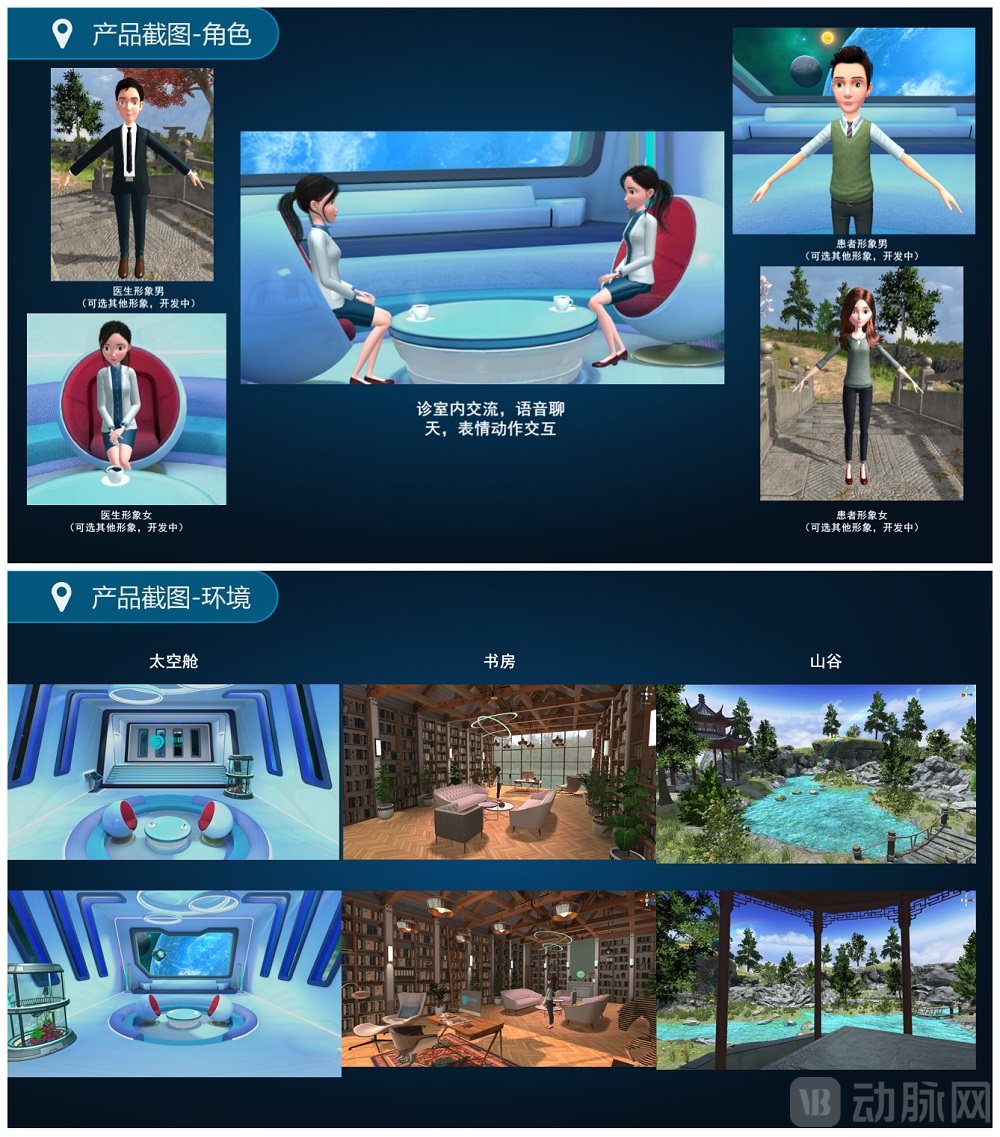
VR Healing System (Scenes)
For another example, in collaboration with Lingxin Intelligence and psychological experts from Fine Mind Academy,"Xin," an AI-powered digital companion for psychological support, jointly developed"Heart", leveraging third-generation conversational system technology and built on large-scale deep learning models, it learns emotional support techniques from vast amounts of data to provide users with 24/7 psychological companionship and emotional counseling through conversational services.
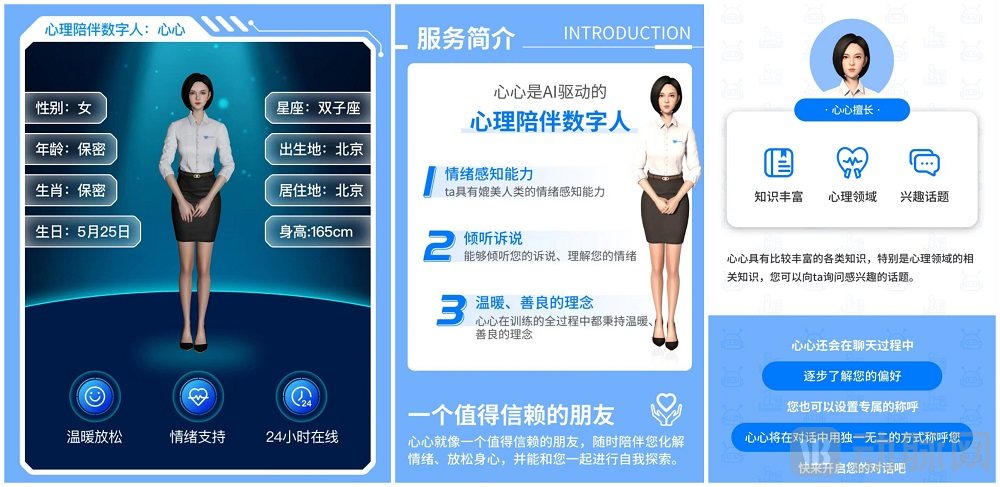
Psychological Companion Digital Human: XinXin
These digital applications have enabled Fine Hin to achieve smoother integration across all stages of mental health service delivery, further enhancing patient satisfaction. Meanwhile, the introduction of VR-based therapeutic systems has effectively overcome the limitations of conventional video technology, providing a greater sense of presence and helping to build stronger trust between patients and clinicians. Ultimately, these digital technologies have created a more personalized service experience.
It is worth noting that the ability to leverage the value of these digital tools is itself underpinned by the service capabilities and the foundation of doctor-patient trust that Beijing Fine Hin Mobile Medical Technology Co., Ltd. has established on its online platform. Offline, patients are more inclined to pay for tangible goods; whereas the consumption habits of online users make them more willing to pay for digital tools. Furthermore, its substantial base of doctor and patient users, coupled with established interpersonal doctor-patient relationships, enables more effective commercialization of these digital tools.
In fact,In addition to the application of digital tools, Fine Hin is also further facilitating the consolidation and enhancement of the quality of medical services on its platform.On one hand, Haoxinqing continues to expand its physician base. Currently, the Haoxinqing platform has onboarded up to 50,000 physicians across China. Physicians with clinical experience help better ensure the quality of medical service delivery. Secondly, Haoxinqing is strengthening its focus on psychiatric specialties. It has repeatedly collaborated with national committee chair experts to conduct clinical courses and academic conferences on mental and psychological disorders, aiming to promote academic development in the mental health industry. In January last year, Haoxinqing initiated and facilitated the establishment of the Psychological Assessment Professional Committee under the Beijing Social Psychology Work Federation. Both online and offline, Haoxinqing organizes nearly 1,000 events annually, contributing to the improvement of physicians’ medical proficiency and service quality.
Most critically, whether by enriching digital application scenarios or enhancing the quality of medical services themselves, the ultimate goal is to provide better treatment for patients and to be accountable for their treatment outcomes.
Digital Technology Empowers Precision Medicine to Deliver Compassionate Care
For Haoxinqing, the continuous expansion and exploration by pharmaceutical e-commerce platforms into deeper areas of medical services within the internet healthcare industry will better facilitate an overall improvement in the quality of medical care.
As one of the earlier entrants into the healthcare services sector, Fine Hin will further leverage its innovative digital capabilities to better support precision diagnosis and treatment for patients.Further enhance the therapeutic outcomes for both doctors and patients through precision medication genetic testing, VR-based healing systems, AI-powered digital companions for psychological support, emotional alertness intervention systems for special populations, quantitative EEG-based risk assessment of depression and anxiety, and intelligent early warning and prescription review assistance systems such as the “Good Mood Prescription” platform.
Ultimately, with the exploration by leading internet healthcare companies such as Fine Hin and the application of digital technologies, we may truly witness the rapid development of internet healthcare, which will not only solve problems for patients but also deliver more compassionate services.