

Dario Health Corp.: Achieving High Growth and 70% Gross Margin Through B2B Digital Therapeutics Platform
DarioHealth
Digital Therapeutics Platform Operator
You may still be focused on the large-scale commercialization capabilities of Pear Therapeutics (NASDAQ: PEAR) and Akili Interactive (NASDAQ: AKLI), but in reality, the true dark horse, DarioHealth (NASDAQ: DRIO), has already carved out a path for the commercialization of digital therapeutics amid the winter downturn.
Dario’s latest financial report shows that its revenue for the third quarter of 2022 was $6.6 million.2022Total revenue in the first three quarters of the year was$20.8 million(equivalent to over RMB 1.47100 million yuan),Year-on-year growth reached as high as 4%4%。Currently, Dario has signed 85 B2B contracts, half of which were finalized in 2022.
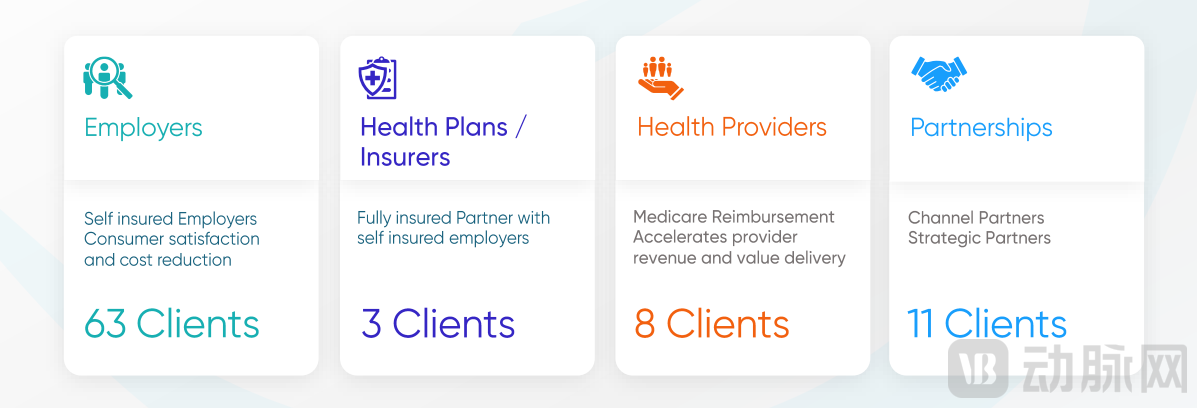
Dario’s 85 B2B Contracts
Once fully implemented, these orders'Annual TotalRevenue willOver $61 million(equivalent to over RMB 400 million).By the end of 2022, the number of contracts will also expand to 100, with revenue expected to maintain rapid growth in 2023. In addition to driving strong revenue growth,Dario'sB2B business also generated a gross margin of approximately 70%.。
Public records indicate that DarioHealth signed a U.S. National Health Plan agreement with Aetna last quarter, integrating Dario’s behavioral health solutions into its mental health and wellness platform. The partnership generated revenue in the third quarter and is scheduled for broad rollout starting in 2023.This is also DaRio in 2022one of the most important contracts of the year. Upon completion of this signing, Dario will gain access to over 100010,000 Members。
Not only that,Dario’s revenue was $7.576 million in 2020 and surged to $20.513 million in 2021, representing a year-over-year growth rate of 171%.. Revenue for the first three quarters of 2022 has already surpassed the total revenue for the full year of 2021.
How did DarioHealth achieve such remarkable revenue growth in just three years? What underpins this impressive commercialization capability? Is B2B the optimal path to high growth and high profitability for digital therapeutics in the current environment? VCBeat offers an analysis to provide reference for the industry.
From Single-Disease to Multi-Disease: Modularizing and Platformizing Digital Therapeutics
Dario believes that the key to success lies in the company’s alignment with the macro trend of “user-centricity” in the digital health market over the past three years, as well as its implementation of a multi-year strategy, which has now yielded significant results in two major areas: the transformation of its product model and business model.
Let’s first take a look at DarioHealth’s product model.
Dario was incorporated in Delaware, USA, and commenced operations on August 11, 2011, initially focusing on smart diabetes management solutions.
At the end of 2013, Dario launched a free smart diabetes management application in the UK market, and in March 2014, it introduced the complete Dario Smart Diabetes Management Solution (including the application and the Dario Blood Glucose Monitoring System) for the first time, aiming to collect customer feedback to refine the company’s long-term promotion strategy, while continuing to expand its commercial scale in the UK that same year.
In 2015, Dario officially entered the phase of technology commercialization, successively launching its operations in Australia, Israel (the birthplace of Dario’s technology), Canada, and the United States.
However, these efforts did not generate sufficient revenue for DarioHealth. As the market evolved, DarioHealth gradually found that,Integrating Multiple Chronic Diseases into a Single Digital Therapeutics Platform “Dario One”more suitable for the current macroeconomic and financial environment facing the company.
From the customer’s perspective, such an expansion of indications makesCorporate employers and health plans avoid contracting with multiple single-solution vendors, thereby reducing the burden of expenditure and order management.. Meanwhile, these two major payers are also seeking optimal solutions supported by clinical evidence. Dario’s data indicateComprehensiveManagement ModelBiFragmentationsingle-point solutionMore Effective。
Therefore, DaDarioHealth has embarked on a transition from a single-disease focus to a multi-disease platform model., addressing diabetes, hypertension, weight management, musculoskeletal health, and behavioral health co-The Five Most Common and Burdensome Chronic DiseasesDeveloped a robustIntegrated Digital Therapeutics Solutions。
After integrating weight loss and hypertension management into its existing diabetes management platform, DarioHealth carried out three acquisitions, expanding its disease coverage to include musculoskeletal (MSK) and behavioral health.
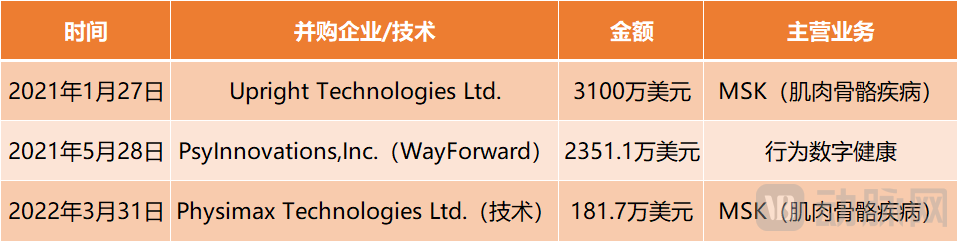 Dario’s M&A History | Graphic by VCBeat
Currently, Dario’s user-centric software platform integrates digital therapeutics, coaching, professional human support, and medical devices to ensure clinical efficacy and economic benefits. Its product suite is modular, enabling customers to purchase one or more chronic disease management solutions.
Dario’s chronic disease management solution is designed as three independent software applications—“Dario Evolve,” “Dario Move,” and “Dario Elevate.” Each application connects to Dario’s software platform and integrates behavioral health technologies to ensure that individual needs and preferences are addressed in a personalized manner.
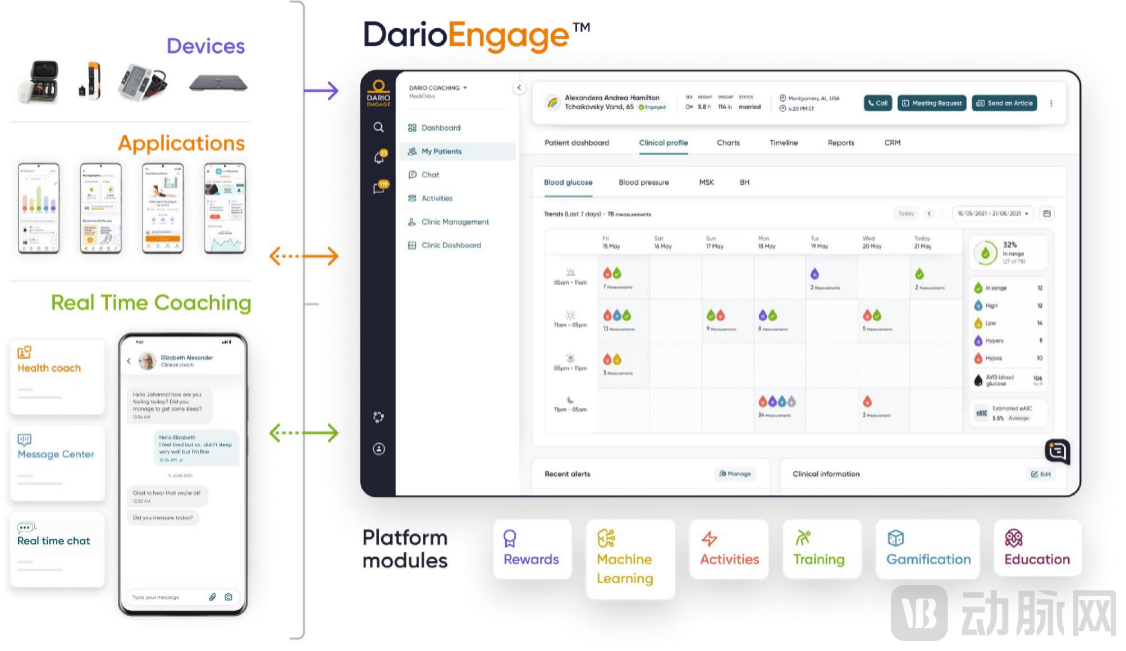 Dario’s Modular Digital Therapeutics Solution. Image source: Dario Corp Deck
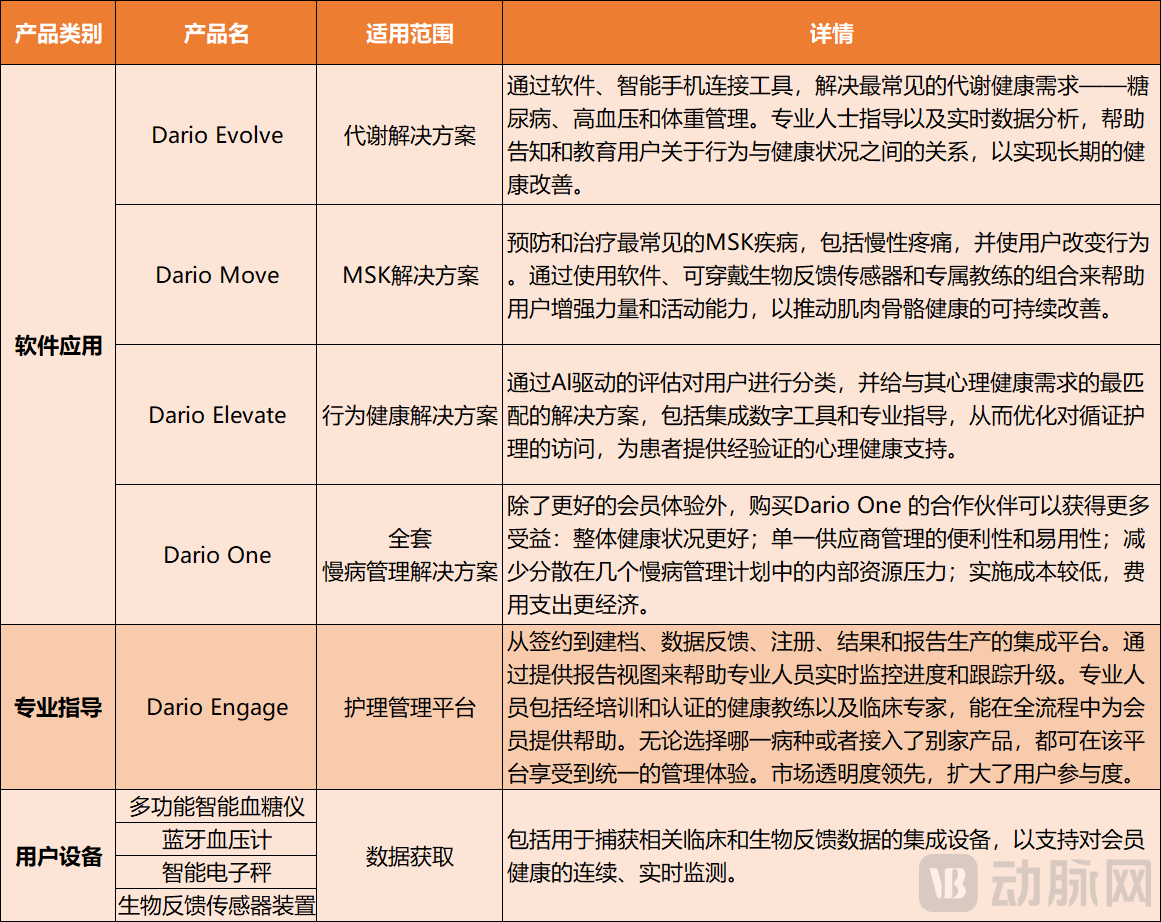 Breakdown of Dario’s Platform-Based, Modular Solution | Graphic by VCBeat
Frankly speaking, chronic disease management requires strong user adherence, but users’ interests and preferences vary significantly and change over time. To achieve long-term behavioral change, it is necessary to provide them with the optimalIntervention Nodes, Intervention Content, Intervention Frequency, and Intervention Measures。
Therefore, user interactions with monitoring devices, smartphones, guidance personnel, vendors, and third parties must be personalized around these key factors to ensure optimalEngagement, Retention, and Health Improvement Outcomes。
Furthermore, to attract and sustain user interest and engagement while ensuring therapeutic efficacy, the platform must respond dynamically. Due to a lack of responsiveness to these types of differences, mostDigital health platforms with high initial user engagement often fail to retain users over time.。
The key to Dario’s adaptation to changes in user behavior lies in its mature AIUser Journey Engine Driven by. Although some solutions on the market integrate a range of categories of digital biomarkers for applicationLimited, Nominal Personalization。
HoweverTrue personalization requires iteration based on massive amounts of data.Dario’s solution is built on years of user experience data from over 223,000 users, enabling it to continuously adapt to individualized needs across the entire user journey over time.
Moreover, Dario has spared no expense in its R&D investment in products and technology. For the year ended December 31, 2021, Dario’sR&D expenses were 1,721..9WanmeiYuan, compared to US$4.433 million for the year ended December 31, 2020Increasele1278.6WanmeiYuan。
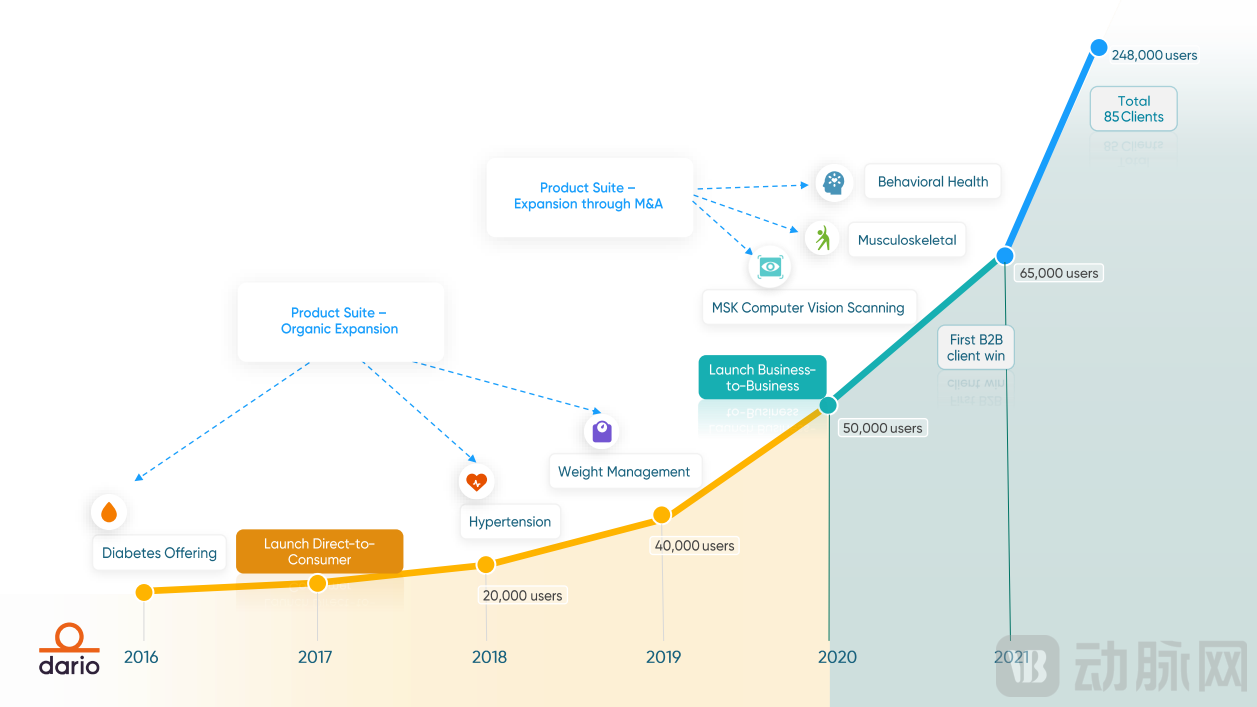
Dario Platform’s Expansion Drives User Growth | Image Source: Dario Corp Deck
From D2C to B2B: Comprehensive Coverage of the Three Major B-Side Payers
Next, let’s examine DarioHealth’s business model.
Initially, Dario was a D2C digital therapeutics company, with its business focus centered on engaging users and improving their diabetes outcomes through behavioral change.
However, Dario found that although the market is flooded with a large number of digital health products for single diseases,Payers are increasingly dissatisfied with the transparency, real-world effectiveness, and member experience of these solutions.. Dario’s multi-condition platform is fully capable of addressing the pain points of the three key payers (health plans, employers, and healthcare providers).
Thus, over the past two years, Dario has undergone a strategic transformation of its business model: first by expanding B2B and D2C channels to significantly broaden commercial growth opportunities, and then by targeting and securing agreements with three key payers individually.
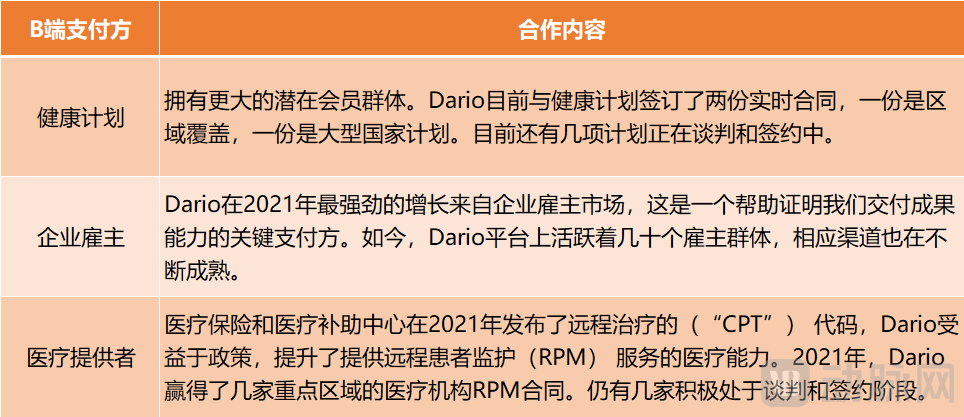
In 2021, Dario assembled a robust U.S. commercial team with extensive experience in the healthcare industry. The team structured its operations according to the three aforementioned commercial channels, marketing multiple Dario product lines within each channel to maximize revenue.
With the maturation of its sales team, Dario successfully secured orders in all three major B2B sectors mentioned above in 2021. The growing number of members registering on the Dario platform has generated a compounding effect on business growth.
Currently, Dario’s revenue is primarily derived from the sales of hardware and services, through direct sales to consumers in the U.S. market via its online store and distributors, as well as by providing membership services to U.S. customers.
Dario adopts a subscription model, billing on a per-member-per-month basis. As users register on the platform, the company’s recurring revenue undoubtedly grows. Currently, Dario has accumulated 2 registered users4.810,000 users, with an annual user retention rate as high as 8%0%。
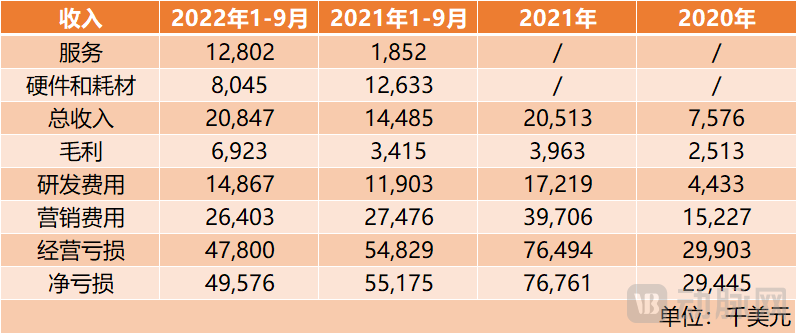 Dario’s Financial Data in Recent Years (Source: Dario Financial Reports; Chart by VCBeat)
Dario generated $20.847 million in revenue in the first three quarters of 2022, surpassing its total annual revenue for 2021 and offering hope of alleviating its loss-making position. As digital therapeutics products require more clinical validation and real-world studies, Dario’s R&D expense ratio has been inevitably rising.
Furthermore, the pullback in Dario’s D2C model, coupled with the gradual stabilization of channels for its three major B-side payers, marks an initial success in Dario’s B2B transformation, leading to a relative decline in its marketing expense ratio.
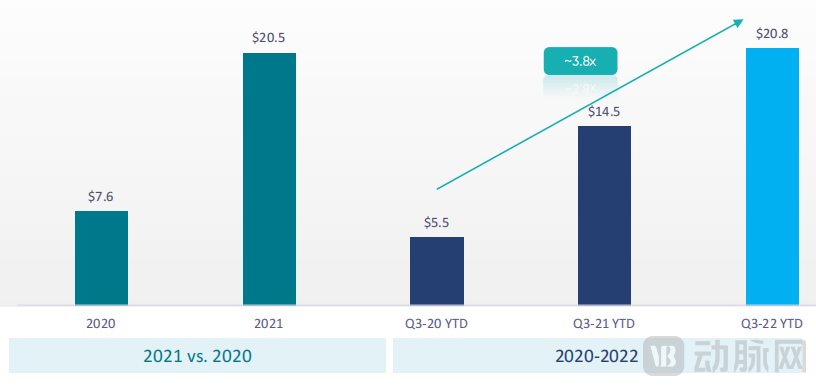 Dario Revenue Growth (in millions of USD)
It is worth noting that Dario did not completely abandonD2CModel, it remains the key to Dario's commercialization. Its D2C channel will continue to attract members to join the platform, and this customer segment remains the most solid foundation for Dario to test and refine its products.
Furthermore, as a key component of DarioHealth’s rapid growth strategy,Strategic partnerships help rapidly and effectively expand DaRio plays a key role in shaping its influence across various markets.。
February 28, 2022DarioSigned with SanofiA five-year, valued at $30 millionofExclusive Preferred Partner, Joint Promotion, Development Collaboration, and Licensing Agreement. Dario will promote its solutions through Sanofi’s sales channels and collaborate with Sanofi to develop new products, helping to accelerate the commercialization of its full suite of digital therapeutics.
Although DarioHealth has seen a significant surge in revenue, it is evident that orders from Sanofi and Aetna National Health Plan accounted for the majority of its total revenue in 2022, placing substantial demands on the company’s fulfillment capabilities. Aware of this reliance, DarioHealth plans to sustain stable business growth by expanding its customer base across markets and channels, broadening its disease management portfolio, enhancing user engagement, and optimizing its solutions.
A Surge of Companies and Entry of Giants: How Is Dario Responding?
Since 2013, Dario’s blood glucose monitoring system has obtained CE certification, enabling commercialization in 32 European countries and select other regions worldwide. It has also received regulatory approval from authorities in Australia, New Zealand, Canada, Israel, and South Africa. In December 2015, Dario received U.S. FDA clearance and commenced commercialization.
As Dario’s primary revenue-generating market, the United States is experiencing growing inefficiencies in its healthcare sector, leading to higher and unsustainable healthcare costs. According to data from the Centers for Medicare & Medicaid Services (CMS), U.S. healthcare spending reached $4.1 trillion in 2020, with 75% attributed to chronic disease management.
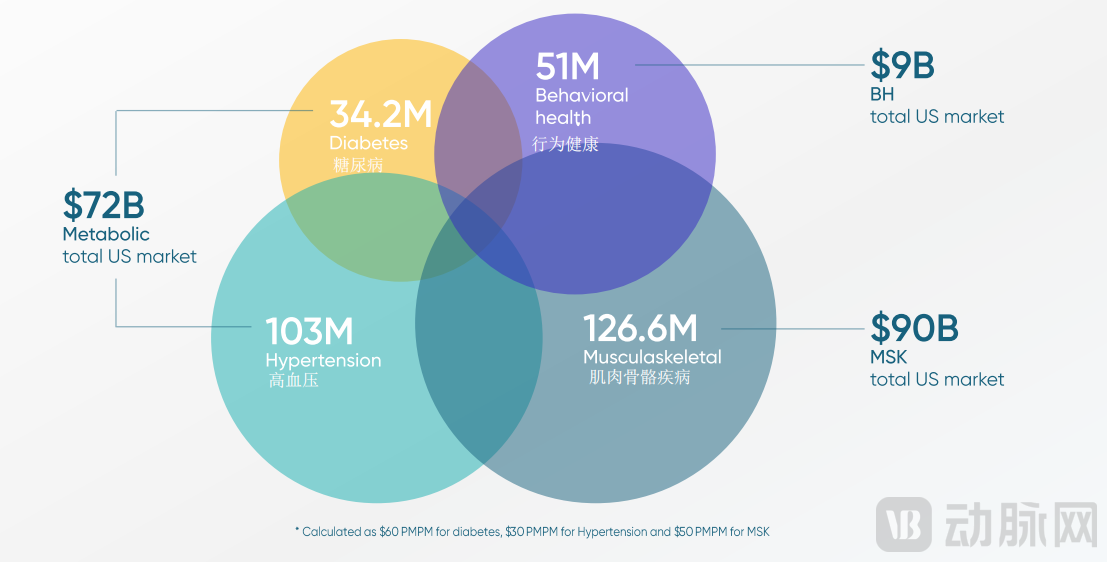 Dario Has a $16 Billion Market Opportunity in the U.S., with Current Market Penetration at Only 2% | Source: Dario Corp Deck
In recent years, digital health solutions for chronic disease management, such as diabetes, have emerged in rapid succession. Various companies are swiftly developing new technologies, including digital health firms like Hinge Health, Livongo (acquired by Teladoc), Omada, and Vida, while tech giants such as Amazon, Apple, and Google have also entered the fray.
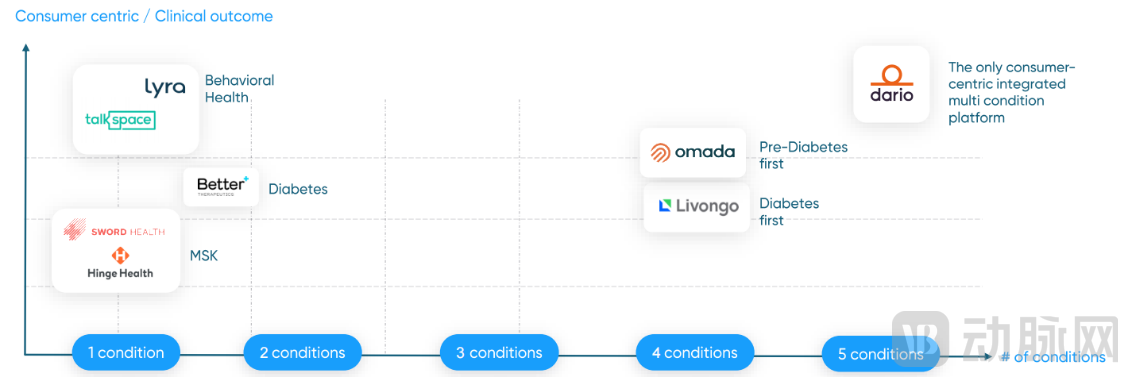
These companies’ competition is mainly concentrated inIntervention Measures(Devices, Applications, Guidance, and Analysis),Commercial Channels(Health plans, pharmaceutical companies, healthcare providers, corporate employers),Disease Type(diabetes, MSK, hypertension, behavioral health) and other areas. In this increasingly crowded market, Dario believes its core competitiveness stems from the following three aspects:
1. Consumer-Centric Design. Most digital health solutions are built to meet enterprise needs and then sold directly to businesses, bypassing consumers’ own demand for the products. As a former D2C company, Dario excels in this area by partnering with health plans, corporate employers, and healthcare providers to deliver more practical and applicable solutions to their end users, thereby driving B2B2C business growth.
Dario’s confidence stems from the fact that, although digital therapeutics are a form of serious medicine, data-driven approaches remain their fundamental cornerstone. A “patient-centric” approach must be integrated throughout the entire process, from product development to commercialization.Data Insights Based on End UsersIt is crucial to the success of a product.
Second, hyper-personalized product design. Dario’s customized dynamic whole-course management solution, powered by artificial intelligence algorithms, creates a hyper-personalized user experience by leveraging a range of factors closely tied to users’ lives—including timing, channels, tone, content, frequency, and intervention strategies.
The effectiveness of any chronic disease management program, including digital therapeutics, is founded on user adherence. It is precisely by adhering to the “patient-centric” philosophy that Dario’s hyper-personalized solutionsUser Adherence and Retention Ratehas played a significant role in providing assurance. Currently, DarioHealth boasts a user retention rate as high as 80%, with clinical follow-ups generally maintained for over two years.
Third, significant therapeutic value at scale.Digital healthcare has created an ecosystem where demand-side stakeholders and single-disease solutions coexist. However, these stakeholders and solutions are often fragmented, leading to resource waste, inefficiency, and a lack of sustainable value generation. DarioHealth believes that its integrated multi-condition platform, featuring unique interoperability and continuous digital solutions, can drive high engagement and retention rates, reduce costs, and ultimately improve health outcomes for users at scale.
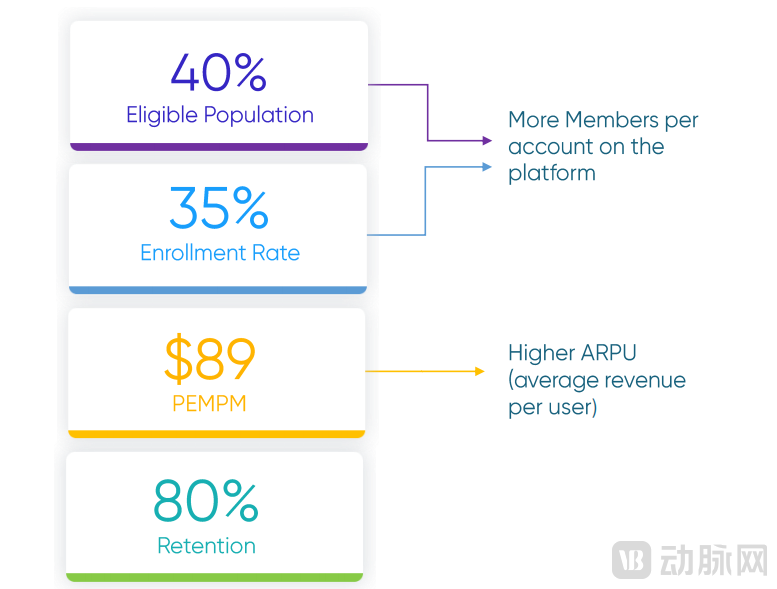 DDario Platform Key Metrics Data Image source:Dario Corp Deck
According to data disclosed by Dario, for enterprise employers with more than 10,000 employees, the coverage rate of eligible populations for Dario’s multi-condition integrated platform reaches as high as 40%, whereas single-condition products cover only 8%. Dario’s solutions are also priced 30–50% lower than current comparable market solutions.
Meanwhile, DarioHealth leverages a flexible software-driven model to release new versions every few weeks, whereas product updates from companies primarily focused on medical devices are inevitably slower. Many competitors’ applications also have limited interoperability and connectivity, unable to integrate with third-party devices, electronic health records (EHRs), or other partner solutions.
# Conclusion
Currently, the vast majority of digital therapeutics companies are still in the early stages of exploring commercialization models. The industry as a whole faces common challenges, such as low revenue ceilings for single-disease indications and limited willingness to pay among consumers, while sentiment in the secondary market remains subdued.
However, Dario has already completed the initial phase of its strategic transition from D2C to B2B in response to these constraints, integrating itself into a multi-disease integrated platform and leveraging large-scale data insights accumulated in the early stages to attract partnerships. As of the third quarter of fiscal year 2022, Dario had more than $57 million in cash on hand. With this transformation strategy and its leadership in technology and data, Dario has seen a significant acceleration in recent development, making it one of the benchmarks for the large-scale commercialization of digital therapeutics.
In China, some digital therapeutics companies have adopted B2B (B2G2C, B2H2C) models to provide patients with end-to-end digital solutions ranging from assessment to intervention. These companies are also exploring reimbursement pathways for their digital therapeutics products, aiming to achieve dual coverage through both medical insurance and personal health accounts. Furthermore, certain digital therapeutics firms have expanded from initial single-disease core products into multi-disease platforms, thereby building composite capabilities to gain a competitive edge.
Of course, whether Dario’s success can be sustained in the long term remains to be seen. At the very least, it has responded to market volatility, skepticism, and challenges by seizing the opportunity presented by the pandemic-driven boost to telemedicine to rapidly complete its transformation, thereby offering its own answer.