

Silicon Valley Chronicles: A City and Its Dreamers
ARCH Venture Partners
Venture Capital Firms
If awards were to be given for technological trends, innovation, and a spirit of adventure, many cities would make the shortlist—such as Boston, the “Jerusalem” of life sciences; London, Europe’s innovation hub; or Tokyo, regarded by Akihiro Umehara, Senior Global Partner at Kearney, as a “next-generation” city.
Of course, one city is indispensable. As early as 2021, Silicon Valley accounted for 13.1% of all patents filed in the United States, and its venture capital investment exceeded one-fifth of the national total. This “city,” located in the southern part of the San Francisco Bay Area, has a population of approximately 3.1 million and an average annual per capita income of $152,000. A century ago, this area was nothing but orchards; within just a few decades, it developed into a bustling hub, giving rise to a large cohort of tech tycoons. Tech giants such as Apple, Google, Intel, Facebook, and Yahoo have established their headquarters in Silicon Valley, leading Alexandra Wolfe, a reporter for The Wall Street Journal, to dub it the “Valley of the Gods.”
Despite layoffs and a declining share of trading volume, many media outlets’ coverage of Silicon Valley has been tinged with concern about the future. Yet entrepreneurs emerging from the region appear far less anxious.
The spirit of innovation and risk-taking in Silicon Valley seems to be contagious; countless young people only begin to consider starting their own businesses after arriving here.
Take Sun Lei as an example; had he not come to Silicon Valley, he might have become an outstanding biochemist at a major corporation.
Prior to his arrival in Silicon Valley, he worked at Motorola in Arizona. Like many of its peers at the time, the company was exploring diversified development paths, with one focus being gene chips. However, Arizona seemed to lack certain key elements essential for innovation; it was difficult to find not only talent and customers but even competitors with whom to engage in meaningful dialogue.
In 2001, he moved to Silicon Valley and joined Intel. At a time when the internet boom was beginning to wane, computer hardware companies were seeking new growth engines. Andrew S. Grove, hailed as “Silicon Valley’s greatest manager,” had just handed over the reins at Intel to his protégé, Craig Barrett. The new successor was not content with Intel remaining merely a computer chip company; he aimed to pursue diversification for Intel amidst the technological wave, leveraging the company’s globally leading nanotechnology and semiconductor process capabilities to accelerate advancements in biomedicine.
The department Sun Lei joined was Intel Labs, the research institute that carried Intel’s dream. Although the project he ultimately led did not meet Intel’s requirements for commercializing technology, this experience planted in him the idealistic seed of “innovating to change the world.”
His second job in Silicon Valley was at a startup that had been founded just three years prior, where Sun Lei was the 91st employee. The company, named Pacific Biosciences, is renowned worldwide for its third-generation sequencing platform.
After joining a startup, Sun Lei felt closer to entrepreneurship.
In Silicon Valley’s engineering circles, entrepreneurship holds an irresistible allure. There is even a saying: “A career in technology has its limits; when that day comes, you either start your own venture, join a startup as CTO, or remain at a tech giant as a ‘life mentor’—that is, convincing yourself and others to be content with what they have and enjoy life.” Around him are entrepreneurial associations spanning various industries, and conversations among friends invariably revolve around startups. The air is always abuzz with new and better ideas, and news of acquaintances successfully securing angel funding frequently emerges.
Gradually, Sun Lei could almost hear the intense longing for entrepreneurship coursing through his veins. Following the market launch of PacBio’s products, he finally co-founded his first company, Element, with several peers.
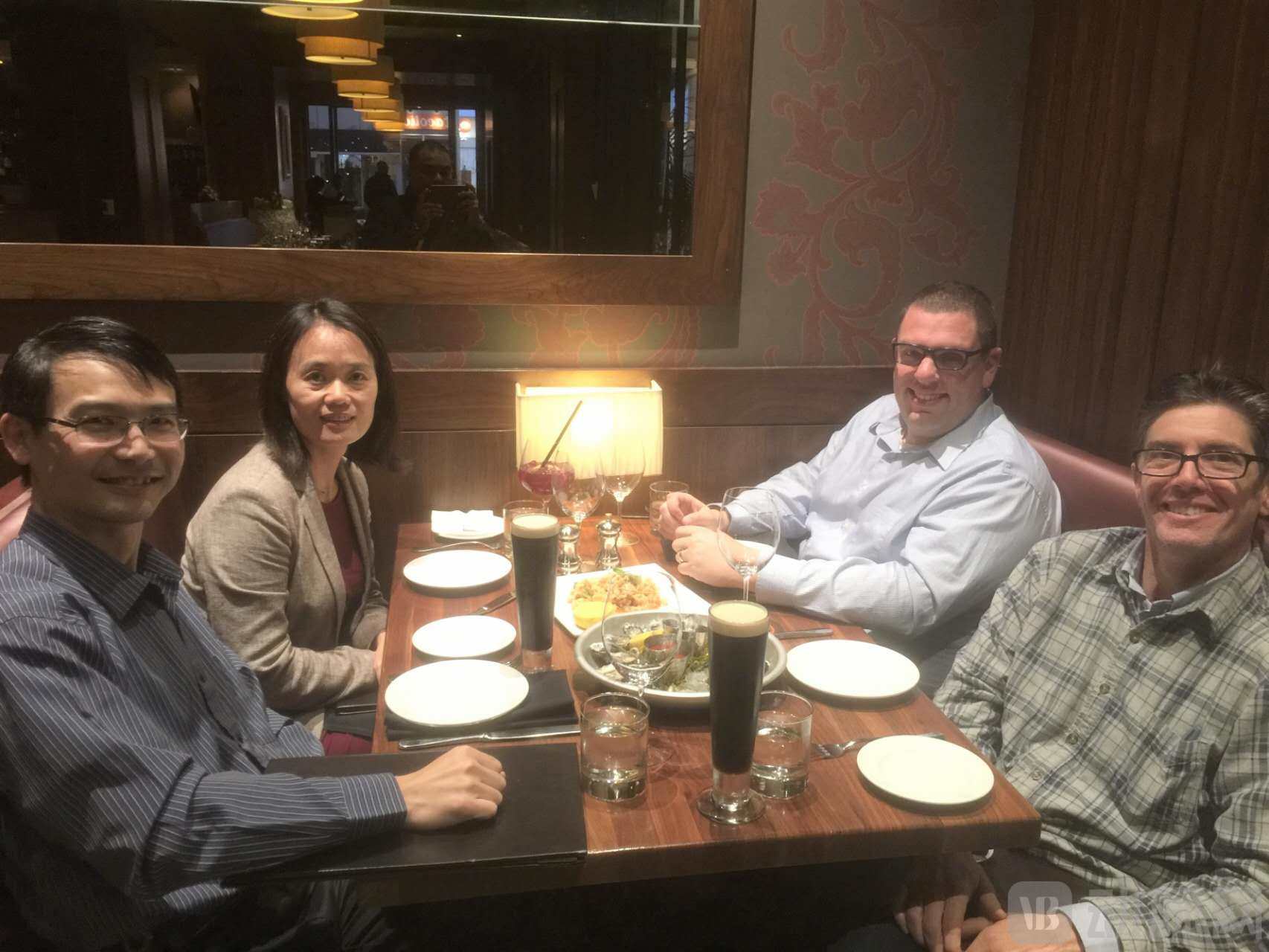
Sun Lei (far left) and the other three founders of Element, photographed in 2018 after the first board meeting following the establishment of Element Bioscience
Zhu Mingfu was one of the Chinese professionals Sun Lei met during his time in Silicon Valley. Their similar identities and professional backgrounds brought them into the same circle. Likewise, before coming to Silicon Valley, Zhu Mingfu had never imagined that he would become an entrepreneur, despite having been the third employee at a startup.
“It was only after coming to Silicon Valley that I realized entrepreneurship was so close to me,” he recalled. During his year and a half in Silicon Valley, Zhu Mingfu worked at two then-star companies, including Human Longevity, founded by the maverick scientist Craig Venter.
During his brief stay in Silicon Valley, Zhu Mingfu did not choose to start a business, but the seed of entrepreneurship was quietly planted in his heart. After spending two years in the C-suite management of a startup upon returning to China, he almost immediately embarked on his own venture. Tengdi Bio (20n Bio) is the third company he has founded.
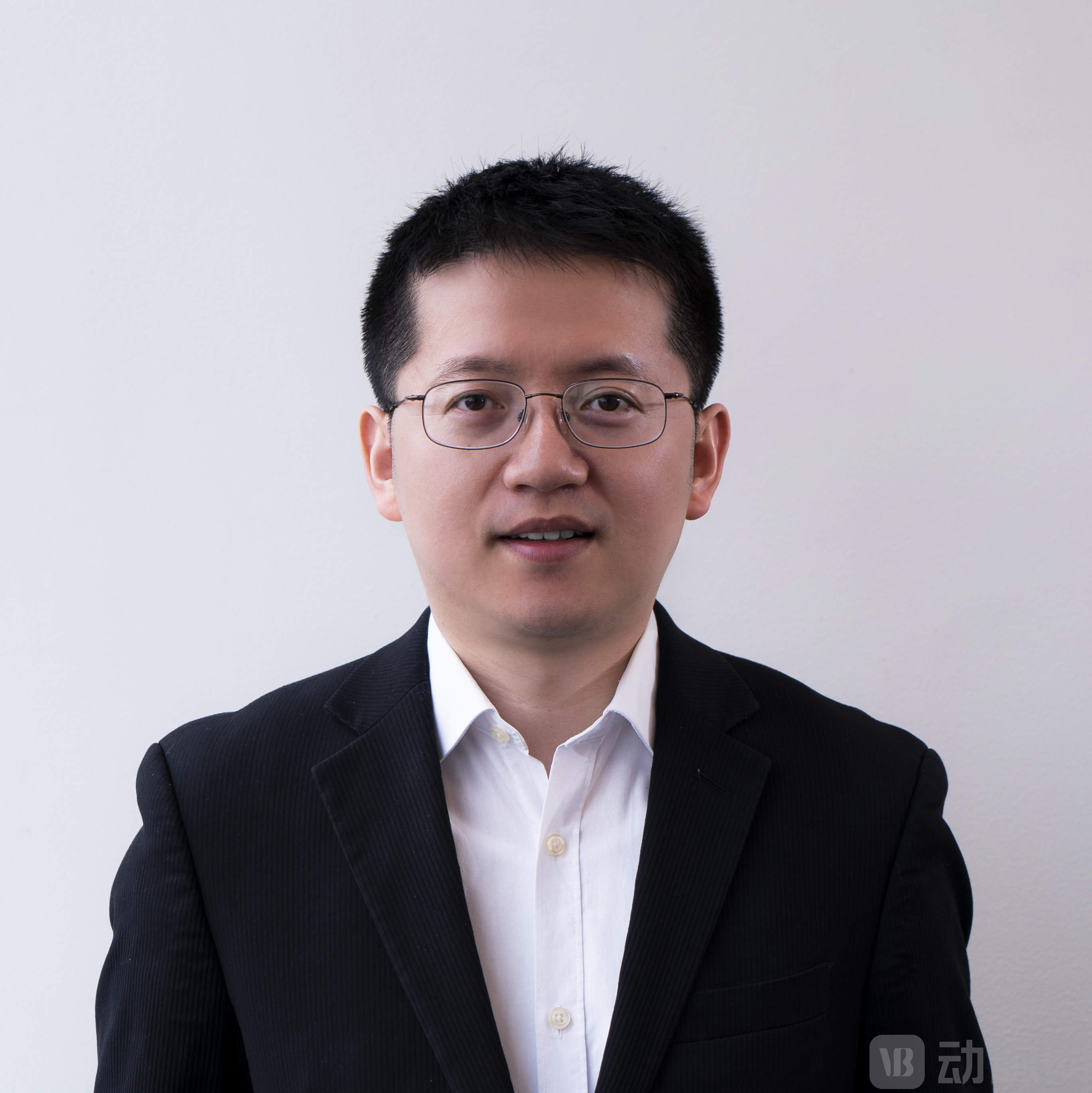
Tengdi Bio CEO Zhu Ming Attends
Unlike the previous two, Zhou Guanqun’s original intention in going to Silicon Valley was to pursue his studies. As a joint Ph.D. candidate under a collaborative program between the University of Chinese Academy of Sciences and Stanford University, he spent the last three years of his doctoral studies at the SLAC National Accelerator Laboratory. Including his postdoctoral research, he stayed in Silicon Valley for a total of five years.
“At first, I didn’t really have any entrepreneurial aspirations, but everyone around me was talking about how to start a business,” said Zhou Guanqun. The San Francisco Bay Area is a fertile ground for entrepreneurship; whether students or industry professionals, people gathered there primarily discussed how to launch ventures and create greater personal and social value. Thus, the transition from academic pursuit to entrepreneurship seemed natural. After completing his postdoctoral research, Zhou Guanqun co-founded Yangqi Medical Chip, a company specializing in precision nuclear medicine, with friends.
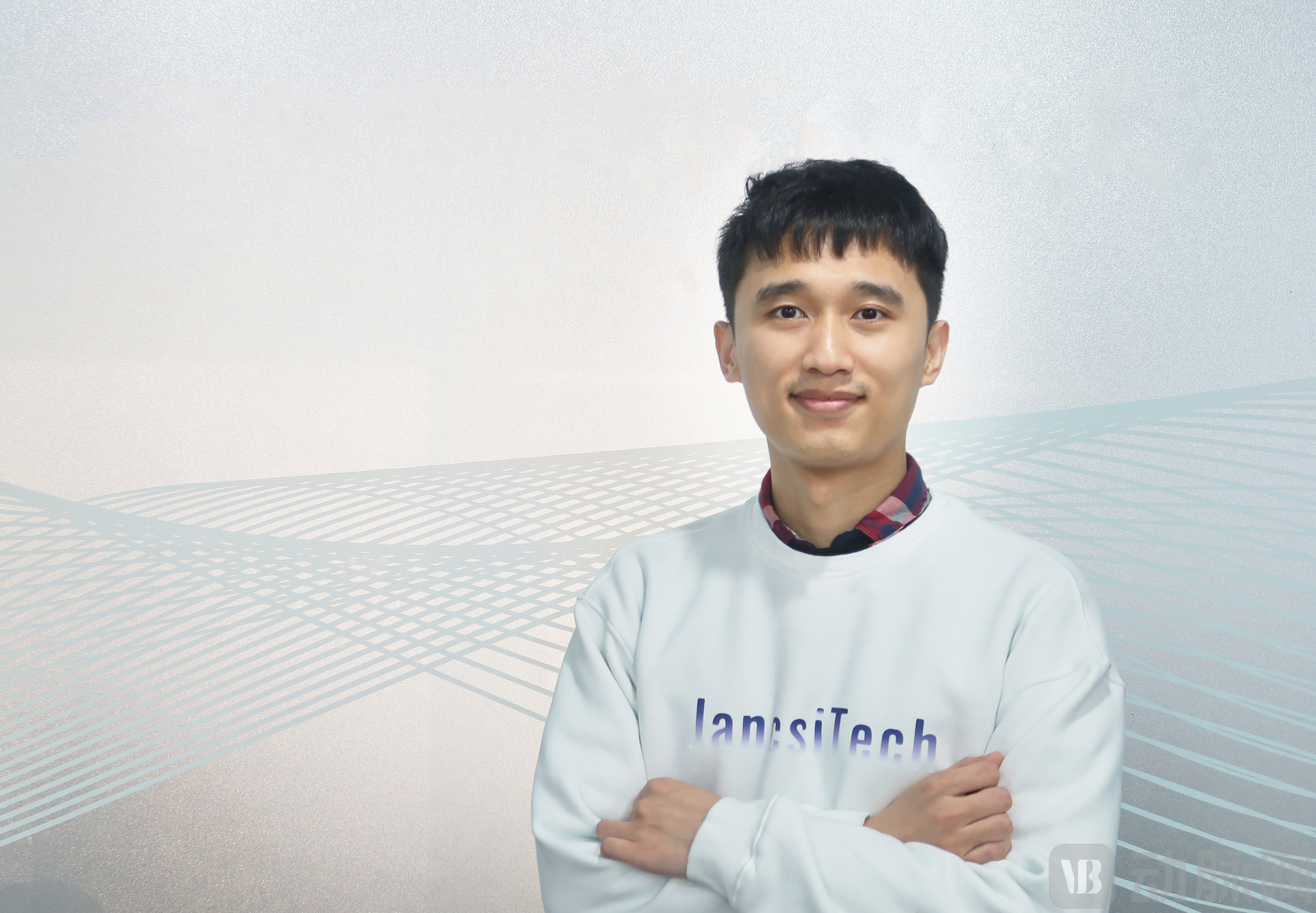
Zhou Guanqun, CTO of Yangqi Medical Chip
Dr. Shen Xingyu pursued his doctoral studies at the University of California, Berkeley. Unlike his peers, he spent most of his time in the East Bay area of California and was the only one among them to develop entrepreneurial aspirations early on. After working for two years at a biotech company, he leveraged his background in chemistry to found QuanMol Tech, an “AI-driven drug discovery” company dedicated to addressing challenges in high-precision molecular property prediction and molecular design by integrating fundamental physical principles, computational methods, and AI models. Reflecting on his impression of Silicon Valley, he remarked, “Here, every form of success is celebrated.”
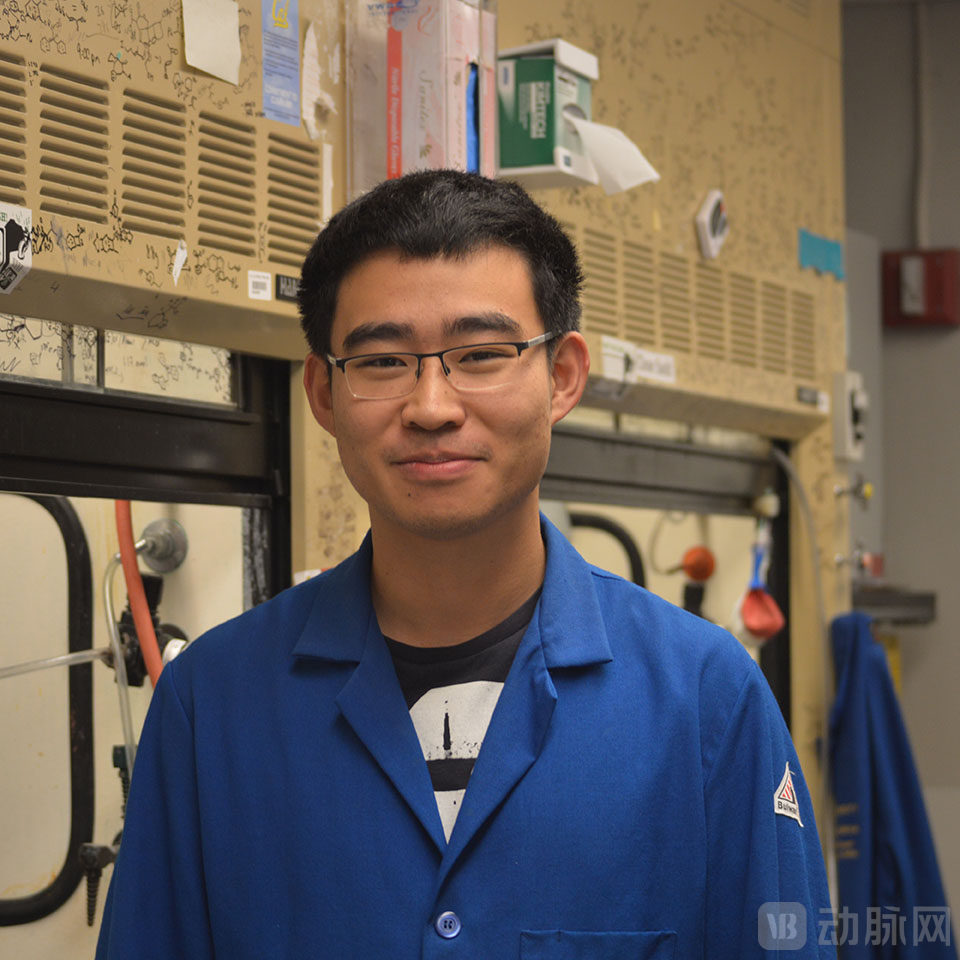
A photo of Shen Xingyu during his time at the University of California, Berkeley, one of the few pictures of him given his general aversion to being photographed.
Why is Silicon Valley so infectious? The city’s entrepreneurial spirit may stem from a group of passionate, risk-taking innovators. As Sun Lei noted, after spending some time here, not talking about startups makes one seem like the odd one out.
"Take the Chinese community in Silicon Valley as an example. 'Almost every industry has its own association,' said Sun Lei. When people gather, the conversation always revolves around entrepreneurship and resources both domestically and internationally: 'What new ideas have you had recently?' 'What projects are you currently working on?' 'So-and-so's company was acquired.'"
During Zhou Guan’s doctoral studies, he frequently gathered with two distinct groups: one comprised of alumni from the University of Science and Technology of China (USTC), and the other consisting of engineers employed at major tech companies such as Google, Facebook, and Amazon. Among the USTC alumni circle were many serial entrepreneurs with successful startup experience.
In Silicon Valley coffee shops, it is almost ubiquitous to see small groups of people discussing business plans over their laptops.
“In coffee shops or restaurants, it is common to hear people at the next table enthusiastically discussing startup ideas with friends or confidently pitching to investors. This phenomenon is very widespread,” said Zhu Mingfu. There are hundreds or even thousands of such small businesses in Silicon Valley.
Sun Lei and Zhu Mingfu also revealed that entrepreneurs are common in Silicon Valley, as are serial entrepreneurs. Within their social circles, some have successfully sold their companies to larger corporations, others have crossed over from different fields and achieved repeated success, and still others have started anew after experiencing failure. These entrepreneurs may be students or professors at Stanford University, or they may come from major companies in Silicon Valley... but they are all individuals who refuse to accept the status quo and pursue their dreams.
Why does Silicon Valley attract such a cohort of individuals? This may be linked to the path to success pioneered by Silicon Valley innovators and venture capital firms since the 1960s. The cycle of “startup–struggle–success–reinvestment in new ventures” has created a powerful positive feedback loop, fostering Silicon Valley’s prevailing principle of “innovation above all.” Under this paradigm, one emerging industry after another—such as semiconductor chips, the internet, and e-commerce—has risen from Silicon Valley.
“The best thing about Silicon Valley is that so many people are working hard for their dreams,” said Sun Lei.
“In Silicon Valley, excelling in technology can create value and attract investors to facilitate commercialization,” said Zhu Mingfu.
Steve Jobs’ famous admonition, “Stay hungry, stay foolish,” continues to resonate here. People in this community pursue more efficient technologies and business models, champion risk-taking in the name of “disruptive” ideas, and do not fear failure. Silicon Valley embraces individuals from diverse backgrounds and value systems with remarkable inclusivity. Perhaps it is precisely this environment that gave rise to the iPhone, Google, and the Alto (a pioneering personal computer prototype).
“I will go back for a visit when I have the chance,” said Zhu Mingfu.
Many entrepreneurs in Silicon Valley have worked at innovative startups. These small-scale innovation-driven companies are absolutely no less attractive to talent than the “tech giants.”
“Joining an innovative startup is like scratching a lottery ticket; many who hit the jackpot achieve financial freedom,” said Zhu Mingfu. Reserving equity to incentivize top-tier talent is a tradition that dates back to the era of Fairchild Semiconductor. For employees at startups, they are essentially “working for themselves.”
“If I were confident in my technical skills and capabilities, I would certainly join a small company,” said Sun Lei. From the perspective of personal value realization, an engineer’s ideas and efforts at a small company can directly change the company’s fate; in contrast, large companies are characterized by complex processes and rigid management frameworks, making it more difficult for engineers to demonstrate their value. Moreover, although the success rate of small companies is less than 10%, the equity-based financial returns from a successful startup far exceed those earned by engineers “working as employees” in large corporations.
Moreover, in some large corporations, cumbersome and complex management systems have turned innovation into a performance evaluation exercise. They establish project schedules and assessment plans for every initiative and R&D pathway, attempting to ensure that every investment in research and development yields corresponding returns. Yet innovation is inherently accompanied by failure and mistakes.
“If you don’t try this dead end, you may never find the right path,” said Sun Lei. Perhaps this is precisely why Zuckerberg launched a 24-hour “Hackathon” challenge within the company. Just as he once single-handedly wrote the code for Facebook’s website, he ignored Gantt charts and project resources, allowing engineers to spend 24 hours working independently or in teams on a project to see what they could achieve.
“An individual devoting their full energy to creating the best possible products to change the world”—this appears to be the classic Silicon Valley model. It is precisely this innovation-driven approach that has enabled Silicon Valley’s startups to achieve countless successes and imbue the region with enduring vitality.
Of course, large corporations also play an indispensable role in innovation. Major companies such as Intel and Google operate so-called “X Labs.” These laboratories are brimming with a wide array of cutting-edge technologies; beyond well-known innovations like AlphaFold and Google Glass, they harbor many more breakthroughs that lie beyond our current imagination. For instance, during Sun Lei’s tenure at Intel, the company’s research division was already exploring applications of nanotechnology across various fields. At that time, what later became known as cloud computing did not yet have a name.
“We internally refer to him as the ‘Internet of Things,’” said Sun Lei.
Regrettably, a significant number of innovations in the laboratories of large corporations are halted because they fail to meet their industrialization standards. Nevertheless, countless individuals continue to be influenced by these innovations; some join innovative startups, while others become entrepreneurs themselves. Innovation flows from the forefront of large corporations, shaping the entire industry.
Equally active alongside entrepreneurs are Silicon Valley investors. The vibrancy of venture capital is partly attributable to the investment and support for innovation by both “old money” and “new wealth.”
Supporting innovation appears to be a tradition among America’s wealthy. After achieving success in other sectors, these families typically channel their resources into innovative fields, particularly the life sciences. Many life science funds are backed by “old money,” such as the Rockefeller family’s Venrock and the Morgan family’s J.P. Morgan Private Capital.
The new elites emerging from Silicon Valley have also spared no effort in supporting innovation. For instance, Google co-founder Larry Page invested $1 billion as early as 2013 to establish the research company Calico, while Jeff Bezos has poured billions of dollars into the life sciences sector.
“Their investment approach is very cutting-edge,” said Sun Lei. During his tenures at PacBio and Element, Sun Lei engaged with two venture capital firms, ARCH Venture Partners and Venrock. These institutions do not prioritize chasing trends or seeking quick returns; rather, they are more inclined to invest in ideas and technologies that can set trends and reshape the existing business landscape.
“On the contrary, they are actually less inclined to invest in companies with a clear path to profitability. They believe that focusing on profits from the outset is short-sighted,” said Sun Lei. In Silicon Valley, technologies capable of reshaping the business landscape are more favored. “Then we talk about money.”
The financial backing from both the newly wealthy and old money constitutes the economic foundation for these innovations. Equally important is the discerning vision of the decision-making bodies within venture capital firms. Those familiar with the U.S. venture capital landscape will note that most members of these decision-making teams possess strong professional backgrounds; they may be science and engineering professors at universities, executives at pharmaceutical companies, or founders who have successfully exited their ventures. It is precisely their understanding and foresight regarding technology and entrepreneurship that enable certain innovations to stand out among a pool of projects, ultimately exerting a global impact.
From an orchard to today’s “Valley of the Gods,” the birth of Silicon Valley is inextricably linked to Stanford University. It is no exaggeration to say that Stanford University is the heart of Silicon Valley.
“Entrepreneurs emerging from Stanford are the backbone of Silicon Valley, and many others choose to pursue further studies at Stanford Graduate School of Business,” said Zhu Mingfu. At this university, it is common not to see students in their dormitories.
This phenomenon is closely tied to Stanford University’s strong emphasis on research translation. Leveraging its geographic advantage, the university arranges for students to visit innovative companies in Silicon Valley during their studies. Through face-to-face interactions and dialogues with founders, students gain insights into team building and network expansion in startups, while learning how entrepreneurship is practiced and how fundraising should be conducted.
“These concepts were conveyed to students at a very early stage,” said Sun Lei.
Stanford University is also more accommodating than most other universities when it comes to dropping out to start a business. For example, one of the application requirements for the Stanford Accelerator Center is that the founding team must include at least one co-founder with a Stanford affiliation—a term that encompasses students who dropped out before graduating.
“If a one-year or semester-long course can plant innovative ideas in their minds and inspire them to change the world, that would be considered a success for the school,” said Zhu Mingfu. Among these dropouts emerged two entrepreneurs who “changed the world”—Steve Jobs and Elon Musk.
Stanford University also offers comprehensive support and services for students and staff who launch startups while on campus. The university provides professional assistance in areas such as intellectual property allocation, industry resources, and workspace. “In addition to the Office of Technology Licensing, numerous entrepreneurship clubs within the university can help researchers turn their ideas into reality,” said Zhou Guanqun.
Likewise, Stanford University is also the alma mater of innovators. In addition to providing cutting-edge technologies, it fosters an innovative atmosphere and empowers innovators.
In 2016, Sun Lei was going through a bottleneck period. The conflict between his career development and the realization of his self-worth once plunged him into a slump. During this time, he enjoyed attending academic lectures at Stanford University. These lectures were completely open to the public, allowing him to freely walk into any lecture hall across any department. Even years later, Sun Lei still regards that period as a pleasant and fulfilling time. The campus was brimming with innovative ideas and vitality; from professors to students, he could almost see the sparks generated by the collision of innovative thoughts.
“There was so much I could set out to do; I truly had no time to feel sorry for myself here,” he recalled.
The University of California, Berkeley (hereinafter referred to as “Berkeley”), Stanford University, and the California Institute of Technology are collectively known as the hubs of the “Great Intellectual Development” in the western United States. However, unlike the core area of Santa Clara Valley, the city of Berkeley is imbued with a rich academic atmosphere.
“My doctoral research focused on chemistry, and both my peers and professors placed greater emphasis on academic research,” said Shen Xingyu. He revealed that, unlike Stanford University, which is surrounded by innovative companies and venture capital firms, there are far fewer startups near UC Berkeley. His social circle at UC Berkeley was also largely confined to the basic sciences research community. “Everyone recognizes the value of translational research, but their aspirations and interests lean more toward academic pursuits.”
From his description, UC Berkeley feels more like a traditional academic institution. Even Shen Xingyu, who had long been interested in entrepreneurship, only incorporated biotechnology investment into his career plan shortly before graduation. After gaining work and entrepreneurial experience, he was also influenced by Silicon Valley’s culture: “It’s more pragmatic and more open here.”
Nevertheless, it may well be the presence of UC Berkeley that has endowed the San Francisco Bay Area with a distinct innovation DNA. Home to engineering disciplines on par with those at Stanford University and MIT, as well as the Lawrence Berkeley National Laboratory—a U.S. national lab whose name is virtually synonymous with “excellence” in the scientific community—the university cultivates talent in science and engineering who are driving technological advancements across the United States and around the world.
In addition to Genentech and Gilead, hundreds of biotechnology innovation companies, both large and small, have established their presence here. With comprehensive research strengths in engineering, chemistry, life sciences, and other fields, Silicon Valley has become another hotbed for biotechnological innovation in the United States, alongside Boston and San Diego.
However, surprisingly, most innovators believe that the government plays a minimal role in Silicon Valley’s innovation ecosystem.
“Beyond tax collection, I haven’t felt the government doing anything else.” This was the response given by most people. Compared to the Chinese government’s vigorous support for innovative industries, the efforts of the California government in this regard appear quite meager. Apart from federal special funds targeted at small and medium-sized enterprises, the California government has taken little additional action.
“California’s tax rates are not friendly to the wealthy,” said Zhu Mingfu. Known as the “State of Many Taxes,” California has the highest state personal income tax and capital gains tax rates in the United States, with a top rate of 13.3%. “Many U.S. states offer various tax incentive programs for small and micro enterprises, but California’s tax breaks for innovative companies are not attractive,” he added.
On the contrary, some political figures treat Silicon Valley as a cash cow, with politicians eager to visit during election campaigns to hold various speeches and events for fundraising purposes. Perhaps as a result, according to rankings by the Tax Foundation, a U.S. think tank focused on tax policy research, California ranks second-to-last among the 50 states in terms of its business environment from a taxation perspective. Consequently, we have seen a large number of companies flee Silicon Valley after achieving success there. In December 2020 alone, three companies—HP, Tesla (along with its subsidiary SpaceX), and Oracle—relocated their headquarters from Silicon Valley to other cities.
Perhaps it is precisely the exodus of numerous tech giants that has led outsiders to believe that Silicon Valley’s glory days are over. The era of garage culture also seems ill-suited for media narratives chronicling Silicon Valley’s entrepreneurial legends, and every few years, the topic of “Silicon Valley is dead” sparks intense debate. Compounded by Elon Musk’s personal influence, this latest wave of layoffs has continued to gain momentum, creating the impression that Silicon Valley is once again in crisis. However, innovators in Silicon Valley do not appear to be as concerned as external observers suggest.
“Perhaps we’re just getting old.” Sun Lei quipped about the notion that “Silicon Valley is dead.” Much like how it may be difficult to fully appreciate the disruptive impact of Yahoo and eBay through today’s lens, these companies represented unprecedented and exhilarating innovations at their time. Each crisis in Silicon Valley may well be part of its self-renewal process.
“Silicon Valley is making its own history.” Zhou Guanqun, however, believes that the emergence of the “Silicon Valley is dead” narrative may be related to the shifting and diversifying innovation trends in Silicon Valley. For decades, Silicon Valley has led and created the waves of the times, from semiconductors and personal computers to the internet. Yet innovation does not always move in a single direction; tides rise, and they also fall. The ebbing of some waves may reflect the natural decline of those specific trends, or it may signify a transition in Silicon Valley’s own innovative currents.
“It is the innovative talent and fertile ground for innovation here that truly drive innovative value,” said Zhou Guanqun.
In the eyes of many, Silicon Valley is a dynamic hub. Many people come here, and many others leave. Just as numerous large corporations have relocated from Silicon Valley to other regions for development, many innovators have also departed with their dreams to start businesses elsewhere. Coincidentally, the protagonists featured in this article have all returned to China to launch their ventures: Sun Lei returned to China in 2018 to join Genetron Health as a partner; Zhou Guanqun founded Yangqi Intelligence in 2022; Zhu Mingfu’s Tengdi Bio represents his third startup; and although Shen Xingyu’s company is registered in Delaware on the U.S. East Coast, he has taken advantage of rare trips back to China to explore potential business opportunities.
Through our conversations with them, we learned that a significant number of Chinese professionals in Silicon Valley have made similar choices.
“I really appreciate the young people in Shenzhen,” said Sun Lei, reflecting on his experience of returning to China. Despite the prevalence of various theories that foster anxiety or advocate “lying flat,” young people across China—particularly in Shenzhen, where he is based—are striving hard for their future. Some of them may come from relatively marginalized regions and are changing their destinies through their own efforts and knowledge.
“They are more energetic and driven than many young Americans,” said Sun Lei. He noted that enabling young people from all walks of life to transcend social classes through hard work is something the U.S. government has long attempted but failed to achieve effectively. Becoming the CTO of a startup is both an opportunity and a challenge for me. In this youthful city, I lead them in their endeavors while savoring the entrepreneurial journey marked by being “young, hungry, and foolish.”
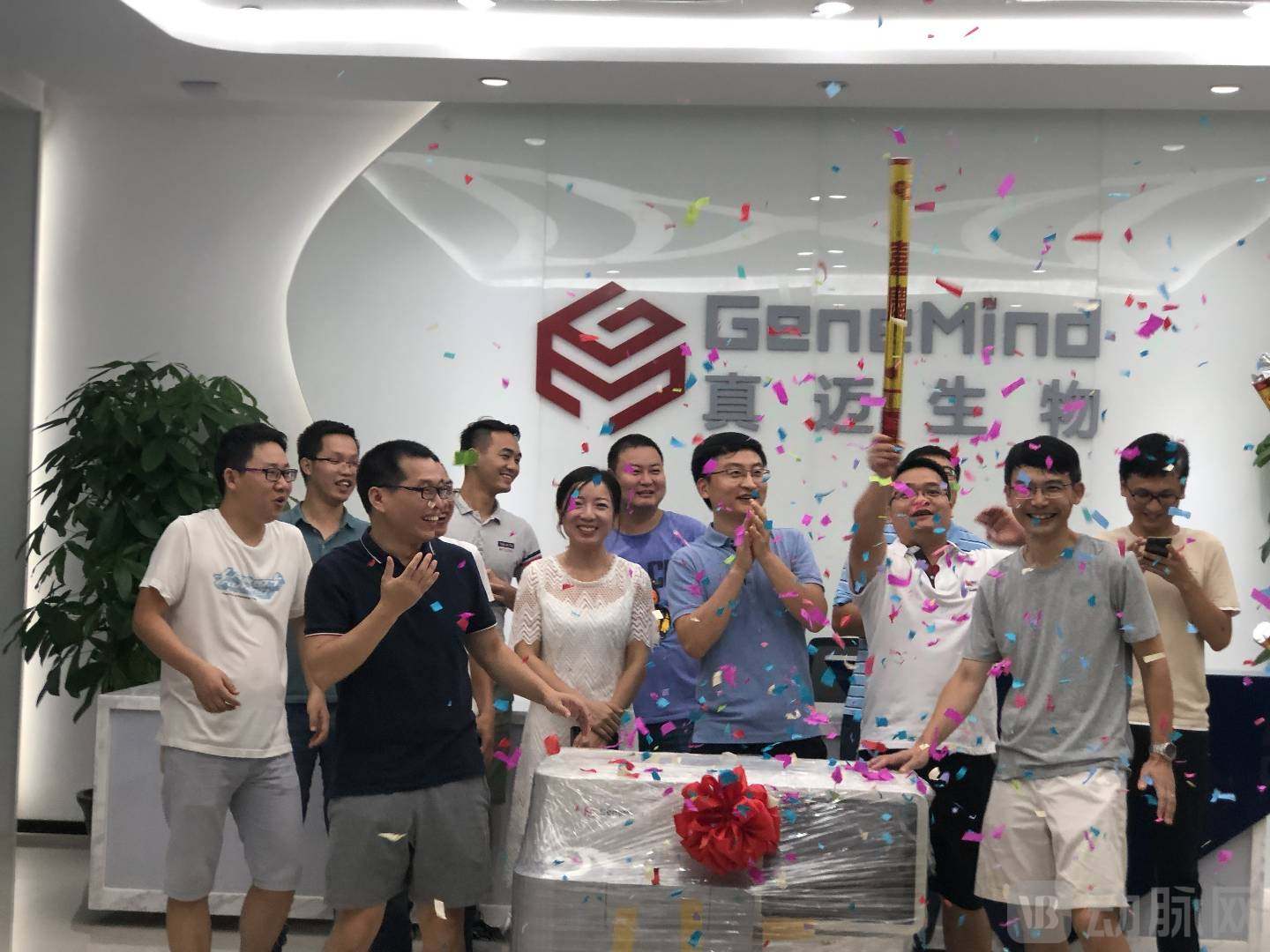
Genetron Health Delivers Its First Product to Customer
“Entrepreneurial growth drivers and trends differ between China and overseas,” said Zhou Guanqun. There is a significant gap in China’s high-end medical device market, which may offer greater advantages domestically than in Silicon Valley in the current century. “Both talent pools and supply chains are well developed,” he noted.
“Unwilling to ‘lie flat,’ China’s biopharmaceutical industry is developing rapidly, giving rise to new opportunities,” Zhu Mingfu replied in an interview. With the maturation of protein structure computation tools such as AlphaFold in recent years, conquering the challenge of rational design for protein therapeutics has gradually become feasible. He aims to leverage advanced computational design methods and high-throughput screening technologies to develop novel protein therapeutics, thereby expanding the frontiers of drug discovery and development.
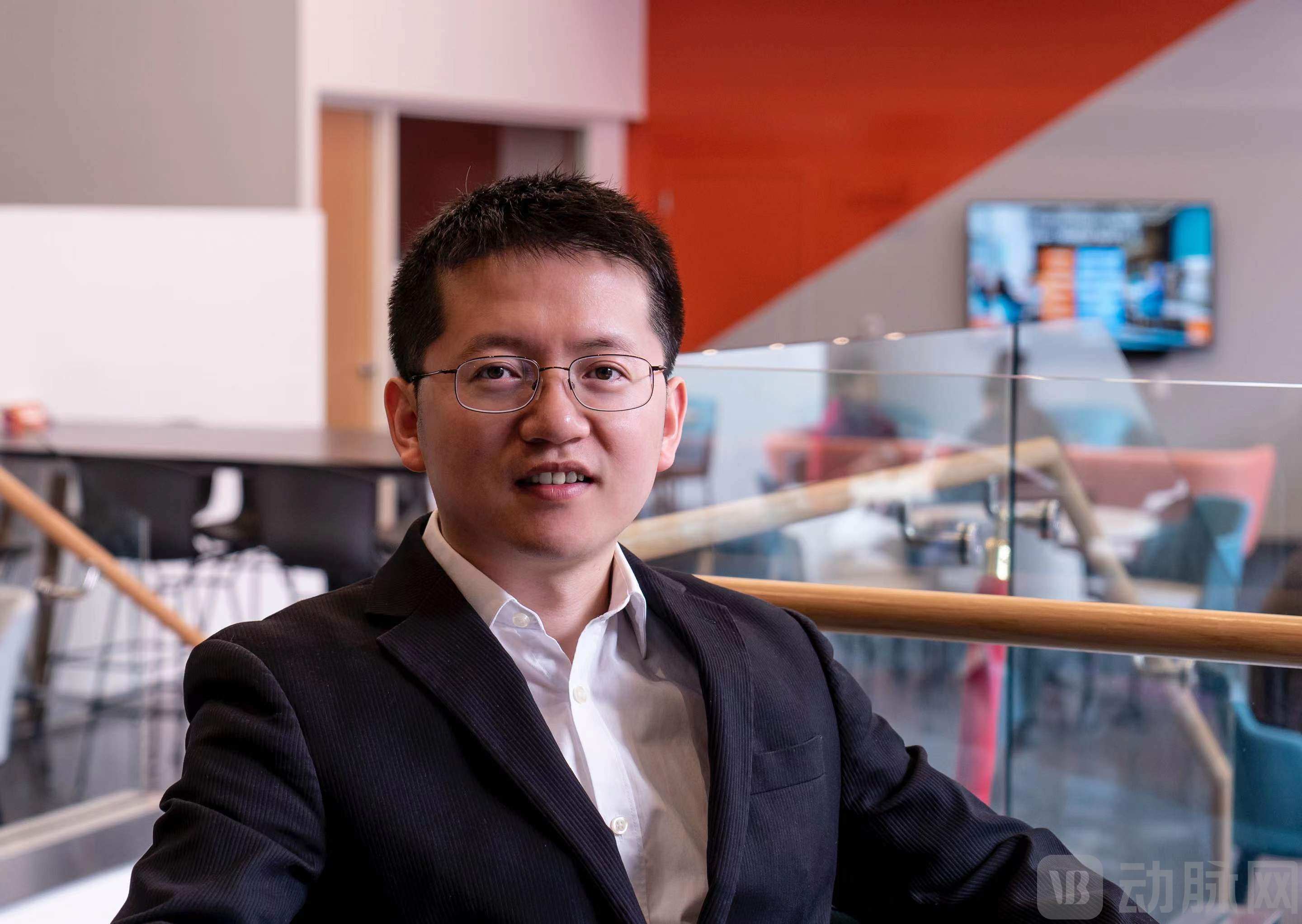
Since returning to China to start his own business, it has become a norm for Zhu Mingfu to travel back and forth between China and abroad.
Perhaps they went to Silicon Valley for different reasons, left for different reasons, and pursued different directions when starting businesses back in China. Yet they all shared the experience of going to Silicon Valley, leaving it, and finally settling down in China. Perhaps some cities in China are now perfectly accommodating their understanding of innovation, gradually becoming fertile ground for new innovations.
“Return, for the journey home is also a journey forward.”