

X Era Convergence and Innovation: 2022 World Healthcare Technology Summit Successfully Concludes
December 14–15, 2022, byVCBeat VB100, VCBeatHosted by2022 World Summit on Medical TechnologyConcluded successfully at the Shishan International Conference Center in Suzhou.
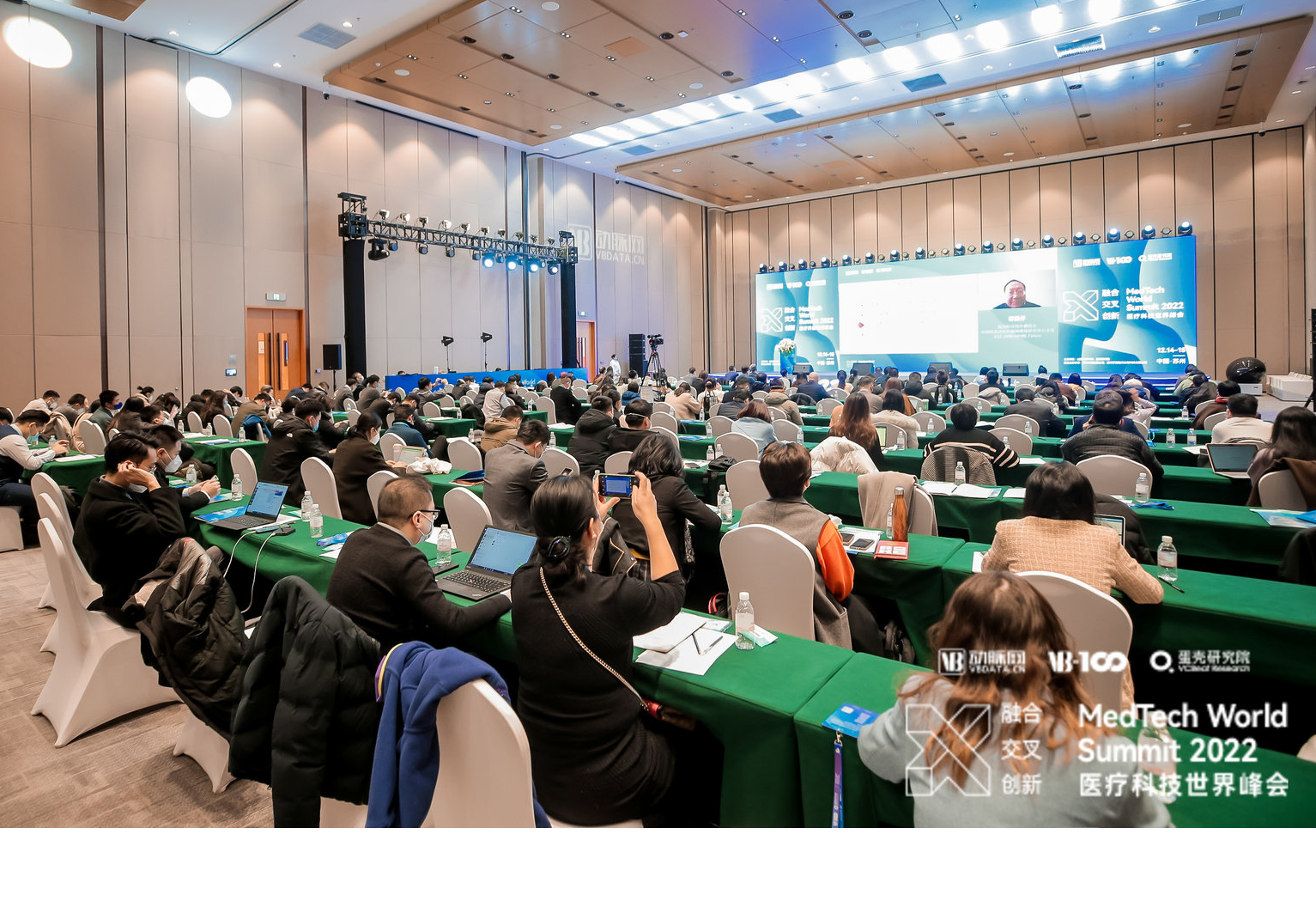
Focusing on the cross-disciplinary integration and innovation of the X Era, as well as the translation of scientific research achievements, the main theme of this conference is the future upgrade of healthcare and value reconstruction under the three major hard technologies. At the opening ceremony,Liu Huiguang, CEO of Danhuang TechnologyDelivering the opening address at the conference, he stated that the tipping point for medical innovation has arrived in ways and at a speed beyond imagination. Over the past eight years, VCBeat has accompanied more than 50 companies as they evolved from startups to publicly listed entities and graduated from the Future Healthcare 100 list. We have always been proud to have the opportunity to serve healthcare innovators worldwide and have consistently documented the industry’s transformation and innovations.
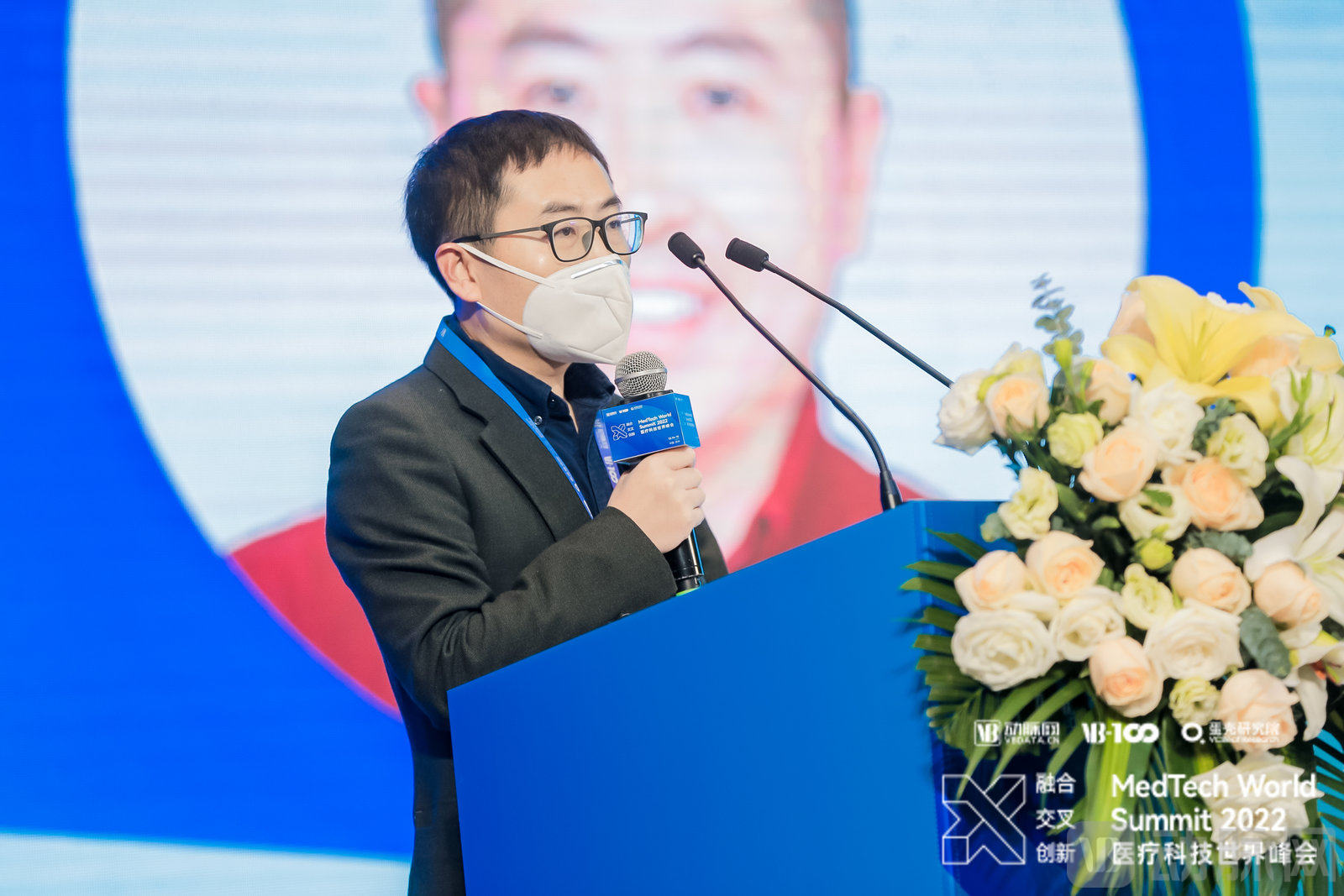
Liu Huiguang | CEO of Egg Yolk Technology
Collaborative Innovation Among Government, Industry, Academia, and Research: Focusing on the Frontier Development of Medical Technology
This conference has gathered numerous top-tier experts. On the morning of the 14th, in-depth discussions were held on topics such as regulatory approval and innovation trends in medical device policies, artificial intelligence in medical imaging, the integrated development of rehabilitation medicine and modern technology, innovative research and development of heart valves, and the application of molecular dynamics simulations in computer-aided drug design. Leading domestic and international experts attending the conference includeZhuang Songlin, Academician of the Chinese Academy of Engineering and Dean of the School of Optical-Electrical and Computer Engineering at the University of Shanghai for Science and Technology; Wang Baoting, Vice President of the China Association for Drug Regulatory Science and former Director of the Department of Medical Device Supervision under the former State Food and Drug Administration; Zhou Shaohua, Chair Professor at the University of Science and Technology of China and Member of the U.S. National Academy of Inventors; Jiang Tianzi, Foreign Member of Academia Europaea and Director of the Brain Network Group Research Center at the Institute of Automation, Chinese Academy of Sciences; Li Jian’an, International Fellow of the U.S. National Academy of Medicine; Lu Fanglin, Chief Physician in the Department of Cardiothoracic Surgery at Shanghai Changhai Hospital; Kenneth M. Merz Jr., Director of the High-Performance Computing Center and Joseph Zichis Endowed Chair Professor at Michigan State University。
Academician Zhuang SonglinThe opening session will explore “Applications of Optical Technologies in Medicine,” covering terahertz imaging and spectroscopy, quantum biological ATP photonics, glasses-free 3D clinical displays, lensless computational optical cellular microscopy, Raman spectrometers, microfluidic PCR instruments, non-invasive health parameter monitoring, and fully automated detection systems for SARS-CoV-2 and highly pathogenic pathogens.Mr. Wang BaotingThis paper summarizes China’s incentive policies and approval practices for innovative medical devices, and argues that efforts should focus on five key areas: the needs of hospitals and clinicians, the needs of patients and their families, research on major imported medical devices, collaboration with relevant research institutions and higher education institutions, and increased investment in research and development.Academician Zhou ShaohuaFrom an algorithmic perspective, he elucidated artificial intelligence in medical imaging. To address the challenge of “large tasks with limited data,” his team explored three approaches: “reducing the need for annotated data, building versatile general-purpose models, and integrating knowledge with learning.”Academician Liu Jian'anOn-site, we explored the relationship between the top 10 technological advancements of the 21st century and rehabilitation medicine, aiming to inspire boundless imagination and growth potential for future investment and development in the field.Director Lu FanglinFrom a physician’s perspective, he shared clinical insights on the innovative research and development of heart valve technologies. He emphasized that bionics in R&D is not mere imitation but entails transcendence; relying solely on surgical intervention techniques does not necessarily yield favorable outcomes. First-principles thinking is more critical. Products will continue to evolve alongside advancements in other technologies, and medical-engineering collaboration requires mutual inclusivity and compatibility.Dr.Kenneth M. Merz Jr.He shared the applications of molecular dynamics simulations in computer-aided drug design, asserting that free energy methods based on molecular dynamics are broadly applicable.
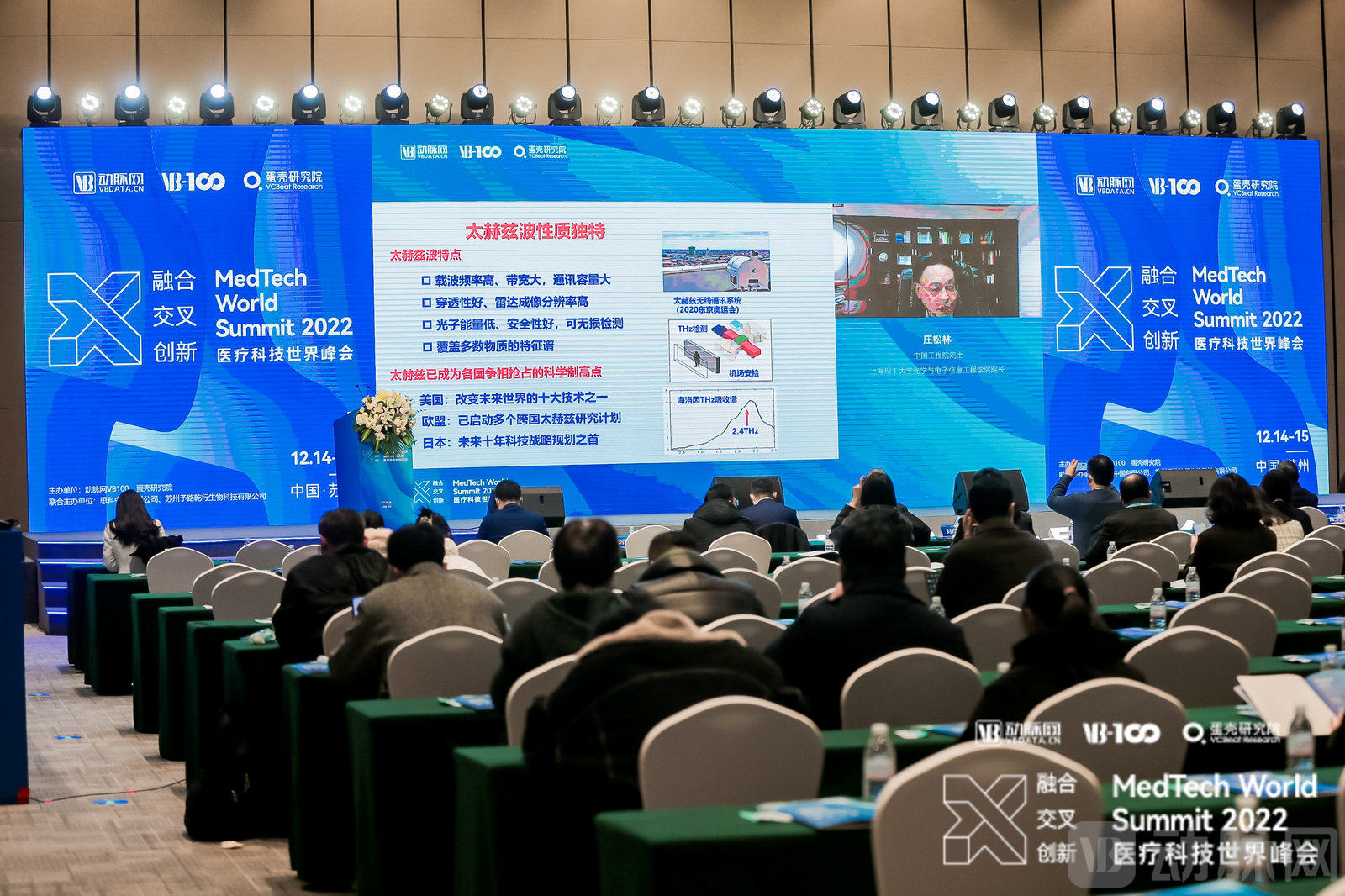
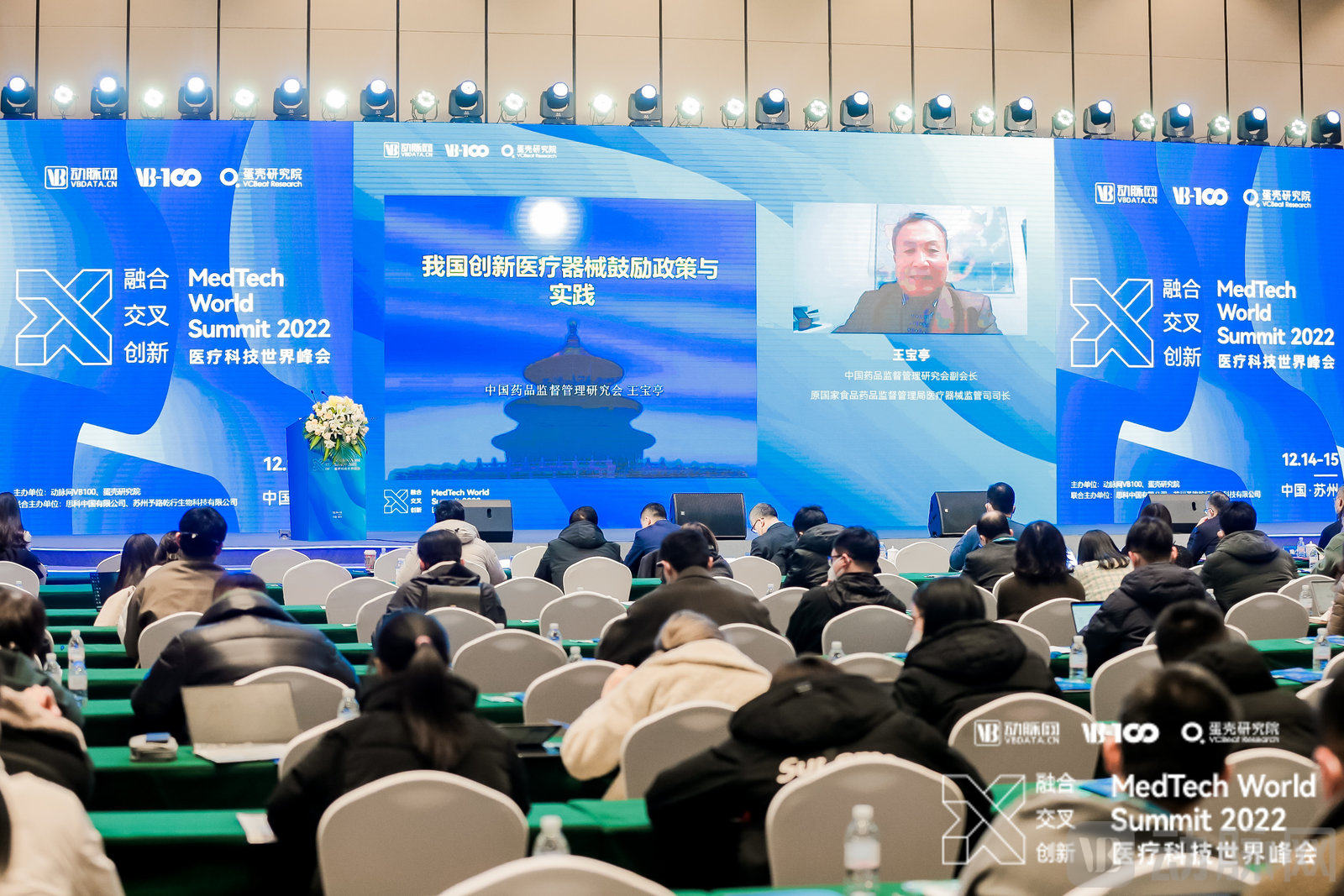
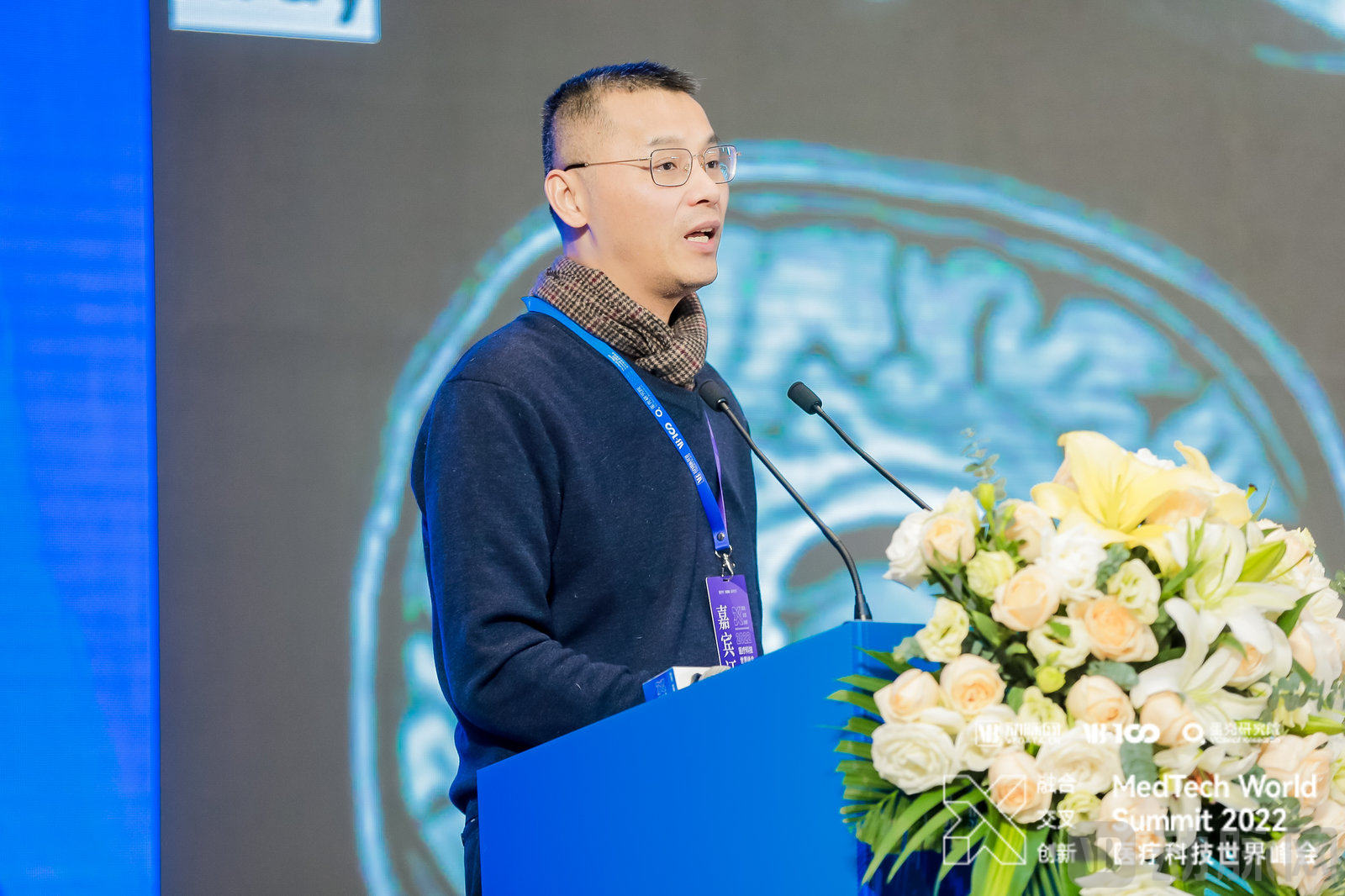
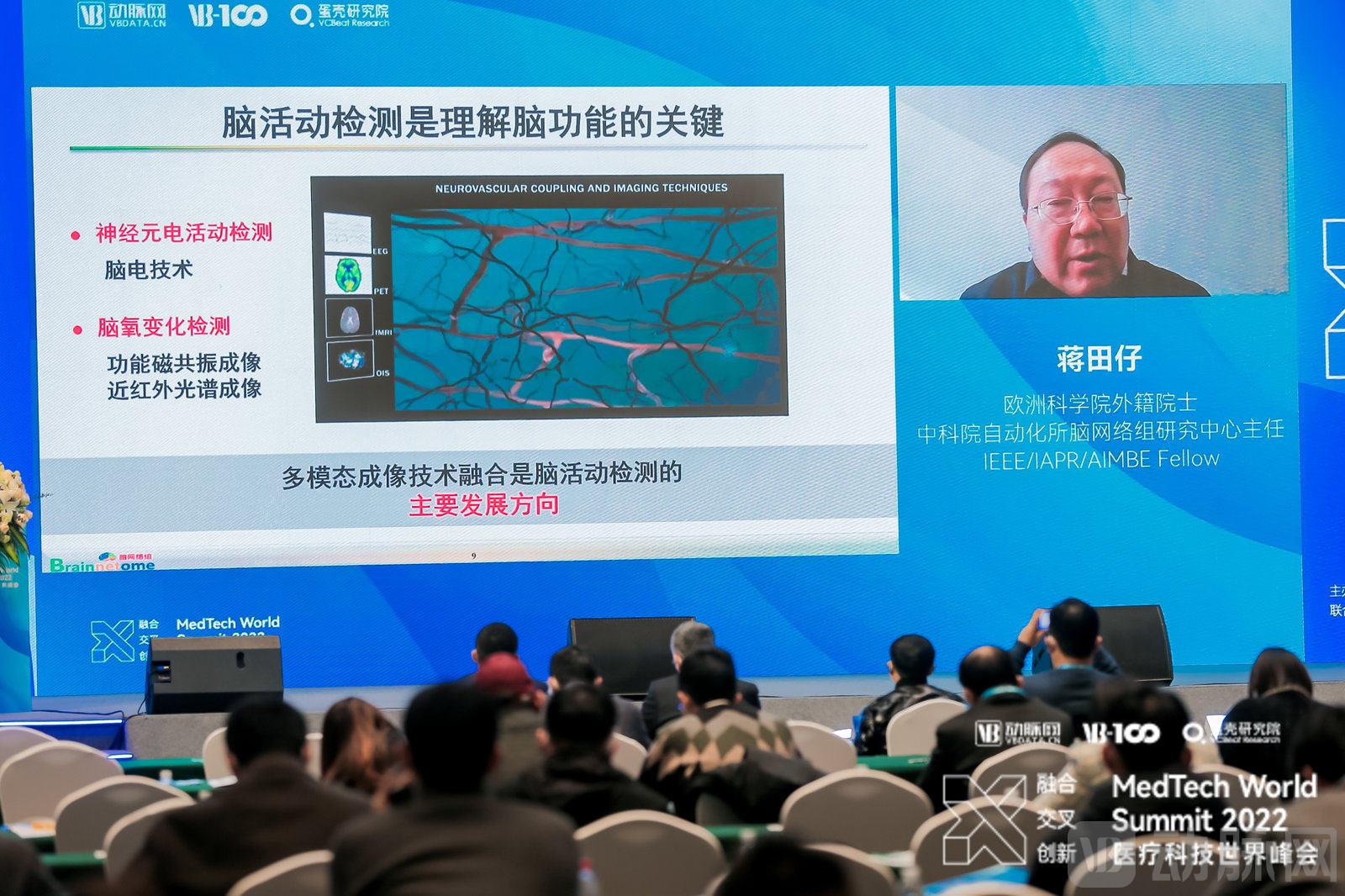
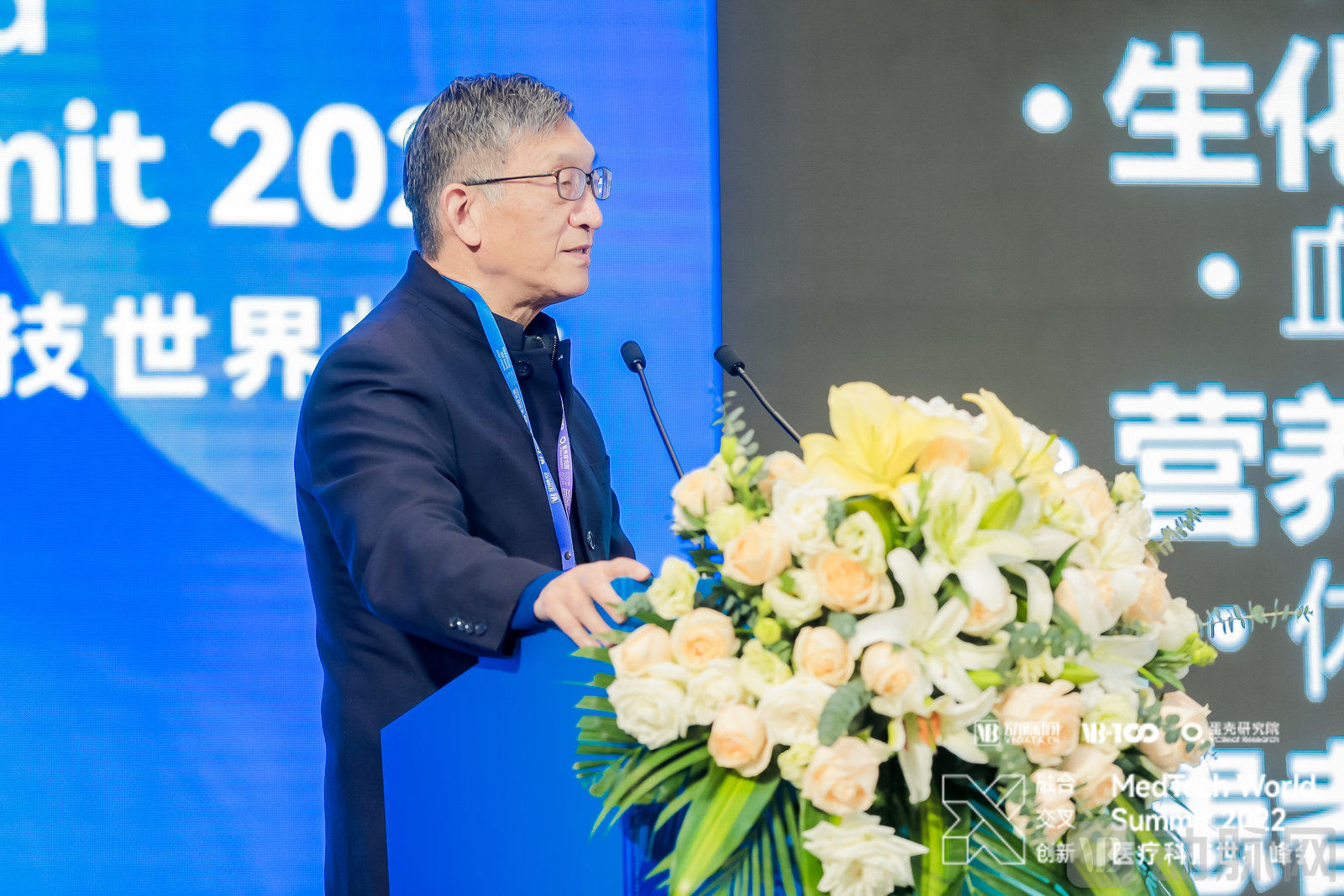
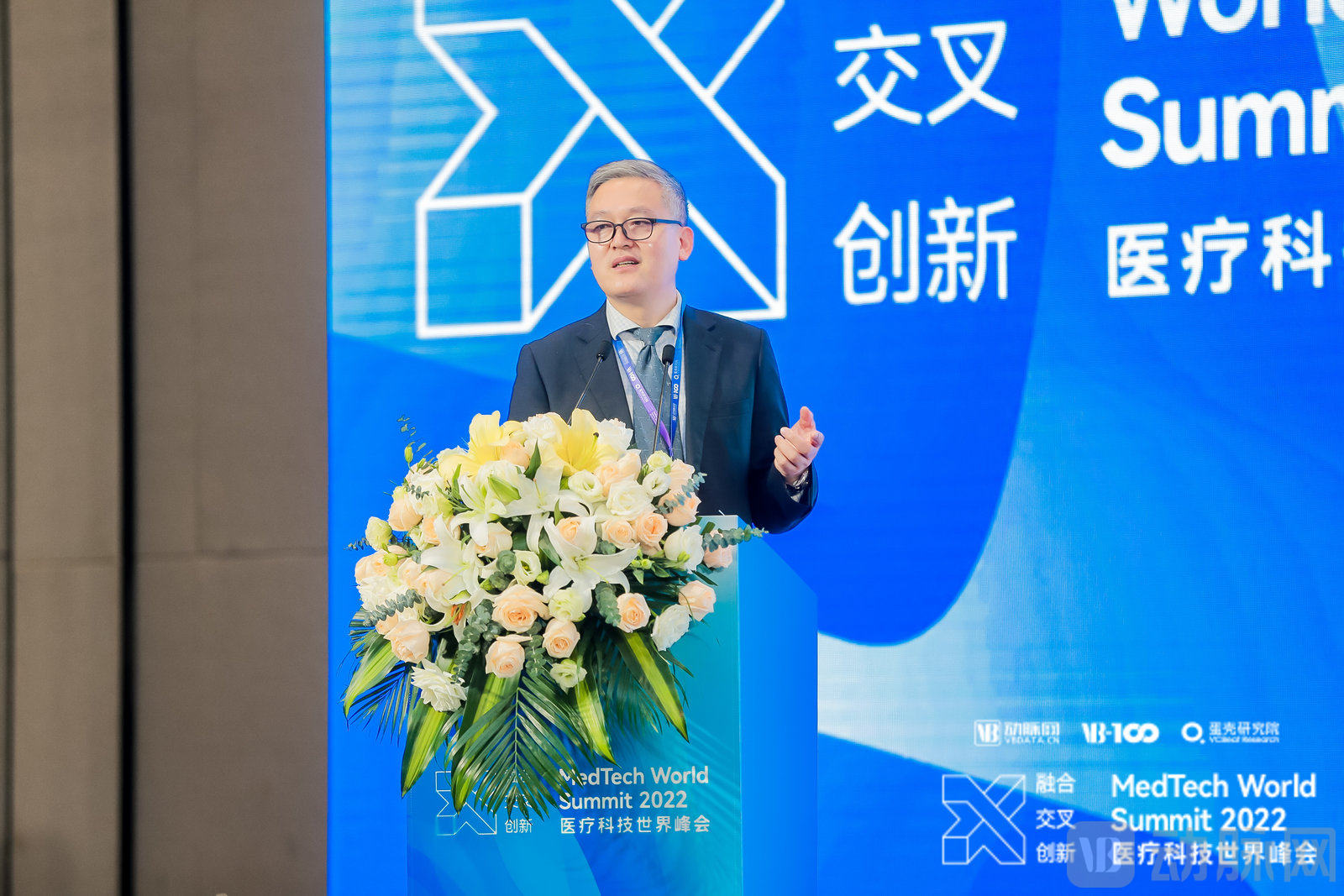
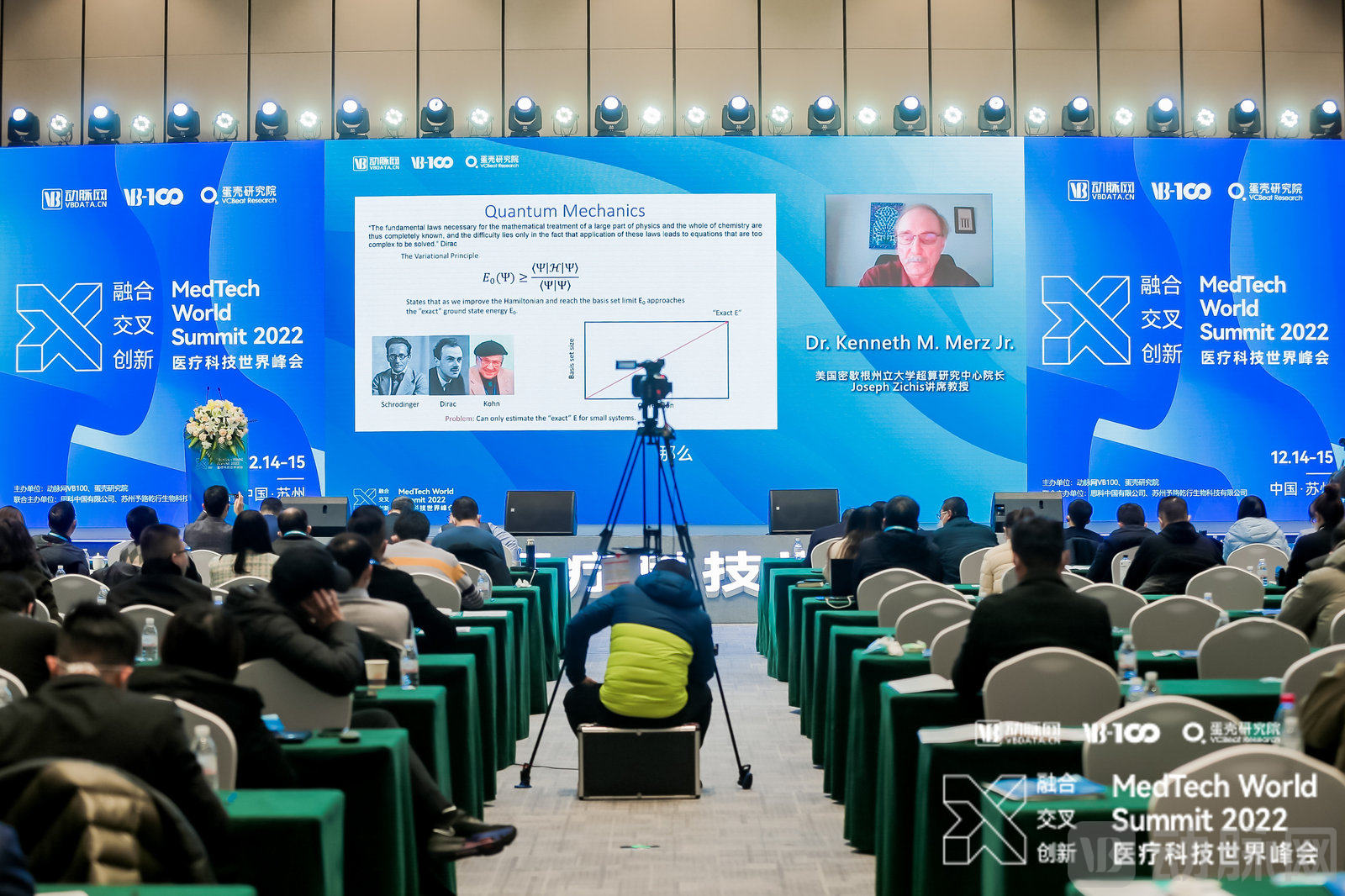
From left to right, top to bottom:Zhuang Songlin | Academician of the Chinese Academy of Engineering, Dean of the School of Optical-Electrical and Computer Engineering, University of Shanghai for Science and Technology;Wang Baoting | Vice President of the China Association for Drug Administration Research, Former Director of the Department of Medical Device Supervision and Administration of the State Food and Drug Administration; Zhou Shaohua | Chair Professor at the University of Science and Technology of China, Member of the U.S. National Academy of Inventors; Jiang Tianzi | Foreign Member of Academia Europaea, Director of the Brain Network Group Research Center at the Institute of Automation, Chinese Academy of Sciences, Fellow of IEEE/IAPR/AIMBE; Li Jian’an | International Member of the National Academy of Medicine; Lu Fanglin | Chief Physician of Cardiothoracic Surgery at Shanghai Changhai Hospital; Dr. Kenneth M. Merz Jr. | Director of the High Performance Computing Center at Michigan State University, Joseph Zichis Chair Professor
Technology Empowers the "Foundation" of Healthcare: Industry Chain Discusses a New Ecosystem
Currently, the market for translation and technological innovation in the medical field is experiencing a surge in enthusiasm. In recent years, amidst this wave of innovation and drastic changes, it has been inseparable from the collaborative efforts of various innovative elements such as research institutions, enterprises, hospitals, and capital. Within the value chain, how should each innovation entity break through? How can deep collaboration across the industry chain be achieved in the future to co-create a healthy new ecosystem for the sector?
This year marks the 30th anniversary of Microsoft's entry into China,Zhu Hujun, General Manager of the Health and Life Sciences Industry, China Enterprise Commercial Business Group, MicrosoftDrawing on his own experience, he shared how cloud computing empowers modern healthcare to achieve digital productivity, with Microsoft and its industry partners providing end-to-end digital capability building across the entire value chain of the pharmaceutical industry. The venture capital representative invited wasDu Fangyao, Investment Director at SDIC MerchantsandZhou Mi, Managing Partner at Puhua Capital。Du Fangyaostated that SDIC still aims to invest in products or technology platforms with innovative capabilities that can address current unmet clinical needs, with a particular focus on indications in oncology, metabolic disorders, and respiratory diseases, as well as key segments of the industrial chain involved in new drug development.Zhou MiIt is proposed that under the new healthcare infrastructure development, China’s medical device industry will maintain high prosperity. More importantly, against the backdrop of reforms in domestic medical device procurement and payment policies, products with genuine clinical value will be favored, leading to significant differentiation within the industry. From a long-term perspective, attention should be paid to layouts in internationalization, domestic production, new diagnostics and therapeutics, and new consumer healthcare.
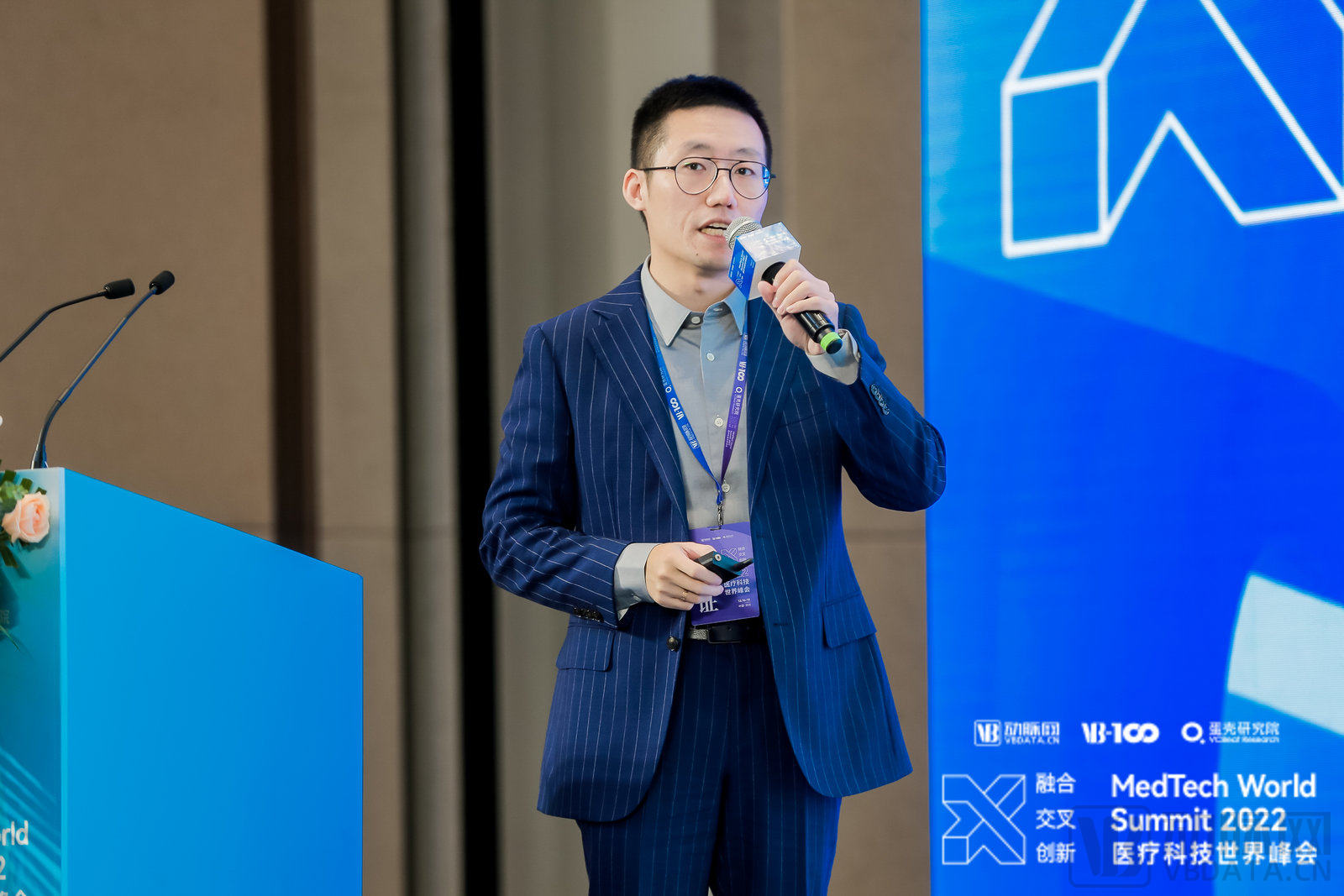
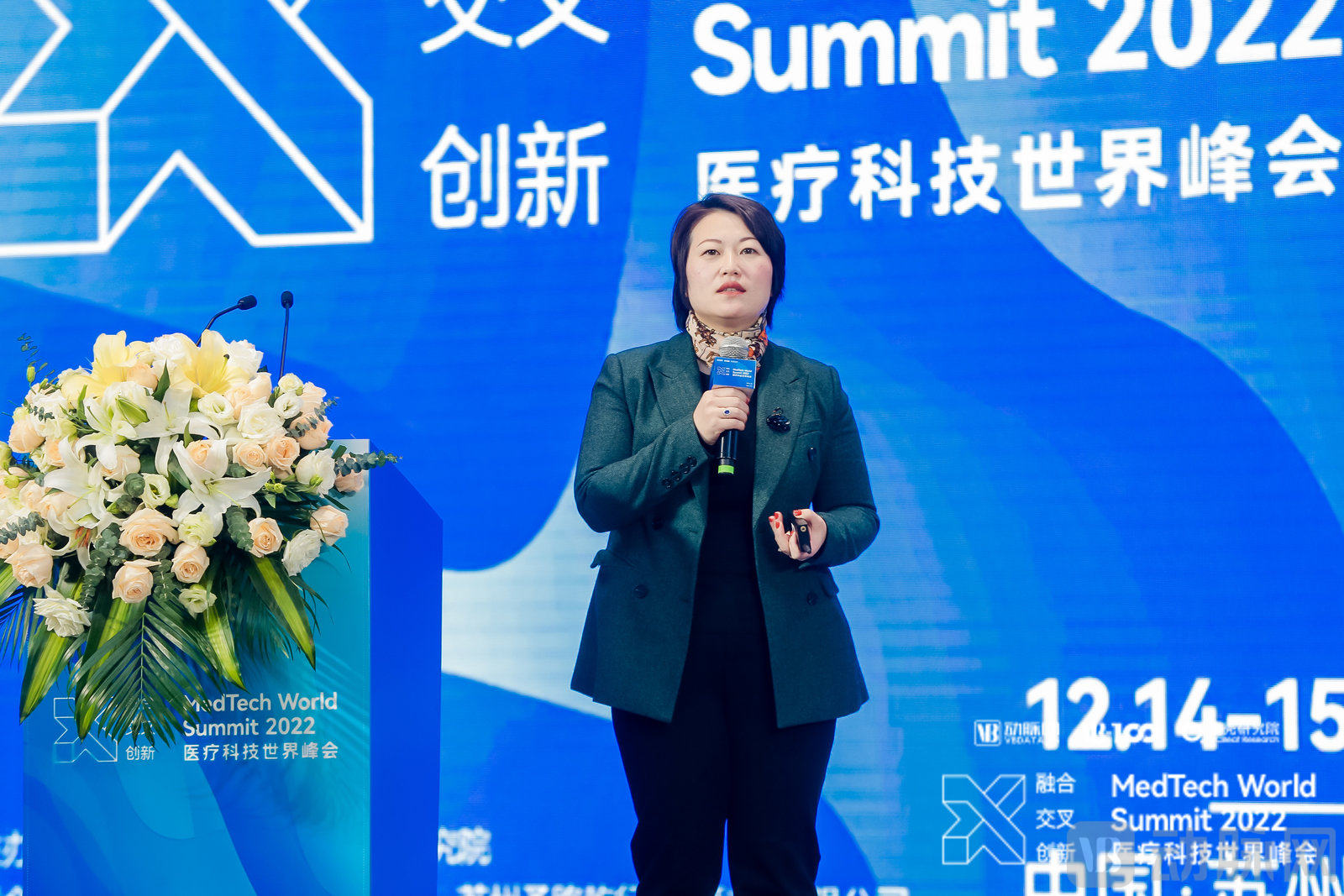
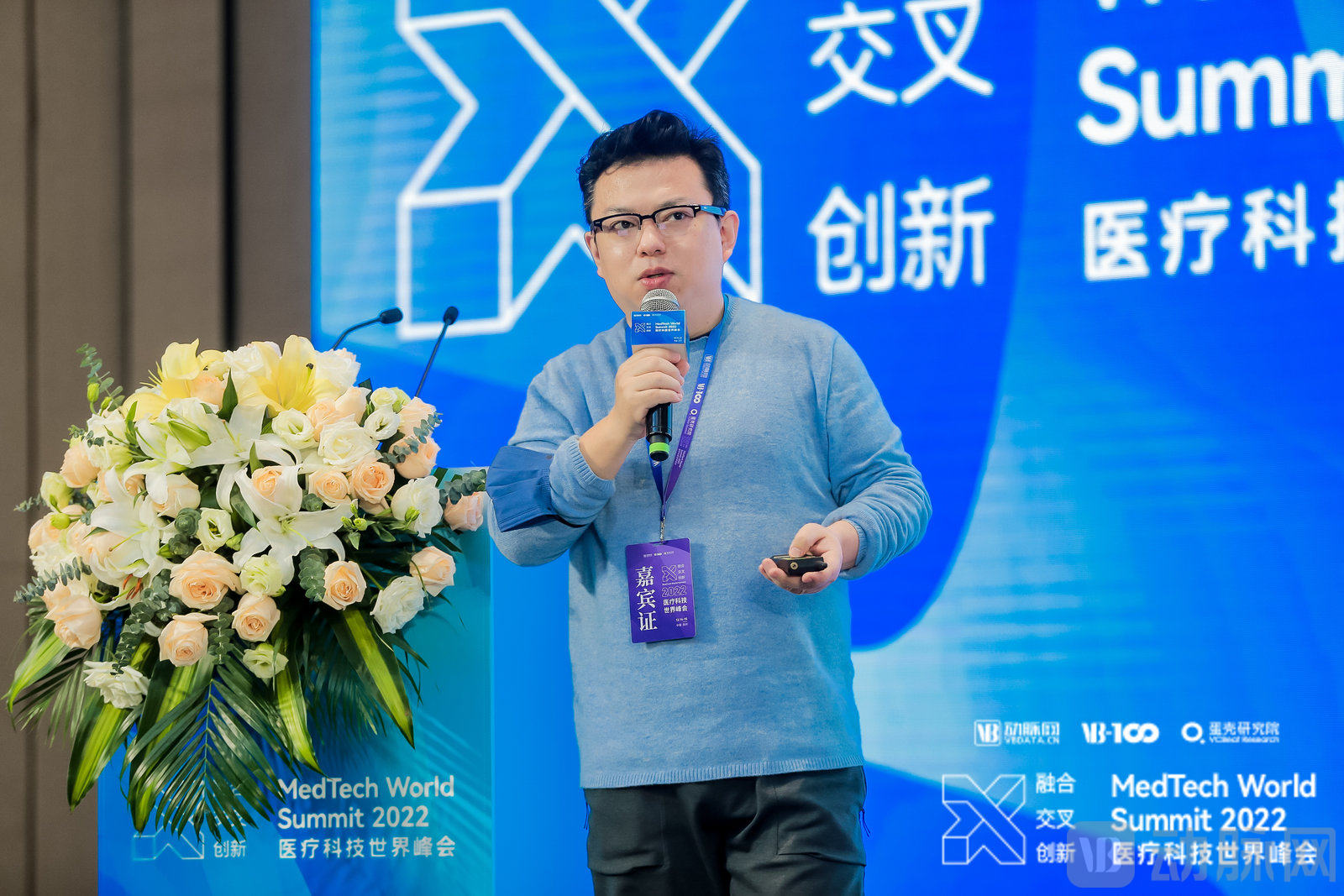
From left to right: Du Fangyao | Investment Director, SDIC Merchants; Zhu Hujun | General Manager, Health and Life Sciences Industry, Microsoft China Enterprise Commercial Business Group;Zhou Mi | Managing Partner, Puhua Capital
Leverage Innovative Resource Advantages to Deeply Explore Projects for the Commercialization of Scientific Research Achievements
To gain a deeper understanding of the current status of translating scientific and technological innovations into practical outcomes in Chinese hospitals, and to summarize and promote advanced experiences in this area, Yulisheng Biotech, in collaboration with VCBeat VB100, Chuangrui Investment, and the Preparatory Committee of the Top 100 Forum on Management of Medical Scientific and Technological Achievement Translation (T100 Forum), jointly launched《Ranking of Medical Technology Transfer Achievements (Medical Institutions Category)》with the aim of providing reference support for the innovative development of hospitals across China. At this grand event for medical technology innovation, the initiators of the ranking officially released the "Ranking of Medical Technology Achievement Transformation (Medical Institutions Category)" at the opening ceremony of the summit on December 14.Meng Xiangbin, General Manager of Beijing Yulisheng Intellectual Property Agency Co., Ltd.; Liu Huiguang, CEO of Danhuang Technology; and Tang Haofu, Chairman of Chuangrui Investment Group and General Manager of Chongqing Dianshi Chuangjian FundAttend the ranking launch ceremony to jointly unveil and release the list.
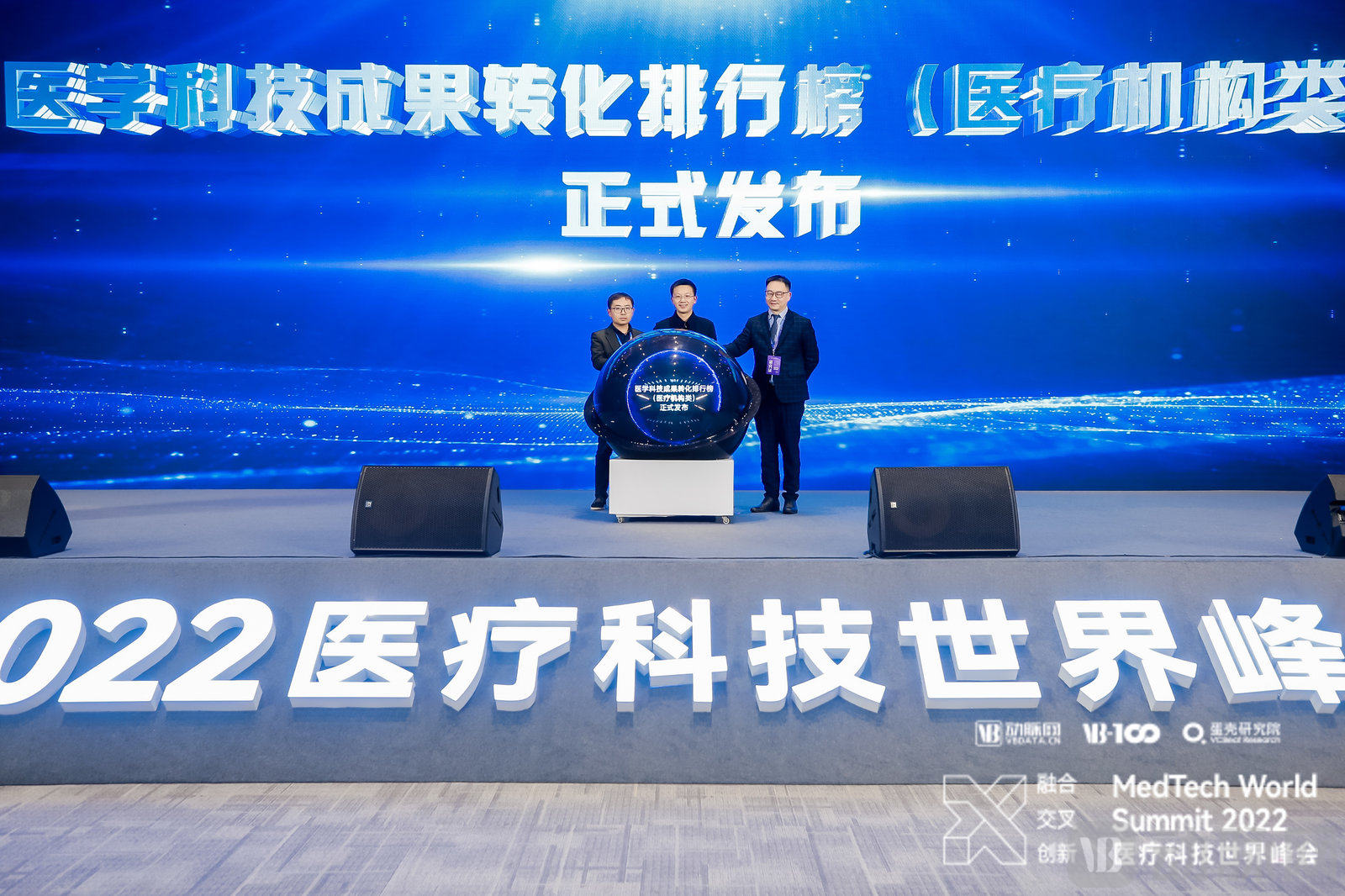
Ranking of Medical Technology Achievements Transformation (Medical Institutions) Launch Ceremony
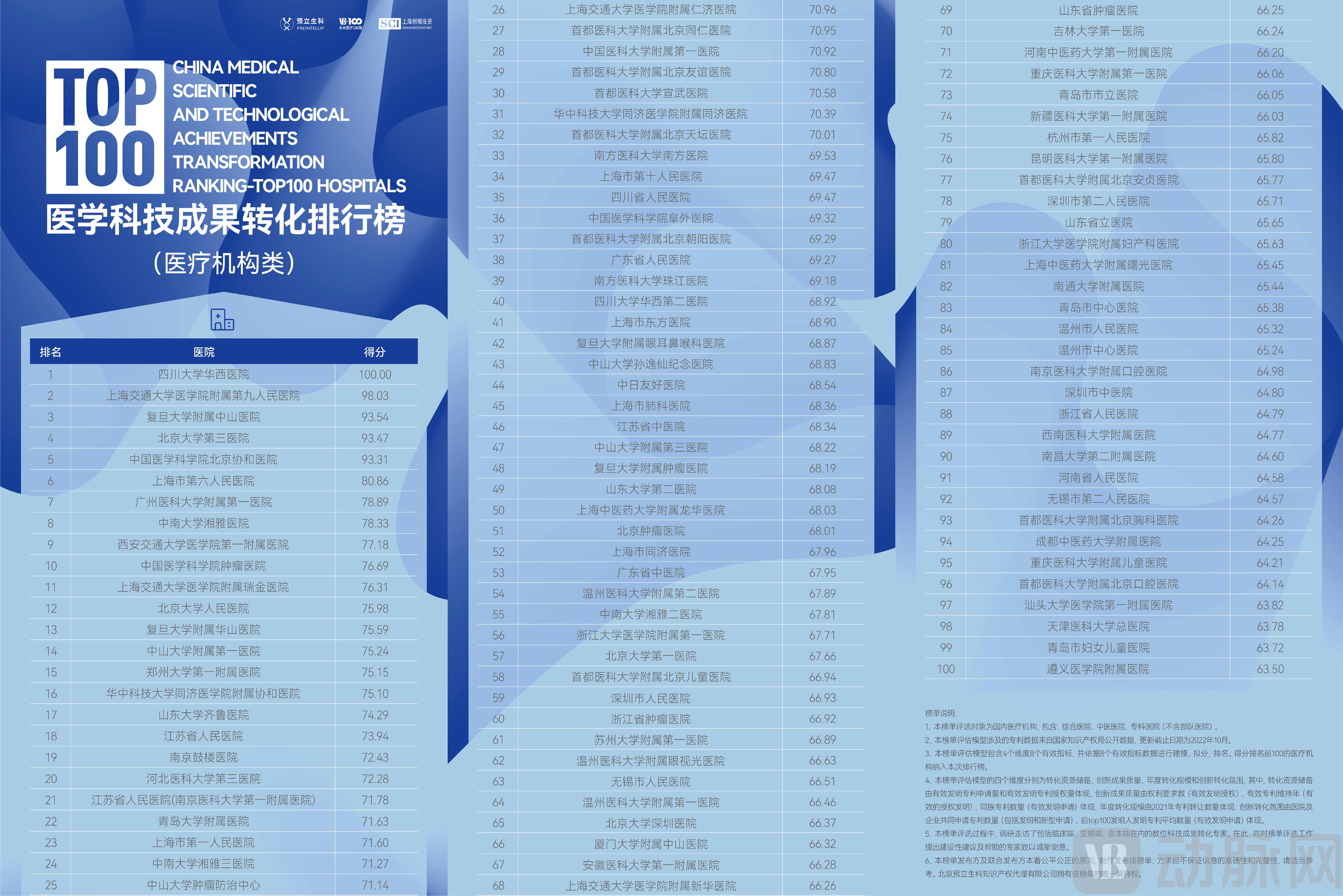
Ranking of Medical Technology Transfer and Commercialization (Medical Institutions)

(Scan the QR code to view ranking details)
The “Scientists × Innovators” session on the afternoon of the 14th, serving as an excellent platform for the integration of capital and projects, began withMr. Sun Xiaolu, Founding Partner of Proxima VenturesSpeech,Proxima Ventures upholds the principle of “innovation without compromise,” breaking through existing scientific and technological boundaries to transform clinical research. It dedicates all its energy, time, and expertise to these breakthroughs in order to treat the most challenging diseases. To date, it has supported more than 50 first-in-class products globally, with nearly two-thirds of its portfolio companies having first-in-class products.
Next isFive outstanding project companies presented their innovations, covering cutting-edge technological advancements such as novel human organ-on-a-chip systems, kinetics- and AI-driven new drug molecule discovery, integrated solutions for severe coronary heart disease, and innovations in interventional medical devices.Chen Zaozao, Deputy General Manager of Jiangsu Aiweide Biotechnology Co., Ltd.At this conference, the team presented its translational scientific achievements and technological advancements in human organ-on-a-chip technology, including: proposing a chip fabrication strategy based on two-photon polymerization; proposing and realizing the concept of controlling hydrophilic/hydrophobic surfaces via microstructures; inventing a photonic crystal cellular force microscope; proposing six analytical indicators for tumor assessment in organ-on-a-chip systems; and establishing the manufacturing process for extracellular matrix materials.Liu Hao, CSO of Luqianxing BiotechnologyIntroduction: Yu Lu Qian Xing is a new drug molecule discovery foundry based on Dynamics-Based Drug Discovery (DBDD). Compared with other companies, it adopts multi-scale dynamics models to address more complex conformational change processes, while balancing computational speed and accuracy, thereby better meeting the needs of innovative drug development in a commercial environment.Wang Junqi, Founder and Chairman of Jingzhi Future, Doctoral Supervisor at the Beijing-Tianjin-Hebei National Technology Innovation CenterAlso delivered a keynote speech, Jingzhi Future creatively integrated Micro-Electro-Mechanical Systems (MEMS), microfluidics, and Artificial Intelligence (AI). Based on the theory of breath metabolomics, it developed the world’s first ultra-sensitive, high-resolution, intelligent point-of-care testing (POCT) breath molecular analysis chromatograph. By analyzing volatile organic compound (VOC) metabolic molecules in exhaled breath, it provides non-invasive and convenient diagnostic services and health management services for early cancer screening, rapid disease diagnosis, and home monitoring of chronic diseases.AtZhang Shuyan, CEO of Heqing Hechuang Medical TechnologyThrough the sharing session, the on-site audience gained insights into the progress and breakthroughs of China’s first, internationally leading ultrasound-guided interventional thrombolysis technology platform with fully independent intellectual property rights. Adhering to the philosophy of innovation-driven development, the company is leveraging its proprietary core technologies to establish itself as a renowned enterprise in the field of interventional medical devices.Yuewei Medical is composed of, includingCo-founder and CEO, Yu WenyuanCo-founded by a cardiac surgery team from a top-tier (Grade 3A) hospital and senior technical executives from the medical device industry, the company is dedicated to developing innovative medical devices and consumables for the entire diagnosis and treatment workflow of coronary heart disease. It aims to address technical challenges in both interventional and surgical management of coronary artery disease through original devices, aligning with the evolving trends in coronary surgery.
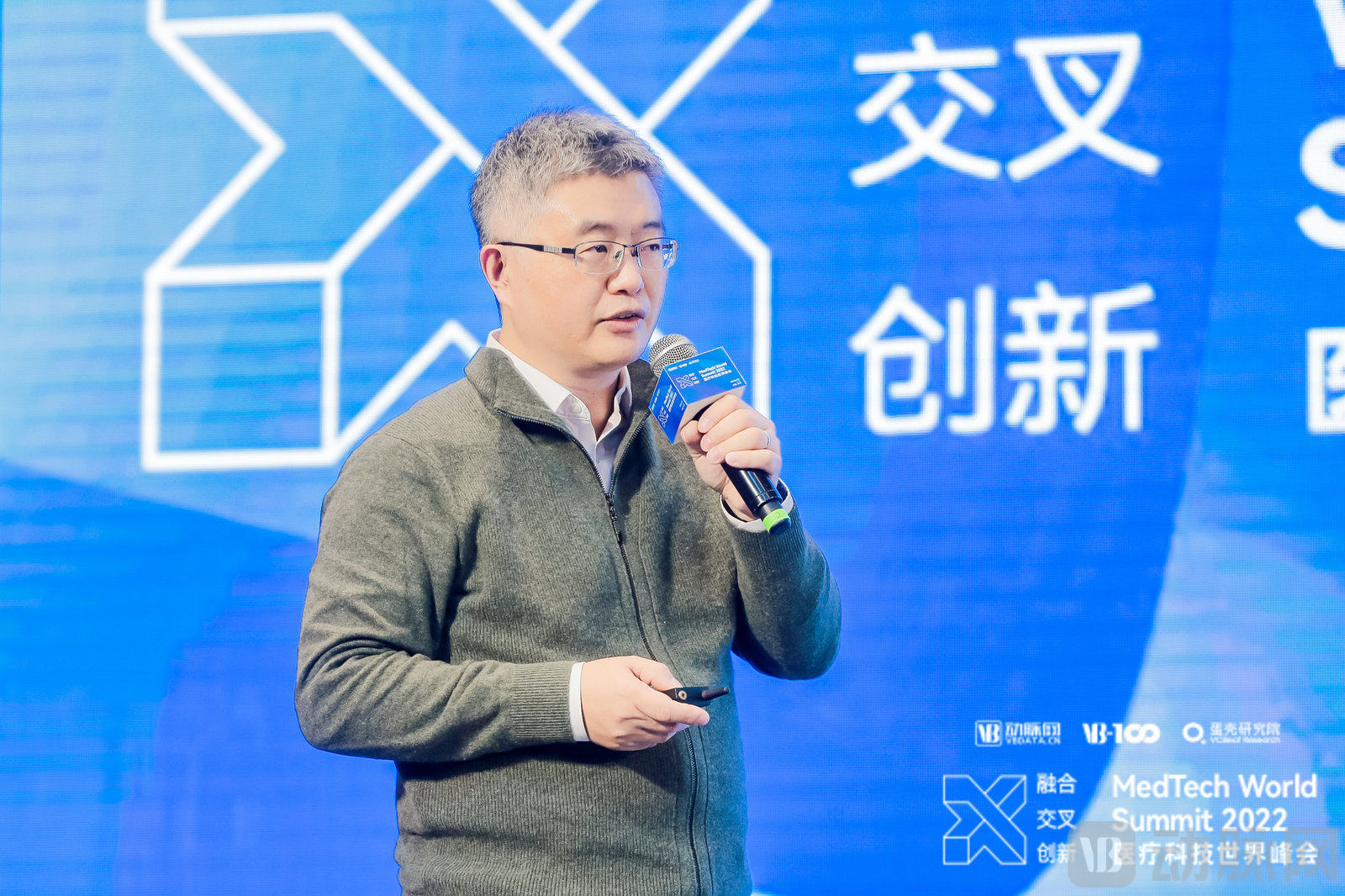
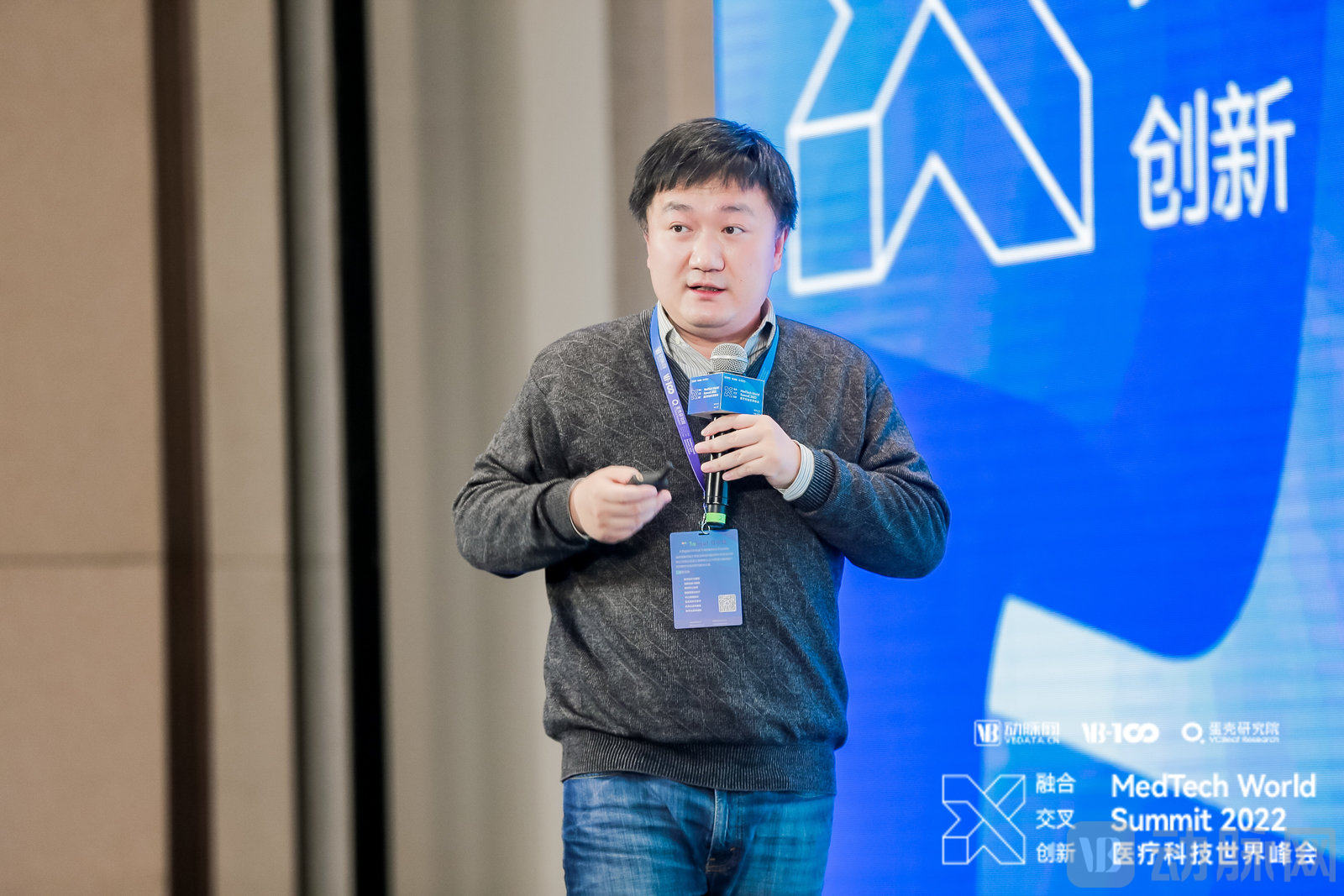
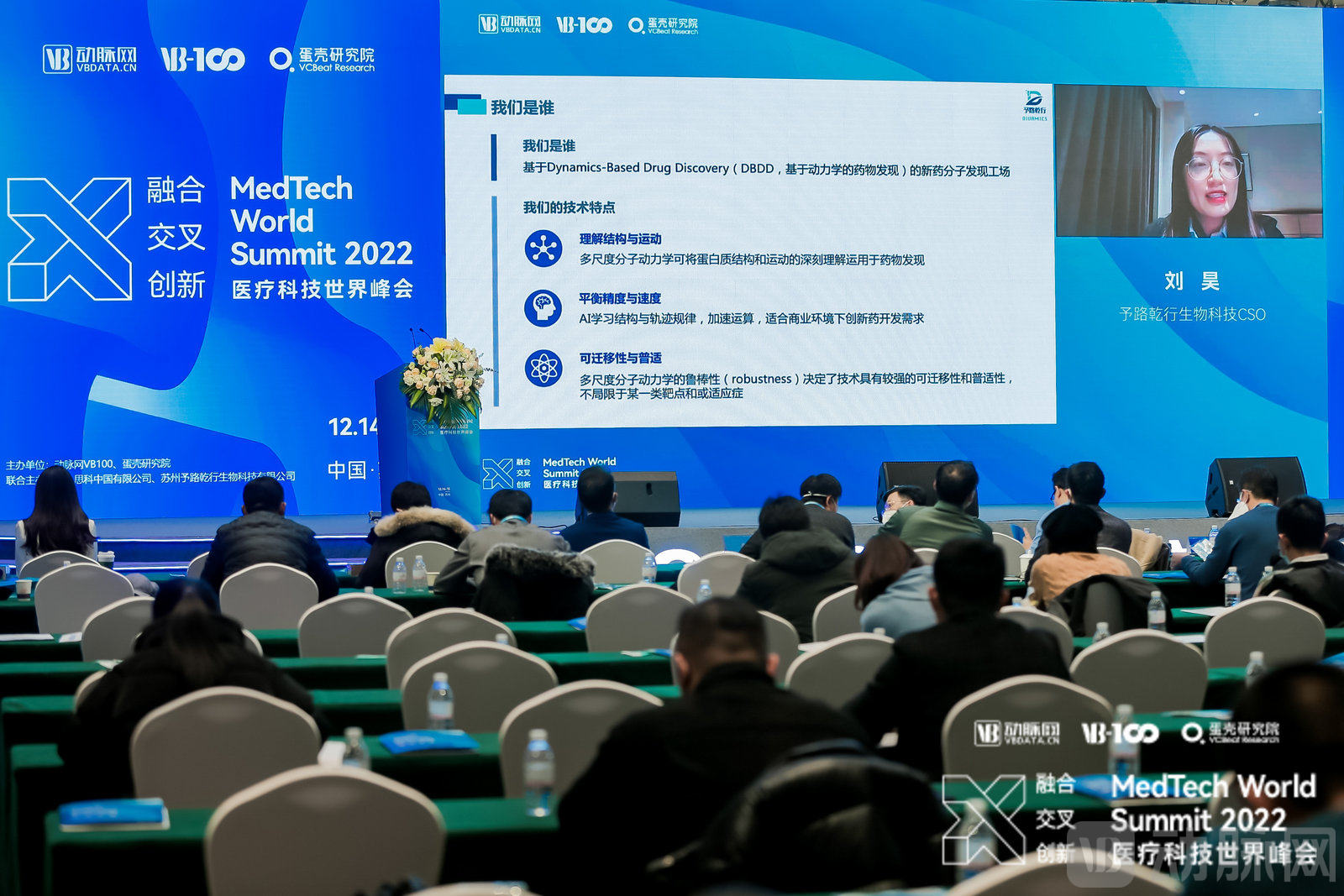
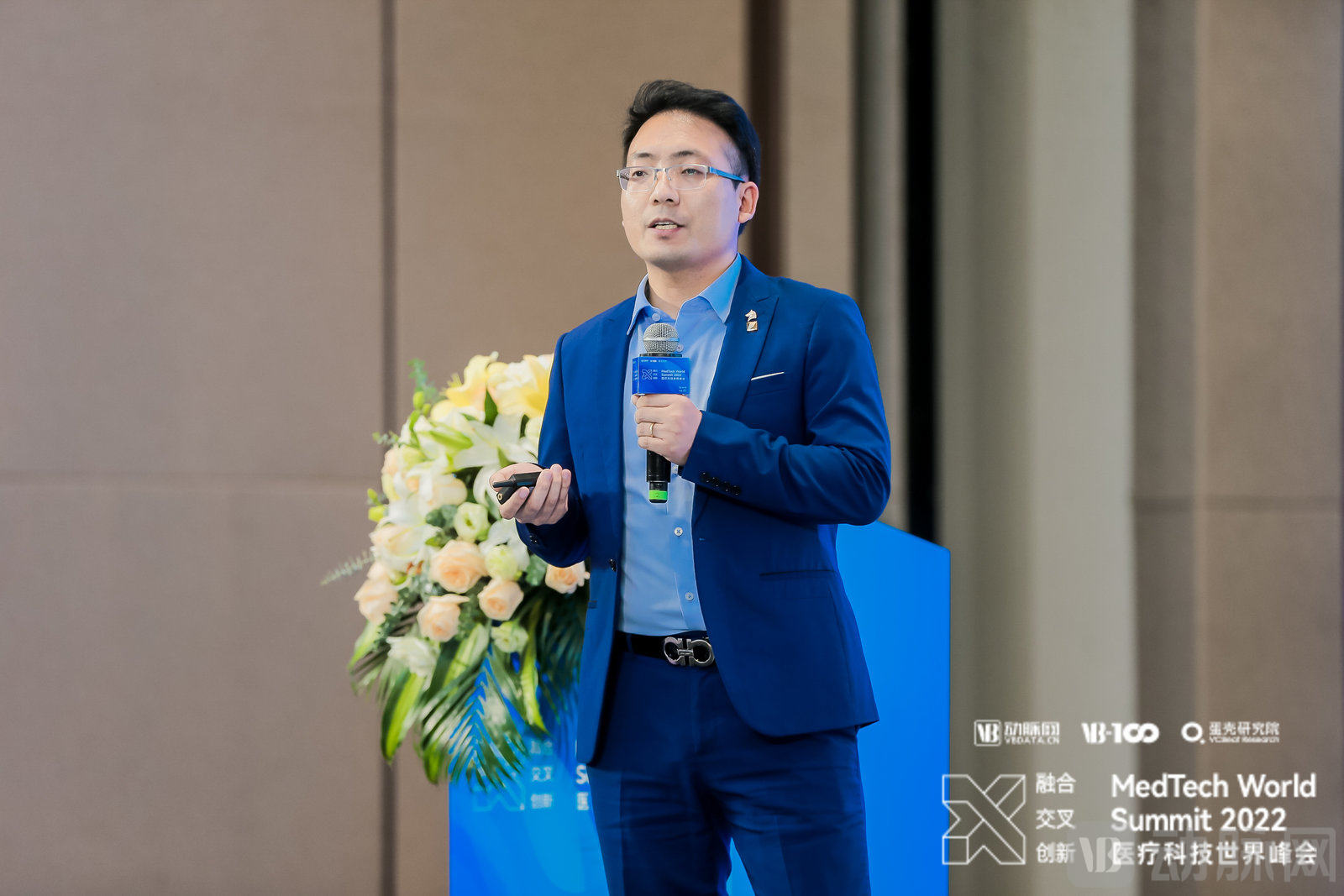
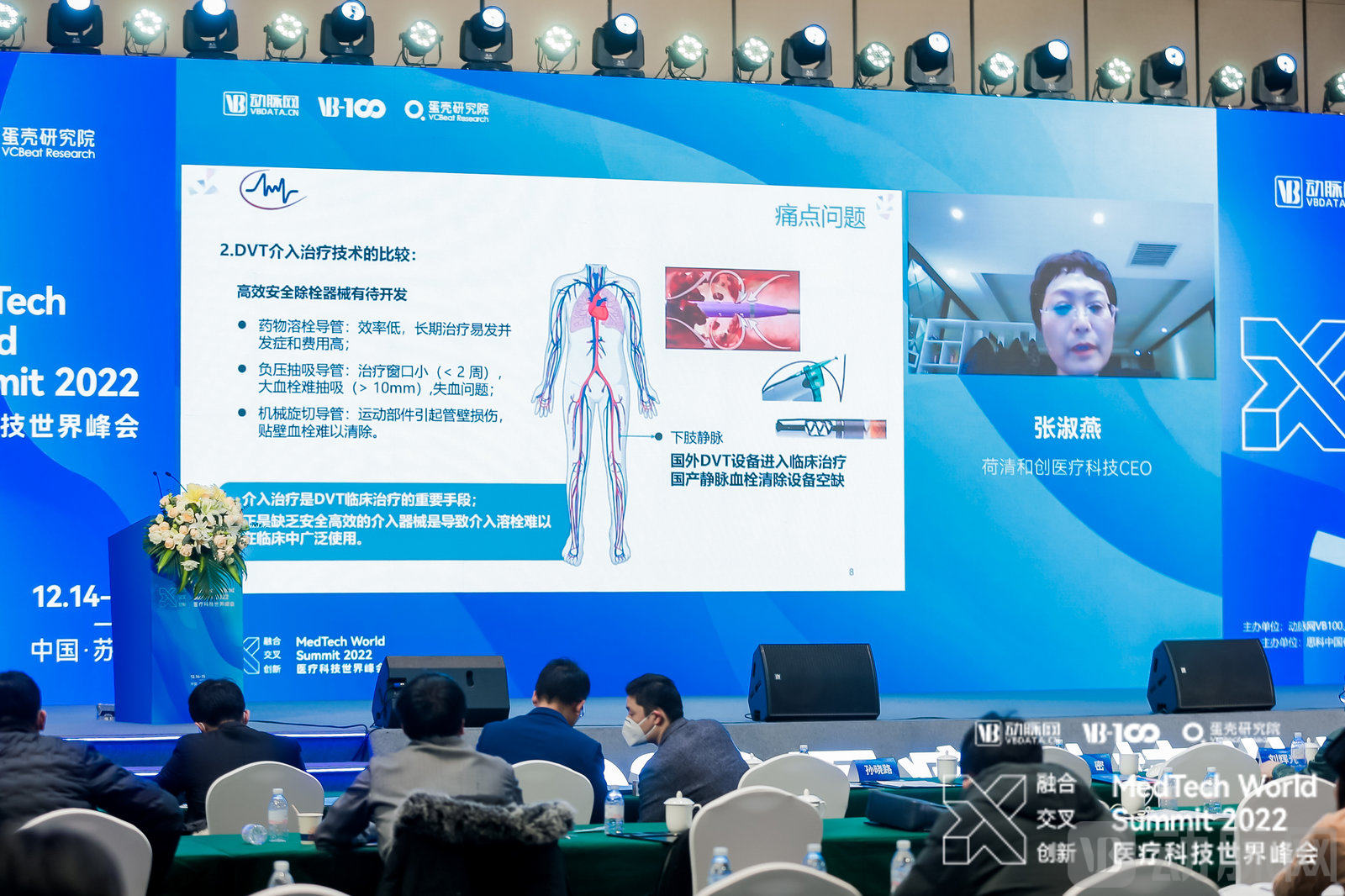
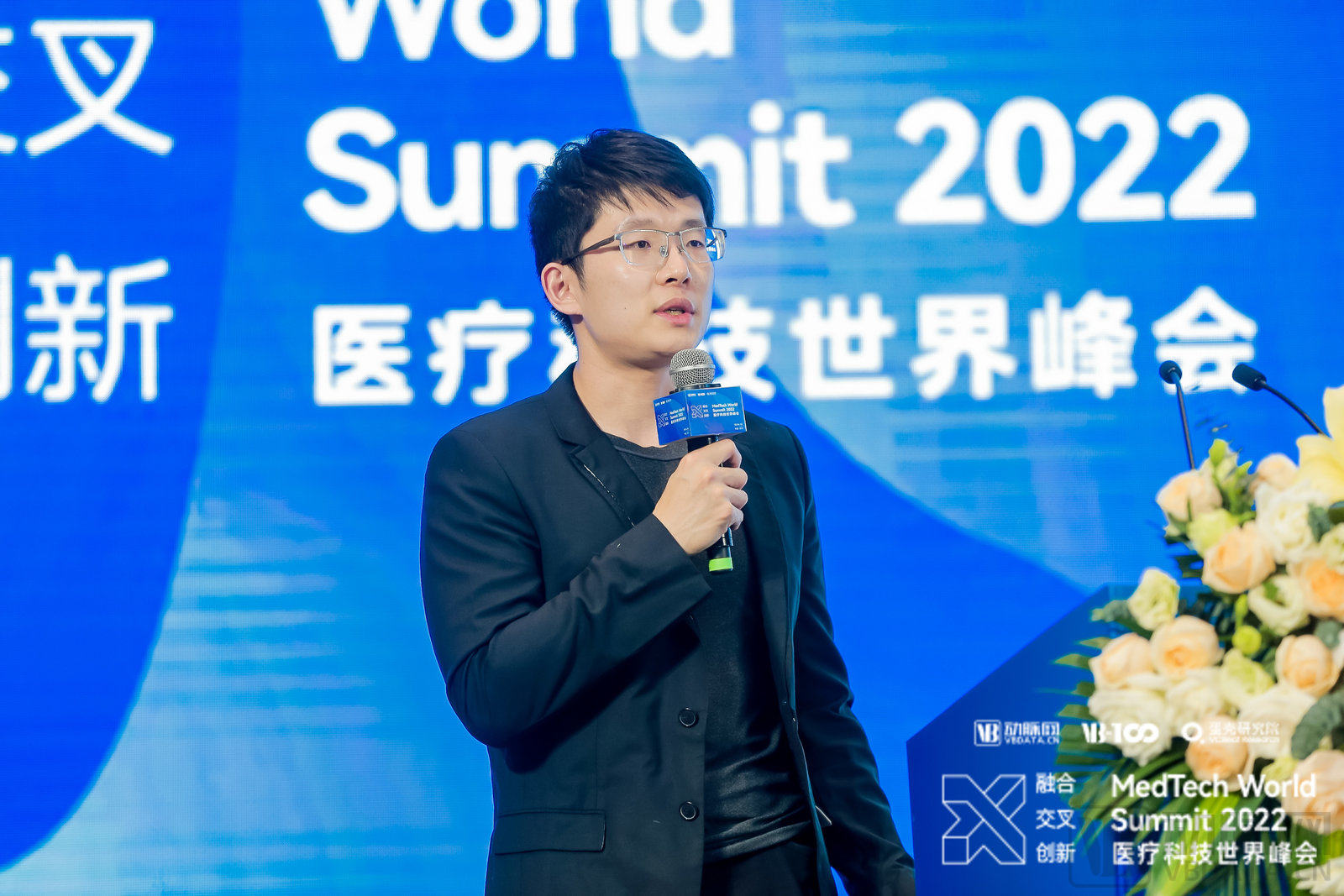
From left to right, top to bottom:Sun Xiaolu | Founding Partner, Proxima Ventures;Chen Zaizao | Deputy General Manager, Jiangsu Aiweide Biotechnology Co., Ltd.; Liu Hao | CSO, Yulu Qianxing Biotechnology; Wang Junqi | Founder and Chairman, Jingzhi Future; Doctoral Supervisor, Beijing-Tianjin-Hebei National Technology Innovation Center; Zhang Shuyan | CEO, Heqing Hechuang Medical Technology; Yu Wenyuan | Co-founder and CEO, Yuewei Medical
Exploring the Deep Integration of Technology and Healthcare: Focusing on Innovative Applications of Three Major Hard Technologies
“The Era of ‘Healthcare+’ Has Arrived”: Global technological innovation enters a vibrant phase, with the scientific and technological revolution accelerating toward deep integration with healthcare. The conference on the 15th centered on the innovative applications of three major technologies, seeking opportunities at this historical juncture. To explore the profound convergence of science and medicine, it is essential to analyze more cutting-edge innovative practices in medical technology and uncover more innovative healthcare tech solutions.
VCBeat VB100 and VCBeat Research Institute launched in September 2022, targeting healthcare companies across all sectors and stages of growth.“VB-Find Award: Top 100 Most Innovative Medical Technology Products (Solutions) of 2022”Call for Submissions, fromBiotechnology, Intelligent Manufacturing and New Materials Technology, Digital and Information TechnologyFocusing on three major technology clusters, we seek the most innovative medical technology products (solutions), aiming to identify innovative cases that demonstrate technological advancement, meet clinical needs, and exhibit outstanding industry demonstration effects. This initiative aims to build a platform for showcasing frontier research and application achievements in medical technology, empowering the brand growth of medtech enterprises. Meanwhile, it provides an in-depth analysis of the current development status of China’s medical technology industry and explores future innovation paradigms.
“VB-Find AwardFind” symbolizes the journey of discovery and exploration in the field of life and health, and also refers to innovative products that have been discovered and are driving modern medical transformation. At this grand event for medical technology innovation, the awards committee officially released the “VB-Find Award: Top 100 Most Innovative Medical Technology Products (Solutions) of 2022” at the summit venue on December 15.Liu Huiguang, CEO of Danhuang Technology; He Sidu, Managing Director of Danshi Capital; Wang Guanglong, General Manager of VB100Present awards to representatives of the winning enterprises and take a group photo.
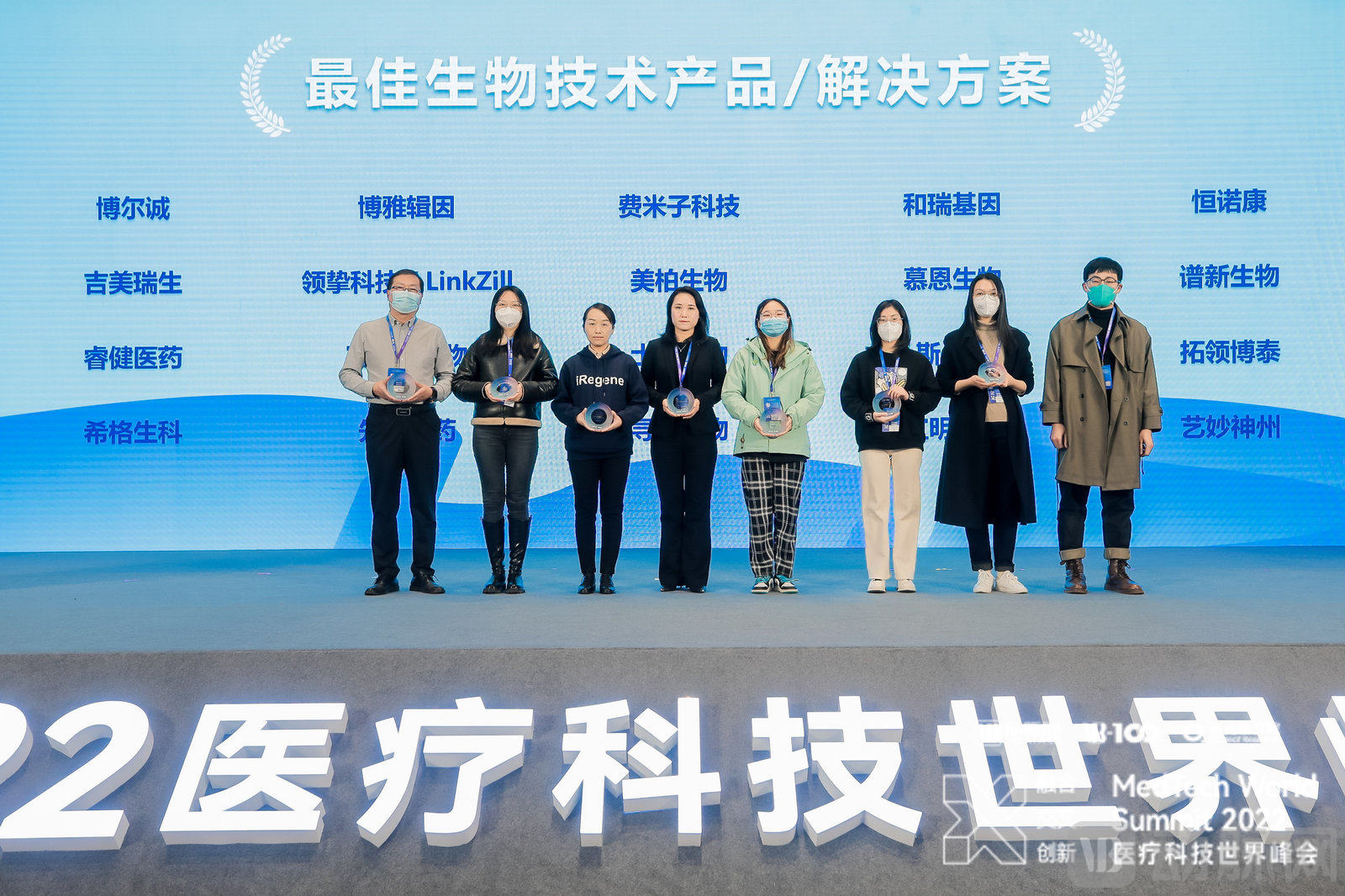
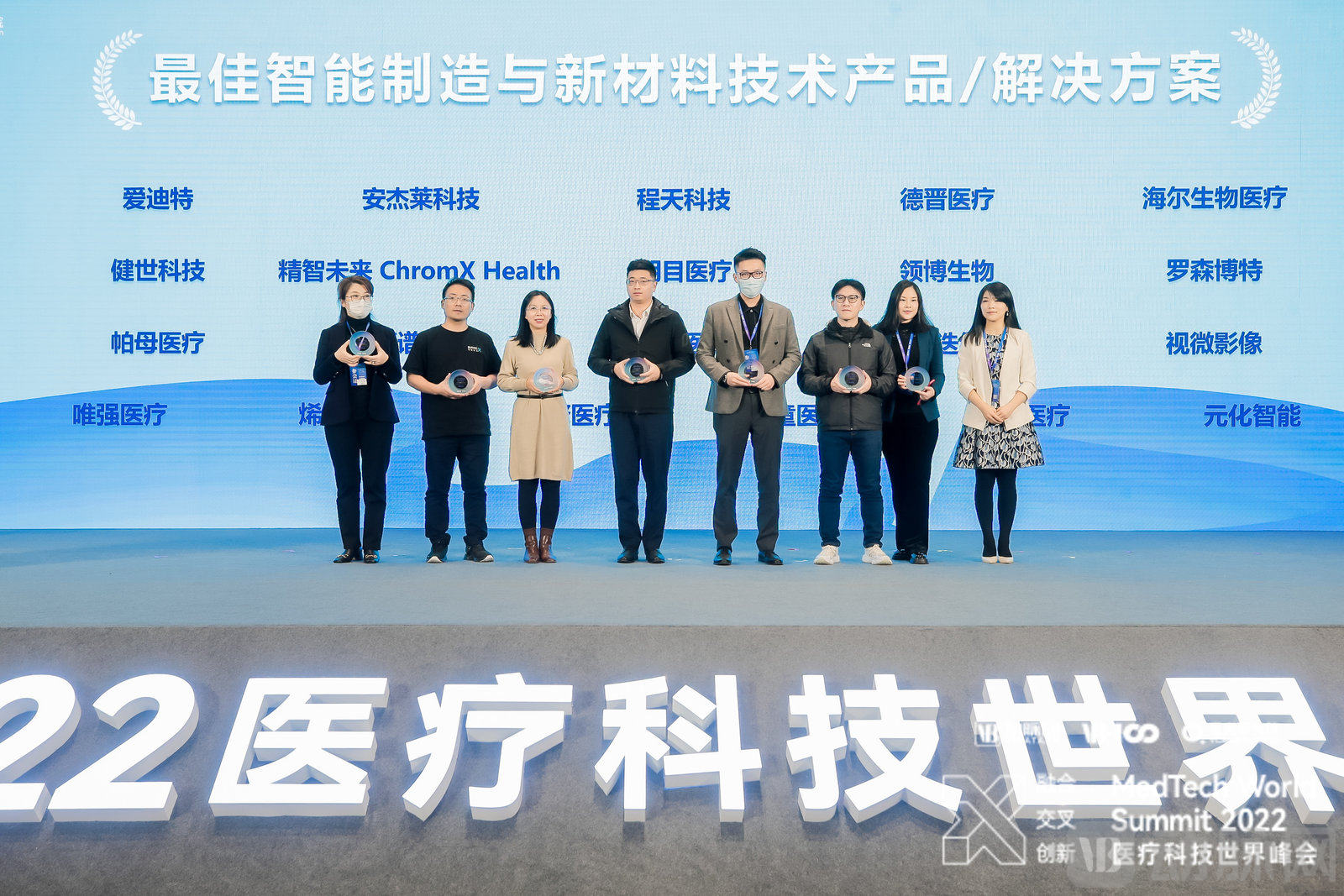
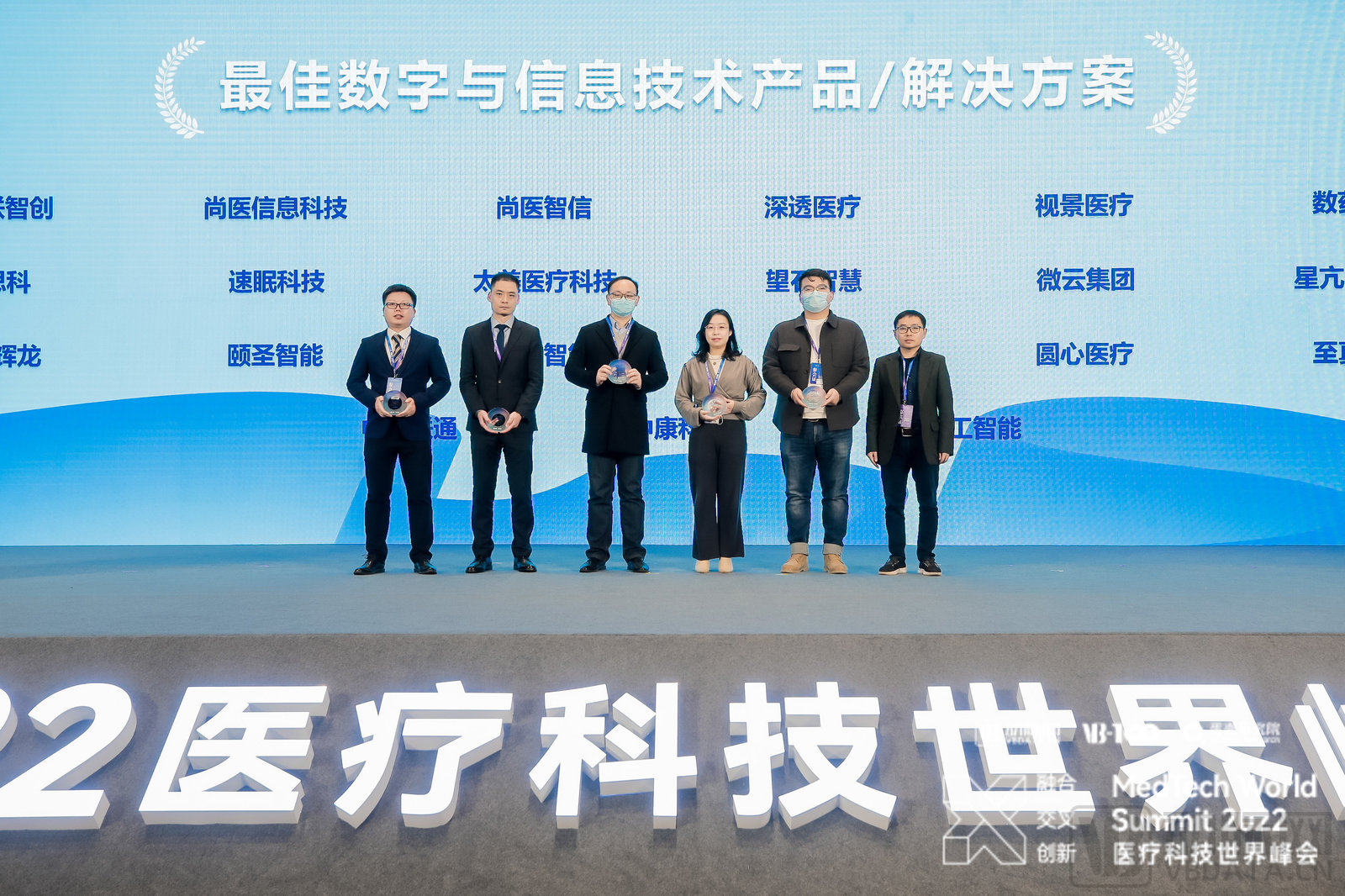
VB-Find Awards: Award Ceremony for the Top 100 Most Innovative Healthcare Technology Products (Solutions) of 2022

VB-Find Award: Top 100 Most Innovative Healthcare Technology Products (Solutions) of 2022
(Scan the QR code to view the list details)
The rapid development and breakthroughs in biotechnology are fostering new momentum for the future of human life sciences. The concurrent advancement of “policy, technology, and products” has laid a solid foundation for the growth of the precision medicine industry. Through continuous technological innovation, Simcere Diagnostics has established a comprehensive pipeline of innovative products across therapeutic areas including oncology, central nervous system disorders, infectious diseases, and pharmacogenomics.Xu Qing, Head of Oncology R&D at Simcere DiagnosticsThe presentation forecasted the landscape of precision medicine in 2030, positing that the ability to provide in vitro diagnostic (IVD) products and personalized laboratory-developed test (LDT) solutions for clinical laboratories will become the core competitiveness of precision medicine enterprises.
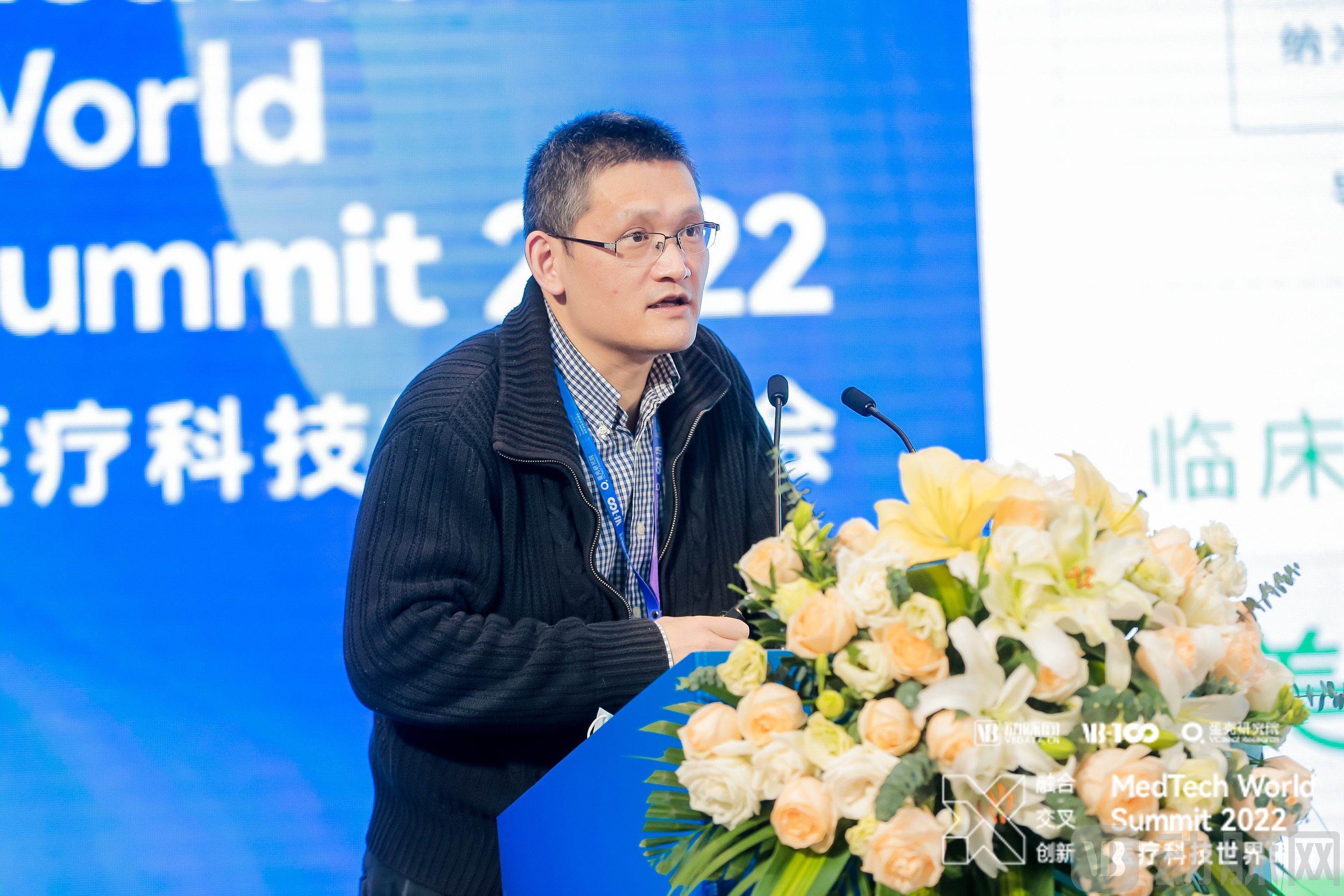
Xu Qing | Head of Oncology R&D, Simcere Diagnostics
New drug development is becoming increasingly challenging. Given the inherent characteristics of pharmaceutical R&D—namely, high investment, high technological barriers, high risk, and long development cycles—a large number of companies are attempting to accelerate drug discovery and development through computational technologies such as artificial intelligence (AI) and big data.
Yulu Qianxing has recently published two consecutive cover articles in top-tier journals, providing an in-depth elucidation of dynamics-based drug discovery. During the roundtable discussion on the morning of the 15th, Yulu Qianxing engaged in a vibrant intellectual exchange with representative companies in the small-molecule sector and its application scenarios, focusing on “Leveraging DBDD to Drive Application Scenarios and Future Prospects in Modern Drug Development,” sparking a lively brainstorming session at the event.When it comes to the collaboration with Yu Lu Qianxing,Li Gong, Director of Medicinal Chemistry at Anshi BiopharmaHe mentioned that the initial trials yielded some truly remarkable results, which further strengthened their resolve to jointly establish an AI-powered biotechnology company.The company is currently developing next-generation kinase inhibitor products, aiming to address the issue of resistance mutations associated with existing clinical agents.Meng Liping, COO of Crystal Cloud KeresthenProposeDrugs undergo numerous biological processes upon entering the human body, some of which are not yet fully understood by current scientific research. MeanwhileAI computing also requires substantial amounts of data, which should ideally be authentic and accurate. Finally,Regarding the question of how much potential AI still holds in the pharmaceutical industry,Zheng Zheng, Chairman of Luqianxing Biotechnologymentioned that the entire drugEarly-stage design inherently requires extensive trial and error. At this stage, computer-aided drug design (CADD) can ensure a relatively high success rate at a comparatively low computational cost. Based on our understanding of the domestic ecosystem and collaborations with other enterprises, the company is positioned as an innovative factory for new drug molecules. From a computational perspective, the ability to propose de novo molecular structure designs and evaluate molecules represents perhaps the greatest advantage of current AI technology. This capability enables seamless collaboration with numerous downstream pharmaceutical companies to rapidly advance drugs through the early stages of development. The ultimate goal of AI is not to replace experimental work. Looking ahead, as computing power continues to increase, AI algorithms—particularly interpretable models—may even apply quantum mechanical first-principles calculations to the complex systems involved in drug R&D. With theoretical accuracy approaching that of experimental measurements, AI can achieve outcomes unattainable through experiments alone, which may represent its ultimate value.Chen Feng, Assistant to the General Manager of Suzhou Supercomputing Center and General Manager of the Cloud & Supercomputing Business DivisionIt was mentioned that AI-driven biotech companies are inextricably linked to computing power. Building proprietary computing platforms entails prohibitively high costs. Given that the core value of AI lies in cost reduction and efficiency enhancement, leveraging state-owned resources to support computing infrastructure represents a highly effective model.
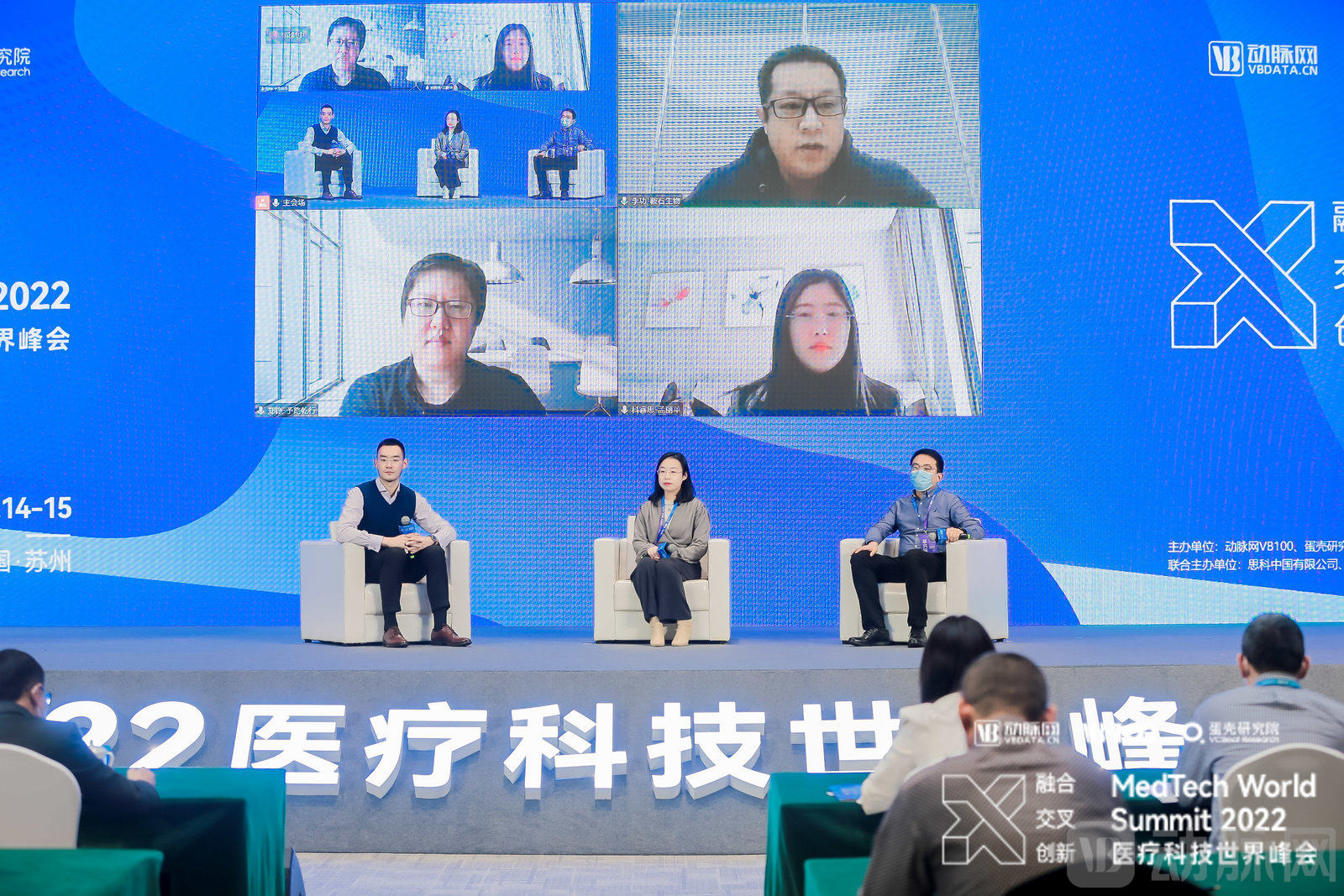
From left to right: Chen Songnian | Investment Director, Danshi Capital; Shen Xinyi | Head of Business Development, Yulu Qianxing; Chen Feng | Assistant to the General Manager, Suzhou Supercomputing Center, and General Manager, Cloud & Supercomputing Division; Online Guests: Li Gong | Director of Medicinal Chemistry, Anshi Bio; Zheng Zheng | Chairman, Yulu Qianxing Biotechnology; Meng Liping | COO, Crystal Cloud Keres.
Accompanied by the new generation of 5G, cloud computing, Internet of Things (IoT), artificial intelligence (AI), and big dataInformation TechnologyThe rapid development has accelerated the integration of digital, networked, and intelligent facilities and solutions into healthcare scenarios.Senior System Architect at Cisco, IT Technology Expert, and Practitioner of Cisco’s Digital Transformation Initiatives in the Manufacturing IndustryWang HaiyingShared,The primary challenges faced by biopharmaceutical companies in their global expansion include legal and compliance risks, regional and time-zone differences, and the lack of a stable supply chain. To assist Chinese enterprises in enhancing business agility, ensuring security and compliance, and mitigating potential risks, Cisco has proposed enterpriseThe Digital Trilogy for Global ExpansionThe IT capabilities of enterprises expanding overseas, from nascent to mature, can be broadly categorized into three developmental stages: “Exploration,” “Expansion,” and “Innovation.” During the Exploration phase, the priority is to ensure data connectivity and security compliance, leveraging digitalization to integrate applications and data. The second stage requires establishing a predictable IT architecture, adopting a multi-cloud hybrid architecture to help businesses build operational resilience, adaptability, and emergency response capabilities. The final stage involves achieving global standardization for enterprises expanding overseas.Li Jian, Chief Healthcare Industry Director for Greater China at Amazon Web Services (AWS)also stated,The development of the digital economy has given rise to globalized digital trade. Chinese enterprises are expanding their cloud-based international operations, evolving from “digital-enabled global expansion” to “global digital transformation.”Mr. Shi Zhonghua, Think Tank Advisor to the Internet Application Working Committee of the China General Chamber of Commerce, and Vice Chairman of the Technical Expert Committee of the National Industrial Technology Innovation Strategic Alliance for Internet Data CentersIt introduces the industry trends and current status of IT/OT in the pharmaceutical industry, and analyzes the integration of intelligent manufacturing IT and OT.
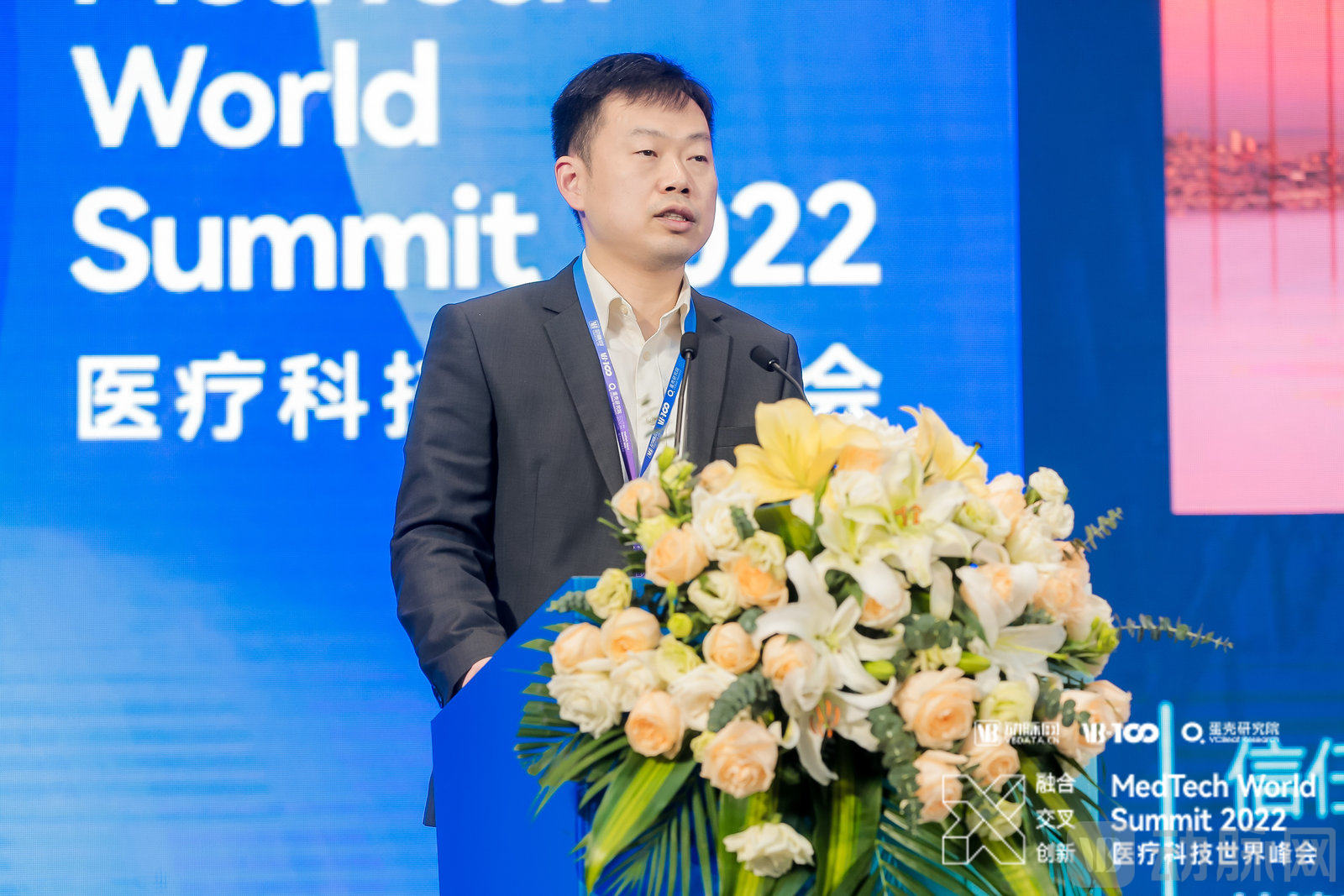
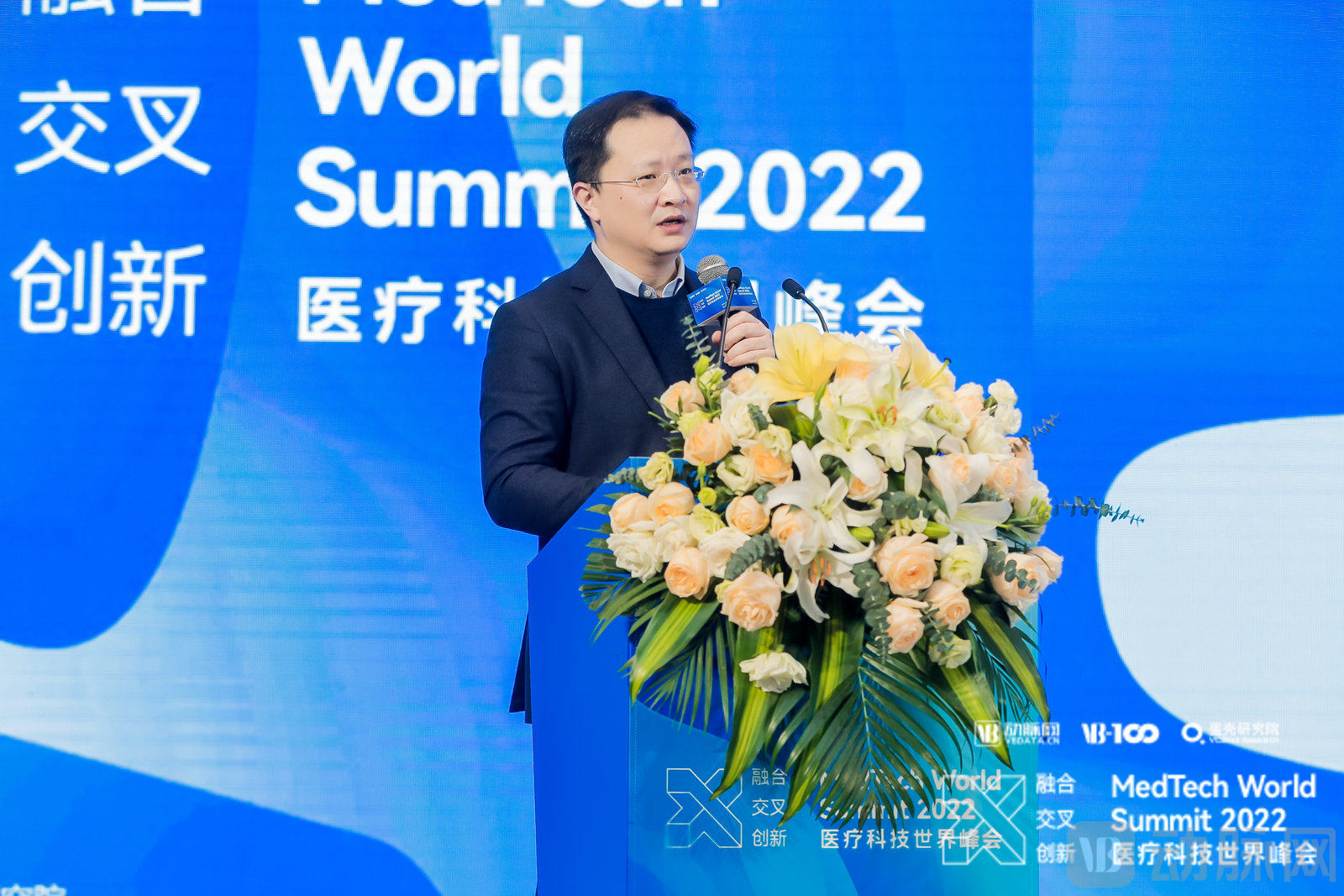
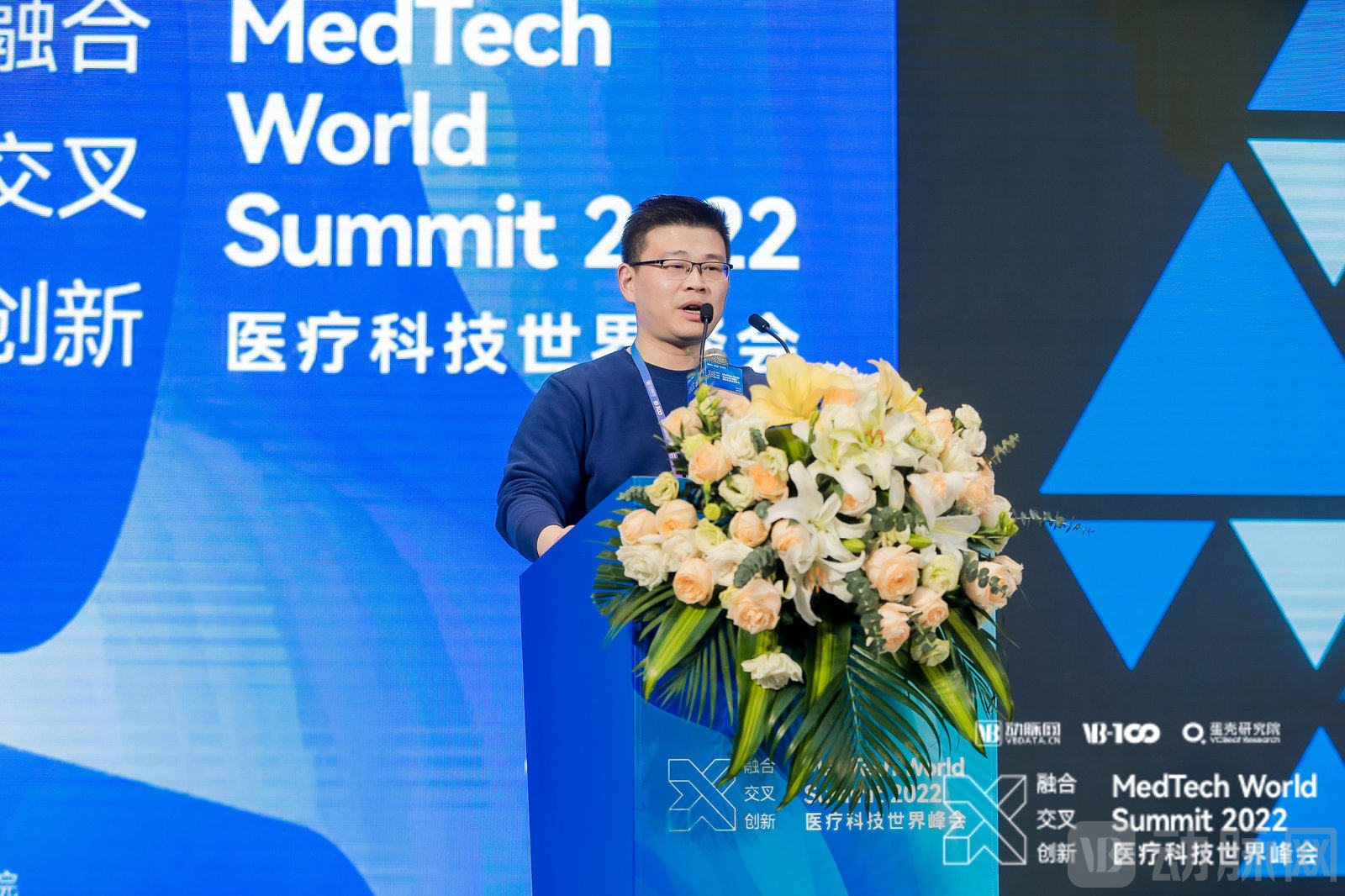
From top to bottom, left to right: Wang Haiying | Senior System Architect at Cisco, IT Technology Expert, Practitioner of Cisco’s Digital Transformation Initiatives in the Manufacturing Sector; Li Jian | Chief Director of Healthcare Industry, AWS Greater China; Shi Zhonghua | Think Tank Advisor to the Internet Application Working Committee of the China General Chamber of Commerce, Vice Chairman of the Technical Expert Committee of the National Industrial Technology Innovation Strategic Alliance for Internet Data Centers
At the conference on the 15th, “digital transformation” and “global expansion of enterprises” were two hot topics. As a global technology leader, Cisco is actively supporting companies in their globalization efforts. During the roundtable session titled “How Can Pharmaceutical Companies Accelerate Global Expansion and Create a New Model for ‘High-Quality Chinese Medicines’?”Wang Haiying, Senior System Architect at Cisco and IT Technology Expert; Shi Zhonghua, Think Tank Advisor to the Internet Application Working Committee of the China General Chamber of Commerce and Vice Chairman of the Technical Expert Committee of the National Industrial Technology Innovation Strategic Alliance for Internet Data Centers; Zhang Shengyuan, General Manager of Cisco’s China Business Unit within the Greater China Emerging Markets DivisionAmong other topics, distinguished guests shared insights on strategic planning for the global expansion of biopharmaceutical enterprises, IT/OT convergence-driven innovation to facilitate industrial upgrading, and key enablers of digital transformation, jointly exploring the vast potential of digital information innovation and integration in the biopharmaceutical sector.
How Pharmaceutical Companies Can Accelerate Their Global Expansion: A Cisco PerspectiveWang HaiyingThree key priorities are identified: connectivity, security, and automation. First, regarding connectivity, from the perspective of digital transformation initiatives, organizations should first assess whether their network infrastructure can align with future business development. Second, security—without secure connectivity, there is no core foundation; a comprehensive framework is needed to ensure long-term security hardening. Third, automation—on one hand, evaluate whether operational and management capabilities can achieve visualized collection of relevant data; on the other hand, as scaled operations take shape, automation can effectively realize economies of scale, reduce labor costs, and increase profitability.Zhang ShengyuanIt emphasizes the importance of management integration and security integration. In the process of IT and OT convergence, it also stresses secure connectivity and practical implementation measures, with a focus on intellectual property protection and self-information security safeguards.Shi ZhonghuaIt is believed that a critical lever for digital transformation is establishing the correct overarching digital direction and building a strategic framework that enables enterprise-wide collaboration, thereby fostering greater interconnectivity between various business units and IT.
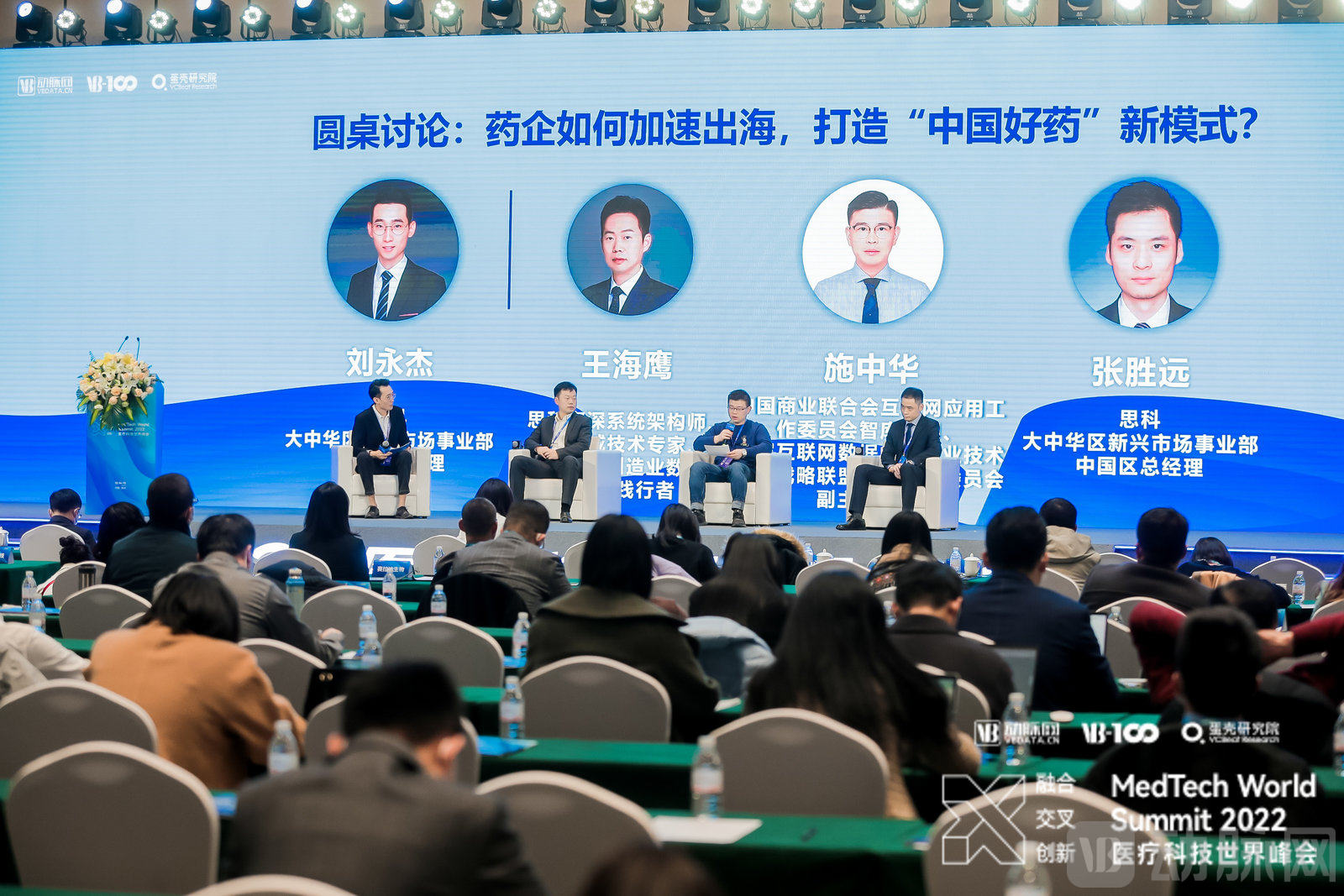
From left to right: Liu Yongjie | Business Development Manager, Emerging Markets Business Unit, Cisco Greater China; Wang Haiying | Senior System Architect at Cisco, IT Technology Expert, and Practitioner of Cisco’s Digital Transformation Initiatives in the Manufacturing Sector; Shi Zhonghua | Think Tank Advisor to the Internet Application Working Committee of the China General Chamber of Commerce, and Deputy Director of the Technical Expert Committee of the National Internet Data Center Industry Technology Innovation Strategic Alliance; Zhang Shengyuan | General Manager, China Region, Emerging Markets Business Unit, Cisco Greater China
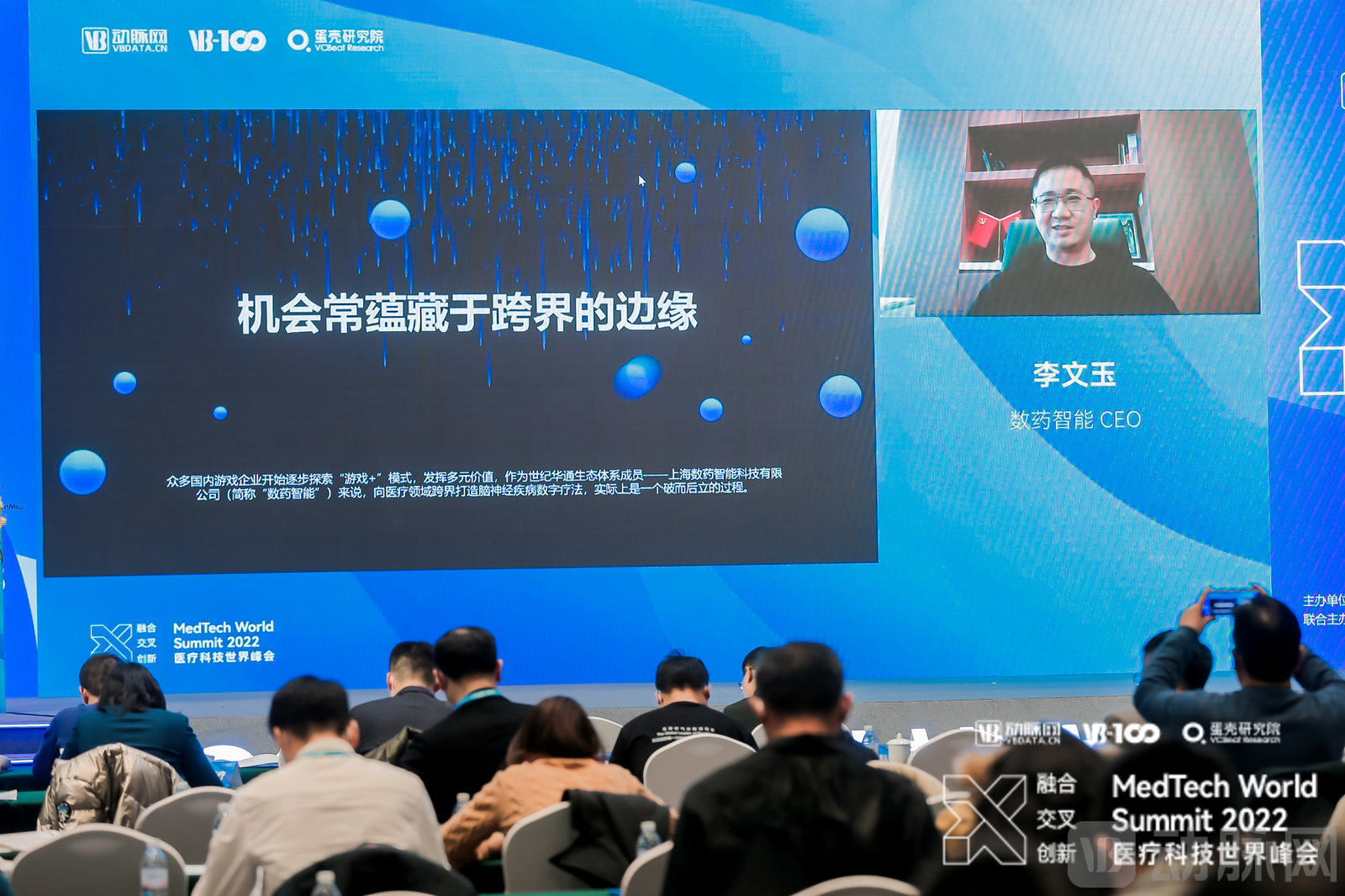
At the same time, numerous domestic game companies have begun to gradually explore the "Game+" model, leveraging its diversified value.Li Wenyu, CEO of Shuyao IntelligenceIt was mentioned that Shuyao Intelligence is currently dedicated to expanding gaming application scenarios, creating universal digital therapeutics for neurological disorders, and ushering in the era of digital medicine for brain health. Focusing on the fields of psychology and psychiatry, the company is researching effective digital therapeutic interventions for neurological and psychiatric disorders, developing innovative technologies and products suitable for digital therapeutics, and building an efficient, convenient, and universally accessible digital therapeutics platform.
The counterpart to Chinese domestic enterprises going global is the “entry into China” by multinational corporations.Huang Rui, Senior Director of Information Technology at Hua Tang Da ChangSharing on the innovative digital supply chain practices of multinational medical device companies, it was mentioned that the company’s R&D primarily focuses on enhancing overall digital capabilities and tailoring business applications for customers. By leveraging systems such as electronic ordering, channel management, dealer service portals, and transportation management, the company further improves real-time data capture and visibility into sales flows, thereby strengthening business intelligence management.
In recent years, tapping into the existing value of users through private-domain traffic has become an urgent need for healthcare companies. In 2021, Haoyun Yisheng, a company with strong capabilities in private-domain operations within the maternal and infant health sector, further expanded its efforts into broader medical and health scenarios.Liu Hongjiao, Founder and Chairman of Haoyun Yisheng & Meiri KekeThe company’s three core strengths—deep engagement in service scenarios, a user-needs-driven approach, and rich professional content resources—ensure effective adherence-focused user operations. At the content generation level, “Haoyun Yisheng” (Good Pregnancy for Life) leverages endorsements from authoritative experts while integrating the characteristics of private-domain operations to generate content through AIGC algorithms.
Zhuhai Health Cloud Technology Co., Ltd. (Kuai Su Wen Yi Sheng) integrates technologies such as big data, AI, and cloud computing with content creation to enhance content value. By leveraging external search data and its internal health database, the company gains insights into users’ latent needs, delivers targeted content matching, and connects online and offline medical resources through content creation, thereby expanding the platform’s commercialization pathways. The internet healthcare industry is undergoing a new round of reshuffling, and the iteration of emerging technologies is expected to drive internet healthcare closer to the “core” of medical practice, just asYu Linchang, Vice President of Ask a Doctor QuicklyAs stated, “Internet healthcare is at the right time to break out of its cocoon and emerge as a butterfly.”
At a time when enterprises are increasingly pursuing digitalization, the growing time commitments required by clinical research centers also present a golden opportunity for providers of digital clinical research service solutions to understand the market and refine their products. So, why choose digital clinical research?Duan Zhongcheng, Founder of Linyantong Technology and CEO of Huangtu PharmaceuticalThis question is addressed from the perspectives of how digital operations drive high efficiency, data exchange ensures data consistency, digitalization provides greater decision-making empowerment, and digital management reduces costs. Taking the improvement of clinical trial quality as an opportunity to enhance the recognition of digitalization in clinical trial management, and leveraging improved clinical trial efficiency as a catalyst to promote the widespread adoption of digitalization in clinical trials, has always been the development goal of LinYanTong and a shared pursuit within the industry.
At the conclusion of the Digital Information Innovation and Integration segment, we are also honored to have invitedJi Yongnan, Head of NVIDIA’s Healthcare Ecosystem in China, with ““Computing-Accelerated Medical Technology: New Technologies Expand the New Frontier of Healthcare + AI,” positing that next-generation medical devices are software-defined and AI-enabled, and shared his perspectives.
Qiu Wei, Vice President & Chief Architect of Huimei Digital TechnologySharedHuimei Digital Technology is committed to creating high-efficiency, broad-coverage digital marketing solutions for pharmaceutical and medical device companies, building a digital and compliant marketing system by accumulating omni-channel data assets.
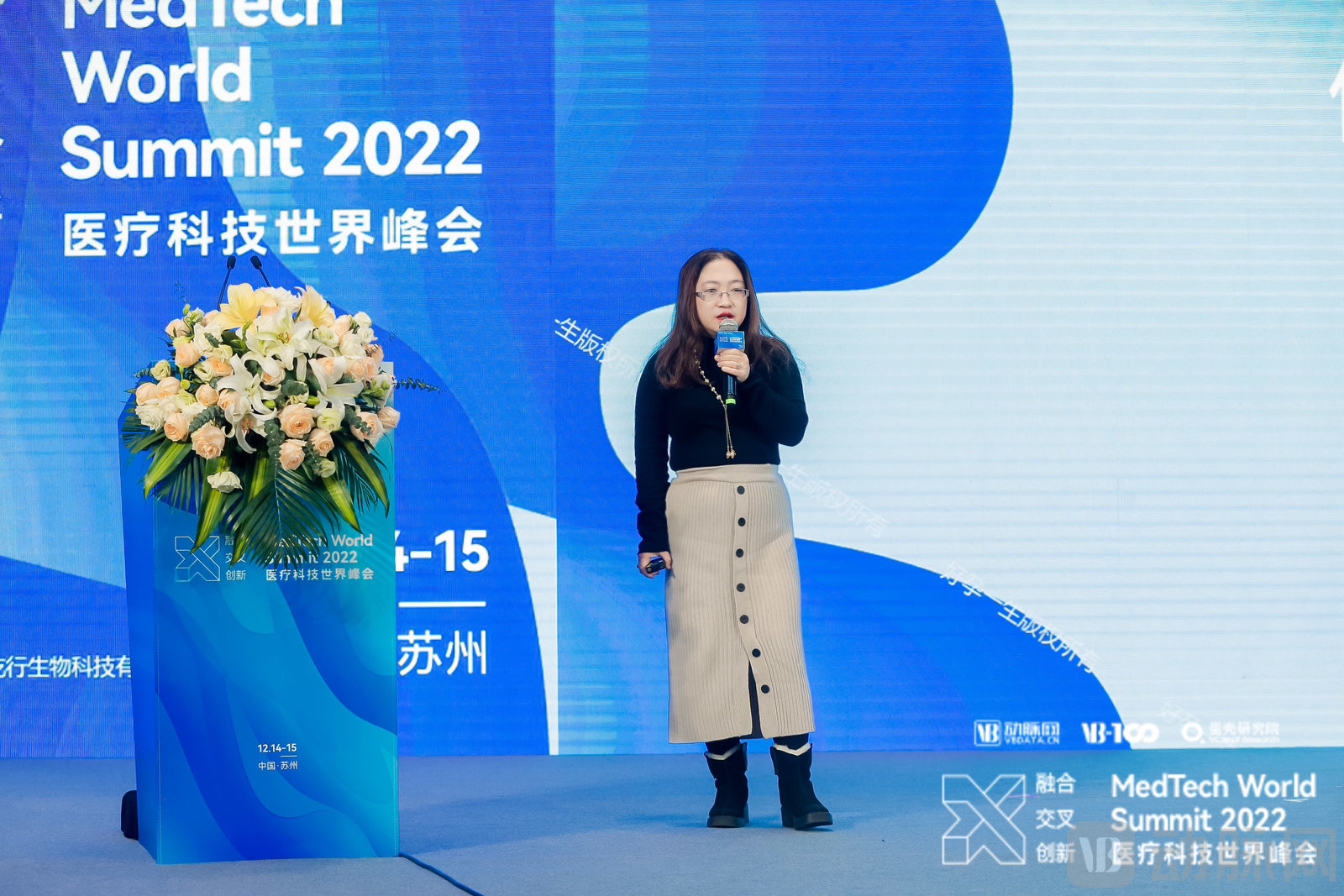
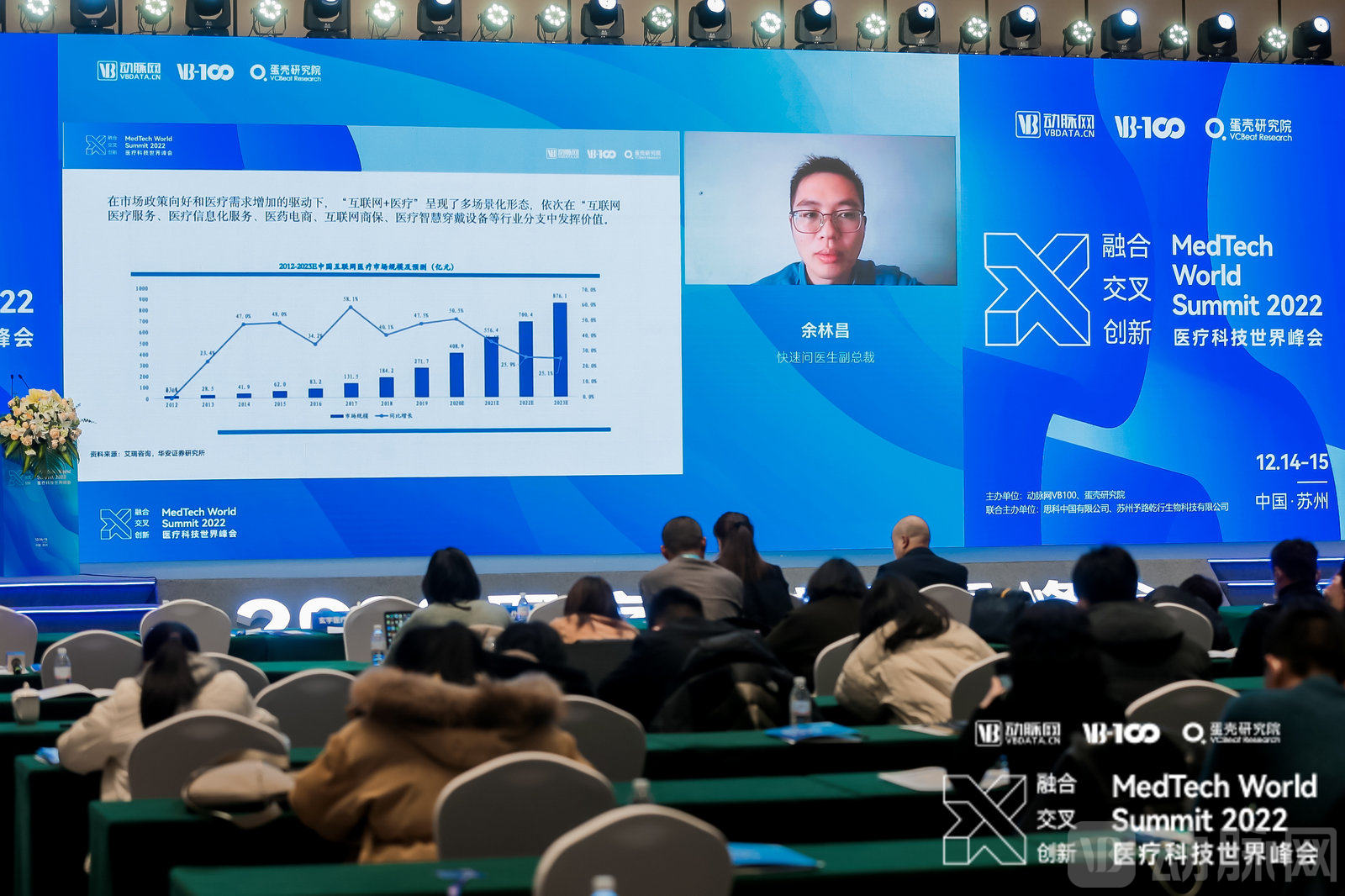
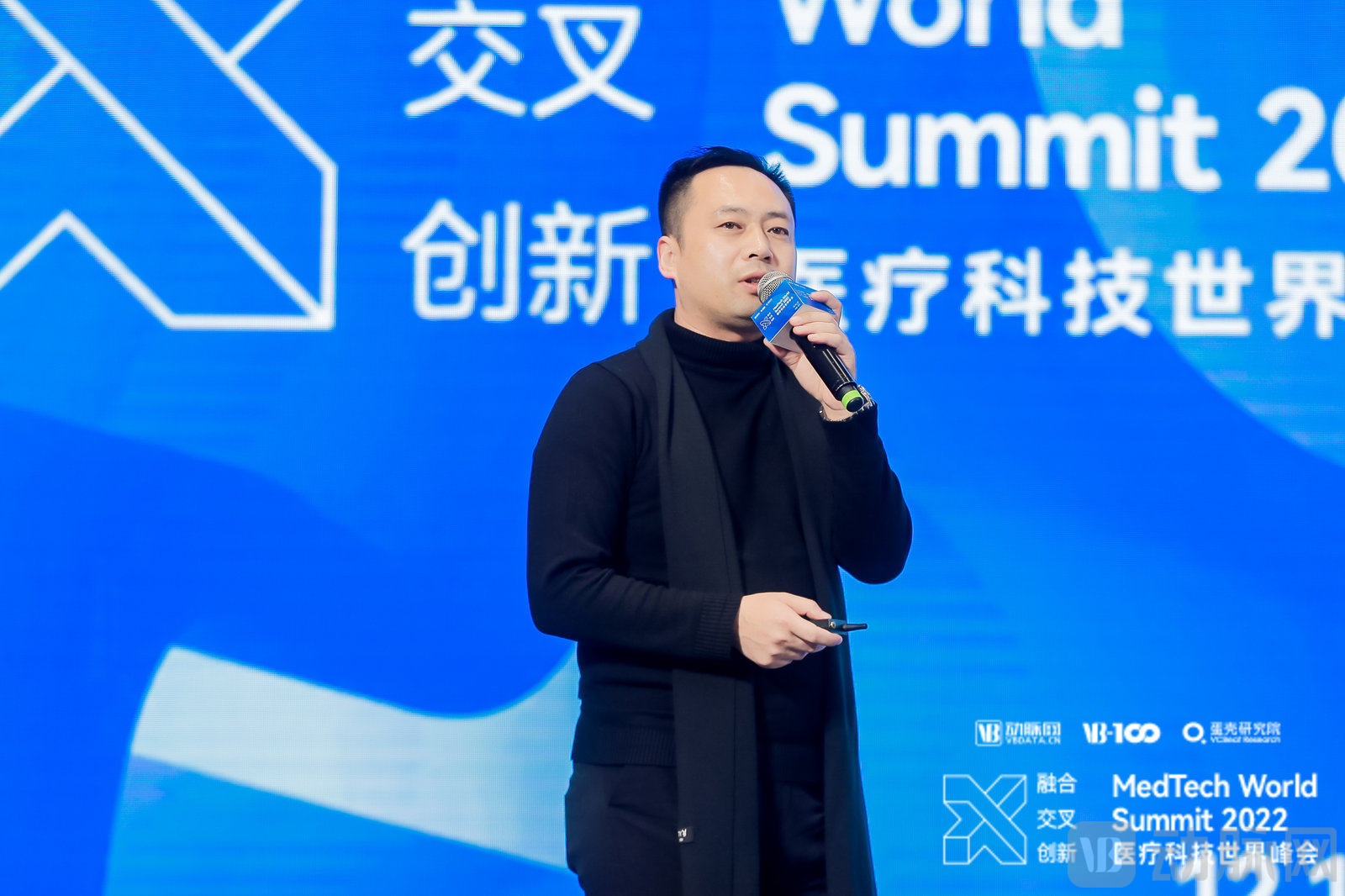
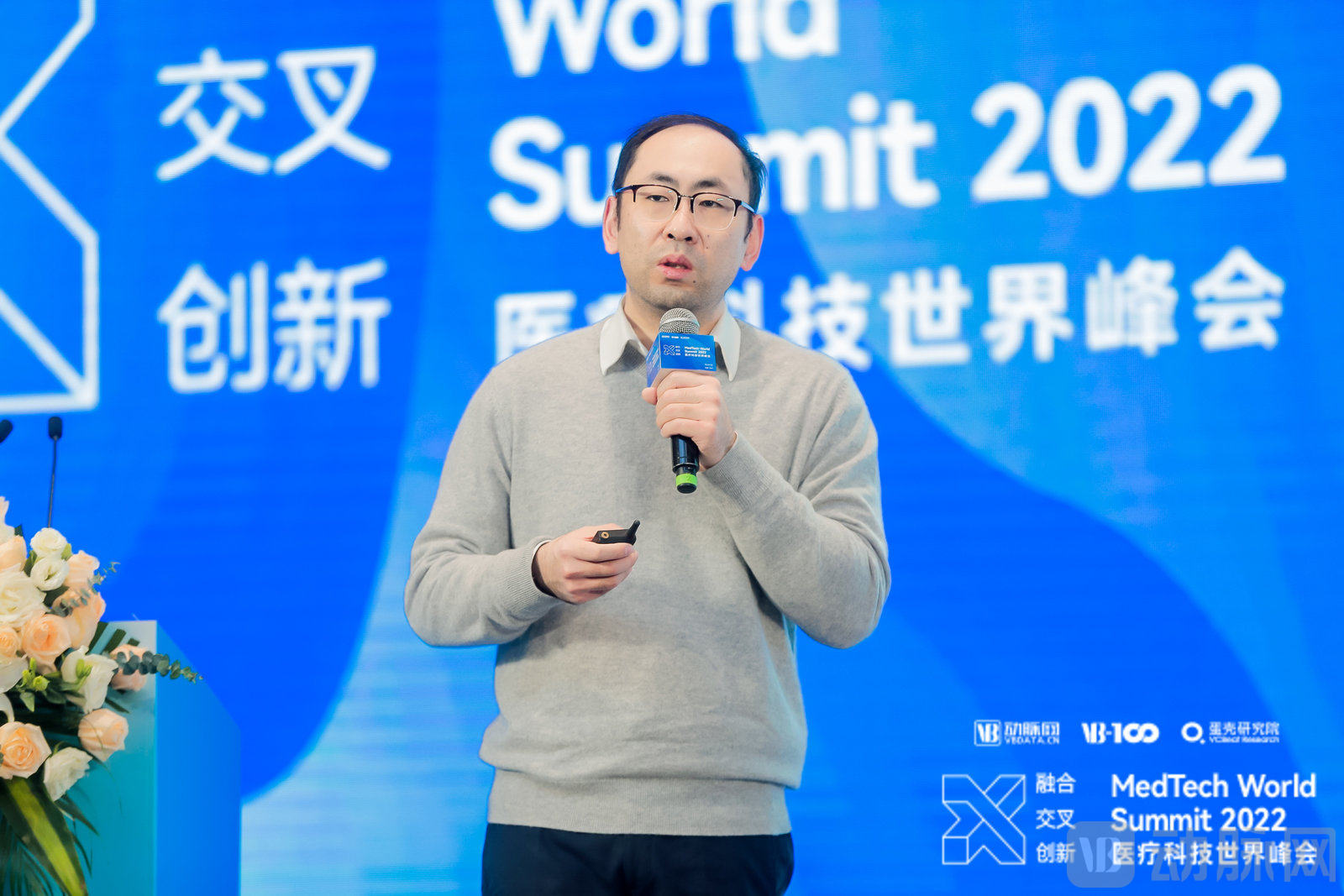
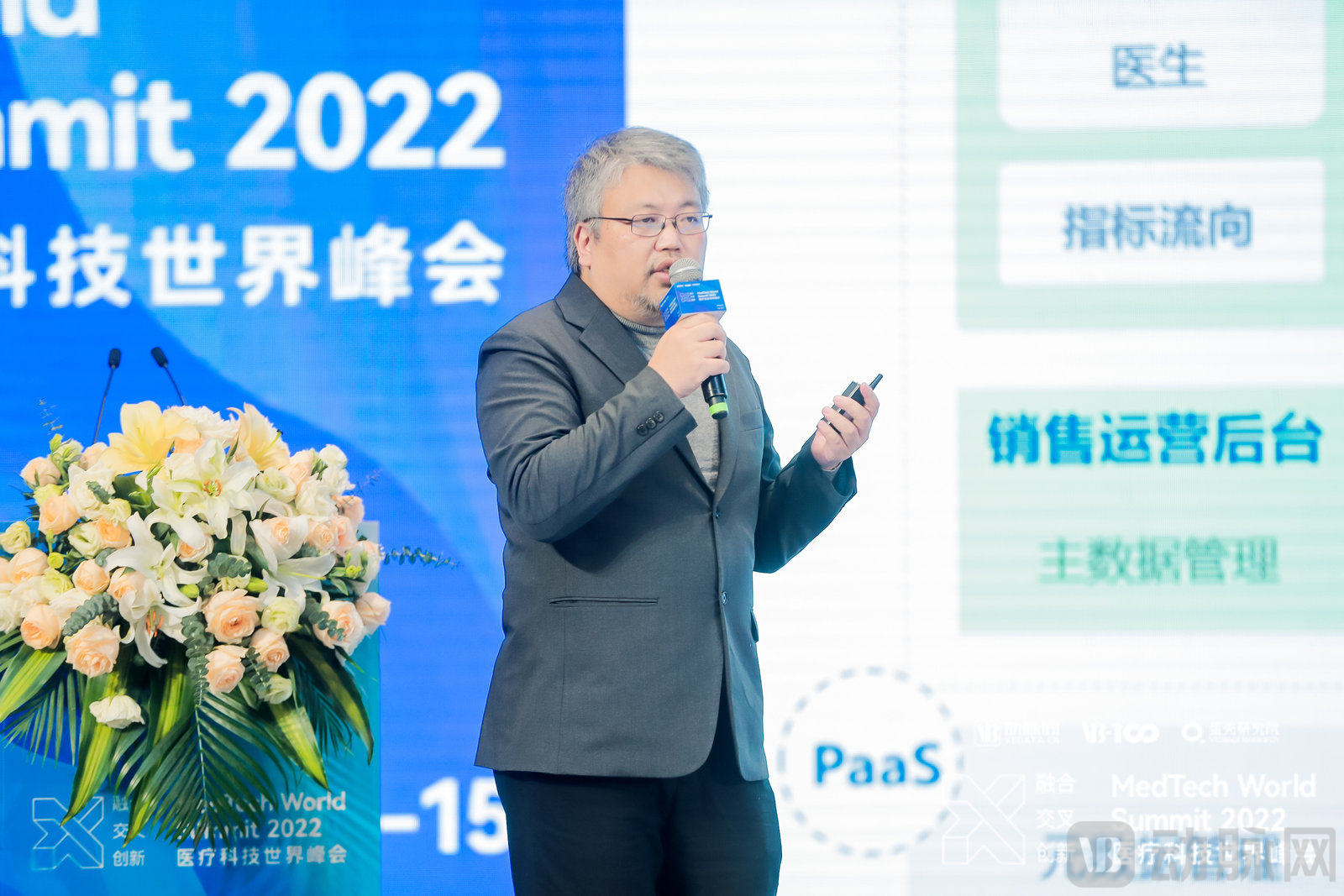
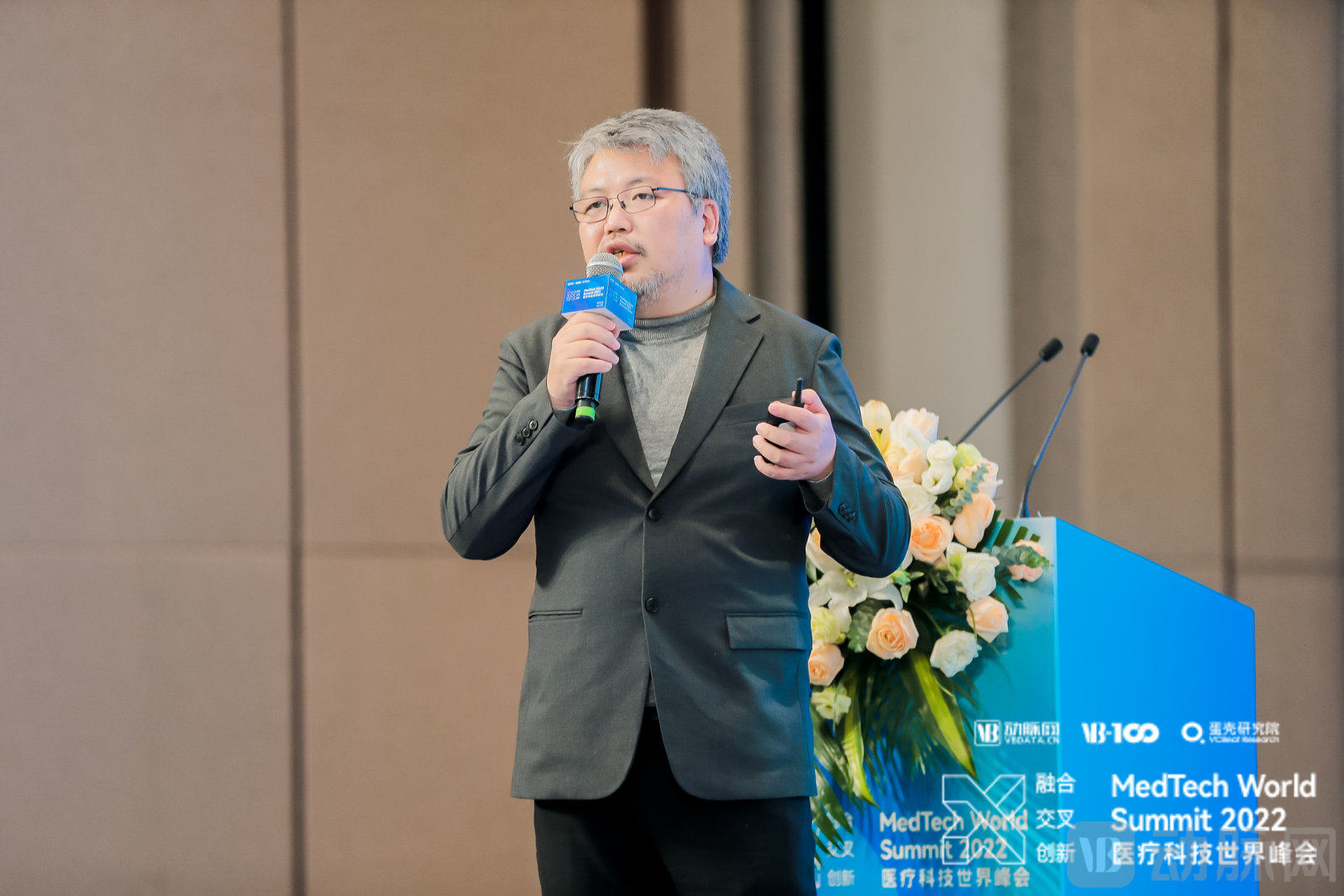
From left to right, top to bottom:Huang Rui | Senior Director of Information Technology at Huatang Dachang; Liu Hongjiao | Founder and Chairman of Haoyun Yisheng & Meiri Keke; Yu Linchang | Vice President of Kuaisu Wen Yisheng; Duan Zhongcheng | Founder of Linyantong Technology and CEO of Huangtu Pharmaceutical;Ji Yongnan | Head of NVIDIA China's Healthcare Ecosystem; Qiu Weijia | Vice President & Chief Architect at Huimei Digital Technology
In December 2021, the Ministry of Industry and Information Technology (MIIT) and seven other ministries jointly issued the “14th Five-Year Plan for Intelligent Manufacturing Development.” The plan proposes that during the 14th Five-Year Plan period and for a considerable time thereafter, the promotion of intelligent manufacturing should be grounded in the essence of manufacturing, closely aligned with intelligent characteristics, accelerate systemic innovation, and enhance new momentum for integrated development. From production materials to business models and application scenarios, China’s “intelligent” manufacturing has made rapid strides.
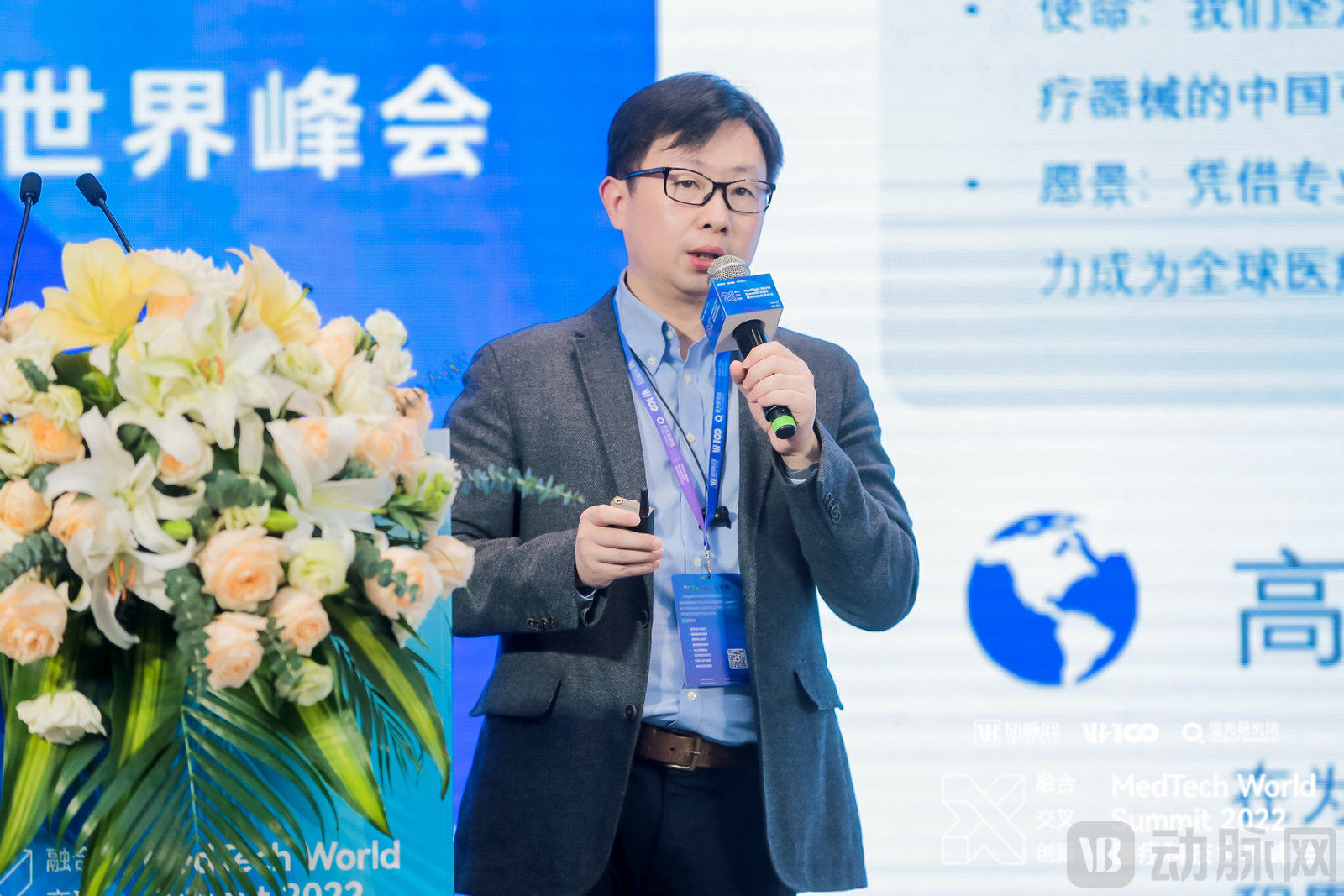
In the new materials and intelligent manufacturing sector,Li Luya, Founder and Chairman of Angelai TechnologyThe shared human-machine integrated single-leg robot left a deep impression on the audience. By collecting gait information from the active movements of the patient’s healthy limb, the system assesses movement intent, analyzes and learns gait characteristics, and guides the affected limb through adaptive motor relearning rehabilitation training. This process promotes neuroplasticity in brain control functions, helping patients gradually restore normal walking patterns and achieve proactive, personalized, systematic, and precise rehabilitation training.Wang Chen, Senior Vice President of Nuomei XinchuangIn light of the opportunities and challenges in the market penetration of implantable and interventional devices, it is believed that enterprises should comprehensively adopt a clinical needs-oriented approach, closely monitor changes in the external environment, make appropriate forecasts of future trends, and effectively coordinate market penetration with other development strategies.
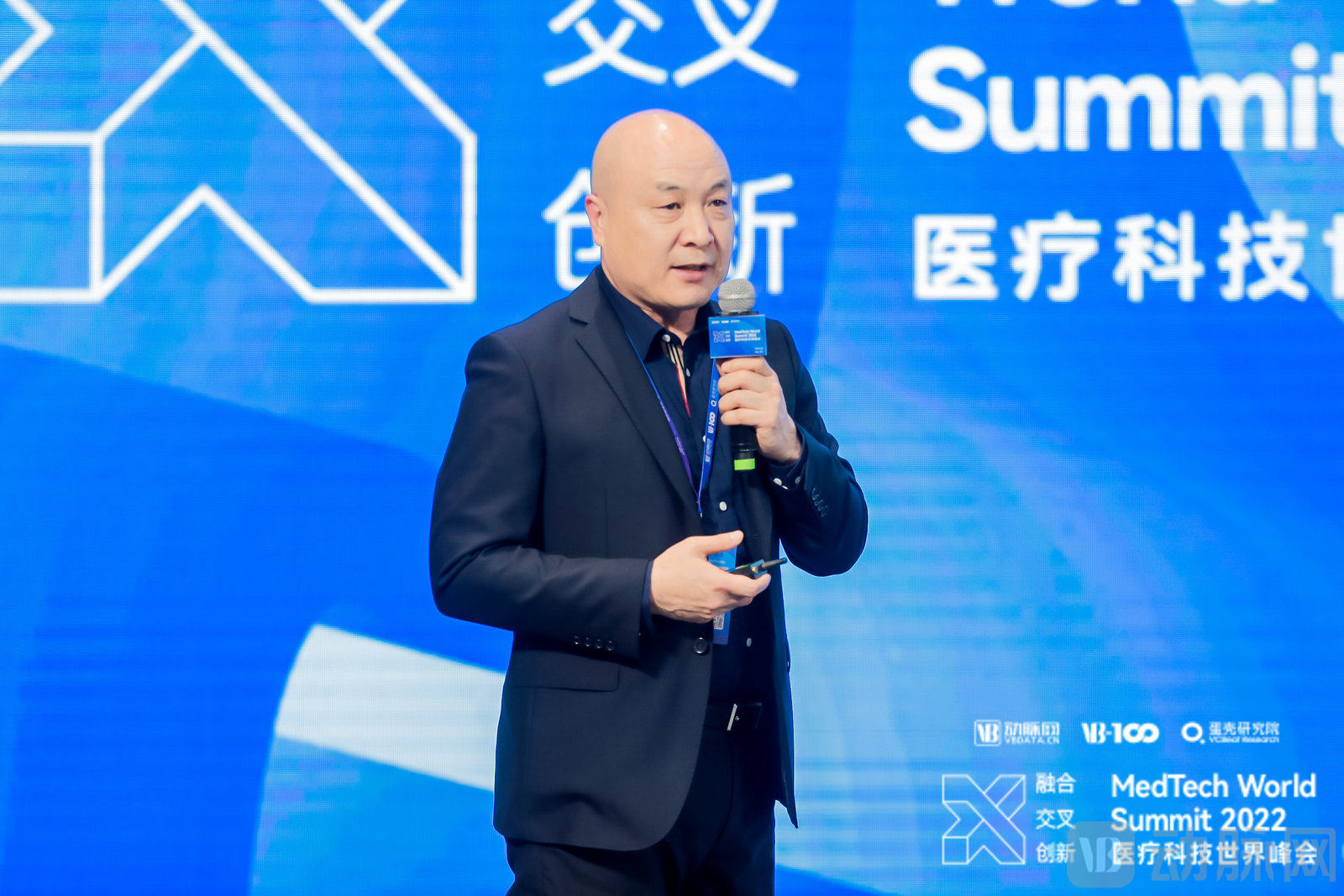
From left to right, top to bottom:Li Luya | Founder and Chairman of Anjielai Technology;Wang Chen | Senior Vice President, Nuomei Xinchuang
At the final roundtable session of the conference on the 15th, we also invited guest representatives from the investment and industrial sectors to share their insights on “How Medical Technology Innovation Builds a New Industry Ecosystem.”FengLi Xin, Partner at Yu CapitalMr. [Name] believes that there is an inherent balance and tension between the specialization and commercialization of technology-driven innovations. From an investor’s perspective, technology-driven ventures are prone to falling into a product-centric mindset, sometimes overlooking factors related to commercial viability. Furthermore, the mindset of technical and research personnel, as well as their collaboration with the business team, is crucial for successfully translating technological innovation into commercial success. Both “clinical” and “research” roles need to adopt a more humble approach; retrospective experience suggests that it is best for the business team to take the lead, with clinical or research experts providing input and support.Wang Junqi, Founder and Chairman of Jingzhi Future, and Doctoral Supervisor at the Beijing-Tianjin-Hebei National Technology Innovation CenterIt was also mentioned that technology developers should shift their mindset, design products based on end-user needs, and enhance communication with government regulatory authorities. The recent relaxation of China’s COVID-19 policies has spurred the growth of the at-home COVID-19 testing market. In light of this, regarding the future development trends of at-home testing in China,Dr. Wang JunqiIt was noted that home-based sampling and testing offer significant benefits to patients with chronic diseases and those with frequent, genuine needs for at-home care. The COVID-19 pandemic has prompted a reevaluation of the necessity for medical technological innovation. Whether for medical devices or pharmaceuticals, efforts must first focus on the technical product side, integrating short-term and long-term objectives to achieve cost reduction and efficiency improvement, while leveraging innovative technologies to optimize the entire operational process.Li Luya, Founder and Chairman of Anjielai TechnologyHe noted that the journey from scientific achievement to product and then to commodity is highly complex. Market demand takes precedence, while technology serves as the foundation; the core of technology-driven innovation lies in its integration with application scenarios and business models. Rather than copying or imitating foreign products, Angelai has remained committed to identifying unmet clinical needs. By pursuing innovative breakthroughs during product development and gaining recognition through validated clinical outcomes and academic engagement, the company has ultimately earned strong market acceptance.
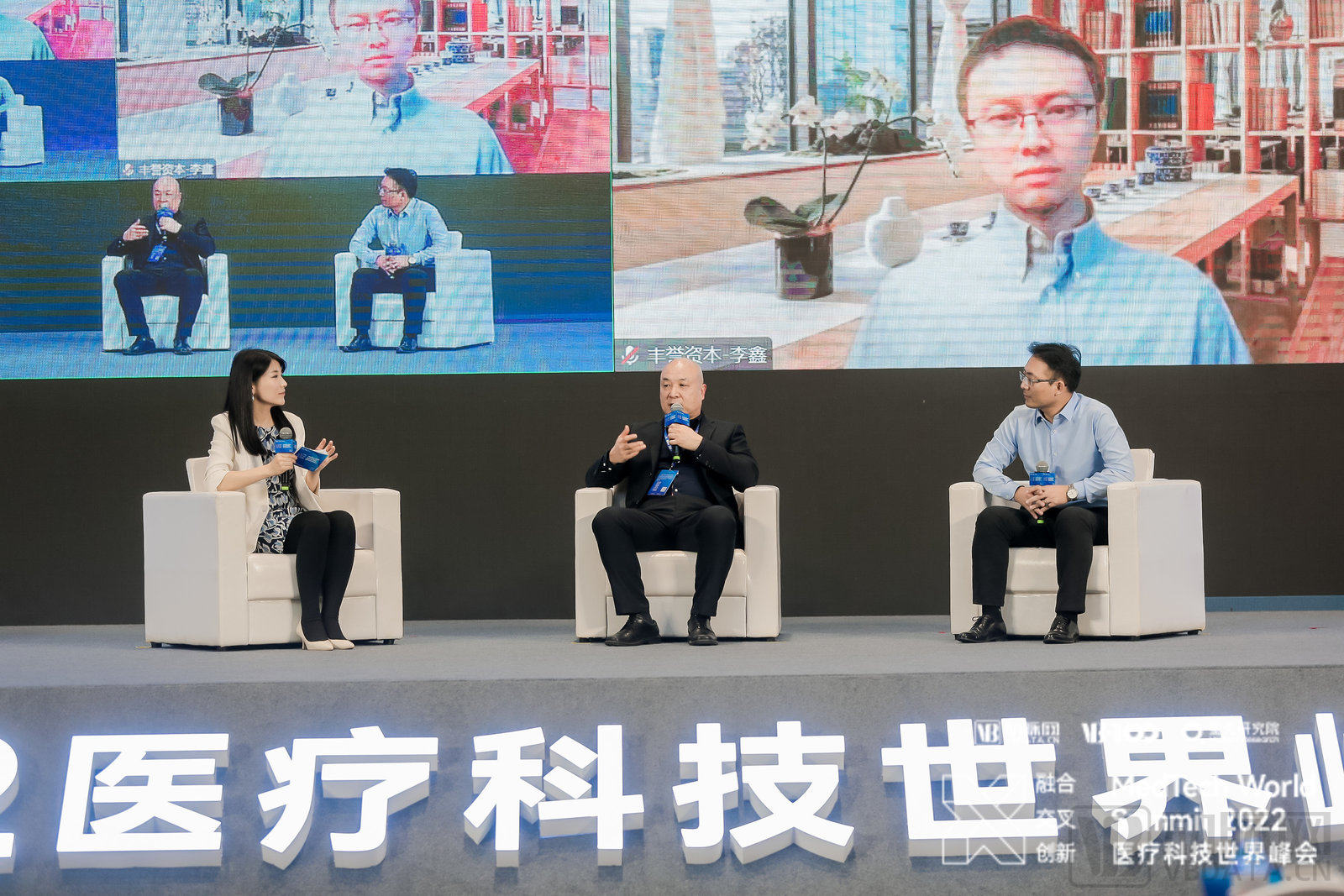
From left to right: He Sidu | Managing Director, Danshi Capital; Li Luya | Founder and Chairman, Anjielai Technology; Wang Junqi | Founder and Chairman, Jingzhi Future, Doctoral Supervisor at the National Innovation Center for Regional Development in Beijing-Tianjin-Hebei; Online Guest: Li Xin | Partner, Fengyu Capital
Forging Ahead on a New Journey, Developing in a New Era
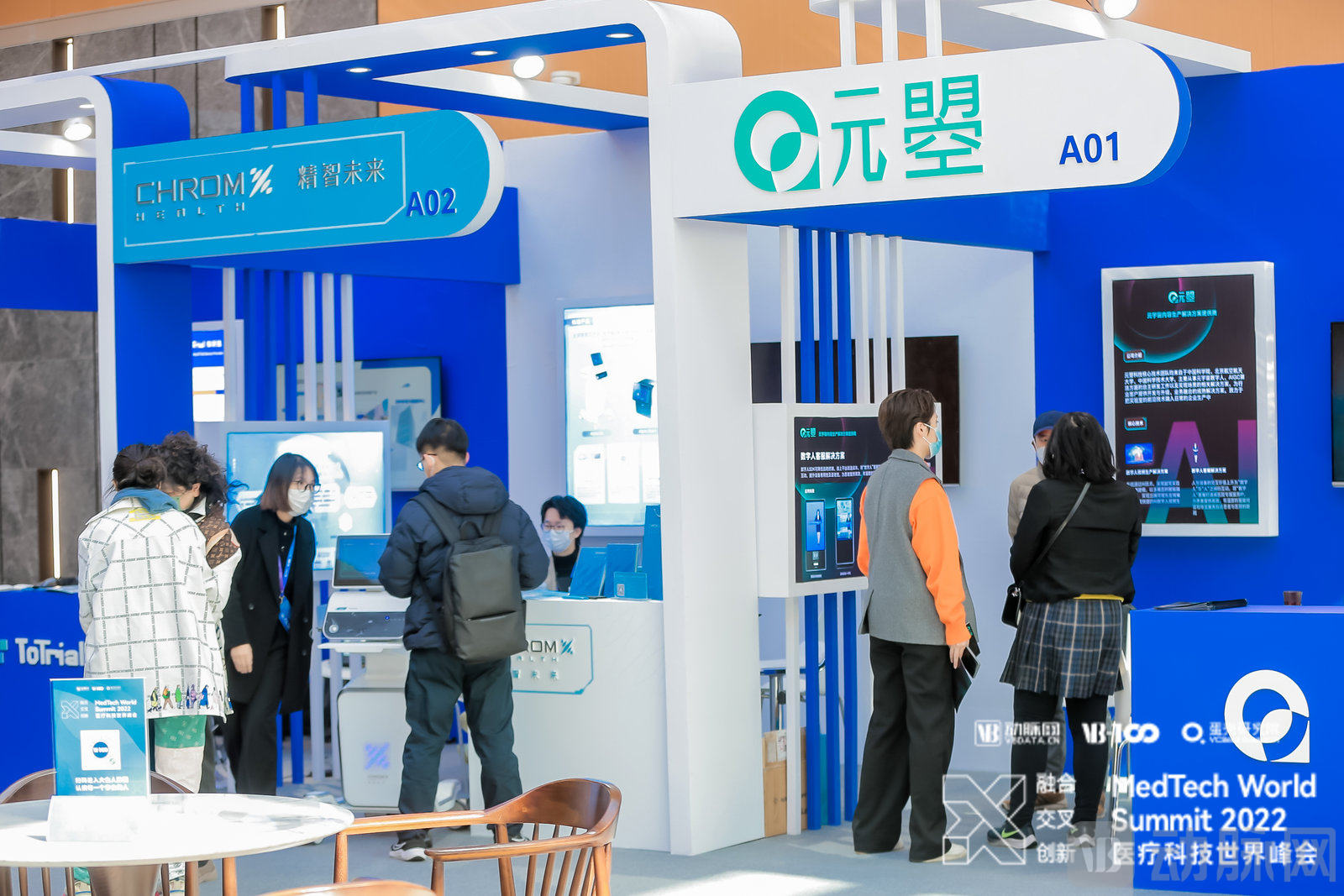
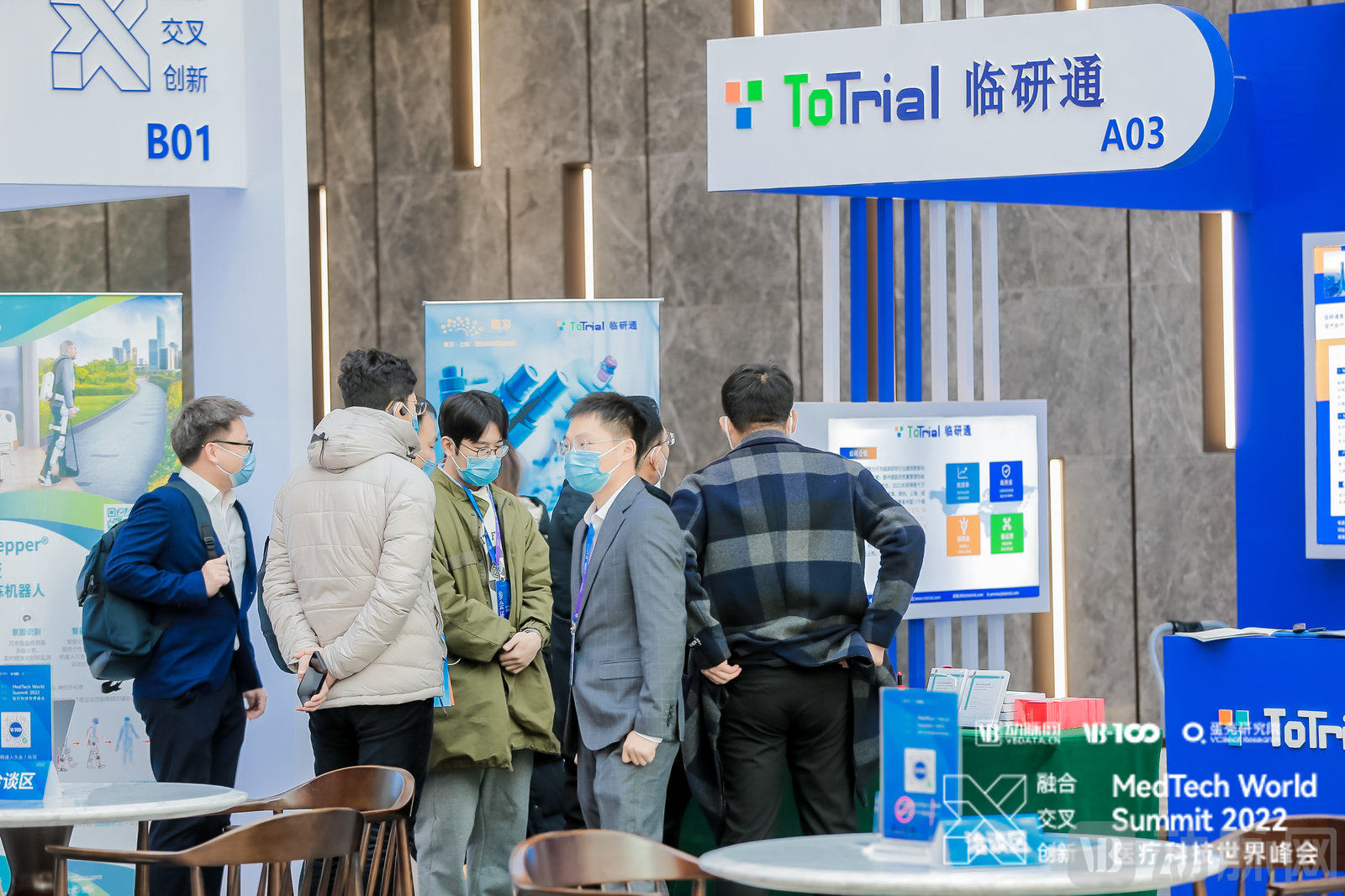
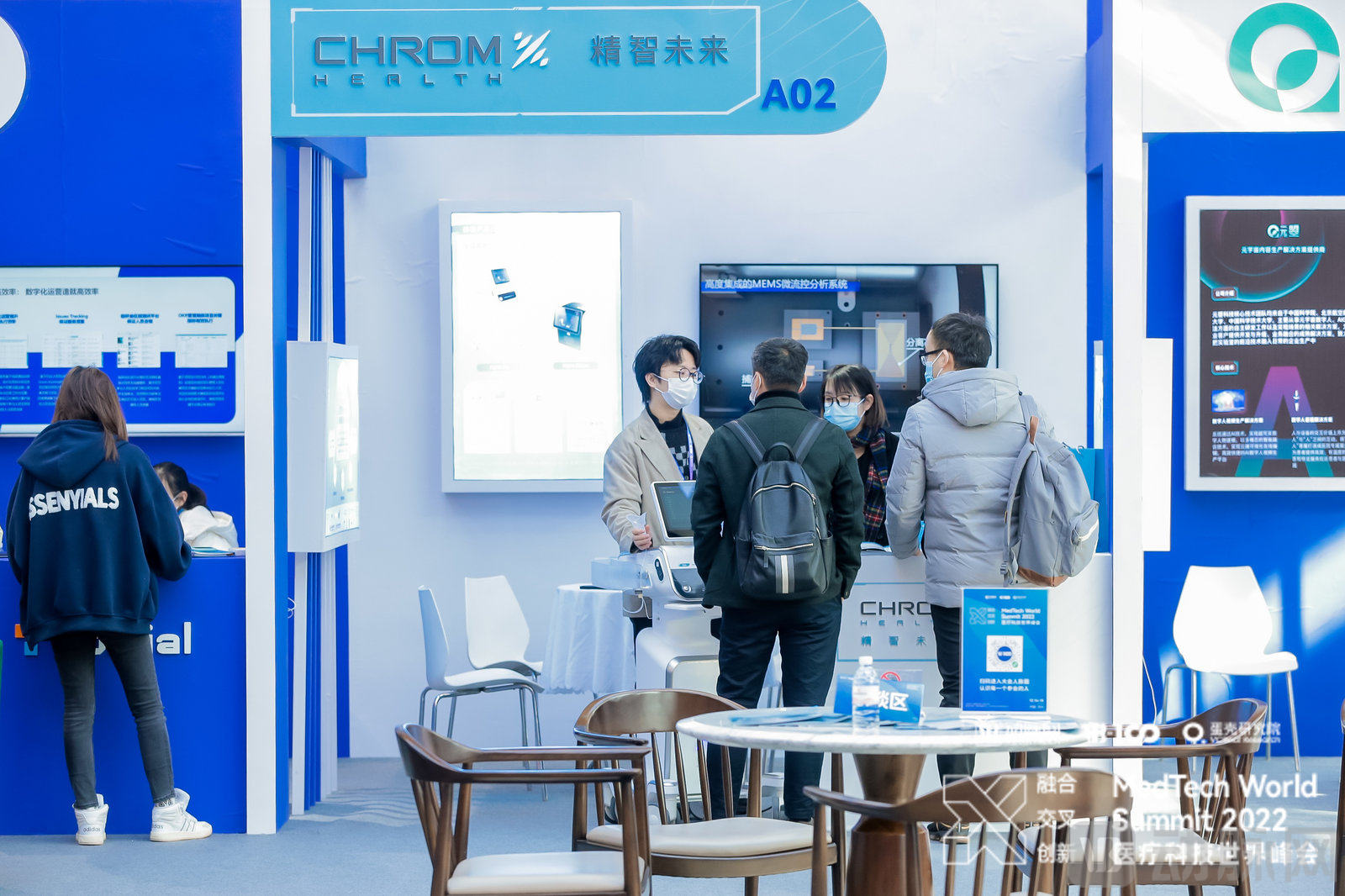
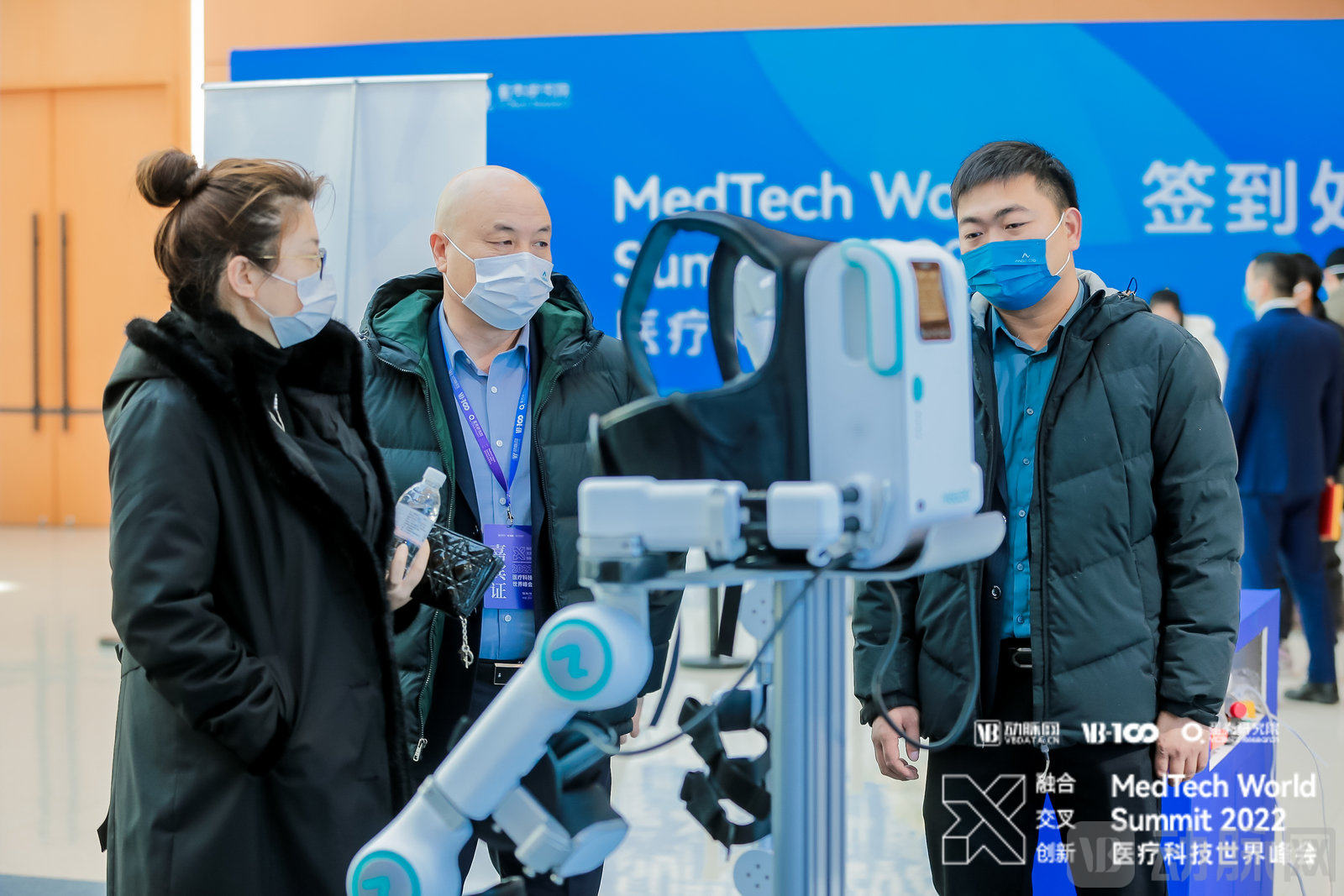
Concurrent Event: Medical Technology Ecosystem Exhibition
One month ago, when we finalized the plans for this conference, we still had significant concerns. However, our aspiration for innovation and high hopes for the future compelled us to persevere, culminating in the successful conclusion of the 2022 World Summit on Medical Technology amidst the cold winter days. This conference integrated a platform for sharing cutting-edge technologies, a forum for industrial innovation exchange, and a showcase for application achievements, thereby building a robust bridge for interactive communication among academia, industry, research institutions, and investors. In 2022, we officially embarked on a new path toward ending the pandemic, while China’s healthcare industry began to usher in an innovative growth paradigm of “Healthcare + X.” In the current era of increasingly frequent cross-disciplinary technological development, technological convergence across various fields has driven numerous innovative breakthroughs, bringing the traditional medical and health sector to an inflection point for innovation. VCBeat VB100 will continue to curate compelling event content, working hand in hand with innovators to stride forward into the new era and journey of medical technology.

Registration for the 2022 World Summit on Medical Technology [Replay]
Expected to go live two weeks after the conference. Stay tuned.