

Envista China, Chuangqi Health Research Institute, and CSDDI Release Industry White Paper on Digital Transformation in Oral Healthcare
Globally, digital and cutting-edge information and communication technologies have been widely applied to improve population health. In China, the development of healthcare digitalization has been elevated to a national strategic level, with dental digitalization serving as a crucial component of overall healthcare digitalization. On the afternoon of December 16, the Shanghai Chuangqi Health Development Institute, the Digital Stomatology Industry Branch of the China Health Industry Enterprise Management Association (CSDDI), and Envista China (formerly KaVo Group) jointly hosted a symposium on the application of new technologies in dental digitalization and released the *Blue Book on the Digital Transformation of China’s Dental Healthcare Industry (2022)* (hereinafter referred to as the *Blue Book*).
As a key academic outcome of this symposium, the Blue Book focuses on dental care digitalization, an essential component of holistic healthcare digitalization. It aims to enhance the delivery, research, and innovation of current dental healthcare services in China by studying the application and development trends of digital technologies. At the conference, Envista China, the Digital Dental Industry Branch of the China National Health Industry Enterprise Management Association, and the Shanghai Chuangqi Health Research Institute, representing industry, academia, and research institutions respectively, conducted in-depth discussions centered on the theme of digital technology application and development trends, with a focus on smart healthcare, smart services, and smart management.
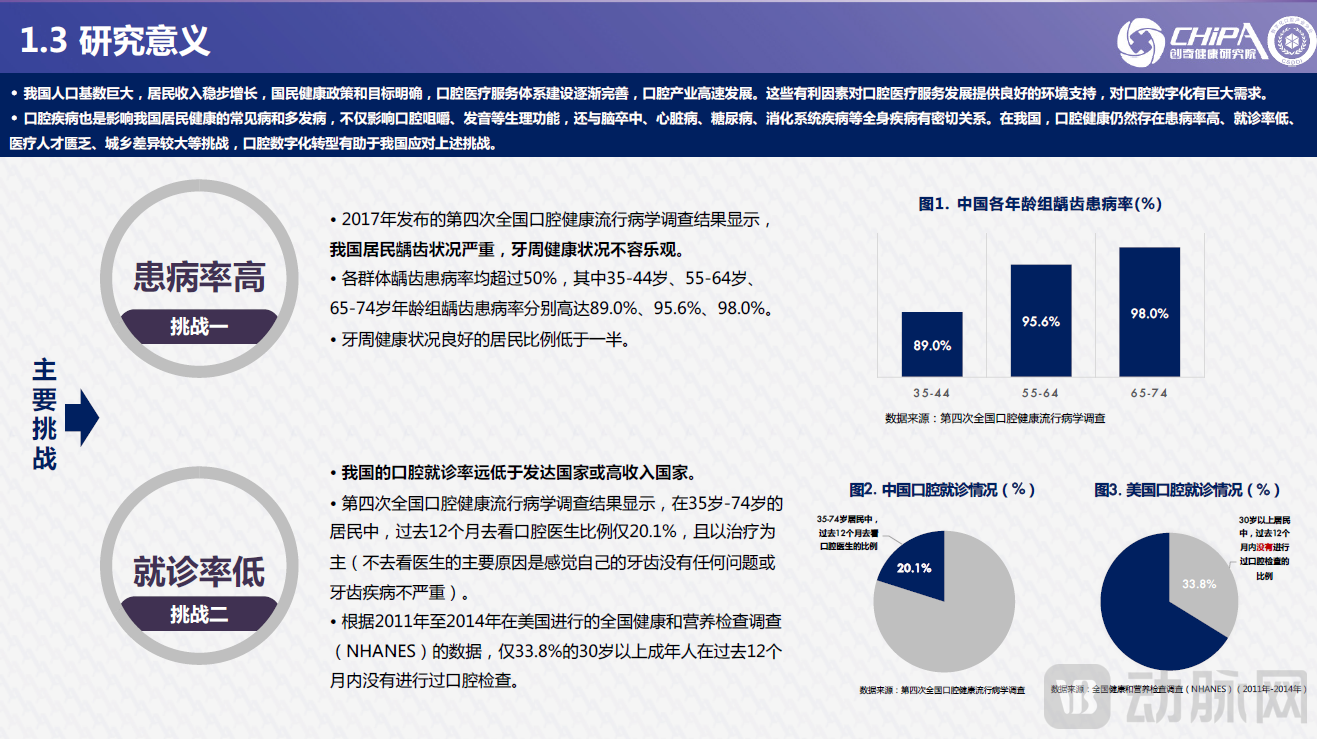
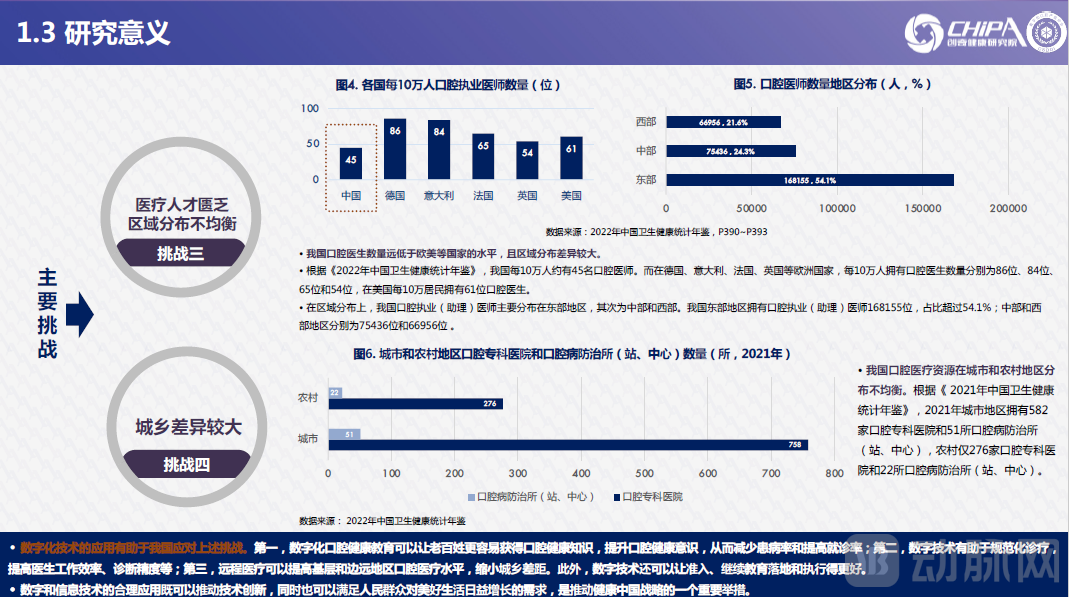
Oral diseases remain among the most common and frequently occurring conditions affecting the health of Chinese residents. They not only impair physiological functions such as mastication and speech but are also closely associated with systemic diseases, including stroke, heart disease, diabetes, and digestive disorders. However, according to the results of the Fourth National Oral Health Epidemiological Survey, Chinese residents exhibitHigh Prevalence and Low Consultation Rates for Oral Diseasesissues. Meanwhile, according to data from the "2022 China Health and Health Statistical Yearbook,"China faces a shortage of dental healthcare professionals, and there is a significant urban-rural disparity in the distribution of dental medical resources.
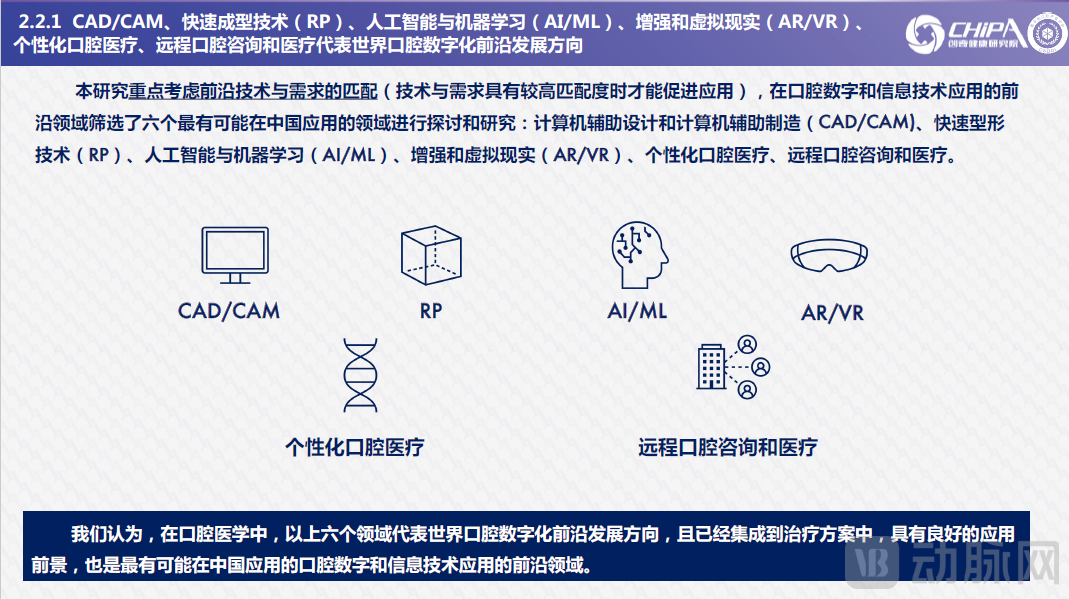
The digital transformation of dentistry will help China address the aforementioned challenges by empowering the entire process of dental diagnosis, planning, and design with advanced digital technologies. This will reduce costs and improve efficiency in dental medical services, while providing patients with a more precise, efficient, comfortable, and safe clinical experience. The Blue Book focuses on an analysis of six key trends representing the forefront of global digital dentistry development:Computer-Aided Design and Computer-Aided Manufacturing (CAD/CAM), Rapid Prototyping (RP), Artificial Intelligence and Machine Learning (AI/ML), Augmented and Virtual Reality (AR/VR), Personalized Dentistry and Telemedicine, by enhancing precision and predictability, it delivers safer and more efficient oral diagnosis and treatment.Driving the Future of Dental Care Toward Greater Personalization and Mass Accessibility。
However, the digital transformation of dentistry currently still faces the challenge of "data silos." Data is not interoperable between different medical institutions, nor is it interconnected among digital devices within individual institutions. This poses significant challenges to clinicians' diagnostic and treatment efficiency, as well as to the efficiency of patient referrals.
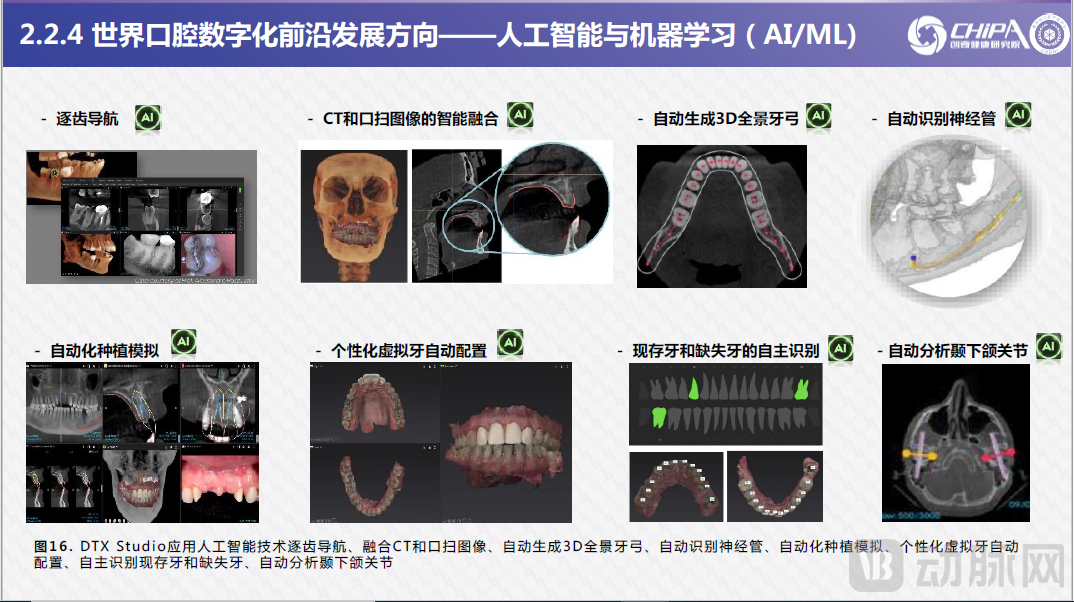
As a research partner for the Blue Book and a representative provider of “one-stop digital dentistry solutions” in the industry, Envista China has provided substantial technical support and practical case studies to the Blue Book by planning next-generation digital dental clinics based on two key principles throughout the entire diagnosis and treatment workflow: first, achieving data connectivity and integration; second, delivering intelligent software with “augmented intelligence.” For instance, the DTX STUDIOTM digital diagnosis and treatment ecosystem, which empowers the entire oral care workflow, connects and integrates data from various device software into a unified platform. Leveraging intelligent technologies such as AI and AR, it supports subsequent diagnostic and therapeutic procedures, thereby enhancing the precision and safety of the entire dental care process.

Xu Bangda, General Manager of Envista China’s Professional Consumables and Implant Division, stated that as a key force driving the digital transformation of China’s dental sector, Envista has been continuously accelerating the implementation of its digital dentistry strategy following its brand upgrade earlier this year. The company aims to leverage digital innovation to achieve personalized and widely accessible dental care in the future, making unremitting efforts to help more people in China access higher-quality and more affordable dental healthcare services.
In the future, digital technologies will continuously accelerate the development of personalized and mass-market oral diagnosis and treatment. While reducing costs and increasing efficiency for the industry, these technologies will also narrow regional disparities in oral healthcare services, facilitate the decentralization of high-quality medical resources, and empower the training of dental professionals. However, while making ample preparations for the future, the *Blue Book* also highlights the challenges imminent in this transformation. First, it is essential to construct standardized data and datasets as the foundation for clinical research and technological innovation. Second, a data governance framework tailored to national conditions must be established to effectively promote digital transformation, while ensuring data privacy and security. Third, educational models for talent development that integrate digital and traditional techniques should be deployed. Fourth, clear, targeted, and easy-to-follow processes, standards, and guidelines must be summarized and refined to continuously enhance digital clinical safety and ensure medical quality. Only in this way can digitalization better meet the people’s growing demands for a better life and serve as a significant initiative in advancing the national “Healthy China” strategy.