Hengrui Bio Advances Upstream Standardization in Synthetic Biology with Dual B2B Ingredient and B2C Product Strategy
Synthetic biology is one of the most cutting-edge fields in biotechnology in recent years. It involves the application of engineering principles to biology, aiming to design and manufacture biologically active parts, components, and systems, making it an interdisciplinary technological field.
Synthetic biology technologies not only enhance the safety, stability, and bioactivity of ingredients and raw materials, but also enable the customization of substances to meet specific requirements, thereby achieving precise functionalization. Sustainability, scalability, and robust stability are the key advantages that currently distinguish this technology from traditional manufacturing processes.
Therefore,In recent years, synthetic biology technologies in China have been extensively developed and applied across the cosmetics, food, and pharmaceutical sectors.Alongside advancements in this technology, bioactive ingredients at the raw material stage—such as hyaluronic acid and recombinant collagen—have also achieved breakthroughs in both technology and application. This has driven the gradual popularization of science-based products and accelerated the brand-building efforts of domestic companies.
With the public listing of Giant Biogene, the application of synthetic biology technology in recombinant collagen has set off a wave in the industry, sparking growing expectations for the development potential of more small and medium-sized startups in this sector.
hernrrie(hereinafter referred to as: Hernrrie),Established in 2019, located in the China Medical City, a national-level pharmaceutical high-tech industrial development zone,A technology-driven small and medium-sized enterprise (SME) that leverages synthetic biology and bio-fermentation technologies to build a full-industry-chain business system spanning from raw materials to medical products, functional skincare, and medical aesthetics, serving manufacturing enterprises, medical institutions, and end-users in the global healthcare, health, and beauty sectors.。
The company places significant emphasis on the overall planning and layout of its entire industry chain, achieving strong commercial conversion not only in consumer-facing (C-end) products but also providing raw material supply services to business clients (B-end).VCBeat recently interviewed this rare full-industry-chain startup in the sector to enrich understanding of synthetic biology technologies and the industry.
Hernrrie applies synthetic biology technologies to fields such as genetically engineered drugs, medical devices, biomaterials, medical aesthetics, and the broader health industry, having developed multiple products and successfully achieved industrialization.
Synthetic Biology PlatformwithBiological Fermentation Platform, are Hernrrie's two major current technology platforms. Leveraging these two platforms, the company has currently launched innovative products primarily in the fields of biomaterials and medical devices. Among them,BiomaterialsIt mainly includes wound care materials, hemostatic materials, medical materials, etc. ForMedical DevicesIn terms of strategic direction, Hernrrie primarily focuses on practical materials and devices required for medical aesthetics, such as dermal fillers, cosmetics, and skincare products.
Currently,Hernrrie has built over 10,000 square meters of GMP-compliant cleanroom facilities., achieving the transformation of bioactive materials from raw ingredients to finished products and establishing a full-industry-chain business system for recombinant collagen-based functional skincare products,More than 50 collagen-based functional skincare products have been launched on the market.。
Meanwhile, the company also focuses onRecombinant Collagen Raw MaterialsandRecombinant Humanized Collagen Medical Device Productsthe research and development, such as the development and industrialization of recombinant humanized collagen-based medical aesthetic fillers and related pharmaceutical products. Next year, Hernrrie will initiate the clinical trial application for its recombinant humanized collagen implant as a Class III medical device.
Compared with other dermal fillers currently on the market, recombinant humanized collagen elicits a low immune response after injection and is biodegradable and absorbable, posing minimal risk to the body. More notably, it demonstrates high biocompatibility with human skin, improving skin resilience, softness, fullness, and smoothness, while avoiding issues such as sagging, depression, or facial irregularities caused by uneven absorption.
In the interview, it was revealed that Hernrrie has been an early mover in the industry, with years of technical reserves and research on the technological front. R&D personnel account for 40% of its nearly 100 employees. However, Hernrrie’s core competitive advantage lies in its user market.
Henrry's customers are divided into two categories: B2C and B2B.For the consumer market, Hernrrie primarily promotes its products on online marketplaces and live-streaming platforms such as Douyin, Tmall, and JD.com, achieving rapid growth in its user base. On the other hand, the company’s B2B business mainly involves supplying raw materials to downstream enterprises, leveraging its existing biosynthesis technology platform.
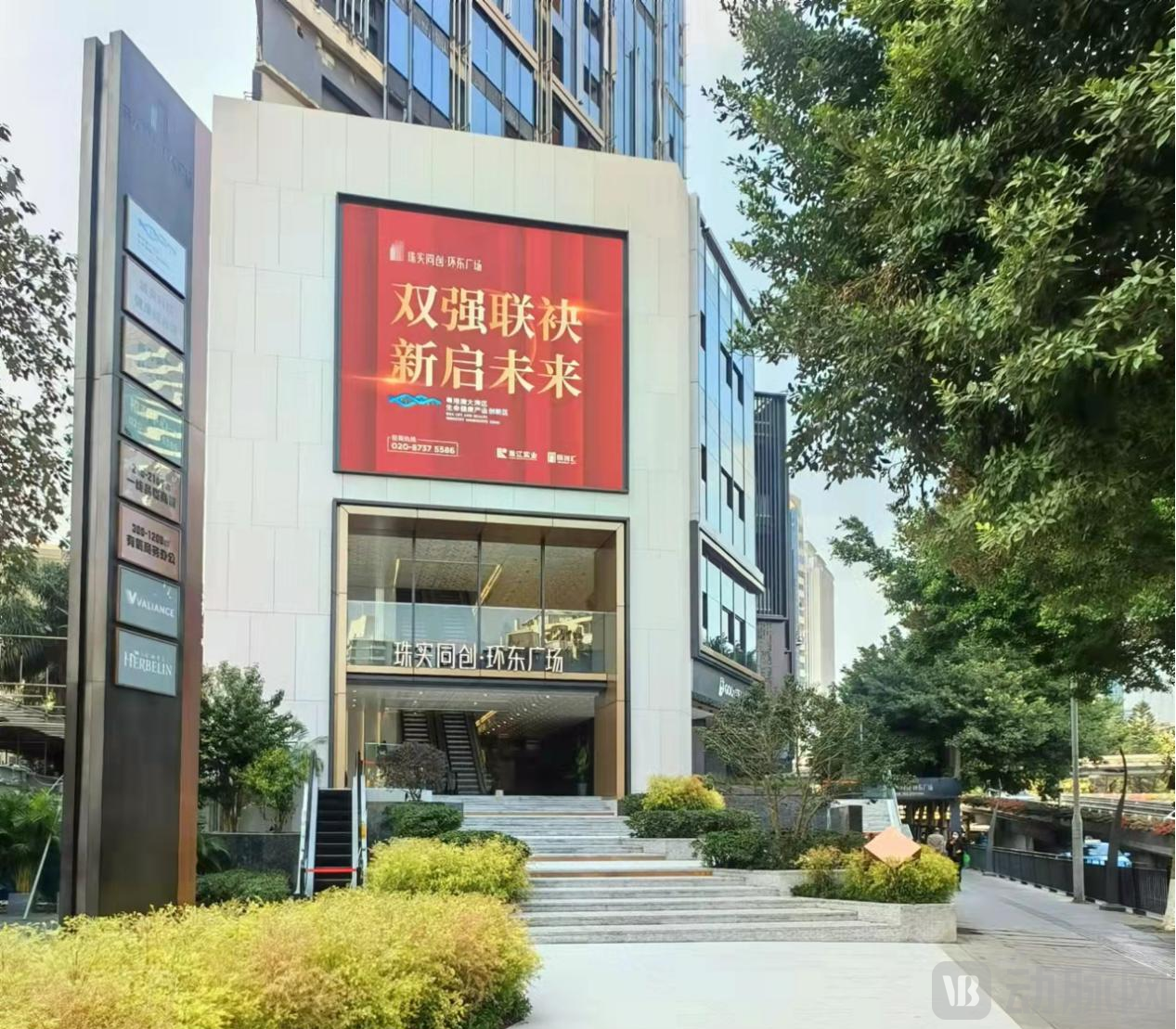
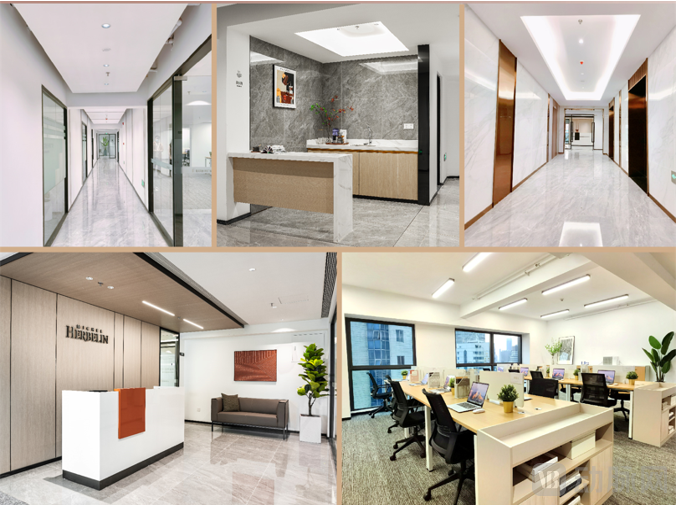
Having established clear market objectives, Hernrrie will now focus on driving commercial revenue growth.The company established Henrrie (Guangzhou) Biotechnology Co., Ltd. at the Zhushi Tongchuang Huandong Plaza project in Yuexiu District, Guangzhou., with a targeted focus on market promotion and sales operations, while also facilitating the commercialization of research achievements from nearby universities, thereby laying a solid foundation for the company’s sustained growth in the future.
Currently, the scale effects of our B2C business are gradually taking shape. In the first half of 2022, the terminal sales revenue from our functional skincare products for B2C consumers reached RMB 80 million. Next year, the company aims to achieve online sales exceeding RMB 100 million for more than ten key products and will continue to enhance their brand value over the long term.
Meanwhile, the B2B business will gradually take shape at the raw material level, with increased R&D investment in the scaled and standardized production of collagen, expansion into the B2B market, and the establishment of a sustainable mechanism for business growth. The B2B segment is expected to achieve substantial growth in 2023.
Such a business model is uncommon. Companies like Hernrrie, which engage in both the research, development, and sales of consumer-facing products and the supply of approved raw materials to business clients, are rare inCurrently, the synthetic biology sector is dominated by large enterprises that have completed their initial public offerings (IPOs).. However, for small and medium-sized startups,The raw material supply side is, in fact, a challenge that is neither “easy” nor “inexpensive” to address.。
Faced with the comprehensive costs of equipment investment, talent acquisition, and process exploration, coupled with the risks and pressures associated with platform development,Procurement and collaboration at the raw material level have gained increasing popularity among small and medium-sized start-ups in recent years.。
Hernrrie has seized this market pain point and demand, leveraging its technical reserves to establish a comprehensive commercial layout across the entire industry chain. This approach not only enables the company to build differentiated advantages but also removes many obstacles in its commercial expansion.Mastering the production of raw materials has positioned Hernrrie Bio as an upstream source manufacturer, granting it greater initiative in downstream product development, manufacturing, and cost control. Meanwhile, following regulatory approval for these raw materials to enter the B2B market, the “raw material supplier” role has diversified the company’s business model and expanded market opportunities. The resulting increase in revenue has further reduced the company’s constraints on sustainable innovation and long-term development.
From Hernrrie’s perspective, the B2B commercialization of upstream raw materials facilitates standardization at the raw material level within the industry, thereby promoting regulatory oversight of such products in the cosmetics, food, and pharmaceutical sectors. Therefore,“The construction of ‘standardized’ upstream platforms will be a future development trend.”。
Following the standardization of upstream processes, the industry’s competitive factors will increasingly center on “technological innovation” and “market competitiveness” of products.Developing innovative products and expanding the client base will be new challenges for enterprises participating in market competition.
Given the competition at both ends of the industrial chain and the parallel standardization in the middle, how to shape product forms through market dynamics and build corporate advantages in product commercialization will likely be a key consideration for synthetic biology companies in the future.
About Zhushi Tongchuang · Huandong Plaza
Zhushi-Tongchuang · Huandong Plaza is a technology and health complex in the heart of Guangzhou, jointly developed by Zhujiang Industrial, a state-owned enterprise under the Guangzhou Municipal Government, and Tongchuang Group, a renowned asset revitalization operator. Located at No. 418 Huanshi East Road, Yuexiu District, the project enjoys proximity to the most premium and densely concentrated public hospital resources in Southern China. With a total gross floor area of approximately 34,000 square meters, the development features industrial office spaces, an International Medical Exchange Center, a boutique hotel, and supporting commercial facilities.