Report on Digital Healthcare Innovation Trends 2022: A Comprehensive Industry Analysis Released
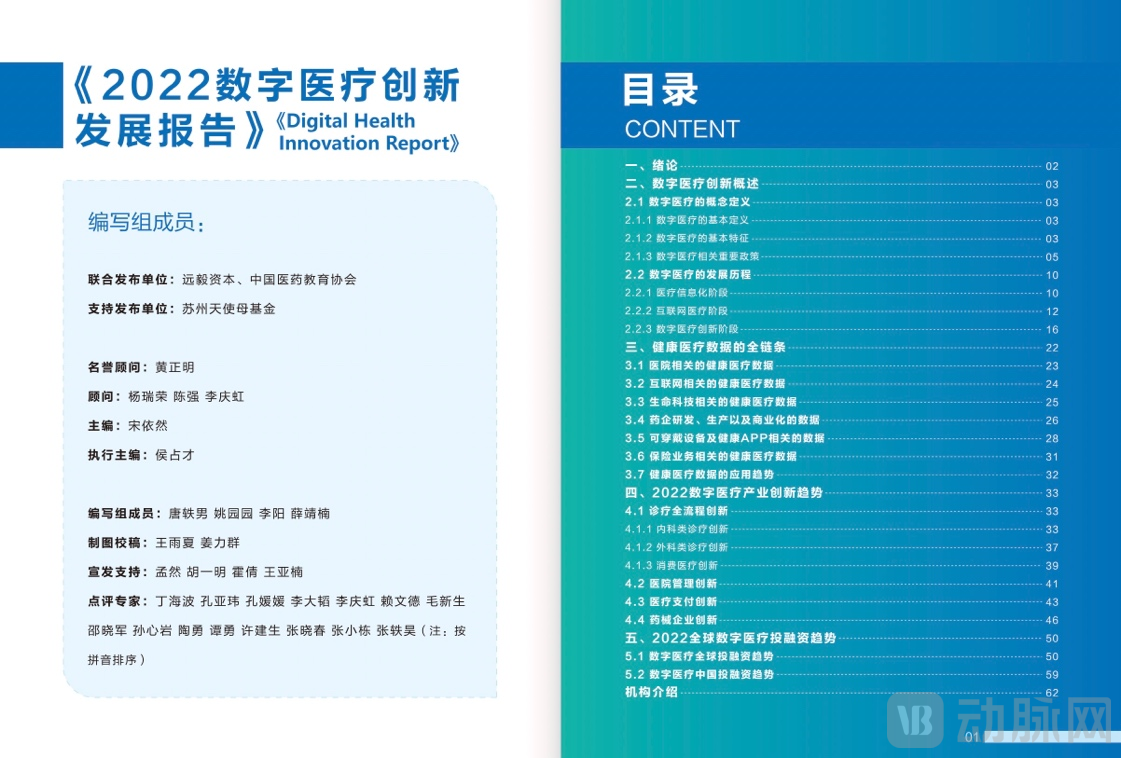
“2022 Report on Innovative Development of Digital Healthcare” is the industry’s first comprehensive report on digital healthcare innovation, jointly released by Yuanyi Capital, the China Medical Education Association, and dozens of industry experts.From the perspective of the overall evolution of the digital healthcare industry, this report elucidates the breakthrough developmental trajectory and key milestones of the emerging, digitally empowered healthcare sector—progressing from the stage of healthcare informatization, through internet-based healthcare, to the current phase of digital healthcare innovation—and clarifies the fundamental definition and characteristics of digital healthcare.
Meanwhile, the development report maps out the entire value chain of health and medical data, summarizing data sourced from hospitals, the internet, life sciences, pharmaceutical companies, medical device manufacturers, and insurance providers. Based on this analysis, it identifies four key sub-sectors and their 2022 innovation trends in the digital healthcare industry: innovation across the entire diagnosis and treatment process, hospital management innovation, healthcare payment innovation, and innovation by pharmaceutical and medical device companies. The report also reviews and analyzes global and Chinese investment and financing trends in digital healthcare.
How to obtain the latest full version of the report:
Reply with “Digital Healthcare Report” in the backend of the WeChat Official Account “Boom Health” to receive the full version of the “2022 Digital Healthcare Innovation Development Report”.
The basic definition of digital health is a collection of healthcare industries empowered by digital technologies,It is an emerging field born from the integration of digital technology with healthcare scenarios. By generating, collecting, analyzing, and applying health and medical data, it optimizes the entire diagnosis and treatment process, delivering new value to all stakeholders in the healthcare industry and to the development of healthcare systems.
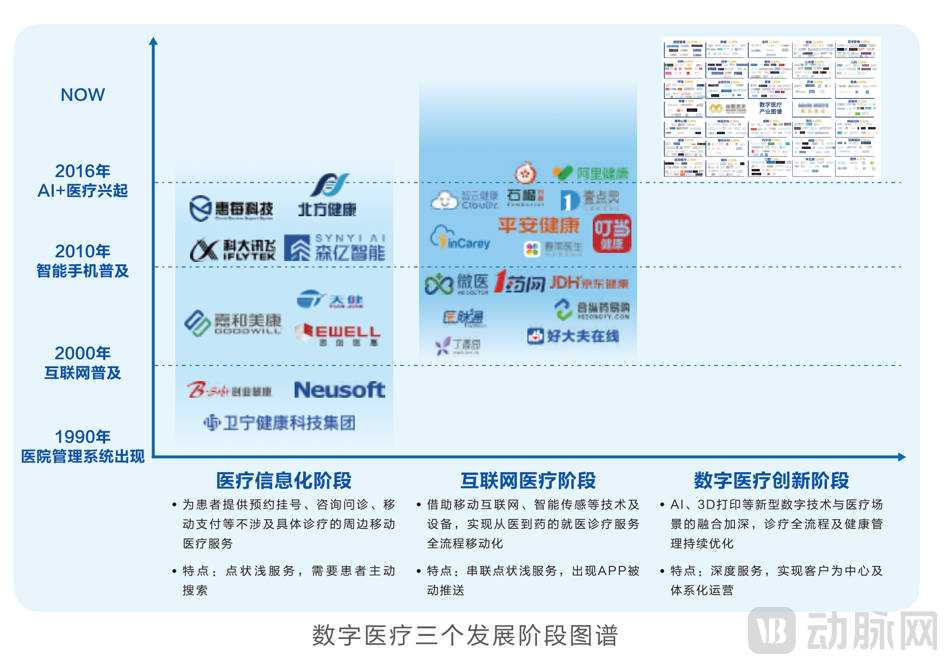
Compared with the traditional healthcare industry, digital health offers advantages such as being data-driven, customer-centric, and providing comprehensive solutions. From the origins of healthcare informatization in the late 1970s to the rise of internet-based healthcare in the early 2000s, and further to the innovation phase of digital health that began after 2016, the Chinese government has introduced numerous favorable policies to support the robust development of the digital health sector.
Digital healthcare is a new business model generated through the accumulation of data from medical informatization, interactive forms of internet-based healthcare, and the development of emerging technologies such as AI and 3D printing.Digital healthcare innovation is exhibiting an overall trend of deepening integration with medical practice, evolving from superficial to profound engagement and expanding from general practice to specialized care, with increasing emphasis on enhancing the capabilities and efficiency of the healthcare supply side. Furthermore, a growing number of medical experts are assuming core roles within digital health enterprises, while application scenarios for digital health innovation are flourishing in diverse forms. By deeply integrating into clinical diagnosis and treatment workflows, digital healthcare improves the efficiency of healthcare systems, enhances accessibility for all stakeholders, and creates novel payment models, thereby emerging as a new driving force for innovation in the current healthcare system.
The report also explainsThree Core Value Propositions of Digital Health:Enhanced efficiency, innovative payment models, and efficient outreach, with founders of unicorn companies in their respective sectors—Shukun Technology, Medbanks Health, and Beideng Medical—sharing their corporate innovation practices. Meanwhile, it also explainedFive Major Trends in the Development of the Digital Health Industry:Clinical translation of digital health technologies is accelerating; the integration of products and services has become a prevailing trend. Regulatory pathways for digital health products are increasingly clear, yet product robustness remains to be validated. Digital health penetration remains low, with commercial market access and operational capabilities serving as core barriers. The initial model of “Digital Health + Insurance” is emerging, but large-scale implementation will require time.
Data is the fundamental factor of production in the digital health industry.Sources of healthcare and medical data primarily include hospitals, the internet, life sciences, pharmaceutical companies, wearable devices, and insurance services.
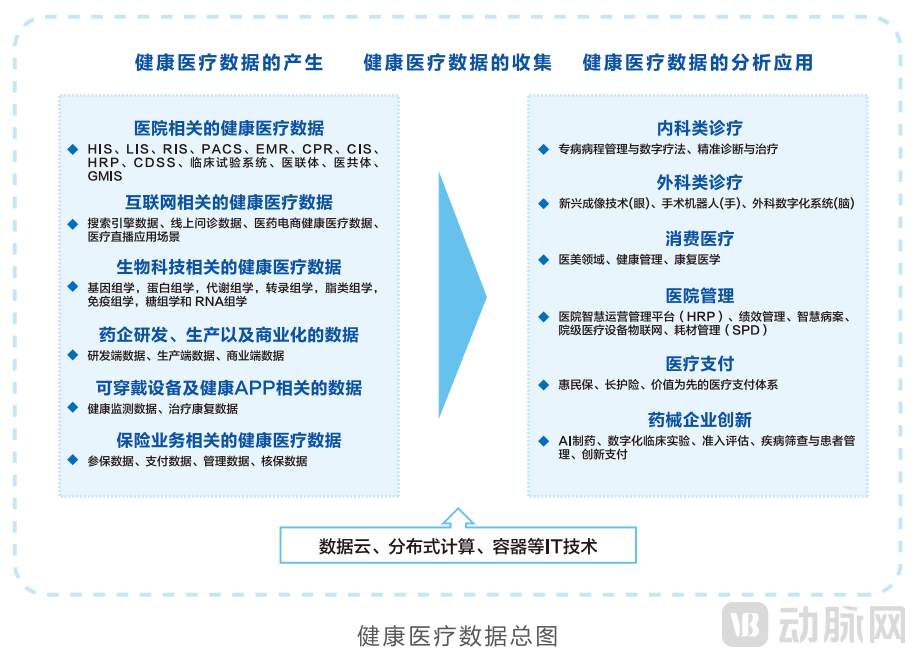
For any pharmaceutical drug or medical device, it is essential to identify appropriate targets based on foundational life science technologies, a process that involves various types of omics data. Subsequently, these healthcare products undergo a series of R&D validations, clinical trials, and regulatory approvals before being distributed and utilized through hospitals, pharmacies, and e-commerce platforms. Throughout the entire diagnostic and treatment workflow as well as daily operations in hospitals, a substantial amount of data is generated. Additionally, as some hospital functions shift from offline to online, data from online consultations and pharmaceutical e-commerce has emerged. Furthermore, numerous health-related personal data points are generated during internet search and interaction processes.
In daily life and home settings, various wearable devices and health apps continuously generate, collect, analyze, and apply health and medical data for health monitoring and therapeutic rehabilitation. During the purchase of pharmaceuticals or medical devices, substantial amounts of related data are also generated through payment processes involving basic medical insurance, commercial insurance, and out-of-pocket expenses. By integrating and processing these data, novel applications can be developed across diverse scenarios.
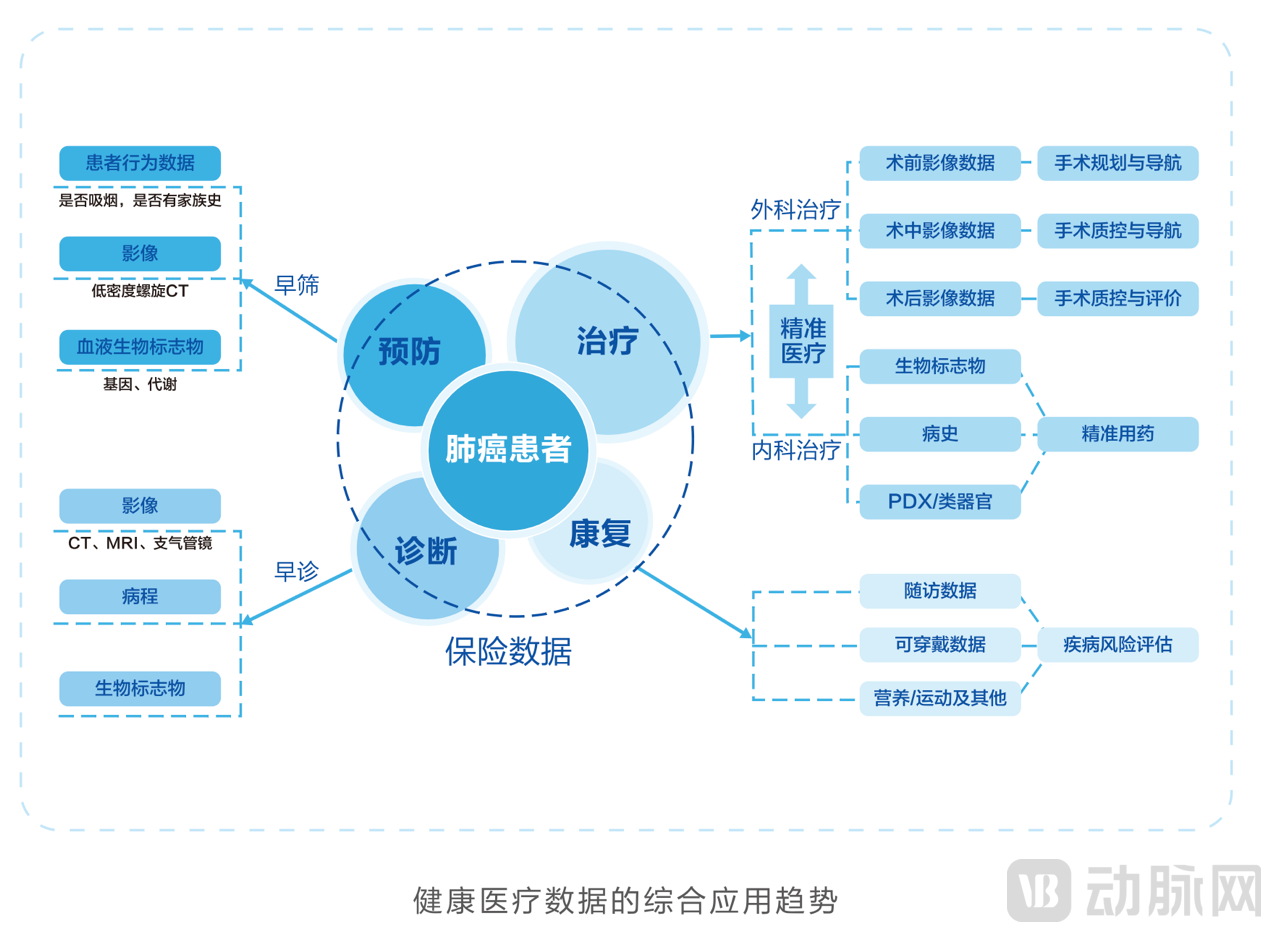
Integrating diverse health and medical data to provide patients with holistic digital solutions, centered around the full lifecycle needs of patients/consumers/clients, is the trend in health and medical data applications.By integrating multi-source data from hospitals, insurers, and patient-reported outcomes across the healthcare continuum of prevention, diagnosis, treatment, and rehabilitation, and by conducting multidimensional data analysis and application, it is possible to achieve early screening and diagnosis, precision medicine, accelerated recovery, and reduced overall healthcare costs.
The 2022 innovation trends in the digital healthcare industry can be categorized into four types: innovation across the entire diagnosis and treatment process, hospital management innovation, healthcare payment innovation, and pharmaceutical and medical device enterprise innovation. Among these, innovations in the entire diagnosis and treatment process—spanning internal medicine, surgery, and consumer healthcare—exhibit distinct trends tailored to their respective application characteristics.
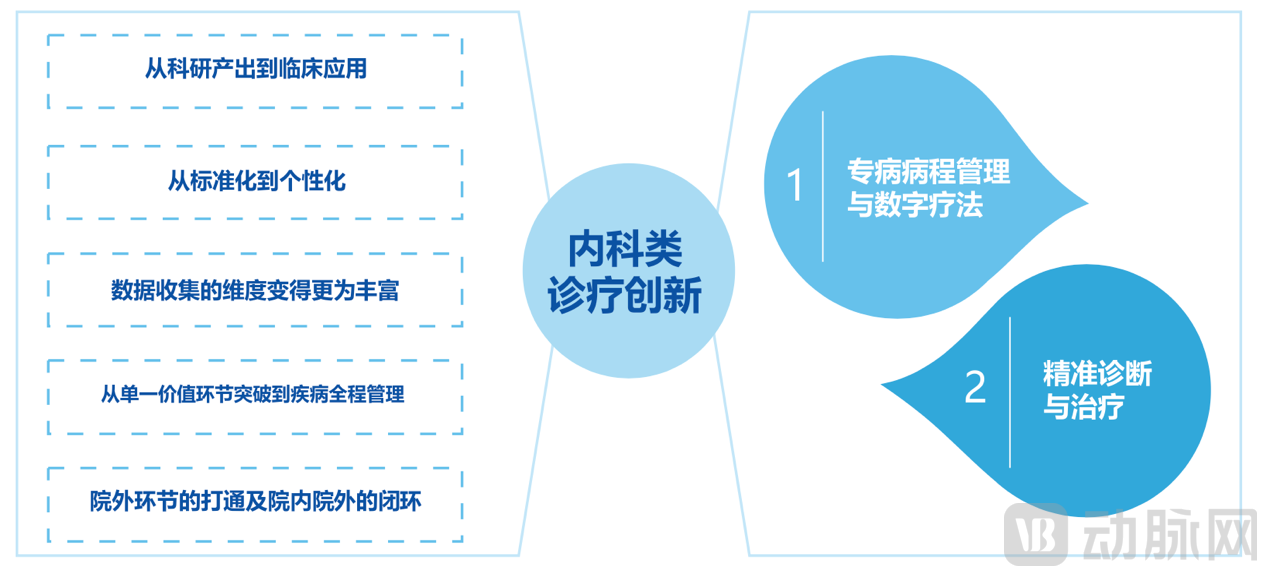
Digital Innovation in Internal Medicine:An increasing number of clinical applications are being translated from research outputs. Standardized diagnosis and treatment are shifting towards personalization, with data collection becoming more multidimensional. It has become an inevitable trend to break through single-value links and achieve end-to-end disease management that integrates in-hospital and out-of-hospital care into a closed loop. In terms of specific sub-sectors, innovative practices in specialized disease course management, digital therapeutics, and precision diagnostics were particularly prominent in 2022.
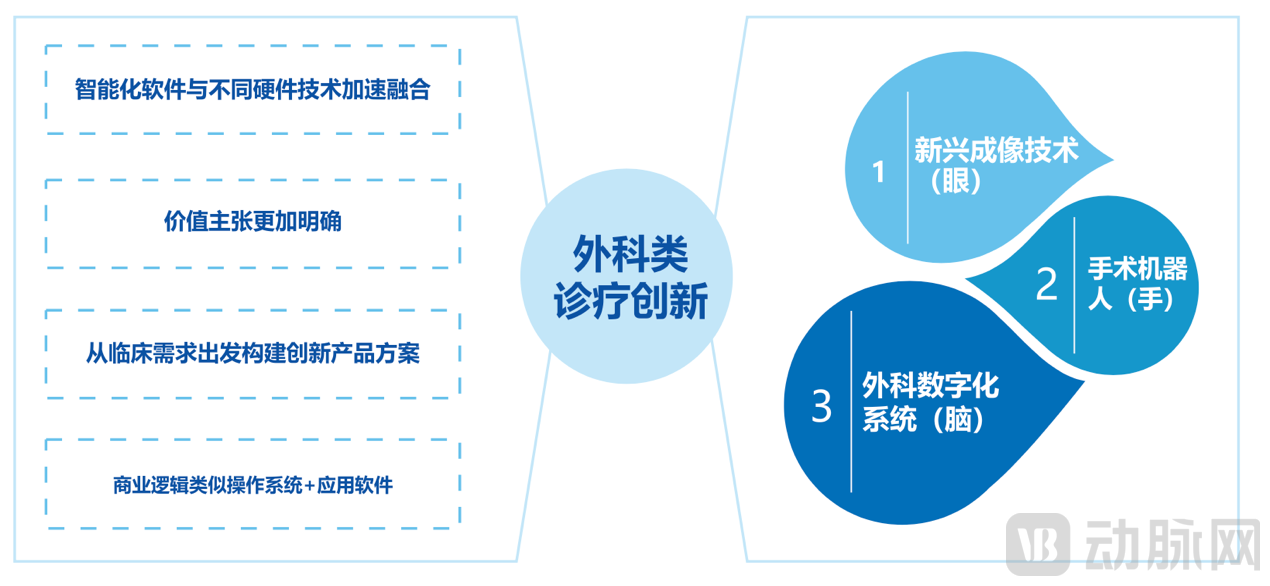
Surgical Digital Innovation:Simplifying complex surgeries, standardizing simple procedures, prioritizing clinical needs, and deeply integrating medicine with engineering. The accelerated fusion of intelligent software with diverse hardware technologies is rapidly building integrated clinical solutions, while leveraging data accumulation at the operating system level to drive continuous innovation at the application layer has become a prevailing trend. Specifically, emerging imaging technologies, surgical robots, and specialized segments of digital surgical systems are garnering significant attention.
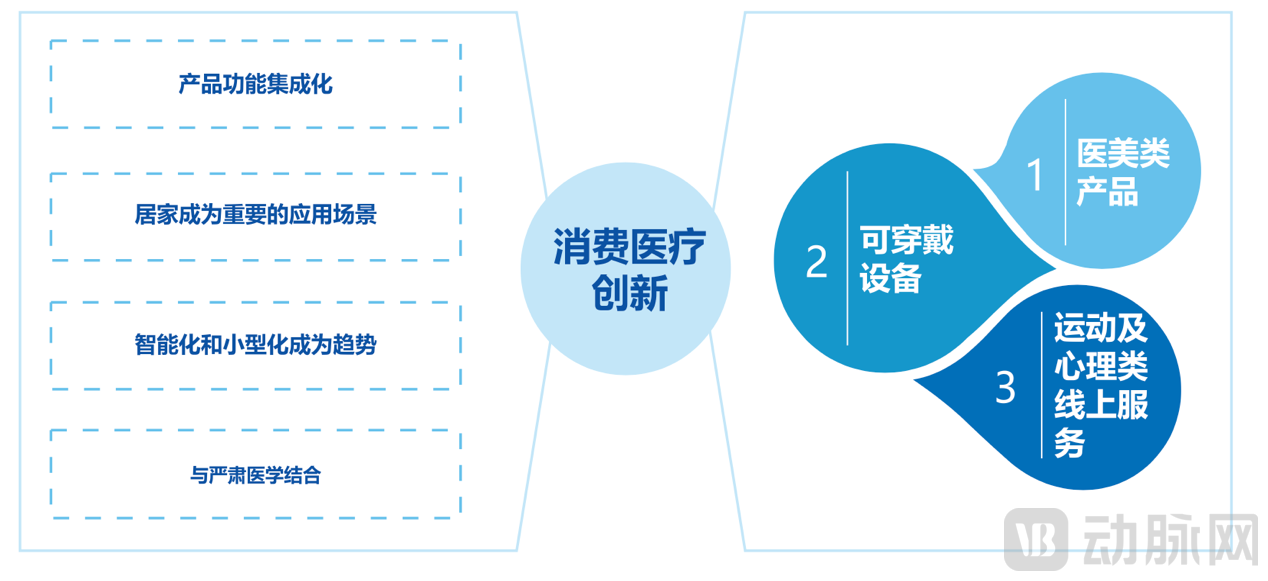
Consumer Healthcare Digital Innovation Sector:In out-of-hospital settings, the consumer healthcare sector under rigorous medical guidance is unleashing new opportunities. An increasing number of consumer healthcare products and services are becoming more technology-centric, emphasizing a people-first philosophy, and continuously innovating to deliver smarter, personalized, convenient, and aesthetically pleasing solutions. Innovative tracks represented by medical aesthetics, health management, and rehabilitation medicine are experiencing accelerated growth.
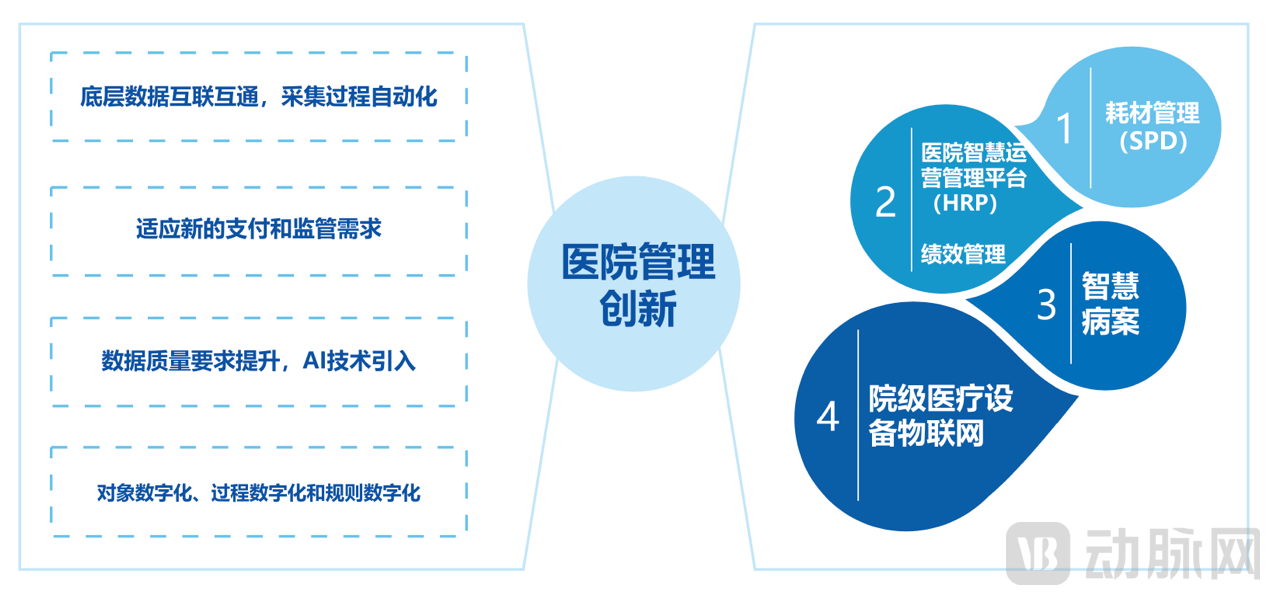
Digital Innovation in Hospital Management:Hospitals are comprehensively raising their requirements for data quality (accuracy, consistency, and timeliness), placing greater emphasis on automated collection and high-level interoperability of underlying data, while introducing AI technologies to achieve highly intelligent data governance. By leveraging comprehensive sensing capabilities for all underlying data, hospitals can support flexible expansion of future applications, align product architecture with hospital management objectives, and serve the personalized needs of various stakeholders within the institution. Notable sub-sectors worth attention include HRP (Hospital Resource Planning), SPD (Supply, Processing, and Distribution), performance management, smart medical records, and hospital-wide IoT for medical equipment.
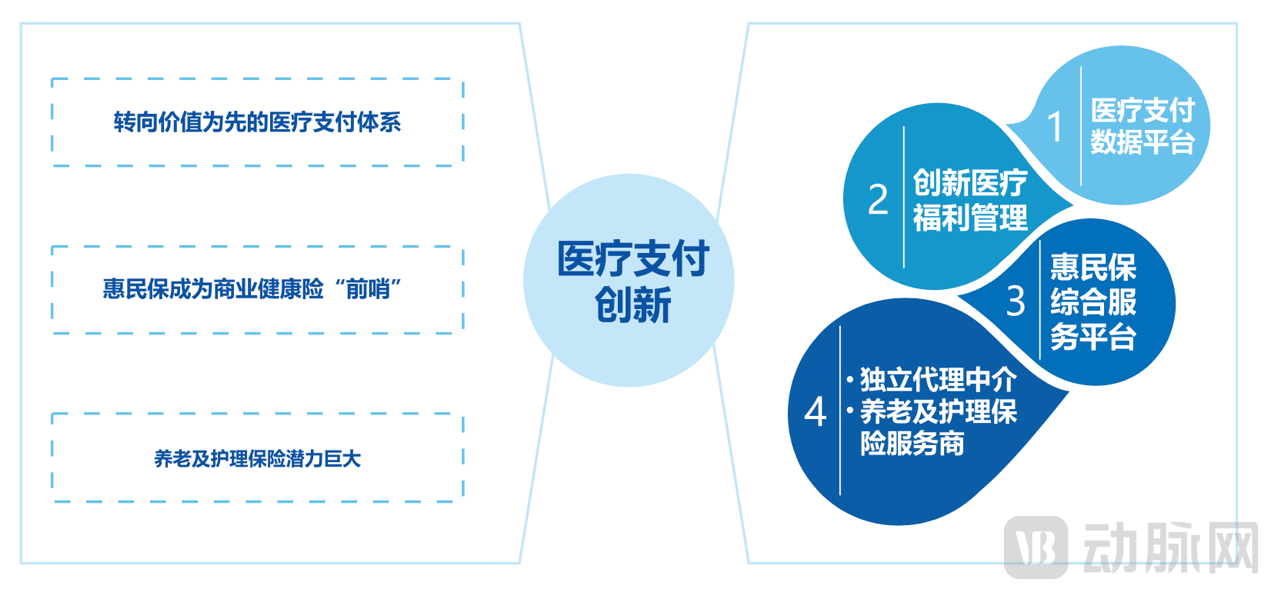
Digital Innovation in Healthcare Payment: The healthcare payment system is gradually shifting toward a value-oriented model centered on patients, aiming to maximize health outcomes per unit of healthcare expenditure. Meanwhile, city-specific supplementary medical insurance (such as “Huiminbao”) has become a “vanguard” for commercial health insurance, providing a safety net against potential catastrophic expenses for a broader population. Furthermore, given the substantial unmet demand for elderly protection and long-term care, there is significant growth potential in the markets for annuities, life insurance, and long-term care insurance.
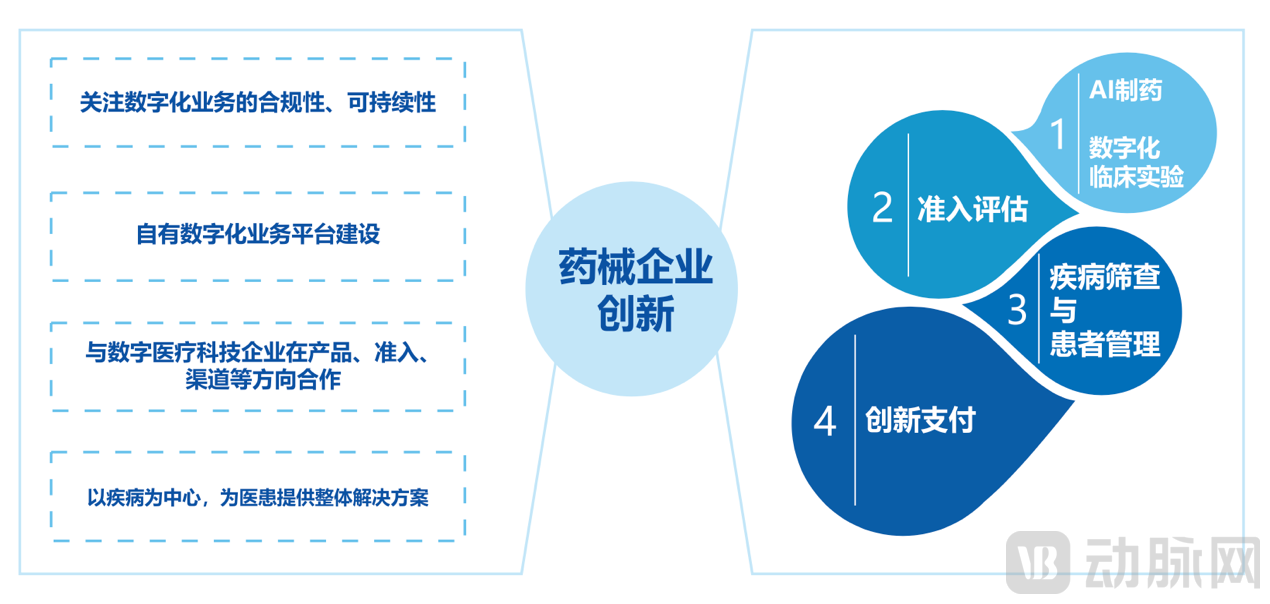
Digital Innovation in the Pharmaceutical and Medical Device Industry:Today, a disease-centric approach that provides holistic solutions for both physicians and patients has become the core innovation strategy for pharmaceutical and medical device companies. More of these enterprises are beginning to build their own digital business platforms, placing greater emphasis on the compliance and sustainability of their digital operations, while seeking collaborations with digital health technology firms in areas such as product development, market access, and distribution channels. In terms of specific sub-sectors, AI-driven drug discovery, digital clinical trials, market access assessment, disease screening and patient management, and innovative payment models all demonstrated rich innovation exploration and practical implementation in 2022.
The "2022 Report on Innovative Development of Digital Healthcare" also compiles insightful perspectives and commentaries from leading experts at renowned hospitals, healthcare enterprises, and media outlets.including Academician Huang Zhengming, Honorary Lifetime President of the China Medical Education Association and Academician of the United Nations International Academy of Ecology and Life Safety Sciences; Mr. Xu Jiansheng, Deputy General Manager of Beifang Health; Mr. Zhang Xiaochun, Co-founder of WeDoctor Group; Mr. Ding Haibo, Founder and CEO of Beden Medical; Mr. Mao Xinsheng, Founder and Chairman of Shukun Technology; Mr. Zhang Xiaodong, Founder and CEO of Magnesium Health (Mxin Health); Professor Sun Xinyan, Director of the Clinical Research Management Center at Shanghai Children’s Medical Center, Shanghai Jiao Tong University School of Medicine; Professor Kong Yuanyuan, Director of the Center for Clinical Epidemiology and Evidence-Based Medicine at Beijing Friendship Hospital, Capital Medical University; Mr. Tan Yong, Vice President of the China Pharmaceutical Enterprise Management Association and Publisher of E-Drug Manager; Mr. Lai Wende, Chief Digital Officer of Sanofi China; Ms. Li Qinghong, Secretary-General of the Preparatory Committee for the Digital Therapeutics Working Committee of the China Medical Education Association; Professor Tao Yong, Professor and Doctoral Supervisor at Capital Medical University; Mr. Zhang Yihao, President and Chief Executive Officer of GE Healthcare China; Mr. Shao Xiaojun, Chief Medical Officer of Taikang Pension; Mr. Li Datao, Founder of VCBeat; and Mr. Kong Yawei, Managing Director of Asia and International Medical Director at Cedars-Sinai Medical Center.
We hope that the “2022 Report on Innovative Development of Digital Healthcare” will serve as a beacon, empowering all stakeholders in the healthcare sector to pioneer new frontiers and foster innovation, as we collectively look forward to a brighter and more promising future for medicine.