

Geneus Launches Mid-Throughput Nanopore Sequencer with 'Sequencing-by-Synthesis' Technology, Targeting the $100B Precision Medicine Market

Geneus Technologies
Gene Sequencing Instrument R&D and Manufacturer
Nanopore Gene Sequencing Newcomer, After Securing Over RMB 100 Million in Series B Funding in September 2021Geneus Technologies (Chengdu) Co., Ltd.(abbreviated as“Geneus Technologies”) Like a tiger with added wings, it advanced at full speed. In just over a year, it upgraded its product from 128 channels to 512K channels, representing a more than 4,000-fold increase in the number of single-chip sequencing units.
At the recently concluded “2022 China Health Industry Innovation Summit and the 4th ‘Qipu Awards,’” Geneus Technologies outshone its competitors,Ranked Among the “Top 10 of the 2022 Qipu Seed Award for In Vitro Diagnostics”。

What kind of company is Geneus Technologies? How has it achieved explosive growth? What innovative insights are embedded in its technological products? In today’s highly competitive market, what distinctive strategies characterize Geneus Technologies’ commercialization efforts? With these questions in mind, VCBeat conducted an exclusive interview withDr. Su Yunpeng, Founder of Geneus Technologies.

Geneus Technologies, established in September 2017, is located in the Tianfu Life Science Park, known as the “gateway to China’s western life science industry,” and neighbors leading international biopharmaceutical companies such as Shengdi Medicine and Renhe Group.
The company is dedicated to the development and commercialization of fourth-generation (nanopore) gene sequencing instruments and reagents, with the ambition of becoming a driving force behind the widespread clinical adoption of gene sequencing. Its core technology integrates protein nanopore current detection with a sequencing-by-synthesis system, leveraging large-scale integrated IC-MEMS hybrid chips to obtain ultra-high-throughput nucleic acid sequence data, which is then interpreted using machine learning methods.
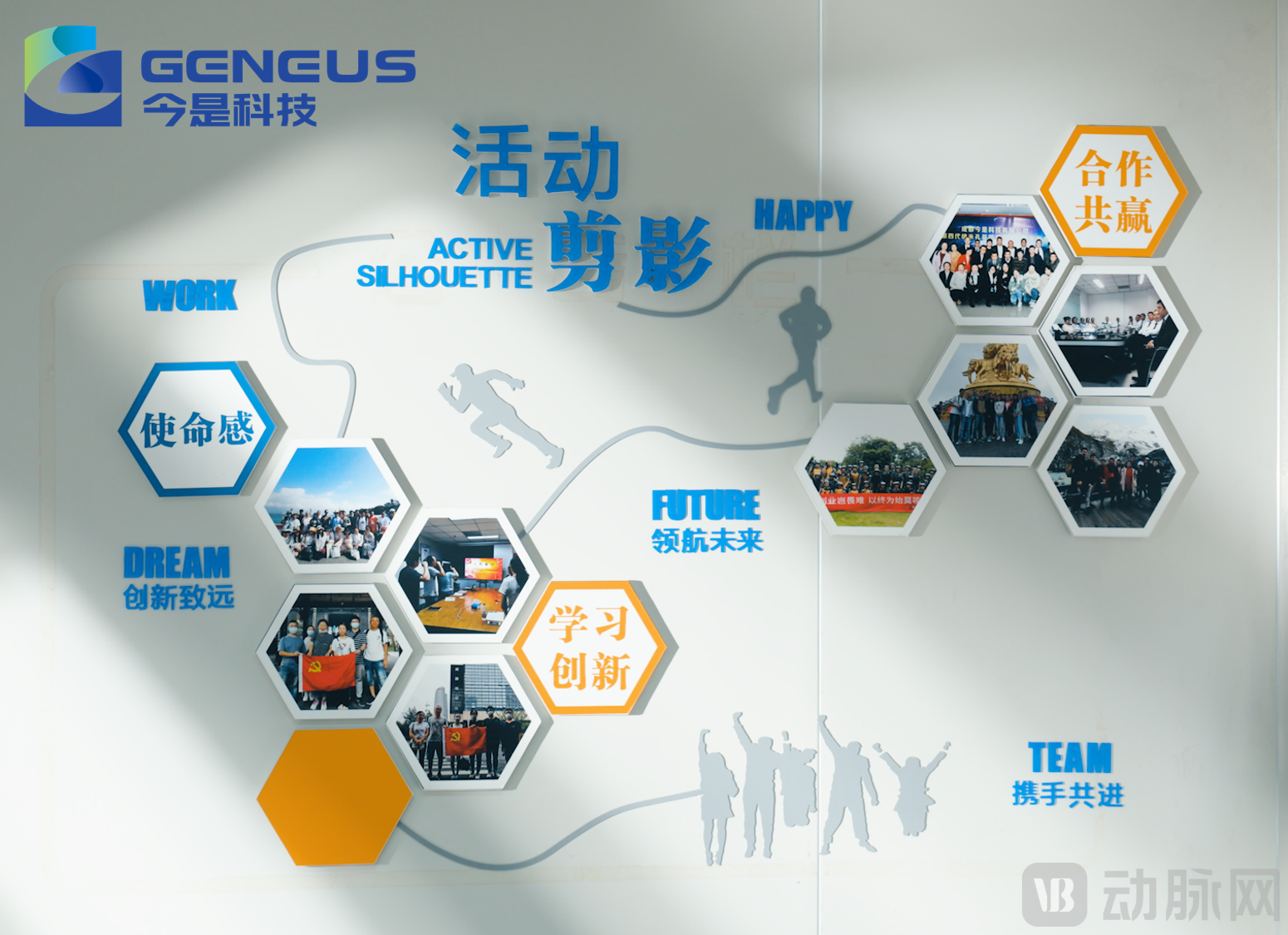
The founding team of Geneus Technologies has been classmates since middle school, sharing decades of mutual understanding and trust. Dr. Yaozhong Zou, Chief Scientific Officer, formerly served as a Senior Principal Scientist in Roche’s nanopore sequencing division, making significant contributions to advancing the performance of nanopore sequencers to commercial standards. Dr. Yunpeng Su, CEO, previously held executive positions at Fortune 500 companies and successfully completed multiple national-level R&D projects. Mr. Ke Jiang, Chip Director, has led the design of dozens of commercial chips.
The corporate name “Geneus Technologies” is derived from the Chinese idiom “Jin Shi Er Zuo Fei” (meaning “what is right today was wrong yesterday”), signifying that Geneus Technologies represents the rising new force in gene sequencing. The company’s English name, “Geneus,” is a homophone of “genius,” while also being a portmanteau of “gene” and “us.” This naming convention not only reflects the founding team’s high expectations for the company to possess genius-level talent and capabilities but also embodies their grand vision of providing genetic services to all humanity.
Currently, approximately 80% of the global market share is dominated by next-generation sequencing (NGS), led by Illumina. However, due to limitations such as short read lengths, complex library preparation, and high costs, the application scope of NGS is somewhat constrained, primarily serving non-clinical fields such as scientific research.
The market urgently needs a new sequencing method to further unlock market opportunities and provide lower-cost, higher-data-quality, and more efficient solutions for application markets such as clinical healthcare. The emergence of Geneus Technologies has made this solution accessible.
According to Dr. Su Yunpeng, founder of Geneus Technologies, the company has innovativelyNanoporeDetection current and"Sequencing by Synthesis"This independently developed intellectual property technology route, when compared to Oxford Nanopore’s direct sequencing technology, not only retains the advantages of simple chip architecture and high sequencing efficiency but also provides sequencing signals that correspond one-to-one with nucleotide bases. By ensuring effective spacing between signals for easy identification and differentiation, it overcomes the inherent accuracy limitations of the latter, delivering data quality that meets the demands of a wide range of clinical applications.
To translate the inherent advantages of sequencing signals into advantages for sequencing systems, Geneus Technologies has spent five years refining its technology and launched large-scale integrationIC-MEMS Integrated Sequencing Chip.Its design incorporates numerous advanced technologies, including minimalist sequencing units combined with logic resource-sharing analog design, mixed-signal compression, and performance tailoring of composite-structure supercapacitor microelectrodes, integrating 512K independent sequencing units into approximately 1 cm2on the chip, with excellent biocompatibility and stability, enabling multiple reuses, significantly reducing sequencing costs and enhancing sequencing flexibility.
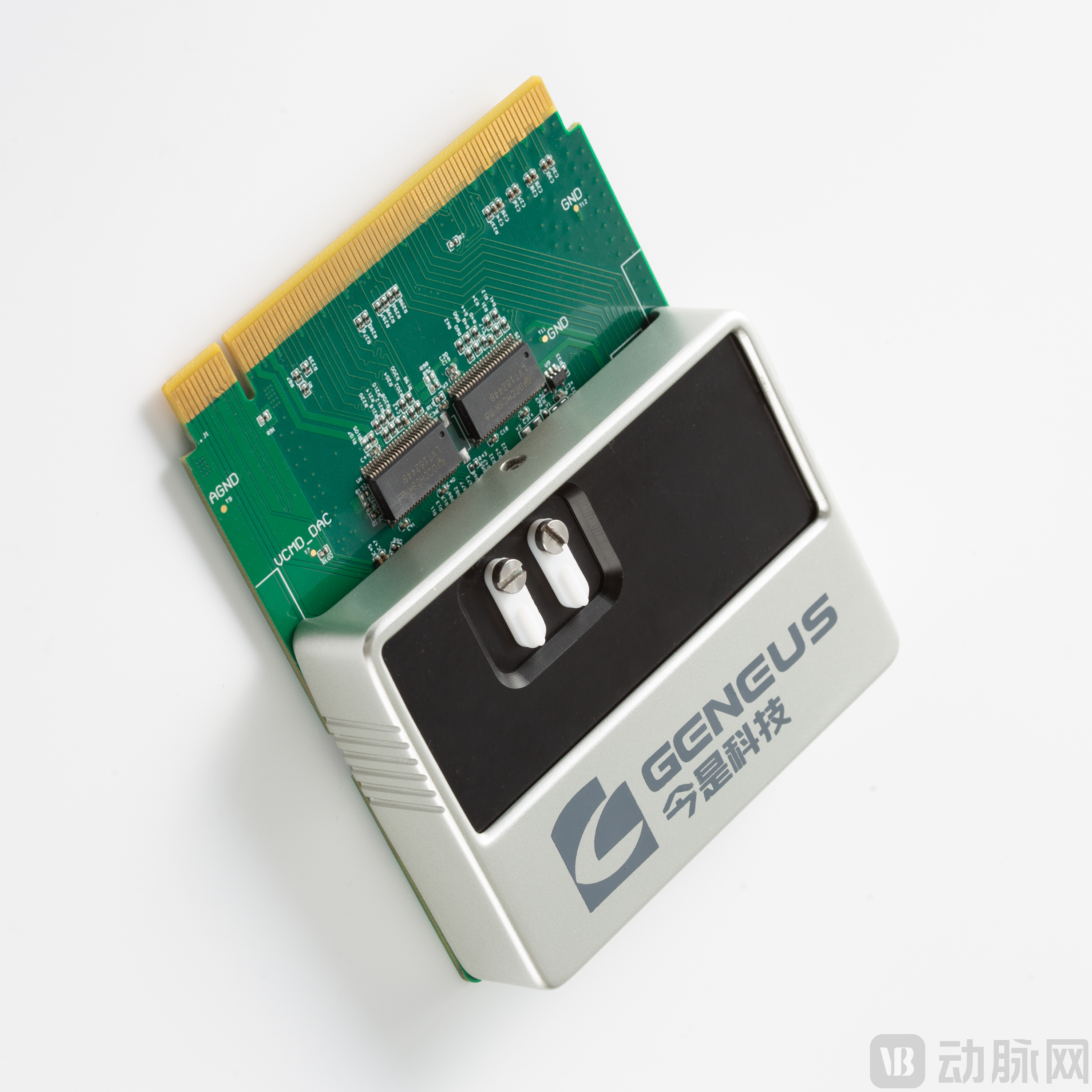
Large-Scale Integrated IC-MEMS Unified Sequencing Chip, Supporting Multiple Uses
Building on a series of breakthroughs in these key technologies, Geneus Technologies is poised to launch the GSeq 500, a medium-throughput nanopore sequencer with independent intellectual property rights. Its single chip features 512,000 independent sequencing units, capable of generating over 15 Gb of sequencing data with a corrected accuracy rate of ≥99.95%.
Gene sequencing technology is integral to everyone's health and represents a fundamental healthcare necessity. As gene sequencing technologies continue to advance, they will unlock a broader range of scenarios and applications, thereby continuously expanding the market.
But what issues still need to be addressed by relevant companies or industries to truly develop the market? Dr. Su Yunpeng shared three core viewpoints: “First, it is essential to truly leverage gene sequencing’sThe actual cost of use has been reduced to a very low level,enhance accessibility of use; second, genetic sequencing'sData quality must truly meet clinical needs,Only in this way can the application scenarios of the technology be expanded, penetrating all aspects of precision medicine; thirdly, it is necessary toAchieve Foolproof and Automated Entire Sequencing Workflow”, significantly reducing the learning curve for sequencing solutions, enabling gene sequencing to be readily adopted by medical institutions at all levels, truly becoming a routine tool in precision medicine and benefiting hundreds of millions of people.”
These are precisely the goals that Geneus Technologies has been relentlessly pursuing. Over the past five years, Geneus Technologies has remained committed to its long-term vision, striving to make gene sequencing a routine tool in precision medicine and addressing the industry’s pain points of high costs, low efficiency, and suboptimal data quality.
According to Dr. Su Yunpeng, the widespread adoption of Geneus Technologies’ GSeq 500 will provide universities, research institutions, clinical laboratories, hospitals, and centers for disease control and prevention with a sequencing solution that is low-cost, high in data quality, highly timely, and flexible. This will comprehensively support the broad application of gene sequencing and drive the development of China’s new healthcare infrastructure.
December 27, 19:00-20:00,Geneus Technologies is set to launch“512K-Channel Mid-Throughput Sample Tester” Online New Product LaunchPlease follow the Geneus Technologies official WeChat account for updates. Stay tuned for more details!
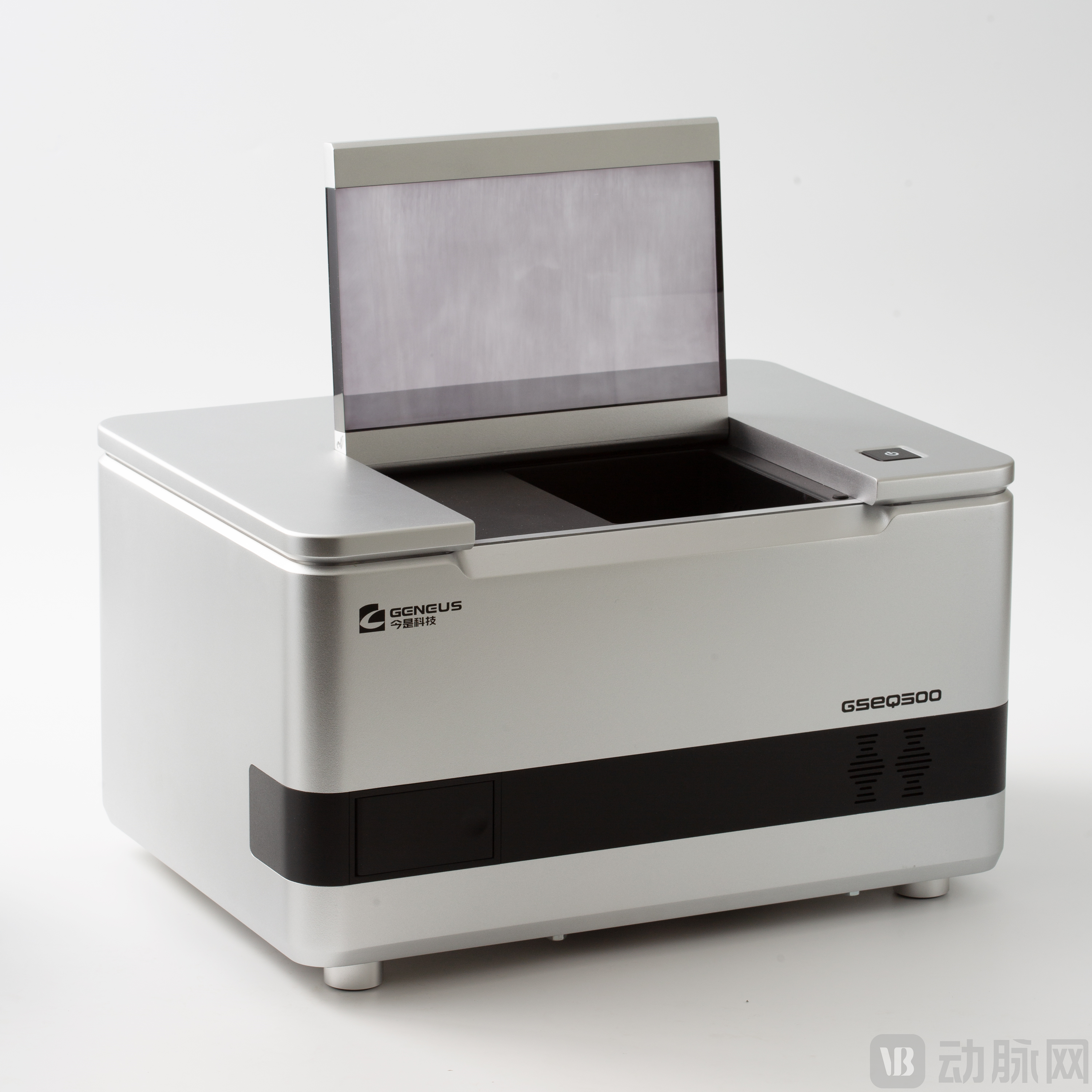
Gseq 500 Gene Sequencer