

NO Gas Therapy Industry Overview: 7 Overseas Companies Listed, 5 Startups, Only 2 Domestic Players — A Stark China-Global Gap

Beyond Air
Medical Device and Biopharmaceutical Manufacturer
Novlead Biotech
Developer of Inhaled Nitric Oxide Therapy
Bellerophon Therapeutics
Drug Delivery Device Developer

SaNOtize
Biological Pharmaceutical Manufacturer
COVID-19 is one of the most significant public health crises humanity has faced in nearly a century, leading to a sharp rise in labor shortages and healthcare burdens. Due to the rapid mutation of the virus, current data suggest that vaccine development cannot keep pace with viral evolution. Various therapies are being explored to reduce the risk of infection and severe disease, as well as to accelerate patient recovery.
VCBeat found that as early as March 2020,Bellerophon、VERO Biotechof NO inhalation therapy subsequently received FDA emergency approval for the treatment of COVID-19. Subsequently,SaNOtize、Beyond AirSeveral other U.S. companies have also successively employed inhaled nitric oxide (iNO) therapy to treat COVID-19. This represents only the tip of the iceberg regarding the broad applications of nitric oxide gas therapy; currently, more than eight new indications are undergoing FDA registration and approval in the United States.
The nitric oxide (NO)-related therapeutic sector is poised to enter its golden age. However, current NO gas therapy technologies are predominantly concentrated in overseas markets. VCBeat’s analysis of 14 companies involved in NO gas therapy reveals that more than half of the overseas firms are publicly listed, ranging from established industrial gas giant Linde to unicorns such as Beyond Air and Bellerophon Therapeutics. Overseas startups also demonstrate strong fundraising capabilities; for instance, VERO Biotech has reached its Series E financing round, with total funding amounting to $205 million.
Overseas companies are thriving, yet few domestic startups in China have ventured into this field. In China, nitric oxide (NO) gas therapy represents a pure blue-ocean market. VCBeat has currently identified only two players in the domestic landscape: Noliving Biotech, an original developer of NO gas generation therapies, and Aerospace Changfeng Medical, a manufacturer of NO therapy devices. (Startups in this sector are welcome to contact VCBeat.)
What Is the Value of Nitric Oxide (NO) Gas Therapy? Why Is There Such a Significant Disparity Between the Chinese and International Markets? What Are the Challenges Facing NO Gas Generation Therapy R&D in China? How Have Europe and the United States Conducted Research and Commercialization in This Field? VCBeat Has Reviewed the Domestic and Global Industry Landscape to Seek Answers to These Questions.
To understand the mechanism of action and medical value of nitric oxide (NO) gas therapy, we must first understand what gaseous signaling molecules are.
These are endogenous gas molecules that can freely penetrate cell membranes, possess specific physiological functions and action targets, are generated through enzymatic reactions, and are regulated by in vivo metabolic pathways. As trace elements, these gas signaling molecules are widely present in the human body, and their byproducts exhibit minimal side effects, making gas therapy a safe and effective option for clinical application.
Nitric oxide (NO) is the first endogenous gas molecule discovered to be involved in cell signaling.1The 1998 Nobel Prize in Physiology or Medicine was awarded to three American scientists, Robert F. Furchgott, Louis J. Ignarro, and Ferid Murad, in recognition of their contributions to the discovery of the mechanisms by which nitric oxide (NO) acts as a signaling molecule to induce vasodilation.
In the years that followed, clinical studies successively elucidated the mechanisms by which nitric oxide (NO) functions as an endogenous gaseous signaling molecule, confirming that NO plays a role in promotingVasodilation, anti-infection, stimulation of soft tissue regeneration, and prevention of platelet adhesionimportant physiological roles in these aspects. Since then, inhaled nitric oxide (NO) therapy has gradually emerged as a novel gas therapy.
In 1999, the world’s first cylinder-based NO delivery system, INOmax, received U.S. FDA approval, ushering in the era of commercialized medical use of nitric oxide (NO). Since then, inhaled NO therapy has been widely adopted in clinical practice both domestically and internationally, effectively reducing mortality rates associated with relevant diseases and becoming one of the critical emergency interventions in intensive care units (ICUs).Its indications have also expanded from persistent pulmonary hypertension of the newborn, acute respiratory distress syndrome (ARDS), acute pneumonia, pulmonary edema, cor pulmonale, bronchial asthma, and inhalation lung injury to the treatment of COVID-19.。
According to a report from Market Research Network, the global market size for inhaled nitric oxide (NO) therapy reached RMB 6 billion in 2019. Driven by the impact of the COVID-19 pandemic, the development of the inhaled NO therapy market has accelerated. It is projected that by 2026, the global market size for inhaled NO therapy will grow to RMB 15 billion, with a compound annual growth rate (CAGR) of over 14.8% from 2022 to 2026.
Taking neonatal hypoxic respiratory failure as an example, this condition can be caused by various factors, with persistent pulmonary hypertension of the newborn (PPHN) being the most common. PPHN is a life-threatening disease characterized by elevated pulmonary vascular resistance (PVR). It has been reported that in the United States, an average of 1.9 per 1,000 newborns are affected by PPHN, with a mortality rate as high as 33%.
For over two decades, low-dose iNO therapy has been the standard of care for treating PPHN in the United States, helping to improve oxygen levels in the blood of newborns with respiratory failure. Studies have shown that infants receiving NO therapy are less likely to require ECMO compared to those who do not receive NO therapy.
In 2019, the Neonatologist Branch of the Chinese Medical Doctor Association released the Guidelines for the Application of Inhaled Nitric Oxide Therapy in Neonatal Intensive Care Units (2019 Edition), in which the recommendations regarding indications and criteria for inhaled NO therapy were predominantly strong recommendations or of high-quality evidence. In addition to these guidelines, many domestic experts in neonatology have successively published multiple high-quality studies in recent years, elucidating the critical role of NO in neonatal care, particularly in the treatment of neonatal pulmonary hypertension.
However, such inhalers require NO gas cylinders coupled with complex delivery systems to regulate and monitor NO concentrations, presenting drawbacks in terms of convenience, safety, and economic accessibility. The cost of NO gas therapy abroad is also prohibitively high, reaching up to $3,000 per patient per day, which constrains the application and development of NO gas therapy. Currently, industrial-grade NO gas is used in China, but there is only one flow controller product available, making it difficult to apply in non-ICU clinical settings and for industrialization.
Addressing These Challenges, several companies in the United States are already developing portable NO generators for clinical use, while China’s participation is nearly “zero.”
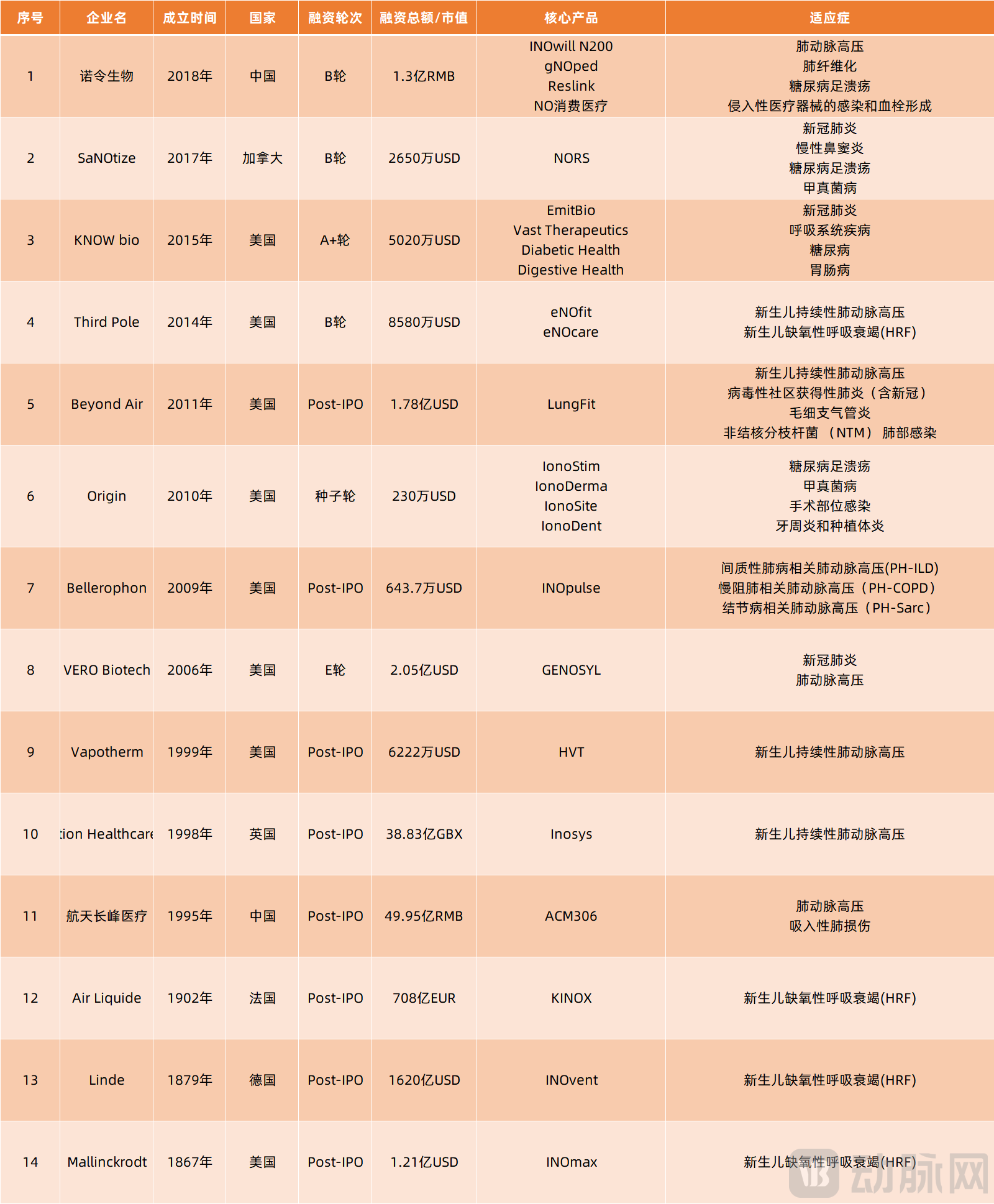 Overview of Global NO Gas Therapy Companies (Data as of Market Close on December 22, 2022)
As can be seen from the table, the European and American markets are leading the development of nitric oxide (NO) gas therapy. Among them, the United States holds an absolute leading position with a total of eight companies, while the rest are dispersed across the United Kingdom, Germany, France, and Canada. Currently, only two companies in China—Noliving Biotech and Aerospace Changfeng Medical—have been identified as being involved in original research and development in this field.
Cao Guiping, COO of Noliving Biotech, once told VCBeat that although nitric oxide has numerous clinical applications, it remains virtually a “zero-track” market in China. Internationally, the treatment of neonatal pulmonary hypertension is almost exclusively achieved by delivering nitric oxide gas from cylinders equipped with flow control devices. Such systems are akin to high-end medical devices like ventilators and have seen hardly any iterative advancements over the past two decades. The inconvenience of cylinder-based NO delivery and its high transportation costs have long been pain points in clinical practice.
As stated by Noliving Biotech, in contrast to the recommendations of clinical guidelines, there are very limited options for accessing nitric oxide (NO) therapy on the market.
Currently, conventional treatment methods in China involve the use of industrial nitric oxide (NO) gas cylinders or sildenafil (Viagra). However, the former is constrained by issues such as the bulky size of cylinder equipment, insufficient monitoring precision, and limited gas sources, which prevent the optimal utilization of NO and pose certain safety risks. The latter stimulates the generation of endogenous NO molecules through pharmacological mechanisms and has a certain effect on dilating pulmonary blood vessels, but it can cause side effects such as headache, vomiting, and visual abnormalities, and is not suitable for neonates.
As a result, China has long faced a situation where there are no established NO treatment protocols to follow and no accessible NO therapeutic options available, creating an urgent market demand for affordable, portable sources of pure nitric oxide (NO) gas for therapy.
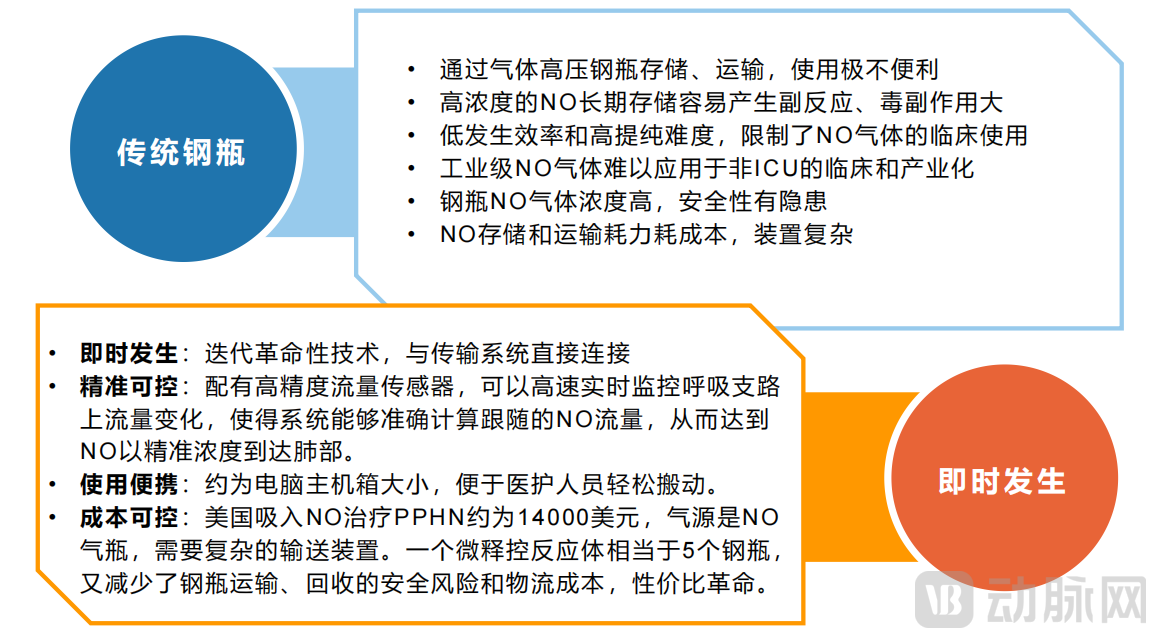 Comparison of Medical Nitric Oxide (NO) Gas Generation Technologies
Previously, constrained by the global patent protection for NO gas cylinders and the flow controller product iNOmax, on-demand nitric oxide (NO) gas generation therapeutic products remained in a phase of technological accumulation for an extended period. After the expiration of the iNOmax patent in 2017, the U.S. FDA finally approved the first on-demand NO gas generation therapeutic product, Vero Genosyl, in 2019. Meanwhile, the domestic NO gas therapy sector in China remains a blue ocean market.
On April 29, 2022, Noliving Biotech’s proprietary product, the INOwill N200 Nitric Oxide Inhalation Therapy Device, received Class III medical device registration approval from the National Medical Products Administration (NMPA), officially entering clinical commercial application. This is the first approved medical-grade nitric oxide gas therapy device in China, featuring advanced integrated functionalities of on-demand generation, real-time monitoring, and按需 delivery. It is also the world’s first approved nitric oxide therapy device based on electrochemical catalysis for on-demand generation.
Prior to the approval of Noliving Biotech’s INOwill N200, China had only traditional cylinder-based NO flow controllers used in conjunction with gas cylinders. There were no domestic or imported products involved in the field of on-demand NO generation therapy, and competition in the traditional NO gas cylinder therapy sector was also relatively limited.
Currently, only three technological approaches worldwide can provide a continuous and uninterrupted supply of medical-grade inhaled nitric oxide (NO): electrochemical catalysis, pyrolytic reduction, and plasma discharge. Key technical challenges to be overcome include ensuring the safety and accessibility of raw materials, achieving controllable reaction conditions, enabling efficient gas-liquid separation, and delivering high-purity NO without forming significant amounts of toxic nitrogen dioxide (NO₂).2) gas,” involving R&D breakthroughs across multiple fields such as chemistry, biology, materials science, and engineering.
Covering more than ten indications, with medical-grade and consumer-grade products advancing side by side
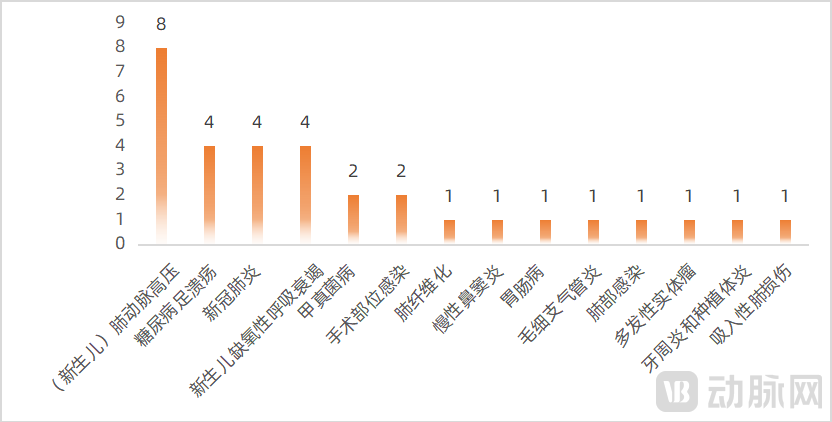
Indications for Products of Nitric Oxide Gas Therapy Companies
By reviewing the current indication portfolios of companies in the nitric oxide (NO) gas therapy sector, VCBeat has found thatAdult Pulmonary Hypertension(PAH)and Persistent Pulmonary Hypertension of the Newborn(PPHN)It is currently the sector most heavily pursued by major enterprises. Diabetic foot and COVID-19 have also become key areas of focus.
Among these, pulmonary arterial hypertension (PAH) is a rare cardiopulmonary vascular disease, often referred to as “the cancer of the cardiovascular system.” The five-year survival rate for patients with idiopathic and hereditary PAH is only 20.8% after conventional treatment. Although targeted therapies have been approved, approximately 80% of patients remain without any effective treatment options. Current pharmacological treatments are expensive and associated with poor prognosis, with annual costs for monotherapy ranging from RMB 300,000 to 500,000. Other non-pharmacological interventions, such as atrial septostomy or lung transplantation, also face significant challenges, including high mortality rates and donor shortages.
Currently, therapeutic options for patients with pulmonary hypertension remain limited to vasodilator therapy. Inhaled nitric oxide (NO) in adults with pulmonary hypertension dilates the pulmonary arteries without affecting vascular tone in other tissues, while significantly reducing inflammation and complications associated with the use of cardiopulmonary bypass systems during surgery.
The rising incidence of infant conditions such as hypoxic respiratory failure (HRF) and persistent pulmonary hypertension in newborns, coupled with the growing number of patients with chronic obstructive pulmonary disease (COPD) and acute respiratory distress syndrome (ARDS), has driven companies to strategically position themselves in this field due to these intertwined factors.
Meanwhile, VCBeat has found that, in addition to medical-grade nitric oxide (NO) gas therapy, there are also relatedConsumer products such as NO antibacterial coating materials, NO ultrasound devices, NO nasal irrigation solutions, and NO functional masks、NOMouthwash Chewable Tablets, Dental Effervescent Tablets, Gynecological Antibacterial Gel, and Sanitary Pad Coresas they are gradually developed and launched on the market。With the development and market launch of portable NO generators, which are gradually replacing traditional gas cylinders, reducing treatment costs, and improving therapeutic outcomes, the NO market is poised for rapid growth.
Currently, the major suppliers in the global market for inhaled nitric oxide (NO) therapy are Mallinckrodt, Praxair (a subsidiary of the Linde Group), and Air Liquide. In 2018, these three companies accounted for a combined market share of 92.33%.
Linde, founded in 1879, is one of the world’s leading industrial gas and engineering companies and a global leader in the supply of industrial, process, and specialty gases. In 2018, Linde and Praxair, then ranked second and third worldwide in industrial gas production value respectively, announced their merger. Praxair’s iNO product, Noxivent, is a vasodilator used to improve oxygenation and reduce hypoxic respiratory failure in neonates (gestational age >34 weeks), and can be administered in conjunction with ventilatory support and other appropriate medications.
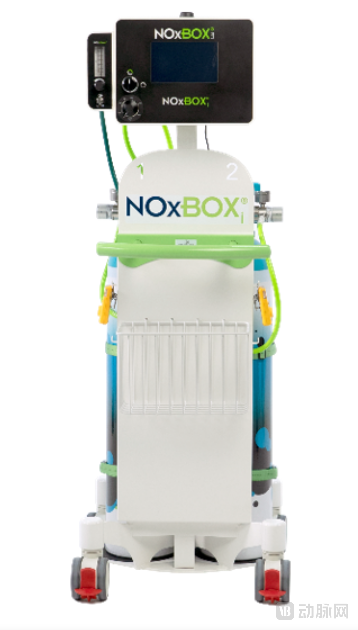
Its integrated gas delivery system, NOxBOXi, provides intelligent NO delivery and precise real-time monitoring of NO and N via a touchscreen with a step-by-step guided interface.2O and O2, easy to use. Designed for inpatient use, it features a portable, detachable main unit that provides uninterrupted therapy during transport and transfer, and is compatible with both invasive and non-invasive ventilation.
Founded in 1902, Air Liquide is the world’s largest supplier of industrial and medical gases and related services. KINOX™, an inhaled nitric oxide (iNO) product developed by the Air Liquide Group, is a selective pulmonary vasodilator specifically indicated for the treatment of neonates.
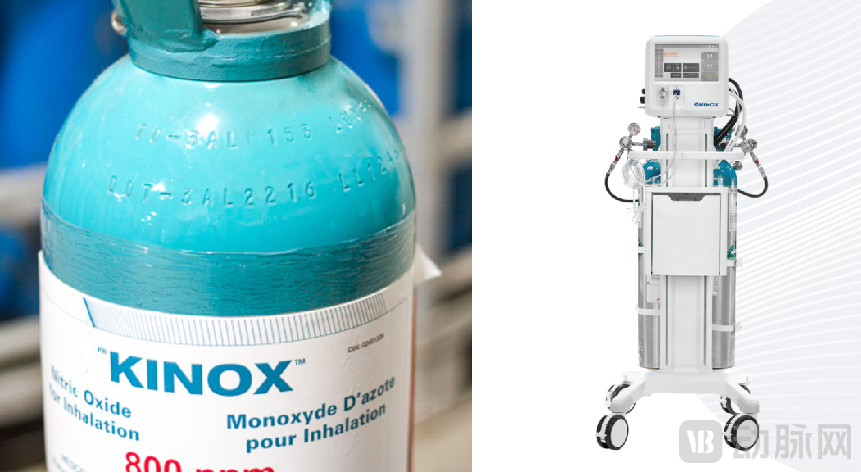
KINOX™ can be used in combination with ventilator support and other appropriate medications for the treatment of pregnancies at 34 weeks of gestation accompanied byNeonatal Hypoxic Respiratory Failure with Pulmonary Hypertension, to improve oxygenation and reduce the need for ECMO.KINOX™ is supplied in gas cylinders., with a concentration of 800 ppm, available in two cylinder sizes: 362 L (model MD15) and 2138 L (model NO88). It is also equipped with the iNO delivery and monitoring system SoKINOX™, which utilizes flow sensors for iNO administration, featuringFeatures such as high adaptability of ventilation modes, intuitive controllability, and continuous therapy.
Mallinckrodt Pharmaceuticals is a U.S. pharmaceutical company headquartered in Ireland. Founded in 1867, its product portfolio includes corticosteroids, generic drugs, and imaging agents. Its proprietary inhaled nitric oxide (iNO) product, INOmax, is the first FDA-approved commercial iNO therapy worldwide. Launched in the United States in 2000, it is indicated to improve oxygenation and reduce the need for extracorporeal membrane oxygenation (ECMO) in term and near-term (>34 weeks gestation) neonates with hypoxic respiratory failure associated with pulmonary hypertension, and may be used in conjunction with other appropriate therapies.
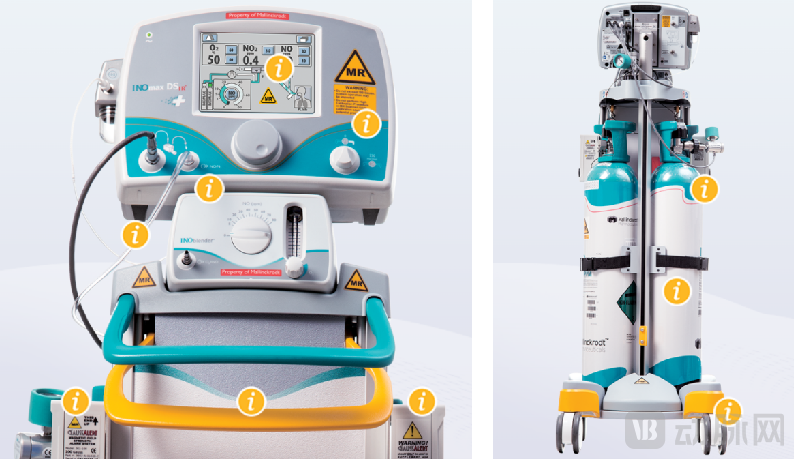
INOmaxofWith NO purity ranging from 0 to 80 ppm, the system utilizes steel cylinders for storage and transportation, equipped with flow controllers and alarm functions, which helps reduce the risk of device-related rebound pulmonary hypertension. Leveraging global patent protection for its iNOmax NO gas cylinders and flow controllers, Mallinckrodt maintained market dominance for iNO over an extended period.
It is not difficult to observe that although the market is dominated by industrial gas and pharmaceutical giants, all three companies rely on cylinder-based storage and transportation, and their treatments are limited to hypoxic respiratory failure caused by neonatal pulmonary hypertension. With the expiration of the global patent for iNOmax, next-generation point-of-care nitric oxide (NO) generation technologies are poised to gradually enter the market, rendering the cylinder era obsolete, while the indications for inhaled nitric oxide (iNO) continue to expand.
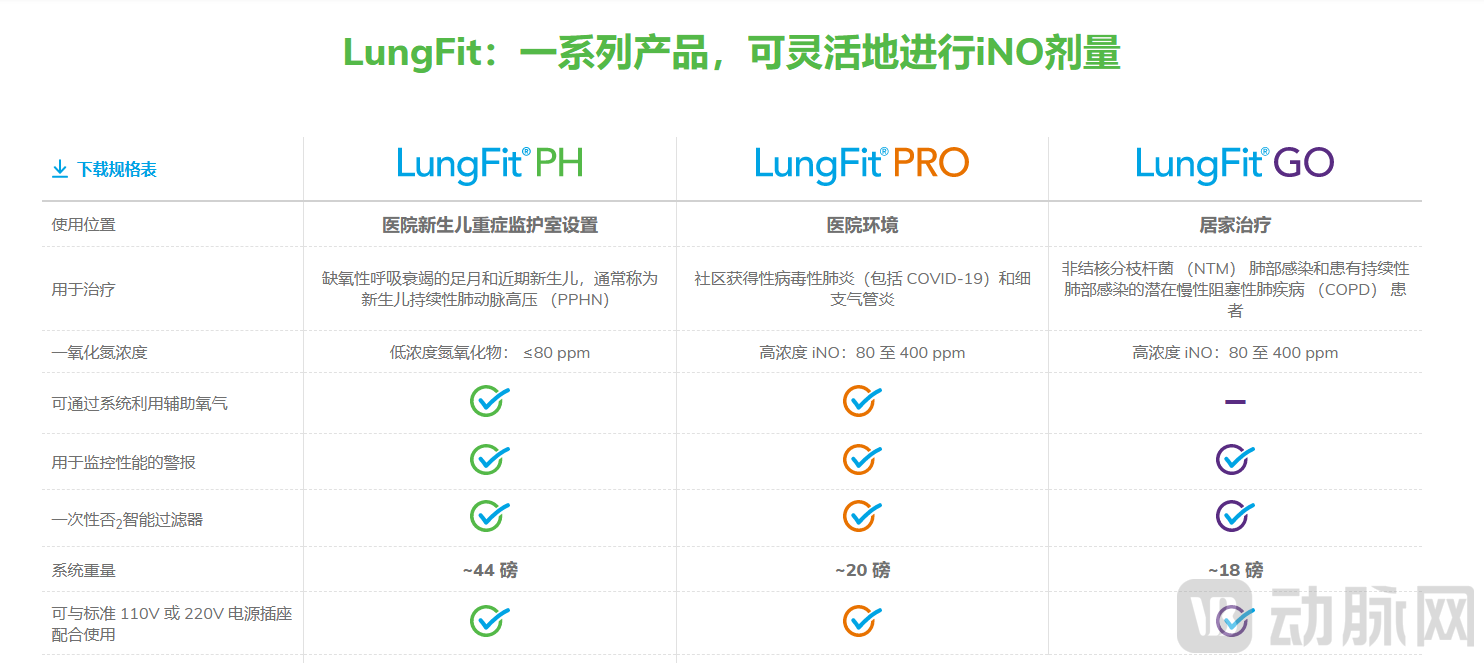 Beyond Air's iNO Product Pipeline
In the current international market, Beyond Air (NASDAQ: XAIR), which centers on real-time nitric oxide (NO) generation technology, has reached a market capitalization of $178 million. Companies such as VERO Biotech, Third Pole, and SaNOtize are also striving to catch up. In China, Noliving Biotech adopts a platform-based business model driven by technology to create the “NO Factory Concept,” dividing its development path into four stages: cylinder replacement, all-in-one machine expansion, indication expansion, and transition from medical to home use. Noliving Biotech is currently in the “cylinder replacement” stage and will gradually expand into more medical scenarios.
Overall, the iNO market features substantial potential, high competitive barriers, low penetration rates, and an unsettled competitive landscape, representing a vast blue-ocean market that VCBeat will continue to monitor. In addition to nitric oxide (NO), other medical gases—including medical oxygen, liquid nitrogen, medical-grade carbon dioxide, medical air, nitrous oxide, helium, heliox (helium-oxygen mixtures), and laboratory gases used in hospitals—constitute important segments of the medical gas industry.