

White Paper on Digital Therapeutics for Strabismus and Amblyopia in Chinese Children (2022) Released: New Trends and Product Insights

December 2022,“White Paper on the Current Status of Digital Therapy for Strabismus and Amblyopia in Chinese Children (2022)”(hereinafter referred to as the “White Paper”) was officially released on the MedSci platform. The White Paper points out that amblyopia and strabismus, as common diseases in pediatric ophthalmology, are the leading causes of visual impairment in children. There is a lack of societal attention paid to strabismus and amblyopia; however, these conditions not only affect children’s visual function but also lead to adverse psychological issues such as low self-esteem. Therefore, early detection and early treatment are crucial for restoring normal visual function in children. Currently, the treatment of strabismus and amblyopia in China still relies primarily on traditional methods, such as occlusion therapy and penalization therapy, which have limited efficacy in restoring visual function and are associated with poor patient compliance. The emergence of novel therapeutic approaches, represented by digital therapeutics, has brought new directions to the treatment of strabismus and amblyopia in children. Accordingly, the White Paper summarizes relevant domestic and international research and the findings of a survey on the current application status of digital therapeutics in the field of pediatric strabismus and amblyopia treatment in China, with the aim of promoting the clinical adoption of digital therapeutics.
Meanwhile, Frost & Sullivan has released the Blue Paper on the Current Status of Digital Therapy for Pediatric Strabismus and Amblyopia in China, based on research data from Mays.The Blue Book provides an in-depth analysis of regulatory frameworks and product access pathways for digital therapeutics, the market potential of ophthalmic digital therapeutics, market drivers, development trends, and case studies of financing and investment in ophthalmic digital therapeutics companies.
《White Paper》 In-Depth Analysis
Current Epidemiology of Strabismus and Amblyopia in China and Frontiers in Pathogenesis
The white paper points out that there is currently a lack of large-scale, nationwide epidemiological survey data on strabismus and amblyopia. Based on population-based epidemiological studies published in the past five years, the estimated overall prevalence of amblyopia in China ranges from 0.82% to 9.60%, while the prevalence of strabismus is approximately 0.18% to 5.56%. Given the high incidence and trend toward earlier onset of strabismus and amblyopia among children in China, it is crucial to clarify the pathogenesis and provide targeted treatment. However, the etiologies of strabismus and amblyopia are not yet fully understood. The prevailing view holds that strabismus is associated with imbalances in neural innervation, defects in fusion mechanisms, refractive errors, extraocular muscle abnormalities, and pre-existing phoria, whereas amblyopia results from form deprivation and abnormal binocular interaction. Traditional therapies have certain limitations in treating pediatric strabismus and amblyopia; therefore, seeking novel treatment approaches is essential for further improving visual function in children.
With the deepening understanding of amblyopia treatment theories, binocular vision therapy has been proposed in clinical practice. This approach enhances stimulation of the amblyopic eye while both eyes receive simultaneous treatment, thereby improving visual acuity in the amblyopic eye while establishing or enhancing binocular visual function. Similarly, for children with strabismus undergoing postoperative binocular visual function training, binocular vision therapy helps eliminate suppression, expand the fusional range, and establish stereopsis.Digital therapeutics are based on binocular therapy and visual perceptual learning theory. By integrating computer vision technology, they combine the treatment of eye diseases with computer multimedia or computer games. Tailored perceptual learning tasks are designed according to the psychological characteristics of children. Through various biological stimuli, these interventions enhance patients’ ability to store, recognize, process, and handle visual information, improve hand-eye-brain coordination, and comprehensively improve their visual function.
In China, digital therapeutics for ophthalmic systemic diseases first entered hospitals in 2010 in the form of medical software. Digital therapeutics are evidence-based interventions driven by software programs, used to treat, manage, or prevent diseases.Compared with traditional training methods, digital therapeutics offer advantages such as high engagement, diverse training modalities, and shorter treatment duration.It possesses the characteristics of being grounded in robust medical principles and supported by clinical evidence to validate its efficacy and safety for specific diseases. Its training methods primarily include dichoptic training, interactive binocular therapy, push-pull binocular training, virtual reality (VR) head-mounted display training, multimedia training system therapy, and functional training software therapy. Survey results from the white paper indicate that 30% of physicians choose visual function training software (digital therapeutic products) for strabismus treatment, while 34% select such software for amblyopia treatment. The use of digital therapeutics demonstrates good patient compliance, satisfactory treatment outcomes, and a high level of physician recognition of these products.Demonstrates that digital therapeutics optimize clinical efficacy in the management of strabismus and amblyopia, simultaneously improving binocular vision and monocular visual acuity, while enhancing treatment convenience and patient adherence.Furthermore, digital therapeutics products help enhance physicians’ understanding of strabismus and amblyopia across diverse clinical scenarios, provide more real-world data for clinical research, and support the advancement of academic research.
Currently, digital therapeutics remain in an exploratory stage; however, numerous representative products actively pioneering the field of strabismus and amblyopia have emerged both domestically and internationally. Examples include the Luminopia One therapeutic system, the CureSight amblyopia treatment system, and Duobaoshi, all of which have demonstrated significant efficacy in the treatment of pediatric strabismus and amblyopia.
To accurately understand the current application status of digital therapeutics in the treatment of pediatric strabismus and amblyopia in China, the expert panel conducted a physician survey, which comprised both qualitative and quantitative components. The results of the qualitative survey can be found in the full white paper; this article focuses on presenting the findings from the quantitative survey.
Survey results indicate that, in the treatment of patients with strabismus, the most commonly selected therapeutic approach by physicians (Figure 1) is correction of refractive errors, accounting for 51%, while visual function training software (digital therapeutic products) is chosen by 30%. In the treatment of patients with amblyopia, the most frequently adopted interventions (Figure 2) are correction of refractive errors and occlusion therapy, with respective proportions of 60% and 52%; visual function training software (digital therapeutic products) is selected by 34%, suggesting considerable room for increased adoption of digital therapeutic products.

Figure 1. Strabismus treatment over the past year: surveyed physicians in clinical practiceCommonly Selected Treatment Regimens and Their Proportions

Figure 2. In amblyopia treatment over the past year, surveyed physicians in clinical practiceCommonly Selected Treatment Regimens and Their Proportions
In this survey, 72.5% of the participating physicians had used digital therapeutic products, with Duobaoshi being relatively widely adopted. This indicates a clear trend toward incorporating digital therapeutics into routine treatment regimens. Physicians demonstrated high acceptance of these products and can engage in clinical research to advance evidence-based medicine, thereby deepening their understanding of digital therapeutics, improving the quality of diagnosis and treatment, and enhancing patients’ quality of life. Furthermore, when selecting digital therapeutics, physicians considered “improvement of binocular visual function” to be important or most important. In light of the advantages of digital therapeutics in the field of strabismus and amblyopia (Figure 3), physicians identified “high adherence among children” (78%) and “personalized treatment for patients” (74%) as the primary benefits.
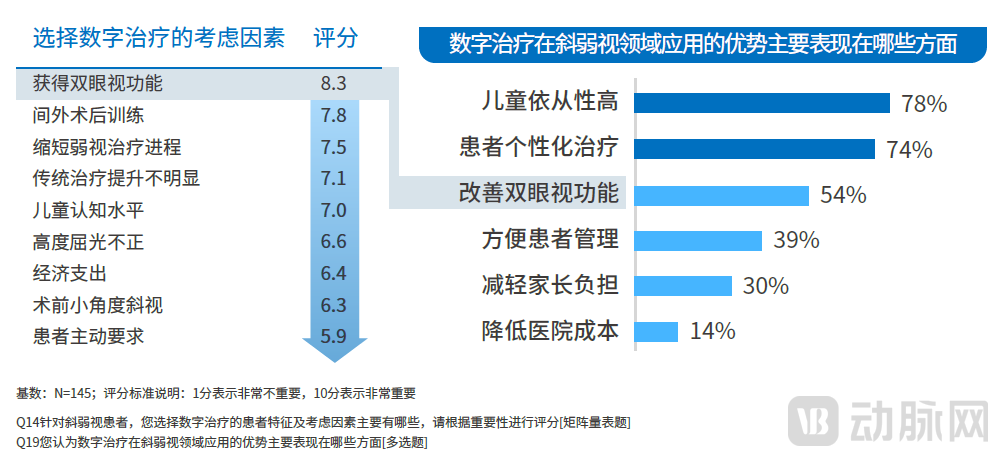
Figure 3 Advantages of Digital Therapeutics in the Field of Strabismus and AmblyopiaWhat are the main manifestations?
Regarding the efficacy of digital therapeutics, patients and their parents demonstrated good adherence and expressed satisfaction with the outcomes (Figure 4). Overall, compared with conventional therapies, digital therapeutics offer multiple advantages; however, they still require standardization, continued accumulation of evidence-based medical data, and further advancement in personalized patient care.
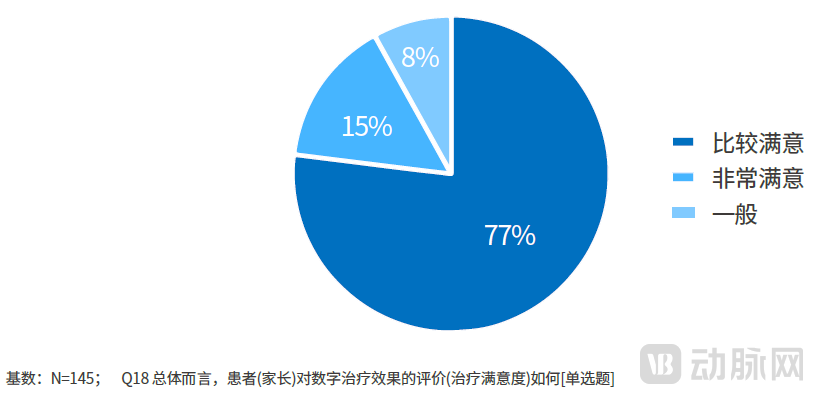
Figure 4. Patient (parent) evaluation of digital therapy effectiveness (treatment satisfaction)
Regarding the key priorities for the future development of digital therapeutics for strabismus and amblyopia, approximately 80% of surveyed physicians believe that efforts should focus on “accumulating clinical evidence” and “personalized patient treatment.” “Greater involvement of healthcare professionals” and “emphasizing basic research” were identified as secondary areas of interest. During interviews, physicians noted the need to adopt multiple approaches to advance the development of digital therapeutics for strabismus and amblyopia, fostering mutual learning and co-development with international counterparts. With the advent of the “software as a prescription” era, it is believed that digital therapeutics will benefit a greater number of children with strabismus and amblyopia.
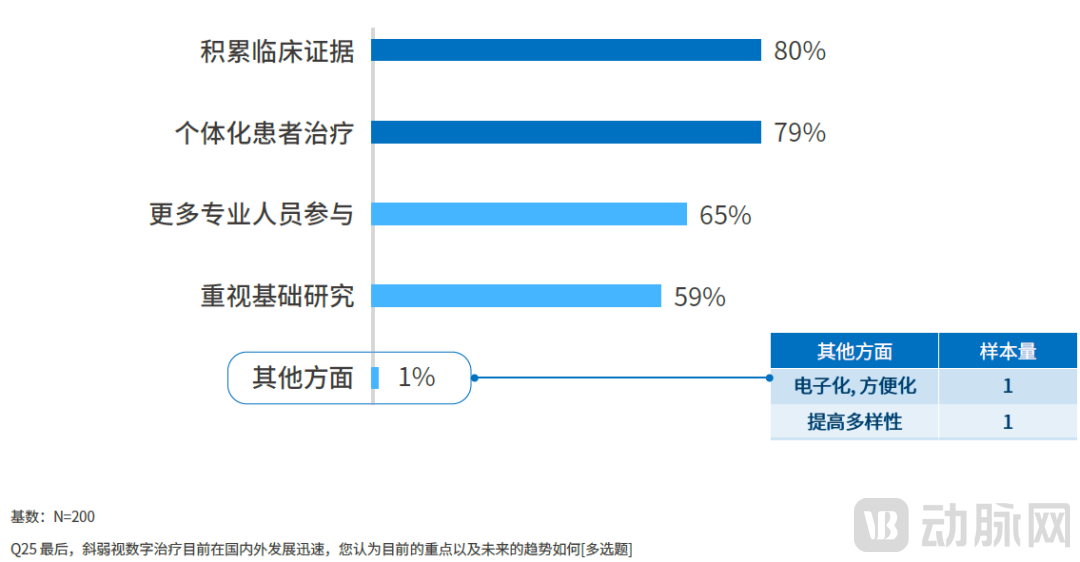
Figure 5. Current Development Focus and Future Trends in Digital Therapeutics for Strabismus and Amblyopia
More Detailed Information and the Current Status of Digital Therapeutics Research for Strabismus and Amblyopia in China
See the full white paper.
Strabismus and amblyopia in children have become significant medical and social issues in China, warranting substantial attention in terms of screening, diagnosis, and treatment. At the screening level, emphasis should be placed not only on early screening but also on universal screening, ensuring that the vast majority of children undergo professional assessments to detect visual impairments as early as possible for timely management and treatment.
Early intervention for pediatric strabismus and amblyopia represents the golden window for vision correction. In addition to emphasizing the comprehensive application of traditional clinical treatments, it is essential to promptly integrate the latest therapeutic advancements into clinical practice to benefit affected children. Notably, digital therapeutics, an emerging treatment modality in recent years, has provided clinicians with novel approaches to disease prevention and management, playing a pivotal role in the treatment of strabismus and amblyopia.
As research into digital therapeutics for strabismus and amblyopia deepens and their applications expand,“White Paper on the Current Status of Digital Therapy for Strabismus and Amblyopia in Chinese Children (2022)” accurately reflects the current development of digital therapy for strabismus and amblyopia in children in China, helps popularize the technological advantages of digital therapy in this field, standardizes clinical diagnosis and treatment, and promotes its clinical application.Meanwhile, during the period of the "14th Five-Year Plan" National Eye Health Plan (2021-2025),Further enhance the overall level of children's eye health in China.

Scan the QR code above to access the white paper.
About MedSci
Leveraging its professional online physician platform, built over more than a decade, MedSci connects physicians, patients, and pharmaceutical and medical device companies through big data and artificial intelligence technologies. It provides digital solutions to empower the healthcare ecosystem and improve the quality of care. Its business offerings include physician platform solutions, real-world study solutions, and precision omnichannel marketing solutions. Covering specialized services such as pharmaceutical marketing consulting, medical affairs enablement, and multichannel academic dissemination, MedSci delivers one-stop digital solutions in medical affairs, marketing, market access, and communications for pharmaceutical and medical device enterprises.
About VBInsight
MedBrain is an independent medical think tank under MedSci, bringing together experts and scholars in the healthcare field to exchange industry insights, spark intellectual collaboration, and continuously provide in-depth perspectives on medical academia and industry.