

123 Smart Healthcare: Pioneer of China's Research-Oriented Internet Hospital Submits IPO Prospectus
Over the past two years, guided by clear policy directives and accelerated by the pandemic, internet hospitals have once again become a focal point of development.
According to VCBeat."2022 Internet Hospital Report", the number of online healthcare users has surpassed 300 million for the first time, with over 1,700 internet hospitals established and a continuous growth in the volume of diagnosis and treatment services provided by these institutions. Internet healthcare and pharmaceutical companies, leveraging internet hospitals as their infrastructure, have gone public or are in the process of going public.
Amid the trend of expanding industry penetration and influence, possessing medical resources is merely the entry threshold. To stand out, it is even more critical to have unique operational philosophies and business models.
In 2020, Shenzhen Yiersan Intelligent Medical Group Co., Ltd., the pioneer of research-oriented internet hospitals, was established in Shenzhen. Unlike traditional internet hospitals, research-oriented internet hospitals are driven by disciplinary scientific research and the translation of achievements, continuously innovating medical services and real-world data research, thereby creating a new development model for internet hospitals.

“In 2007, my mother underwent open-chest surgery for a lung tumor. Due to a lack of understanding about postoperative rehabilitation, she suffered from severe complications and sequelae. At that time, China lacked professional oncology rehabilitation services, and cancer patients had little awareness of the importance of such care. As a result, most patients experienced varying degrees of complications after discharge, posing serious threats to their lives. Over the next two years, I returned to China and took my mother to many hospitals for treatment, but the outcomes were unsatisfactory,” said Liu Yanbin, CEO and co-founder of Shenzhen Yiersan Intelligent Medical Group Co., Ltd.
From 2010 to 2014, Liu Yanbin repeatedly took his mother to London for medical consultations. On Harley Street in London, he observed various private clinics offering targeted disease management services, including monitoring of adverse symptoms, medication management, home care guidance, diet and nutritional rehabilitation, training, as well as emotional management and patient education. “The disease management services across various dimensions were comprehensive and highly targeted. At that time, I had an idea to implement such services in China withDigitalization of Targeted Disease Course Management Services.” said Liu Yanbin.
London’s disease management services are highly developed, yet they rely heavily on manual processes, resulting in low efficiency and high costs. According to a 2022 Gartner survey, China’s average level of digitalization slightly surpasses the global average, making digital disease management services feasible.
According to data released by the World Health Organization in 2021, the number of cancer deaths in China in 2020 was 3.003 million, accounting for approximately 30.15% of global cancer deaths.The 5-year cancer survival rate has increased from 30.9% a decade ago to 40.5%.In recent years, with the advancement of medical care in China, major diseases such as cancer have gradually shownThe Trend Toward Chronic Disease Management: Living with Illness Becomes the Norm, The focus of treatment for critical illnesses is not only on curing the disease but also on improving patients' quality of life as much as possible.
“As societal awareness of health continues to rise, the shift from a disease-centered approach to a health-centered one is accelerating. Digital diagnostic and therapeutic technologies are playing a significant role in this process, and people’s traditional perceptions of healthcare are also changing—from mere disease diagnosis and treatment to comprehensive patient care,” said Liu Yanbin.
Digital management serves as a supplement to healthcare models. On one hand, it helps hospitals strengthen digital infrastructure, enhance out-of-hospital management, and provide whole-course disease management services for patients, thereby improving treatment outcomes. On the other hand, it helps patients reduce medical expenses and improve their standard of living and quality of life.
Shenzhen Yiersan Intelligent Medical Group Co., Ltd. is advancing digital disease course management for another reason: “With the accelerating aging of the population and the growing number of patients with chronic diseases, the state is placing greater emphasis on the development of rehabilitation medical services, making the expansion of health management services an inevitable trend,” said Liu Yanbin.
In June 2021, eight ministries and commissions, including the National Health Commission, the National Development and Reform Commission, the Ministry of Education, the Ministry of Civil Affairs, the Ministry of Finance, the National Healthcare Security Administration, the National Administration of Traditional Chinese Medicine, and the China Disabled Persons’ Federation, jointly formulated the “Opinions on Accelerating the Development of Rehabilitation Medical Services.” In October, the National Health Commission issued the “Notice on Launching Pilot Programs for Rehabilitation Medical Services” to effectively promote the implementation of related tasks for the development of rehabilitation medical services across various regions and further meet the public’s health needs.
China’s large population is accompanied by a year-on-year increase in the number of elderly individuals, people with disabilities, and patients with chronic diseases, leading to growing demand for rehabilitation medical services. However, the supply side of rehabilitation care remains relatively weak. According to a 2022 report released by Guanyan Report Network, China’s rehabilitation industry is still in its early stages of development, with insufficient supply of rehabilitation medical institutions, rehabilitation beds, qualified professionals, and rehabilitation equipment.
“We are not engaged in traditional chronic disease management, but rather based onEvidence-Based Intelligent PlatformTo provide continuous, proactive, and refined management services, primarilyFocusing on the Vertical Sector of Critical Illnesses, such as oncology, organ transplantation, and assisted reproduction,” said Liu Yanbin. For major diseases, out-of-hospital follow-up guidance and rehabilitation services are particularly important, as they affect long-term treatment outcomes, late complications, and survival time.
Moreover, most disease management services are limited to traditional chronic diseases, leaving a significant gap in the management of critical illnesses. Therefore, advancing digital disease management, particularly for critical illnesses, is not only aligned with policy directives but also responds to the demands of the times.
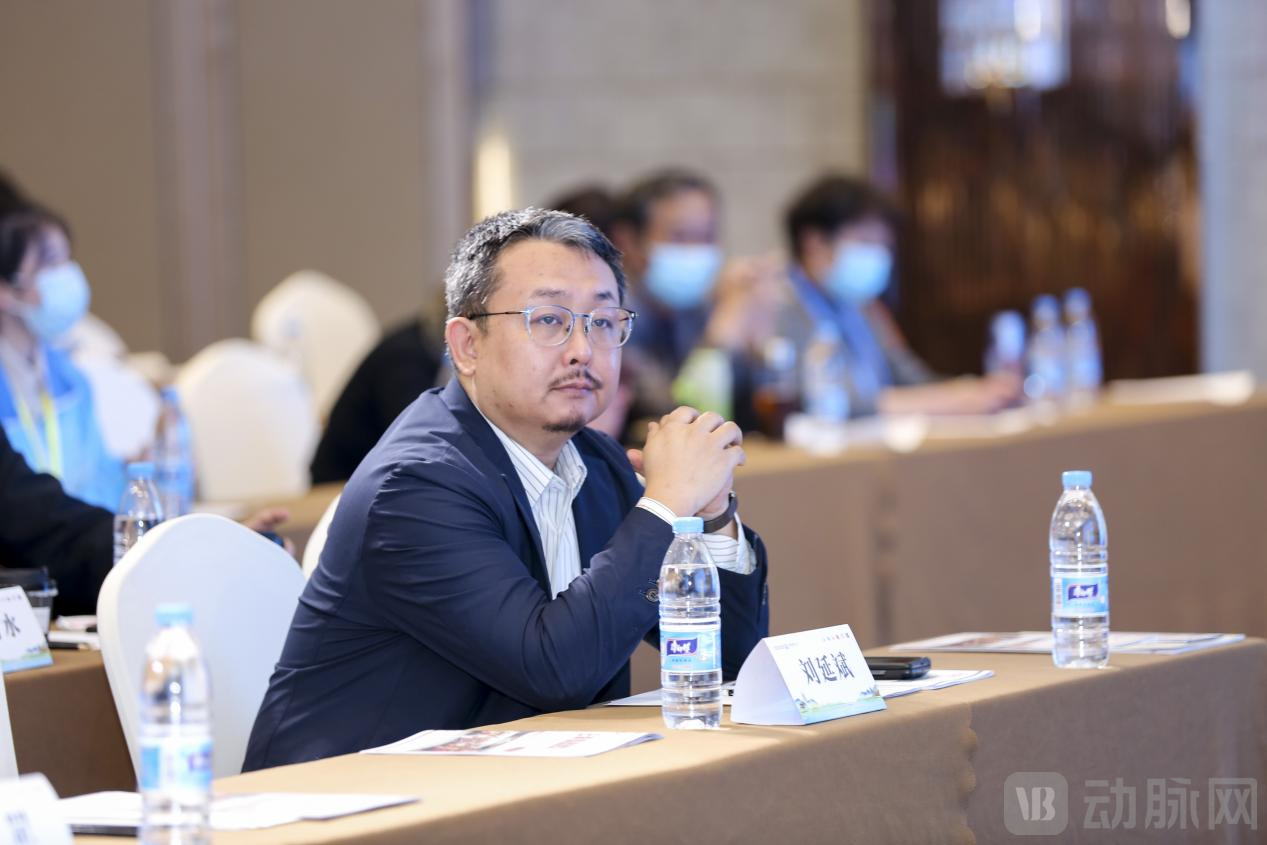
Liu Yanbin at the 2022 Chinese Oncology Conference
“Regarding disease course management, we deliver services across two dimensions: horizontal integration and vertical depth,” said Liu Yanbin. Horizontal integration involves building a bridge connecting in-hospital and out-of-hospital settings through artificial intelligence, bringing together medical staff, comprehensive care service teams, and intelligent management systems to center on physicians and patients.Medical Services, Patient Education, Data Monitoring, Disease Course Management, Integration of Industrial EcosystemDiversified Business Operations.
Vertical deepening refers to the integration of manual and intelligent approaches to provide continuous disease course tracking and guidance for major specialized conditions, thereby reducing complications, improving prognostic outcomes and quality of life, and serving as a comprehensive health manager for patients’ physical and mental well-being.
Shenzhen Yiersan Intelligent Medical Group has developed a “1+X+N” model for patient services, where “X” represents multidisciplinary IMDT teams, and “N” denotes comprehensive quality-control teams covering health, nutrition, psychology, and rehabilitation. This model enables a “many-to-one” disease management service delivered by joint physician teams. Tailored rehabilitation plans are formulated based on individual patients’ conditions, accompanied by continuous condition monitoring, medical record management, and support for online consultations, follow-up visits, and home-based medical and nursing care.
According to statistics, disease course management through the "one disease, one patient, one plan" approach canSaved patients RMB 800 per visit in non-medical expenses, reduced consultation time by 3.5 days per patient, shortened average length of stay by 2.7 days, and significantly improved out-of-hospital rehabilitation outcomes.
In hospital settings, it assists physicians in tracking changes in patients’ conditions and their adherence to self-management, enabling timely and proactive interventions through intelligent clinical decision support. Furthermore, it helps physicians deepen their understanding of disease progression across diverse scenarios, thereby enhancing the long-term value of physician services, strengthening the hospital’s service system, and improving patient satisfaction.
Furthermore, in terms of industrial ecosystem, it serves pharmaceutical companies and insurance providers. For pharmaceutical companies, it helps achieve precision marketing, enhance user stickiness, facilitate new drug development, and support research on drug indications. For insurance providers, it reduces users’ medical expenses, provides a basis for precise pricing, and extends service boundaries to deliver more compassionate care.
Currently, Yiersan Smart Healthcare has developed digital intelligent disease management models for over 40 conditions and collaborates with physicians from 36 hospitals to provide online services.Covering multiple regions across Beijing, Shanghai, Shaanxi, Anhui, Hunan, and Hubei.
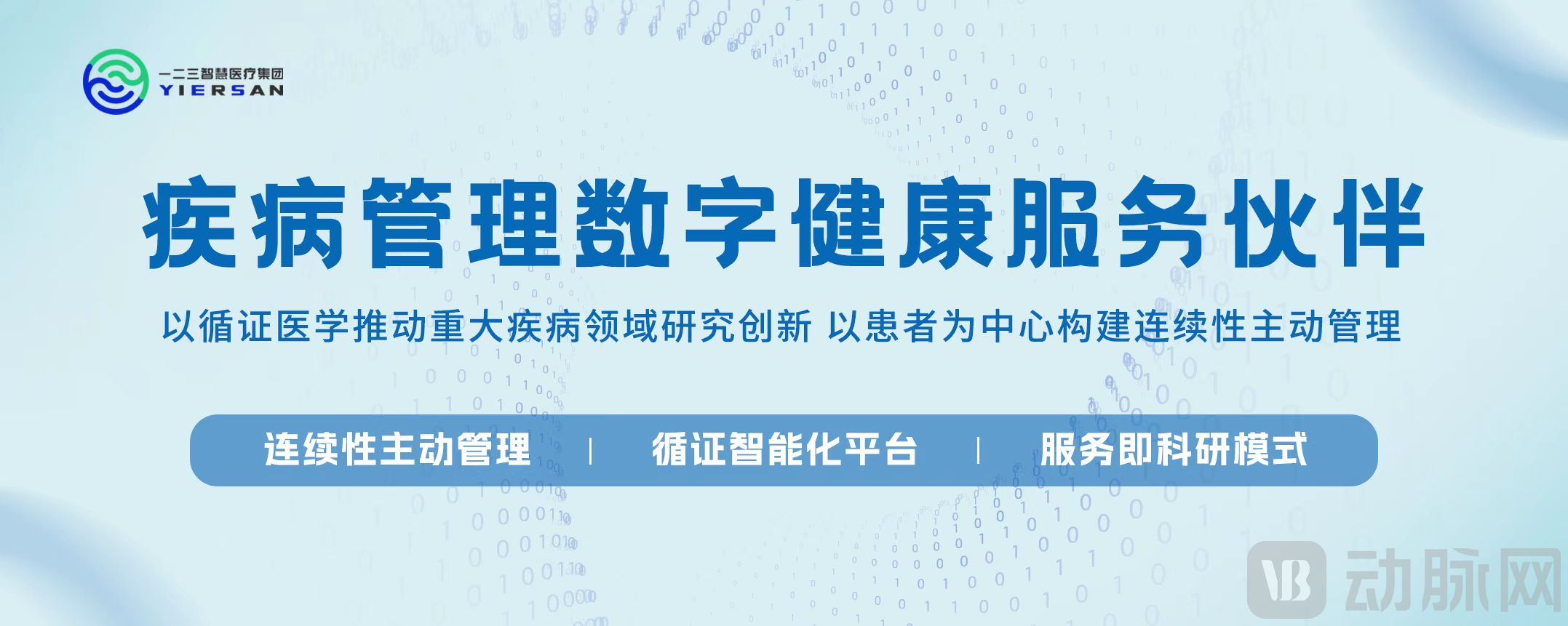
At the end of 2020, Yiersan Intelligent Medical was approved as the first and only internet hospital license in China with the designation “research-oriented.”“Unlike traditional internet hospitals that focus primarily on ‘online consultations and prescription services,’ research-oriented internet hospitals emphasize the development of foundational frameworks for patient health promotion, aiming to achieve this through”'Scientific Research and Innovation' and 'Translation of Scientific Achievements' in the Digital Health Sector,“Enhancing the endogenous drive of medical institutions and internet companies has become a solution to empower the high-quality, sustainable development of internet hospitals, while also promoting the growth of China’s distinctive digital healthcare sector,” said Liu Yanbin.
“Service as Research” is the new medical paradigm evolution followed by Shenzhen Yiersan Intelligent Medical Group, and also the core connotation of research-oriented internet hospitals.. By providing patients with whole-course disease management services, while alsoReal-World DataConduct structured data collection, data governance, and practicality assessments to support partner medical institutions in carrying out real-world studies, ultimately feeding back into the optimization of disease management “services” and clinical diagnosis and treatment, thereby helping patients achieve better clinical outcomes.
Research-oriented internet hospitals primarily conduct research in three areas (the PMI model): disease course prediction, disease course monitoring, and disease course intervention, leveragingSpecialized Full-Course Disease Management Service Capabilitiesand capabilities for the collection and analysis of Patient-Generated Health Data (PGHD), multiple innovative academic achievements in digital health have been produced.
Currently, Yiersan Smart Healthcare has established the DSICM (Disease-Specific Integrated Care Management) system, the IoT Proactive Health Management System, and an Integrated Research and Analysis Platform. Leveraging foundational resources such as evidence-based medicine knowledge bases—including those from the Youlan Medical Knowledge Center—and medical artificial intelligence, it assistsIntelligent management workflow generation, clinical data analysis, and provision of research support services.
Shenzhen Yiersan Intelligent Medical Group Co., Ltd. has implemented the “Service as Research” collaboration model in numerous tertiary hospitals. In partnership with Xiangya Hospital of Central South University, the company has leveraged data from whole-course disease management services to conduct a series of research initiatives, including digital application studies based on prognostic clinical prediction models, development of indicator monitoring systems grounded in patient-reported outcomes (PROs), integration of digital management intervention protocols, and efficacy analysis of specific therapeutic modalities.Similar collaborative projects also include Huadong Hospital Affiliated to Fudan University, Shanghai East Hospital, Peking University First Hospital, Anhui Provincial Hospital, the Second People’s Hospital of Shaanxi Province, and the Fourth People’s Hospital of Shaanxi Province. Additionally, various forms of cooperation have been established with patient organizations, insurance institutions, and medical device companies.
In addition, Shenzhen Yiersan Intelligent Medical Group Co., Ltd. is actively engaged in the comprehensive utilization of national scientific and technological information resources and the public service center.(STI) Digital Health Joint LaboratoryConstruction efforts have explored the application of next-generation information technology and artificial intelligence in digital disease management and related public services. A dedicated digital health research team has been cultivated, conducting research in intelligent medical knowledge services, intelligent sensing, and digital therapeutics. By leveraging support for industry-wide common technologies and industrialization, these initiatives promote industry-academia-research collaboration and advance the use of science and technology to better serve national strategies.
The laboratory has currently launchedDigital Health Innovation InstituteAs a service platform for innovative research in digital health, we provide healthcare professionals with a hub for sharing cutting-edge digital health insights and fostering academic research collaborations. By leveraging digital tools to devise novel solutions to scientific questions, we imbue clinical applications with new value. In the coming months, we will establish an expert advisory board for our laboratory, convene the inaugural STI Digital Health Annual Conference, and launch initiatives focused on innovative research and academic publishing. Regarding research outcomes, we have recently published multiple research papers in journals such as the Chinese Medical Journal and Frontiers, in collaboration with institutions including Ruijin Hospital, Xiangya Hospital, and Fudan University.
Not limited to disease management services, Shenzhen Yiersan Intelligent Medical Group Co., Ltd. has expanded its services to include scientific research services and ecosystem services, buildingSpecialized Digital Disease Course Management Service PlatformandKnowledge and Data Fusion Technology Platform, promote the formation of expert consensus and standards for health management, improve the overall payment structure of social medical expenses, alleviate the pressure on national medical insurance, and facilitate the implementation of tiered diagnosis and treatment.
In recent years, China’s medical technical capabilities and healthcare quality have improved significantly; however, substantial regional disparities, uneven allocation of medical resources, and a considerable shortage of healthcare personnel persist. In China, the training period for specialist physicians is lengthy, requiring many years of clinical and research experience to advance.
From the perspective of Shenzhen Yiersan Intelligent Medical Group Co., Ltd., it is entirely feasible to leverage remote interventions by comprehensive medical teams to provide more thorough pre-hospital preparation and reduce unnecessary hospital visits. This approach shortens patients’ length of stay, accelerates their recovery, and helps hospitals achieve rapid patient turnover, thereby ensuring efficient bed utilization. While maintaining the quality of medical care, this strategy enhances healthcare service capacity, enabling the institution to serve a greater number of patients in need.
“Digitalization adheres to the principle that management services should be patient-centered and physician-focused. Empowering physicians primarily involves two considerations: first, alleviating their burdens, and second, enabling them to realize greater social value. Meanwhile, it supports discipline development, enhances the diagnostic and treatment efficiency of hospital departments, and improves long-term therapeutic outcomes. Research-oriented internet hospitals can help physicians, hospitals, and other stakeholders achieve these goals from both service and research perspectives,” said Liu Yanbin.
Recently, two subsidiaries under Shenzhen Yiersan Intelligent Medical Group Co., Ltd. were certified as High-Tech Enterprises. In September this year, the Yiersan Intelligent Medical DSICM Disease-Specific Integrated Care Management System was successfully selected for the Shanghai Science and Technology Innovation Plan. “In the short term, we will focus on the management of major and complex diseases, as we believe the demand is most urgent and the management value is highest; in the medium term, we will expand into chronic disease management, controlling relevant symptoms and disease progression through comprehensive interventions to improve quality of life; in the long run, by building a screening, prevention, and health management service system based on risk assessment models, we aim to maintain physical and mental well-being and achieve the goal of health promotion,” stated Liu Yanbin.