

MDxHealth: A Niche Player in Urologic Oncology with 103% Revenue Surge Amid Tumor NGS Market Consolidation

MDxHealth
Molecular Diagnostics Product Developer
Industry insiders suggest that Chinese tumor NGS companies have entered the “final round.” Under increasingly fierce market pressure, what path should these companies take? Trends in the overseas tumor NGS market often serve as important references. For instance, in the cancer early screening sector, Exact Sciences’ success has spurred Chinese companies to actively engage in colorectal cancer early screening, while GRAIL is widely recognized as a top performer in pan-cancer early screening. In the MRD (minimal residual disease) sector, every move by Guardant Health, Adaptive Biotechnologies, and Natera draws significant attention within China.
In fact, the development of many distinctive overseas tumor NGS enterprises is also worthy of attention. For example, MDxHealth, which acquired Exact Sciences' prostate cancer diagnostic business line for $100 million in August 2022.
MDxHealth is a commercial-stage precision diagnostics company that has entered the tumor NGS market through the niche segment of urologic oncology, helping physicians deliver precise, personalized diagnosis and treatment for urologic cancers. At a time when China’s tumor NGS industry is in a “plateau phase,” VCBeat analyzes MDxHealth’s strategic layout to provide reference insights for the domestic tumor NGS sector.
Currently, competition in product development for major cancer types—such as lung, colorectal, and breast cancers—is becoming increasingly intense. Lung cancer, in particular, has turned into a “red ocean” in the tumor NGS market, owing to its large patient population and the abundance of targeted therapies.
In recent years, focusing on specific cancer types has become one of the strategies for companies to create differentiated branding. Among them,Urinary system tumors, which are distinctive yet not overly niche and for which existing detection methods fail to adequately meet clinical needs, represent a key focus area among specialized cancer types.
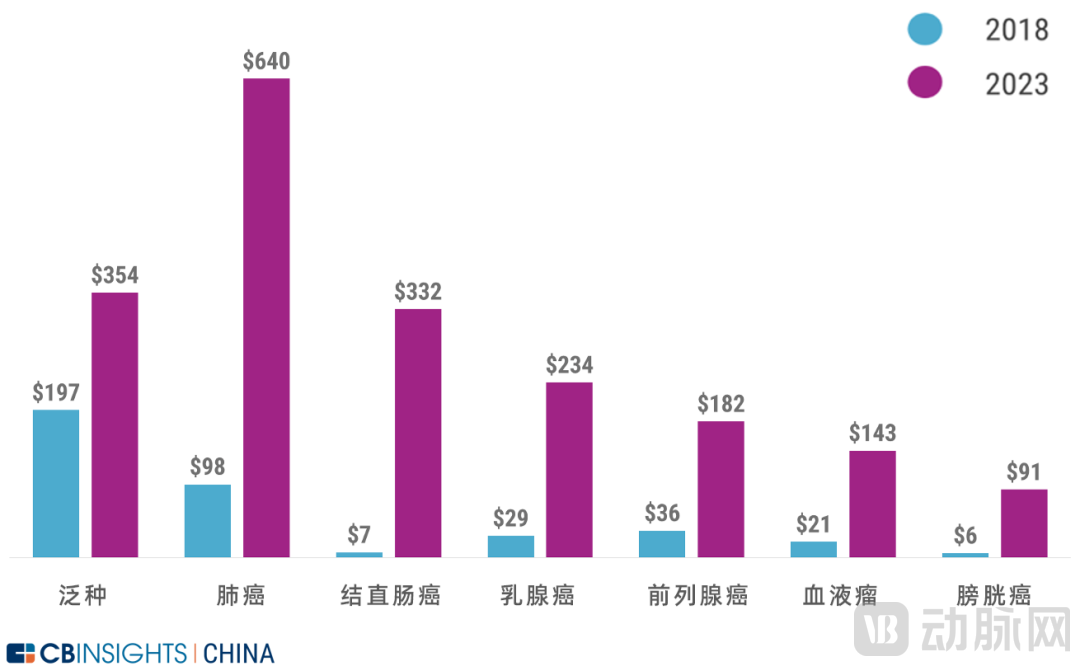
Global Potential Market Size of Liquid Biopsy Across Different Cancer Types, in Million USD
(Data source: CB Insights China)
Urological tumors primarily include prostate cancer, bladder cancer, and kidney cancer. According to the Global Cancer Statistics 2020 (Globocan 2020), there are an estimated 19.29 million new cancer cases and approximately 9.96 million cancer-related deaths worldwide each year. Among these, prostate cancer accounts for approximately 1.414 million new cases and 375,000 deaths globally; bladder cancer accounts for approximately 573,000 new cases and 212,000 deaths; and kidney cancer accounts for approximately 431,000 new cases and 179,000 deaths. The burden of urological tumors remains severe, necessitating sustained efforts in screening, early diagnosis and treatment, and standardized clinical management.
Prostate cancer is the most common and second deadliest cancer among men. In the 1980s, the widespread adoption of prostate-specific antigen (PSA) testing brought about a paradigm shift in men’s health. However, extensive PSA-based diagnosis has also led to overdiagnosis, overtreatment, severe complications, and potential anxiety. There is an industry need for more precise and cost-effective technologies for early screening and diagnosis of prostate cancer, as well as for guiding treatment decisions.
MDxHealth focuses on urologic oncology, providing personalized diagnosis and treatment for prostate cancer and other urologic diseases. Founded in 2003, the company is led by CEO Michael K. McGarrity, who has over 25 years of experience in the healthcare sector. MDxHealth is currently listed on the NASDAQ in the United States. According to Crunchbase, the company has completed seven rounds of funding, with total capital raised exceeding $90 million.
Focusing on niche cancer types is also a common strategy among many domestic companies.For instance, Rendong Medicine initially entered the industry by focusing on head and neck cancers, subsequently expanded into prostate cancer, and gradually extended its coverage to encompass the entire spectrum of urological tumors. Jinxiang Medicine focuses on urological tumors and hematologic malignancies, having launched a comprehensive management product for urothelial carcinoma. Targeting niche cancer types has become a trend, with leading industry players also entering this space, thereby establishing a strategic layout that provides broad coverage of both mainstream and specialized cancer types.
However, niche cancer types are by no means a pristine haven. The core barrier to developing therapies for niche, specialized cancers lies not in technology, but in market size. Cancer types with an excessively narrow market face more severe profitability challenges after product launch; in fact, few niche cancers possess sufficient commercial value. Consequently, many companies are increasingly investing in specialized tumors with adequate market potential, such as prostate cancer and endometrial cancer, leading to heightened competitive pressure in these niche oncology segments.
In the future,Companies need to focus more on the clinical value of their products, discover more novel biomarkers, develop products with greater stability, and expand into broader application scenarios, which will continuously test their technological R&D capabilities and financial support.
MDxHealth has two major business lines, targeting prostate cancer and infectious diseases, respectively.The company is currently focused on the early screening and diagnosis of prostate cancer, developing corresponding solutions to address various pain points in this field.
Although the overall incidence of prostate cancer is relatively low, both its incidence and mortality rates have been rising in recent years. Furthermore, due to the lack of obvious symptoms in the early stages, most patients are diagnosed at an intermediate or advanced stage, making early screening for prostate cancer particularly important.
PSA testing is considered the optimal risk stratification factor for the early detection of prostate cancer. PSA is a significant and sensitive tumor marker for prostate cancer. Generally, the normal PSA level is below 4.0 µg/L; levels between 4.0 and 10 µg/L fall within the "PSA gray zone" (where it is difficult to determine the likelihood of prostate cancer), necessitating further examination and follow-up; if the PSA level exceeds 10 µg/L, there is a high suspicion of prostate cancer.
However, elevated PSA levels may also be caused by non-neoplastic conditions such as infection, inflammation, and benign prostatic hyperplasia, which results in low specificity of serum PSA for prostate cancer.To address the limitation of low specificity in PSA testing, MDxHealth launched Select mdx in 2016.
SelectMDx is a urine-based test that detects two mRNA biomarkers associated with prostate cancer (HOXC6 and DLX1). By integrating the test results with patients’ clinical factors, it assists physicians in early screening and diagnosis of prostate cancer, enabling the identification of patients with early-stage disease. Patients with high-risk SelectMDx results can undergo further confirmation via tissue biopsy, while those with low-risk results can avoid unnecessary biopsies.
Data show that the Select MDx test has a negative predictive value of 95%. For high-grade prostate cancer (Gleason score >3+4, tumor volume >0.5 mL, or biopsy tumor diameter >6 mm), Select MDx demonstrates very high predictive accuracy, significantly outperforming PCPT.
Notably, patients with elevated PSA levels (≥ 4.0 ng/ml) or abnormal digital rectal examination findings are considered at high risk for prostate cancer and typically require prostate tissue biopsy. This procedure involves collecting 10–12 core samples for histopathological examination under a microscope. However, due to sampling limitations, the false-negative rate of prostate biopsy is as high as 25%–35%, and the procedure increases the risk of infection and hospitalization.
Among the approximately 500,000 prostate tissue biopsies performed annually, fewer than one-third are from patients with cancer. False-negative results hinder early screening and diagnosis of prostate cancer. Fear of cancer, coupled with a high rate of false-negative biopsies, has led to a substantial number of repeat procedures; 43% of patients with an initial negative biopsy undergo a subsequent biopsy.
For individuals who have undergone prostate tissue biopsy with negative results, MDxHealth launched Confirm mdx in 2012.To address the high rate of false negatives in prostate tissue biopsies, accurately detect invasive prostate cancer, avoid overtreatment and unnecessary repeat biopsies, reduce complications, and alleviate patient anxiety.
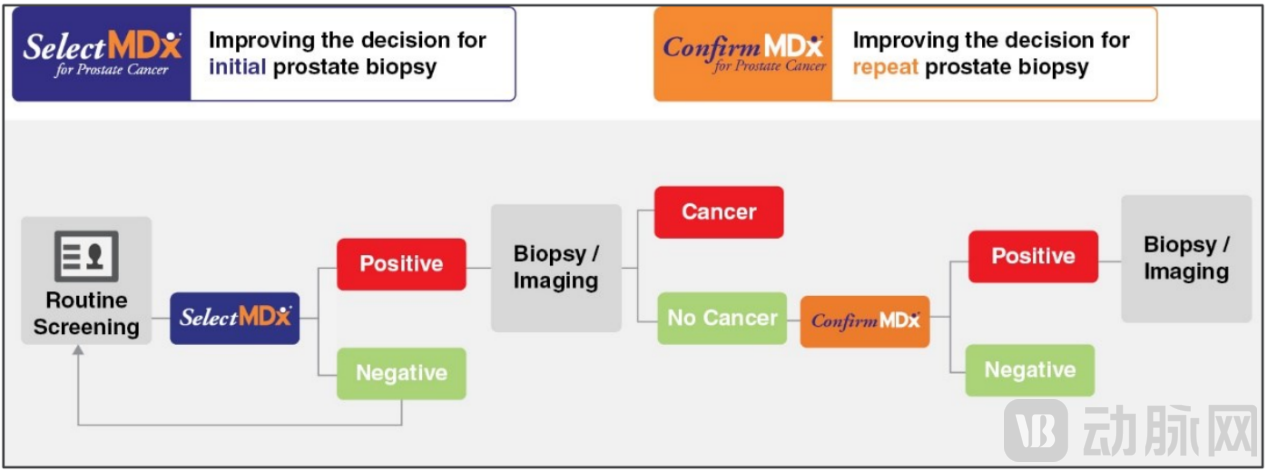
Select mdx and Confirm mdx Product Introduction
Currently, both Select MDx and Confirm MDx have been included in the NCCN Guidelines for Early Detection of Prostate Cancer. More than 1,000 practicing urologists in the United States have ordered over 200,000 Select MDx and Confirm MDx tests.
August 2, 2022MDxHealth Completes Acquisition of Exact Sciences’ Genomic Prostate Score (GPS) Product, Expanding Its Business Footprint in the Prostate Cancer Space.
GPS is a genomic test specifically designed for patients with low-, intermediate-, and high-risk localized prostate cancer. It analyzes 17 genetic loci to help guide treatment decisions at the time of diagnosis. The test assesses prostate gene activity to determine cancer aggressiveness and predicts the risk of prostate cancer-specific mortality and metastasis within 10 years.
In the infectious disease segment, MDxHealth has launched Resolve mdx, a personalized antimicrobial solution for patients with urinary tract infections.
A study shows that over 10 million patients seek medical attention for urinary tract infections (UTIs) annually, with nearly 50% of UTI patients receiving incorrect antibiotics. Traditional urine cultures often yield only “mixed flora” results, forcing physicians to rely on empirical treatment.
Resolve MDx addresses this issue by integrating PCR-based pathogen identification, resistance gene detection, and antimicrobial susceptibility testing to provide personalized antibacterial solutions. It can detect 19 of the most common bacterial and fungal urinary tract pathogens and nine resistance genes, as well as antibiotic sensitivity. Test results are available within 24–48 hours, significantly faster than the 3–5 days required for urine culture, thereby promoting the rational use of antibiotics. MDxHealth estimates that the potential market size for urinary tract infection testing in the United States is approximately $1 billion annually.
Furthermore, the company is continuously enriching its business pipeline in the field of urologic oncology. As some cases of localized prostate cancer progress slowly and do not require immediate intervention, MDxHealth has developed AS-MDx to perform risk stratification for patients with localized prostate cancer, thereby addressing the limitations of traditional invasive biopsies. For patients identified as low-risk by the AS-MDx test, MonitorMDx, currently under development by MDxHealth, enables ongoing active surveillance, risk stratification, and intervention.
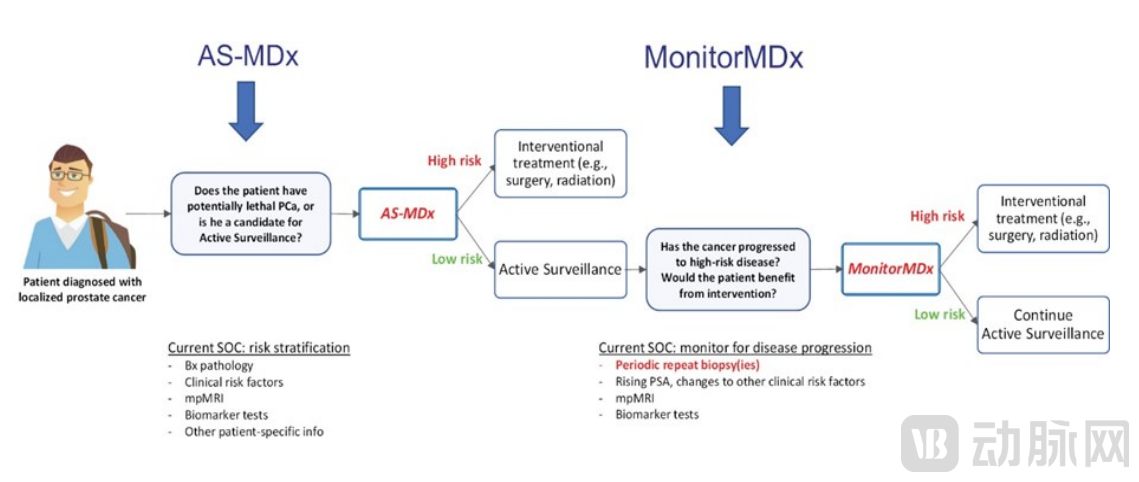
Product Introduction to AS-MDx and Monitor-MDx
MDxHealth estimates that the potential market for AS-MDx in the United States is approximately 134,000 men annually, while the potential market for MonitorMDx is 1.5 million men annually.
The era of indiscriminate expansion and blanket investment is coming to an end. For second-tier companies, a key future trend will be to focus on their areas of strength, pursue refined operations, and build differentiated core competencies aligned with their unique characteristics, as exemplified by MDxHealth.
From a revenue perspective, MDxHealth has yet to break through the profitability challenges facing tumor NGS companies.
In the first half of 2022, MDxHealth’s total revenue was $13.009 million, representing a 21% increase compared to the same period in 2021. The vast majority of its revenue came from laboratory testing services, which generated $12.975 million, a year-on-year increase of 24%. Notably, CLIA-certified laboratory testing services in the United States accounted for 98.5% of total revenue. In terms of profitability, the company reported a gross profit of $5.772 million and a net loss of $18.104 million in the first half of 2022.
In the third quarter of 2022, MDxHealth’s total revenue was $11.2 million, representing a 103% increase compared to the third quarter of 2021 (excluding GPS revenue, total revenue for Q3 2022 was $7.8 million, a year-over-year increase of 42%). The company reported a gross profit of $6.2 million, up 143% year over year, and a net loss of $8.6 million. During this period, Confirm mdx performed 4,272 tests, and Select mdx performed 3,004 tests.
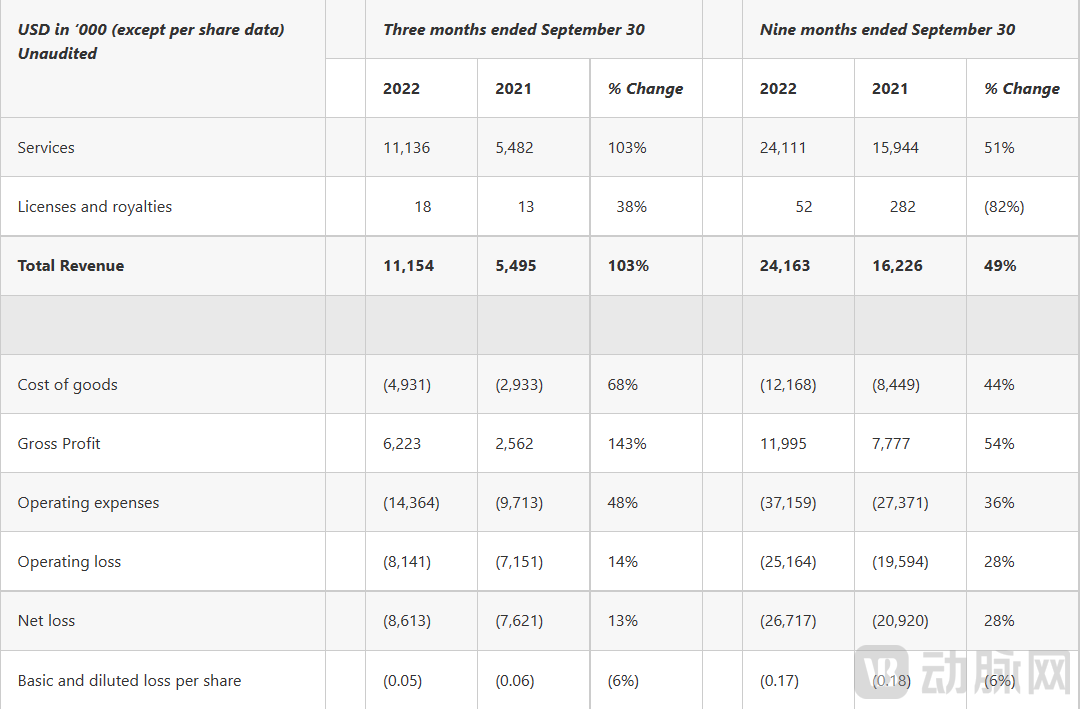
MDxHealth Revenue Data for Q3 2022 and the First Nine Months of 2022
Overall, MDxHealth’s revenue has been growing continuously, but the company remains in a state of persistent losses. From its establishment in 2003 through the first half of 2022, MDxHealth accumulated total losses of $262.4 million. MDxHealth stated that it expects to continue operating at a loss over the coming year.
Both overseas and in China, tumor NGS companies are generally experiencing continuous losses.

Q3 2022 Revenue of Select Domestic and International Tumor NGS Companies
Amid continuous losses, cash reserves and burn rate have become key metrics for assessing corporate value.Multiple companies highlighted their cash reserves in their financial reports. As of the third quarter of 2022, Burning Rock Biotech held RMB 1.014 billion in cash, cash equivalents, restricted cash, and short-term investments. Exact Sciences had $235.3 million in cash and cash equivalents, along with $433.8 million in marketable securities. MDxHealth possessed $40 million in cash and cash equivalents, sufficient to fund its operational needs for the next year.
With an unclear profitability model and continuous cash burn in R&D and marketing, cash reserves will be critical for tumor NGS companies in the near term. Enterprises need to focus on addressing practical industry challenges by reducing costs and improving efficiency through technological innovation and innovative payment mechanisms.
Oncology NGS Companies Have Yet to Achieve Profitability, as Investor Enthusiasm Wanes. Amid Sustained Losses, These Enterprises Must Rethink and Adjust Their Strategies.For domestic enterprises, the future growth opportunities in China’s tumor NGS industry lie in policy breakthroughs and technological iterations.
In 2022, there were more policy developments regarding the LDT model.For instance, the “14th Five-Year Plan” for the Development of Strategic Emerging Industries in Guangzhou points out that LDT pilots should be actively supported in the field of medical laboratory testing; the Notice on Carrying Out Pilot Work for High-Quality Development of Public Hospitals in Shanghai encourages eligible hospitals to conduct pilots on the in-house development of in vitro diagnostic reagents; the Notice on Several Measures to Accelerate the High-Quality Development of the Biopharmaceutical Industry proposes active support for LDT pilots and allows LDT projects to serve clinical promotion under certain conditions; and the Detailed Implementation Rules (Trial) for Promoting the Transformation of Scientific and Technological Achievements in Medical and Health Institutions in Shanghai stipulates that all proceeds from the transformation of self-developed diagnostic reagents by public hospitals shall belong to the hospitals, and those meeting the criteria may be included in medical insurance coverage. The introduction of multiple LDT policies has opened up a new compliant pathway, promoting the full clinical application of more innovative projects and helping enterprises leverage resources reasonably for rapid development.
Meanwhile,Further breakthroughs have been made in the inclusion of tumor genetic testing in medical insurance coverage,In October 2022, the National Healthcare Security Administration (NHSA) officially responded to the inclusion of tumor genetic testing items in medical insurance, stating that relevant departments are guiding localities to incorporate genetic testing items that are safe, effective, cost-appropriate, and have clear charging standards into the local medical insurance payment scope in accordance with established procedures. Additionally, the Fujian Provincial Healthcare Security Administration has included next-generation sequencing (NGS) technology in its medical insurance coverage, with a reimbursement rate of up to 90%, marking a significant step forward.
Despite current challenges, the social, medical, and commercial value of the tumor NGS industry is well-defined, offering strong long-term prospects. As LDT compliance advances, tumor NGS is poised to unlock greater potential. During this period of market consolidation, companies can seize opportunities presented by LDT policies and the inclusion of tumor genetic testing in national medical insurance coverage, thereby accelerating technology iteration, product development, clinical trials, and regulatory registration.