

CES 2023 Highlights Surge in Home-Based Digital Health Devices, Valued at Hundreds of Billions

Aevice Health
Developer of Wearable Devices for Chronic Respiratory Diseases

Valencell
Valencell Develops Performance Biometric Sensor Technology

Abbott
Provider of Health Diagnostic Products and Health Diagnostic Management Solutions

Withings
Developer of Health Tracking Devices

Dexcom
Blood Glucose Monitoring System Developer
From January 5 to 8 (Pacific Time), the annual CES International Consumer Electronics Show (hereinafter referred to as CES 2023) was held in Las Vegas. This marked the first full return to an in-person exhibition after two years of pandemic-related disruptions. Notably, in recent years, CES has increasingly focused on advancements in areas such as digital health and has tentatively introduced a dedicated healthcare sector.
Amid the heightened health awareness in the wake of the COVID-19 pandemic, this sector has garnered increasing attention, with the number and prominence of participating companies rising year by year. At CES 2023, the healthcare segment evolved from the previously broad “Health & Wellness” category into a more focused “Digital Health” segment, better aligning with the tone of CES.
CES’s influence in the consumer electronics sector is unquestionable. Coupled with its sustained investments in healthcare in recent years, some major players in the healthcare industry have also begun to take interest in CES—industry-leading brands such as Abbott and Omron Healthcare made appearances at CES 2023.
So, what new breakthroughs in healthcare emerged at CES 2023, and what development trends do they reveal? VCBeat (WeChat ID: VCBeat) aims to provide you with an analysis.
Monitoring and detecting patients’ vital signs in home settings to facilitate disease diagnosis has long been a key focus of digital health initiatives.
Through home-based care, patients can monitor and manage their health status without visiting hospitals. On one hand, this spares patients the need to travel to hospitals for simple routine checks, offering greater convenience; on the other hand, it helps conserve medical resources. Particularly in the post-COVID era, home health monitoring holds significant value for both patients and healthcare providers.
Furthermore, home-based diagnostic testing is an effective means of alleviating the imbalance in medical resource distribution. High-precision home health devices help extend coverage to broader populations and regions with scarce medical resources, thereby promoting a degree of healthcare equity.
According to estimates by research institutions, the market size of China’s home medical device sector has grown from RMB 53.33 billion in 2017 to RMB 102.53 billion in 2021, and is projected to reach RMB 178.36 billion by 2026, representing a compound annual growth rate (CAGR) of 11.14% from 2021 to 2026. This underscores the significant market growth. If these medical devices are further integrated with consumer electronics concepts, their growth trajectory is likely to reach an even higher level.
At CES 2023, this trend was vividly demonstrated. The most eye-catching digital health products all fell under the category of home-based healthcare.
Among these, one of the most closely watched digital health products is undoubtedly Withings’ home urine analyzer.
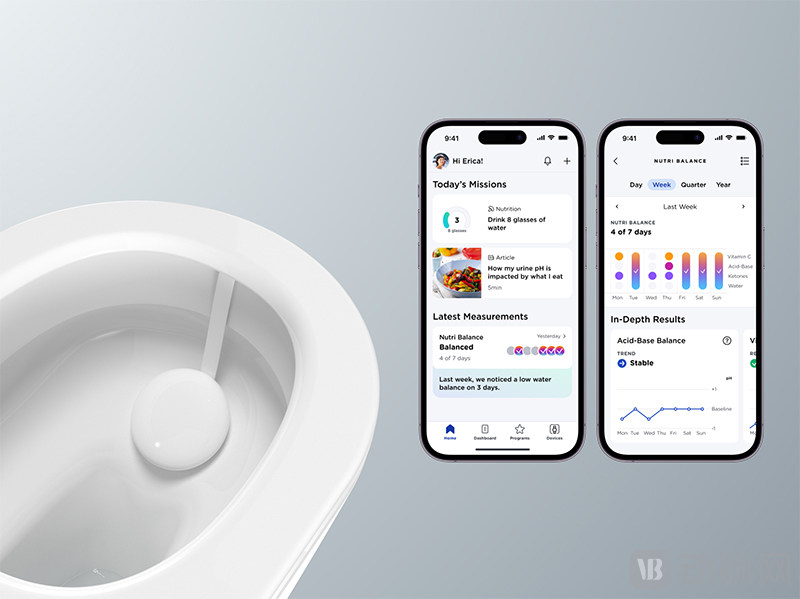
Withings U-Scan Home Urine Analyzer (Image from the official website)
Withings has long been a brand with a distinct personality. In the early days of smartwatches, when various brands competed to highlight their devices’ “smart” identity through increasingly futuristic designs, Withings took a minimalist approach. Its smartwatches were among the rare few that embraced simplicity, looking virtually indistinguishable from conventional timepieces.
Since then, Withings has explored various forms of smart health hardware and achieved significant success. Currently, its product lineup includes not only smartwatches and fitness trackers, but also smart mattresses, scales, blood pressure monitors, and thermometers.
At CES 2023, Withings unveiled the U-Scan home urine analyzer, bringing the concept of smart health into the bathroom. This pebble-shaped smart device can be fixed inside the toilet bowl; its ergonomic design ensures that urine is effectively captured by the collector.
The specific workflow of U-Scan is straightforward: when a thermal sensor detects urine, it activates the liquid collector to gather the sample. The urine then enters an internal microfluidic circuit and is injected into the analysis chamber for testing. The system captures and analyzes the user’s biomarkers, syncing the results wirelessly to the Withings Health Mate app on the user’s smartphone. After testing, the remaining urine is discharged, and the system is cleaned using the toilet’s flush mechanism.
Urine contains a variety of biomarkers and serves as the “gold standard” for detecting numerous health conditions. However, visiting a hospital for testing can be burdensome for some patients, making home-based urinalysis an ideal alternative. Nevertheless, collecting and analyzing urine in a home setting has long posed significant challenges. U-Scan underwent four years of research and development, during which 13 patents were filed, successfully overcoming various design hurdles.
Unlike traditional urinalysis, which requires users to manually collect urine samples or use test strips, U-Scan features a replaceable filter cartridge design, with each cartridge lasting approximately three months. The cartridge contains dozens of rotatable testing chambers, ensuring that an unused chamber is employed for each test to prevent contamination.
According to the introduction, the U-Scan cartridges currently developed can detect urinary acid-base balance, as well as levels of carbohydrates, vitamin C, and hydration in the human body. It can also analyze hormone levels in urine to provide menstrual cycle predictions for women or assist with conception planning. In the future, Withings will further develop a wider variety of cartridges based on market demand and user customization requirements, thereby unlocking more of the device’s potential.
U-Scan not only meets the needs of ordinary household users but also fulfills professional medical requirements. Withings has also developed U-Scan Professional, which can be combined with Withings RPM, a remote patient monitoring solution, to provide telemedicine services for patients and deliver reliable health data to partners.
Currently, researchers are attempting to use U-Scan to achieve non-invasive cancer screening and to power clinical studies aimed at improving follow-up care for patients with cystine and uric acid kidney stones.
Withings has confirmed that U-Scan will be launched in the European Union in the second quarter of this year and has submitted an application to the FDA for market approval in the United States.
AeviceMD, a product from Singapore-based Aevice Health, is another highly regarded home health monitoring device and was the sole recipient of the Best of Innovation Award in the Digital Health category at CES 2023. This coin-sized smart wearable stethoscope enables continuous, connected care for home-based monitoring and early detection of asthma exacerbations in patients.
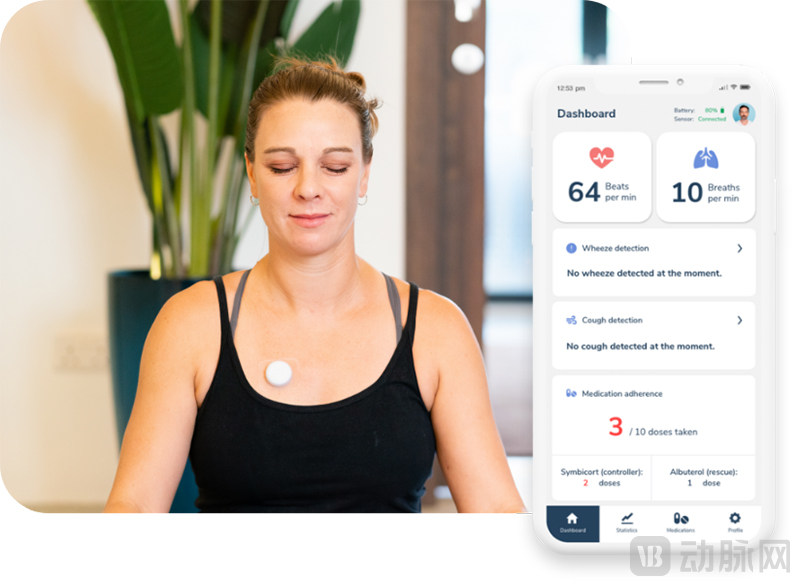
Aevice Health’s AeviceMD Smart Wearable Stethoscope (Image from Official Website)
As is well known, asthma is a major chronic respiratory disease worldwide. The core of its disease management lies in effective daily care rather than hospital-based management, particularly for children, who are among the populations most susceptible to asthma. AeviceMD is a simple yet powerful smart wearable stethoscope that provides patients with continuous, connected care, enabling home monitoring and early detection of asthma exacerbations.
This smart wearable stethoscope can detect abnormal lung sounds associated with conditions such as asthma and COPD, and records measurements (respiratory rate, heart rate, and wheezing) to the patient’s mobile app. It leverages artificial intelligence to monitor and predict disease exacerbation. Furthermore, it facilitates remote diagnosis by recording and replaying chest sounds for physicians in the form of a virtual stethoscope, providing corresponding data references to support clinical decision-making.
AeviceMD can be used for up to 10 hours per day. Considering the sensitive skin of children, it utilizes DuPont Liveo flexible skin adhesive, which is employed in advanced wound care, offering safety, biocompatibility, and gentleness, making it highly suitable for children's sensitive skin.
In recent times, finger-clip pulse oximeters have faced severe shortages in China, primarily driven by a sudden surge in demand. However, another contributing factor is their limited functionality—measuring only blood oxygen saturation and heart rate—which has resulted in low consumer willingness to maintain household reserves. As a leading supplier of PPG (photoplethysmography) solutions, the primary technology used in finger-clip pulse oximeters and wearable devices for measuring heart rate and blood oxygen saturation, Valencell aims to enhance finger-clip devices with additional functionalities.
At CES 2023, Valencell demonstrated this possibility. This compact device leverages the PPG sensor in a finger-clip form factor to measure blood pressure in under one minute, eliminating the need for traditional inflatable bladders or cuffs—indeed, it operates on the same principle as cuffless smartwatches.
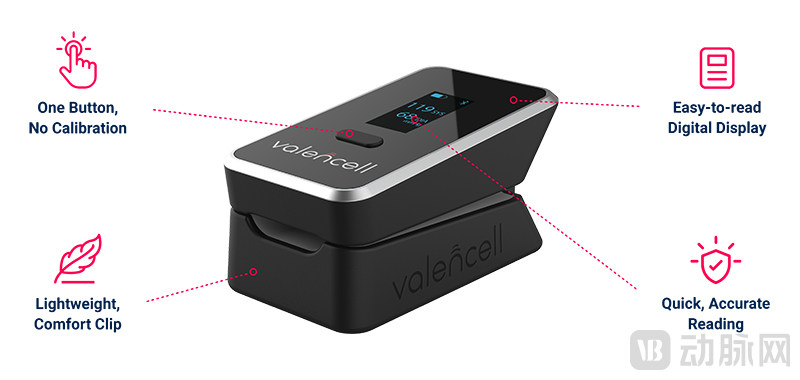
Valencell Finger-Clip Cuffless Blood Pressure Monitor (Image from Official Website)
Measurement results are not only displayed on the device’s built-in screen but can also be transmitted via Bluetooth to a paired smartphone app, facilitating home-based hypertension monitoring and chronic disease management. This breathes new life into existing finger-clip devices, while their quick and simple operation significantly enhances users’ willingness to engage in home health management.
In addition to these devices, CES featured many other interesting home health products, such as Motorola’s smartwatch with fall detection capabilities; the ErgoSportive smart bed, equipped with sensors to measure sleep heart rate and respiration; the Motion Pillow 2023, a smart pillow that detects snoring and automatically inflates to alleviate it; and CONNEQT Pulse, which non-invasively measures arterial stiffness, central blood pressure (cardiac blood pressure), pulse pressure, and other proprietary arterial health metrics not provided by traditional blood pressure monitors.
It is evident from the home health management products showcased at CES that the functionality and accuracy of home testing have significantly improved compared to previous years. More encouragingly, some products now offer medical-grade testing precision and are currently undergoing regulatory review processes. This represents a major boon for home health management.
In recent years, some giants in the healthcare industry have begun to focus on the consumer sector, thereby turning their attention to CES, which holds significant influence in the field of consumer electronics. Abbott, a well-deserved leader in global diabetes management, is one such company. From 2022 to the present, Abbott has participated in CES for two consecutive years and delivered keynote addresses, becoming the first specialized medical enterprise to deliver a keynote speech at CES.
Abbott’s decision comes as no surprise. As one of the company’s most critical business segments, continuous glucose monitoring (CGM) has seen ongoing technological advancements that increasingly align its product form factors and application scenarios with the consumer-device ethos of CES. This is a key reason why Abbott has grown increasingly interested in CES. At last year’s CES, Abbott prominently showcased the Libre 3, then the world’s smallest glucose sensor by volume.
However, bolstered by the enhanced focus on professional medical attributes at CES 2023, Abbott confidently showcased several recently launched and FDA-approved professional medical devices. These included the Alinity m MPX Laboratory Solution for monkeypox, the Aveir single-chamber leadless pacemaker, and the Proclaim Plus Spinal Cord Stimulation (SCS) System—all three of which were honored as CES 2023 Innovation Awards Honorees.
Alinity m Mpox Laboratory Solution was developed to address the urgent need for mpox virus testing. This PCR testing solution runs on the globally deployed Abbott Alinity m laboratory instrument. It utilizes two targets, ensuring effective performance even in the face of viral mutations.
The Aveir single-chamber leadless pacemaker is currently the only pacemaker worldwide with a unique mapping function. It allows physicians to measure intracardiac electrical signals and determine the optimal device placement prior to final implantation. When configured using ISO standard settings, its projected battery life is twice as long as that of other leadless pacemakers currently on the market, reaching 12–13 years. Furthermore, it is the only leadless pacemaker designed to be retrievable based on therapeutic needs; when the battery is depleted, physicians can rapidly remove it via venous access without requiring open-heart surgery.
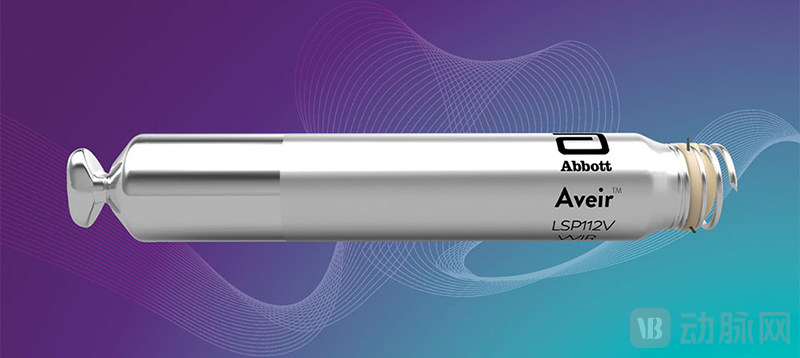
Abbott Aveir Single-Chamber Leadless Pacemaker (Image from Official Website)
The recently FDA-approved Proclaim Plus Spinal Cord Stimulation (SCS) System is built upon Abbott’s proprietary BurstDR stimulation therapy. This implantable device delivers mild electrical energy in the form of pulses or bursts to modulate pain signals as they travel from the spinal cord to the brain, thereby alleviating chronic pain.
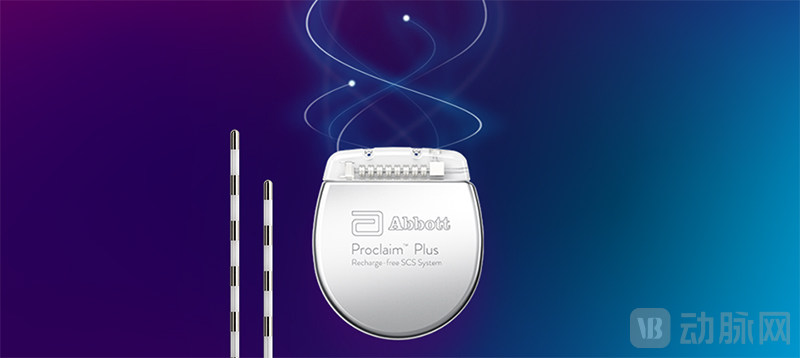
Abbott Proclaim Plus Spinal Cord Stimulation (SCS) System (Image from the official website)
Notably, its FlexBurst360 therapy can cover pain in up to six trunk and/or limb regions and can be adjusted according to the evolution of individual treatment needs. The system is recharge-free, with a battery life of up to 10 years, and is compatible with Abbott’s NeuroSphere Virtual Clinic, enabling patients to connect remotely with their physicians for remote programming adjustments.
Frankly speaking, in the past, it would have been unlikely for these professional medical devices to be showcased at CES. However, at CES 2023, there was a significant increase in the number of similar FDA-approved professional medical devices compared to previous years. This has lent CES a stronger “professional” character in the healthcare sector and encouraged Abbott to exhibit these professional medical devices at the event.
Compared to Abbott, another medical device giant, Omron has a longer history of participating in CES. After all, in the field of home-use medical devices, Omron has built strong brand appeal over the years. If you pay close attention, you will notice that Omron’s electronic thermometers have frequently appeared on WeChat Moments recently, which is indicative of its market share.
At CES 2023, Omron also showcased several professional healthcare solutions, including Viso, a remote patient monitoring service soon to be launched in the UK; atrial fibrillation (AFib) solutions; and updates to the Omron Connect app.
Viso’s remote patient monitoring service has received NHS approval and is set to launch in the UK in early 2023. It will enable patients with chronic conditions to share health data measured at home using Omron medical devices with their physicians. Through this service, doctors can monitor patients’ physical status and medication adherence, thereby improving chronic care management.
In the UK, patients can choose to register and make appointments with general practitioners (GPs), who provide services ranging from initial consultations to long-term treatment for various conditions. By using this platform to manage patient conditions, GPs’ workloads are reduced, while serious cardiovascular and cerebrovascular diseases can be detected at an early stage.
In fact, Viso is not Omron’s first foray into remote patient monitoring. Prior to Viso, Omron had already launched its inaugural remote patient monitoring service, VitalSight, in the United States. This service provides remote monitoring and disease management for patients with hypertension by integrating with Omron blood pressure monitors.
The solution for atrial fibrillation is another offering that Omron showcased at CES 2023. In recent discussions and interpretations of viral myocarditis, you have likely encountered the term “atrial fibrillation.” In fact, atrial fibrillation signifies a suboptimal cardiac health status; if not properly managed, it can lead to numerous serious risks and substantially increase the incidence of conditions such as stroke.
However, due to the subtle nature of its symptoms and their tendency to be overlooked, atrial fibrillation remains difficult to diagnose and is highly prone to being missed in detection. At CES 2023, Omron showcased an upper-arm blood pressure monitor with built-in electrocardiogram (ECG) technology, which records daily ECG readings while measuring blood pressure. By integrating blood pressure monitoring with ECG technology, this device enables the early detection of atrial fibrillation for the first time.
Moreover, Omron is exploring the use of additional innovative technologies, including artificial intelligence, for atrial fibrillation detection. Additionally, Omron announced updates to its OMRON connect health management app at CES. For instance, new educational components will be available in February, providing users with information on healthy recipes. Later this year, Omron plans to introduce community features to the app, enabling social interaction among its users.
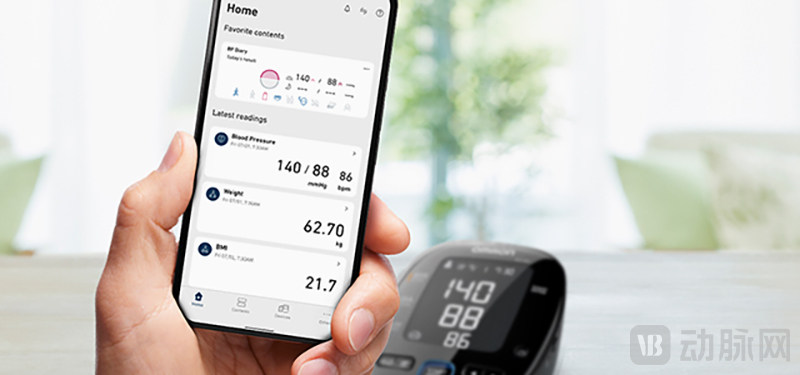
Omron Connect app (image from the official website)
Notably, 2023 also marked the significant milestone of Omron’s 50th anniversary. Over the past six years, Omron has launched numerous innovative products that have reshaped the global landscape of the heart health market. These achievements were once again prominently showcased at CES 2023.
In addition to Abbott and Omron Healthcare, Dexcom also showcased its newly FDA-approved G7 continuous glucose monitoring (CGM) system and the accompanying G7 receiver at CES 2023. Furthermore, numerous emerging digital health companies of considerable scale presented their innovations at the event. It is evident that a growing number of healthcare giants are increasingly turning their attention to CES, leveraging it as a channel for new product launches.
It is evident that this year’s CES once again showcased the global surge in home medical devices, highlighting the immense potential of at-home testing and health management. Coupled with the substantial demand for various home medical devices in the post-pandemic era, this undoubtedly represents a major trend.
For this very reason, an increasing number of prominent medical brands are beginning to make their presence felt at CES, underscoring the growing significance of digital health within the event. In time, it is entirely plausible that CES will evolve into a major showcase for digital health.
References:
Danielle Kirsh,medicaldesignandoutsourcing.com:CES 2023: Medical technologies you need to know
Angela Moscaritolo,pcmag.com:Brush, Sleep, and Pee Your Way to Better Health: The Best Fitness and Wellness Tech of CES 2023