

Forethought Medical Secures Tens of Millions in Pre-A Funding to Advance Global Scoliosis Screening and Management for Children and Adolescents
VCBeat has learned that Fusote (Shanghai) Medical Technology Co., Ltd. (hereinafter referred to as “Fusote”) recently completed a Pre-A financing round worth tens of millions of yuan, led by Shanlan Capital and participated in by Xingfu Capital.
Fusote is a medical company that leverages cutting-edge technologies—including sensor technology, optical technology, image recognition, artificial intelligence algorithms, big data, and cloud computing—to research, develop, and manufacture original miniaturized, portable, non-invasive medical devices and their corresponding intelligent software.
Currently, Fusote has developed the “3D Digital Spinal Diagnosis and Intelligent Treatment System” for B-end clients, as well as the “Xiaoshu Classmate Spinal Detector” for C-end consumers. These solutions are progressively addressing industry challenges such as the inability to accurately screen for scoliosis, the lack of access to spinal morphological diagnostic data like the Cobb angle without radiation exposure, excessively high testing costs, the risk of radiation harm to children and adolescents from traditional detection methods, and difficulties in disease follow-up.
According to Fusote, the funds raised in this round will be used to accelerate the promotion and mass production of approved products, expand academic-related initiatives, and continue to deepen research into the screening, monitoring, treatment, and correction of scoliosis, thereby completing the development of related innovative products.
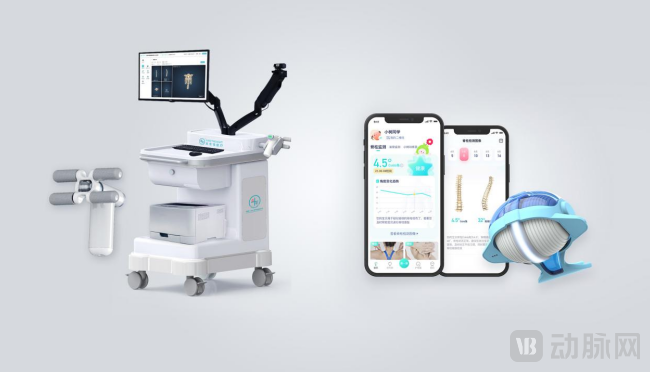
B-side “3D Digital Diagnosis and Intelligent Treatment System for the Spine” (left) and C-side “Xiao Shu Classmate Spinal Detector” (right)
Scoliosis is a common disabling deformity among adolescents, characterized by abnormal alignment of the spinal vertebrae in the coronal, sagittal, and axial planes. It manifests in various forms, including congenital scoliosis, neuromuscular scoliosis, and idiopathic scoliosis. China has approximately 194 million children and adolescents, with scoliosis predominantly occurring between the ages of 5 and 18. Over the past decade, the prevalence of scoliosis among Chinese children and adolescents has been steadily rising, currently exceeding 5%.
However, due to the insidious onset of scoliosis, many parents fail to provide timely intervention and treatment for their children, leading to a progressive increase in the Cobb angle and deformities of the trunk and thoracic cage. In severe cases, patients may suffer from spinal cord and spinal nerve injury, as well as respiratory and cardiac dysfunction, which seriously impair the physical health and daily life of adolescents. Today, scoliosis has become the third major “killer” affecting the health of children and adolescents in China, following obesity and myopia.
Currently, “early detection, early prevention, and early treatment” has become the consensus for the prevention and control of scoliosis in children and adolescents. On August 2, 2021, five departments, including the Ministry of Education, issued the Opinions on Comprehensively Strengthening and Improving School Hygiene and Health Education in the New Era.
The opinion points out that it is necessary to improve the disease prevention system and prevent and control the occurrence and development of myopia, obesity, and abnormal spinal curvature among students.
Furthermore, the revised “Administrative Measures for Health Examinations of Primary and Secondary School Students” has incorporated spinal health screening into the routine health examination items for primary and secondary school students, aiming to strengthen the management of student health examinations and the application of data analysis, thereby ensuring that every child receives spinal screening at appropriate intervals.
However, screening the 194 million children and adolescents in China is no simple task. Hospitals, schools, rehabilitation institutions, and families all need to gradually cultivate awareness of spinal health screening and comprehensively improve the availability of spinal health examination equipment. This presents both a challenge and a market demand worth nearly one trillion yuan.
Currently, hospitals commonly use X-ray imaging to detect scoliosis. Although this method offers rapid detection and requires less workload, it involves a large radiation field, which can cause irreversible damage to adolescents' hematopoietic and reproductive systems. Furthermore, due to equipment limitations, this method is not suitable for follow-up observations of adolescent scoliosis, potentially delaying timely corrective treatment. It is also impractical to rely on X-rays for every follow-up visit throughout the patient's growth period, as this may have adverse effects on the patient.
Meanwhile, due to inconsistent measurement methods and varying levels of technical proficiency among physicians, small-scale scoliosis screening programs often suffer from excessively high false-positive rates, discrepancies between suspected positive rates and prevalence, and poor reproducibility of results. The root cause of this issue lies in the difficulty of existing healthcare systems in providing scoliosis screening services with consistent quality and standardized protocols.
The European Spine Journal published a study in 2016 on the incidence of cancer among patients treated for “adolescent idiopathic scoliosis” in Denmark over a 25-year period. Among 211 patients, nine developed cancer, yielding an overall cancer rate of 4.3% in patients with “idiopathic scoliosis,” which is five times higher than that of the age-matched general population. Endometrial cancer and breast cancer were the most common types. These patients received an average of 16 X-ray examinations during their treatment.
In response to the aforementioned challenges, Forethought dedicated approximately two years to intensive research and development, resulting in the creation of the “Forethought 3D Digital Diagnosis and Intelligent Treatment System for Spinal Conditions.” Notably, this system is the world’s first radiation-free device for directly measuring spinal Cobb angles and ATR angles in spinal health assessments.
The operation of this device for detection is extremely simple: just hold the device and roll it once from C7 to L5 along the spinous processes in a top-to-bottom direction. The measurement results are available immediately, with each single measurement taking only about 10 seconds. Moreover, the detection process is completely radiation-free, making spinal assessment simple and lightweight for the first time. Both physicians and non-professionals such as parents can easily master its use after receiving professional training.
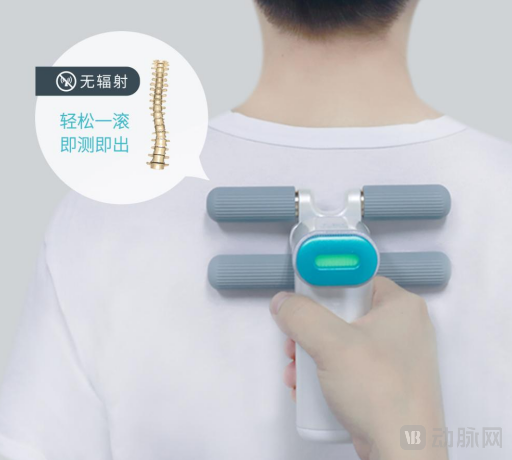
Fusote enables standing-position measurement of the spinal Cobb angle.
The test results are presented in a 3D spinal report, with data such as the Cobb angle, thoracic curvature, lumbar curvature, and ATR angle automatically synchronized for display, making the measurement results clear at a glance.
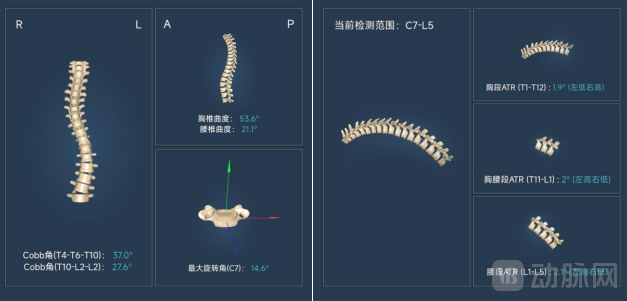
Cobb Angle 3D Spine Report (Left) and ATR 3D Spine Report (Right)
According to He Dan, founder of Fusote, this product integrates innovative intelligent optical sensing technology, precise terrain scanning technology, and multi-sensor information fusion technology. Enhanced by gain control technology and leveraging advanced digital twin technology, it creates a three-dimensional bionic mirror image of the spine through digital mapping, thereby fully revealing its morphology. The product has currently obtained a Class II medical device registration certificate and passed the novelty search conducted by the Chinese Academy of Sciences. The novelty search report confirmed that the technology has reached a “domestically leading and internationally advanced” level, and it has been awarded multiple national invention patents.
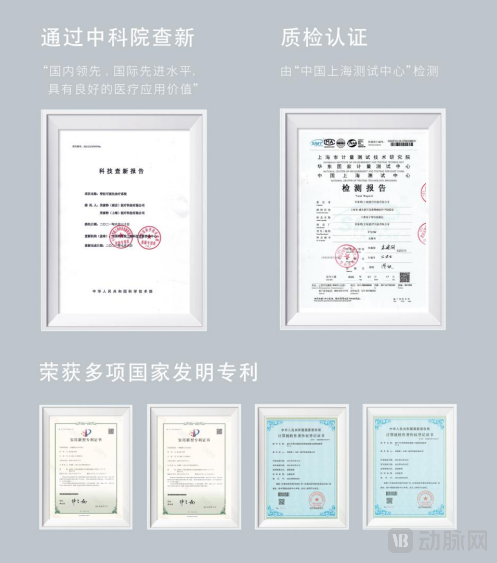
FuSearchTe has obtained multiple national patents and certifications.
He Dan further stated that the product has already completed double-blind clinical validation trials with EOS, the most advanced international X-ray imaging system for scoliosis, at the Department of Radiology of Shanghai Ruijin Hospital. Preliminary measurement results demonstrated significant consistency between this device and conventional X-rays in detecting scoliosis. The clinical research paper will be published subsequently in an international radiology journal. Meanwhile, a clinical study is currently underway at Shanghai Ruijin Rehabilitation Hospital to evaluate the immediate therapeutic efficacy of manual therapy techniques for treating vertebral rotation angle in scoliosis rehabilitation.
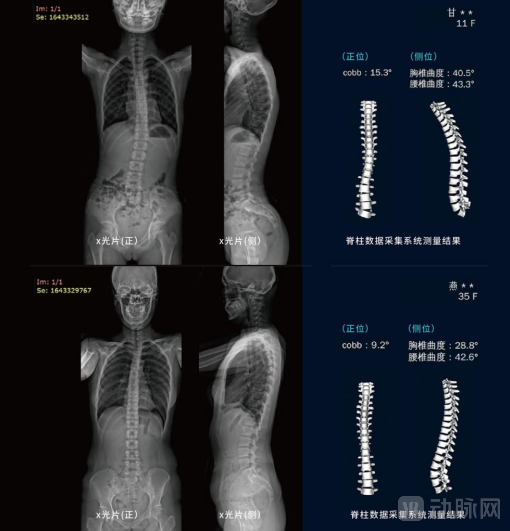
Comparison of Double-Blind Test Results
Fusote’s empowerment of medical institutions can effectively enhance examination efficiency, helping more children obtain more accurate screening results. However, for adolescents, protecting healthy spinal growth is a continuous, long-term process. Beyond periodic hospital screenings, they also require more portable devices to meet the needs of daily monitoring and correction.
To meet the aforementioned needs, Fusote has developed a home-use “Sapling Spine Detector.” Specifically, users need only connect the home-version Sapling device via Bluetooth and complete a one-minute scan to obtain spinal health metrics.
Moreover, the platform will assess children’s developmental status using multiple developmental metrics and provide families with “improvement trend curves” generated from each test record, helping them better understand their child’s scoliosis condition. For specific diagnostic interpretations and solution recommendations, the platform will leverage patients’ test data to enable online experts to deliver customized, professional exercise programs, facilitating rapid recovery and establishing an internet-based diagnosis and treatment model for spinal rehabilitation.
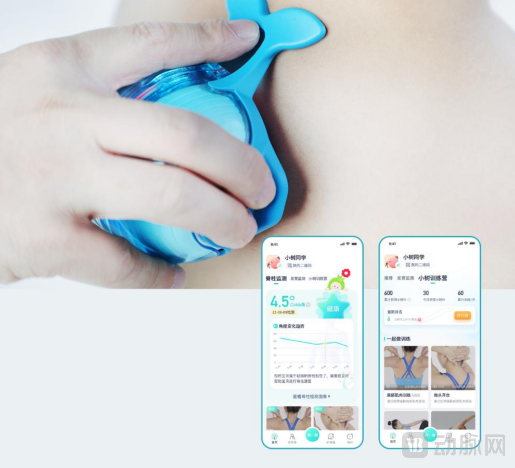
“Xiao Shu Tongxue” App Spinal Monitoring Platform
Through these efforts, Fusote has extended its detection scenarios to home environments. After all, only by effectively reducing the difficulty of user testing, providing real-time assistance in formulating rehabilitation plans, and breaking down the spatial barriers between medical institutions and households can we achieve “early detection, early prevention, and early treatment” through continuous monitoring, thereby truly managing spinal health in children and adolescents.
After two years of development, Fusote has gradually established technical barriers and effectively promoted adolescent spinal screening across China.
Currently, Fusote has filed 26 patent applications across its B-end and C-end product lines, including 8 invention patents, 2 integrated circuit layout designs, and 3 utility model patents. The company has also been recognized as a National High-Tech Enterprise. Notably, its Spinal Data Acquisition and Analysis System has obtained the Class II Medical Device Registration Certificate, passed the novelty search conducted by the Chinese Academy of Sciences, and received certification for radiation-free detection.
Furthermore, Fusote has entered into a strategic partnership with China Resources Pharmaceutical Commercial to jointly launch the “Guardian Project for the ‘Backbone of the Nation,’” aiming to complete screenings in at least 10 cities and screen no fewer than 10 million people by the end of 2023.
Investors in this round hold an extremely optimistic outlook on the future development of Fusote.
Gu Shenghan, Executive Director of Shanlan Capital, stated, “Scoliosis affects a large patient population and poses a serious threat to the health of children and adolescents; however, there are numerous pain points in current diagnosis and treatment processes. Fusuote’s industry-first 3D electronic spinal measurement device has demonstrated excellent clinical trial data, making it the first screening and diagnostic tool in the sector that combines precision, efficiency, and convenience. Meanwhile, the company has proactively laid out a series of innovative products centered on scoliosis and broader spinal health. While providing closed-loop solutions for screening, diagnosis, and treatment, these efforts are poised to drive a paradigm shift in disease management. Shanlan Capital is optimistic about Fusuote team’s spirit of product innovation and strong execution capabilities. We will also leverage our industrial resources to continuously support the company in bringing its innovative products to benefit a wider patient population.”
Ding Yu, Managing Director at Xingfu Capital, stated that reducing the cost of scoliosis screening for adolescents is a global challenge, with the screening cost per confirmed case in the United States reaching as high as $3,000. In China, given the large population base and the insufficient and uneven distribution of medical resources, only through digital intelligence can diagnostic and treatment efficiency be effectively improved while service costs are reduced. Fusote has developed a closed-loop solution for digital intelligent screening and smart correction of scoliosis. Its screening equipment combines high accuracy with ease of use, rapidly acquiring 3D spinal data, which will significantly lower screening costs and thereby redefine clinical solutions for large-scale scoliosis screening. Meanwhile, patients who test positive through screening can access professional, convenient, and low-cost treatment plans via a closed-loop model integrating “in-hospital and out-of-hospital” as well as “online and offline” services. Xingfu Capital remains committed to patient-centered digital intelligence in specialized care and believes that Fusote will benefit scoliosis patients worldwide.
About Shanlan Capital
Shanlan Capital, established in 2014, is a specialized healthcare investment fund focusing on early-stage and growth-stage investments in the medical health industry. It targets high-growth niche sectors such as biopharmaceuticals and medical devices (including in vitro diagnostics, gene technology, orthopedics, biomaterials, cardiovascular solutions, minimally invasive surgical instruments, and robotics). To date, Shanlan Capital has invested in over 40 leading healthcare companies. Its core team comprises founders of publicly listed companies with more than two decades of industry experience, as well as top-tier professionals in biotechnology and medical equipment. With a profound understanding of the fundamental dynamics and long-term development trends within specific healthcare segments, the team provides precise and efficient support to accelerate the growth of its portfolio companies.
About Xingfu Capital
Xingfu Capital is a leading new-type private equity investment firm in China. Since its establishment in May 2015, it has adhered to the philosophy of placing equal emphasis on “capital raising” and “intellectual empowerment,” organically integrating equity investment with innovative investment banking services. It is committed to becoming the best partner and strongest catalyst for Chinese entrepreneurs. The management team at Xingfu Capital possesses profound backgrounds in equity investment, investment banking, and corporate operations. It focuses on identifying and supporting outstanding enterprises in China’s emerging industries to become “hidden industry champions,” having accumulated robust industry insights and resource integration capabilities in the core and application domains of digitalization and intelligence. Xingfu Capital manages approximately RMB 7 billion in assets. Its fund investors include well-known market-oriented funds of funds, insurance companies, listed companies, private entrepreneurs, and family wealth funds. It has invested in approximately 60 projects, predominantly as the sole investor or lead investor in niche-market “hidden champions” or promising candidates for such status. Xingfu Capital has been successively recognized as a “Golden Bull Emerging Equity Investment Firm,” a “China Venture Capital Emerging PE Firm,” one of the “Top 100 Best Private Equity Investment Firms in China” by China Venture Capital, one of the “Top 50 Best Chinese Private Equity Investment Firms in China” by China Venture Capital, and one of the “Top 50 Private Equity Investment Firms of 2020” by Yicai (First Financial).