

Ondine Biomedical: Rising and Falling with the Pandemic – Prospectus for Nasal Photodisinfection Innovation

Ondine
Developer of Light Disinfection Medical Devices
Over the past two years, the impact of the COVID-19 pandemic has given rise to many emerging sectors, while previously underperforming sectors have begun to regain vitality.
Ondine Biomedical (hereinafter referred to as “Ondine”), a photodisinfection technology company founded in 2007, hasDemonstrates good efficacy in preventing COVID-19 infection, and driven by the surging demand for disruptive antibacterial products due to rising antimicrobial resistance, Ondine made a high-profile entry into the London Stock Exchange’s AIM market in December 2021 through a $37.7 million equity financing.
One year later, the ongoing global COVID-19 pandemic caused a delay in the Phase II clinical trial of its FDA-approved nasal photodisinfection device, which in turn severely impacted product sales. Financial reports show thatOndineIn the first half of 2022, the operating loss reached $8.4 million, an increase of $3.8 million compared to the same period; total revenue for the first half of 2022 was $260,000, a decrease of $1.72 million from the same period, representing a year-on-year decline of up to 87%.
COVID-19, isOndineKey factors enabling market launch; COVID-19 also had a significant impactOndineConstraints on Development.So, do light-based disinfection technology companies, revitalized by the pandemic, have a future? And how should these companies navigate the evolving market? This article provides an in-depth discussion using Ondine’s first year as a public company as a case study, aiming to offer reference for industry players.
Headquartered in Vancouver, Canada, Ondine is the global leader in “photodisinfection technology,” dedicated to developing solutions for a wide range of bacterial, viral, and fungal infectionsNon-antibiotic Anti-infective Therapy"Photodisinfection technology" is a localized, non-antibiotic approach that can destroy a broad spectrum of microorganisms and their virulence factors.
In modern medicine,Due to the long-term use of antibiotics, microorganisms resistant to the corresponding antibiotics will emerge, with reduced or even lost susceptibility to these drugs."Leading to reduced drug efficacy or even ineffectiveness". In December 2022, the World Health Organization released the “Report on the Global Antimicrobial Resistance and Use Surveillance System,”It is pointed out that bacteria infecting humans are exhibiting increasingly strong resistance to antibiotics, making antibiotic resistance an urgent issue to be addressed.
To mitigate the impact of antibiotic resistance, various studies on non-antibiotic antimicrobial therapies have emerged in the medical field. Among themAntimicrobial Photodynamic Therapy (aPDT): A Novel Approach to Antibacterial and Antiviral Treatment in the 21st Century, has been officially approved for clinical treatment of conditions such as condyloma acuminatum, port-wine stains, bladder cancer, and skin cancer in multiple countries, including China, the United States, the United Kingdom, Germany, Japan, and Canada.
A 2016 article in The Lancet pointed out that antimicrobial photodynamic therapy is a safe, highly effective, and resistance-free novel approach for antibacterial and antiviral treatments, with many world-renowned medical schools and other institutions dedicated to its research and development.
Initially, antimicrobial photodynamic therapy (aPDT) was proposed as a novel method for inhibiting periodontal pathogens by Michael Wilson, Emeritus Professor of Microbiology at University College London, in the 1980s. When photosensitizers (PS) within the target area are exposed to light of specific wavelengths, they generate singlet oxygen and reactive free radicals. These reactive species interact with microbial macromolecules, such as phospholipids, nucleic acids, and proteins, thereby damaging microbial structures or impairing their functions, ultimately achieving therapeutic outcomes.
As a phototherapy method with precise spatiotemporal controllability, non-invasiveness, and high efficiency, antimicrobial photodynamic therapy (aPDT) has become one of the most favored therapeutic strategies in medical research. However, standalone aPDT often yields suboptimal therapeutic outcomes due to insufficient reactive oxygen species (ROS) toxicity resulting from low H2O2 concentrations within physiologically safe limits. Therefore, most researchers combine PDT with other modalities, such as photothermal therapy (PTT), chemodynamic therapy (CDT), and immunotherapy, to maximize therapeutic efficacy while ensuring biosafety, thereby meeting clinical needs.
Based on aPDT, Ondine has developed a nasal photodisinfection technology called Steriwave.
Steriwave is a broad-spectrum antimicrobial agent that enables a safe, effective, and targeted approach to nasal decolonization.. The nasal cavity, being a moist, sheltered, and oxygen-rich environment, readily harbors large quantities of bacteria, viruses, and fungi. The process of eliminating or reducing bacteria in the nose is referred to as “nasal decolonization.”
According to relevant papers,Nasal decolonization can reduce the risk of infection, particularly for high-risk patients, including those undergoing surgical procedures, patients with compromised immune systems, ICU patients, and individuals requiring long-term, frequent medical services (such as those in nursing homes or undergoing dialysis).
Notably, healthcare-associated infections (HAIs) refer to infections acquired by patients or hospital staff within healthcare settings. According to reports from the World Health Organization (WHO), most countries lack systems for recording HAIs, and research indicates that hundreds of millions of patients worldwide are affected by these infections annually. Proper and effective disinfection is a critical measure for reducing the risk of hospital-acquired infections, which was the primary objective behind Ondine’s development of Steriwave.
Steriwave, as a highly effective antimicrobial agent, can kill all pathogens, including drug-resistant strains such as MRSA.. Enhanced through administration by cliniciansAdherence, inWithin five minutesAchieve painless treatment, catering to healthcare professionals, care institutions, outpatient patients, dialysis patients, and other individuals.Reusewithout inducing drug resistance.
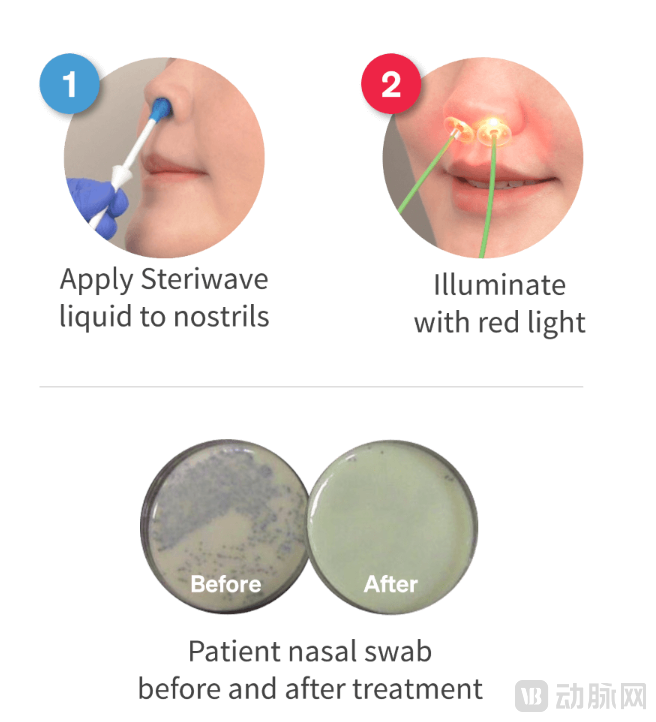 Steriwave Operating Procedures and Efficacy, Image Source: Ondine Official Website
According to Ondine’s real-world data report, since 2011, Steriwave has become a key component of surgical infection control efforts in Canadian hospitals, complemented by the National Surgical Quality Improvement Program (NSQIP) and other surgical protocols implemented during this period.The hospital’s overall surgical site infection (SSI) rate dropped to below 0.5%, with a 3.7-fold reduction in risk (P=0.00026).。
In 2021, Ondine initiated research on the SARS-CoV-2 virus to expand the therapeutic scope of nasal photodisinfection. Results presented in September 2021 at the European Society for Photobiology conference indicated thatOndine’s broad-spectrum nasal photodisinfection technology eliminates SARS-CoV-2 at both the genomic and spike protein levels.
As most COVID-19 patients are asymptomatic, the nasal cavity becomes an ideal reservoir for the virus. Ondine reduces the transmission of this highly contagious virus by decolonizing the noses of all pathogen-infected patients, a natural extension of its Steriwave nasal photodisinfection technology.
Currently, Steriwave has obtained CE certification and is approved in Canada and other regions for the decolonization of nasal pathogens. In the United States, Steriwave is currently undergoing clinical trials to obtain regulatory approval, having been granted Qualified Infectious Disease Product (QIDP) designation and Fast Track status by the FDA.
Furthermore, Ondine is actively building a diverse product pipeline and is committed to the clinical application of photodynamic nasal disinfection, with multiple products already approved in Canada.
 Product Pipeline. Image source: Ondine official website
In November 2021, as Spain’s sixth wave of the COVID-19 pandemic intensified, the University Clinic of Navarra, in collaboration with the Canadian company Ondine, employed nasal photodisinfection technology in COVID-19-positive patients to mitigate viral transmission and reduce infection rates. This nasal photodisinfection technique disrupts SARS-CoV-2 reservoirs in the nasal cavity of infected individuals. When applied during the initial days of infection—the period of highest contagiousness—it effectively reduces viral spread.
It was precisely due to its positive role in combating the COVID-19 pandemic that Ondine successfully listed on the London AIM market. However, also due to the impact of the pandemic, Ondine’s market performance has been poor.
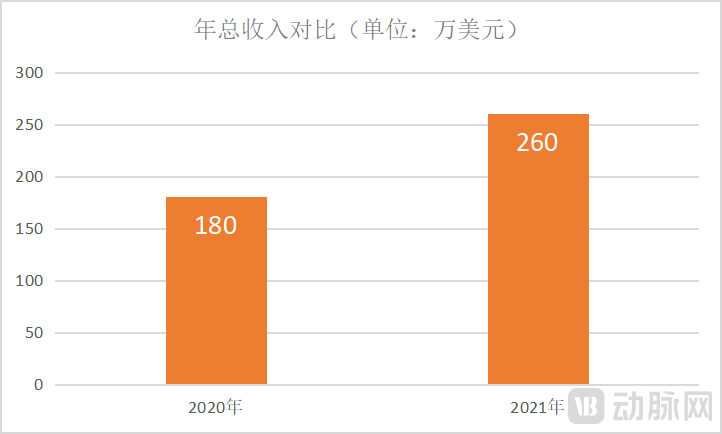 Data source: Ondine financial report
In terms of year-over-year total revenue growth, Ondine’s strong market performance in 2021 was one of the key factors contributing to its successful listing. Total revenue increased by 44% year over year in 2021. According to financial reports, the primary driver of this growth was the adoption of nasal photodisinfection technology as a reliable solution for preventing COVID-19 in workplace settings.
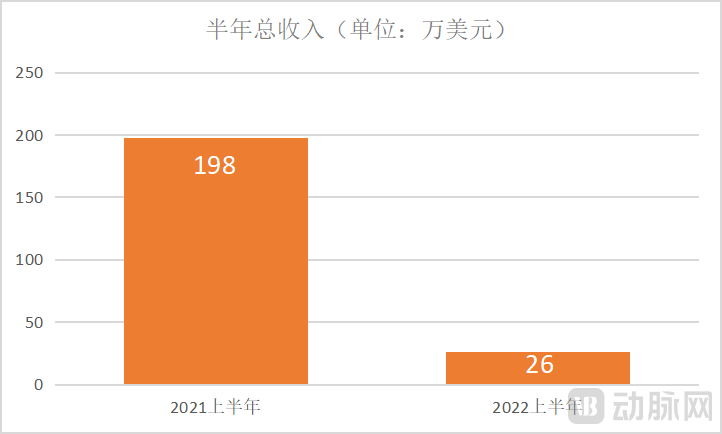 Data Source: Ondine Financial Report
But by 2022, the situation took a sharp downturn.Revenue in the first half of 2022 reached only $260,000, a year-on-year decrease of 87%.. The financial report indicates that since the third quarter of 2021, the ongoing COVID-19 pandemic has disrupted the movement of personnel and goods, leading to the suspension of related product sales. In other words, although the products have been proven effective in reducing COVID-19 infections, sales efforts remain challenging due to the persistent pandemic.
 Data source: Ondine financial report
Regarding operating losses, the financial report shows that the operating loss in 2021 was in line with overall expectations, with the year-on-year increase mainly driven by higher operating costs associated with the company’s public listing. AndOperating costs in the first half of 2022 increased by 83% year-on-year, primarily due to the acceleration of clinical and regulatory activities in the U.S. market, expansion of operational scale, and costs associated with being a publicly listed company.
In 2022, despite sales suspensions due to the COVID-19 pandemic, Ondine still fulfilled its commitment made at its IPO a year earlier by completing a Phase II clinical trial under FDA approval in Savannah, USA, achieving the primary endpoint, and releasing the trial report in November.
Overall, in the year since its listing, Ondine’s financial position has been significantly impacted by the COVID-19 pandemic. Due to the efficacy of nasal photodisinfection technology in suppressing the transmission of SARS-CoV-2, Ondine opened at £58 ($69.78) listed on the AIM Exchange, but due to the high transmissibility of the COVID-19 pandemic, product sales were severely impacted,resulting in a precipitous drop in multiple key metrics, which in turn affected secondary market performance.
Let’s examine Ondine’s performance in the secondary market over the past year. Although Ondine’s stock price has generally trended downward over this period, several key upticks have emerged in the last six months.
 Ondine’s Stock Price Chart Over the Past Six Months, Source: Ondine
To curb the downturn, Ondine has not failed to make efforts. First, itClinical Research. As of 2022, Ondine has completed and announced three clinical trials in total, among which the Phase II clinical trial targeting drug-resistant bacteria such as Staphylococcus aureus was approved by the FDA.。
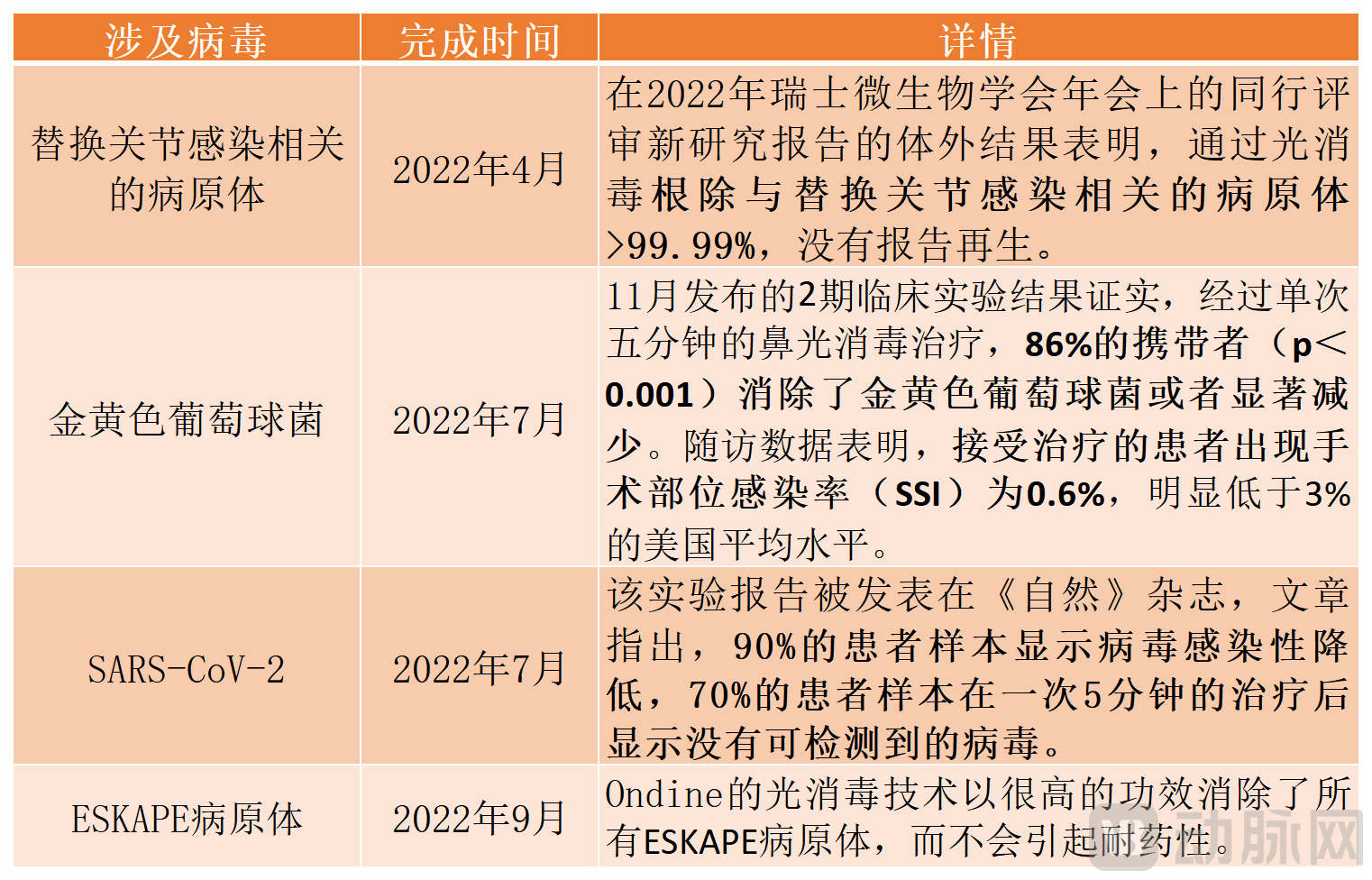
Source: Ondine official website; compiled and organized by VCBeat
Furthermore, Ondine has also been activelyExpand Market Reach. The financial report shows that Ondine held discussions with distribution partners in the EU, the UK, and North America during the first half of the year. Through its efforts, the company has secured distribution partnerships in Canada, the UK, Spain, and other regions. In addition, Ondine’s flagship product, Steriwave, which had previously obtained certifications in Canada and the EU, received approval in Mexico in December.
Driven by these positive factors, Ondine’s stock price experienced several brief upticks, none of which were sustained. Does this imply that nasal photodisinfection technology does not have as much market demand as previously anticipated?
Not so. As a novel, non-antibiotic disinfection therapy, nasal photodisinfection technology can eliminate pathogens in the nasal cavity within minutes, protecting patients from infection and effectively reducing readmission rates. In addition to eradicating infectious pathogens, it can further reduce surgical site infections (SSIs) by preventing healthcare-associated infections (HAIs).
An article in Science magazine indicates that preoperative nasal decolonization can effectively reduce pathogens in the patient’s nasal cavity, which are the primary cause of surgical site infections (SSIs). A study published in JAMA also demonstrates that SSIs are a leading cause of postoperative readmission and a significant contributor to increased postoperative morbidity and mortality, with the risk of death rising by 2- to 11-fold.
In other words, nasal photodisinfection can be applied in multiple scenarios and capture a certain market share by virtue of its efficacy in reducing infections. Therefore,What Exactly Is Causing Ondine’s Stock Price to Keep Falling?
In fact, for Ondine,The effective elimination of SARS-CoV-2 was a short-term factor driving Ondine’s development, while the true long-term sustainable need lies in its efficacy as a treatment for antibiotic-resistant bacteria.。
Currently, due to the impact of the COVID-19 pandemic, countries around the world have prioritized pathogen surveillance as a critical component of national public health. With the pandemic still ongoing, nations are establishing prevention and control mechanisms to minimize the impact of pathogens. In terms of eradicating specific pathogens, Ondine can achieve sustained growth by formulating effective strategies and continuously expanding product coverage.
On the other hand, antibiotic misuse has long been a global issue. According to the first "Antimicrobial Resistance: Global Report on Surveillance" released by the World Health Organization in 2014, a survey of 114 countries worldwide found that antibiotic resistance exists in all regions. Among them, resistance to antibiotics is most prevalent in seven common diseases, including bloodstream infections (sepsis), diarrhea, pneumonia, urinary tract infections, and gonorrhea.
It also pointed out, “Without urgent, coordinated action by numerous stakeholders, the world will move into a post-antibiotic era, in which common infections and minor injuries that have been treatable for years could once again prove fatal.。”
In light of this, countries have implemented various policies to restrict or prohibit the use of antibiotics as a first-line treatment, and have begun seeking non-antibiotic antimicrobial therapies as alternatives. As one such alternative, photodynamic therapy is poised for sustained growth across multiple fields in the future.
As a novel antimicrobial approach, nasal photodisinfection technology still has a long way to go. The emergence of any new innovation requires a prolonged period of market education. For Ondine, having successfully launched by capitalizing on the momentum of effectively reducing SARS-CoV-2 infections, achieving sustainable growth will depend on its ability to become a clinical alternative to antibiotics for antimicrobial therapy.
Light-based disinfection technology reduces the incidence of surgical site infections (SSIs) by lowering healthcare-associated infection (HAI) rates, thereby decreasing readmission rates and reducing healthcare expenditures.. Studies have indicated that healthcare-associated infections (HAIs) affect 7–10% of patients worldwide. In the United States alone, an estimated 1.7 million HAIs occur annually, including up to 300,000 surgical site infections, costing the U.S. healthcare system billions of dollars.
According to data from the national healthcare-associated infection (HAI) surveillance system, the incidence of HAI in China ranges from 4% to 6% (excluding outpatient settings). Healthcare-associated infections have also become a key focus of attention for clinicians.
According to data released at the 2021 National Conference on Infection Control and Drug-Resistant Infections,The overall incidence of surgical site infections (SSI) in China was 4.47% (range: 0.35%–37.3%).,Surgical site infections (SSIs) account for approximately 20% of all healthcare-associated infections, increasing the rate of readmission by fivefold, prolonging ICU stays by approximately 60%, and raising mortality rates by 2- to 11-fold.,Severely impacting patient health and medical safety, the control of surgical site infections is one of the critical tasks in hospital infection management.
In the future, as challenges posed by increasing antibiotic resistance continue to mount, light-based disinfection technology, as an alternative, may emerge as a market-promising field.