

IDSO Dental Alliance Successfully Hosts Oral Healthcare Spring Festival Summit, Industry Leaders Discuss Strategies for a New Growth Curve
After three years of recurring pandemic waves, the dental industry has faced immense challenges.
A recent large-scale survey conducted by VCBeat among dozens of dental service providers revealed that a significant number of dental clinics are experiencing a sharp decline in patient volume and a collapse in performance, with revenue generally decreasing by approximately 30% and ongoing pressure on cash flow.
Moreover, the slowdown in investment and financing activities caused by the pandemic has, to some extent, constrained the overall development of the dental industry: for some enterprises, there is a significant gap between capital demand and supply.
The resulting outcome is,An Increasing Number of Dental Service Providers Disappeared in 2022.Data from Tianyancha shows that last year, the number of dental medical service institutions in China that were deregistered reached 5,807, and the number whose licenses were revoked totaled 101, with both indicators hitting historical highs for the industry.
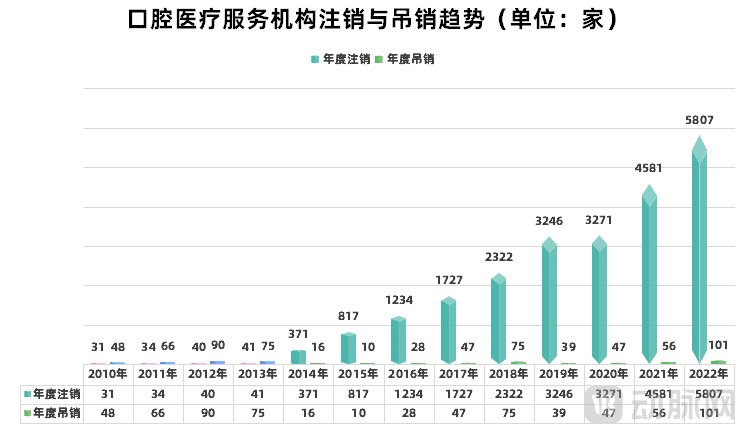 (Data source: Tianyancha; graphic by VCBeat)
How can the dental industry address critical pain points such as a sharp decline in patient volume, stagnant cash flow, and insufficient management capabilities to unlock new growth trajectories? Furthermore, amid the current landscape of relaxed policies and rising infection rates, how can outpatient clinics optimize their management practices? More importantly, what emerging trends should be seized to guide future development?
In response to these challenges, on January 13, 2023, the IDSO Dental Alliance successfully hosted the “IDSO Oral Healthcare Industry Management Summit & Oral Healthcare Spring Festival Gala.” Centered on the theme of “The Second Growth Curve for Dental Clinics,” the event brought together industry luminaries and leading clinic administrators to engage in collaborative discussions, contributing to breakthroughs in clinic performance, management, and service delivery.
How Can Dental Clinics Build Momentum and Break Through to Launch the Second Curve of Growth in the New Year?
Following this line of thought,As a flagship event kicking off the year for the dental industry, the 2nd Dental Spring Festival Gala brought together numerous leading pioneers from both China and abroad, as well as outstanding founders of dental clinics of varying scales from multiple cities. Focusing on the current national context and market trends in the dental sector, and integrating real-world clinic operational insights, participants jointly explored solutions to prevailing challenges through a fully online live-streamed format.
To provide multi-dimensional insights, the Oral Health Spring Festival Gala featured a 14-hour non-stop content marathon, specially designing segments such as the Annual Industry Review, Expert and Global Perspectives on Development Trends, Analysis of Dental Practice Management Thinking, and Roundtable Salons. These diverse and multi-faceted sessions comprehensively showcased frontline industry practices and cutting-edge reflections.
In addition, to help dental clinics achieve revenue growth in the new year, the IDSO Dental Alliance prepared multiple rounds of generous brand gifts for industry peers during the live broadcast, including premium courses, vouchers, and custom Chinese New Year gifts from many well-known dental brands.
It is worth mentioning that this summit received strong support from Straumann China, Hiteeth, M-Like, Kangtaijian, and Invisalign.
The data alone offers a glimpse into the event’s popularity.3 Major Live Streaming Media, 5 Major Live Streaming Platforms, Nationwide Synchronous Broadcasting, Simultaneous Rebroadcast by Today's Dentistry. As of the event day, the 2nd Dental Spring Festival Gala gathered 19 industry experts for online sharing, with over 80,000 high-quality interactions in the comment section and a total reach exceeding 168,000.
Behind the Industry’s Acclaim: What Insights and Reflections Did the Second Dental “Spring Festival Gala” Bring?
Amid the Three-Year Pandemic, Dental Clinics Face Numerous Problems and Challenges.
For example, during the pandemic control period, the dental care service industry was virtually “stalled” in terms of personnel, goods, and capital flow, leading to tight outpatient cash flows. Specifically, health prevention services represented by teeth cleaning, and consumer-oriented medical services dominated by orthodontics and aesthetic veneers, were significantly impacted.It is evident that the challenges facing the oral health industry are multifaceted.
How can breakthroughs and transformative changes be achieved? At the Dental Industry Gala, industry leaders shared their insights and reflections under the moderation of Liu Ran, Vice President of the IDSO Dental Alliance.
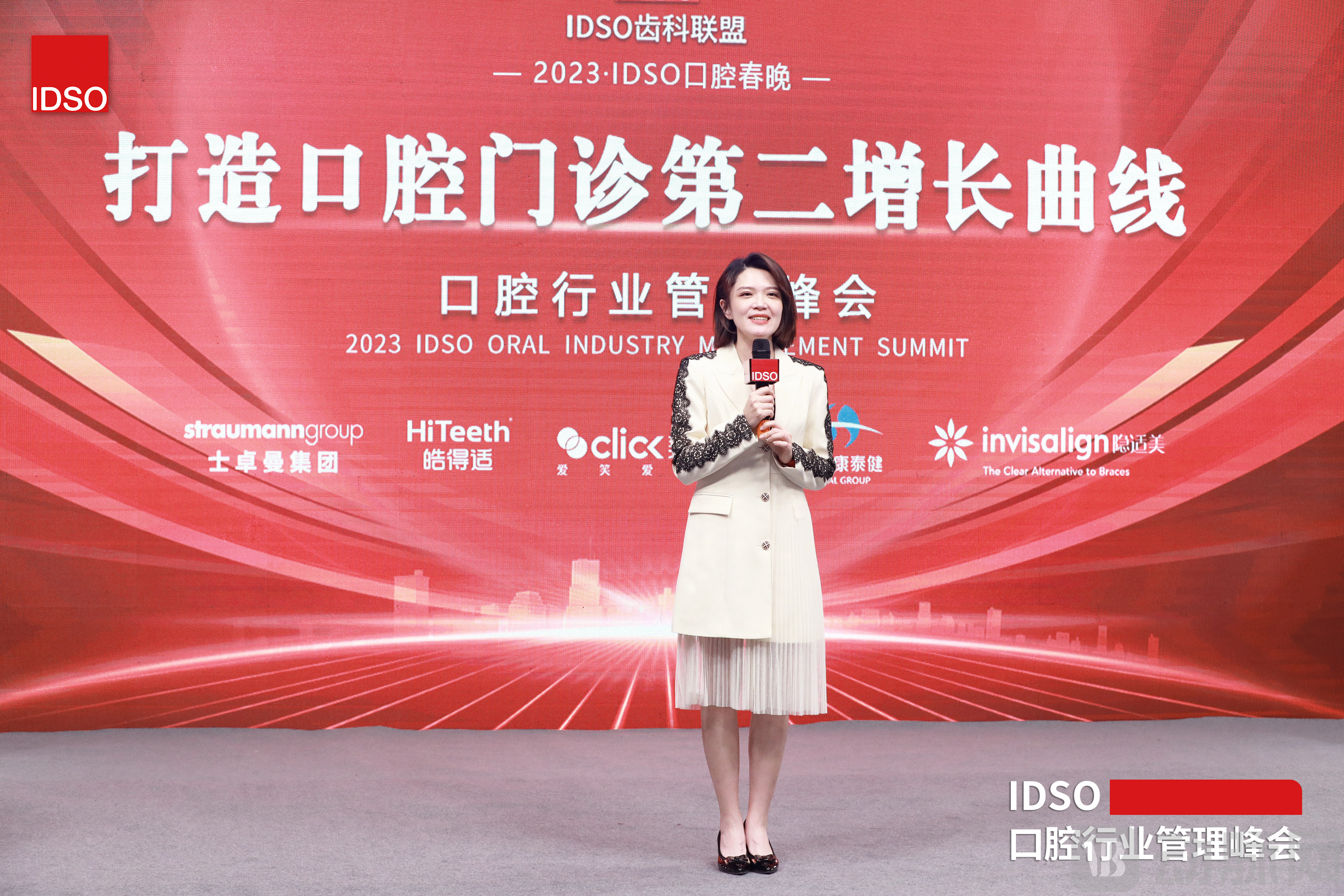
(Vice President of the IDSO Dental Alliance, Liu Ran)
As the opening guest speaker for this event, Dr. Sun Yan, founder of the IDSO Dental Alliance, provided an interpretation of the “IDSO Dental Alliance 2022 Industry Data Research Report.” He stated that,The operation of a dental outpatient clinic must not only focus on acquiring new patients but also prioritize the retention and service quality for existing clients. It requires efforts to improve both the treatment conversion rate for patients’ primary complaints and the completion rate of comprehensive full-mouth treatment plans, while clearly identifying the clinic’s competitive advantages and core strengths.
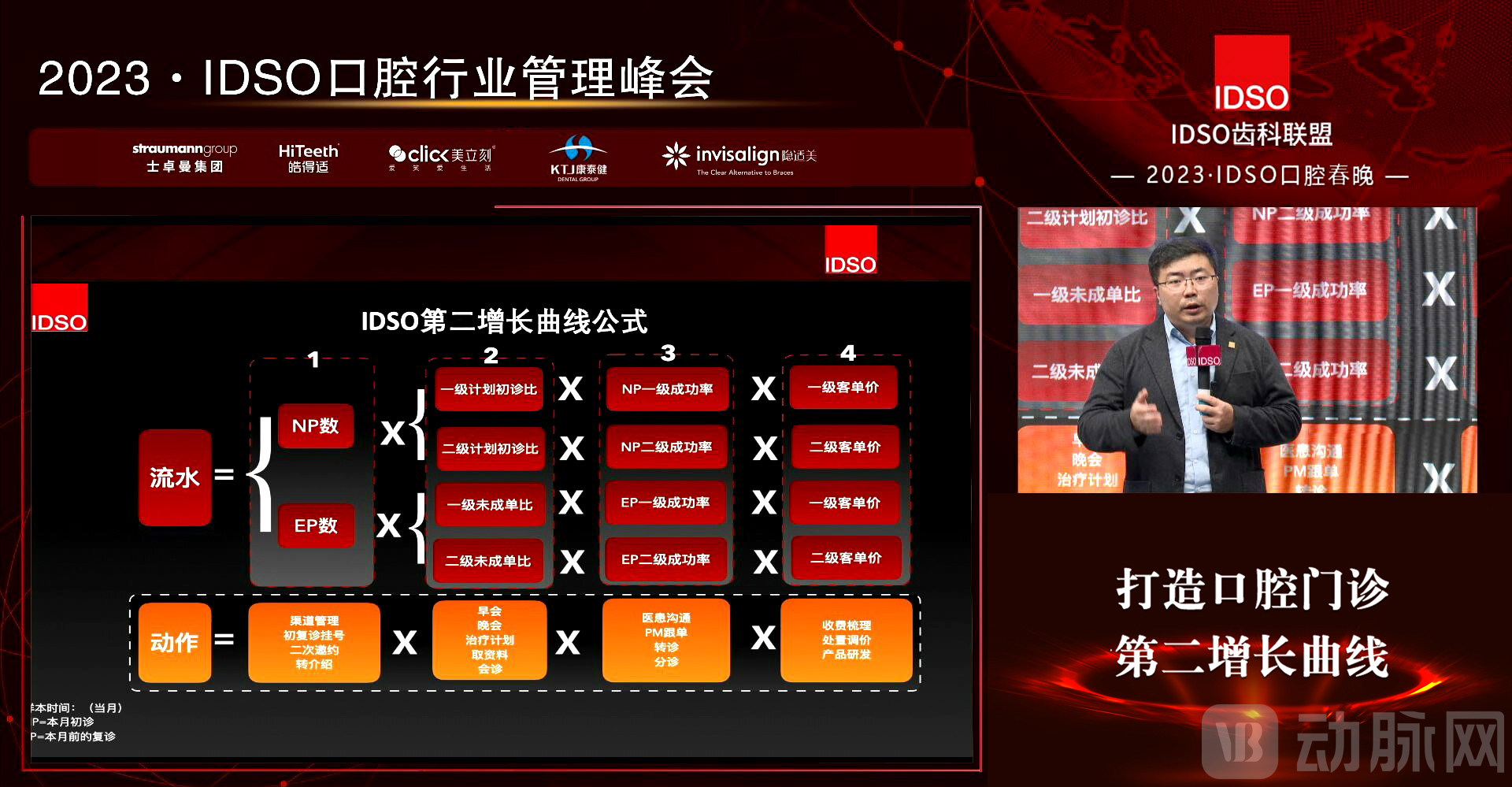 (Sun Yan, Founder of IDSO Dental Alliance)
Based on this, the IDSO Dental Alliance has established a standardized system for outpatient dental service workflows and operational management, thereby achieving the digitalization of customer information, medical consultations, and administrative operations. In practice, the IDSO Dental Alliance model divides the entire customer lifecycle into 12 modules and identifies the core business scenarios within each module.
Furthermore, the IDSO Dental Alliance model assigns unified codes to every business scenario and piece of know-how, establishing over 800 internal standard skill codes and standardizing hundreds of disease types. This ensures that doctors across more than ten specialties can complete training, assessments, and patient consultations online.
Building on this foundation, the IDSO Dental Alliance defines every marketing service scenario with a standardized MK code. This ensures that even as the alliance expands to include hundreds of clinics in the future, all members maintain a completely consistent understanding of business scenarios and data during discussions. Ultimately, the MG series of management codes are generated, successfully implementing the IDSO Dental Alliance’s operational philosophy across strategic planning, clinic operations, and personnel management.
To date, the IDSO Dental Alliance model is currently in operation at over 300 IDSO member clinics across China, helping these clinics achieve business growth of more than 30%.
In the face of the challenges and changes confronting the industry, Li Xiaohui, General Manager of Meituan’s Beauty and Medical Aesthetics Healthcare Business Unit, stated that it is essential to grasp what remains constant amidst profound transformation. “At present, what remains fundamentally unchanged is customer demand. However, from a longer-term perspective, the fulfillment and growth of this demand are inevitably driven by supply. Only by optimizing supply can we unlock demand on a broader scale; therefore, it is imperative toCustomer-centric, with long-term patience。”
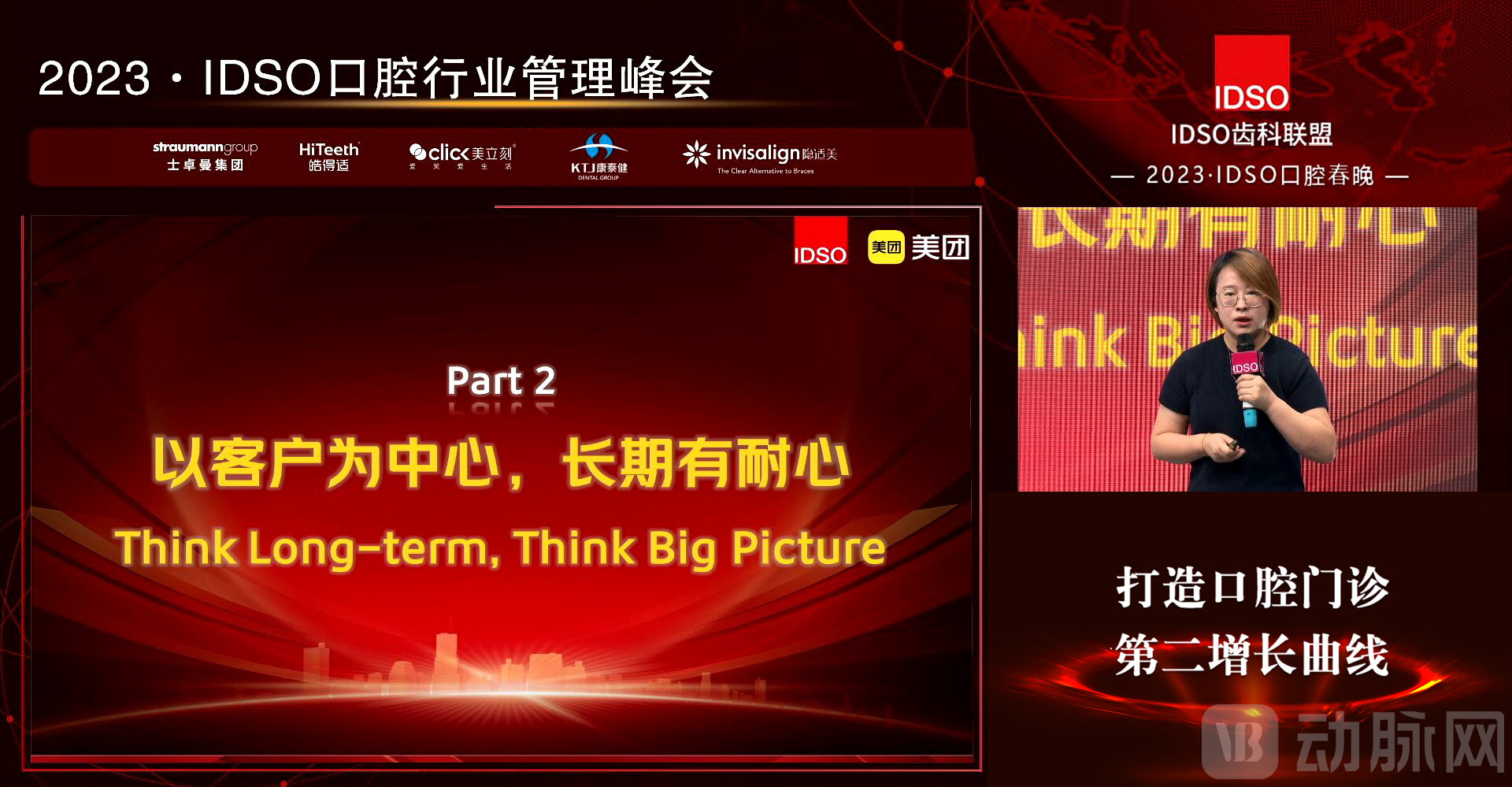 (Li Xiaohui, General Manager of Meituan Beauty and Medical Aesthetics Business Division)
How Can Dental Clinics Increase Their Value While Upholding Long-Termism? Yang Shitou, Founder of the Think3 Group Brand Marketing and Communication Cluster, Proposed the “One Product, Three Brands” Model for Dental Clinics, Namely Corporate Brand, Product Brand, and Personal Brand. He Stated That Each Dental Clinic Should Establish Clear Selling Points; For Instance, Some Institutions Highlight Their Medical Director as the Key Selling Point, While Others Emphasize Their Dental Implant Technology. Meanwhile, Dental Clinics Should Also Adopt a Customer-Centric Approach by Understanding Clients’ Buying Motivations and Delivering High-Quality Services in Terms of Functionality, Experience, and Value.
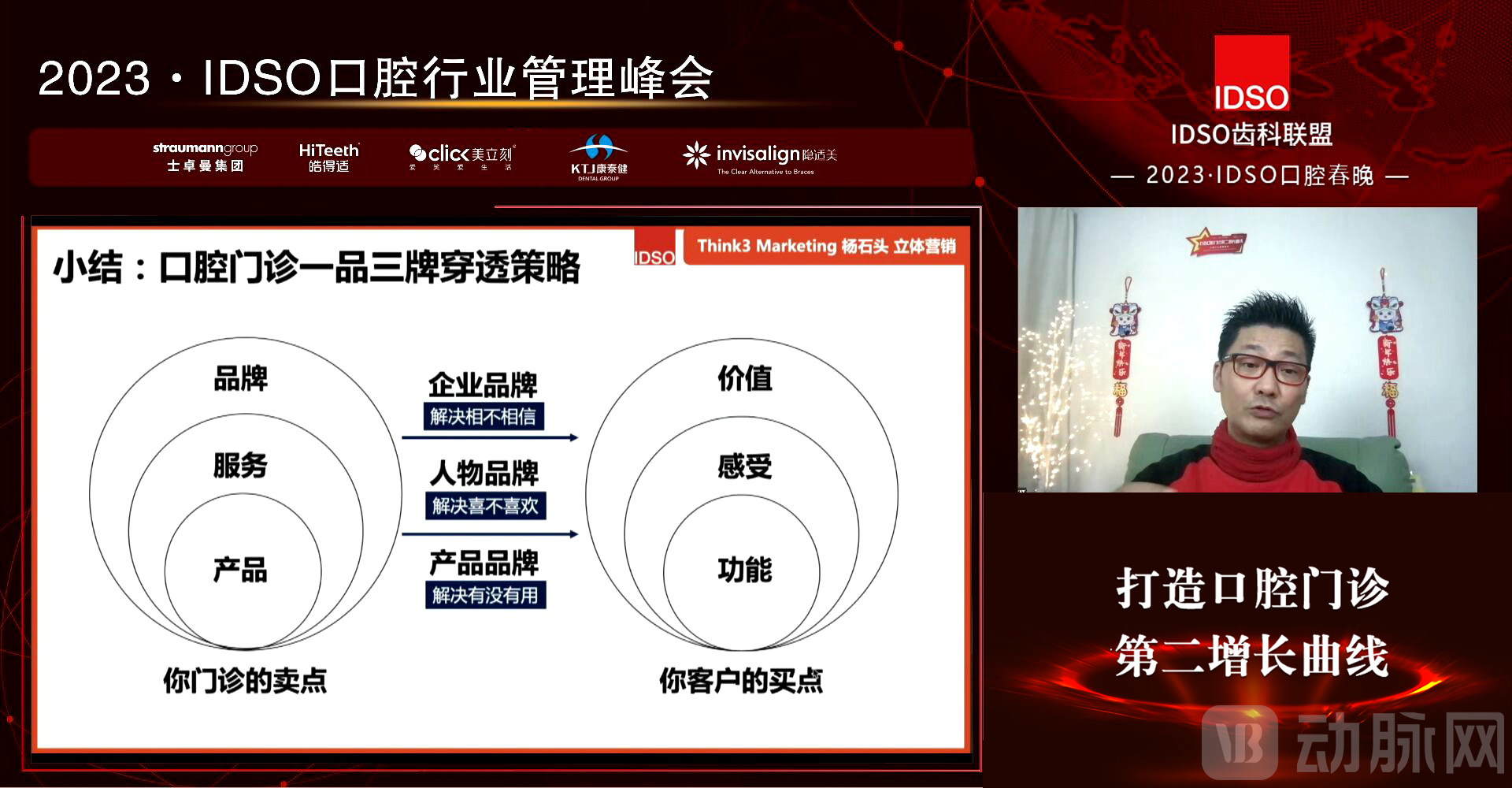 (Yang Shitao, Founder of the think3 Group Zhilifang Brand Marketing and Communication Cluster)
With technological iterations, digitalization has taken on profound significance in the development of the dental industry. In this regard, Cao Zhiyi, President of the Zhejiang Provincial Dental Medical Industry Association, stated at the event that clinic management systems will undergo rapid development and enhancement over the next 5 to 10 years. “Having operated dental clinics for many years, clinic managers are well aware that integration in areas such as compensation distribution, performance appraisal, cost accounting, material utilization, dentist level assessment, and nurse allocation remains at a low level. Under these circumstances,To elevate clinic management to a higher level, it is essential to implement standardization, refinement, and digitalization throughout the management process.”
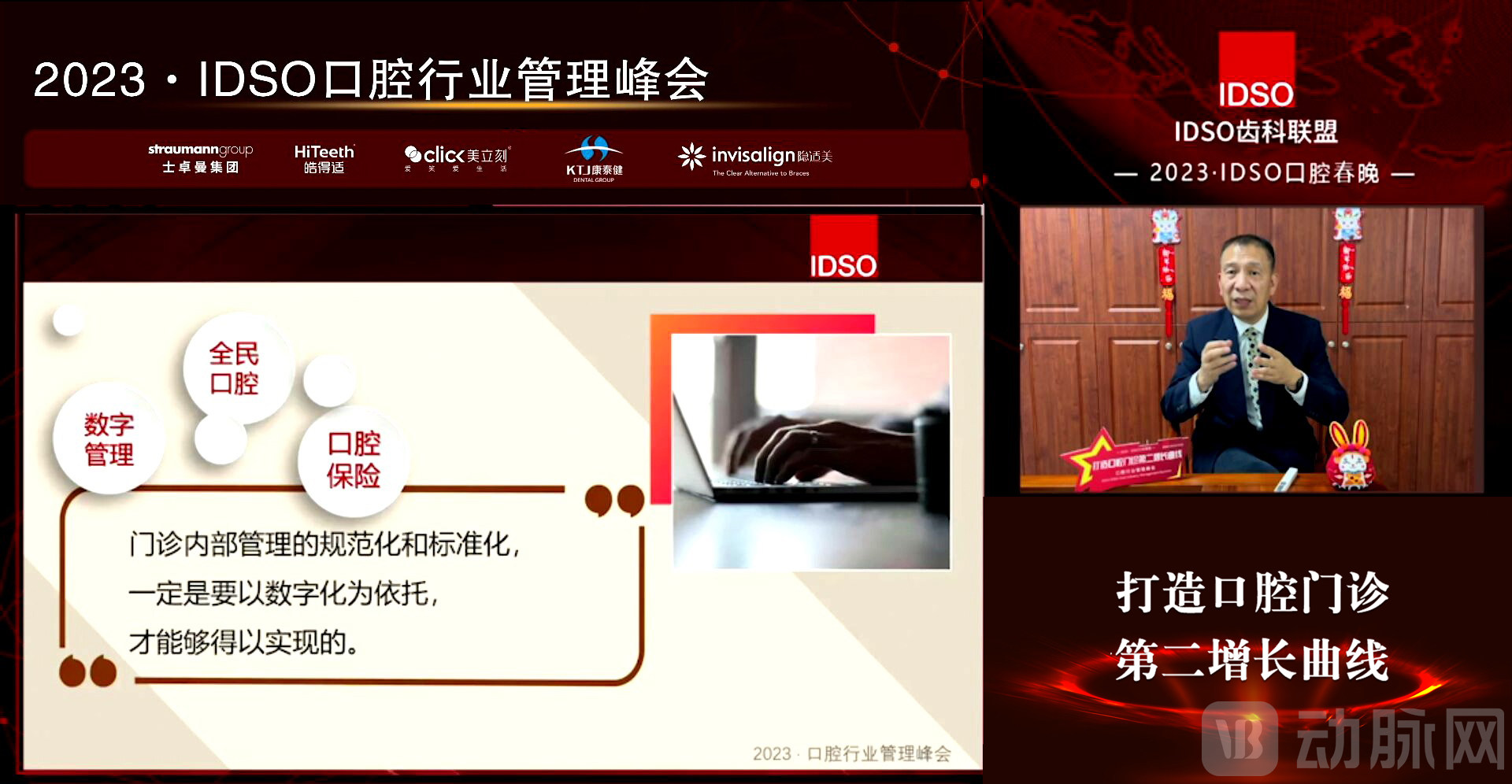 (Cao Zhiyi, President of the Zhejiang Provincial Dental Medical Industry Association)
In addition to enterprises proactively seeking transformation, maintaining confidence in the industry is also crucial. “As the economy warms up, the market capacity of the dental industry will continue to expand. This is driven by two factors: first, dental demand experiences rapid growth during the phase when GDP per capita rises from $10,000 to $20,000; second, the dental industry not only addresses essential medical needs but also fulfills people’s aspiration for a better life,” stated Ji Xinjiang, Chairman and General Manager of Henglun Dental Medical Group.
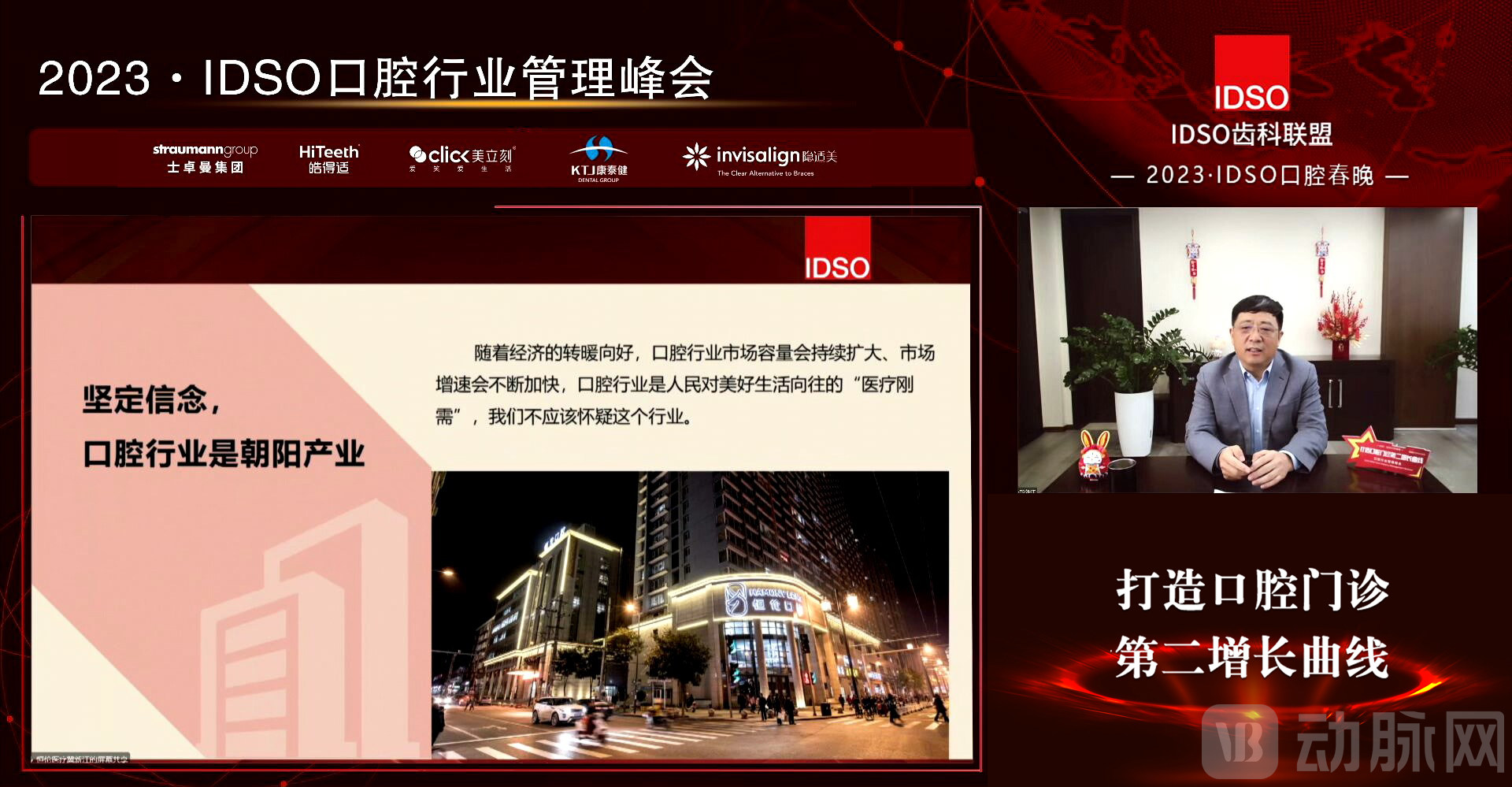 (Ji Xinjiang, Chairman and General Manager of Henglun Dental Medical Group)
Of course, the iteration of dental clinics cannot be separated from practical implementation. Zhang Pei, Vice President of Enjoy Dental Care Group, mentioned in his speech that in the face of challenges such as a decrease in initial visits, lower average transaction value, reduced consumer willingness, and rising customer acquisition costs, it is essential to focus on three key points, which are also the core solutions. The first step is to capture the market of Class C patients, the second step is to improve the NP conversion rate, and the third step is to enhance the repurchase rate of EP patients.At the core of all business operations is increasing patient repurchase rates and referral rates.”
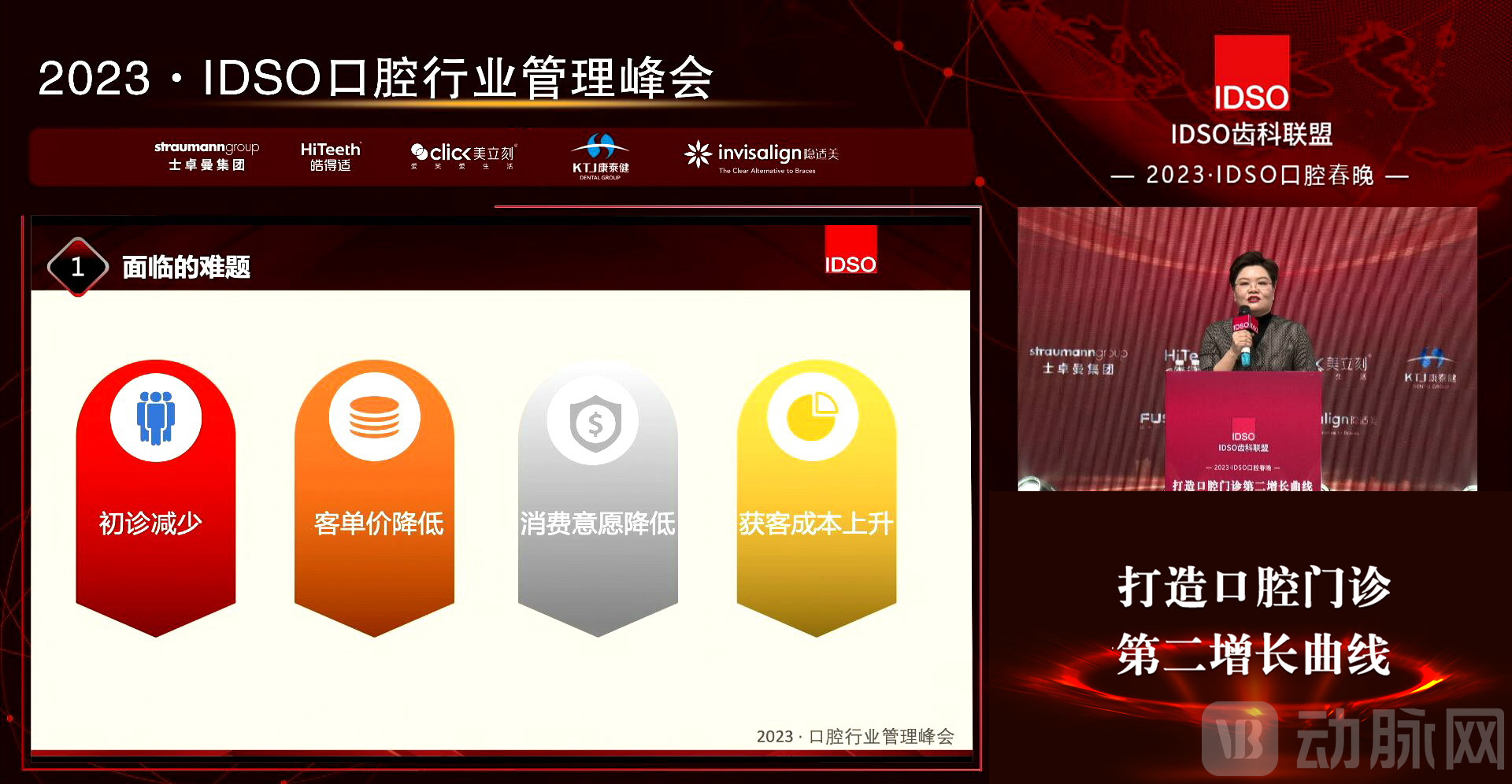 (Vice President of Enjoy Dental Group, Zhang Pei)
In addition, Zheng Chao, Chief Operating Officer of Hodes, also stated that in the past, many people believed in the power of external traffic and thus engaged in marketing placements. However, in the post-pandemic era, facing a decline in foot traffic, how can one effectively manage their own traffic? This requires a holistic perspective.The total number of patients is essentially the sum of new patients, activated but unconverted patients, patients undergoing secondary development, and referrals from existing patients. If a dental clinic can effectively manage these key touchpoints, its overall patient volume can indeed increase.
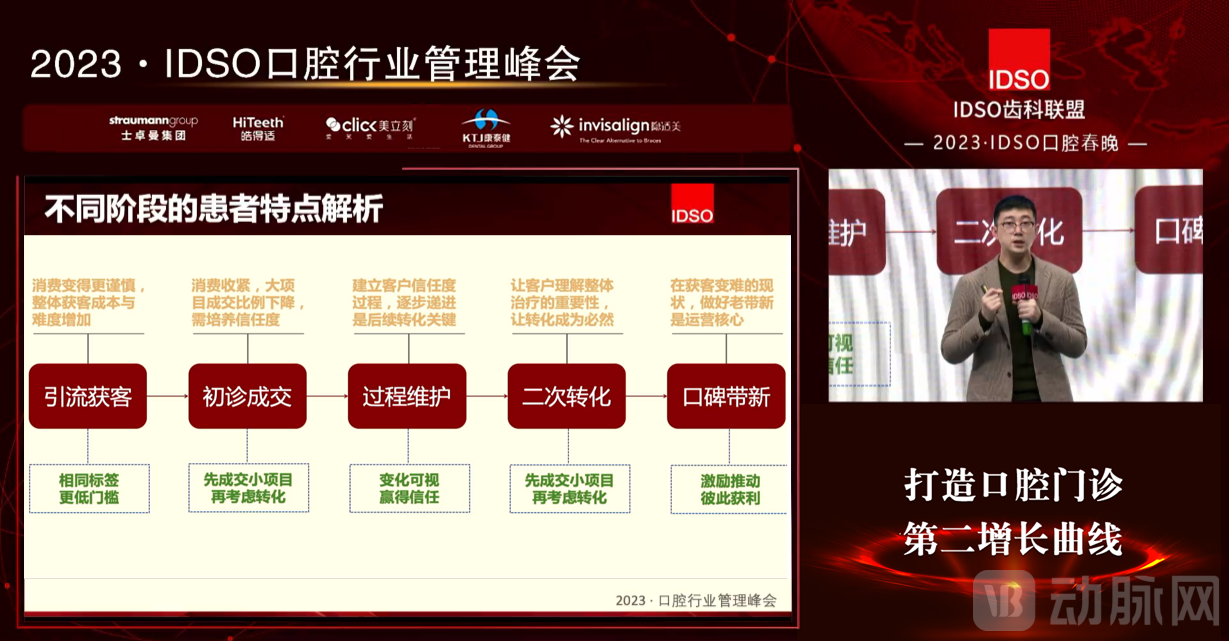 (Zheng Chao, Chief Operating Officer of Hodes)
In the face of intense price competition, Hu Geng, Chairman of Zhejiang Minghe Oral Healthcare Management Co., Ltd., suggests that instead of relying on single-product loss leaders for customer acquisition, companies could adopt bundled package strategies. Additionally, he advocates shifting the business focus from competing on low prices to emphasizing functionality, value-added services, and exclusive benefits.The design of traffic-driving products requires company-wide marketing efforts, and such products must generate gross profit.
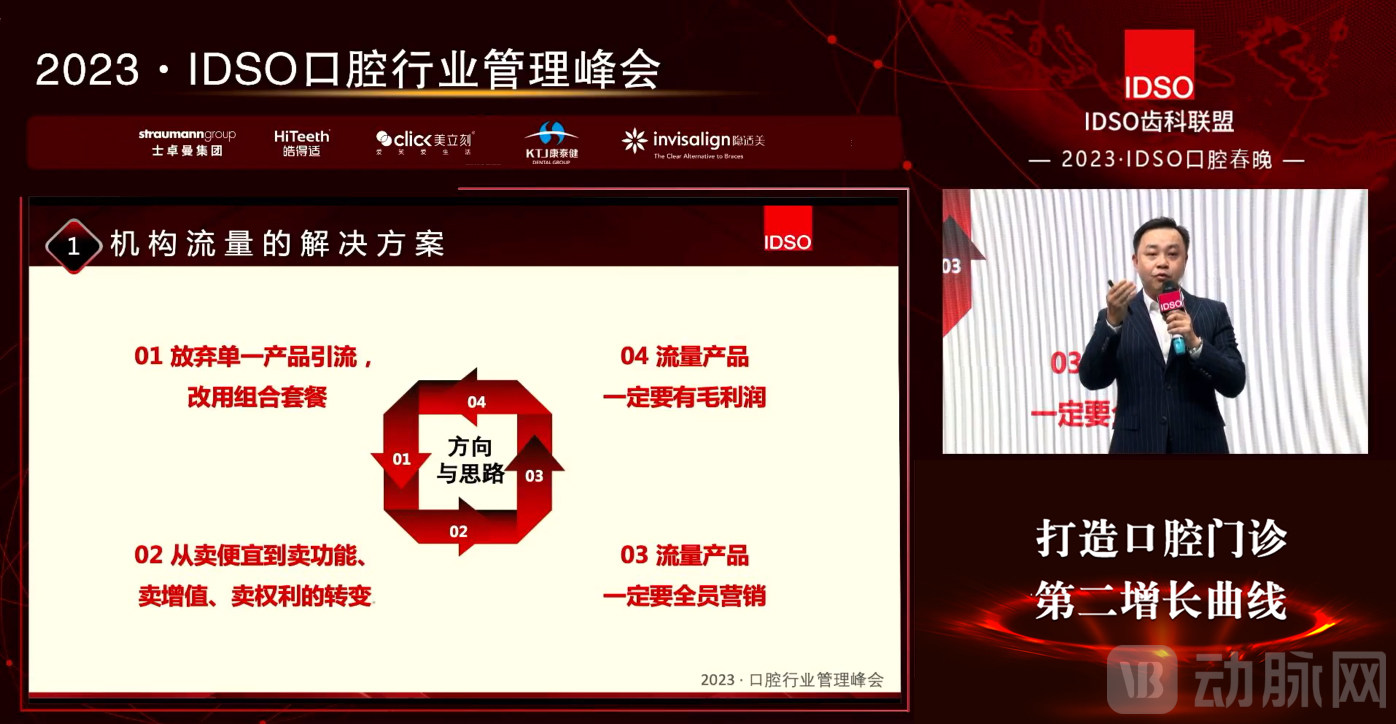 (Hu Geng, Chairman of Zhejiang Minghe Dental Medical Management Co., Ltd.)
“How can dental clinics survive when NP is nearly zero?” said Li Zhanhai, founder and director of Xinxiang Xiaobaixiang Stomatological Hospital."If the volume of initial consultations is low, then it is necessary to make initial consultations more solid and with higher stickiness."Taking the practice of Xinxiang Little White Elephant Dental Hospital as an example, it has established a science popularization museum where children can not only learn about dental care but also receive hands-on instruction from professionals on proper brushing techniques, thereby enhancing their interest in brushing through an edutainment approach.
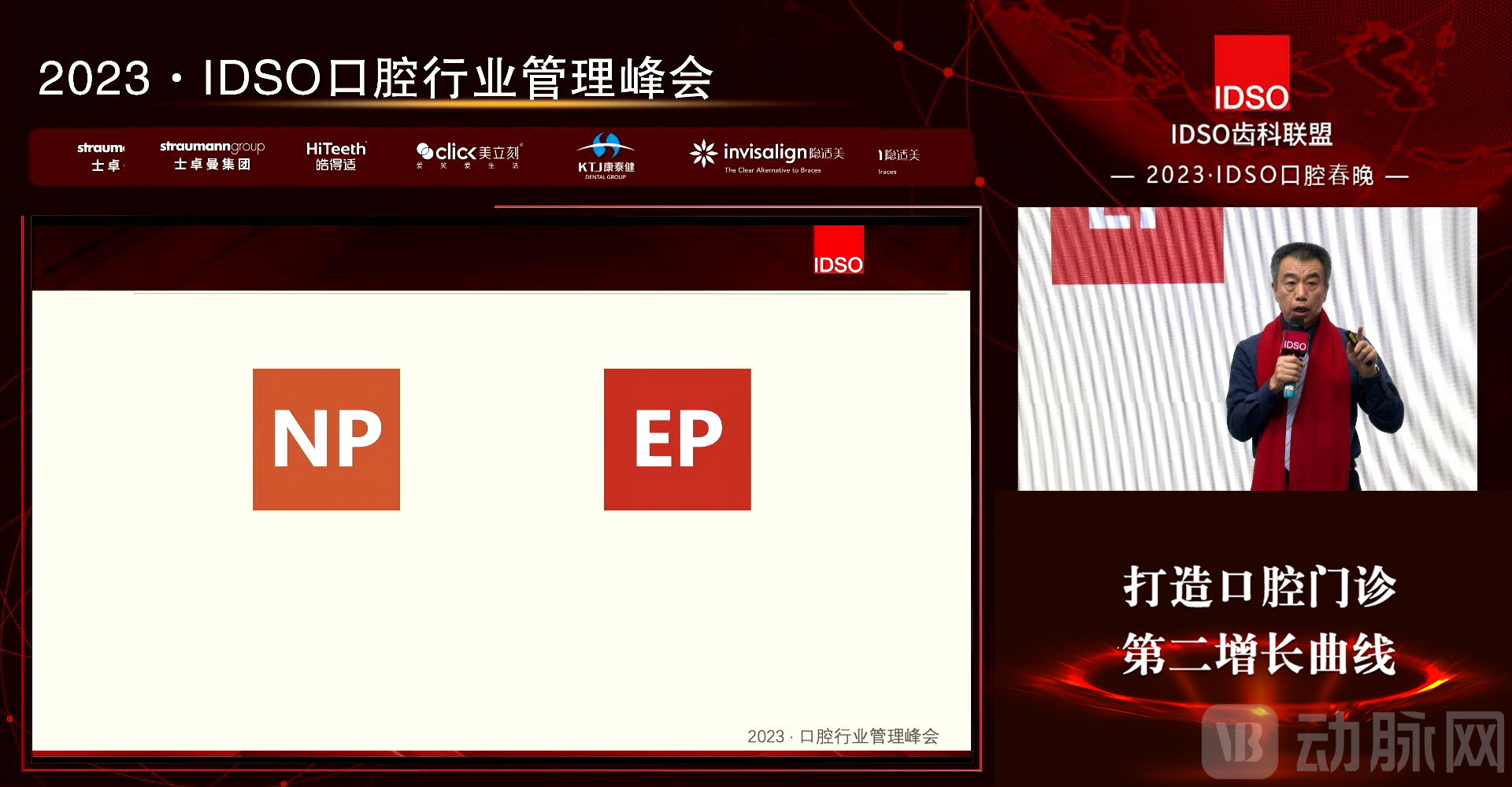 (Li Zhanhai, Founder and Dean of Xinxiang Little White Elephant Stomatological Hospital)
“In medical philosophy, the most important aspects are full-mouth treatment and lifelong care.“These two concepts are, in fact, highly aligned with IDSO’s medical philosophy. The primary requirement is to adopt a comprehensive, full-mouth perspective rather than focusing on a single specialty, taking ultimate responsibility for the overall health and aesthetics of the patient’s entire oral cavity. Compared with merely addressing the chief complaint, this represents a relatively more challenging and protracted process,” stated Chen Dehao, Founder of Chengdu Smile Dental, during his presentation titled “Training and Development Methods for PM Case-Following Competencies.” “We firmly believe that this approach truly serves the best interests of patients. Only by considering the patient’s holistic needs can we effectively treat and prevent their conditions, thereby genuinely safeguarding their health.”
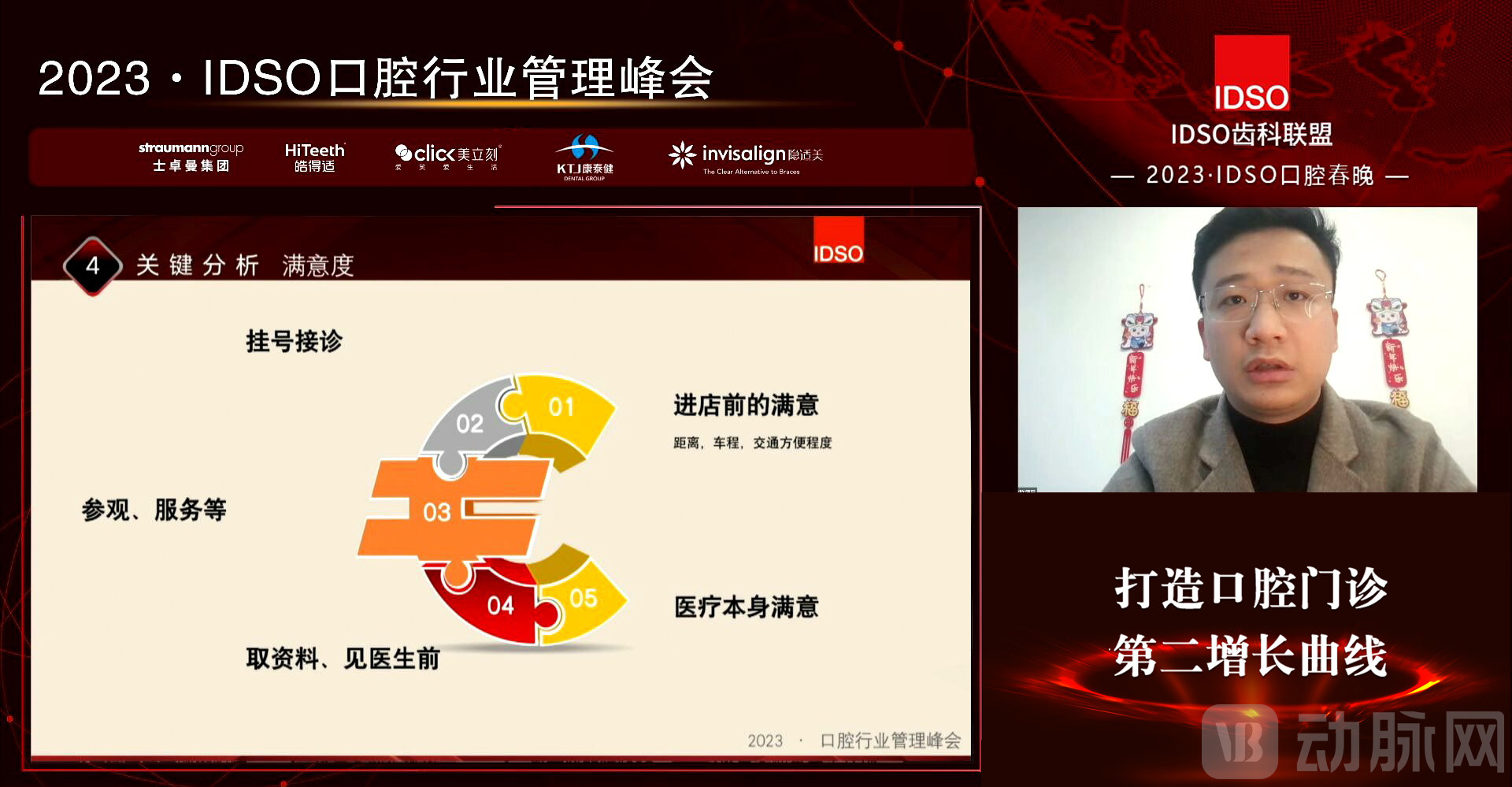 (Chen Dehao, Founder of Chengdu Smile Dental)
Chen Hongyu, a maxillofacial surgery expert and the Dean of Nuoya Dental Chain, stated in her presentation titled “Achieving Steady Clinic Growth Through All-Staff Marketing” that, regarding internal marketing within an enterprise, employees should first be divided into two categories: non-patient-facing staff and frontline staff, namely non-clinical personnel and clinical personnel.
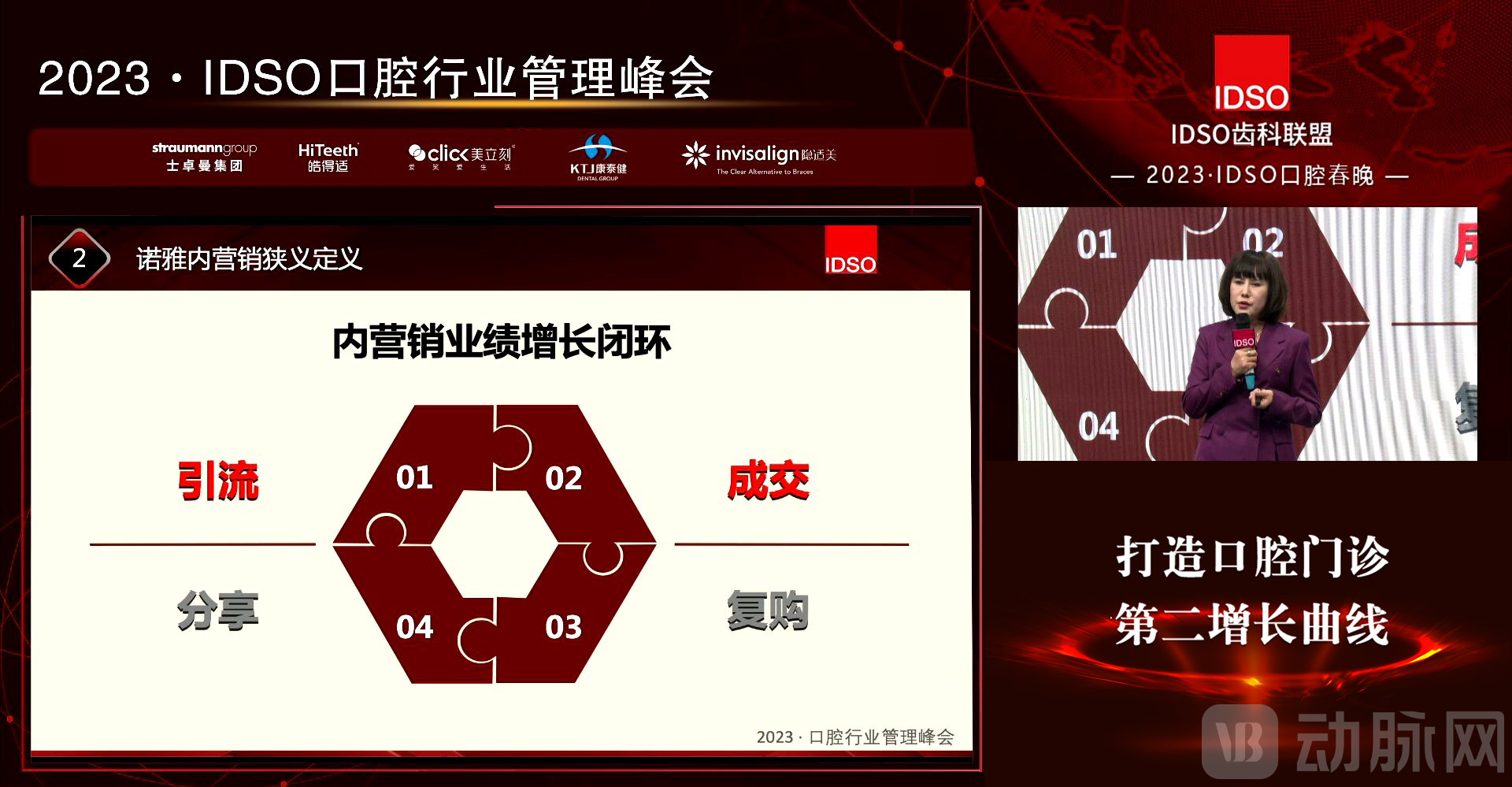 (Chen Hongyu, Chief Dean of Nuoya Dental Chain and Expert in Oral and Maxillofacial Surgery)
Regarding the understanding of data in the dental industry, Li Changzhen, Founder and General Manager of Chengdu Shuya Dental Chain, stated that if the operation and management of a dental clinic lack data support and rely solely on intuition, it constitutes low-level management, often referred to as “gut-feeling management.” While data can reflect behaviors (process data) and outcomes (financial data), it does not reveal motivations or underlying causes.Data is the entry point; human nature is the essence.”
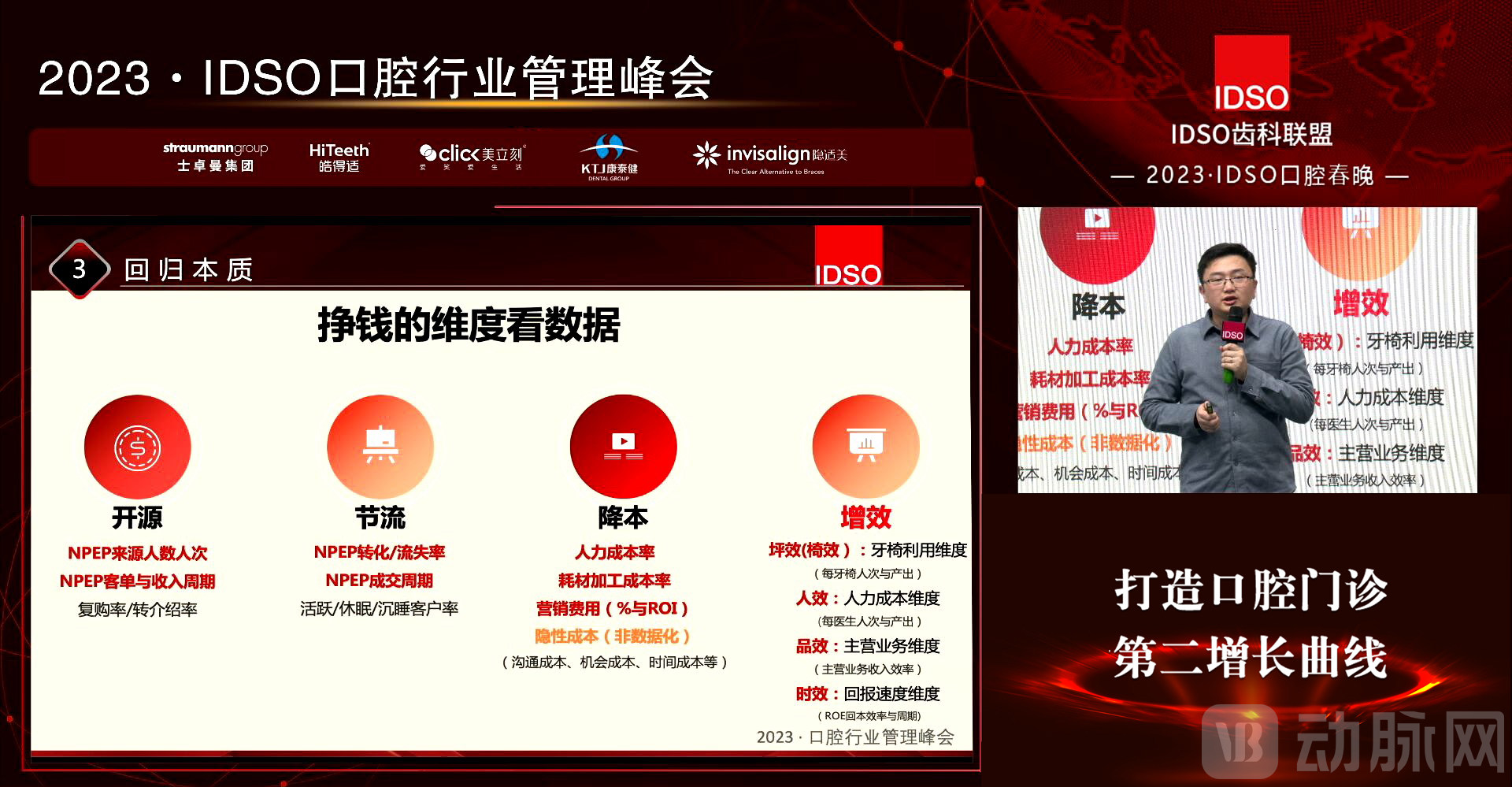 (Li Changzhen, Founder and General Manager of Chengdu Shuya Dental Chain)
Jia Yuhong, founder of Shandong Yuhong Chain Oral Medical Group, stated in her thematic presentation titled “Organizational Transformation: From a Single Clinic to a Small Chain” that when transitioning from a clinician to an operational manager, one must adhere to operation management centered on the essence of medical care. In terms of strategic and tactical objectives, she emphasized working backward from the end goal to deduce annual tactical targets, which are then broken down into monthly plans.
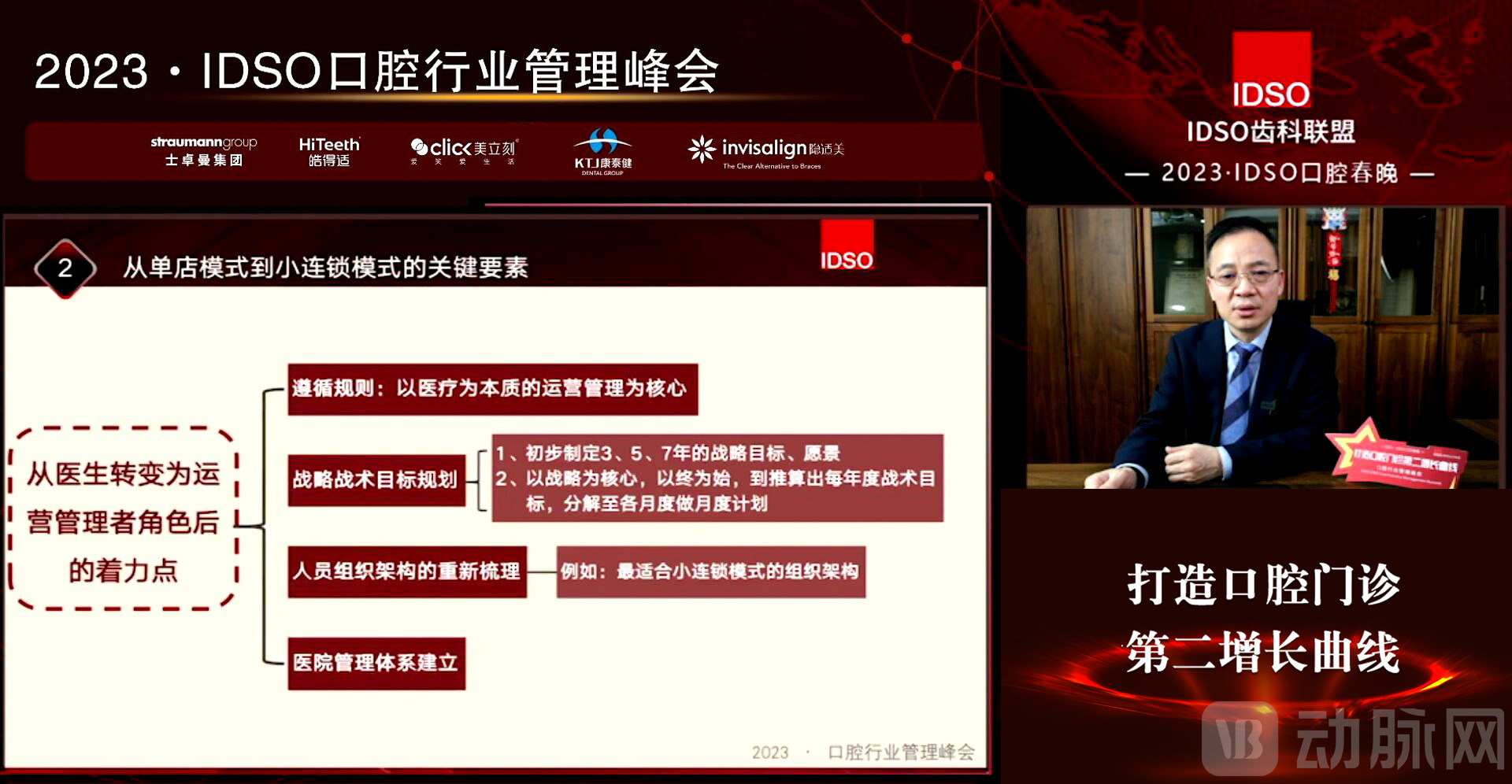 (Founder of Shandong Yuhong Chain Dental Medical Group, Jia Yuhong)
Subsequently, Ma Chunmin, Chairman of the Enjoy Dental Care Group, delivered an inspiring speech titled “Healthy Orthodontics: Leading a New Era of Facial Management,” sharing new concepts and approaches to healthy orthodontic treatment with attendees. He stated that in recent years, Enjoy Dental Care has developed a mature operational model for fostering orthodontic thinking across entire clinics and leveraging orthodontics to drive patient acquisition and revenue growth. This model effectively addresses common challenges such as scarcity of dental professionals, quality control of medical services, management of service workflows, and improvement of patient conversion rates. “We are willing to adopt an open mindset and make this comprehensive system available to the entire industry through orthodontic franchise partnerships.”
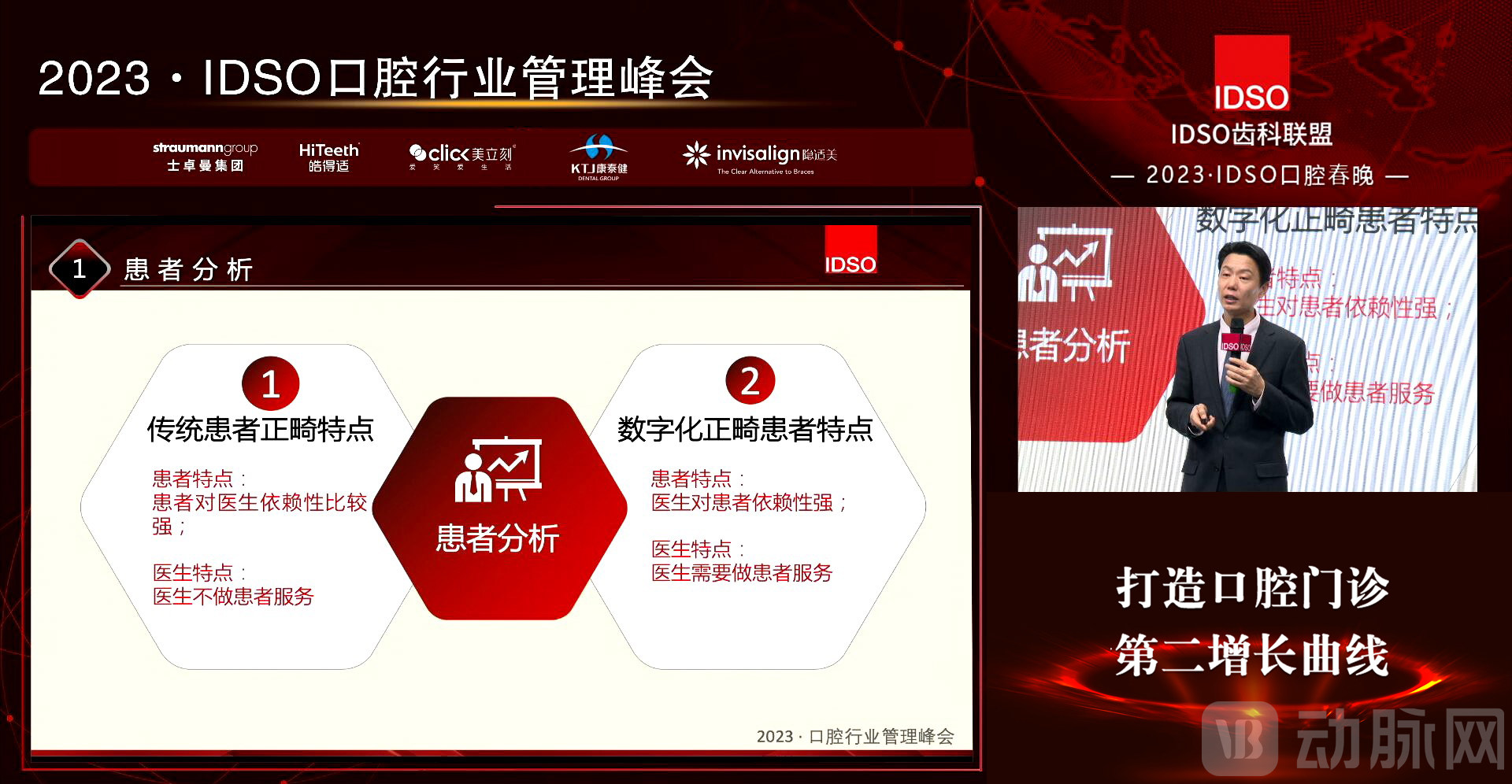 (Ma Chunmin, Chairman of the Board of Enjoy Dental Group)
Centered on the topic “What Are the Drivers Behind Sustained Outpatient Clinic Growth?”, Sun Yan, Founder of the IDSO Dental Alliance; Zhang Hailin, Founder of Luoyang Little White Rabbit Dental; Cheng Rongming, Founder and President of Dazhou Yakang Stomatological Hospital; Song Mingwen, President of Shandong Shengderen Stomatological Hospital; and Guo Moran, General Manager of Aoqi Oral Medicine Research Center, engaged in a roundtable discussion, conducting an in-depth analysis and deliberation on the core logic driving outpatient clinic growth.
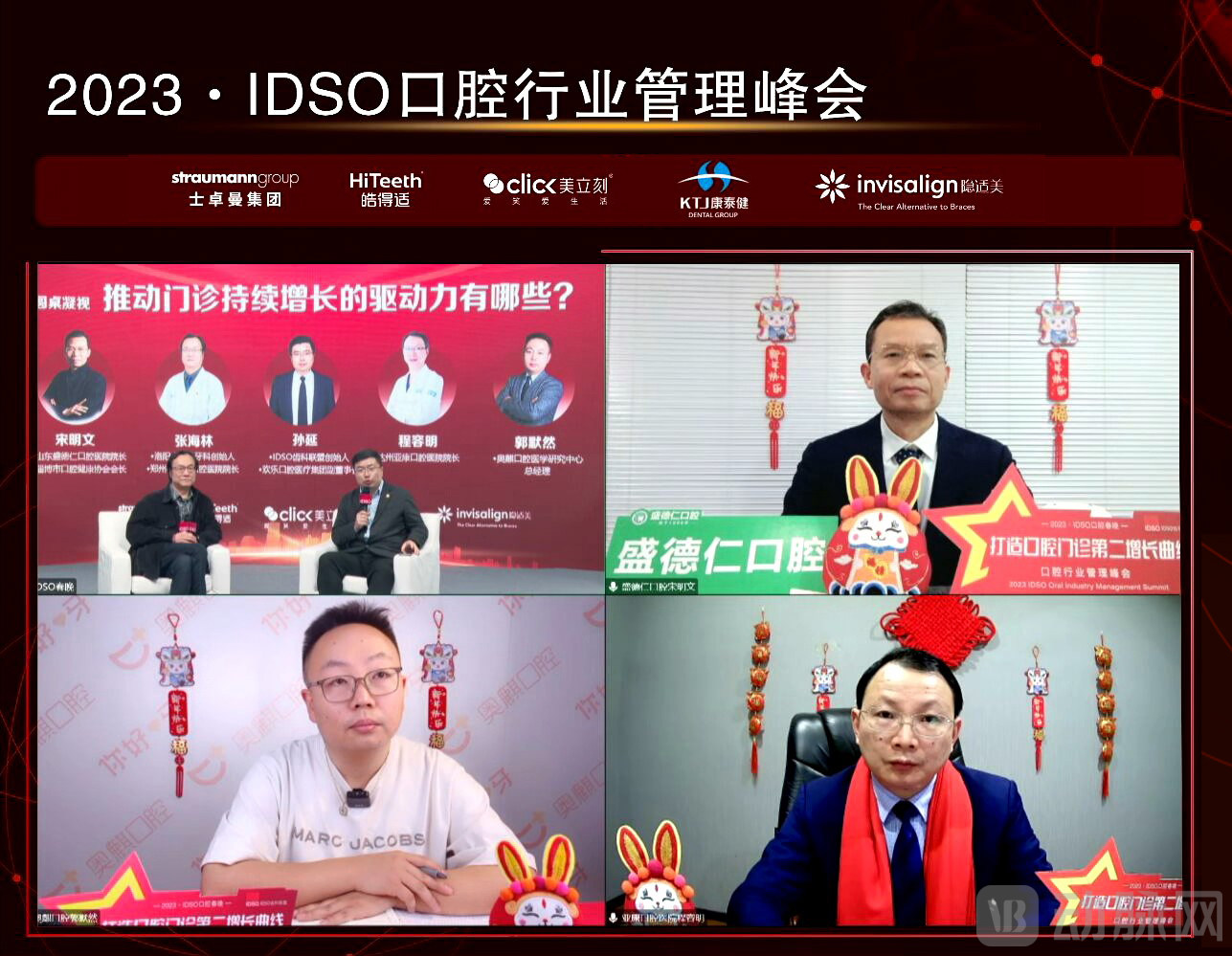 ("What Are the Drivers Behind Sustained Outpatient Growth?" Roundtable Forum)
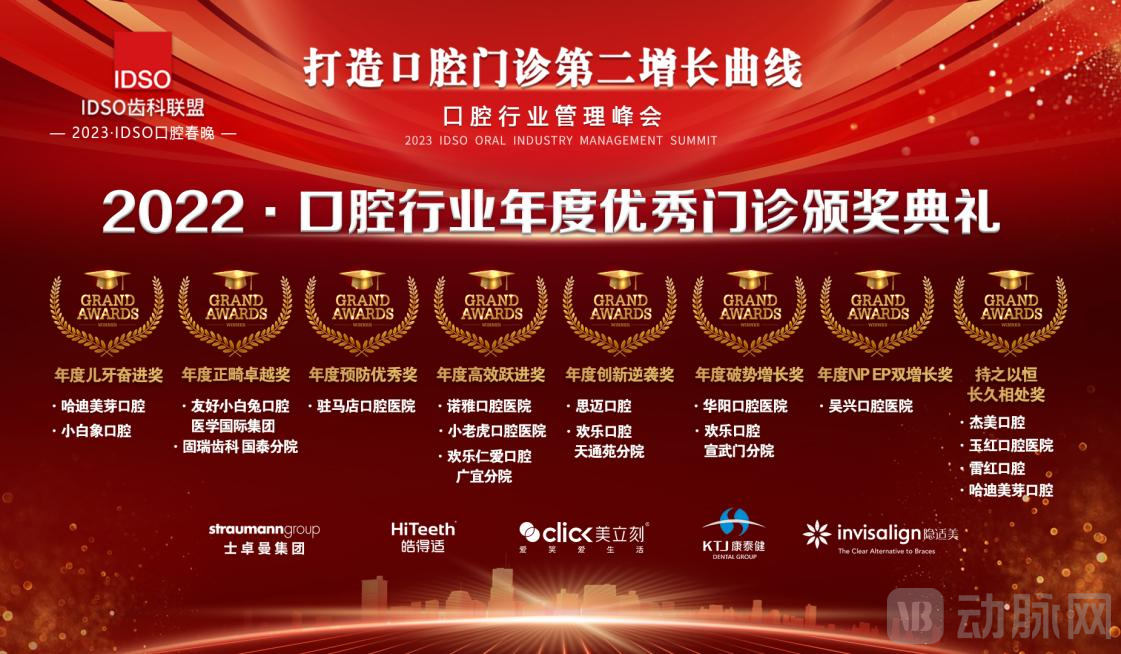
As a major highlight of this year’s Dental Spring Festival Gala, eight awards were presented at the event.Among them, Hady Meiya Dental and Little White Elephant Dental Hospital were awarded the “Annual Pediatric Dentistry Progress Award”; Youhao Little White Rabbit International Group of Stomatology and Gurui Dental – Guotai Branch received the “Annual Orthodontic Excellence Award”; Zhumadian Dental Hospital won the “Annual Prevention Excellence Award”; Nuoya Dental Hospital, Zhengzhou Little Tiger Dental Hospital, and Shenyang Happy Ren’ai Dental were honored with the “Annual Efficient Leapforward Award”; Simai Dental and Happy Dental – Tiantongyuan Branch received the “Annual Innovative Turnaround Award”; Huayang Dental Hospital and Happy Dental – Xuanwumen Branch were awarded the “Annual Breakthrough Growth Award”; Wuxing Dental Hospital won the “Annual NPEP Dual Growth Award”; and Jiemei Dental, Yuhong Dental Hospital, Leihong Dental, and Hady Meiya Dental received the “Award for Persistent Long-Term Engagement.”
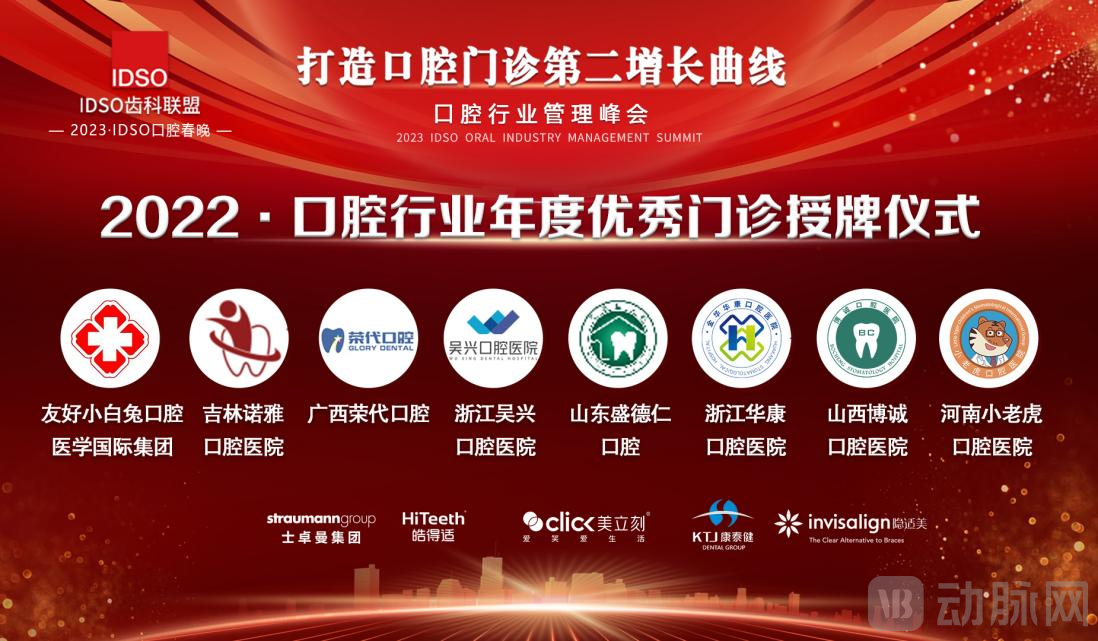
In addition, Friendly White Rabbit International Group of Stomatology, Jilin Nuoya Stomatological Hospital, Guangxi Rongdai Stomatology, Zhejiang Wuxing Stomatological Hospital, Shandong Shengderen Stomatology, Zhejiang Huakang Stomatological Hospital, Shanxi Bocheng Stomatological Hospital, and Henan Little Tiger Stomatological Hospital were awarded the title of “2022 Outstanding Dental Clinic of the Year.”
It is foreseeable that, standing at the new starting point of 2023, the dental industry is poised to embark on a new growth curve.
Oral health issues are garnering increasing attention.
From the domestic perspective, China has a huge total number of dental patients. Since 2010, the number of dental patients has increased year by year, reaching 700 million in 2019, accounting for about half of the national population. Among them, the gingival bleeding rate among middle-aged people aged 35-44 is as high as 87.4%, and the detection rate of dental calculus reaches 96.7%.
On the other hand, oral diseases are increasingly affecting younger populations. According to the 2019 national statistics on oral diseases in China, the caries prevalence rate among 5-year-old children was as high as 70.9%, and that among 12-year-old children reached 34.5%.
It is important to recognize that oral diseases have a high incidence rate, and conditions such as periodontal disease, dental caries, and bacterial infections may trigger or exacerbate systemic diseases. Therefore, maintaining oral health is of paramount importance.
Behind the immense demand lies substantial market growth potential in the field of oral healthcare services.
Frost & Sullivan’s report indicates that the market size of China’s dental medical services reached RMB 145 billion in 2021, maintaining an average annual growth rate of 20%, and is projected to approach RMB 300 billion by 2025.
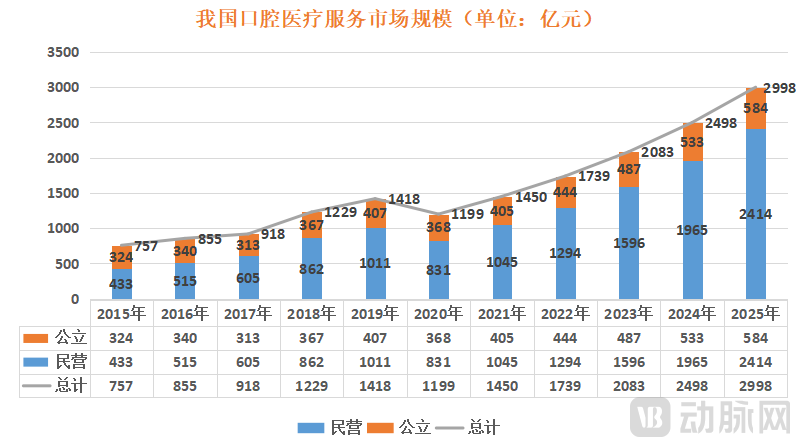 (Data source: Frost & Sullivan; graphic by VCBeat)
The market’s substantial growth volume naturally creates high-quality opportunities for every innovative enterprise entering the dental care services sector, while also attracting increased capital investment.
Nevertheless, it is advisable to take a long-term perspective. How China’s oral healthcare service industry will evolve during this process is a matter of great concern to industry enterprises. Based on multi-faceted observations and insights from guests at the Second Oral Health Spring Festival Gala, VCBeat identifies three key trends worth noting.
First, amid the sweeping wave of digitalization, the intelligent and automated transformation of the dental industry will continue to accelerate.This includes the continuous upgrading and iteration of AI-powered and digital devices, such as intraoral scanners, as well as the digital transformation of internal management processes within dental institutions.
In the future, dental healthcare providers that demonstrate superior cognition and execution in informatization and intelligence will be more likely to emerge as leaders. Additionally, with the widespread adoption of intelligent devices and the establishment of information systems, the barrier to entry for entrepreneurship in the dental industry is becoming increasingly high.
Second, the concentration of the dental industry will continue to rise steadily, with chain institutions demonstrating stronger growth potential and risk resistance.Across the entire market, there are currently over 70,000 small and fragmented dental clinics. These institutions exhibit weak operational consolidation capabilities, limited access to financing, a lack of digital awareness, and poor risk resilience, leaving them utterly vulnerable when confronted with sudden crises such as the pandemic.
On the other hand, large chain groups leverage economies of scale to gain advantages in financing capabilities and brand expansion. This enables such institutions to raise capital through equity financing, debt financing, and internal fund allocation within the group when facing unexpected situations. Consequently, they exhibit strong risk resilience and are able to achieve resource synergy. From this perspective, the consolidation of China’s dental industry into chains will accelerate, naturally leading to an increase in market concentration.
Third, enterprises with better localization of the DSO model are more likely to emerge as leaders.DSO, a model currently highly favored by dental healthcare service providers, has the core function of providing clinics with support in non-clinical areas such as management, operations, finance, legal affairs, and training. This enables dentists to devote more energy to enhancing their clinical skills and treating patients, essentially empowering dental practitioners.
After all, in the dental industry, it is mainstream for dentists to start their own practices; however, while dentists excel in clinical expertise, they are often relatively weak in business management. The DSO (Dental Service Organization) model not only helps dentists address operational and managerial challenges but also enables institutions to scale up and become regional leaders. Therefore, enterprises that effectively localize the DSO model and grow alongside the industry hold greater potential.
It should be noted that,On the journey of innovation, medical quality remains the top priority for dental institutions to uphold and focus on.
Therefore, only by establishing a patient-centered foundation, continuously breaking through boundaries, and embracing long-term value can dental institutions achieve steady and sustainable growth.
For more inquiries regarding outpatient operations and business collaborations, please add Teacher Liu Ran from IDSO for detailed consultation. Contact number: 13801337137